Kangal Puppies for Sale: A Livestock Guardian with Character and History
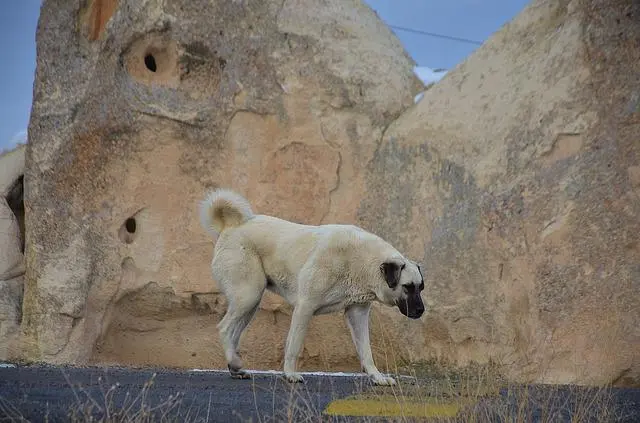
The Kangal, often referred to as the Anatolian Shepherd Dog, is an imposing livestock guardian dog with deep roots in Turkey. Over the centuries, this breed was developed in the vast, rugged landscapes of Anatolia to independently protect sheep and goat herds from predators such as wolves and bears. This original purpose shapes the temperament of the Kangal to this day. If you are thinking about buying kangal puppies for sale, it is essential to understand their nature: they are not classic companion dogs waiting for your every command, but independent thinkers who assess situations on their own and act accordingly.
Despite its enormous size and strength, the Kangal is characterized by remarkable calmness and composure as long as it perceives no threat to its territory or family. Toward its humans, it proves exceptionally loyal and forms deep bonds, although it often shows affection in a rather reserved, understated way. Experienced dog owners appreciate precisely this sovereignty. Nevertheless, keeping such a dog requires a high degree of expertise, consistency, and above all, the appropriate spatial conditions. A Kangal is a dog for specialists and lovers of primitive breeds who are willing to accommodate the unique needs of a livestock guardian dog.
To get a comprehensive overview of the specific traits, history, and temperament of this breed, it is worth checking out the detailed Kangal breed profile. There you will find all the important facts to help you make an initial assessment of whether this proud dog fits your lifestyle.
Kangal Price: What Costs Should You Expect?
Acquiring and keeping a dog of this scale involves significant financial commitments. The price for a healthy, well-socialized puppy from a reputable breeder typically ranges from 2,000 to 3,500 euros. While this price may seem high at first glance, it reflects the immense effort that responsible breeders invest in health care, rearing, and selecting sound parent stock.
In addition to the initial purchase price, a dog whose males can reach a weight of 50 to 66 kilograms entails substantial ongoing expenses. You should budget for the following monthly costs:
- Nutrition: An adult Kangal requires large amounts of high-quality food. Depending on the feeding method (dry food, wet food, or BARF), monthly feeding costs can easily range between 100 and 200 euros.
- Vet bills: Medications, anesthetics, dewormers, and parasite preventatives are dosed according to body weight. Consequently, treatments for large-breed dogs are correspondingly more expensive. Taking out pet health insurance or surgical insurance also usually comes with higher premiums for giant breeds.
- Dog tax and insurance: In some regions, the Kangal is classified as a potentially dangerous dog (restricted breed). In these areas, the dog tax can be drastically higher than for other breeds. Comprehensive third-party liability insurance for dog owners is also indispensable.
- Equipment: Robust leashes, escape-proof harnesses, large orthopedic dog beds, and car transport crates in XXL sizes are significantly more expensive than standard models.
Finding the Right Kangal Breeder
Anyone looking for kangal puppies for sale faces the important task of finding a reputable and responsible breeder. Especially with livestock guardian dogs, the genetic predisposition for a stable, nerved-steady temperament as well as early, professional socialization is crucial for the dog's later behavior in everyday life. A reputable breeder breeds under the strict guidelines of a recognized kennel club, such as the VDH (Verband für das Deutsche Hundewesen).
A good breeder will not pressure you to buy a puppy. On the contrary, they will ask you many questions about your living situation, your dog experience, and your daily routine to ensure their protégé goes to a suitable environment. They will allow you to meet the mother dog in her familiar surroundings and place great value on transparency regarding the health test results of the parent animals.
If you are looking for verified and trustworthy points of contact, you can find an overview of verified Kangal breeders in Germany who are dedicated to the high standards of species-appropriate breeding.
Red Flags When Buying a Puppy
The market for large guard and protection dogs unfortunately also attracts unscrupulous puppy mills. To avoid supporting illegal puppy trade and animal suffering, you should refrain from buying under the following circumstances:
- The puppy is offered at a price far below the usual range of 2,000 to 3,500 euros.
- The handover is supposed to take place in a parking lot, at a rest stop, or in a neutral location.
- The mother dog is not present or appears fearful, listless, or aggressive.
- The breeder cannot provide official health certificates (X-ray evaluations for HD/ED) of the parent animals.
- The puppies are raised in isolation in kennels or sheds and have not been exposed to everyday household noises.
Health and Important Preventive Care
The Kangal is generally considered a robust and primitive breed that is not affected by extreme breeding traits (torture-breeding). The life expectancy of 12 to 15 years is above average for a dog of this size. Nevertheless, the sheer size and weight of the Kangal bring a predisposition to certain orthopedic and anatomical conditions.
Breed-Typical Health Issues
Health aspects that are a primary focus in large-breed dogs include joint disorders. Hip dysplasia (HD) and elbow dysplasia (ED) are malformations of the joints that can lead to painful osteoarthritis. Reputable breed clubs strictly require official X-ray examinations evaluated by independent experts for breeding approval. Only dogs with flawless joints are permitted for breeding. When buying a puppy, make sure to ask for these evaluations of the parent animals.
Another risk for deep-chested dogs is gastric torsion (bloat). This occurs when the stomach twists on its axis, cutting off blood vessels and leading to a life-threatening state of shock that requires immediate surgical intervention. Experts advise dividing the daily food ration into two to three smaller meals and maintaining strict resting periods after eating to minimize the risk. Further sound information on typical dog diseases and prevention is provided, for example, by the Federal Chamber of Veterinarians (Bundestierärztekammer).
Does the Kangal Fit Your Lifestyle?
The decision to get a Kangal should never be made on a whim or purely because of its imposing appearance. These dogs place very specific demands on their owners and living environment. The urban suitability of the Kangal is 1 out of 5 points — it is definitely not a dog for an apartment in a densely populated residential area. Narrow stairwells, constant noise, lack of escape routes, and encounters with countless strange people and dogs mean massive stress for a livestock guardian dog.
The ideal home for a Kangal is a rural setting with a large, securely and high-fenced property. Guarding its territory is in its blood. It will patrol the fence and announce unusual occurrences with a deep, penetrating voice. This requires tolerant neighbors and forward-looking property security.
Within the family, when properly socialized, the Kangal proves to be a calm, loyal, and protective companion (family friendliness 4/5). However, it is not a dog that can be worn out by endless repetitions of commands or games of fetch. Its trainability (2/5) requires patience, mutual respect, and leadership based on sovereignty rather than pressure. Harshness or coercion lead to a massive loss of trust in these proud dogs and, in the worst case, defensive behavior.
Legal Regulations: Is the Kangal a Restricted Breed?
An essential point before acquisition is the legal situation in your region. Dog legislation varies by jurisdiction. While not federally restricted everywhere, the Kangal is listed as a potentially dangerous dog (restricted breed) in certain states.
In some regions, the Kangal is on the breed list, meaning keeping one is tied to strict conditions. These typically include applying for a keeping permit, providing a police certificate of good conduct, proof of competence for the owner, and a temperament test for the dog. General regulations for dogs of this size and weight may also apply elsewhere. Be sure to check with your local regulatory office about local regulations beforehand.
Alternatives to Breeders: Kangals from Animal Rescue
Unfortunately, the traits and needs of livestock guardian dogs are frequently underestimated. Once these dogs reach sexual maturity and develop their territorial behavior, many owners feel overwhelmed. As a result, animal shelters and specialized rescue organizations record a high number of Kangals and Kangal mixes waiting for a new, knowledgeable home.
Adopting an adult Kangal from animal rescue can be a wonderful alternative to buying a puppy. The advantage here is that the dog's personality is already established, and experienced shelter staff can give you a realistic assessment of whether the dog is right for you. Often, rescuing a dog spares you the exhausting puppy phase, and you give an animal that ended up in need through no fault of its own a second chance. However, note that rescue dogs may sometimes bring behavioral issues that require professional training.
Frequently Asked Questions
Is the Kangal a restricted breed?
This depends entirely on local regulations, as there is no uniform nationwide rule. In some jurisdictions, the Kangal is listed on breed restriction lists, meaning its ownership is tied to official requirements such as proof of competence, a temperament test, and a keeping permit. In other areas, it is not classified as a restricted breed but is subject to general regulations for large dogs.
How much exercise does a Kangal need?
The Kangal has a moderate to high energy level (4/5) but is not a dog for hours of jogging or cycling. It needs extended, calm walks in nature where it can observe its surroundings and move around. Just as important as the walk is spending time on its own fenced territory, where it can pursue its natural job as a guardian.
Can you keep a Kangal in an apartment?
Experts strongly advise against apartment living. The Kangal is a livestock guardian dog that needs space to move freely and survey its territory. Living in an apartment, possibly in a densely populated city, does not meet its natural needs and frequently leads to massive stress and behavioral problems.
Is the Kangal suitable for beginners?
No, the Kangal is not a beginner dog. Its enormous physical strength coupled with its independence and strong protective instinct require an owner who already has experience in handling dogs. It needs calm, sovereign, and consistent guidance to grow into a well-balanced companion.
Find Your Kangal via HonestDog
The decision to share your life with a Kangal requires preparation, expertise, and the right framework. If you are certain that you can provide a species-appropriate home for this magnificent and strong-willed livestock guardian dog, the search for the right companion begins. To make this step as safe and transparent as possible for you, we at HonestDog carefully review all listings and breeders for reliability and adherence to animal welfare standards.
Use our platform to discover responsible breeders, get comprehensive information, and lay the foundation for a lifelong friendship. Here you can safely and verifiably find Kangal puppies that are healthy and well-socialized as they start their new lives.