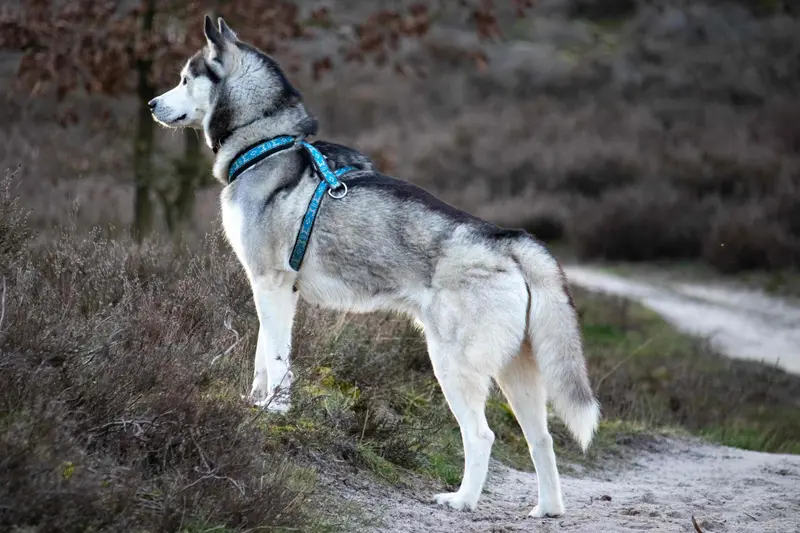
reputable siberian husky breeders: traits of a good husky breeder
Welcoming a northern sled dog into your life requires thorough preparation. The Siberian Husky is a working dog originally bred in Russia to pull loads over long distances under extreme climatic conditions. This history still shapes the breed's character today. With an exceptionally high energy level and pronounced independence, the husky places high demands on its owners. That is precisely why the origin of your puppy is of crucial importance. A well-socialized, genetically healthy puppy forms the foundation for a harmonious life together.
If you're setting out to find a suitable companion, you'll quickly realize that the market can be overwhelming. To help you navigate, this guide highlights the essential criteria that identify responsible breeding kennels. From mandatory medical examinations of the parent dogs to the legal framework — here's what truly matters when you're looking for a healthy and stable-tempered dog.
Why choosing the right Siberian Husky breeder matters
Genetic predisposition and breed-specific traits
The Siberian Husky belongs to FCI Group 5 (Spitz and primitive types). These dogs are characterized by a high degree of independence, which is often misunderstood in training as stubbornness. They like to make their own decisions and show behavior that is less geared toward a constant willingness to cooperate with humans (the so-called "will to please"). Trainability therefore requires a great deal of patience, consistency, and expertise.
Furthermore, the breed combines several strong drives: a pronounced hunting instinct, territorial instincts, and a high social need toward other dogs. A responsible breeder pays attention not only to outward appearance during pairing, but specifically selects for a stable, resilient temperament. Dogs from uncontrolled breeding often show a very low threshold of reactivity, hyperactivity, or severe anxiety, leading to massive everyday problems.
The danger of breeding purely for looks
Due to their striking appearance, dense double coat, and often blue eyes, the breed has unfortunately also become attractive to disreputable backyard breeders. When breeding focuses primarily on rare coat colors or a specific eye color, health and character take a backseat. This drastically increases the risk of genetic defects and behavioral issues. A well-founded Siberian Husky breed profile helps you understand the dogs' true needs rather than just being guided by their looks.
Characteristics of a reputable Siberian Husky breeder
Club affiliation and controlled breeding
In Germany, controlled purebred dog breeding is largely regulated by the Verband für das Deutsche Hundewesen (VDH). For the Siberian Husky, the Siberian Husky Club e.V. (SHC) and the Deutscher Club für Nordische Hunde e.V. (DCNH) are specifically responsible. Breeders belonging to these clubs are subject to strict breeding regulations. These rules determine the health and temperament requirements a dog must meet before being approved for breeding.
Additionally, statutory regulations apply. Under Section 11 of the Animal Welfare Act, dog breeding is generally considered commercial and therefore requires a permit if three or more fertile bitches are kept or three or more litters are produced per year. In such cases, the breeder must prove their expertise to the responsible veterinary office, and the kennel is officially inspected. A reputable breeder is transparent about these official and club internal approvals.
Rearing conditions and early socialization
The first weeks of life are formative for a puppy's development. Responsible breeders raise their litters in a close family environment. Pure kennel housing without sufficient family connection is unacceptable, as it prevents puppies from experiencing important everyday stimuli. The breeder gently exposes the young dogs to various surfaces, noises, people, and, whenever possible, other animals. This habituation ensures that the puppy handles new situations with more confidence later on.
Important health tests for Siberian Husky breeding
Although the Siberian Husky is generally considered a robust working dog, there are breed-specific hereditary diseases that must be contained through targeted diagnostics. Before a dog is approved for breeding in a VDH-affiliated club, specific veterinary evaluations are mandatory.
Hip Dysplasia (HD)
Hip dysplasia is a malformation of the hip joint that can lead to painful osteoarthritis. An official x-ray examination after the completion of the first year of life is mandatory for breeding approval. The evaluation is carried out by an independent evaluator approved by the VDH. Generally, only dogs with A1/A2 (HD-free) and B1/B2 (suspected HD) results are approved for breeding. Dogs with mild HD (C1/C2) receive breeding approval only under strict conditions, if at all, and may only be paired with HD-free partners.
Hereditary eye diseases
The Siberian Husky has a genetic predisposition to various eye diseases. Breeding regulations therefore mandate an examination by a specialized veterinary ophthalmologist, typically following the guidelines of the Dortmunder Kreis (DOK) or the European College of Veterinary Ophthalmologists (ECVO). Key conditions tested for include:
- Cataracts: An opacity of the eye lens that can lead to blindness if left untreated. A juvenile form frequently occurs in the husky.
- Goniodysplasia (pectinate ligament anomaly): A malformation in the eye that hinders the drainage of aqueous humor and drastically increases the risk of painful glaucoma.
- Progressive Retinal Atrophy (PRA): A progressive degeneration of the retina that inevitably leads to blindness.
Always ask to see the current ophthalmological evaluations of both parent dogs. A reputable breeder will provide these documents unprompted.
5 specific questions to ask the husky breeder
An open conversation is the best way to assess a breeder's competence. The following questions will help you clarify important details:
- Can you show me the official health evaluations (hip x-rays and DOK eye exams) of both parent dogs?
Excuses like "My vet said the dog is healthy" are not enough. Only official expert evaluations count. - What criteria did you use to select this specific stud dog for your female?
A well-planned litter is based on compensating for weaknesses and strengthening positive traits. The breeder should be able to explain why this exact pairing makes sense. - How do you assess the hunting drive and energy level of the parent dogs?
Since the husky has a high energy level, it's important to know whether the parents are relatively calm representatives of their breed or show extreme working drive. This helps you gauge whether the puppy fits your lifestyle. - How do you manage socialization during the first eight weeks?
Ask about specific stimuli (car rides, household noises, children, other dogs) that the puppies are introduced to. - Will you take the dog back in an emergency if my living circumstances change drastically?
Responsible breeders feel responsible for their offspring for a dog's lifetime and offer help or a take-back policy in emergencies.
Red flags: spotting disreputable breeders and puppy mills
The puppy trade is a lucrative business that unfortunately also attracts criminals and irresponsible backyard breeders. There are clear warning signs that should make you walk away from a purchase. If puppies are offered without papers from a recognized kennel club (VDH/FCI), there is no control over health and ancestry. Such sellers often lure buyers with significantly lower prices.
Another red flag is when a breeder offers several completely different breeds at once or constantly has puppies available. This points to commercial mass production. If you aren't allowed to meet the mother dog, or if she appears apathetic, extremely fearful, or aggressive, exercise utmost caution. The mother dog shapes the puppies' behavior massively during the first weeks. Shady sellers also often pressure you into a quick decision and offer to hand over the puppy in a neutral location (e.g., a parking lot). A reputable breeder, on the other hand, wants to know where their puppy is growing up and will ask you many questions about your living situation.
Price overview: how much does a Siberian Husky from a breeder cost?
The price range for a purebred Siberian Husky from controlled VDH breeding typically lies between 1,200 and 2,500 euros. This price may seem high at first glance, but it puts things into perspective when you consider the costs of reputable breeding.
The breeder invests significant sums in preparing a litter. This includes mandatory health screenings (x-rays, eye exams, genetic tests where applicable), show fees for breeding approval, stud fees, and often long travel to a suitable mate. During pregnancy and rearing, costs incur for high-quality food, veterinary care, ultrasounds, vaccinations, microchips, and pedigree papers. A puppy at a "bargain price" of 500 euros almost certainly comes from a source that cuts corners on these essential points — which often leads to immense veterinary bills later on.
Frequently asked questions
Are Siberian Huskies suitable for novice dog owners?
Due to their independence, strong hunting drive, and enormous need for exercise, Siberian Huskies are considered demanding to keep. They require consistent leadership and extensive knowledge of canine communication. For absolute beginners, they are usually only suitable if very close guidance by a competent dog training school is guaranteed and there is a willingness to invest a lot of time in physical and mental exercise.
How much exercise does a husky need daily?
A short walk around the block is not enough for this breed. Huskies need several hours of physical and mental stimulation daily. They are ideally suited for sled dog sports (such as canicross, bikejoring, or dogscooting), extended hikes, and running training. However, it is important that sports activities only begin after growth is complete (from approx. 12 to 15 months) and after a clear hip x-ray result.
Can you keep a husky in a city apartment?
The urban suitability of the Siberian Husky is generally rated as very low. They often have a strong urge to vocalize (howl) and need plenty of space. An ideal home is a house with a tall, escape-proof fenced yard, as many huskies are true escape artists. Keeping one purely in an apartment in a busy city usually fails to meet the needs of this nature-loving breed.
How high-maintenance is the husky's coat?
Grooming effort is moderate, but requires regularity. The dense double coat protects the dog against cold and heat. A heavy shedding period occurs twice a year, during which the dog loses large amounts of undercoat. During this time, daily, thorough brushing is essential. Shaving the coat should be avoided at all costs, as it destroys the dog's natural thermoregulation and leads to permanent coat damage.
Find vetted Siberian Husky breeders on HonestDog
The search for the right breeder requires time, patience, and a critical eye. To ensure you receive a healthy puppy from responsible rearing, choosing the right kennel is the most important first step. If you are ready to take on this fascinating yet demanding breed, HonestDog will support you in your search.
On our platform, you will find carefully vetted Siberian Husky breeders in Germany who are dedicated to the strict guidelines of breeding associations. Take your time to explore the various kennels, get in touch, and meet the parent dogs. If you are currently looking for a new family member, you can check our overview directly to see where Siberian Husky puppies are currently looking for a new home. Take the time to find a breeder who answers your questions transparently and supports you with expertise.