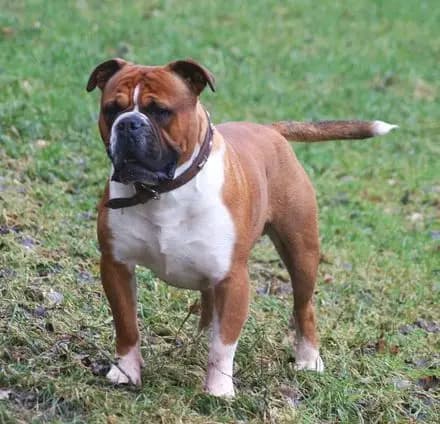
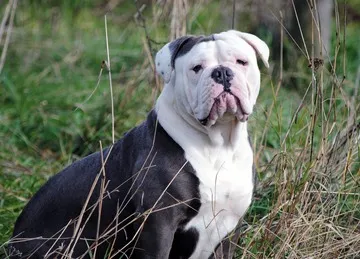
Old English BulldogSame FCI section
The American Bulldog is a massive, extremely loyal companion—an athletic bull-type breed originally bred for tough farm work and handling stubborn livestock. This raw power is paired with a vigilant protective instinct that demands clear, firm leadership.
Self-check
Answer 6 quick questions about your everyday life and see how well the American Bulldog fits you — including an honest cost estimate per month, per year, and across the dog's lifetime.


At a glance
The essentials — key facts, traits, and health priorities — before you dive deeper.
Lifespan
10–15 yrs
Shoulder height
56–70 cm
Weight
27–54 kg
Practical
Temperament
Daily life
What matters most
Especially with a American Bulldog, choosing the right breeder is the single most important decision you'll make. Serious breeders consistently test the parents for inherited conditions, prioritize healthy early socialization, and stay accountable long after handover. A cheap puppy without health screening tends to become the most expensive dog later on.
See HonestDog breeder standards →Colors & coat
The coat colors that occur in the American Bulldog — including which ones fall outside the breed standard and which carry genetic risk.
Eye colors
 Brown
 Amber
 Blue
 Odd-eyed
Coat type
 Short
 Smooth
The real vibes check
An American Bulldog is not just a cuddly XL-sized pet, but a loyal bouncer who loves its family unconditionally. If you don't confidently show it that you are in charge of your daily life, it will immediately take over that job itself. You are trading the uncomplicated ease of a companion dog for a partner who would literally walk through fire for you.
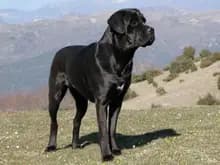
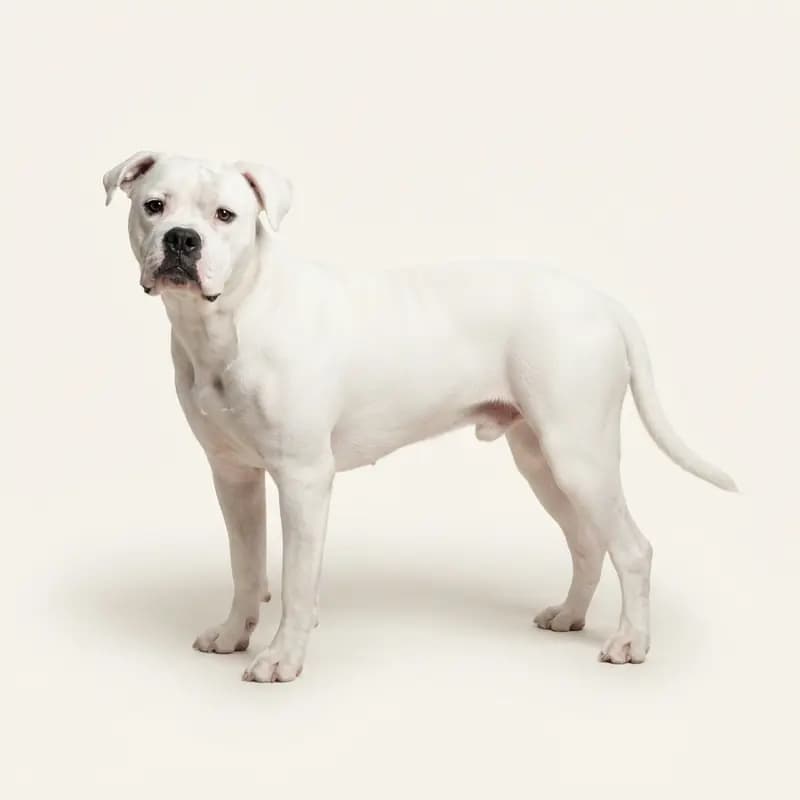
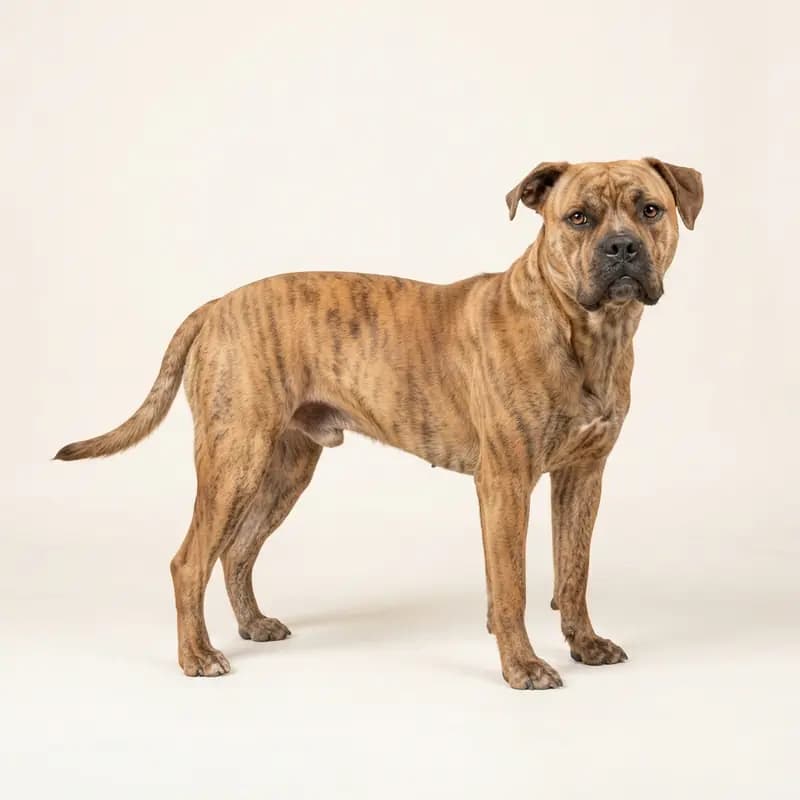
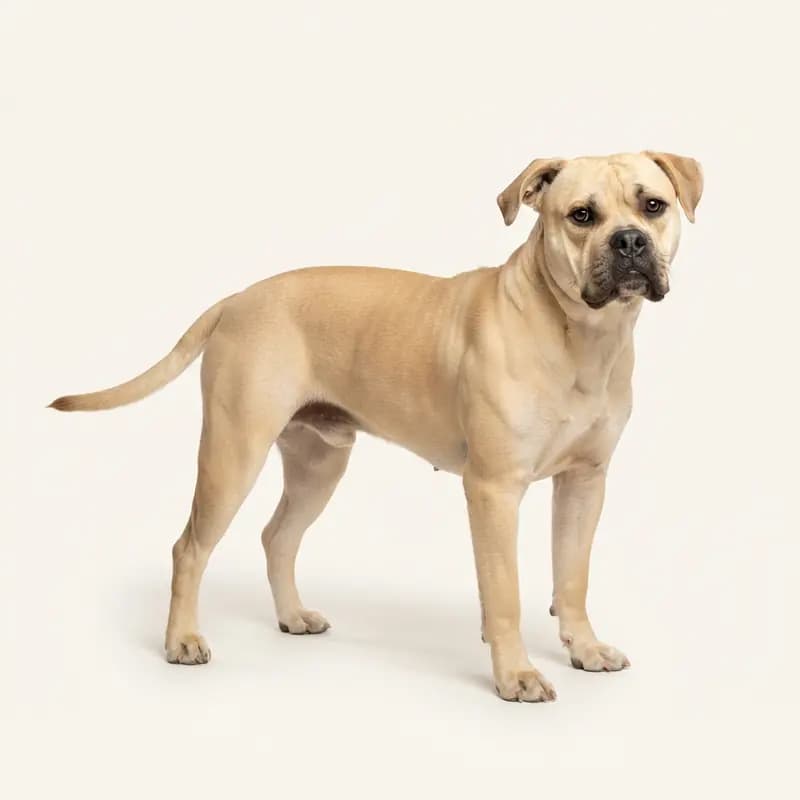
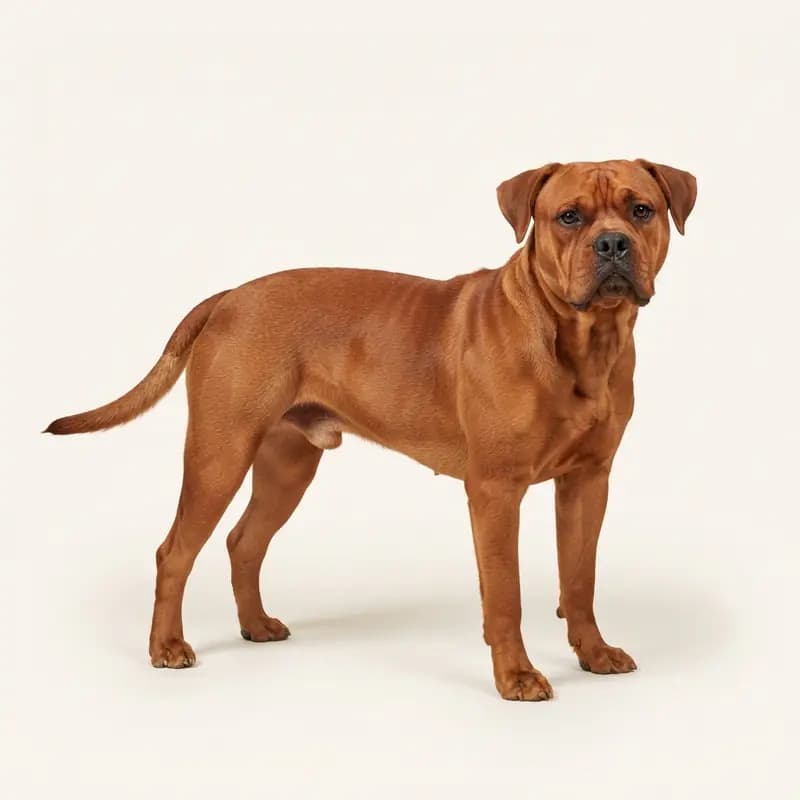
The American Bulldog is not recognized by the FCI; the United Kennel Club (UKC) lists it as an independent breed. His appearance is powerful, muscular and robust. The head is large and square with a pronounced stop and powerful jaws. The ears are medium-sized and are worn semi-erect or hanging. The body is athletic, with a deep chest and a muscular back. The tail is medium long and is carried straight. There are two main lines of American Bulldog: the Classic or Johnson line and the Standard or Scott line. The Classic line is characterized by a beefier build, while the Standard line has a more athletic build. However, both lines are equally strong and powerful.
The American Bulldog is known for its loyal and protective nature. He is a brave dog who does not hesitate to defend his family if he believes they are in danger. On the other hand, he is also a loving and playful dog who forms a close bond with his family. He loves being in the company of his loved ones and enjoys physical affection and playtime. There are differences in temperament between the two lines. The Classic line tends to be a little quieter, while the Standard line is more energetic and active. However, both lines are naturally alert and have a strong protective instinct. In terms of use based on temperament, the American Bulldog was originally used for farm work. He is a versatile working dog that can be used in various areas such as protection, guard duty, and occasionally in dog sports such as weight pulling or guard dog training. The American Bulldog can stay alone, but he needs enough mental and physical stimulation to prevent boredom and separation anxiety. It is advisable to teach him to stay alone from a young age and slowly get him used to longer periods of separation. The American Bulldog often exhibits some degree of hunting and prey-catching behavior, so it is important to have a safe area for him to play and run. It is also important to get him used to other pets early on, especially if they are smaller. When it comes to alertness, the American Bulldog is a natural watchdog, alert and aware of its surroundings. He's not prone to barking for no reason, but he will make sure you know when something is wrong. It is important to ensure that his protective instincts do not turn into overly territorial behavior and to keep him in an environment that allows him to have positive experiences with people and other animals. Overall, the American Bulldog is a wonderful breed for someone looking for a loyal and protective family member. He needs strong leadership, social interaction, and enough exercise to lead a balanced and happy life. If you are willing to invest the time and energy needed to raise and care for this powerful and loving dog, then the American Bulldog could be the perfect addition to your home.
| Watchfulness A natural watchdog with real protective instinct. | High |
| Openness to Strangers Neither pushily friendly nor suspicious. | Neutral |
| Hunting or Herding Drive Mild interest in movement and small animals — easily managed. | Low |
Fun Fact!
Despite their powerful and intimidating appearance, American Bulldogs are known for their ability to jump high into the air, sometimes up to 7 feet! This shows their incredible athleticism and energy.
American Bulldogs are well-balanced, athletic dogs characterized by great strength, endurance, agility and a friendly nature. Historically, they were bred as working dogs for farm work.
The American Bulldog can be kept in the city, but he needs sufficient exercise and mental stimulation. A house with a garden is ideal. He is generally good with children, but due to his size and strength, it is important to monitor interactions, especially with young children. In terms of other pets, the American Bulldog can get along well with cats and other dogs if socialized from an early age.
Lives for its family — the born family companion.
Extraordinarily patient and loving — a true family dog.
Usually gets on fine with other dogs.
City-appropriate with enough exercise and stimulation.
Owning a dog is a privilege, but it's also a real responsibility. Before you bring one into your life, be honest with yourself about the commitment it takes.
The American Bulldog is intelligent and eager to please, but he needs consistent training. He responds well to positive reinforcement and can be trained in dog sports such as weight pulling and Schutzhund training. It is important to be careful not to over-occupy the dog as he can sometimes be too enthusiastic and there is a risk of him becoming a ball junkie. Early socialization is crucial, as is training in impulse control and frustration tolerance. Because the American Bulldog has a strong protective instinct, it is important to train him to remain calm and controlled in various situations. For a happy American Bulldog, it is important to nurture both their physical and mental abilities. Offer him challenges that reflect his work history, such as nose work, and keep him socially involved.
The American Bulldog needs a balanced diet tailored to his size, age and activity level. High-quality food with sufficient protein is important to support his muscles. Fish oil supplements can help keep his joints healthy. In terms of grooming, the American Bulldog has a short, dense coat with no undercoat. He sheds moderately and regular brushing will help remove loose hair and keep his coat clean. The American Bulldog copes well with the climate in Germany, but in the colder months he may benefit from a coat to keep him warm.
| Care Level Minimal effort — occasional brushing and bathing. | Low-maintenance |
| Exercise Needs Needs several hours of serious exercise every day. | Very active |
| Shedding Hair everywhere, always — no white clothing survives. | Very heavy |
| Trainability Has its own ideas and will test limits. | Strong-willed |
Our experts are still reviewing this information. Spotted something wrong? Email us at info@honestdog.de.
Solid, watch carefully
Health grade
The American Bulldog receives a grade of C, as the breed is heavily burdened by severe joint problems such as hip dysplasia (HD) and elbow dysplasia (ED), which require strict breeding selection. Additionally, the severe skin disorder ichthyosis occurs in the breed, which fortunately can be controlled via genetic testing. Buyers should exclusively rely on parents that have undergone comprehensive testing in order to avoid painful joint conditions.
Grade is relative to other breeds — AI-assisted and editorially reviewed.
Methodology and data: HonestDog Dog Breed Health Report 2026
What matters most for this breed
Tap any item to see details.
Without conscious weight management and joint-friendly rearing—such as through regular check-ups—health problems and veterinary costs can rise significantly later on.
Reputable breeders have hips and elbows checked and use DNA tests for nerve and skin conditions to keep the dogs healthy and resilient for as long as possible.
Note: This health overview is AI-assisted and editorially reviewed. It is for orientation only and does not replace veterinary advice.
What matters most for this breed — what's common, how much it affects the dog's life, and how to protect yourself as a buyer.
Tap a body region to see the inherited conditions linked to it.
The three most important risks
Pick a region on the map to explore other areas.
Tier 1 is the recommended health standard for this breed. Tiers 2 and 3 show how responsible breeders go beyond.
Recommended standard. These tests make up the recommended health standard for this breed — the baseline of any careful breeding program. Ask any reputable breeder for the results.
Note: This health overview is AI-assisted and editorially reviewed. It is for orientation only and does not replace veterinary advice.
A American Bulldog costs around ~€200 per month (€110 – €390, depending on your setup). The first year adds up to roughly ~€5,020 including purchase, equipment and puppy school; across the dog's life (12.5 years) it comes to about ~€33,090.
With surgery cover, running costs come to about ~€210 per month — in return, your share of a major operation drops from several thousand euros to around 20 percent.
Per month
~€200
In the first year
~€5,020
Across the dog's life
~€33,090
Estimated purchase price from a breeder: €1,000 – €2,500
Estimate at a mid-range setup (suburban, dry food, 1–2 hours of daily exercise), average German prices, as of July 2026.
American Bulldog is not treated uniformly throughout Germany and may be subject to specific regulations depending on the federal state or municipality. This may include a permit or other official requirements, restricted insurance options, or a higher dog tax. Always check with your local authorities.
Full guide to restricted-breed ownership in Germany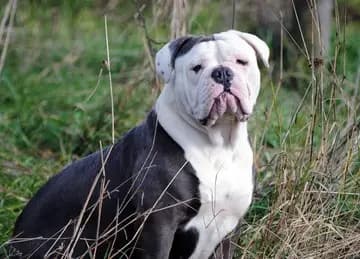
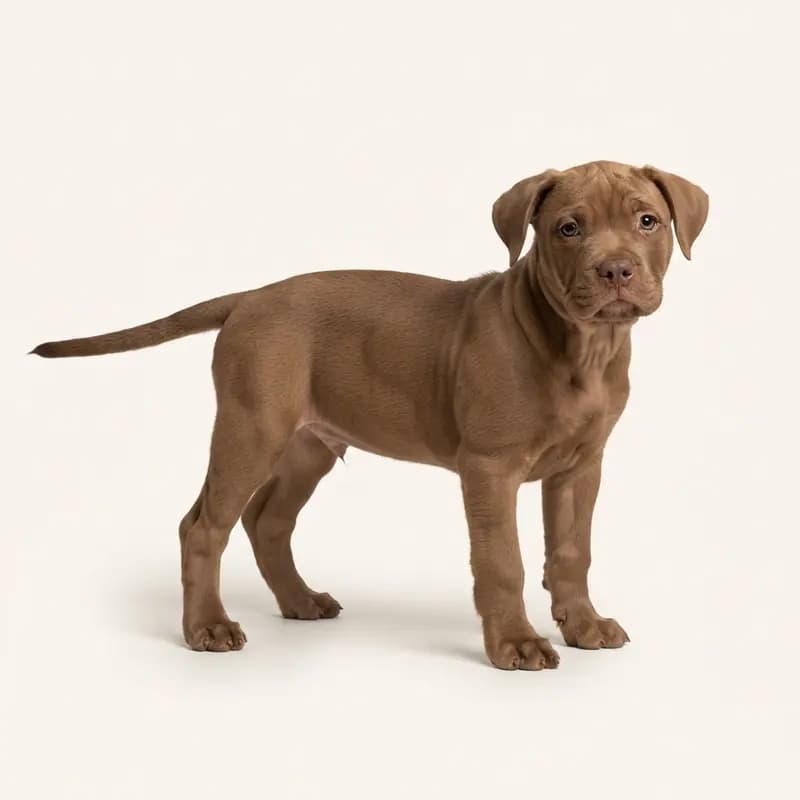
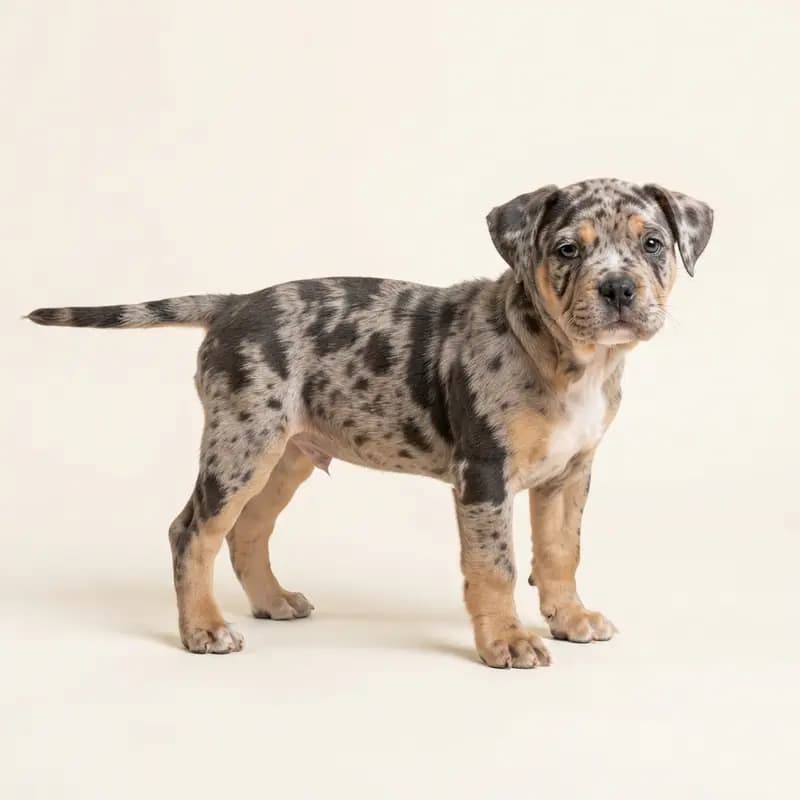
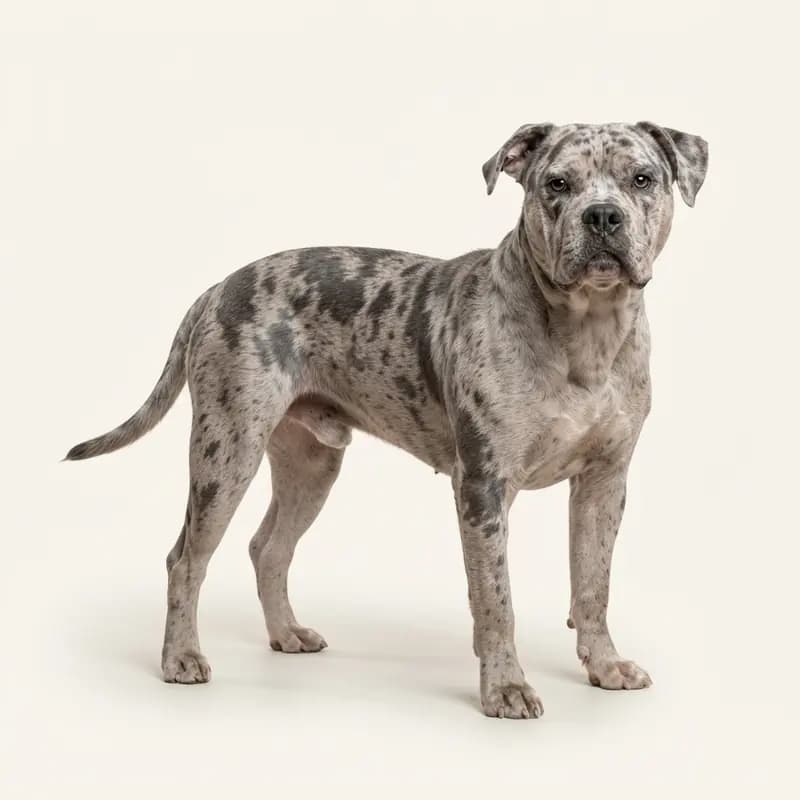
 Illustrative image
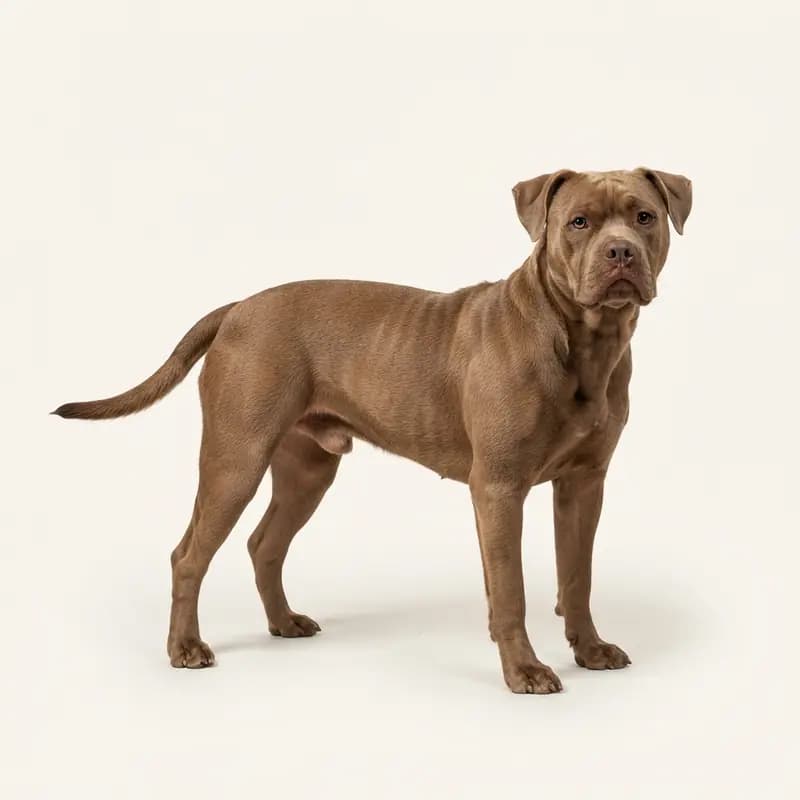
 Illustrative image
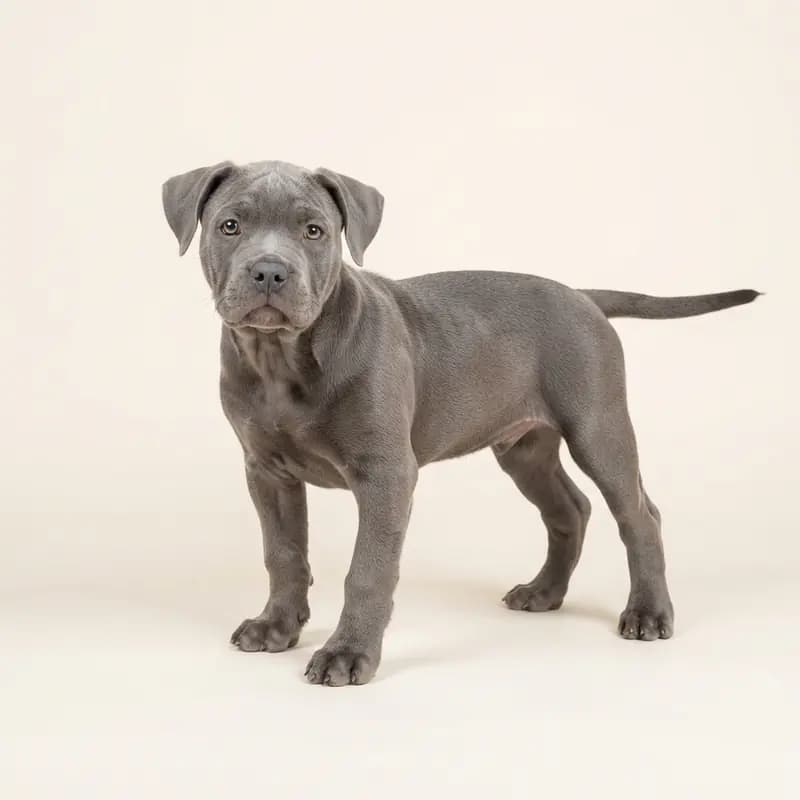
 Illustrative image
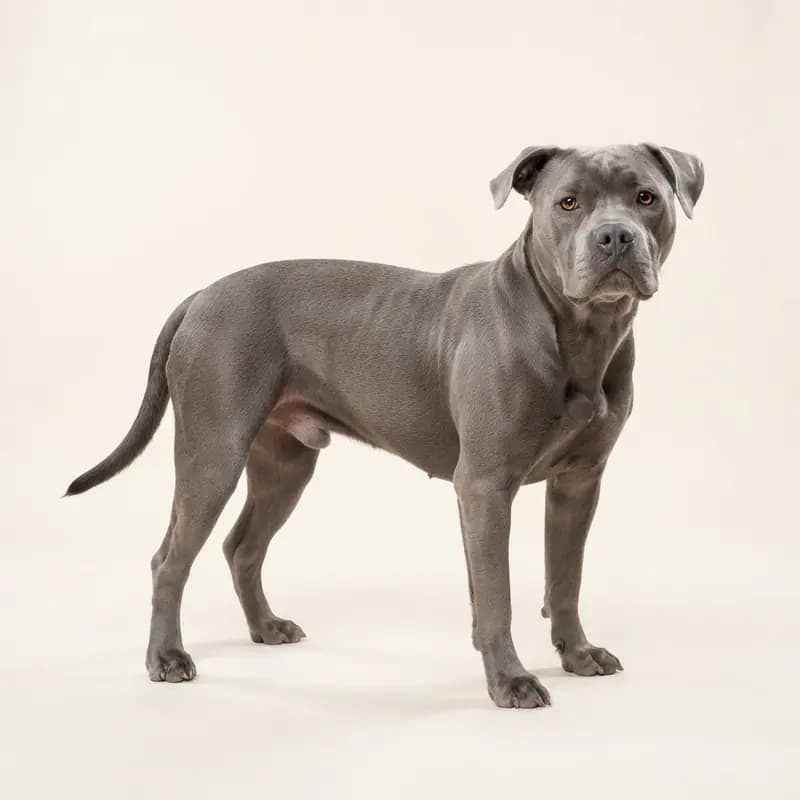
 Illustrative image
Originally from England, the American Bulldog is a direct descendant of the Old English Bulldog, which was used in the 1600s and 1700s as a working dog for guarding and herding livestock, as well as bull-biting sports. In the early 1800s, many English settlers emigrated to America with their Bulldogs, and these dogs were used as all-purpose working dogs on the farms of the southern United States. The breed was in danger of extinction after the need for working dogs in agriculture decreased. However, in the 1940s, breeders, particularly John D. Johnson and Alan Scott, began to advocate for the breed's preservation. The United Kennel Club recognized the American Bulldog as a separate breed in 1999.
The American Bulldog was originally used for work on farms, herding livestock and as a guard dog.
USA
1800
Within the immediate family, most owners find the American Bulldog a very affectionate, cuddly and good-natured companion. Many jokingly call their dogs "big lap dogs" that, despite their bulky bodies, love nothing more than close contact on the sofa and bond very loyally with their people. With children in their own household, they are often credited with a high tolerance threshold and remarkable patience.
At the same time, owner accounts point out that this good nature can quickly reach its limits when visitors arrive or situations get confusing. The breed's inborn protective instinct and strong territorial behavior are present in everyday life all the time. Many of these dogs are reserved or suspicious with strangers at first. Owners therefore stress that careful management at home is essential, so the dog doesn't decide on its own to defend the house, the property or the family.
The breed's sheer physical force is also often named as an underestimated factor in daily life. When excited or playing boisterously, many of these dogs forget their own weight, which means owners need to stand firm and think ahead, especially around small children or older people.
Sources:martinruetter.comfressnapf.de
When it comes to training and walks, owners keep mentioning two main hurdles: the breed's marked stubborn streak and the unavoidable physical strength on the leash. Among owners, the American Bulldog is known as a dog that likes to question instructions and won't cooperate at all with conventional pressure or a heavy hand. Experienced owners unanimously recommend very calm, confident, but completely consistent leadership, because slack handling during adolescence is hard to correct later on once there's 30 to 50 kilograms of muscle on the other end of the leash.
How these dogs get along with other dogs is an especially frequent topic in forums and groups. Many owners find that the early playfulness fades once the dog reaches sexual maturity. Meetings with same-sex dogs in particular lead many of them to show clear dislike or posturing. Meeting other dogs on the leash therefore demands the owner's full attention and a firm stance.
Owners also regularly describe a certain hunting and prey drive. Fast-moving triggers such as fleeing wildlife, cats or cyclists call for targeted impulse-control training from an early age, so that walks can be relaxed without the dog suddenly lunging on the leash.
Sources:fressnapf.dedogforum.de
Owner accounts paint a mixed picture of the breed's health: while the American Bulldog is seen by type as a robust, weatherproof working dog, many owners complain about recurring breed-typical weak spots. Orthopedic problems come up very often, especially hip dysplasia (HD), elbow dysplasia (ED) and cruciate ligament tears, which the breed's heavy weight and sometimes massive build make more likely.
Food intolerances, environmental allergies and sensitive skin are another constant topic among owners. Many describe a long search for the right food, as well as chronic itching, ear infections or inflammation between the toes. Owners point out that dogs with a lot of white in their coat in particular are more prone to skin problems and, in some cases, congenital deafness.
Owners also stress clear differences between the lines: the sportier, longer-muzzled Standard type is usually more agile, while very heavy dogs of the Classic or Bully type are quicker to become short of breath and struggle with exertion in summer heat. Owners therefore strongly advise newcomers to check breeders critically for free breathing and good joint screening results.
Sources:martinruetter.compeqaboo.comreddit.comzooplus.deedogs.de
Paraphrased from real owner reports · translated from German
The American Bulldog is an active dog that needs plenty of exercise and mental stimulation. Research the temperament, grooming needs, and space requirements before deciding.
The average life expectancy of a American Bulldog is 10-15 years. With proper care and regular vet visits, your dog can live a long, healthy life.
American Bulldog grooming requirements include regular brushing, nail trimming, and dental care. HonestDog provides detailed grooming tips for every breed.
The American Bulldog can be a great family dog. Proper training and socialization are key. HonestDog provides family suitability information for every breed.
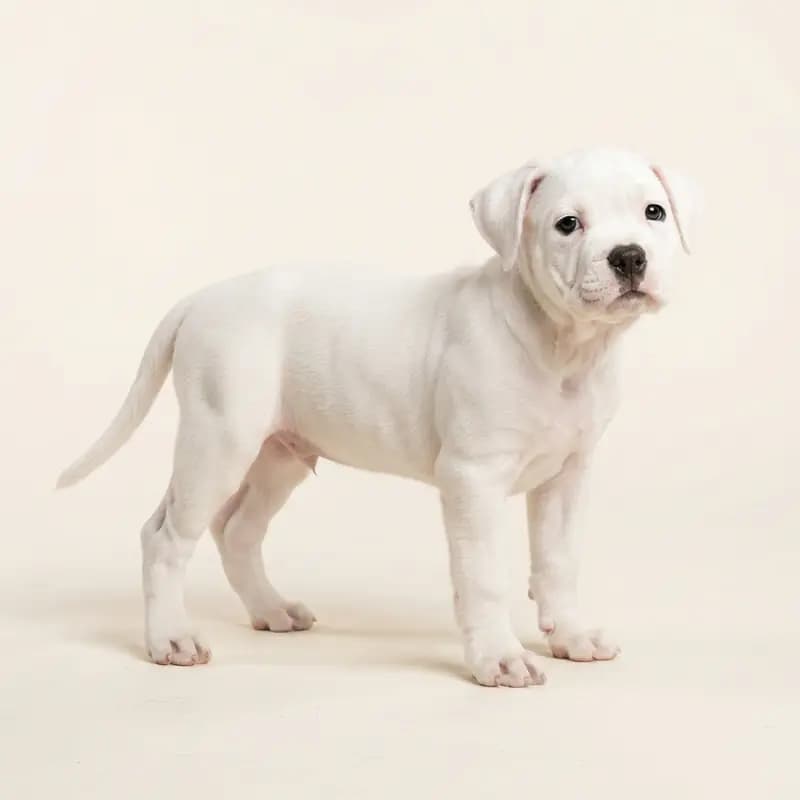
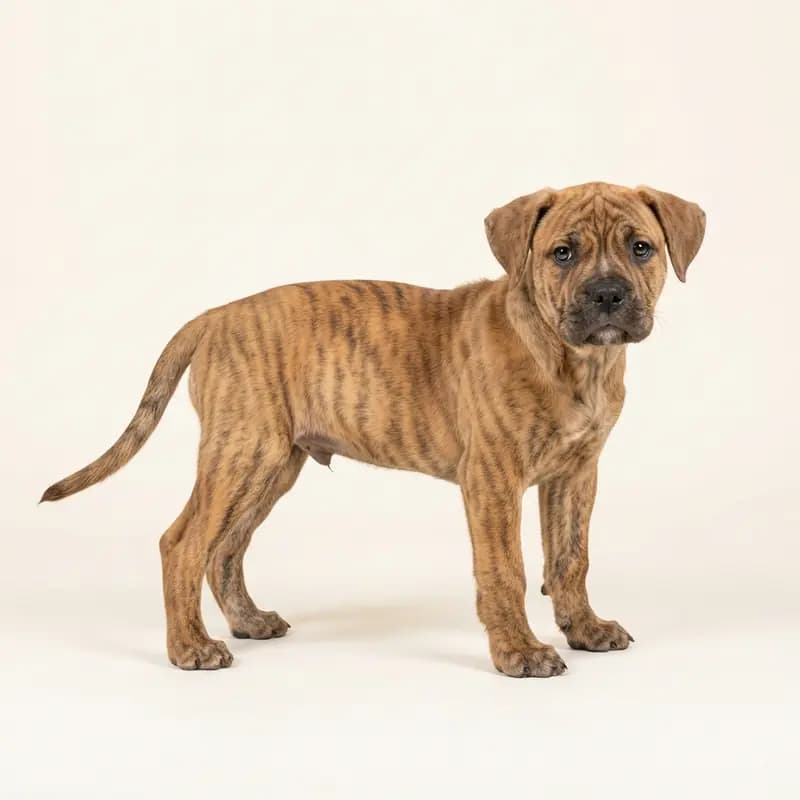
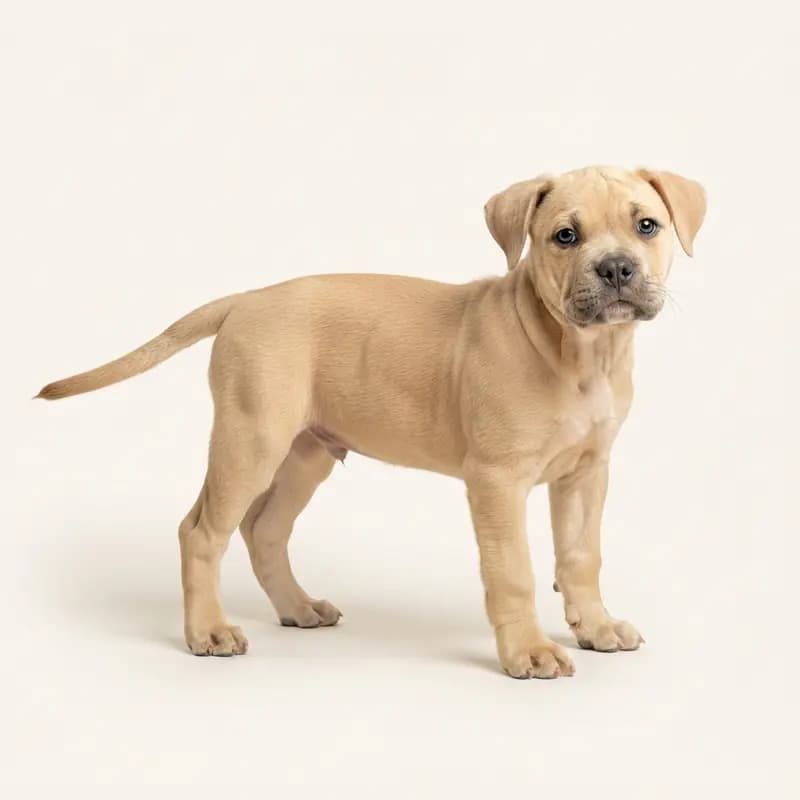
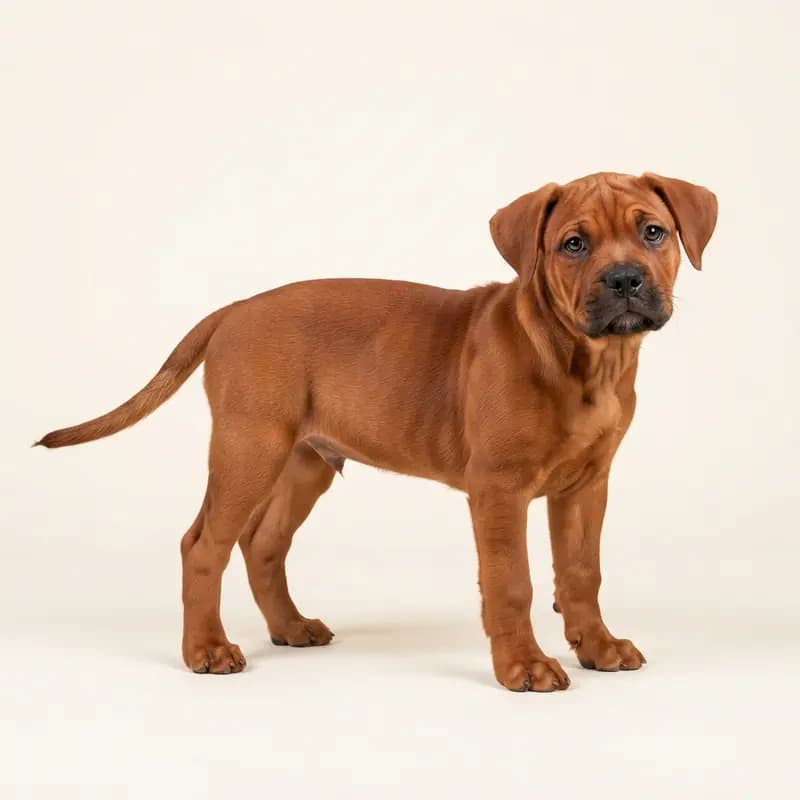
The American Bulldog comes in these colors: White, Brindle, Fawn, Red, Brown, Blue, Merle. Colors that fall outside the breed standard are marked as such on the breed page.
Need a dog license Germany in Hesse? Learn who requires a certificate of competence, test steps, costs, and breed rules as of October 2026.
Learn how dog leash laws Germany apply in Hesse: statewide rules, local exceptions, breeding season restrictions, and fines as of October 2026.
Curious about the dog license rules in Bavaria? Learn who needs one, what tests cost, and the exact laws for restricted breeds.
Showcase your kennel on HonestDog and reach families searching for a responsibly bred American Bulldog.