Loading breed
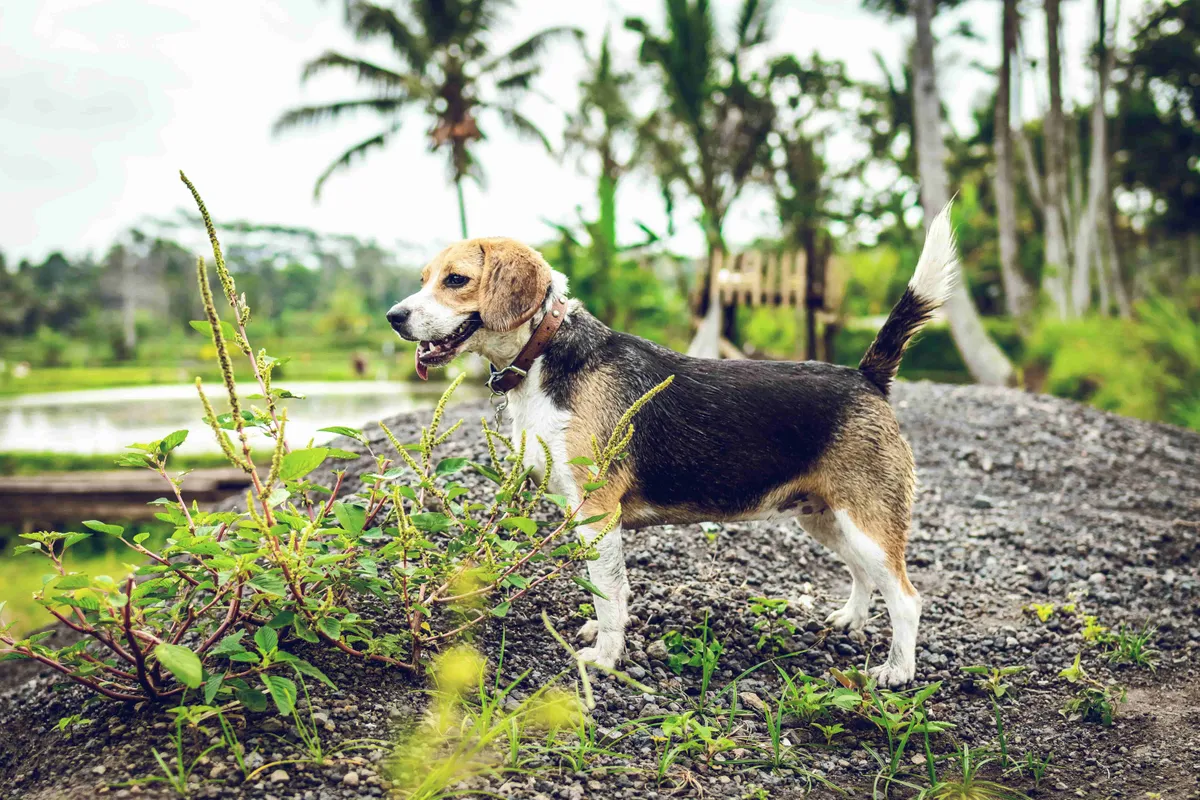
Beagle
Health grade B- Height33–40 cm
- Weight9–15 kg
- Life expectancy12–15 yrs
- Puppy price1,000–2,500 €
- Energy5/5
The Essentials at a Glance
The Beagle is a cheerful, highly social, and extremely charming explorer of the world. Bred as a pack hound with an outstanding nose and a powerful voice, neither of these traits can simply be switched off.
- Health grade B: The Beagle is a robust breed compared to others and receives a grade of B.
- You are a true team player and love having your dog with you everywhere
- You have a sense of humor and plenty of patience
- You live in an apartment building with thin walls (Beagles are loud 'vocalists')
Is the Beagle right for you?
At a glance
Beagle overview
The essentials — key facts, traits, and health priorities — before you dive deeper.
Health grade
Relative to other breeds
S
A
B
C
D
E
Very healthyHigher risk
Solid — a handful of items a good breeder watches.
See full health info & tests →
Note: This health overview is AI-assisted and editorially reviewed. It is for orientation only and does not replace veterinary advice.
Lifespan
12–15 yrs
Height
33–40 cm
Weight
9–15 kg
Practical
- Puppy price: 1,000 – 2,500 €
- Coat: Short, dense, weather-resistant, with an undercoat
- Origin: Great Britain
Temperament
Energy
Trainability
Family fit
With kids
Daily life
Care effort
Shedding
Barking
City-friendly
Guard instinct
What matters most
Especially with a Beagle, choosing the right breeder is the single most important decision you'll make. Serious breeders consistently test the parents for inherited conditions, prioritize healthy early socialization, and stay accountable long after handover. A cheap puppy without health screening tends to become the most expensive dog later on.
See HonestDog breeder standards →Colors & coat
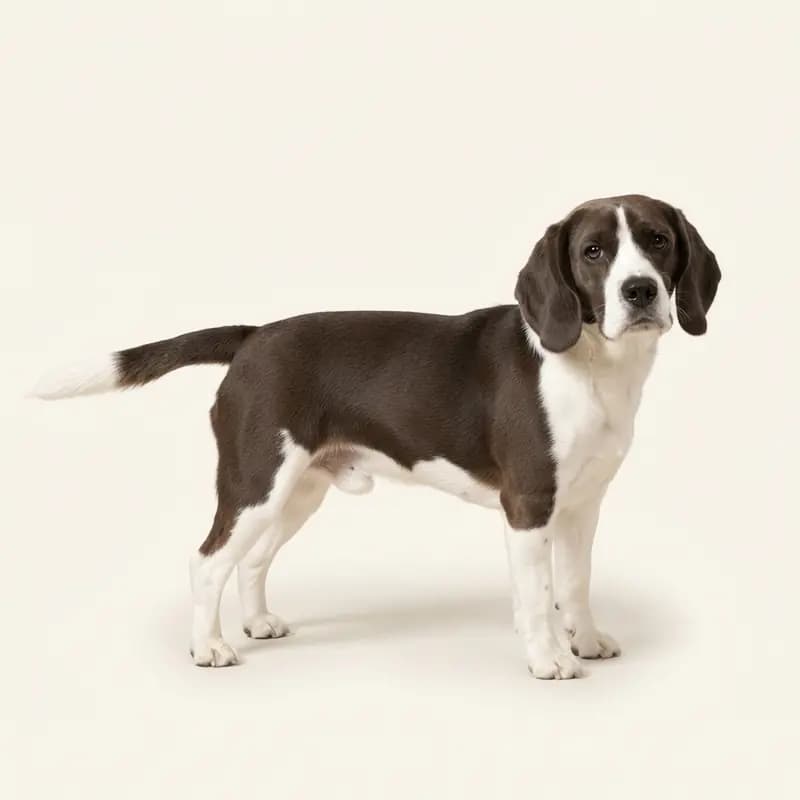
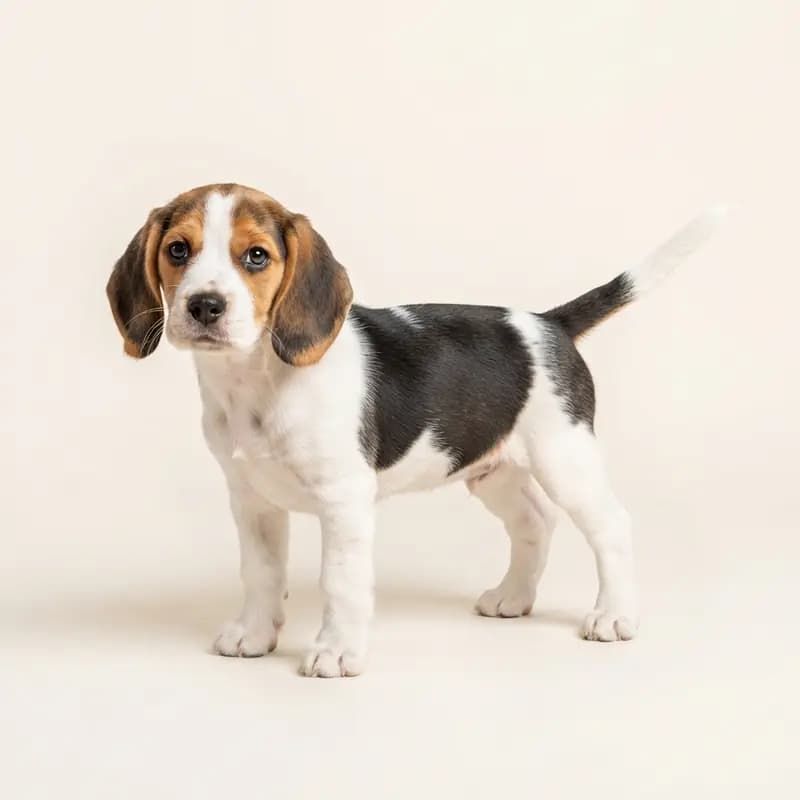
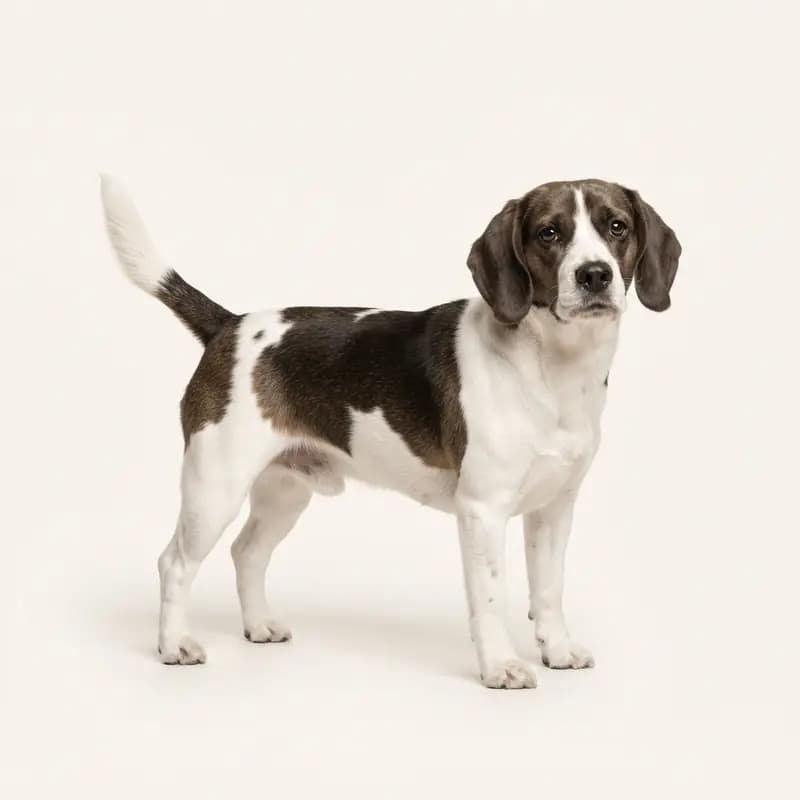
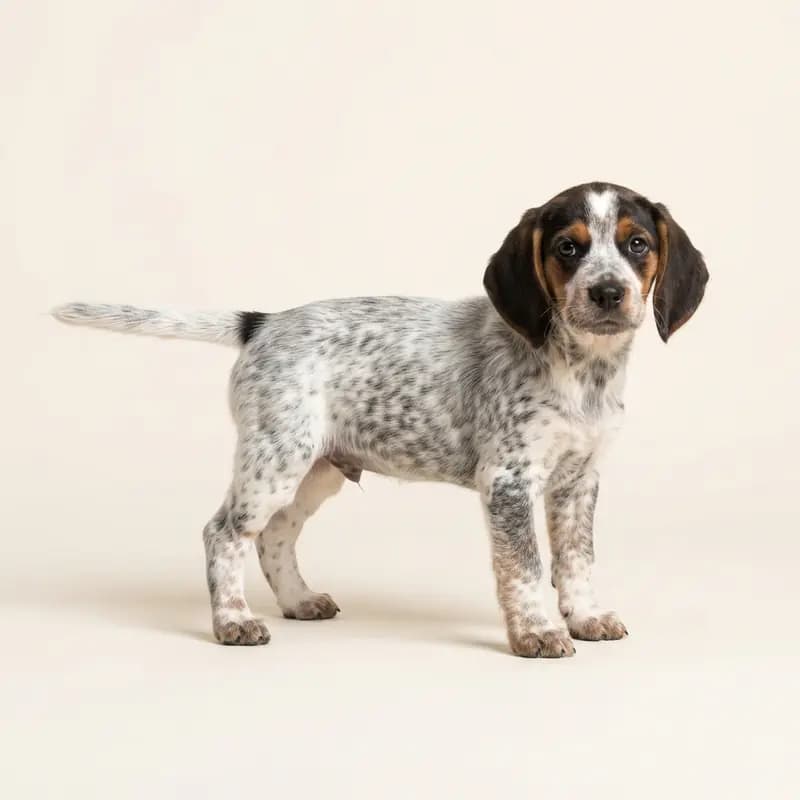
What colors does the Beagle come in?
The coat colors you will see in Beagle litters — including which ones fall outside the breed standard and which carry genetic risk.
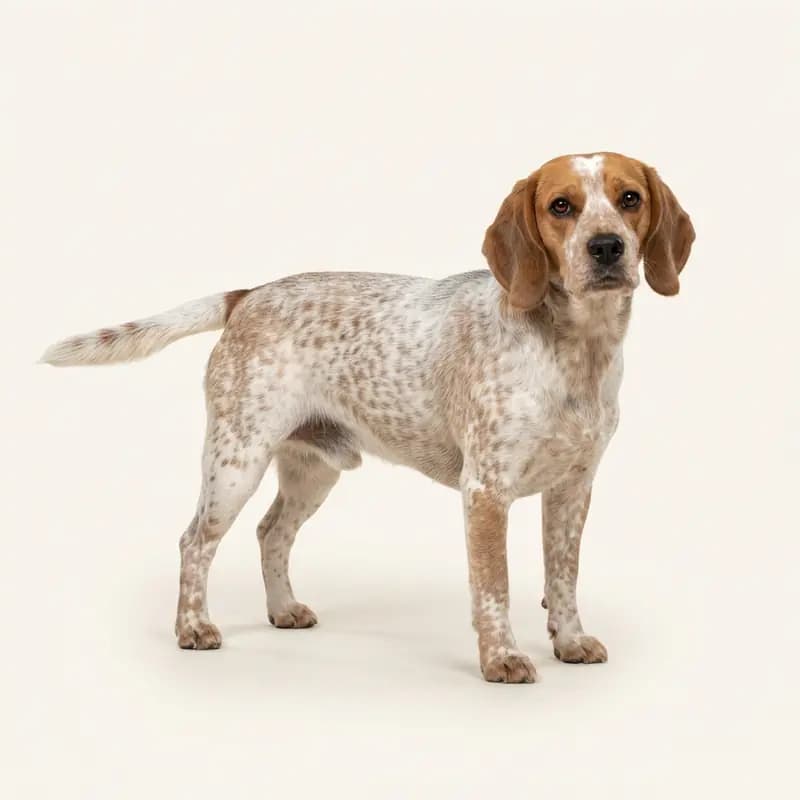
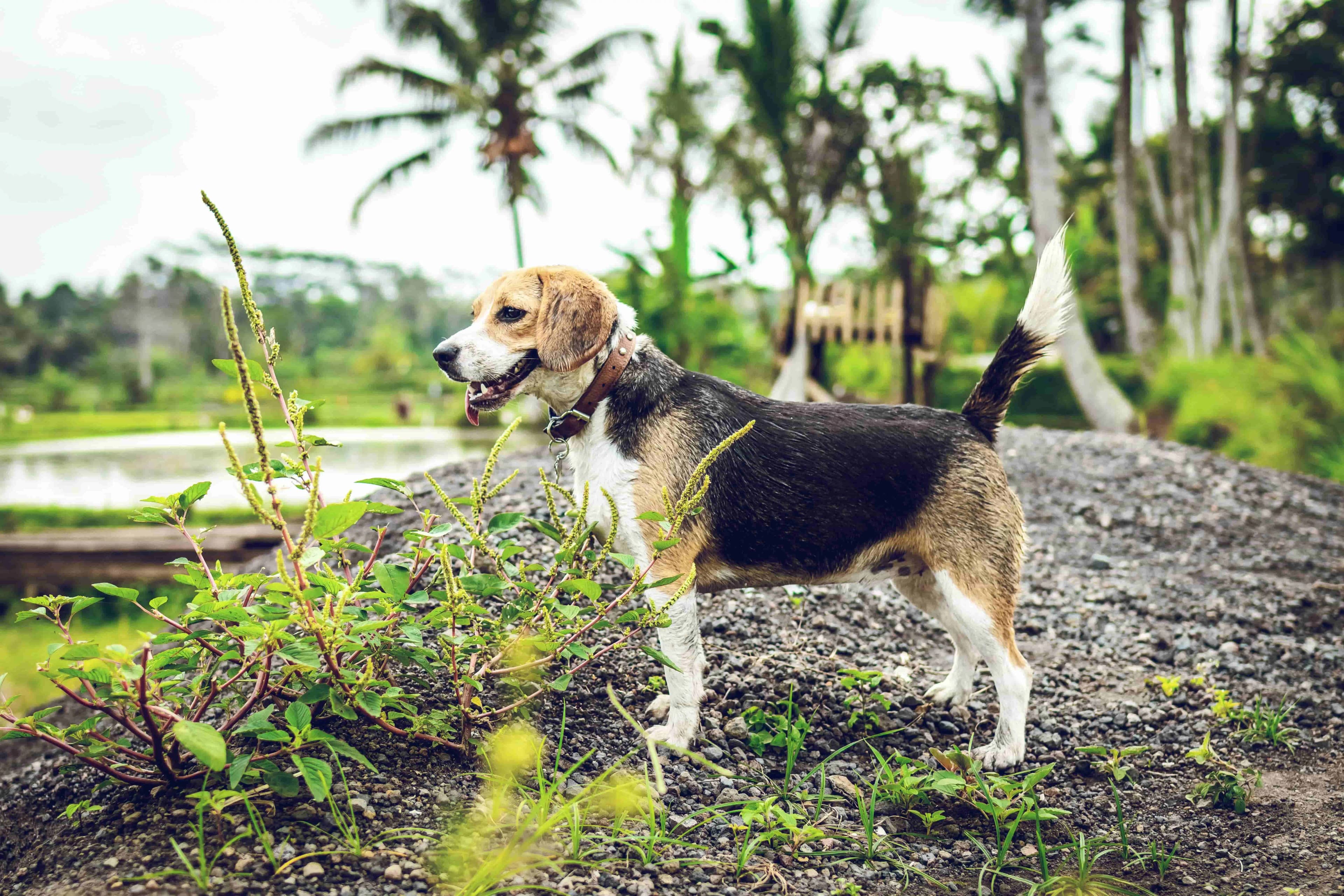
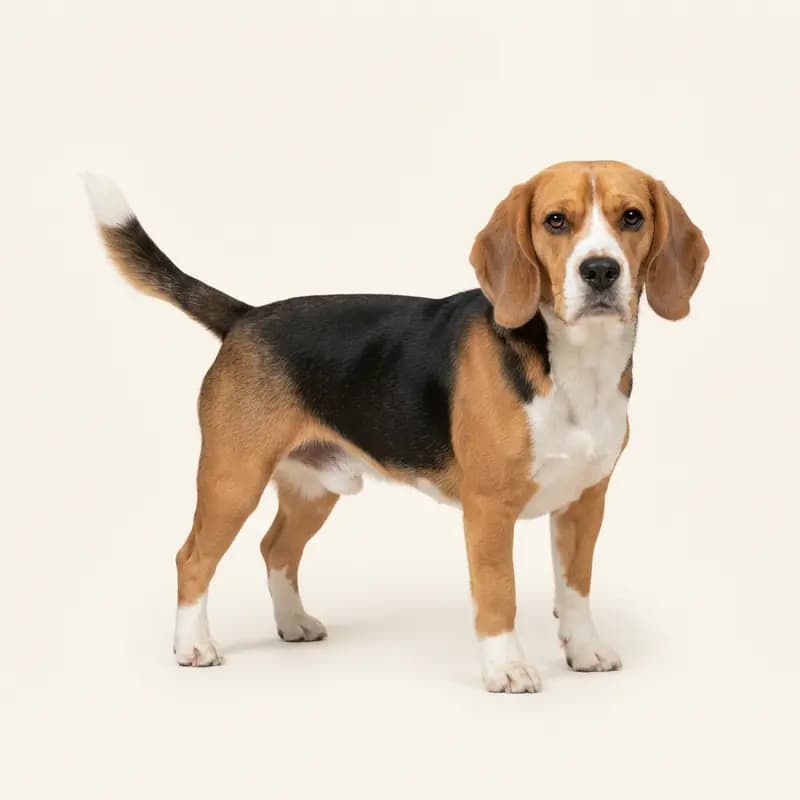
- Tricolor
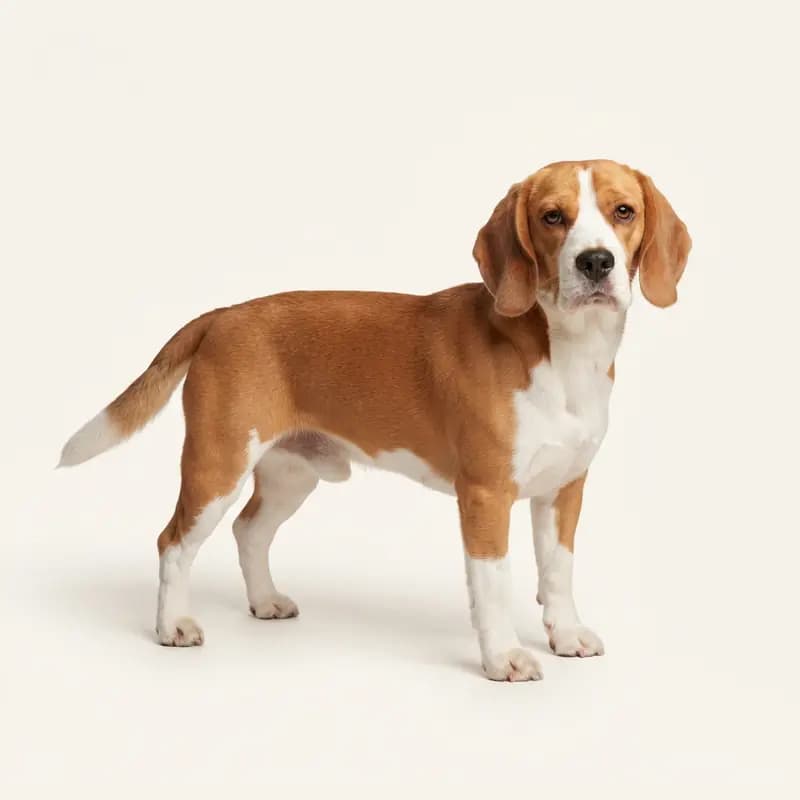
- Red and white
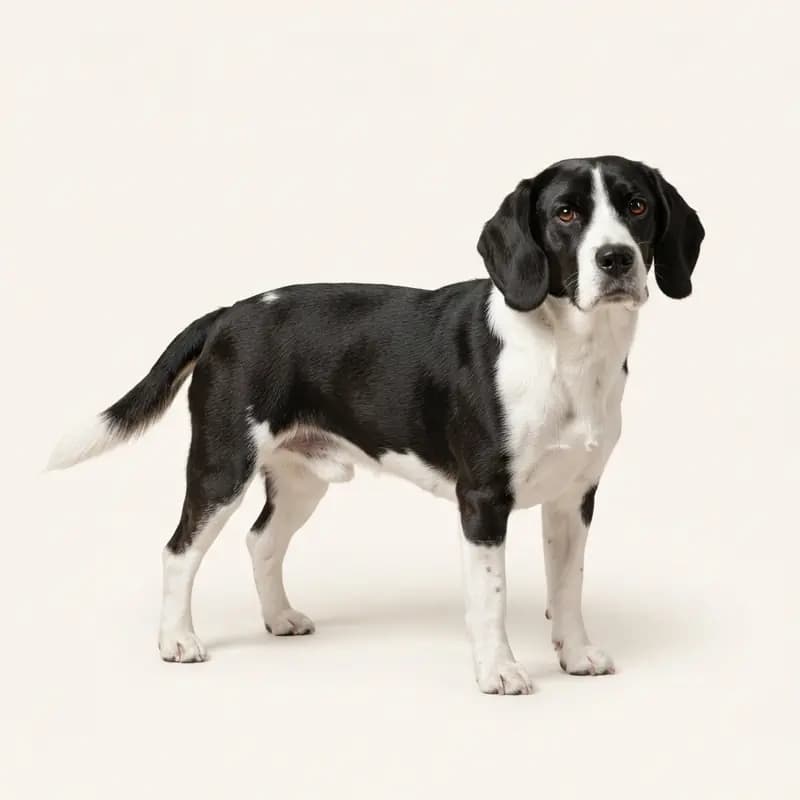
- Black and white
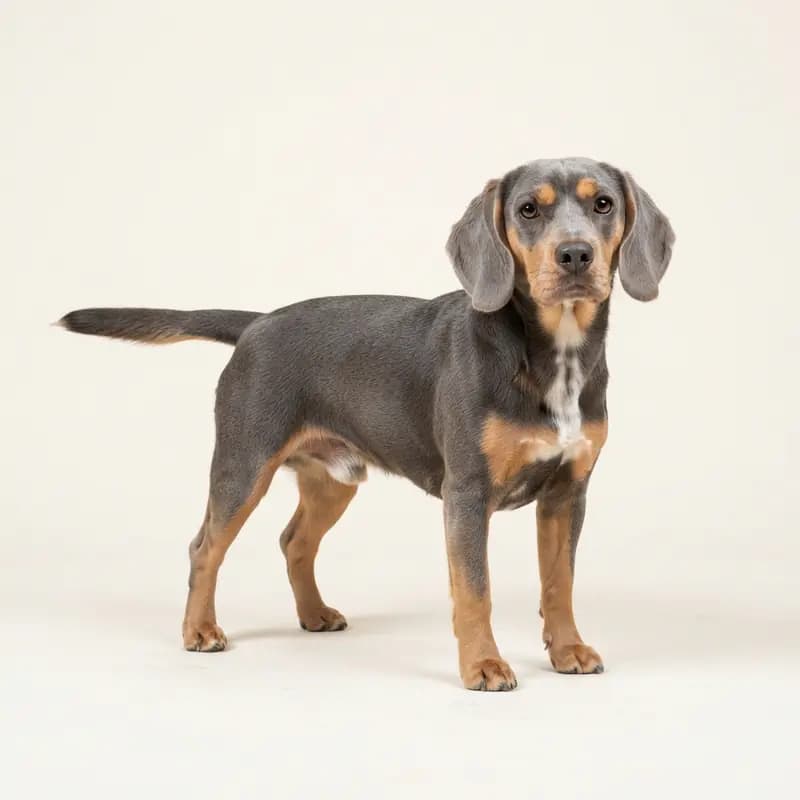
- Blue and tan
- White
- Bicolor
- Piebald
- Roan
- Not standard
Chocolate
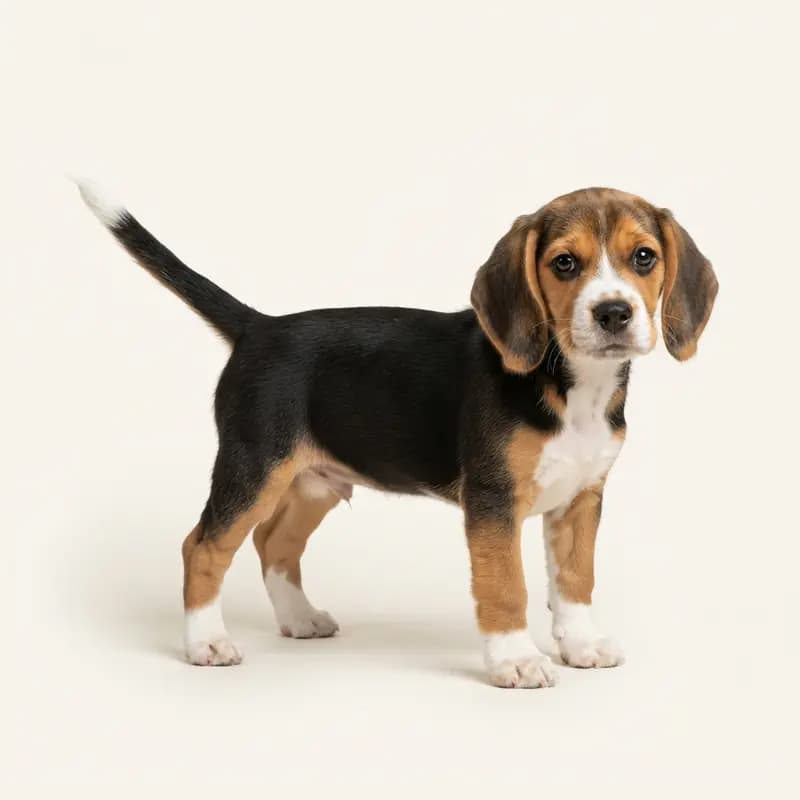
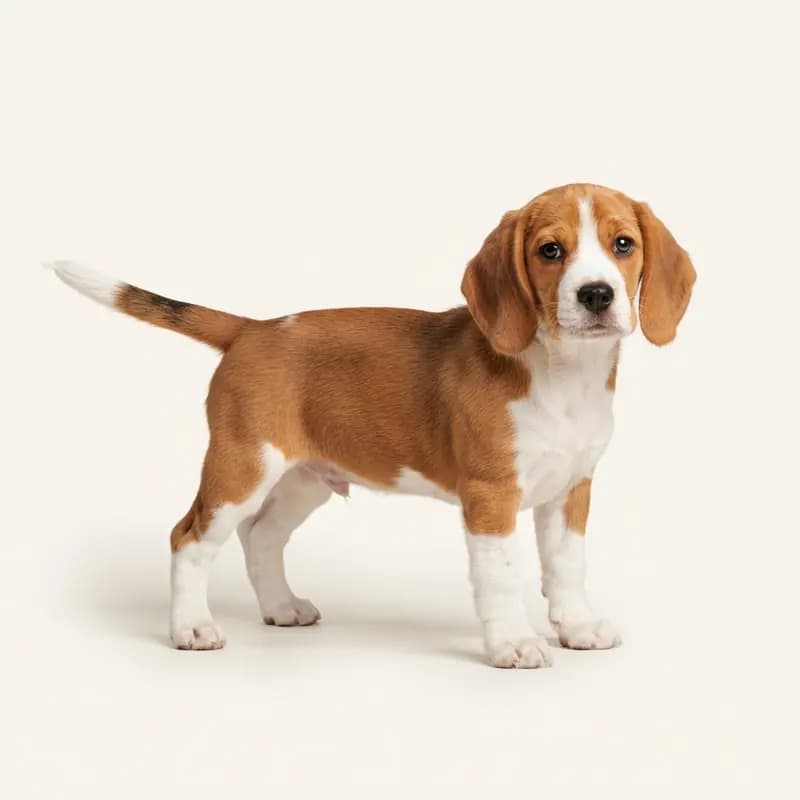
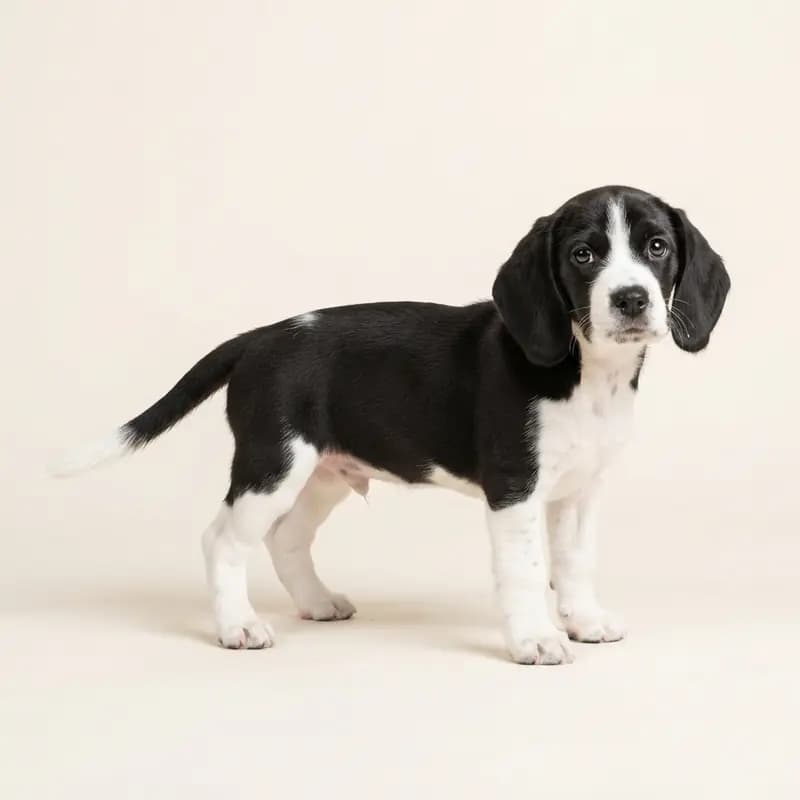
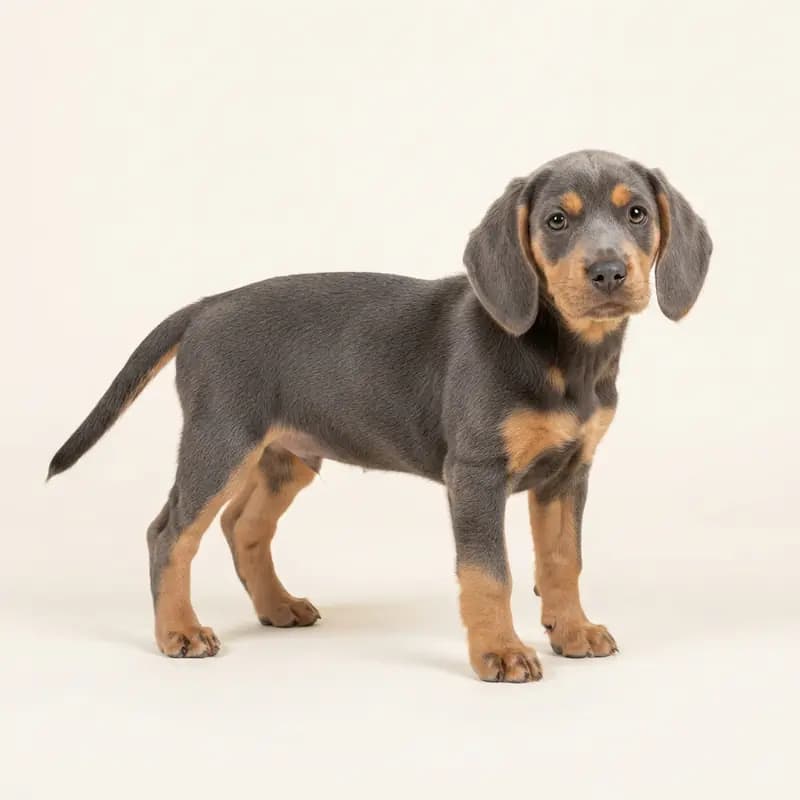
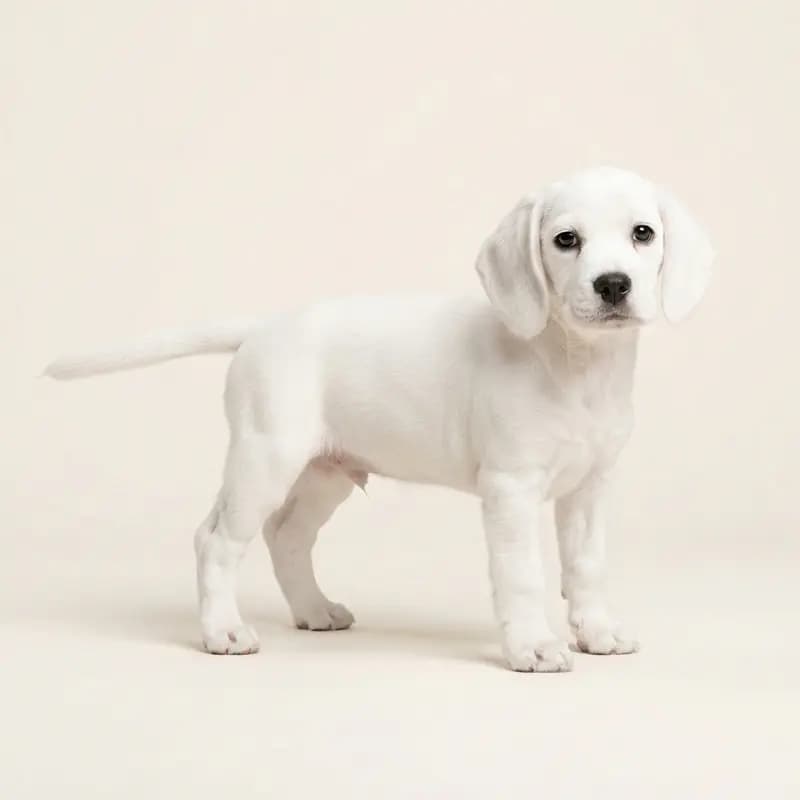
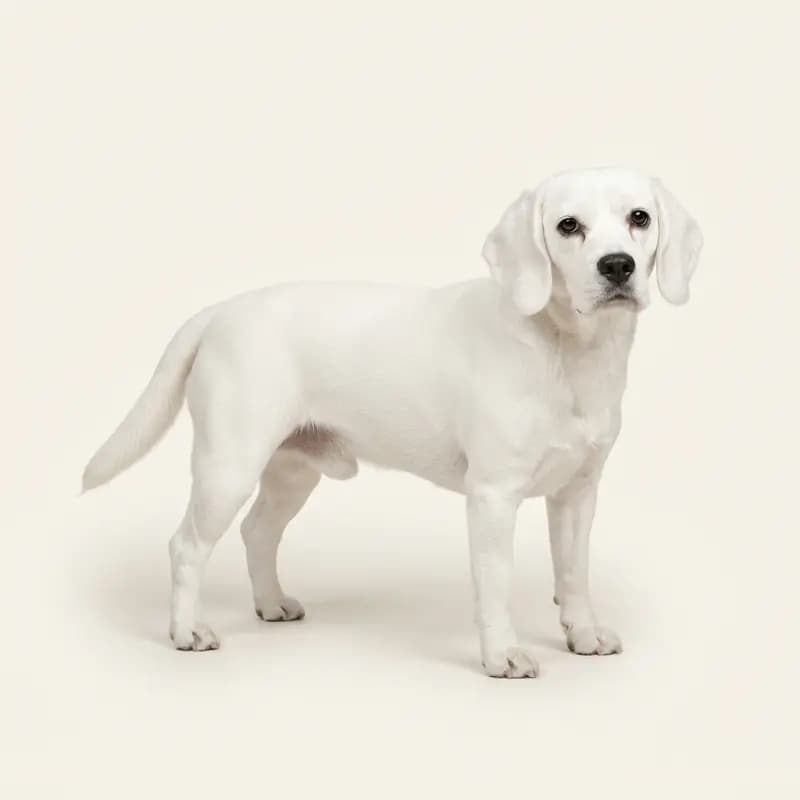
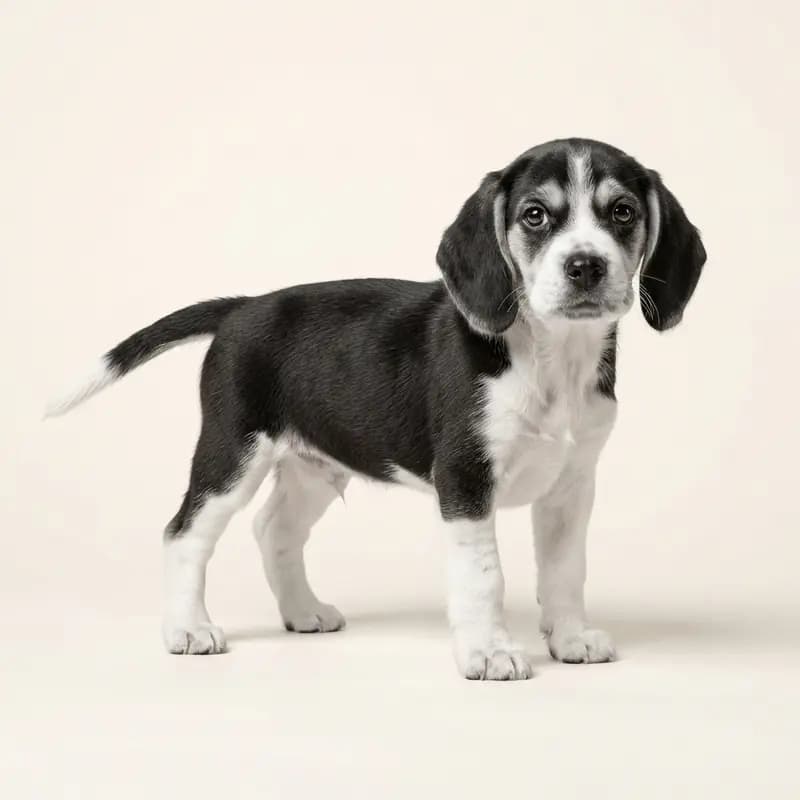
Eye colors
 Brown
Brown Amber
Amber
Coat type
 Short
Short Double coat
Is the Beagle right for you?
Perfect for you if:
- You are a true team player and love having your dog with you everywhere
- You have a sense of humor and plenty of patience
- You love long, varied scent-walks (usually on a long training lead)
- You are looking for an extremely friendly dog that gets along well with people and other dogs
Less ideal if:
- You live in an apartment building with thin walls (Beagles are loud 'vocalists')
- You want a dog that can be reliably let off-leash (his nose almost always wins)
- You work a lot and the dog would have to be left alone for long periods
- You expect absolute obedience and a quick recall
The real vibes check
A Beagle without a scent to follow is like a car without fuel. He lives through his nose. If you can live with the fact that walks will be zigzagged and that he will charm his way out of any stubbornness with his famous 'Beagle look,' you will hardly find a more loyal and cheerful friend.
Self-check
Would the Beagle really fit your life?
Answer 6 quick questions about your everyday life and see how well the Beagle fits you — including an honest cost estimate per month, per year, and across the dog's lifetime.
Fit checkCost estimateRisk dice
Takes about 1 minute · free & anonymous
Breed Profile
The Beagle is a small to medium-sized dog with a compact, muscular build. His ears are long and droopy and his expression is often described as happy and alert. The Beagle belongs to FCI Group 6, which includes hounds, bloodhounds and related breeds. Although most beagles are now kept as family dogs, they have a strong nose and were traditionally used to hunt smaller animals such as rabbits. In Beagle breeding, there are variations in size and proportions among different breeding lines.
All measurements in detail
- Height
- 33 - 40 cm (Female), 33 - 40 cm (Male)
- Weight
- 9 - 14 kg (Female), 9 - 15 kg (Male)
- Life Expectancy
- 12 - 15 yrs
- Character
- Friendly, curious, energetic
- Coat
- Short, dense, weather-resistant, with an undercoat
- Coat Color
- Tricolor (black, brown, white), lemon, red-white, orange-white and other combinations
- Price
- 1000 - 2500 €
Character & Temperament
The Beagle is known for its friendly and cheerful nature. He is a sociable dog that loves being part of a family or group. Thanks to his background as a pack dog, he is often good at forming relationships with other dogs and generally gets along well with children. He is curious and adventurous, which can sometimes lead to him following his nose, often without regard to his surroundings. As a dog with a hunting instinct, the Beagle can show strong prey-catching behavior. It is therefore important to accustom him to different environments and animals from an early age and to teach him to come when called upon. The Beagle's energy and stamina mean that he needs regular exercise. Without adequate mental and physical stimulation, he can become restless or destructive. However, it is important to keep energy levels balanced as he can become hyperactive if he is too busy. Although the Beagle enjoys company, he can also learn to stay alone for short periods of time if practiced gradually. Beagles are also alert dogs and will often bark or howl if they see or hear something interesting. This can be seen as a benefit in terms of alertness, but it is important to ensure that it does not become a problem in a home environment.
| Watchfulness A natural watchdog with real protective instinct. | High |
| Openness to Strangers Warms up quickly and is generally welcoming. | Friendly |
| Hunting or Herding Drive This drive runs deep — no amount of training eliminates it. | Very strong |
Fun Fact!
Beagles are known for being very vocal and even have a unique bark, also known as a "howl." and which they often use when following a scent.
What Awaits You
Beagles are friendly, stubborn dogs with a very high hunting motivation. This can be a difficult combination for beginners. This breed is also considered to be very voracious.
Housing & Care
Beagles are sociable dogs that enjoy being active and spending a lot of time with their family. They can be kept in the city but require sufficient exercise and mental stimulation. A garden is beneficial but not essential as long as regular walks are ensured. As a pack dog, the Beagle is quite flexible when it comes to who it lives with. Unfortunately, this means that he is often used as a laboratory dog, as he can easily be socialized with various beagles. When it comes to children, Beagles are generally very friendly and enjoy the company of younger family members. However, it is always important to ensure supervision and teach children how to properly interact with dogs. Beagles can also get along with other pets, including cats, especially if they are together from an early age. However, it is important to remember that Beagles have a strong hunting instinct and should therefore be careful around small animals.
- Family Friendly
Lives for its family — the born family companion.
Ideal family dog - Child Friendly
Extraordinarily patient and loving — a true family dog.
Excellent with children - Dog Friendly
Loves other dogs and is happiest in a group.
Pack animal - City Friendly
City-appropriate with enough exercise and stimulation.
Manageable in cities
Owning a dog is a privilege, but it's also a real responsibility. Before you bring one into your life, be honest with yourself about the commitment it takes.
Training & Education
Beagles are intelligent and active dogs, which means they require effective upbringing and training. It is important to start training early and use positive reinforcement methods. Beagles can be stubborn at times, so consistency is key. Because of their hunting instincts, it is particularly important to teach the Beagle frustration tolerance and impulse control. This can be achieved through training sessions that encourage staying on command and maintaining calm behavior even in exciting situations. Beagles are also known for being ball junkies, so it's important to be careful not to over-exercise them. In the pack, the beagle had to act very independently and without human instructions. Therefore, when training the Beagle, it is important to ensure that it learns to be very human-oriented. This helps control and channel his hunting behavior. Breed-specific activities such as mantrailing or tracking can be very beneficial as they cater to the Beagle's natural instincts. It is crucial to provide the Beagle with alternative activities to keep him mentally stimulated and not engage in undesirable behavior. Using intelligence toys and including the Beagle in family activities can help lead a happy and balanced life.
Nutrition & Care
Proper nutrition is crucial to a Beagle's health and well-being. As an active dog, he needs a balanced diet rich in proteins and healthy fats. It is important to pay attention to the Beagle's weight as they can be prone to becoming overweight, especially if they do not get enough exercise. In terms of grooming, the Beagle has a dense undercoat. The coat is short, but it requires regular brushing to remove loose hair and keep the skin healthy. Beagles shed moderately but regularly. Their undercoat helps them to cope well with the climate in Germany as it protects them from both cold and heat.
| Care Level Regular brushing and occasional professional grooming. | Moderate |
| Exercise Needs Working-dog energy that needs burning off every single day. | High-drive |
| Shedding Hair everywhere, always — no white clothing survives. | Very heavy |
| Trainability Has its own ideas and will test limits. | Strong-willed |
Our experts are still reviewing this information. Spotted something wrong? Email us at info@honestdog.de.
Health & hereditary diseases
Health
B
Solid
Health grade
The Beagle is a robust breed compared to others and receives a grade of B. Imerslund-Gräsbeck syndrome (IGS) is a significant genetic metabolic disorder, which is very well controlled through mandatory health tests in breeding programs. Nevertheless, in addition to IGS, prospective buyers should also be aware of breed-specific risks such as Lafora disease and hip dysplasia (HD) to ensure they choose a healthy puppy.
Grade is relative to other breeds — AI-assisted and editorially reviewed.
In daily life this can mean
You should keep an eye on their weight and maintain a regular ear-cleaning routine—in return, you will usually have a happy companion with relatively moderate veterinary needs.
The breeder's role
Responsible breeders have the most important joints checked and use DNA tests for breed-specific metabolic issues to ensure Beagles remain pain-free for a long time.
Note: This health overview is AI-assisted and editorially reviewed. It is for orientation only and does not replace veterinary advice.
No Health Tests Available
No specific health tests are currently available for this breed.
Costs & where to find one
How much does a Beagle cost?
A Beagle costs around ~€170 per month (€90 – €310, depending on your setup). The first year adds up to roughly ~€4,570 including purchase, equipment and puppy school; across the dog's life (13.5 years) it comes to about ~€29,460.
With surgery cover, running costs come to about ~€160 per month — in return, your share of a major operation drops from several thousand euros to around 20 percent.
Per month
~€170
In the first year
~€4,570
Across the dog's life
~€29,460
Purchase from a breeder: €1,000 – €2,500
Estimate at a mid-range setup (suburban, dry food, 1–2 hours of daily exercise), average German prices, as of July 2026.
Calculate your personal costs1-minute self-check with your own answers
Looking for a Beagle?
Appearance, variants & origin
 Illustrative image
 Illustrative image
 Illustrative image
 Illustrative image
History
The full history
The Beagle has a long history that dates back to ancient Greece. However, the modern form of the Beagle as we know it today developed primarily in Great Britain in the 19th century from various English hound breeds. Beagles were highly prized for their stamina and sharp nose when hunting. They came to the United States in the 19th century and quickly became popular there, both as hunting dogs and as pets. The Kennel Club in Great Britain recognized the Beagle as a separate breed at the end of the 19th century. In the United States, the Beagle was recognized as a separate breed by the American Kennel Club (AKC) in 1885.
Original Use
The Beagle was bred to hunt hares and rabbits in packs and is known for its friendly nature and endurance.
Origin
Great Britain
Date
1500
Owner experiences
What owners say about the Beagle
Zusammengefasst aus öffentlich geteilten Halter-Erfahrungen
In vielen Rassebeschreibungen wird der Beagle als der ideale, unkomplizierte Familienhund für jedermann dargestellt – eine Einschätzung, die erfahrene Halter in Foren vehement relativieren. Zwar wird übereinstimmend bestätigt, dass Beagle ausgesprochen freundliche, gutmütige und extrem kinderliebe Hunde sind, die quasi keine aggressive Ader besitzen und sich im Haus oft als verschmuste Clowns präsentieren. Doch der Alltag mit ihnen erfordert enorme Anpassungsfähigkeit.
Viele Familien berichten, dass die Rasse einen weitaus größeren Bewegungsdrang und Beschäftigungsbedarf hat, als gemeinhin vermutet wird. Zwei bis drei Stunden Auslauf am Tag, kombiniert mit geistiger Auslastung, sind für die lauffreudigen Meutehunde oft das Minimum. Hinzu kommt eine rassetypische Verfressenheit, die im Alltag ständige Wachsamkeit erfordert: Essbares auf Tischen, in Schränken oder Mülleimern wird mit erstaunlichem Geschick stibitzt, und auch vor dem Plündern von Schubladen schrecken manche Exemplare nicht zurück. Wer sich einen Beagle ins Haus holt, muss sich darauf einstellen, dass die eigenen vier Wände absolut diebstahlsicher organisiert werden müssen.
Zusammengefasst aus öffentlich geteilten Halter-Erfahrungen
Das Thema Erziehung ist in der Beagle-Community der wohl größte Diskussionspunkt. Halter betonen immer wieder, dass Beagle keineswegs dumm sind – im Gegenteil –, aber als eigenständig jagende Bracken einen extremen Sturkopf besitzen. Sie wägen Kommandos stets auf ihren Nutzen ab. Ein Kadavergehorsam liegt ihnen fern; stattdessen erfordert die Erziehung unendlich viel Geduld, absolute Konsequenz und eine liebevolle, positive Bestärkung. Druck oder Härte führen bei diesen sensiblen Hunden rasch dazu, dass sie komplett auf stur schalten.
Besonders das Thema Freilauf ist eine Zerreißprobe für viele Besitzer. Wegen des tief verwurzelten Jagd- und Spurtriebs ist das Ableinen in Feld und Wald für einen Großteil der Halter schlicht unmöglich. Sobald der Beagle eine Fährte in der Nase hat, blendet er seine Umwelt und jegliche Rückrufe oft komplett aus. Viele Hunde verbringen ihr Leben daher an der Schleppleine. Ein verlässlicher Rückruf lässt sich nur durch jahrelanges, intensives Antijagd- und Dummytraining erarbeiten – und selbst dann bleibt bei vielen Rassevertretern ein Restrisiko, weshalb Halter dringend dazu raten, sich frühzeitig mit alternativen Auslastungsformen wie Mantrailing oder Fährtenarbeit auseinanderzusetzen.
Zusammengefasst aus öffentlich geteilten Halter-Erfahrungen
Ein besonderer Schwerpunkt in Erfahrungsberichten betrifft Beagle aus dem Tierschutz, insbesondere ehemalige Laborbeagle. Da diese Hunde in wissenschaftlichen Einrichtungen meist reizarm aufgewachsen sind, stehen Halter hier vor ganz eigenen Herausforderungen. Berichtet wird häufig von anfänglicher Ängstlichkeit gegenüber alltäglichen Umweltreizen wie Staubsaugern, Autos oder Treppen. Auch die Stubenreinheit erfordert bei diesen Hunden oft deutlich mehr Geduld und Zeit, da sie den Untergrund im Haus erst kennenlernen müssen.
Dennoch zeigen sich die Meutehunde auch in diesen Situationen meist als extrem verträglich mit Artgenossen und sehr menschenfreundlich. Sobald sie Vertrauen gefasst haben, lernen sie schnell. Allerdings warnen erfahrene Halter davor, zu glauben, dass Laborbeagle keinen Jagdtrieb besäßen: Auch wenn sie nie zuvor im Wald waren, erwacht die genetisch verankerte Jagdpassion bei fast allen Hunden früher oder später, sobald sie regelmäßig in der Natur unterwegs sind. Die gesundheitliche Verfassung von Laborbeageln wird von Haltern meist als überraschend robust beschrieben, sofern sie die ersten Schritte der Sozialisierung gemeistert haben.
Paraphrased from real owner reports
Loading owner stories
Community Posts
FAQ & more
Frequently asked questions about the Beagle
Is a Beagle the right dog for me?
The Beagle is an active dog that needs plenty of exercise and mental stimulation. Research the temperament, grooming needs, and space requirements before deciding.
How long does a Beagle live?
The average life expectancy of a Beagle is 12-15 years. With proper care and regular vet visits, your dog can live a long, healthy life.
How much grooming does a Beagle need?
Beagle grooming requirements include regular brushing, nail trimming, and dental care. HonestDog provides detailed grooming tips for every breed.
Is a Beagle good for families with children?
The Beagle can be a great family dog. Proper training and socialization are key. HonestDog provides family suitability information for every breed.
What colors does the Beagle come in?
The Beagle comes in these colors: Tricolor, Red and white, Black and white, Blue and tan, White, Bicolor, Piebald, Roan, Chocolate. Colors that fall outside the breed standard are marked as such on the breed page.
Loading related articles
Are you a Beagle breeder?
Showcase your kennel on HonestDog and reach families searching for a responsibly bred Beagle.