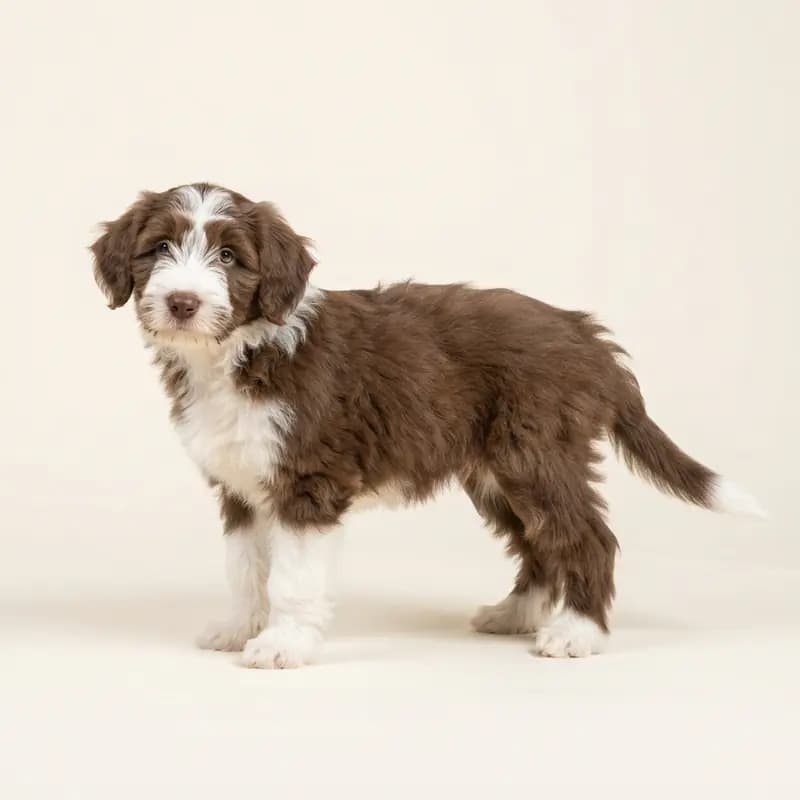
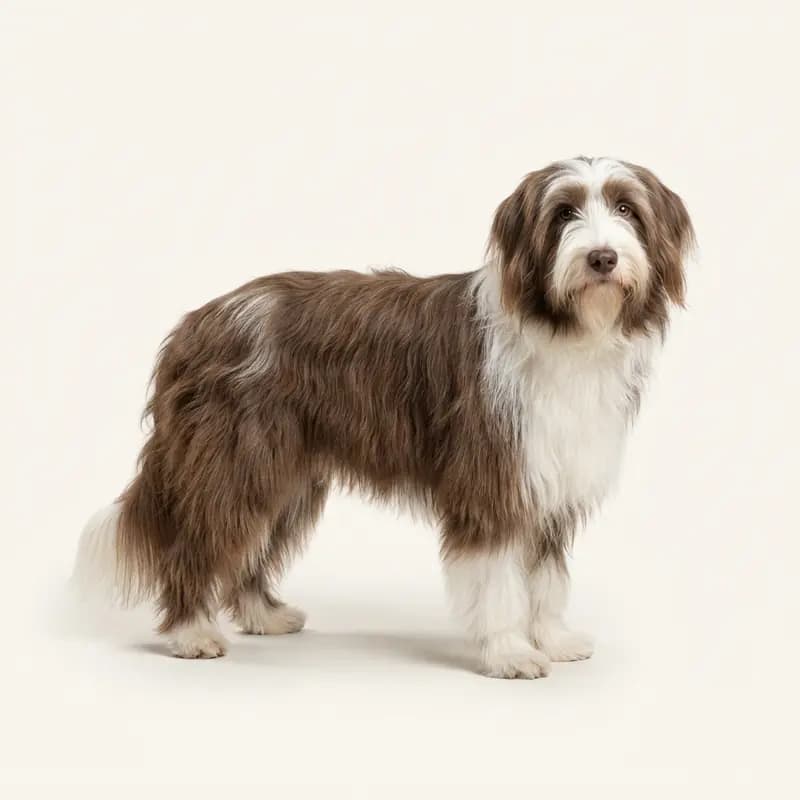
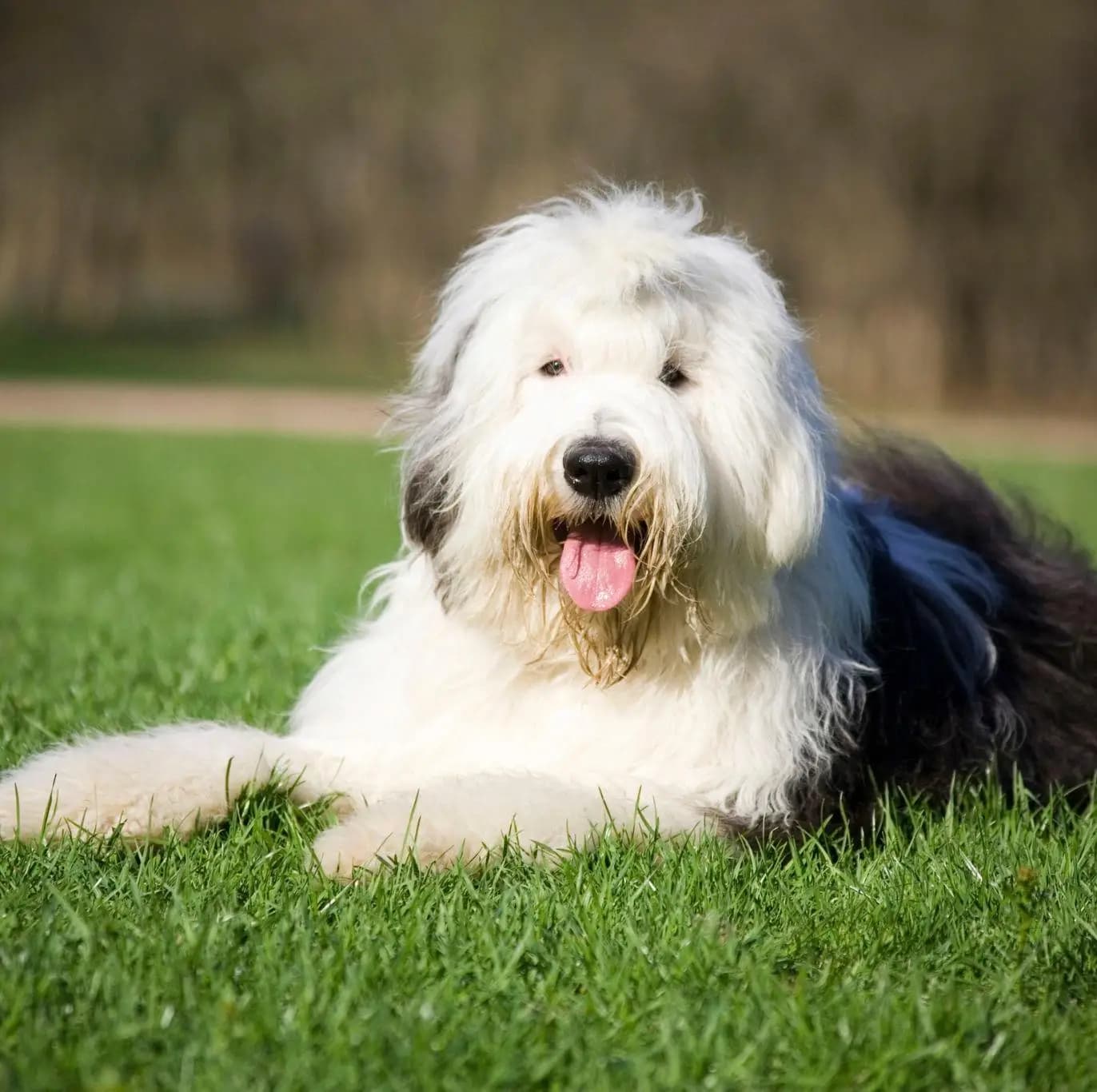
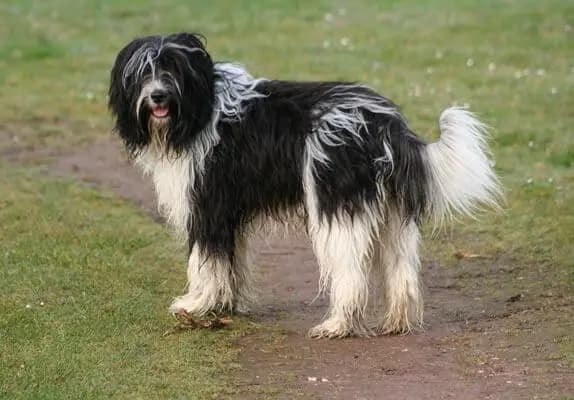
Polish Lowland SheepdogClose relative
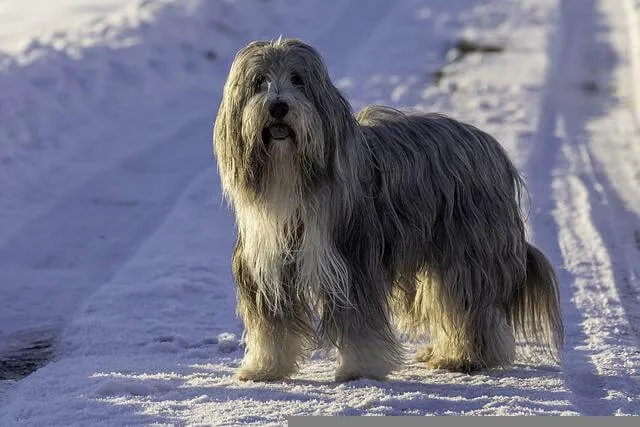
The Bearded Collie is a cheerful, extremely sensitive herding dog — bred to independently and tirelessly guide Scottish sheep flocks across rugged terrain. Beneath that lush coat, there remains a quick-reacting, vocal worker who needs plenty of exercise.
How the health grade is calculated
Sources for required breeding screenings. Club für Britische Hütehunde e.V. (CfBrH)
Self-check
Answer 6 quick questions about your everyday life and see how well the Bearded Collie fits you — including an honest cost estimate per month, per year, and across the dog's lifetime.


At a glance
The essentials — key facts, traits, and health priorities — before you dive deeper.
Lifespan
12–14 yrs
Shoulder height
51–56 cm
Weight
18–30 kg
Practical
Temperament
Daily life
What matters most
Especially with a Bearded Collie, choosing the right breeder is the single most important decision you'll make. Serious breeders consistently test the parents for inherited conditions, prioritize healthy early socialization, and stay accountable long after handover. A cheap puppy without health screening tends to become the most expensive dog later on.
See HonestDog breeder standards →Colors & coat
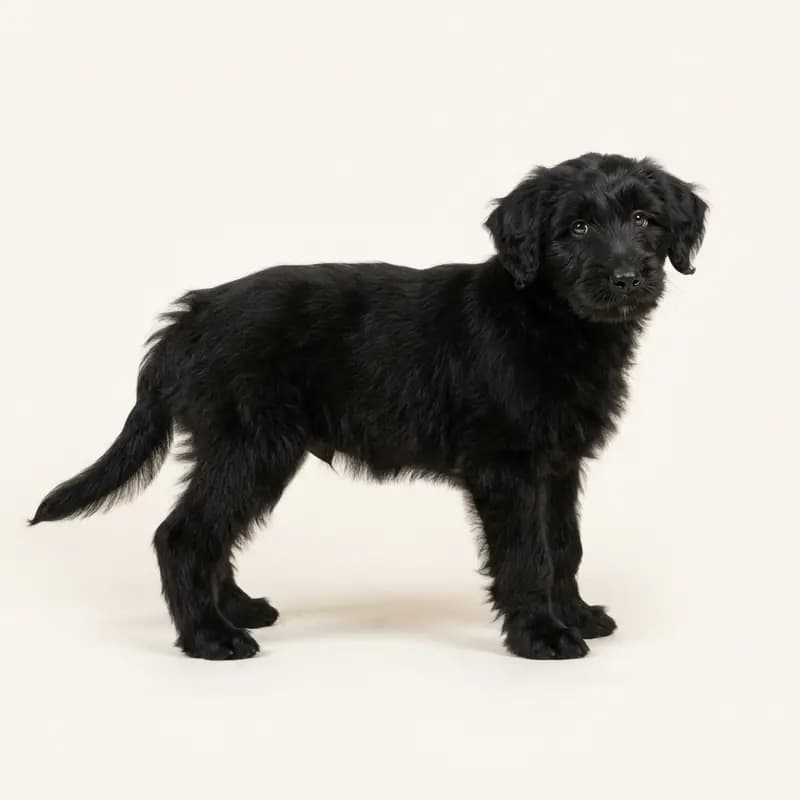
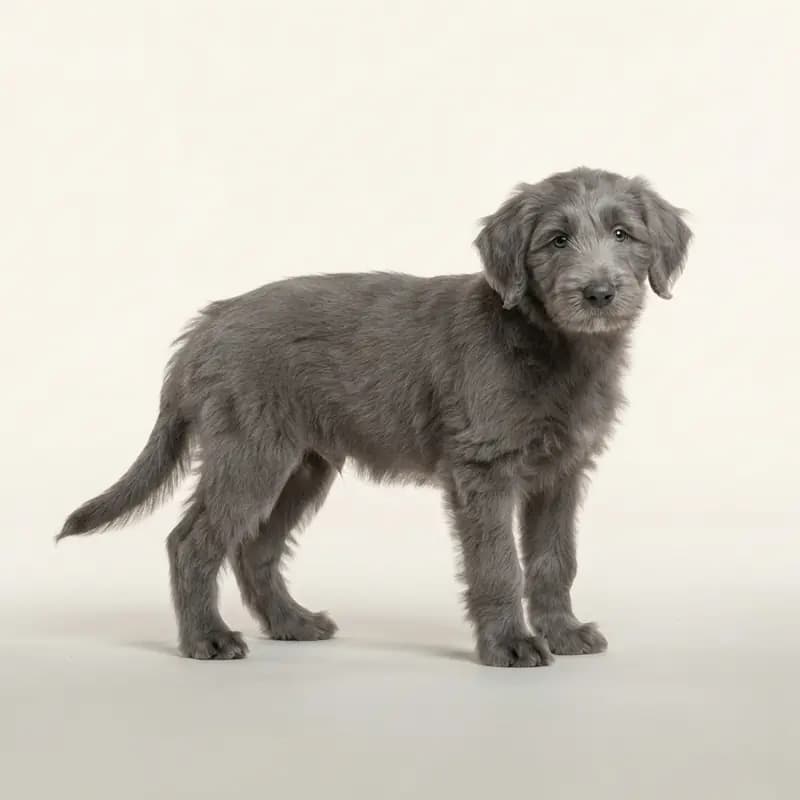
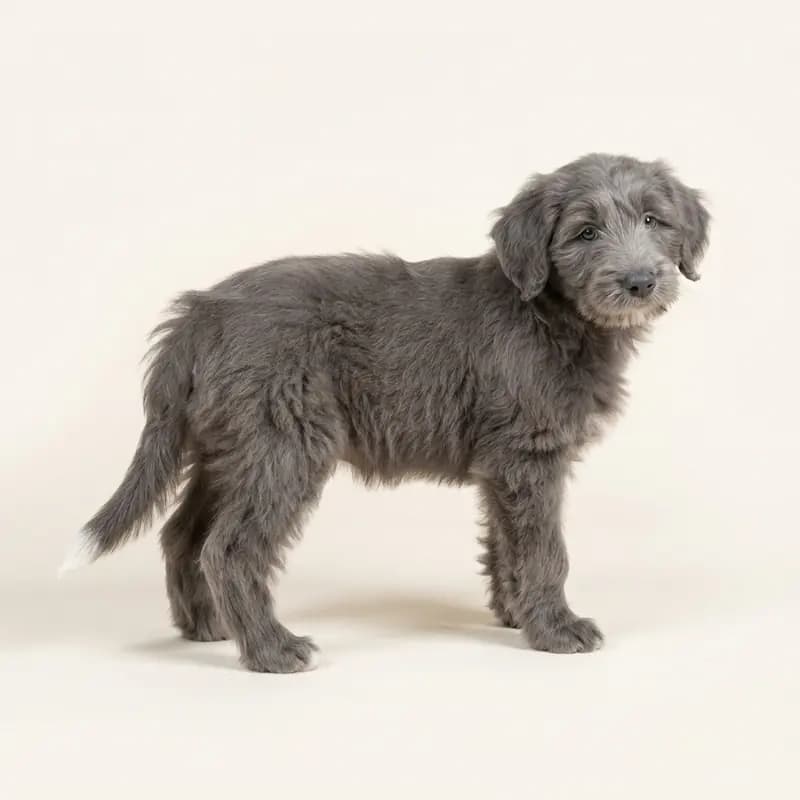
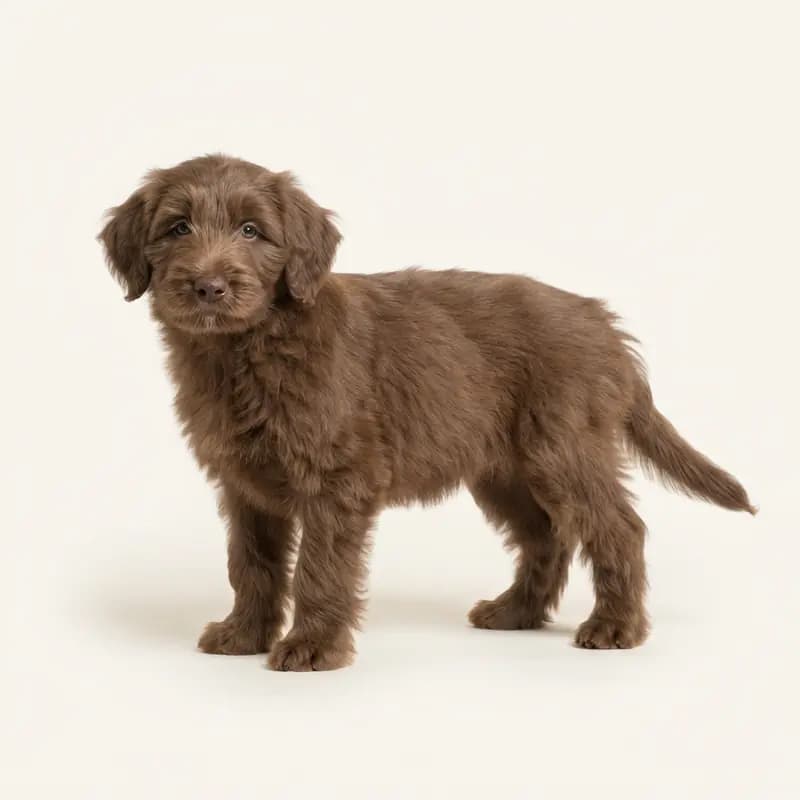
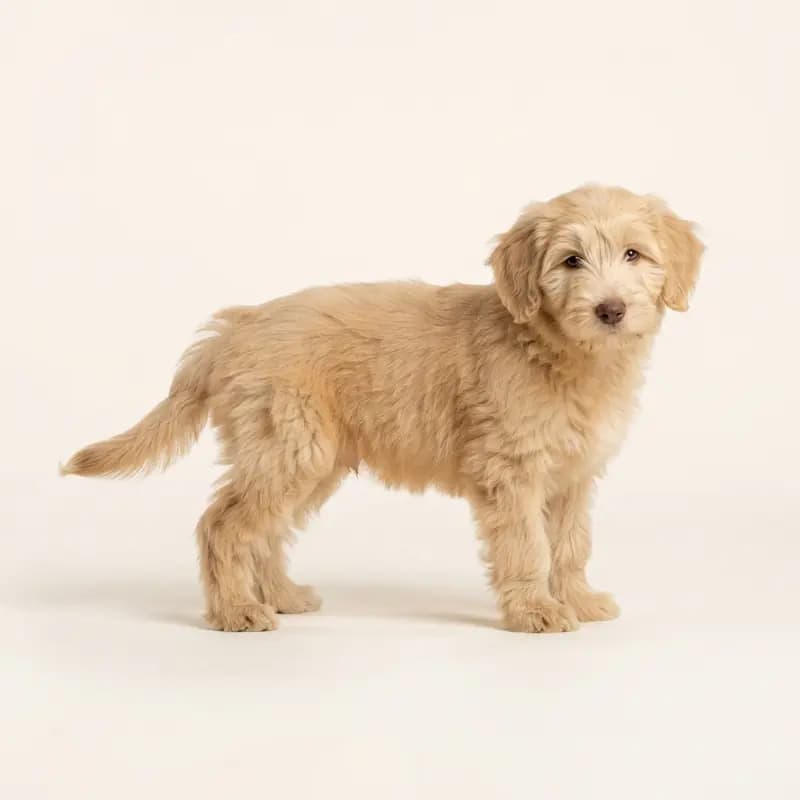
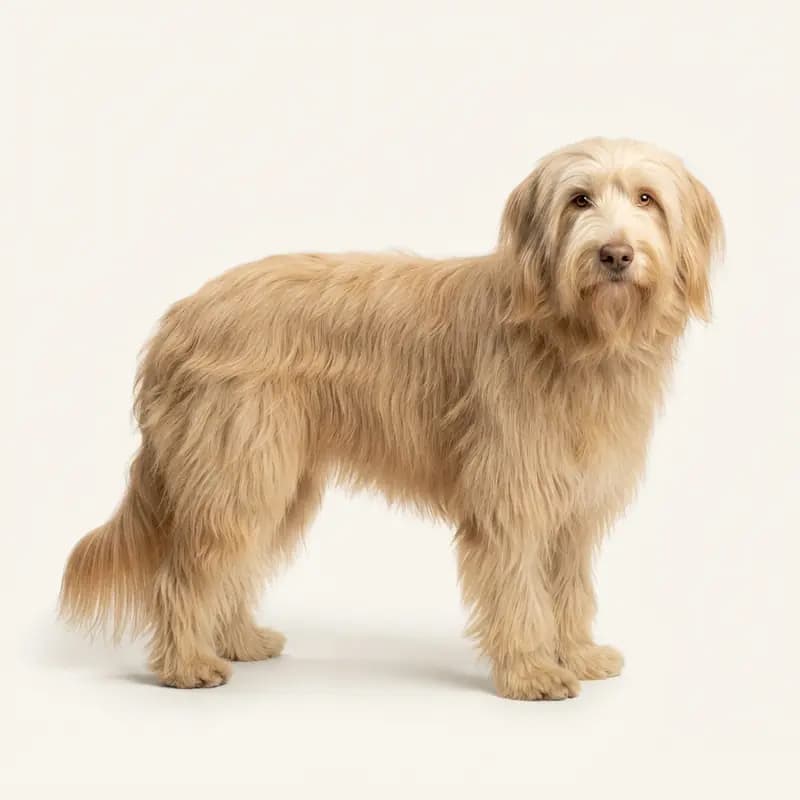
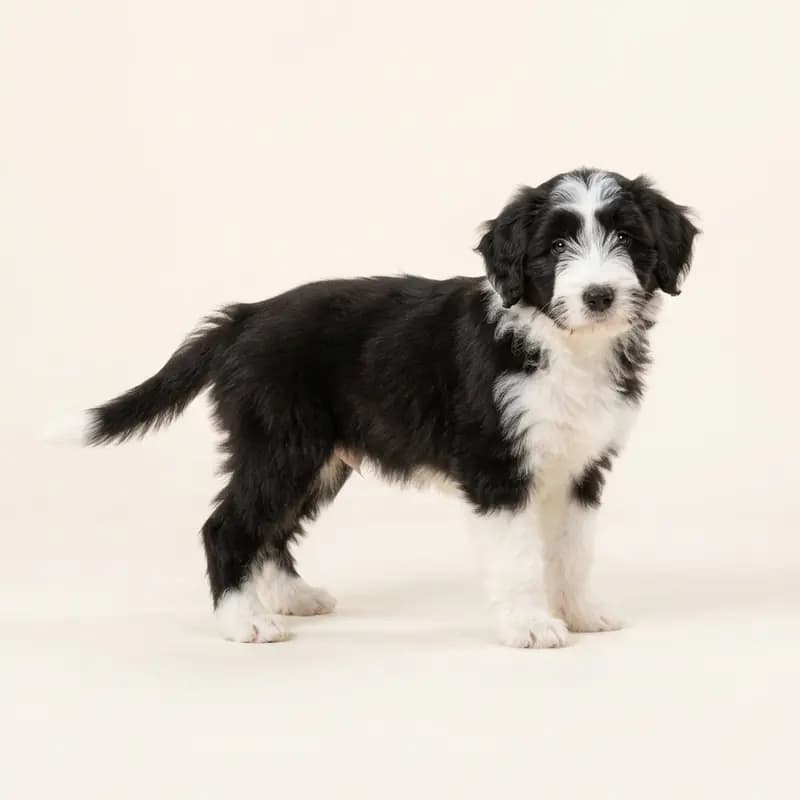
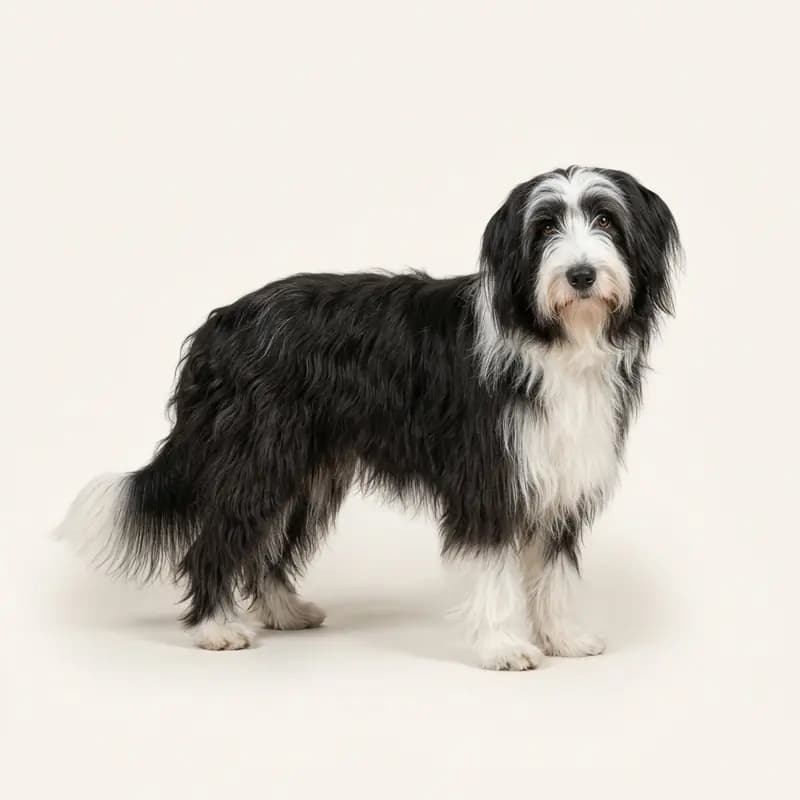
The coat colors that occur in the Bearded Collie — including which ones fall outside the breed standard and which carry genetic risk.
Eye colors
 Brown
 Amber
 Blue
Coat type
 Long
 Double coat
The real vibes check
Don't let the elegant, shaggy look fool you — deep down, the Bearded Collie is a robust nature-lover who would much rather run through muddy fields than pose cleanly on the sofa. You aren't getting a quiet cuddle-bear, but a quick-reacting, highly sensitive partner who mirrors your every mood and always wants to know if the two of you have a job to do.
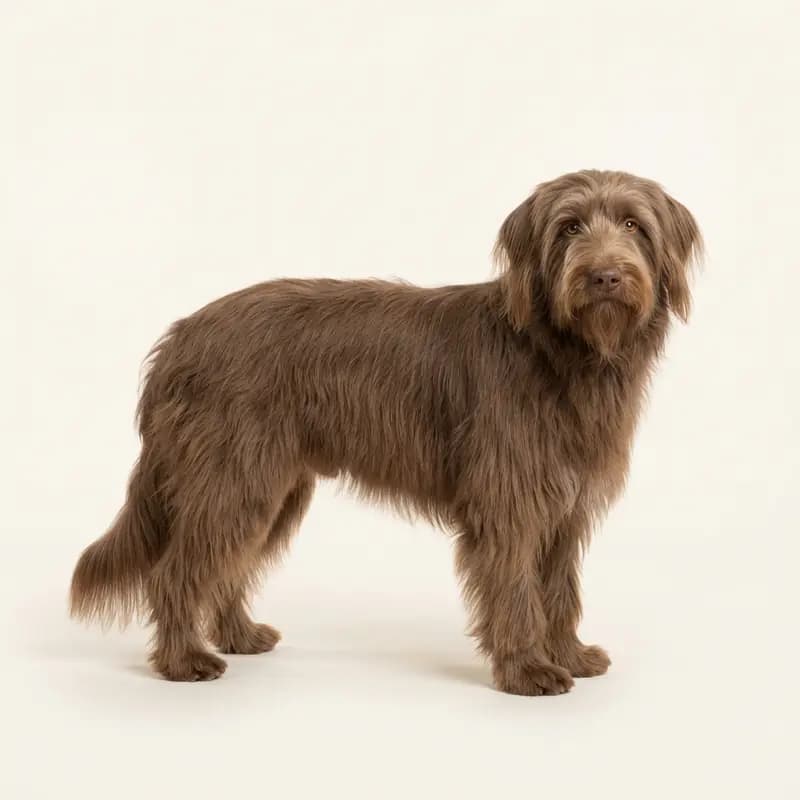
The Bearded Collie, also known as "Beardie", is a dog full of charm and personality. His name "Bearded" means "bearded" and refers to the distinctive fur on his chin that looks like a beard. With his flowing, long and dense coat of fur and cheerful wagging tail, he is an unmistakable sight. His expression is bright and alert, and his eyes, often hidden by his fur, shine with intelligence and curiosity. The Beardie is a medium-sized dog with a powerful build and well-proportioned features. His movements are fluid and effortless, highlighting his working dog ancestry. Bearded Collies belong to FCI Group 1, herding and driving dogs, and are excellent working dogs. There are no distinct differences between show and performance lines, although individual dogs may vary in their working ability and temperament.
The Bearded Collie is known for his active and bubbly personality. This dog is full of energy and loves to keep busy, reflecting his origins as a working dog. Beardies are very people-oriented and build close bonds with their family. They love spending time with their humans, whether it's a long walk, a workout, or just cuddling on the couch. Bearded Collies are also very intelligent and eager to learn. They love mental challenges and learn quickly, making them excellent candidates for dog sports such as obedience, agility and flyball. They have a natural herding instinct and can sometimes tend to "herd" family members or other pets, which can be done in a gentle and playful manner. Their active and energetic nature means they do not like to be left alone for long periods of time. They can learn to stay alone, but they need enough exercise and mental stimulation to stay happy and balanced. A bored beardie may be prone to unwanted behaviors such as barking or chewing. The Bearded Collie has a low to moderate hunting instinct. While some beardies may love hunting and tracking small animals, others are more focused on their people and their "work" (like herding or playing). It's important to start recall training early and ensure your beardie has the opportunity to express his energy in a safe and controlled environment. Beardies are alert and attentive, which makes them good guard dogs. They will likely bark to alert you to strangers or unusual noises, but they are not aggressive dogs. They are generally friendly and outgoing towards strangers, especially if they are well socialized and used to different people, environments and situations.
| Watchfulness Occasionally alerts but is fundamentally open. | Low |
| Openness to Strangers Warms up quickly and is generally welcoming. | Friendly |
| Hunting or Herding Drive Powerful instinct that can override recall when triggered. | Strong |
Fun Fact!
Although Bearded Collies are great herding dogs, they were almost extinct in Britain during the two world wars. The breed was only revived in the 1960s and has been a popular family and show dog ever since.
Bearded Collies are very active but also sensitive dogs. They need a lot of activity appropriate to their type. Since they quickly learn mistakes, a good training structure is important. The Bearded Collie is a versatile companion for experienced dog owners.
Bearded Collies can be kept well in both the city and the country, provided they get enough exercise and mental stimulation. They are friendly and open-minded, even towards children. They are also generally friendly with cats and other pets as long as they are properly socialized.
Lives for its family — the born family companion.
Extraordinarily patient and loving — a true family dog.
Actively enjoys the company of other dogs.
City-appropriate with enough exercise and stimulation.
Owning a dog is a privilege, but it's also a real responsibility. Before you bring one into your life, be honest with yourself about the commitment it takes.
Bearded Collies are intelligent and active dogs that enjoy learning and working. They respond well to positive reinforcement and can learn a variety of commands and tricks. They are also great for various dog sports such as agility, flyball and obedience. It is important to maintain a balance of employment and avoid letting the Beardie become "over-employed". A constantly busy dog doesn't have time to relax and enjoy his surroundings. A proper balance between activity and rest is crucial. It is important to train frustration tolerance and impulse control in Bearded Collies. They are naturally very motivated and can sometimes be a bit "overexcited". Good recall is also important to ensure they can run freely in a safe environment.
Bearded Collies require a balanced diet to maintain their energy and health. High-quality dog food that is tailored to the dog's age, weight and activity level is optimal. Fresh water should always be available. Coat care is a little more demanding for a Bearded Collie. They have a thick, double coat of fur with an undercoat that requires daily brushing to prevent matting and skin problems. Bearded Collies can adapt well to the climate in Germany as their thick fur protects them from both cold and heat. However, they can shed quite a bit, especially during the shedding periods in spring and fall.
| Care Level Regular brushing and occasional professional grooming. | Moderate |
| Exercise Needs Needs several hours of serious exercise every day. | Very active |
| Shedding Hair everywhere, always — no white clothing survives. | Very heavy |
| Trainability Bred to work closely alongside humans. | Highly trainable |
Our experts are still reviewing this information. Spotted something wrong? Email us at info@honestdog.de.
Solid
Health grade
With the Bearded Collie, you need to pay special attention to hereditary eye diseases such as Collie Eye Anomaly (CEA), but joint problems such as hip dysplasia (HD) and autoimmune diseases such as pemphigus (PF) are also breed-typical issues. The Club für Britische Hütehunde e.V. (CfBrH) makes an ophthalmological eye examination for eye problems and a test for Collie Eye Anomaly (CEA) mandatory, where carriers may only be mated with clear partners. A health-oriented breeder goes further and additionally has the parent animals X-rayed for hip dysplasia (HD) with a result of A to C, and tested for hypothyroidism, cataracts, and corneal dystrophy. Before buying, ask to see the certificates of the eye examinations and the official HD findings of both parent animals.
Grade is relative to other breeds — AI-assisted and editorially reviewed.
Methodology and data: HonestDog Dog Breed Health Report 2026
What matters most for this breed
Tap any item to see details.
With joint-friendly exercise, diligent grooming, and attention to any physical changes, you can support your dog well in daily life and spot potential issues early on.
Responsible breeders provide proof of the mandatory tests for Collie Eye Anomaly (CEA) and eye problems, and voluntarily screen for hip dysplasia (HD), cataracts, and pemphigus (PF).
Note: This health overview is AI-assisted and editorially reviewed. It is for orientation only and does not replace veterinary advice.
What matters most for this breed — what's common, how much it affects the dog's life, and how to protect yourself as a buyer.
Tap a body region to see the inherited conditions linked to it.
The three most important risks
Pick a region on the map to explore other areas.
Tier 1 reflects the tests Club für Britische Hütehunde e.V. (CfBrH) actually mandates. Tiers 2 and 3 show how responsible breeders go beyond.
Club standard. Club für Britische Hütehunde e.V. (CfBrH) requires these tests for breeding approval. Ask any reputable breeder for the results.
Note: This health overview is AI-assisted and editorially reviewed. It is for orientation only and does not replace veterinary advice.
A Bearded Collie costs around ~€190 per month (€100 – €350, depending on your setup). The first year adds up to roughly ~€4,920 including purchase, equipment and puppy school; across the dog's life (13 years) it comes to about ~€31,860.
With surgery cover, running costs come to about ~€180 per month — in return, your share of a major operation drops from several thousand euros to around 20 percent.
Per month
~€190
In the first year
~€4,920
Across the dog's life
~€31,860
Estimated purchase price from a breeder: €1,200 – €2,500
Estimate at a mid-range setup (suburban, dry food, 1–2 hours of daily exercise), average German prices, as of July 2026.

 Illustrative image
 Illustrative image
 Illustrative image
 Illustrative image
The Bearded Collie is one of the oldest British dog breeds, originating in Scotland. The breed is believed to have descended from dogs brought to Scotland by Polish sheepherders in the 16th century. These dogs were then likely crossed with local Scottish breeds to create the Beardie as we know it today. The Beardie was originally used for herding work, particularly for guarding and driving flocks of sheep in the Scottish Highlands. With their intelligence, endurance and ability to work in both harsh terrain and bad weather, they were indispensable helpers to the shepherds. The breed was recognized by the British Kennel Club in 1971, and today the Bearded Collie is popular as a family dog as well as a show and working dog. Despite his popularity, the Beardie has retained his working skills and robust temperament.
The Bearded Collie was bred as a sheep herding dog and is known for its long, shaggy coat and lively nature.
Scotland
1600
Owners regularly describe the Bearded Collie at home and with family as a lively ray of sunshine and a real "clown." Its basic attitude is seen as very warm, playful and easygoing with children. Compared with many other herding breeds, it shows hardly any real sharpness or standoffish guarding toward people; visitors are often greeted with exuberant joy.
At the same time, many owner accounts highlight how strongly these dogs are attached to their people. Bearded Collies want to be in the thick of things, and on walks or in the yard they tend, like other herding dogs, to keep an eye on their "flock" and round it up. Being alone for longer stretches is often hard for them and has to be built up very patiently from puppyhood; otherwise some dogs tend toward separation stress, whining or chewing on things.
Experienced owners also say you need a certain relaxed attitude toward cleanliness with a Beardie. Because of the abundant coat, these dogs carry a lot of sand, leaves and burrs into the house after every walk. Anyone who expects a spotless home will quickly hit their limits with this lively shaggy dog.
Sources:dogforum.dederhund.deforum.hundund.detierforum.deyorkie-hundeforum.com
On training and activities, owners agree that the Bearded Collie picks things up very quickly but cannot be handled with drills. The breed is sensitive by nature. A harsh tone, hectic handling or pressure quickly make these dogs switch off, refuse to cooperate or withdraw in uncertainty. Training works best through enthusiasm, play, food rewards and positive reinforcement.
Alongside their eagerness to learn, though, many owners point to a noticeable will of their own. A Beardie likes to question commands with charming stubbornness: call it back and it may trot over happily, only to stop just short of you to check out another scent. Compared with true hunting breeds, prey drive is usually easy to manage, but moving triggers like joggers, bikes or other dogs running around sometimes set off the herding instinct.
A recurring theme in day-to-day training is how much these dogs like to bark. When excited, bored or on guard, many of them sound off loudly and quickly. Owners therefore advise building in rest periods from the start, since overstimulated Beardies otherwise tend to wind themselves up and channel their energy into constant barking.
Sources:derhund.deforum.hundund.debommbinis.dedogforum.detierforum.de
In owner accounts of grooming and health, the time the coat takes comes first. Especially during the change from puppy to adult coat, and in dogs from bloodlines with a very soft, cottony undercoat, the hair mats very quickly. Many owners stress that thorough combing in layers several times a week, sometimes for hours, is unavoidable to prevent painful mats and skin inflammation. The breed's signature beard also needs regular cleaning after meals.
Health-wise, the Bearded Collie is generally seen as a long-lived breed that loves to run, but its typical weak spots are discussed openly in forums. Strong noise sensitivity is widespread: many owners report that their dogs develop severe fears during thunderstorms, gales or New Year's Eve fireworks, and some get nervous at the mere sound of a door banging or household appliances.
Owners also regularly discuss breed-typical predispositions to hormonal and autoimmune diseases. Hypothyroidism and Addison's disease in particular come up again and again as the cause when a Beardie suddenly seems listless, has digestive problems or shows a change in temperament. In the view of experienced owners, careful breeder selection and regular checkups as the dog ages are therefore essential.
Sources:derhund.deyorkie-hundeforum.comdogorama.appgentle-souls.debeardedcollie.de
Paraphrased from real owner reports · translated from German
The Bearded Collie is an active dog that needs plenty of exercise and mental stimulation. Research the temperament, grooming needs, and space requirements before deciding.
The average life expectancy of a Bearded Collie is 12-14 years. With proper care and regular vet visits, your dog can live a long, healthy life.
Bearded Collie grooming requirements include regular brushing, nail trimming, and dental care. HonestDog provides detailed grooming tips for every breed.
The Bearded Collie can be a great family dog. Proper training and socialization are key. HonestDog provides family suitability information for every breed.
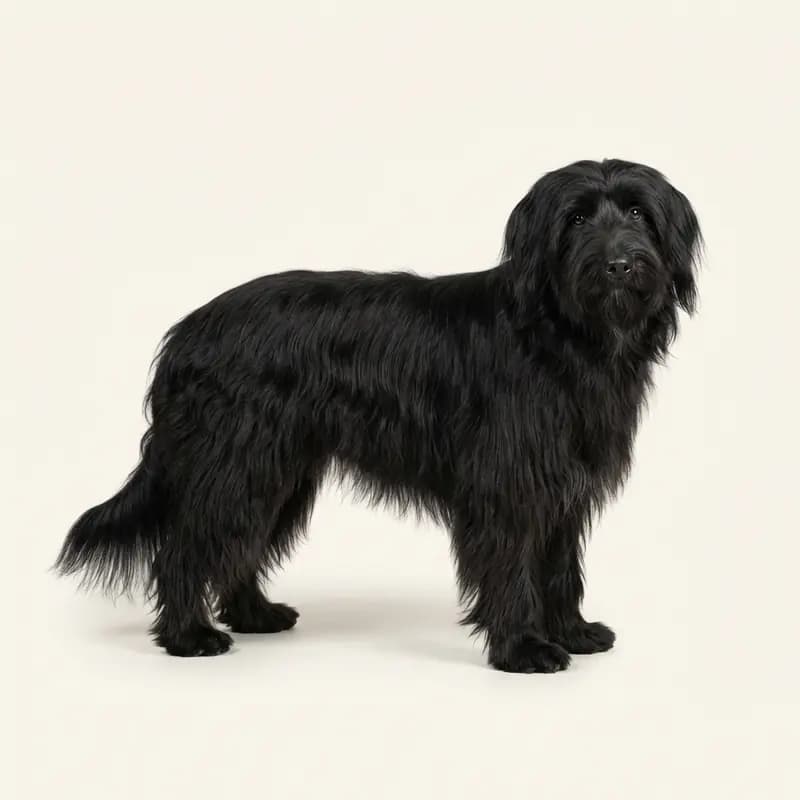
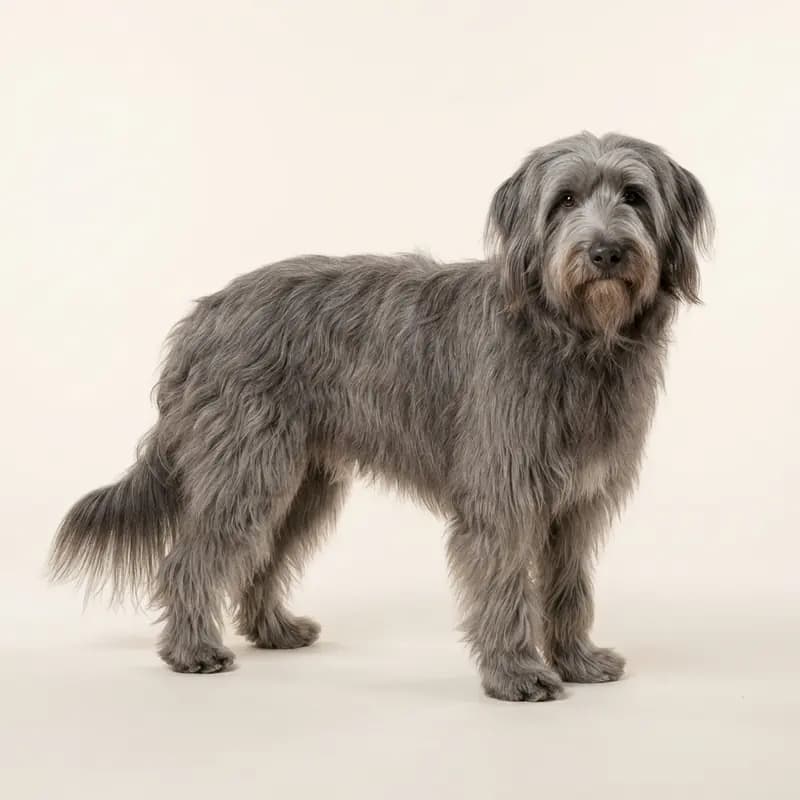
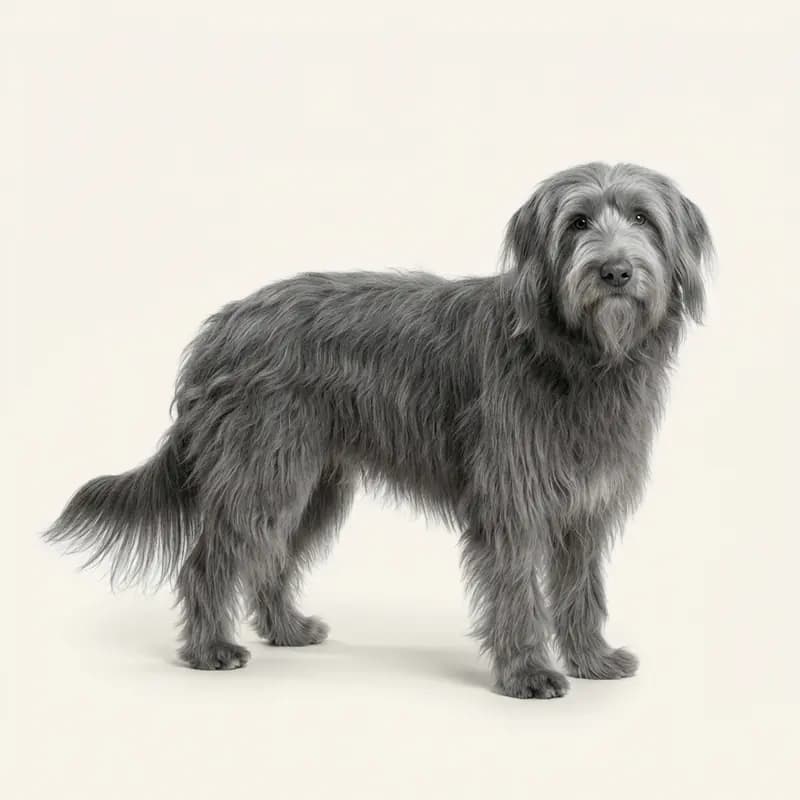
The Bearded Collie comes in these colors: Black, Grey, Blue, Brown, Fawn, Black and white, Brown and white.
Showcase your kennel on HonestDog and reach families searching for a responsibly bred Bearded Collie.