Loading breed
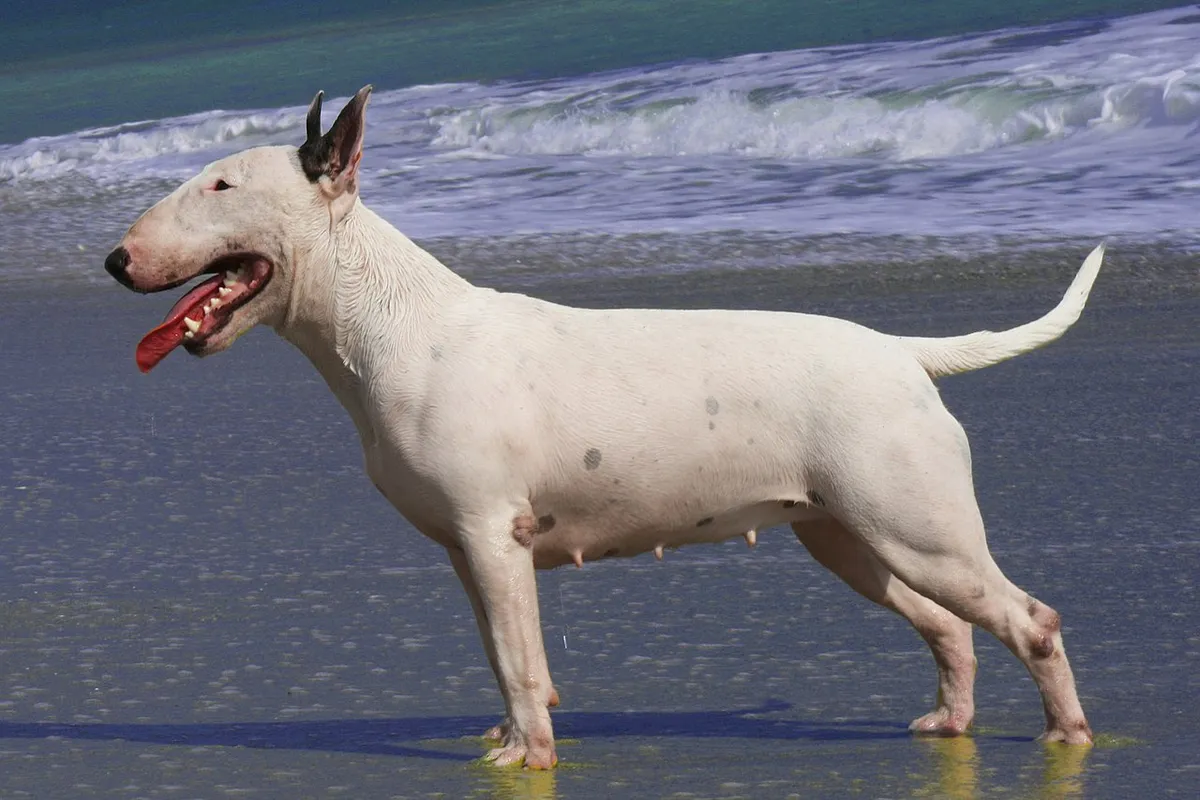
Bull Terrier
Health grade D- Height45–55 cm
- Weight18–38 kg
- Life expectancy10–14 yrs
- Puppy price1,500–2,500 €
- Energy4/5
The Essentials at a Glance
The Bull Terrier is a muscular, often clownish Bull-type breed—originally bred for uncompromising strength and tenacity, today it combines immense physical power with a stoic, people-oriented stubbornness.
- Health grade D: The Bull Terrier carries a clear breed-specific risk for serious diseases such as the fatal skin condition lethal acrodermatitis (LAD), the heart disease mitral valve disease (MVD), and polycystic kidney disease (PKD).
- You appreciate a dog that is physically robust and requires clear, loving consistency—its Bull-type genetics will test boundaries with stoic calm.
- You are looking for a compact, powerful companion for moderate walks that doesn't demand hours of endurance training or delicate mental stimulation.
- You expect blind obedience or a 'will-to-please'—this breed was not developed for cooperative teamwork, but for persistent, independent action.
Is the Bull Terrier right for you?
At a glance
Bull Terrier overview
The essentials — key facts, traits, and health priorities — before you dive deeper.
Health grade
Relative to other breeds
S
A
B
C
D
E
Very healthyHigher risk
Elevated risk — responsible breeding really matters.
See full health info & tests →
Note: This health overview is AI-assisted and editorially reviewed. It is for orientation only and does not replace veterinary advice.
Lifespan
10–14 yrs
Height
45–55 cm
Weight
18–38 kg
Practical
- Puppy price: 1,500 – 2,500 €
- Coat: Short, smooth, dense
- Origin: Great Britain
Temperament
Energy
Trainability
Family fit
With kids
Daily life
Care effort
Shedding
Barking
City-friendly
Guard instinct
What matters most
Especially with a Bull Terrier, choosing the right breeder is the single most important decision you'll make. Serious breeders consistently test the parents for inherited conditions, prioritize healthy early socialization, and stay accountable long after handover. A cheap puppy without health screening tends to become the most expensive dog later on.
See HonestDog breeder standards →Colors & coat
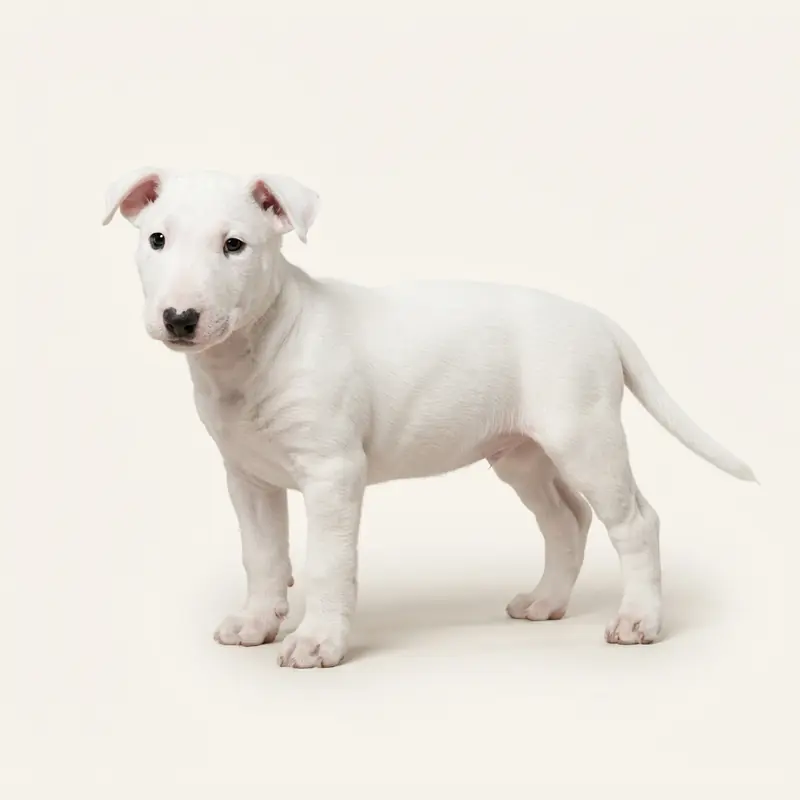
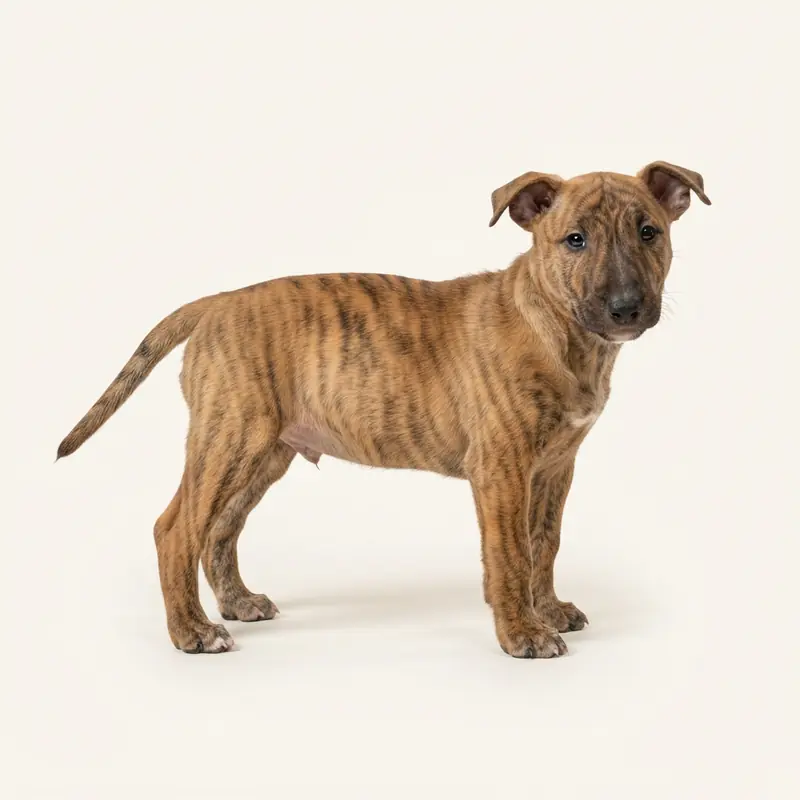
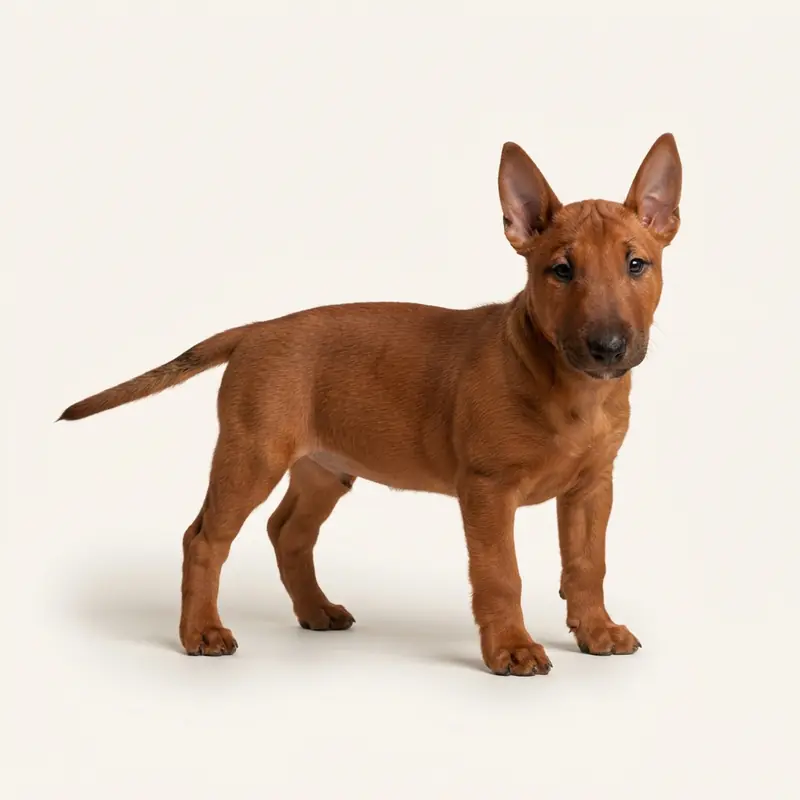
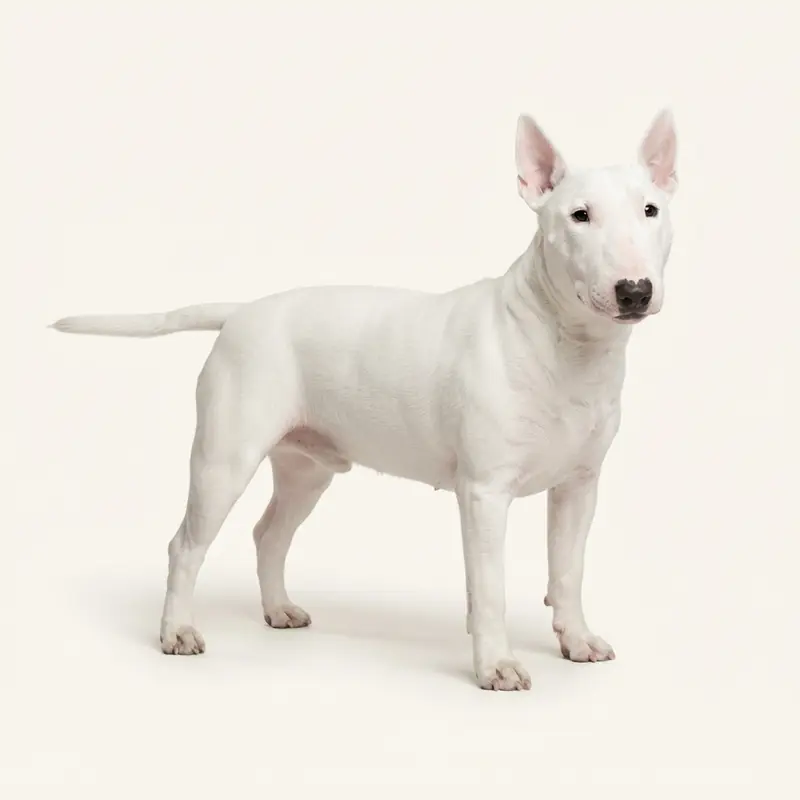
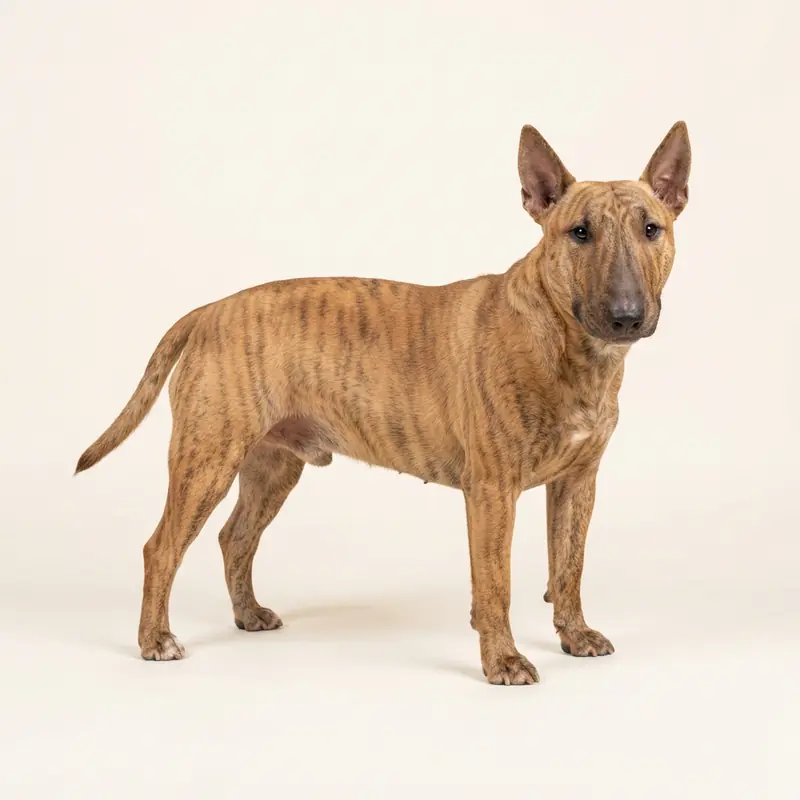
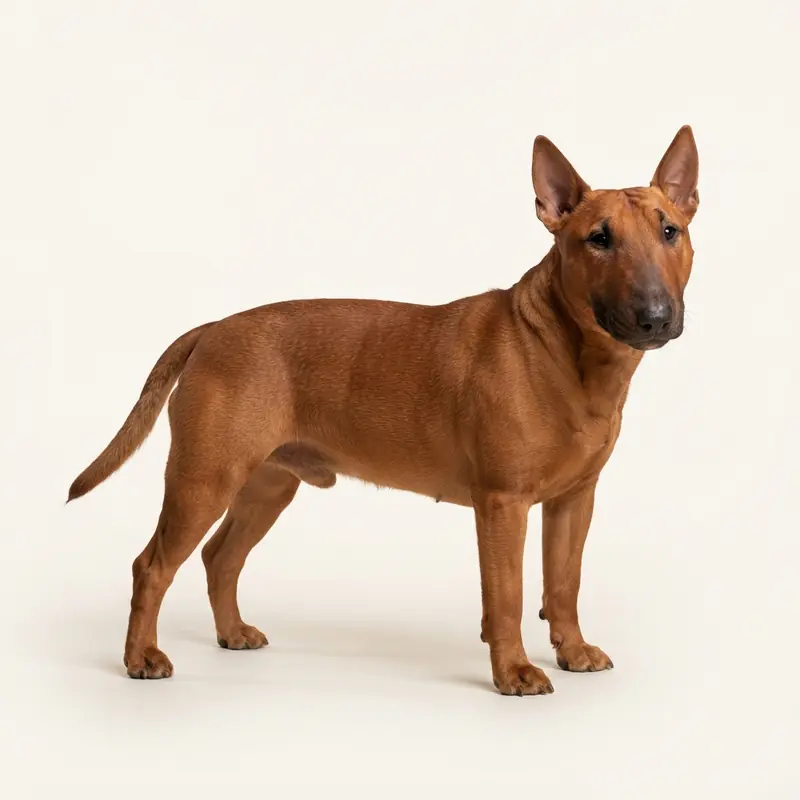
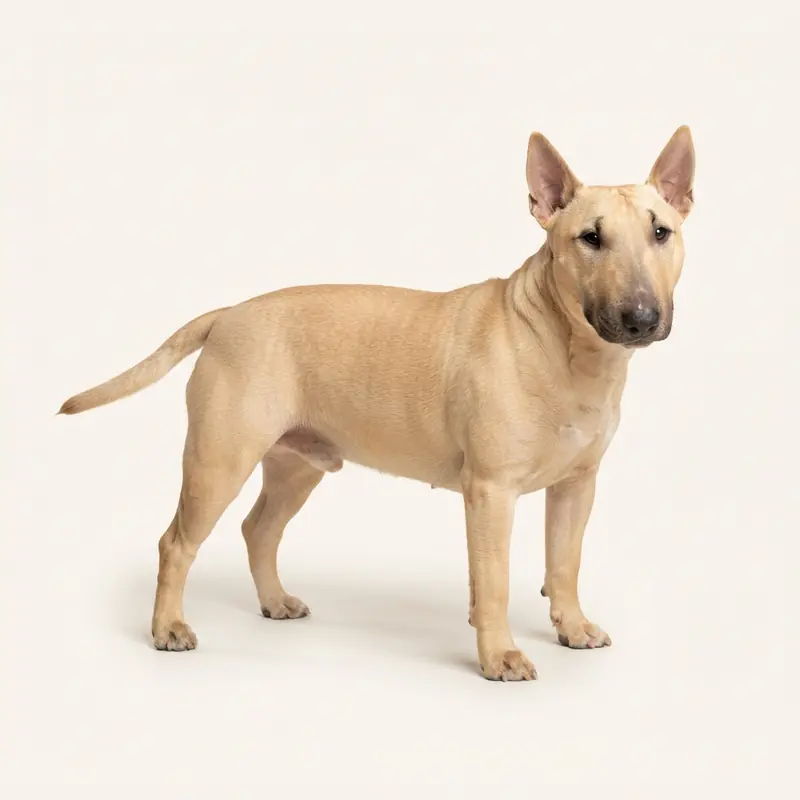
What colors does the Bull Terrier come in?
The coat colors you will see in Bull Terrier litters — including which ones fall outside the breed standard and which carry genetic risk.
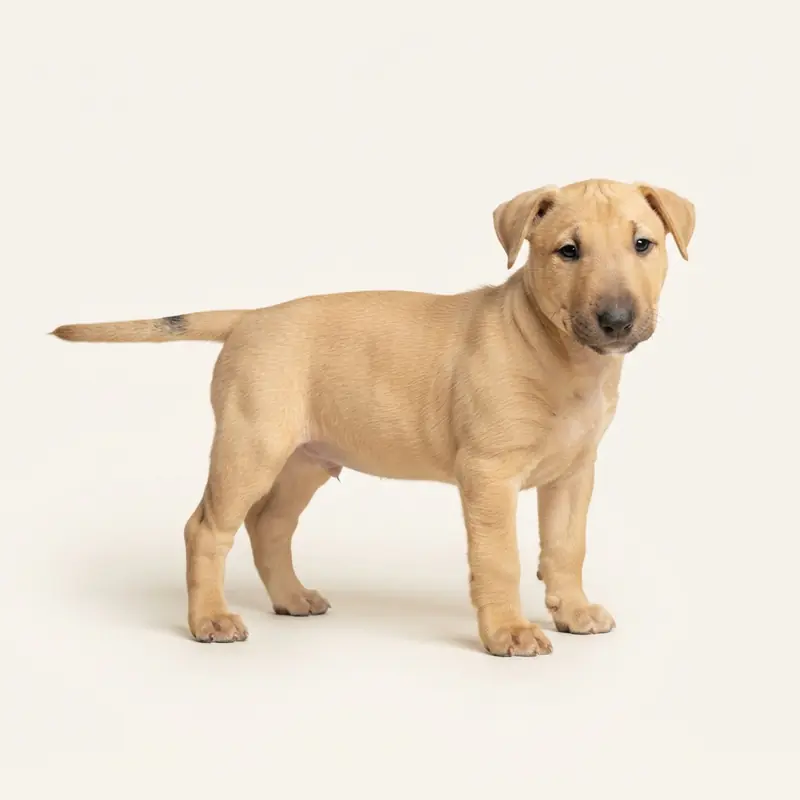
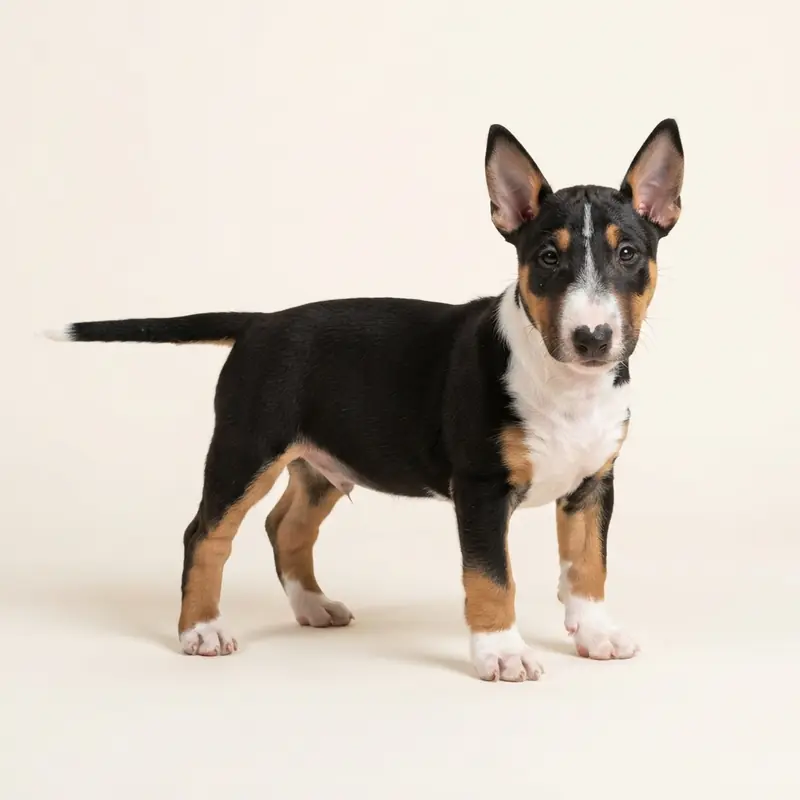
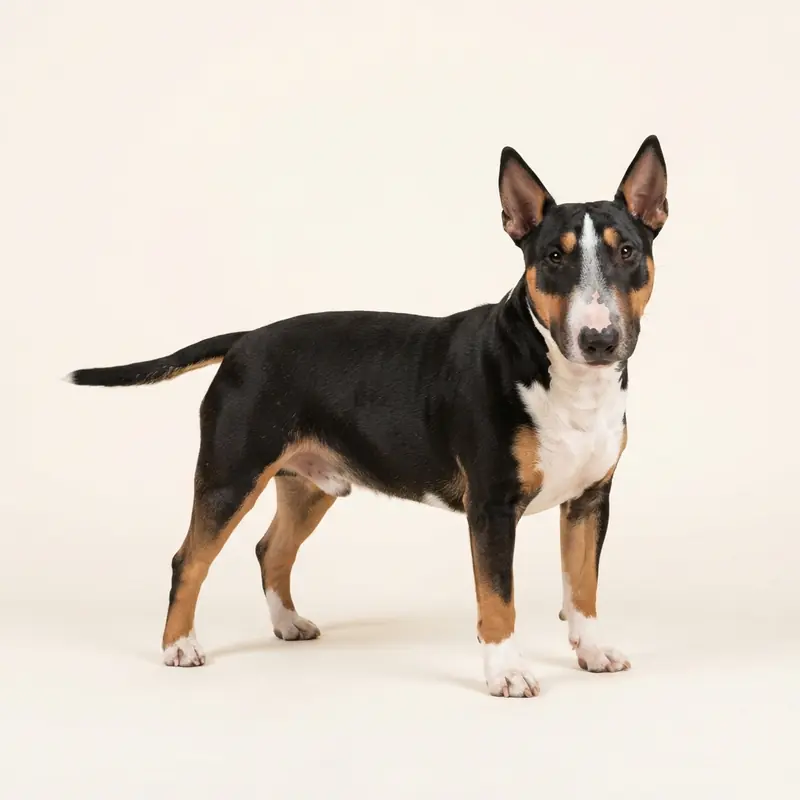
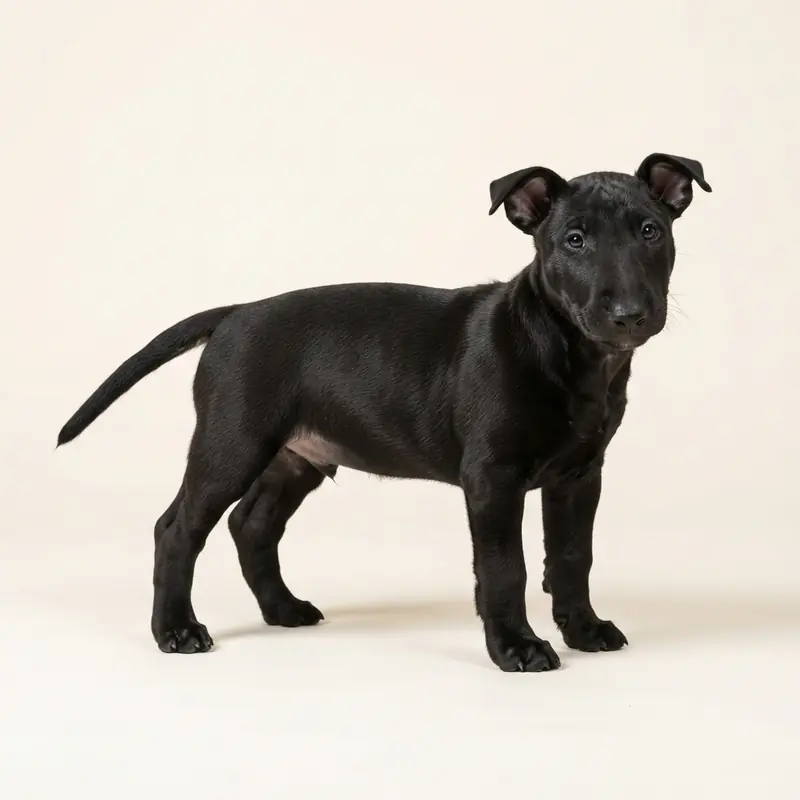
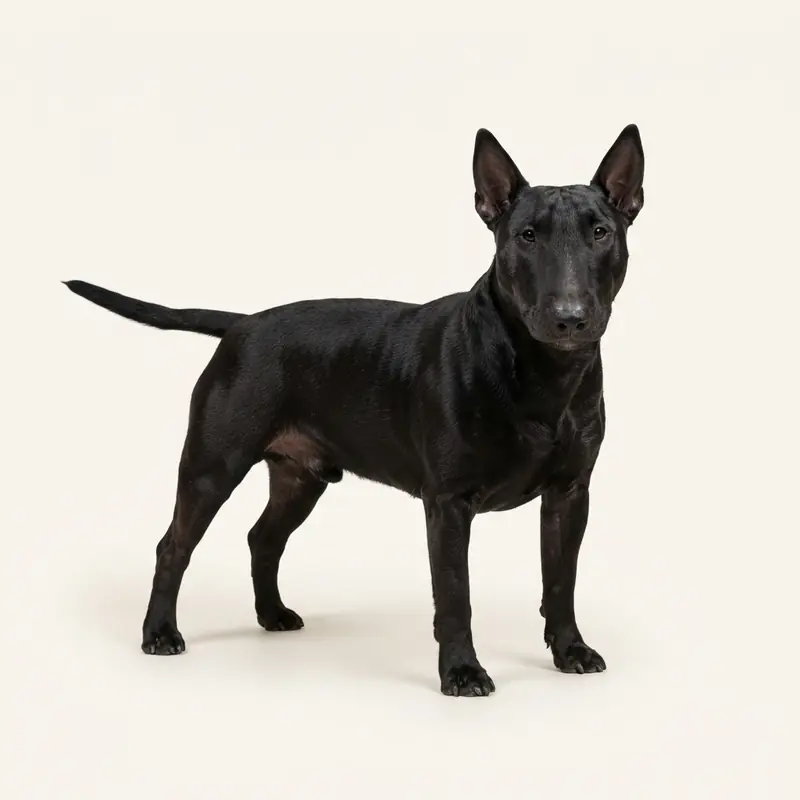
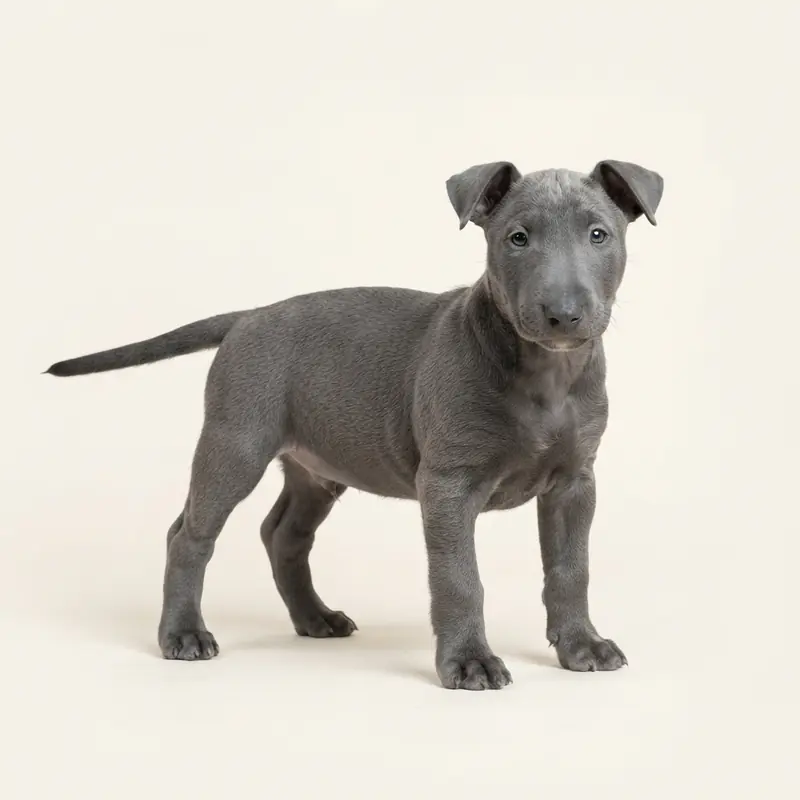
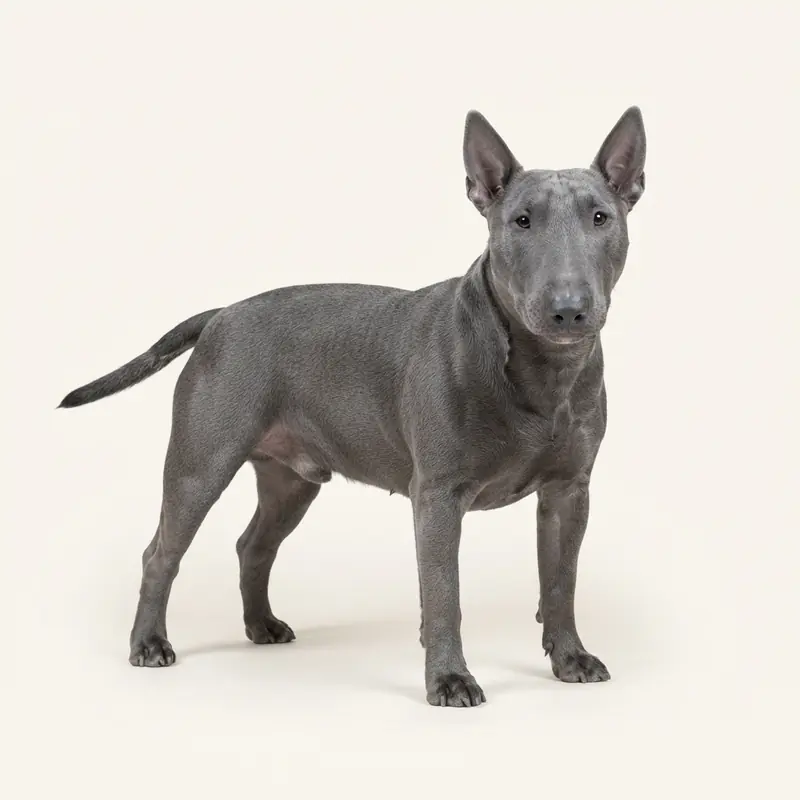
Eye colors
 Brown
Brown
Coat type
 Short
Short Smooth
Is the Bull Terrier right for you?
Perfect for you if:
- You appreciate a dog that is physically robust and requires clear, loving consistency—its Bull-type genetics will test boundaries with stoic calm.
- You are looking for a compact, powerful companion for moderate walks that doesn't demand hours of endurance training or delicate mental stimulation.
- You have a great sense of humor and the patience for a dog that often views instructions as non-binding suggestions.
- Ideally, you already have experience with Terrier or Molosser-type breeds and know how to project authority without being harsh.
Less ideal if:
- You expect blind obedience or a 'will-to-please'—this breed was not developed for cooperative teamwork, but for persistent, independent action.
- You are looking for a companion for the daily, carefree dog park visit—many adult Bull Terriers are selective about other dogs, which is part of their genetic makeup.
- You live in a region with strict breed-specific legislation and are not prepared to deal with temperament tests, special requirements, or higher taxes.
The real vibes check
A Bull Terrier is like a charming bowling ball: it bumps its way through life happily and sometimes completely without personal space, often without realizing its own strength. You aren't getting a sensitive follower of commands, but a loyal, stubborn clown that requires extremely clear rules. If you can confidently steer its stoic stubbornness, this uncompromising optimist will never leave your side.
Self-check
Would the Bull Terrier really fit your life?
Answer 6 quick questions about your everyday life and see how well the Bull Terrier fits you — including an honest cost estimate per month, per year, and across the dog's lifetime.
Fit checkCost estimateRisk dice
Takes about 1 minute · free & anonymous
Breed Profile
The Bull Terrier is a powerful and muscular dog that is known for its distinctive "egg-shaped" head and its small, triangular eyes are immediately recognizable. Its body is short and its back is strong and rounded, giving it a compact and robust appearance. This dog belongs to FCI Group 3, which includes terriers. In the case of the Bull Terrier, there is no distinction between performance and show lines. Interestingly, a smaller variant also exists, the Miniature Bull Terrier, which differs in size but not in temperament.
All measurements in detail
- Height
- 45 - 55 cm (Female), 45 - 55 cm (Male)
- Weight
- 18 - 28 kg (Female), 22 - 38 kg (Male)
- Life Expectancy
- 10 - 14 yrs
- Character
- Independent, affectionate, lively
- Coat
- Short, smooth, dense
- Coat Color
- White, brindle, tricolor, black, red
- Price
- 1500 - 2500 €
Character & Temperament
Bull Terriers are known for their stubborn and independent temperament, which is often associated with the terrier type. But they are also extremely affectionate and can be very good family dogs if they are placed in the right environment and with the right training. Their origins as fighting dogs have given them immense physical strength and a high level of courage and determination. They are very active and lively and therefore require a lot of physical and mental stimulation. Boredom can cause them to develop destructive behavior. Despite their robust appearance and active nature, Bull Terriers are very people-oriented. They are extremely loving and loyal to their families and love being in the company of people. However, this also means that they do not like to be left alone for long periods of time. Without company, they can develop separation anxiety. In terms of behavior towards other animals, the Bull Terrier can have a strong prey and hunting instinct. This can cause problems if they live with smaller pets or in areas with wild animals. However, they are not known to be aggressive towards humans as long as they are properly socialized and trained. Bull Terriers are moderately suitable as guard dogs. Some of them can be very alert and protective, while others are more friendly and sociable, even towards strangers. It is important to remember that every dog is individual and their behavior depends largely on their upbringing and environment.
| Watchfulness A natural watchdog with real protective instinct. | High |
| Openness to Strangers Neither pushily friendly nor suspicious. | Neutral |
| Hunting or Herding Drive Mild interest in movement and small animals — easily managed. | Low |
Fun Fact!
Did you know that the Bull Terrier is the only dog breed that is "triangular"? has eyes? This unique feature gives them their distinctive appearance.
What Awaits You
Miniature Bull Terriers, like Bull Terriers, are powerful and responsive dogs. They are not beginner dogs and the appropriate handling of stimuli must be practiced with them at an early stage.
Housing & Care
Bull Terriers can adapt to city life provided they get enough exercise and mental stimulation. They are very people-oriented and are well suited to families with older children who understand how to treat a dog respectfully. They can also get along with other pets, provided they are used to it from an early age. In some federal states, this breed is considered a listed dog and special requirements must be observed.
- Family Friendly
Loves family life and thrives in a group.
Family-oriented - Child Friendly
Gets on well with children — with adult supervision.
With supervision - Dog Friendly
Can get on with dogs it knows — strangers are a different story.
With familiar dogs - City Friendly
City-appropriate with enough exercise and stimulation.
Manageable in cities
Owning a dog is a privilege, but it's also a real responsibility. Before you bring one into your life, be honest with yourself about the commitment it takes.
Training & Education
Bull Terriers are intelligent and eager to learn, but they can also be stubborn. Therefore, consistent but loving parenting is crucial. They enjoy various activities and dog sports like agility or obedience can be a great way to keep their minds and bodies occupied. However, be careful not to over-occupy the dog as this can cause stress. It is important that they learn to enjoy quiet moments and relax. It can also happen with Bull Terriers that they are too “ball junkies”. become. It is important to encourage balanced play behavior and avoid the dog developing an obsession. Because Bull Terriers can have a strong prey drive, it is important to teach them good impulse control and frustration tolerance. This can help you keep them under better control and avoid situations where they act out their hunting instincts.
Nutrition & Care
Bull Terriers are active dogs that require a balanced diet to maintain their health and vitality. A mix of high-quality dry or wet food, supplemented with fresh meat and vegetables, may be ideal for them. Pay attention to the amount of food to avoid becoming overweight, as this can lead to further health problems. Grooming the Bull Terrier's coat is relatively uncomplicated as they have a short and smooth coat without an undercoat. Regular brushing helps remove dead hair and keeps the coat clean and shiny. Bull Terriers can cope well with the climate in Germany. They shed moderately, but regular brushing can help control this.
| Care Level Regular brushing and occasional professional grooming. | Moderate |
| Exercise Needs Needs several hours of serious exercise every day. | Very active |
| Shedding Hair everywhere, always — no white clothing survives. | Very heavy |
| Trainability Has its own ideas and will test limits. | Strong-willed |
Our experts are still reviewing this information. Spotted something wrong? Email us at info@honestdog.de.
Health & hereditary diseases
Health
D
Elevated risks
Health grade
The Bull Terrier carries a clear breed-specific risk for serious diseases such as the fatal skin condition lethal acrodermatitis (LAD), the heart disease mitral valve disease (MVD), and polycystic kidney disease (PKD). A responsible breeder consistently minimizes these risks through targeted screening before breeding. You should therefore ask to see complete health test results of the parent animals before buying: for lethal acrodermatitis (LAD), both parents must be clear, or at most, one carrier may be mated with a clear partner. In addition, current, clear test results must be available for mitral valve disease (MVD) via cardiac ultrasound and for polycystic kidney disease (PKD).
Grade is relative to other breeds — AI-assisted and editorially reviewed.
In daily life this can mean
With consistent veterinary check-ups, a tailored diet, and regular monitoring of skin and hearing, you have a good chance of keeping your dog fit for a long time.
The breeder's role
Reputable breeders have the parents' hearing, kidneys, hearts, and knees tested and specifically focus on lines free from hereditary skin and immune disorders.
Note: This health overview is AI-assisted and editorially reviewed. It is for orientation only and does not replace veterinary advice.
No Health Tests Available
No specific health tests are currently available for this breed.
Costs & where to find one
How much does a Bull Terrier cost?
A Bull Terrier costs around ~€190 per month (€100 – €360, depending on your setup). The first year adds up to roughly ~€5,110 including purchase, equipment and puppy school; across the dog's life (12 years) it comes to about ~€30,200.
With surgery cover, running costs come to about ~€200 per month — in return, your share of a major operation drops from several thousand euros to around 20 percent.
Per month
~€190
In the first year
~€5,110
Across the dog's life
~€30,200
Purchase from a breeder: €1,500 – €2,500
Estimate at a mid-range setup (suburban, dry food, 1–2 hours of daily exercise), average German prices, as of July 2026.
Calculate your personal costs1-minute self-check with your own answers
Looking for a Bull Terrier?
Legal Notice
The legal classification of Bull Terrier varies by federal state and is not uniformly regulated. Depending on your location, specific ownership obligations, a temperament test or proof of competence, leash and muzzle requirements, or a higher dog tax may apply. Always check with your local authorities.
Full guide to restricted-breed ownership in GermanyAppearance, variants & origin
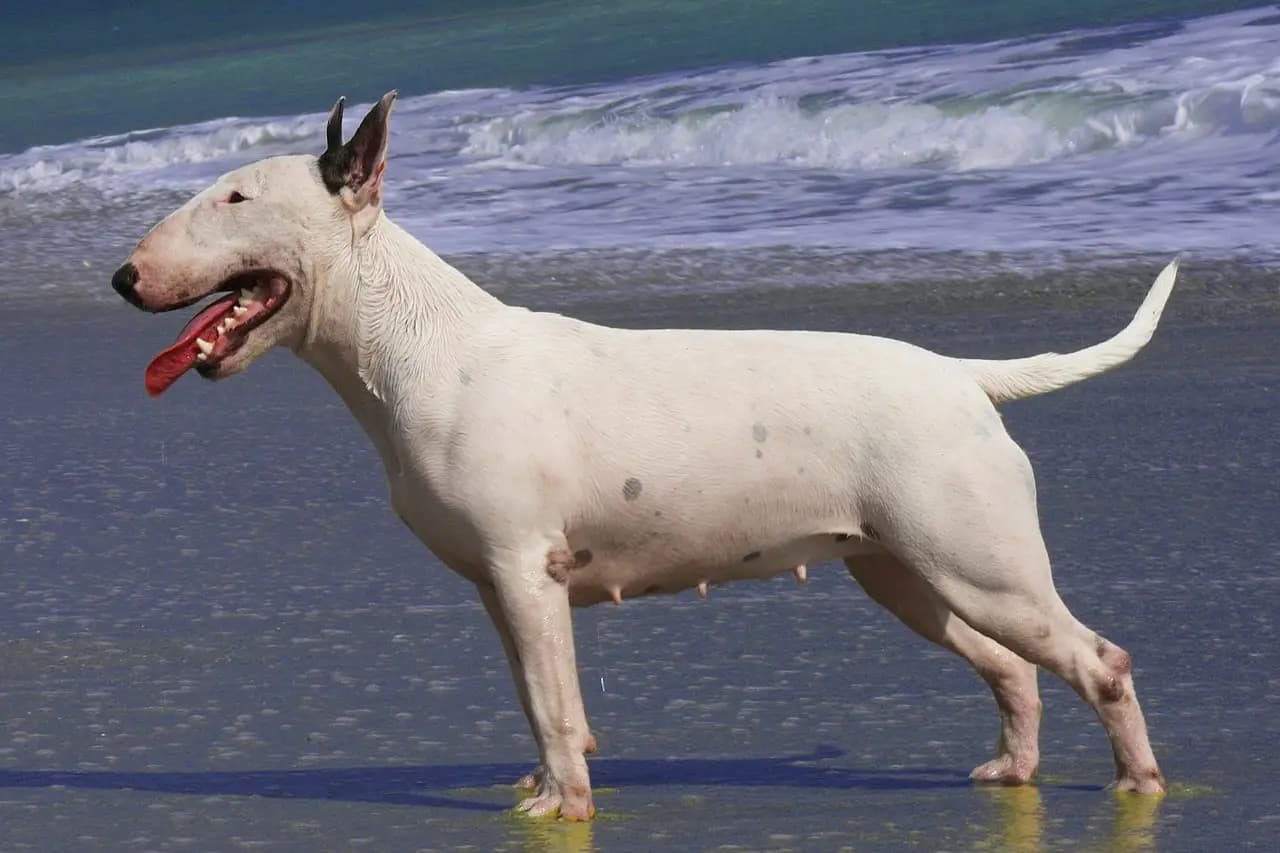
 Illustrative image
 Illustrative image
 Illustrative image
 Illustrative image
History
The full history
The Bull Terrier breed originated in Great Britain in the 19th century. At the time, dog fighting was a popular and unfortunately legal form of entertainment, and it was common to breed new breeds to compete in these brutal fights. Breeders crossed the Old English Bulldog with the White English Terrier (a breed that no longer exists) in the hopes of creating a dog that would combine the strength of the Bulldog and the agility and speed of the Terrier. When dog fighting eventually became illegal, the purpose of the breed also changed. They became companion dogs and their breeding was focused on their appearance and temperament. The Bull Terrier was recognized as a separate breed by the Kennel Club in Great Britain in 1936.
Original Use
The Bull Terrier was originally bred for dog fighting, but is now a popular companion dog with a distinctive appearance.
Origin
Great Britain
Date
1800
Owner experiences
What owners say about the Bull Terrier
Sabine M., Halterin aus Nordrhein-Westfalen (Rüde, seit 2018)
Mein Bulli ist ein absoluter Clown und im Haus unglaublich verschmust. Er hat diesen typischen Dickkopf – wenn er keine Lust auf eine Übung hat, setzt er sich einfach hin und ignoriert mich charmant. Er ist definitiv kein Hund für den klassischen Hundesport wie Agility, sondern eher ein gemütlicher Charakterkopf, der zwischendurch aber auch seine wilden fünf Minuten hat.
Die größte Herausforderung im Alltag ist allerdings nicht seine Sturheit, sondern die Reaktion der Umwelt. Da er in vielen Bundesländern als Listenhund gilt, wird man beim Spazierengehen oft argwöhnisch beobachtet. Man darf sich mit so einem Hund absolut keinen Fehltritt erlauben. Wenn er mal bellt oder ein anderer Hund ihn anpöbelt, ist man als Halter sofort der Sündenbock. Damit muss man mental erst einmal umgehen können.
Christian B., Halter aus Hamburg (Hündin, seit 2022)
Als unsere Mini-Bullterrier-Hündin als Welpe bei uns einzog, wurden wir erst einmal eiskalt erwischt. Wenn ihr etwas nicht passte oder wir eine Grenze setzten, mutierte sie regelrecht zum kleinen, hysterischen 'Gremlin'. Sie fing an zu schreien, zu strampeln und vor Frust zu zwicken. Diese extremen Gefühlsausbrüche haben uns anfangs wirklich an unsere Grenzen gebracht.
Wir mussten extrem viel Zeit und Geduld in das Training der Frustrationstoleranz und Erregungskontrolle stecken. Man darf in solchen Momenten auf keinen Fall mit Härte reagieren, sondern muss lernen, diese Ausbrüche ruhig auszuhalten und den Hund wieder herunterzuregeln. Heute ist sie ein toller Begleiter, aber die Welpen- und Junghundzeit war ein echter Härtetest.
Melanie S., Halterin aus Bayern (Rüde, seit 2024)
Unser Rüde ist zu Hause die Sanftmut in Person und liebt seine Menschen über alles. Allerdings sind Hundebegegnungen draußen ein echtes Thema. Nach einer unschönen Beißerei mit einem anderen Hund hat er eine starke Abneigung gegen bestimmte Hundetypen entwickelt und neigt dazu, an der Leine sehr laut und wild zu werden. Es erfordert extremes Training und volle Aufmerksamkeit, seine Konzentration in brenzligen Situationen auf mich zu lenken.
Erschwerend kommt hinzu, dass Bullterrier durch ihre markante Kopfform eine sehr eingeschränkte Mimik haben. Viele 'normale' Hunde können sie deshalb extrem schlecht lesen und fangen oft schon an zu knurren, bevor überhaupt ein direkter Kontakt stattgefunden hat. Als Halter muss man daher immer vorausschauend agieren und darf in solchen Momenten selbst nicht in Panik geraten.
Paraphrased from real owner reports
Loading owner stories
FAQ & more
Frequently asked questions about the Bull Terrier
Is a Bull Terrier the right dog for me?
The Bull Terrier is an active dog that needs plenty of exercise and mental stimulation. Research the temperament, grooming needs, and space requirements before deciding.
How long does a Bull Terrier live?
The average life expectancy of a Bull Terrier is 10-14 years. With proper care and regular vet visits, your dog can live a long, healthy life.
How much grooming does a Bull Terrier need?
Bull Terrier grooming requirements include regular brushing, nail trimming, and dental care. HonestDog provides detailed grooming tips for every breed.
Is a Bull Terrier good for families with children?
The Bull Terrier can be a great family dog. Proper training and socialization are key. HonestDog provides family suitability information for every breed.
What colors does the Bull Terrier come in?
The Bull Terrier comes in these colors: White, Brindle, Red, Fawn, Tricolor, Black, Blue, Liver. Colors that fall outside the breed standard are marked as such on the breed page.
Loading related articles
Are you a Bull Terrier breeder?
Showcase your kennel on HonestDog and reach families searching for a responsibly bred Bull Terrier.