Loading breed

Bulldog
Health grade E- Height31–40 cm
- Weight18–25 kg
- Life expectancy8–10 yrs
- Puppy price2,000–3,500 €
- Energy3/5
Why this breed is missing
Why we don't currently place Bulldog puppies
The breed-specific health risks for the Bulldog are high—especially when it comes to breathing and stamina. In these cases, a lot depends on the breeder: on consistent screenings, transparent results, and breeding selection that prioritizes health over appearance. Assessing this breed is complex and not straightforward. We currently don't have a standard for this that we would rely on—which is why we aren't showing any breeders or puppies for this breed for the time being. As soon as we can change this, we'll include the breed again.
See dogs available for adoptionThe Essentials at a Glance
The Bulldog is an extremely people-oriented, sturdy companion dog of the bull-type—once bred as a stubborn bull-baiter, today it is a laid-back but strong-willed family dog that demands plenty of closeness.
- Health grade E: The English Bulldog reaches an average of only about seven to eight years, with clinically relevant breathing problems due to brachycephalic obstructive airway syndrome (BOAS) being widespread in the breed and a very high proportion of bitches unable to give birth naturally, making Caesarean sections the rule rather than the exception.
- You appreciate a dog with a distinct stubborn streak that views commands more as well-meaning suggestions—blind obedience is completely contrary to its hardware.
- You are looking for a relaxed companion for leisurely, moderate walks rather than an endurance sports partner.
- You live in a hot attic apartment or are very active outdoors in midsummer—its extremely shortened muzzle makes heat a real danger.
Is the Bulldog right for you?
At a glance
Bulldog overview
The essentials — key facts, traits, and health priorities — before you dive deeper.
Health grade
Relative to other breeds
S
A
B
C
D
E
Very healthyHigher risk
High risk — only worth it from a thoroughly tested program.
See full health info & tests →
Note: This health overview is AI-assisted and editorially reviewed. It is for orientation only and does not replace veterinary advice.
Lifespan
8–10 yrs
Height
31–40 cm
Weight
18–25 kg
Practical
- Puppy price: 2,000 – 3,500 €
- Coat: Short, smooth, without undercoat
- Origin: Great Britain
Temperament
Energy
Trainability
Family fit
With kids
Daily life
Care effort
Shedding
Barking
City-friendly
Guard instinct
What matters most
Especially with a Bulldog, choosing the right breeder is the single most important decision you'll make. Serious breeders consistently test the parents for inherited conditions, prioritize healthy early socialization, and stay accountable long after handover. A cheap puppy without health screening tends to become the most expensive dog later on.
See HonestDog breeder standards →Colors & coat
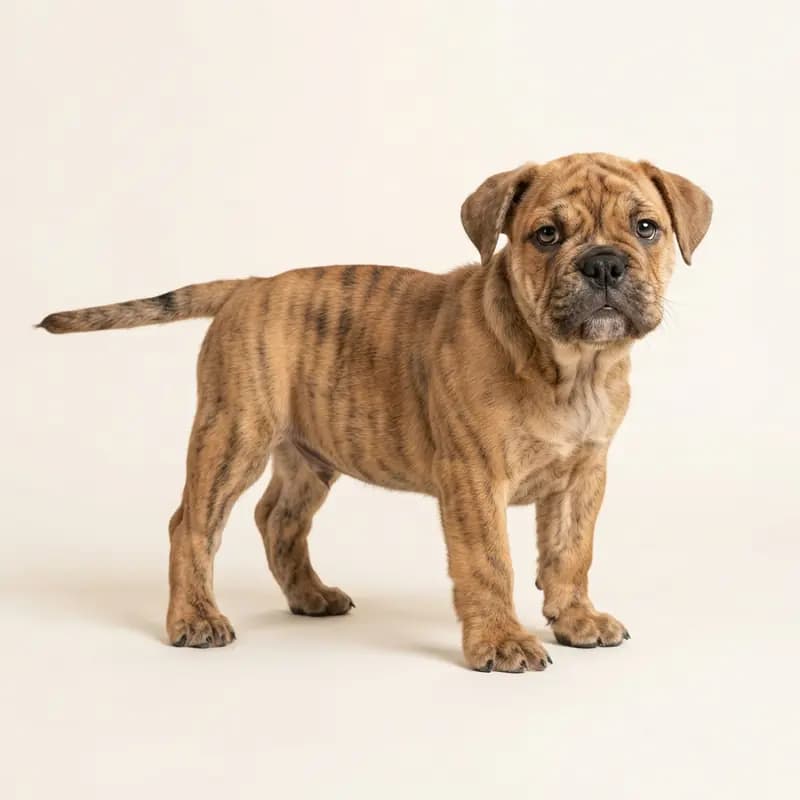
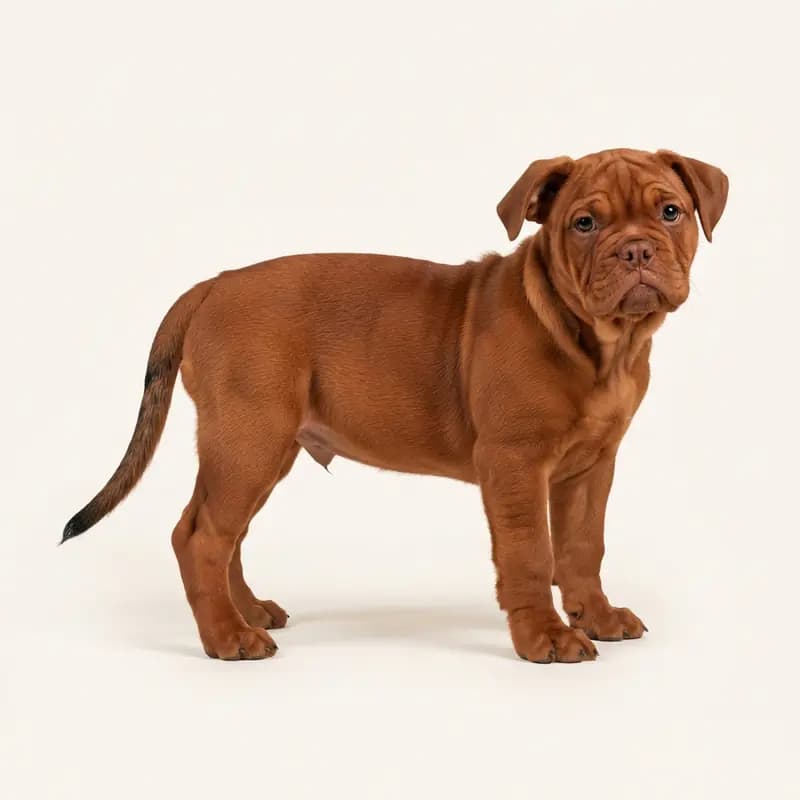
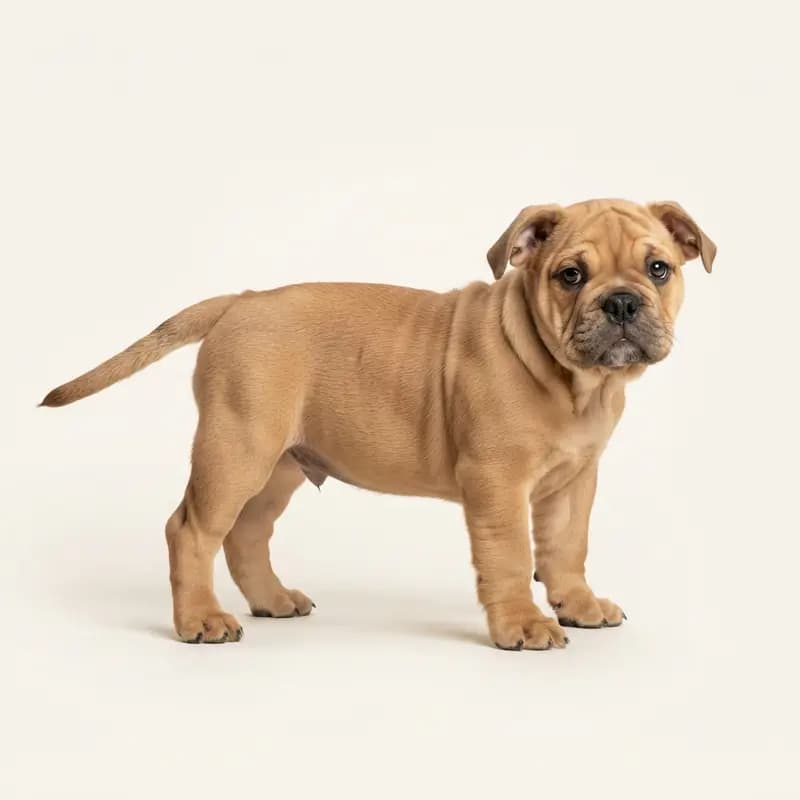
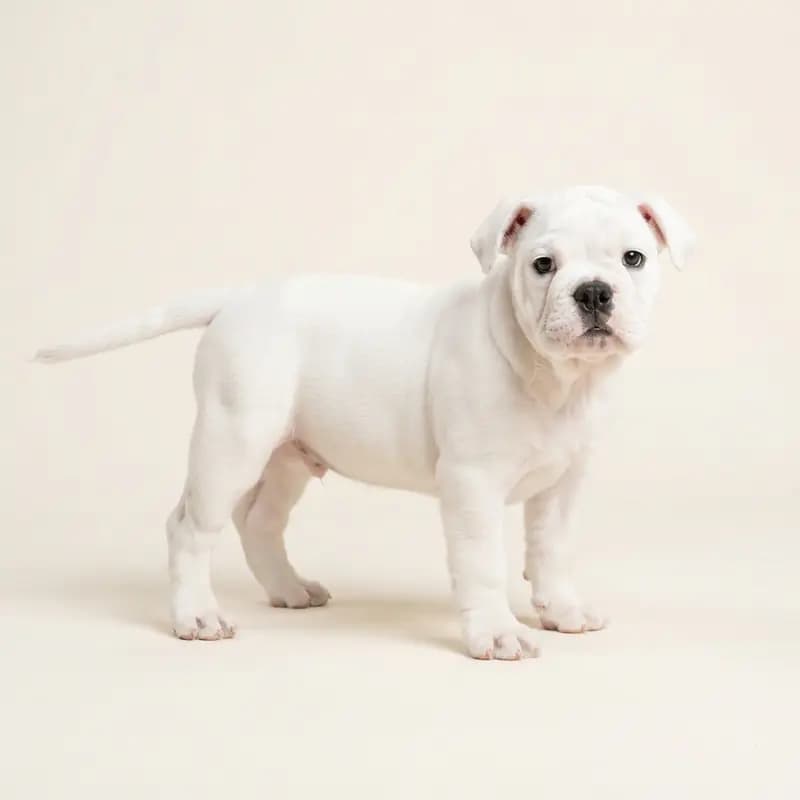
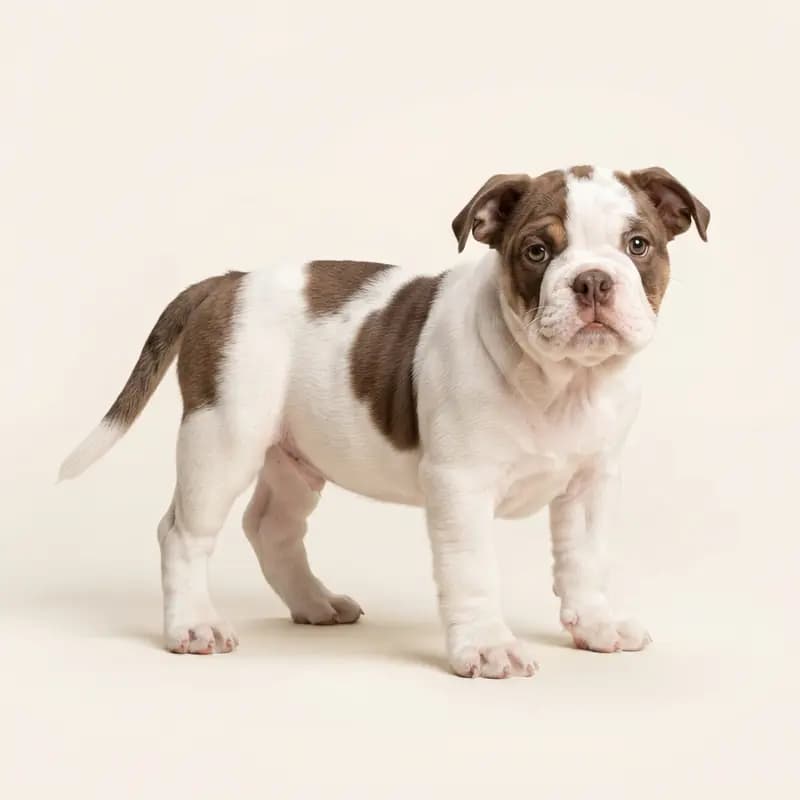
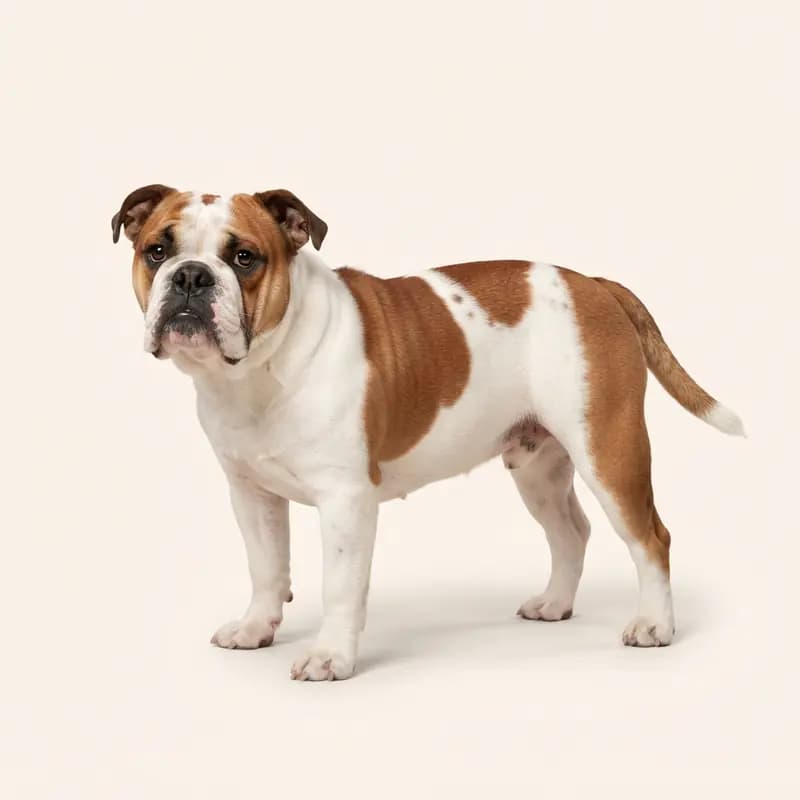
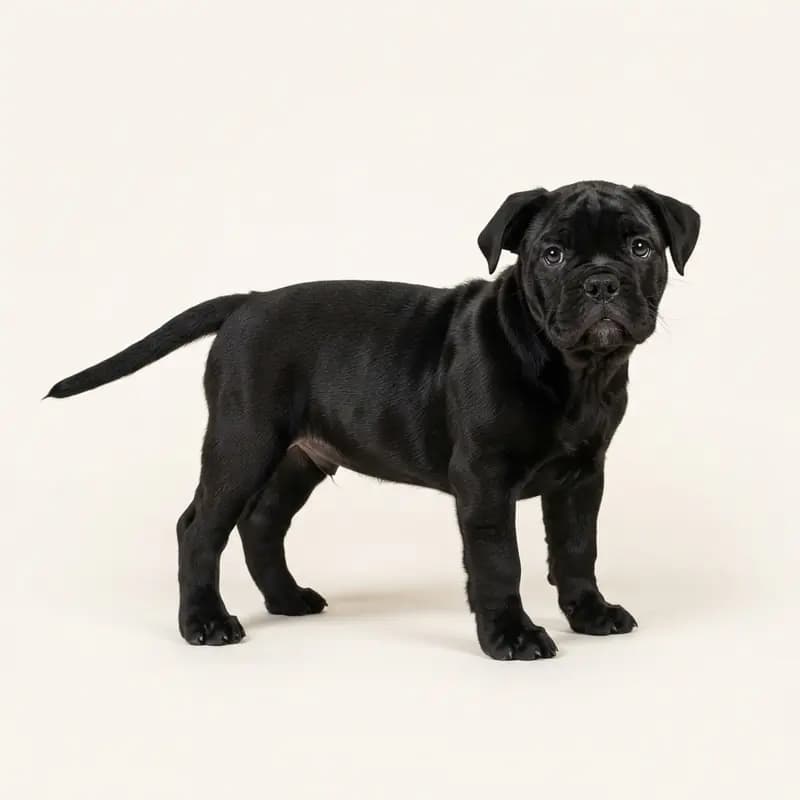
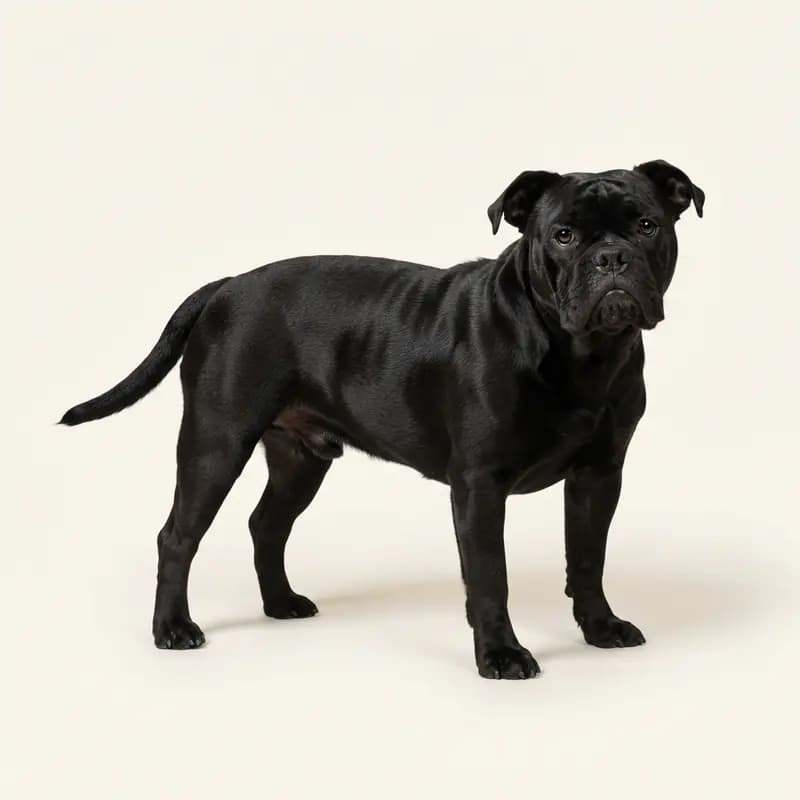
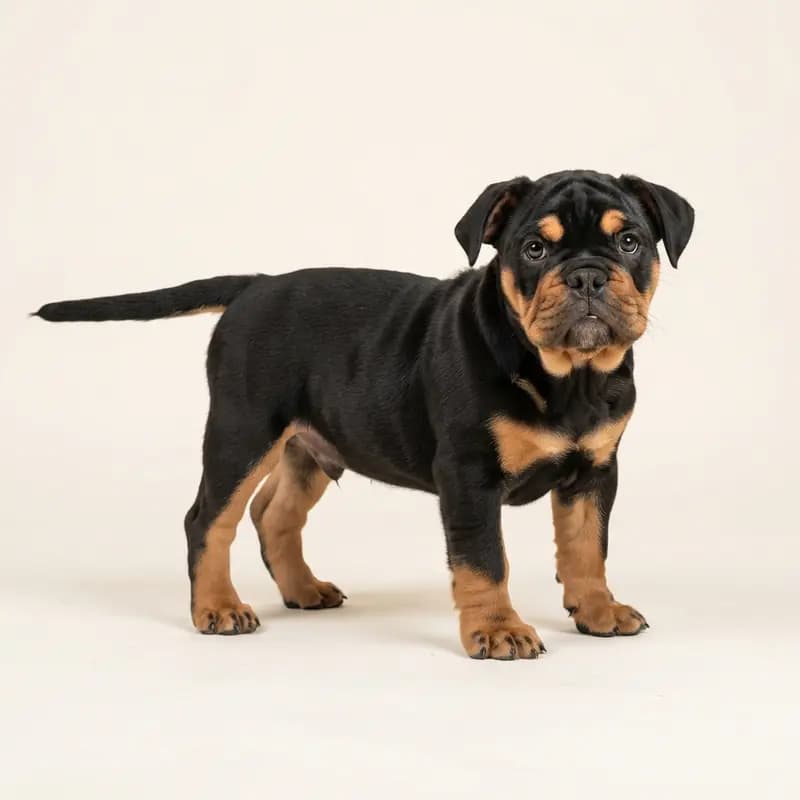
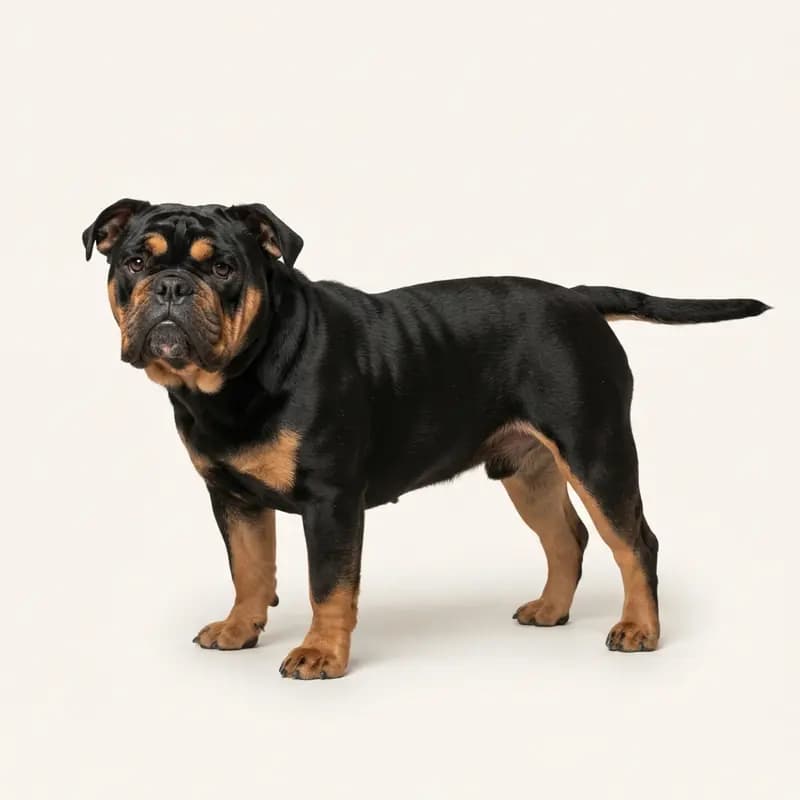
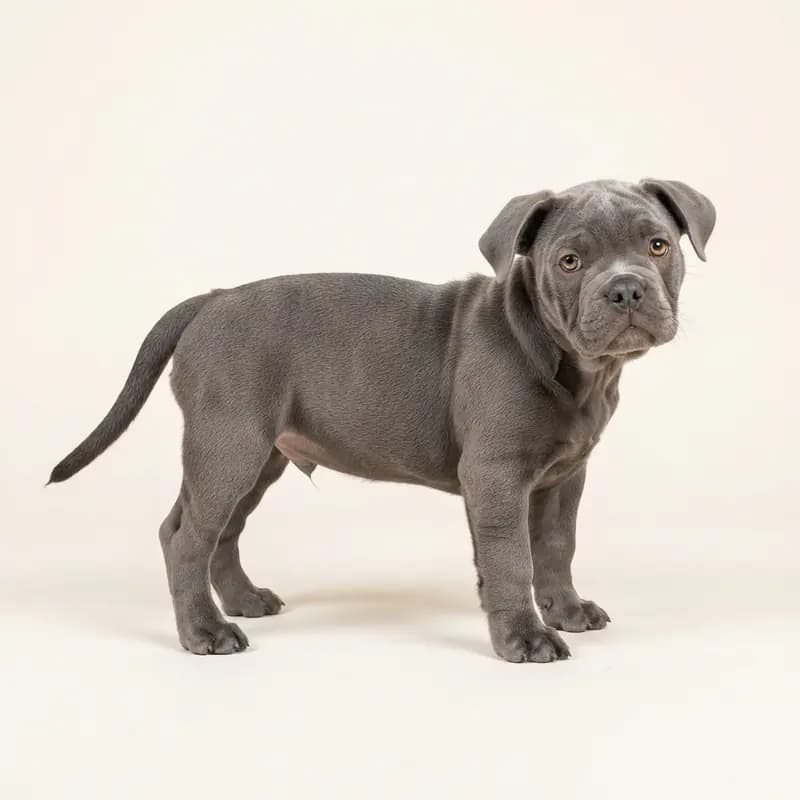
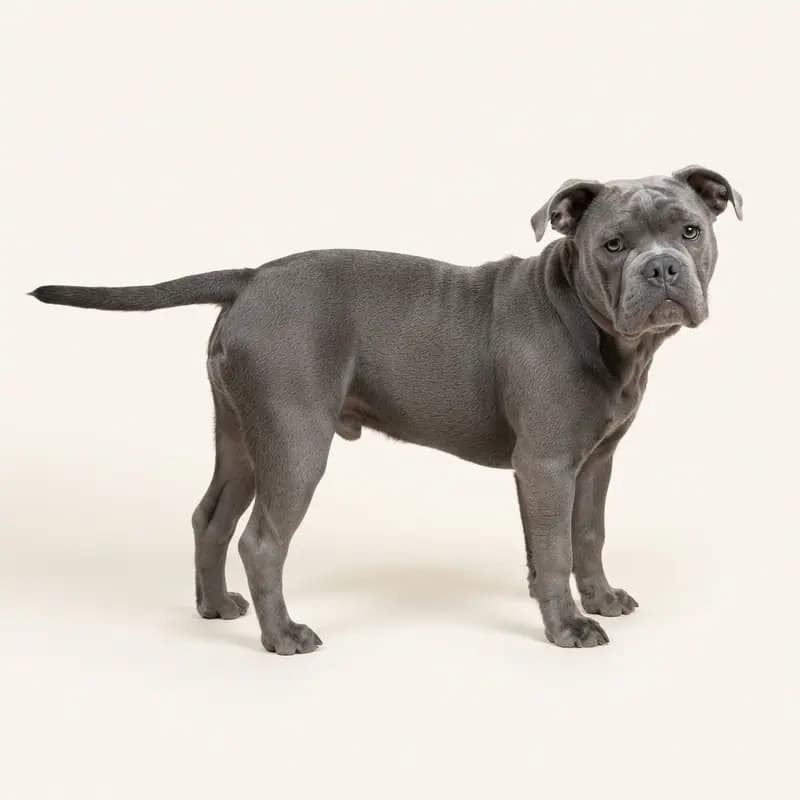
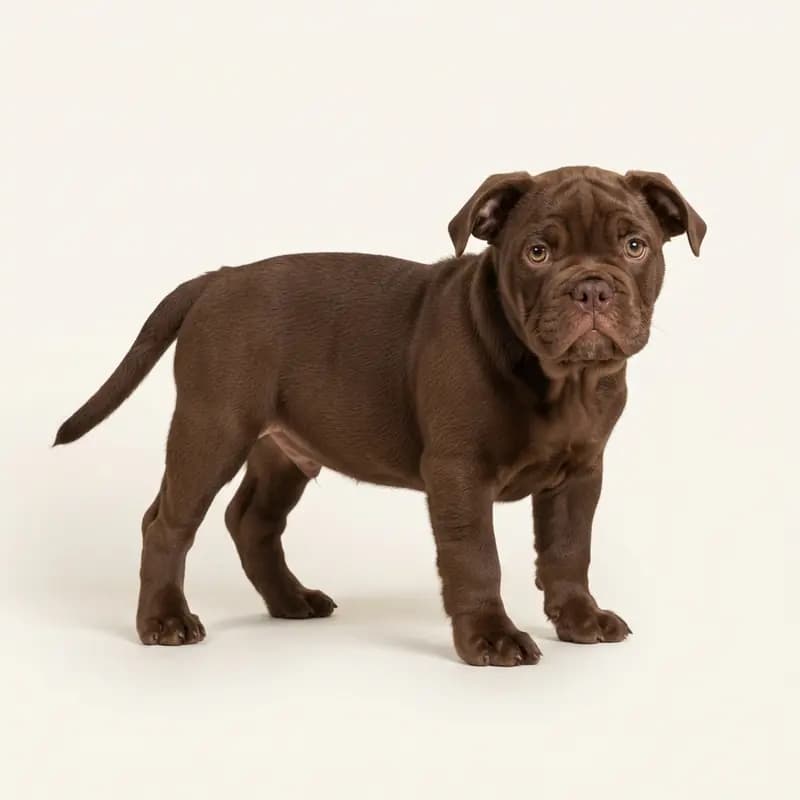
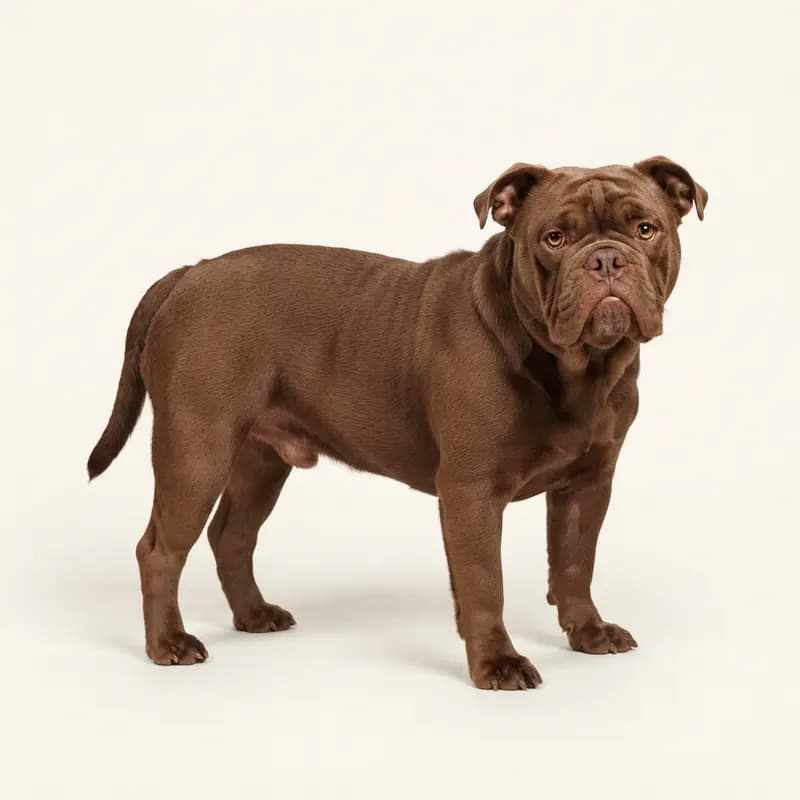
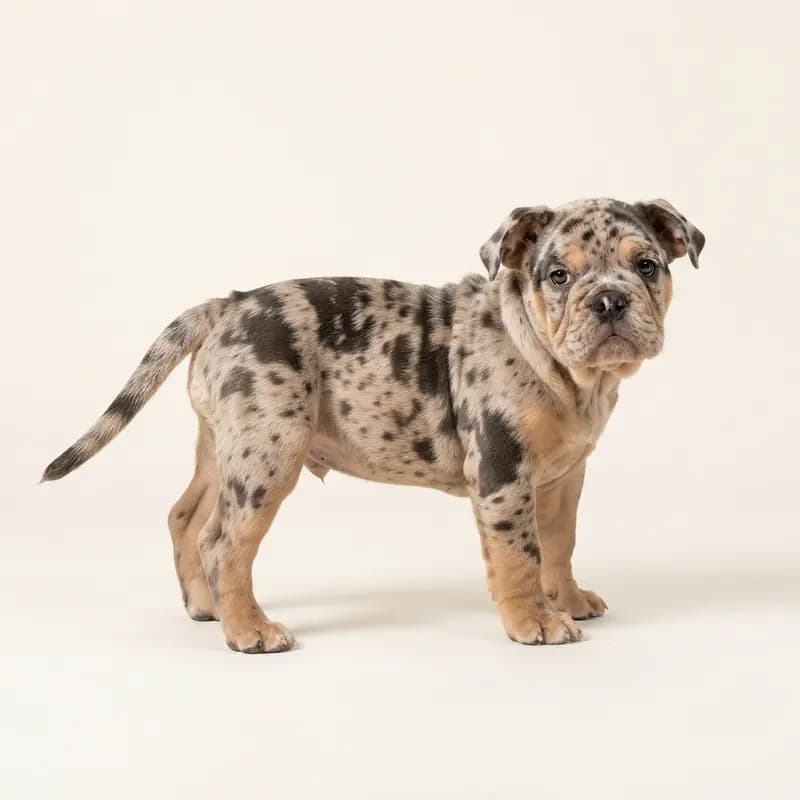
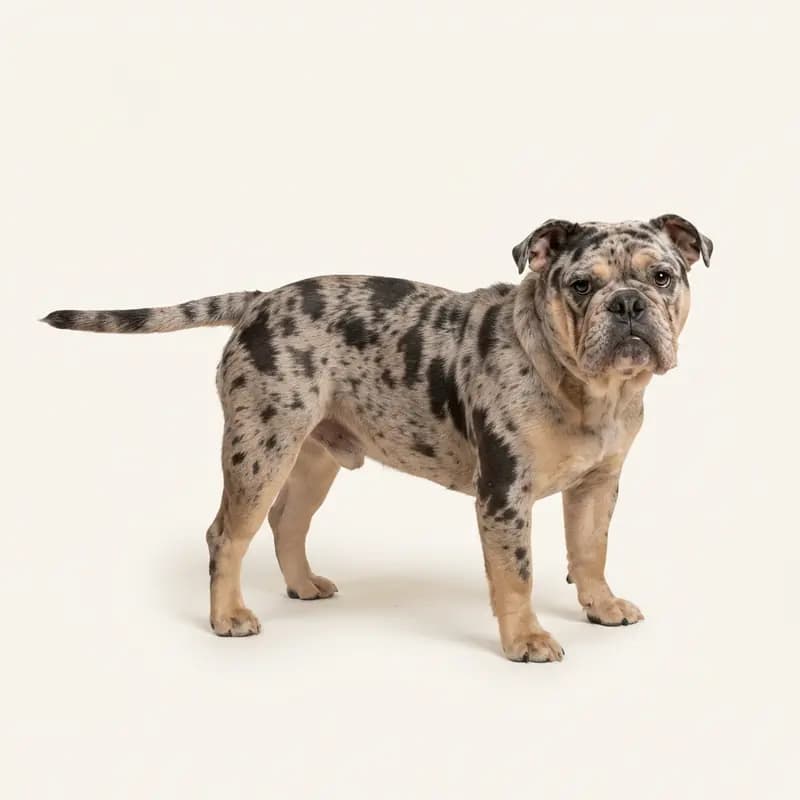
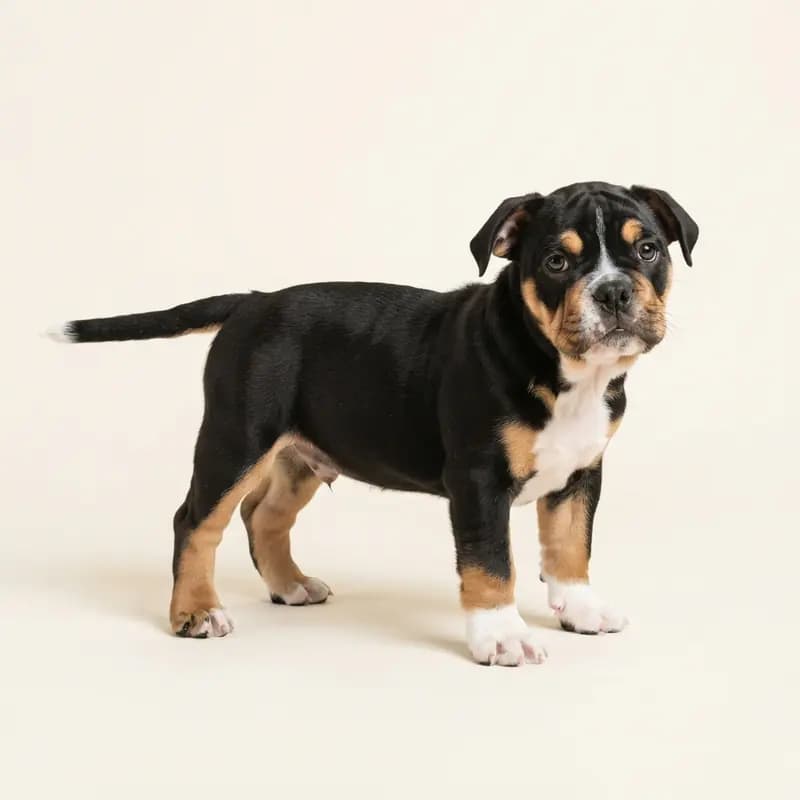
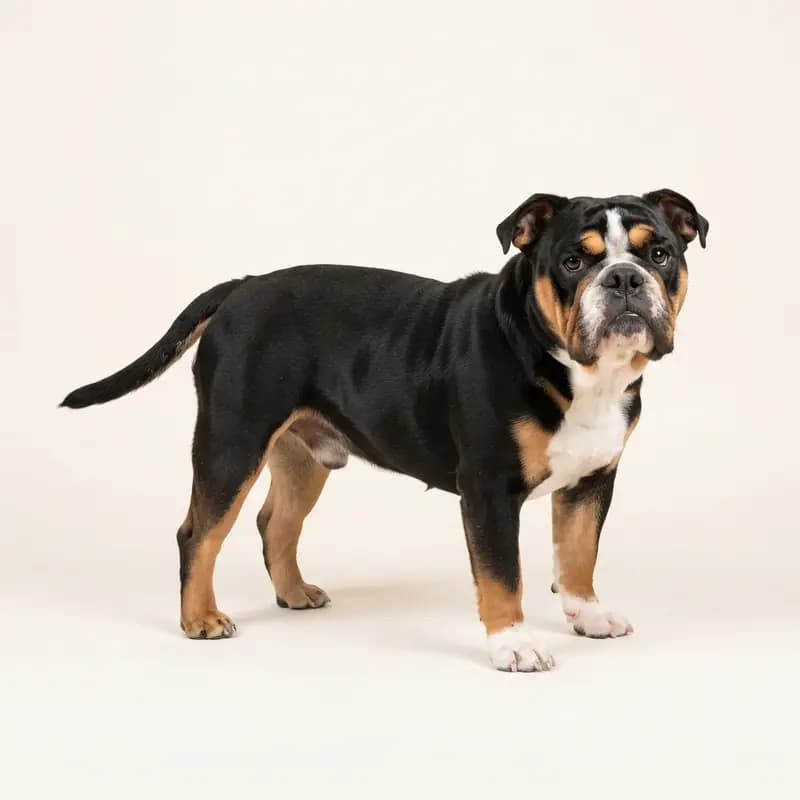
What colors does the Bulldog come in?
The coat colors you will see in Bulldog litters — including which ones fall outside the breed standard and which carry genetic risk.
Eye colors
 Brown
Brown
Coat type
 Short
Short Smooth
Is the Bulldog right for you?
Perfect for you if:
- You appreciate a dog with a distinct stubborn streak that views commands more as well-meaning suggestions—blind obedience is completely contrary to its hardware.
- You are looking for a relaxed companion for leisurely, moderate walks rather than an endurance sports partner.
- You want an extremely affectionate shadow in your daily life who prefers to maintain constant physical contact with the family.
- You live on the ground floor or have an elevator, as constant stair climbing is a no-go for this massive build.
Less ideal if:
- You live in a hot attic apartment or are very active outdoors in midsummer—its extremely shortened muzzle makes heat a real danger.
- You lose patience quickly when a dog simply stops on a walk and decides that the outing is over for the day.
- You are sensitive to noise and would be bothered by loud snoring, grunting, or smacking sounds on the sofa.
The real vibes check
A Bulldog is like a very affectionate bowling ball with a mind of its own—it doesn't argue loudly; it simply digs its massive weight into the ground when it disagrees. You aren't getting a dog that obeys you blindly, but a charming, stubborn roommate whose greatest achievement is making you laugh every day with its absolute devotion.
Self-check
Would the Bulldog really fit your life?
Answer 6 quick questions about your everyday life and see how well the Bulldog fits you — including an honest cost estimate per month, per year, and across the dog's lifetime.
Fit checkCost estimateRisk dice
Takes about 1 minute · free & anonymous
Breed Profile
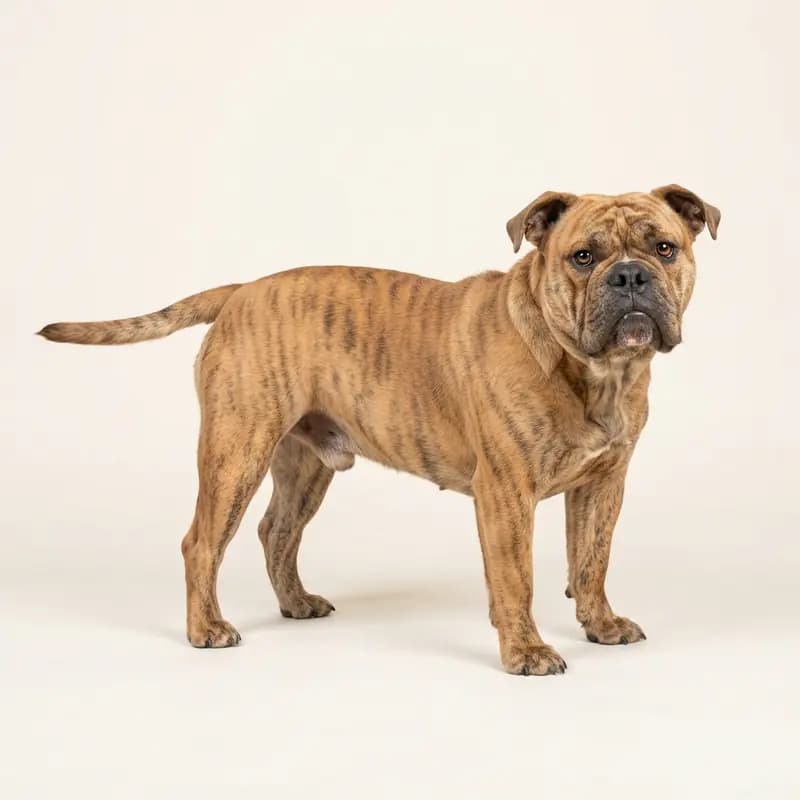
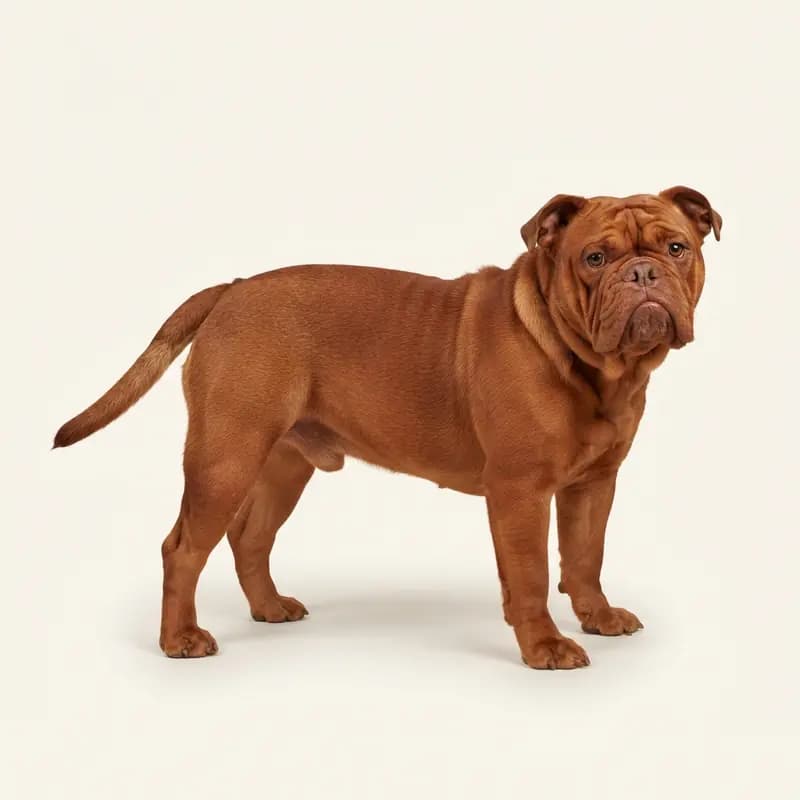
The English Bulldog, often simply referred to as a Bulldog, is a medium-sized dog breed that is listed under FCI Group 2, Section 2.1. It is known for its stocky, powerful build, broad chest and distinctive wrinkled face with a short, blunt muzzle. The bulldog's ears are set high and shaped like upturned rose petals. His eyes are wide apart and dark, giving him a gentle and friendly expression. The Bulldog has no undercoat and its coat is short and smooth, which minimizes grooming requirements. However, there are differences in the breeding line. While show lines often have more wrinkles and a more foreshortened face, working lines tend to have a more athletic build and a longer muzzle.
All measurements in detail
- Height
- 31 - 40 cm (Female), 31 - 40 cm (Male)
- Weight
- 18 - 23 kg (Female), 23 - 25 kg (Male)
- Life Expectancy
- 8 - 10 yrs
- Character
- Meek, Loyal, Loving
- Coat
- Short, smooth, without undercoat
- Coat Color
- Red, fawn, white, brindle or a combination
- Price
- 2000 - 3500 €
Character & Temperament
Despite its history as a fighting dog, today's Bulldog is known for its gentle and loving nature. He is incredibly people-oriented and forms strong bonds with his family. He is also good with children and other pets, making him an ideal family dog. The Bulldog is an intelligent dog that can be a bit stubborn. A loving but consistent upbringing is therefore important. Although he is a cozy companion, the Bulldog should be exercised regularly to keep him physically and mentally fit. However, it is important to be careful not to overexert him, especially in hot weather, as his short snout can cause breathing problems. The Bulldog is not bred to be a guard dog, but he can be very protective of his family. However, he is unlikely to become aggressive. He is a quiet dog who enjoys the company of his people and doesn't like to be left alone. Since Bulldogs tend to be close with their family, it can be important to teach them to stay alone without becoming anxious or stressed. This can be achieved through gradual training, slowly accustoming the dog to being alone. The Bulldog is not prone to hyperactive behavior, but he should be mentally stimulated to prevent boredom. Simple intelligence games or search games can help keep your mind sharp. The Bulldog isn't particularly strong when it comes to prey-catching behavior, but it's still important to socialize him well and teach him to come when called, especially in areas with wildlife.
| Watchfulness Reports unusual activity but stays controlled. | Moderate |
| Openness to Strangers Warms up quickly and is generally welcoming. | Friendly |
| Hunting or Herding Drive Mild interest in movement and small animals — easily managed. | Low |
Fun Fact!
Bulldogs were originally bred in England for the sport of bull biting, but are now known for their gentle nature and loving nature.
What Awaits You
Bulldogs love brisk walks and, in addition to a balanced diet, need regular, moderate exercise to stay fit. Summer afternoons are best spent in an air-conditioned room, as the bulldog's short muzzle can cause shortness of breath in hot and humid weather. The bulldog is good-natured but courageous, friendly but dignified. These good-natured, loyal companions adapt well to the city or country.
Housing & Care
The Bulldog is very adaptable and can be kept in both apartments and houses with gardens. He is not particularly active and therefore gets along well as a city dog. However, he needs regular walks and mental stimulation to stay healthy and happy. Bulldogs are generally good with children, but as with any dog breed, interaction between dogs and small children should always be supervised. They also tend to be friendly with other pets, including cats, especially if they have been socialized from an early age.
- Family Friendly
Lives for its family — the born family companion.
Ideal family dog - Child Friendly
Takes boisterous and affectionate children in its stride.
Patient with children - Dog Friendly
Actively enjoys the company of other dogs.
Dog-friendly - City Friendly
Adapts well to city living and urban environments.
Well-suited to city life
Owning a dog is a privilege, but it's also a real responsibility. Before you bring one into your life, be honest with yourself about the commitment it takes.
Training & Education
The Bulldog is an intelligent breed, but can be a bit stubborn at times. This means that patience and consistency when training are crucial. It is important to start training early and use positive reinforcement techniques. Bulldogs don't tend to be overly active, but they do enjoy mental stimulation. Light activities like learning new tricks or playing with interactive toys can be beneficial for them. It's important to maintain a balance of exercise for Bulldogs, as too much physical activity can cause them to have breathing problems. Frustration tolerance and impulse control are important skills to develop in Bulldogs. This can be achieved through training sessions in which the dog learns to remain calm and patient even when he wants something. If you are interested in involving your Bulldog in a specific activity or sport, activities such as obedience training or agility, in a form adapted to the breed, could be a good option.
Nutrition & Care
Nutrition is a key factor in your Bulldog's health and well-being. A balanced diet tailored to the specific needs of the breed is crucial. Bulldogs are prone to weight gain, so it's important to monitor their food intake and ensure they get enough exercise. When it comes to grooming, the Bulldog does not have an undercoat, but it sheds moderately. Regular brushing helps remove loose hair and keeps skin healthy. Particular attention should be paid to cleaning the skin folds on the face to prevent skin problems. The Bulldog can cope with the climate in Germany, but caution is advised in extremely hot temperatures as it is prone to overheating.
| Care Level Minimal effort — occasional brushing and bathing. | Low-maintenance |
| Exercise Needs Needs 1–2 hours of real exercise daily. | Active |
| Shedding Hair everywhere, always — no white clothing survives. | Very heavy |
| Trainability Has its own ideas and will test limits. | Strong-willed |
Our experts are still reviewing this information. Spotted something wrong? Email us at info@honestdog.de.
Health & hereditary diseases
Health
E
High risks
Health grade
The English Bulldog reaches an average of only about seven to eight years, with clinically relevant breathing problems due to brachycephalic obstructive airway syndrome (BOAS) being widespread in the breed and a very high proportion of bitches unable to give birth naturally, making Caesarean sections the rule rather than the exception. To minimize these significant breed-specific burdens, responsible breeders screen their animals comprehensively and only mate carriers of hereditary diseases with partners proven to be free of them. Before buying, you should definitely request the results of the mandatory examinations: proof of freedom from brachycephalic obstructive airway syndrome (BOAS) as well as the test results for hyperuricosuria (HUU) and cystinuria, type III, where the dog must be at most a carrier. You should also ask to see the results of the recommended examinations for elbow dysplasia (ED) and patellar luxation (PL), both of which must have a limit value of 0.
Grade is relative to other breeds — AI-assisted and editorially reviewed.
In daily life this can mean
You should expect more frequent vet visits, strictly limit exertion in the heat, and plan for a higher budget from the start for potential respiratory surgeries.
The breeder's role
Responsible breeders have airways and joints checked and use DNA tests for metabolism—however, the anatomical risks of this breed cannot be completely eliminated.
Note: This health overview is AI-assisted and editorially reviewed. It is for orientation only and does not replace veterinary advice.
No Health Tests Available
No specific health tests are currently available for this breed.
Costs & where to find one
How much does a Bulldog cost?
Keeping a Bulldog costs around ~€180 per month (€90 – €330, depending on your setup) — about ~€19,870 across the dog's life (9 years). We deliberately don't quote a purchase price: we don't place puppies of this breed.
With surgery cover, running costs come to about ~€180 per month — in return, your share of a major operation drops from several thousand euros to around 20 percent.
Per month
~€180
In the first year
~€2,950
Across the dog's life
~€19,870
Estimate at a mid-range setup (suburban, dry food, 1–2 hours of daily exercise), average German prices, as of July 2026.
Calculate your personal costs1-minute self-check with your own answers
Looking for a Bulldog?
Appearance, variants & origin

 Illustrative image
 Illustrative image
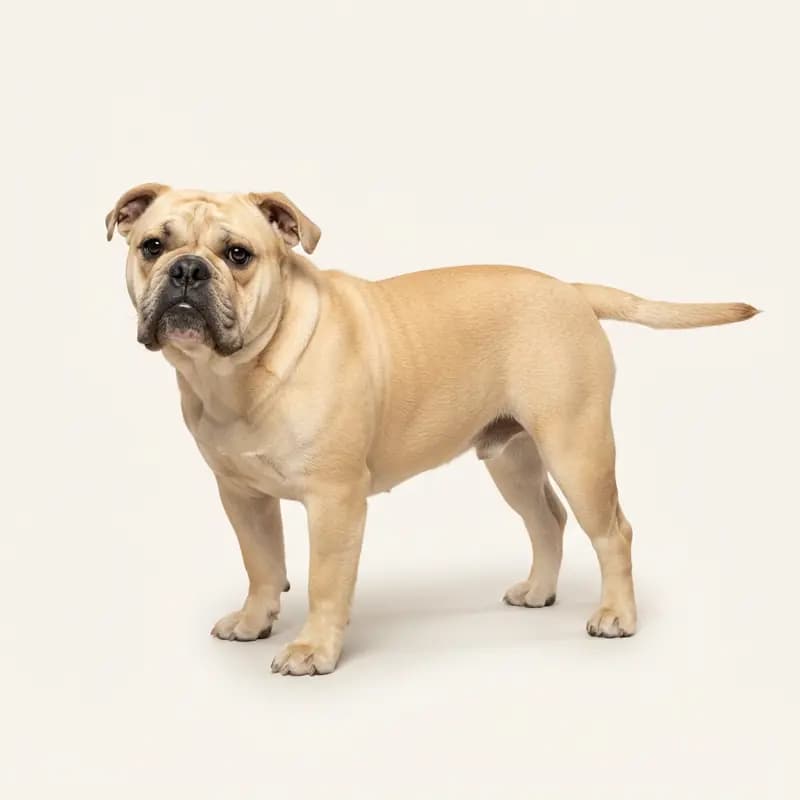 Illustrative image
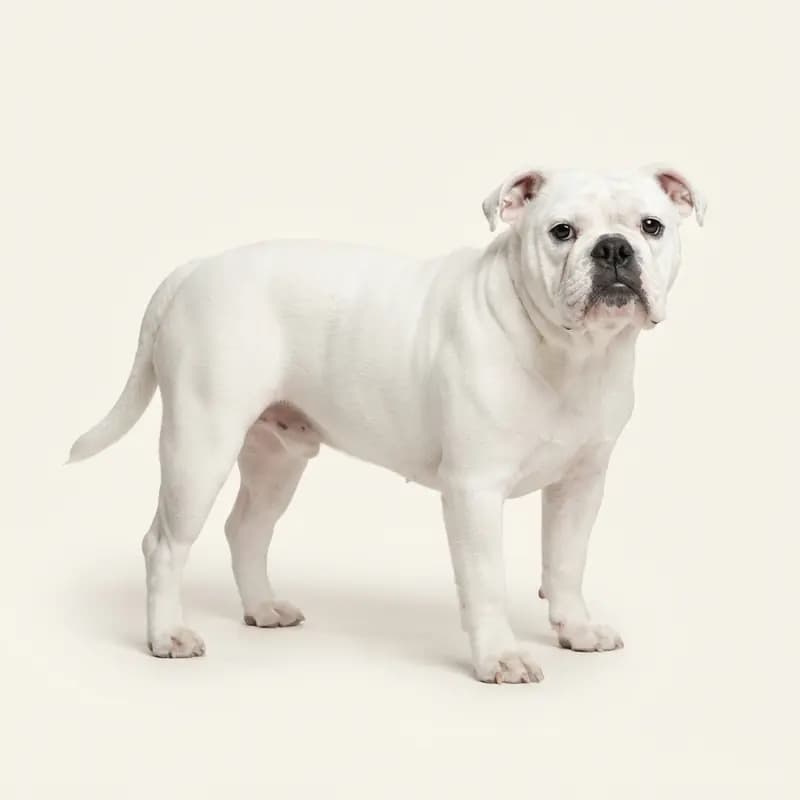 Illustrative image
History
The full history
The Bulldog has its roots in England and its history dates back to the 13th century. It was originally used for bull-baiting, a cruel sport in which dogs fought a bull in an arena. This led to the breed becoming known for their strength and courage. After bull-baiting was banned in 1835, the focus of breeding changed to the accompanying characteristics of the bulldog. The modern bulldog became a symbol of British endurance and pride. The Kennel Club in Great Britain, founded in 1873, recognized the English Bulldog as one of the first breeds. The American Kennel Club (AKC) in the United States recognized the English Bulldog as a separate breed in 1886.
Original Use
The bulldog was originally bred for bull fighting, but is now a popular companion dog with a friendly nature.
Origin
Great Britain
Date
1500
Owner experiences
Loading owner stories
FAQ & more
Frequently asked questions about the Bulldog
Is a Englische Bulldogge the right dog for me?
The Englische Bulldogge is an adaptable dog that adjusts well to various lifestyles. Research the temperament, grooming needs, and space requirements before deciding.
How long does a Englische Bulldogge live?
The average life expectancy of a Englische Bulldogge is 8-10 years. With proper care and regular vet visits, your dog can live a long, healthy life.
How much grooming does a Englische Bulldogge need?
Englische Bulldogge grooming requirements include regular brushing, nail trimming, and dental care. HonestDog provides detailed grooming tips for every breed.
Is a Englische Bulldogge good for families with children?
The Englische Bulldogge can be a great family dog. Proper training and socialization are key. HonestDog provides family suitability information for every breed.
What colors does the Englische Bulldogge come in?
The Englische Bulldogge comes in these colors: Brindle, Red, Fawn, White, Piebald, Black, Black and tan, Blue, Chocolate, Merle, Tricolor. Colors that fall outside the breed standard are marked as such on the breed page.
Loading related articles
Are you a Bulldog breeder?
Showcase your kennel on HonestDog and reach families searching for a responsibly bred Bulldog.