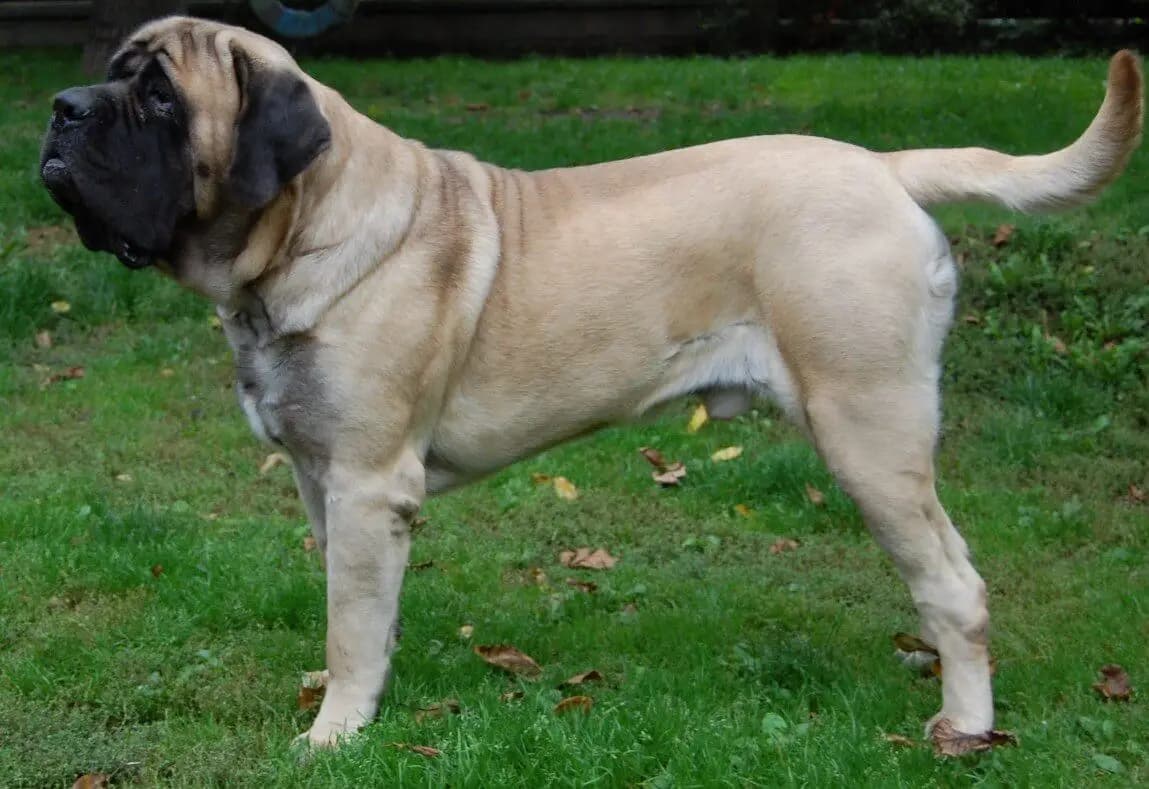
MastiffClose relative
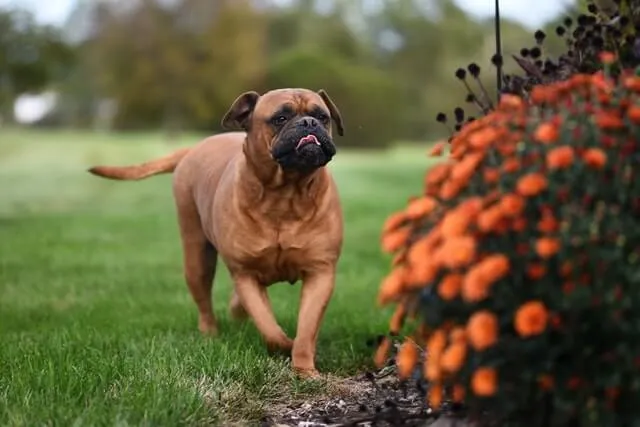
The Bullmastiff is a calm, extremely loyal, and quiet guardian—originally bred as a night-time gamekeeper meant to hold intruders down with pure body mass rather than harming them. That’s 110 to 130 pounds of dormant power that only shifts into gear when there is a genuine threat.
How the health grade is calculated
Sources for required breeding screenings. Club für Molosser e.V.
Self-check
Answer 6 quick questions about your everyday life and see how well the Bullmastiff fits you — including an honest cost estimate per month, per year, and across the dog's lifetime.
At a glance
The essentials — key facts, traits, and health priorities — before you dive deeper.
Lifespan
8–10 yrs
Shoulder height
61–69 cm
Weight
41–59 kg
Practical
Temperament
Daily life
What matters most
Especially with a Bullmastiff, choosing the right breeder is the single most important decision you'll make. Serious breeders consistently test the parents for inherited conditions, prioritize healthy early socialization, and stay accountable long after handover. A cheap puppy without health screening tends to become the most expensive dog later on.
See HonestDog breeder standards →Colors & coat
The coat colors that occur in the Bullmastiff — including which ones fall outside the breed standard and which carry genetic risk.
Eye colors
 Brown
Brown Amber
AmberCoat type
 Short
Short Double coat
The real vibes check
A Bullmastiff rarely barks, but when he steps in, he means business. His protective instinct is deeply ingrained and not just a phase that can be trained away. You aren't getting a dog you can impress with volume, but a confident observer who decides precisely whether he needs to take responsibility for your safety.
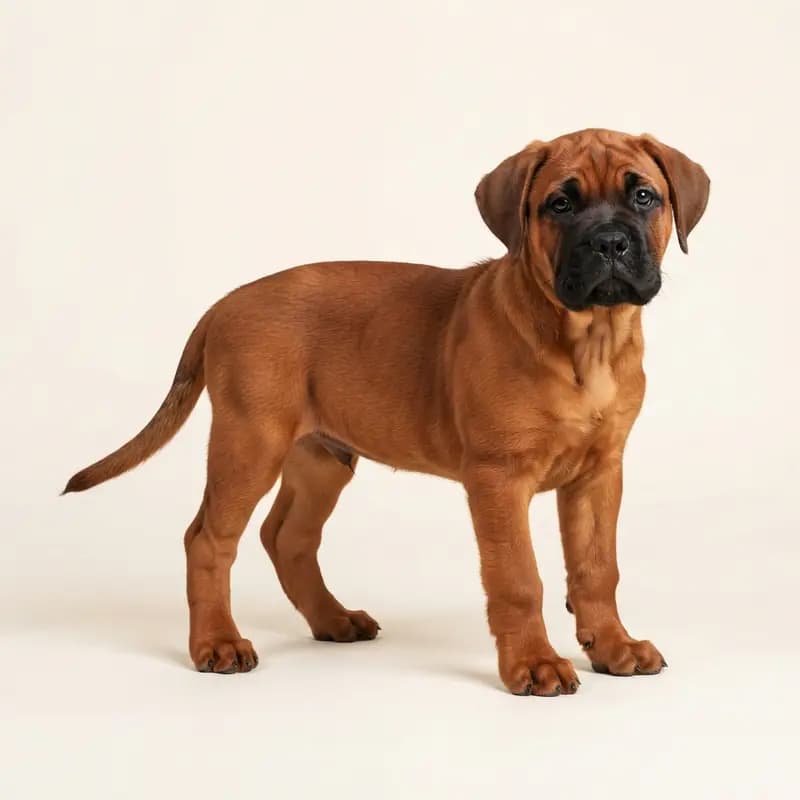
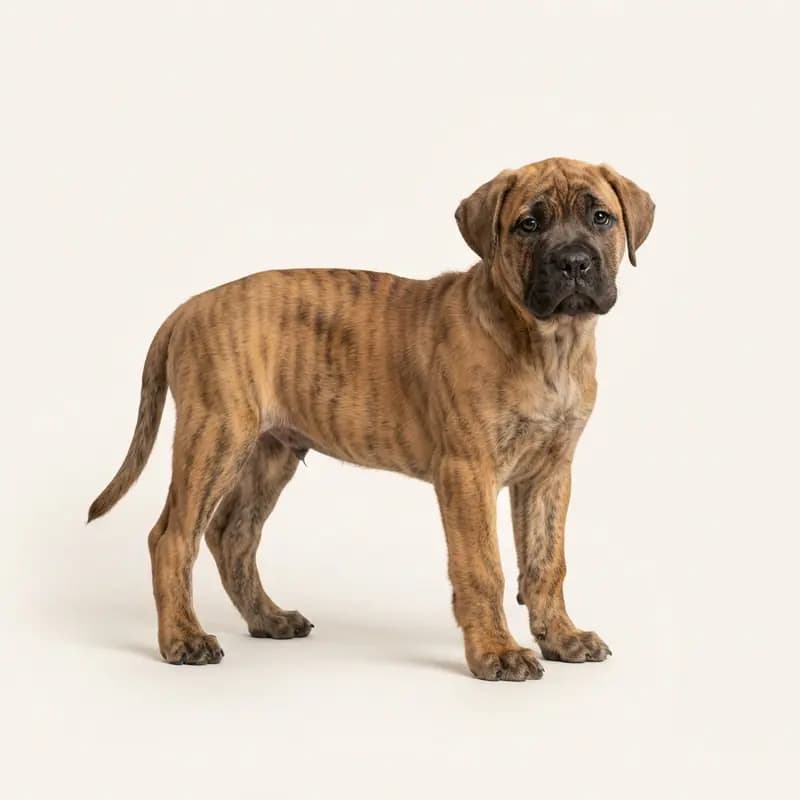
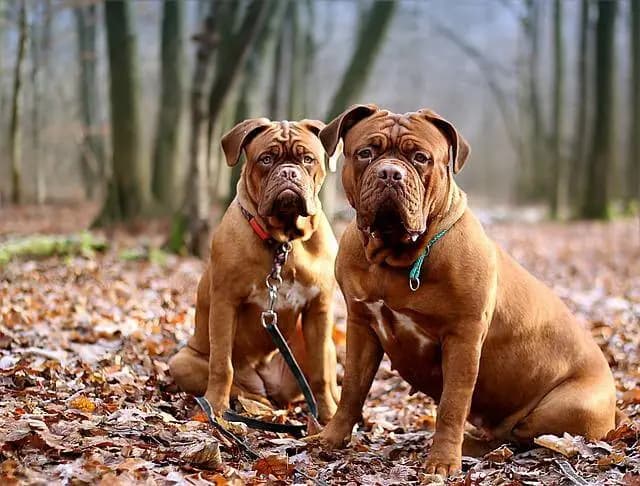
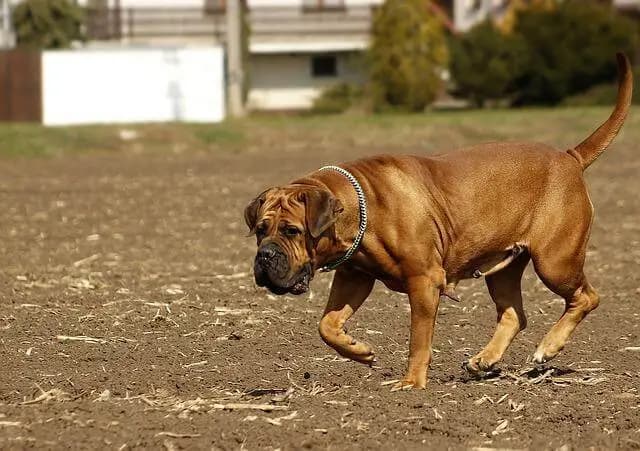
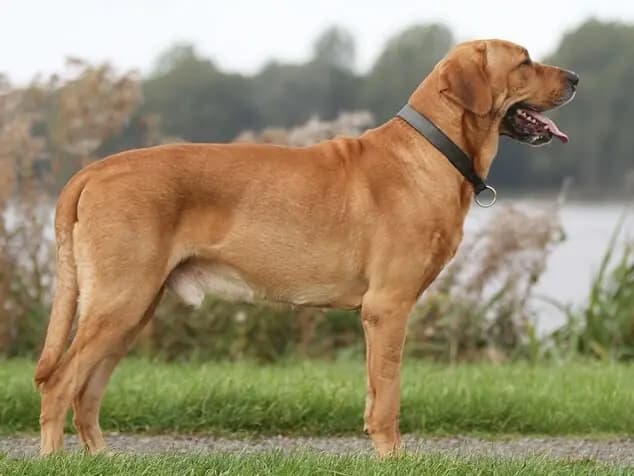
The Bullmastiff is a powerful and muscular dog that makes an impression wherever it appears. As a member of FCI Group 2, Section 2.1 (Molossoid, Mastiff-like dogs), it is characterized by its size, strength and unmistakable square profile. A distinctive feature of this breed is its massive skull, which is wide and deep with a short, broad muzzle. His eyes are dark and his ears are v-shaped and folded back. His short, thick coat gives him a well-groomed appearance, and his strong, broad chest and powerful jaw exude a natural authority and presence.
Bullmastiffs are best known for their protective instincts and love for their family. They are naturally alert and always ready to defend their family without being overly aggressive. Their calm and patient nature makes them ideal family dogs, especially if they are well socialized. These dogs tend to be calm and not hyperactive. They enjoy leisurely walks and being close to their people. They are certainly playful, but their games tend to be calm and controlled, making conscious use of their size and strength. The Bullmastiff is a very people-oriented dog. He loves spending time with his people and is happy when he is included in their activities. These dogs are good at learning to stay alone, but they enjoy the company of people and should not be left alone excessively. The Bullmastiff's hunting instinct is not particularly strong, although it has an impressive tracking ability inherited from its gamekeeper ancestors. He shows more of a protective behavior and is always vigilant to guard his family and home. The Bullmastiff's temperament is generally balanced and stable. They are intelligent but also headstrong, which means they need a consistent but loving hand in training. They respond well to positive reinforcement and want to please their people. The importance of good socialization cannot be overemphasized with this breed. Because they are naturally protective, it is important that they learn from an early age to properly assess situations and not be overly vigilant or protective. A well-socialized Bullmastiff is a reliable and loving family dog that gets along well with people and other animals.
| Watchfulness Strong territorial instinct — may actively confront intruders. | Very high |
| Openness to Strangers Careful around unfamiliar people — thaws slowly. | Cautious |
| Hunting or Herding Drive Barely any prey drive — small animals trigger nothing. | Very low |
Fun Fact!
Although Bullmastiffs are large and impressive dogs, they are notorious for thinking they are lap dogs. They love being close to their humans and will often try to snuggle up on their laps!
Bullmastiffs are generally docile and alert dogs with a high stimulus threshold. They can be alert and territorial. Like many large breeds, problems with the musculoskeletal system are common in Bullmastiffs. In addition, a shortened life expectancy must be expected.
The Bullmastiff is a calm and easy-going dog that can adapt well to city life as long as it gets enough exercise and mental stimulation. He gets along well with children and can be a loving and patient family dog. However, as with any breed, it is important to teach children how to treat the dog with respect. As for other pets, the Bullmastiff can get along well with them if properly socialized and trained. However, it is always important to carefully monitor introductions and encourage positive interactions. In some federal states, this breed is considered a listed dog and special requirements must be observed.
Loves family life and thrives in a group.
Gets on well with children — with adult supervision.
Can get on with dogs it knows — strangers are a different story.
City-appropriate with enough exercise and stimulation.
Owning a dog is a privilege, but it's also a real responsibility. Before you bring one into your life, be honest with yourself about the commitment it takes.
Raising a Bullmastiff requires patience and consistency. They are intelligent dogs that can sometimes have an idiosyncratic personality. Positive reinforcement and rewards work best with this breed. Aggressive or harsh training techniques should be avoided as they undermine the dog's confidence and can lead to behavioral problems. Because of their size and strength, it is important that Bullmastiffs learn to walk on a leash as puppies and learn basic commands such as "sit," "down," and "down." and "Here" know. Good socialization is also crucial to ensure they are comfortable in different situations and with different people and animals. Bullmastiffs are not particularly active dogs, but they still enjoy regular exercise and mental stimulation. Games that encourage their natural instincts, such as search games, can be a great way to keep their mind and body occupied.
Bullmastiffs are large dogs with a powerful build, so it is important that they receive a balanced diet that meets their nutritional needs. High-quality dog food that is specifically formulated for large breeds is a good choice. Since this breed has a tendency to become overweight, the amount of food should always be carefully controlled to avoid obesity and related health problems. When it comes to care, Bullmastiffs are relatively easy to care for. They have a short coat with no undercoat that requires minimal grooming. Regular brushing will help remove loose hair and keep the coat healthy. Although Bullmastiffs shed all year round, this can be kept at bay with regular grooming.
| Care Level Minimal effort — occasional brushing and bathing. | Low-maintenance |
| Exercise Needs Needs 1–2 hours of real exercise daily. | Active |
| Shedding Hair everywhere, always — no white clothing survives. | Very heavy |
| Trainability Willing to learn with clear rules and regular training. | Balanced |
Our experts are still reviewing this information. Spotted something wrong? Email us at info@honestdog.de.
Elevated risks
Health grade
Due to its stature and genetics, the Bullmastiff carries a significant risk of serious diseases such as hip dysplasia (HD), elbow dysplasia (ED), and cervical spondylomyelopathy (Wobbler syndrome). A responsible breeder consistently minimizes these risks through targeted selection and comprehensive health screenings of their breeding stock. Before buying, you should definitely ask to see the official results for hip dysplasia (HD) with a limit of hip dysplasia C or better, as well as elbow dysplasia (ED) with a limit of borderline (borderline/grade 1 or better). In addition, it is important that the parent animals have been tested for cystinuria and canine multifocal retinopathy 1 (CMR1), whereby a carrier status is only acceptable if the other partner is proven to be clear.
Grade is relative to other breeds — AI-assisted and editorially reviewed.
Methodology and data: HonestDog Dog Breed Health Report 2026
What matters most for this breed
Tap any item to see details.
You should strictly limit heat exposure and physical exertion, focus on joint-friendly development during puppyhood, and honestly budget for higher veterinary costs for potential heart and eye treatments.
Responsible breeders test for hips, elbows, heart, eyes, and thyroid function, and prioritize clearer airways—though the fundamental risks of this breed cannot be completely eliminated evened out.
Note: This health overview is AI-assisted and editorially reviewed. It is for orientation only and does not replace veterinary advice.
What matters most for this breed — what's common, how much it affects the dog's life, and how to protect yourself as a buyer.
Tap a body region to see the inherited conditions linked to it.
The three most important risks
Pick a region on the map to explore other areas.
Tier 1 reflects the tests Club für Molosser e.V. actually mandates. Tiers 2 and 3 show how responsible breeders go beyond.
Club standard. Tests that the relevant breed club (VDH / FCI / AKC parent club) requires. Any serious breeder should be able to show you these.
No entries in this tier.
Note: This health overview is AI-assisted and editorially reviewed. It is for orientation only and does not replace veterinary advice.
A Bullmastiff costs around ~€220 per month (€110 – €420, depending on your setup). The first year adds up to roughly ~€5,850 including purchase, equipment and puppy school; across the dog's life (9 years) it comes to about ~€26,840.
With surgery cover, running costs come to about ~€230 per month — in return, your share of a major operation drops from several thousand euros to around 20 percent.
Per month
~€220
In the first year
~€5,850
Across the dog's life
~€26,840
Estimated purchase price from a breeder: €1,800 – €3,000
Estimate at a mid-range setup (suburban, dry food, 1–2 hours of daily exercise), average German prices, as of July 2026.
In some German federal states, special regulations apply to Bullmastiff as a listed or dangerous dog. Depending on your location, this may include a temperament test, permit or other official requirements, leash and muzzle obligations, and higher insurance or tax costs. Always check with your local authorities.
Full guide to restricted-breed ownership in Germany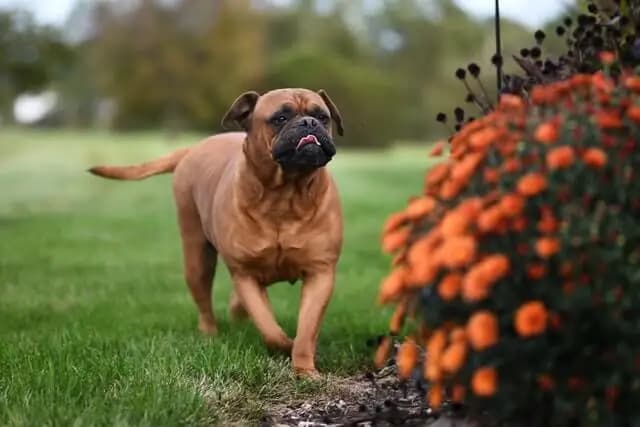
 Illustrative image
 Illustrative image
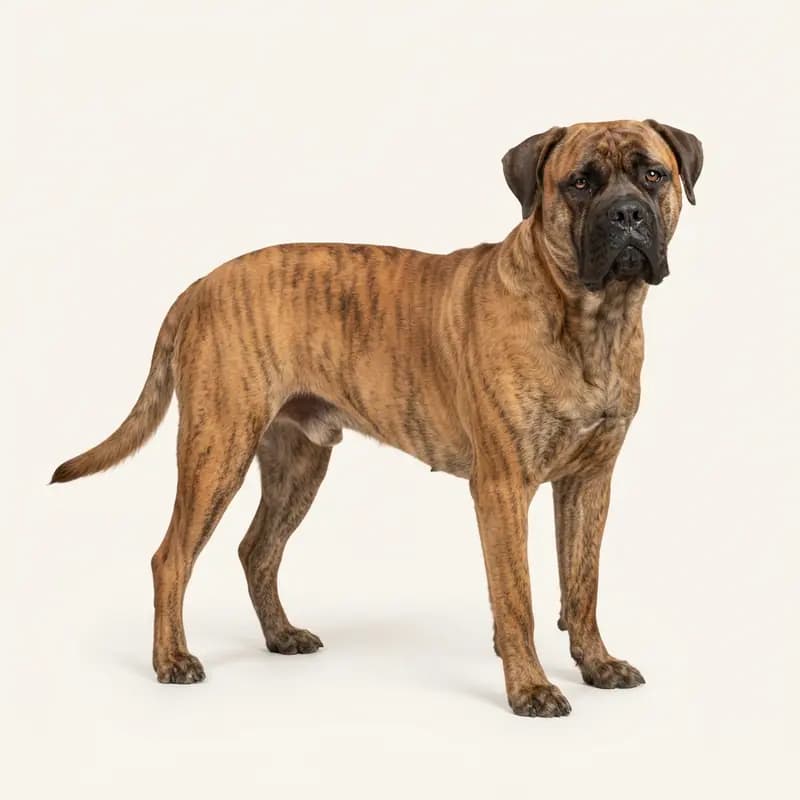 Illustrative image
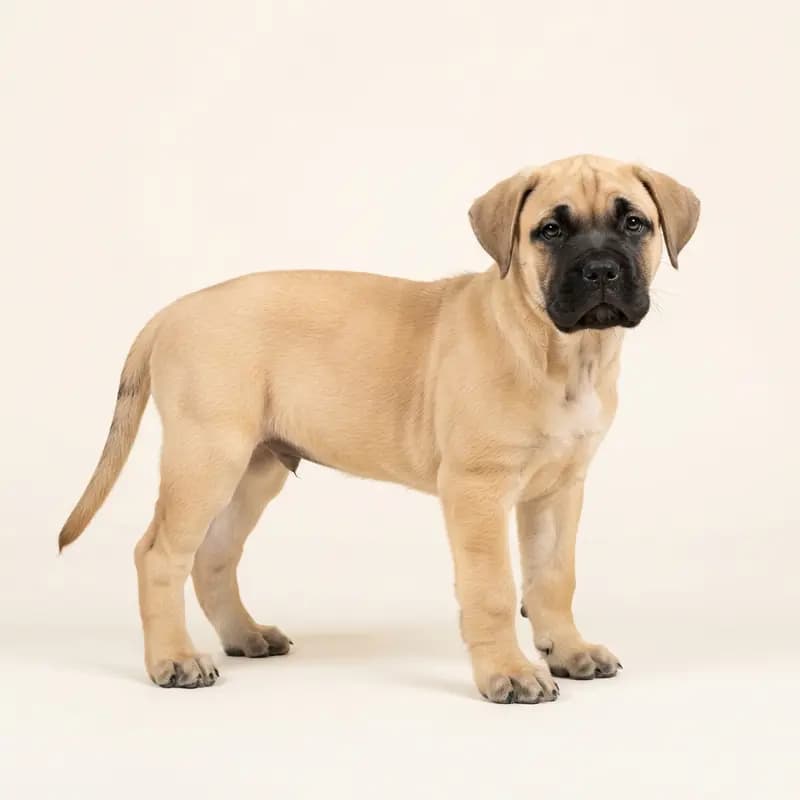 Illustrative image
The Bullmastiff has its roots in the United Kingdom and is a result of crossing between Bulldogs and Mastiffs in the 19th century. The breeders aimed to create a reliable guard dog that was large and powerful enough to intimidate intruders, but also remained obedient and controllable. These dogs were often used by game wardens to track down and apprehend poachers. Therefore, the Bullmastiff is often referred to as the “Gamekeeper's Night Dog”. In 1924, the Bullmastiff was officially recognized as a separate breed by the English Kennel Club. American Kennel Club (AKC) recognition followed a few years later in 1933.
Bred as a guard dog for large estates, the Bullmastiff is known for its strength and protective instincts.
Great Britain
1800
Owners almost universally describe the Bullmastiff at home as a surprisingly calm, affectionate and easygoing housemate. Many owners report that these dogs barely make themselves noticed indoors, sleep a lot and form a very close bond with their people. Their threshold for reacting to things within the family is considered very high; rushing around or nervousness just isn't their style. Their exercise needs are also seen as moderate: long but leisurely walks are plenty for most of them, and they are neither built for nor interested in athletic feats.
At the same time, owners stress that you have to be prepared for their sheer size and typical quirks. Drooling after drinking or eating is part of daily life with many of them, as are snoring and needing a lot of space at home and in the car. Despite their gentleness with the family, experienced owners warn against underestimating the inborn protective instinct: many Bullmastiffs are initially reserved or watchful with strangers, and their massive build calls for forward-thinking management day to day.
Sources:mit-tier.debellfor.infomolosserforum.deforum.hundund.de
In accounts of training, owners regularly stress that a Bullmastiff needs a completely different handling style from biddable working breeds. Don't expect unquestioning obedience; like other mastiff types, many of these dogs question whether an instruction makes sense or respond with a noticeable delay. Owners emphasize that pressure or harshness is completely counterproductive with this sensitive breed and leads to stubbornness or withdrawal. What works instead is calm, unshakable consistency, patience and positive reinforcement.
A central topic in dog forums is early leash manners and frustration tolerance. When a dog that will eventually weigh 50 kilograms or more lunges on the leash, it is almost impossible to hold. Owners therefore strongly advise setting rules strictly and without exception from puppyhood on. Thorough early socialization with other dogs and everyday sights and sounds is described as indispensable to keep the breed's natural watchfulness and skepticism from turning into uncontrollable protective behavior in adulthood.
Sources:mit-tier.deforum.hundund.deeinfachtierisch.depurina.dereddit.com
When it comes to health, many owners share real worries and emotional strain, since the Bullmastiff, like many heavy giant breeds, has a comparatively short life expectancy. Sadly, reports of dogs dying as early as seven or eight years old are not unusual in forums. The most frequently discussed conditions include musculoskeletal problems such as hip and elbow dysplasia and cruciate ligament tears, which is why owners are meticulous about not letting puppies climb stairs in their first year and strictly avoid letting them get overweight.
Owners also repeatedly report tumors and cancer, as well as sensitivity to anesthesia and summer heat because of the short muzzle. The community considers choosing a reputable breeder with strict health testing vital. Beyond health, owners in Germany point to legal hurdles: because the Bullmastiff is classed as a restricted breed (category 2) in some German states, owners may face temperament tests, proof of competence and sometimes much higher dog taxes, depending on where they live.
Paraphrased from real owner reports · translated from German
The Bullmastiff is an adaptable dog that adjusts well to various lifestyles. Research the temperament, grooming needs, and space requirements before deciding.
The average life expectancy of a Bullmastiff is 8-10 years. With proper care and regular vet visits, your dog can live a long, healthy life.
Bullmastiff grooming requirements include regular brushing, nail trimming, and dental care. HonestDog provides detailed grooming tips for every breed.
The Bullmastiff can be a great family dog. Proper training and socialization are key. HonestDog provides family suitability information for every breed.
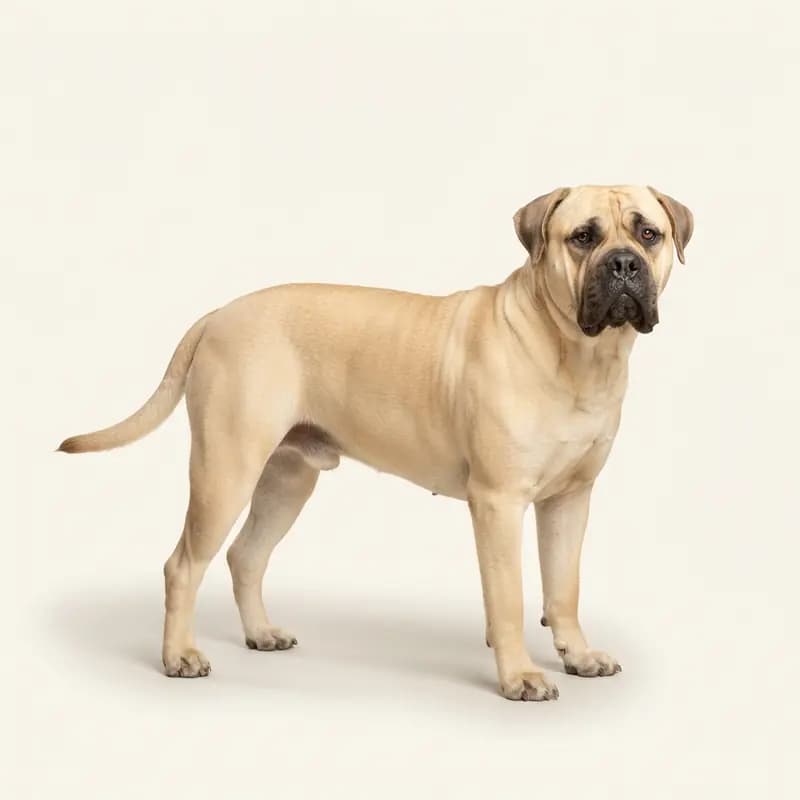
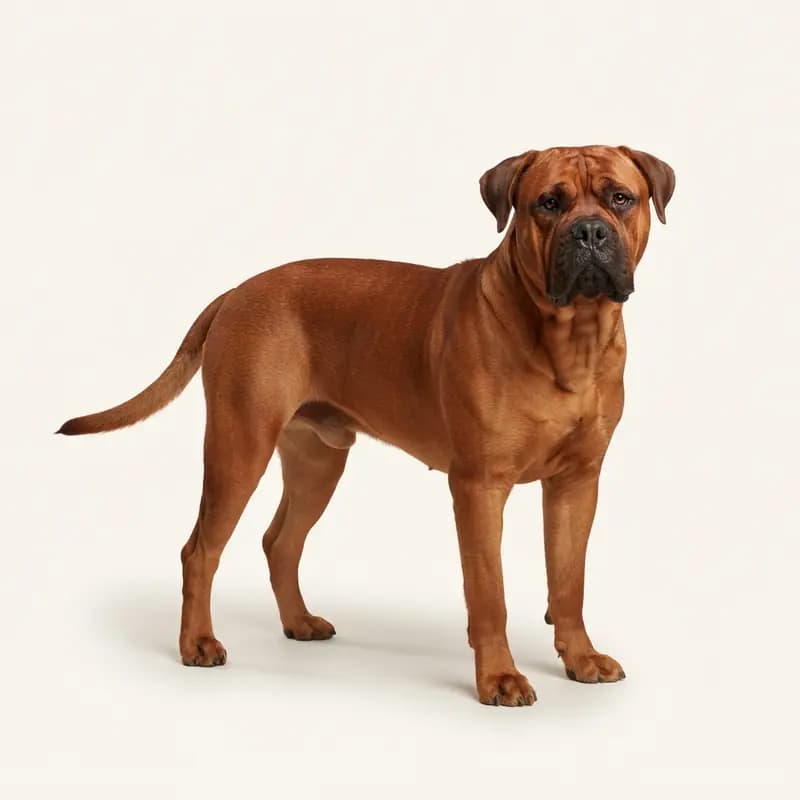
The Bullmastiff comes in these colors: Fawn, Red, Brindle.
Curious about the dog license germany rules in Bavaria? Learn who needs one, what tests cost, and the exact laws for restricted breeds.
Which breeds are regulated in Hessen? The 9 listed breeds, rules for Dobermans, temperament tests, handler permits, and local dog tax rates for 2026.
Which breeds are banned in Baden-Württemberg? Discover the PolVOgH list, temperament tests, exemptions, ownership permits, and dog tax rates for 2026.
Showcase your kennel on HonestDog and reach families searching for a responsibly bred Bullmastiff.