Loading breed
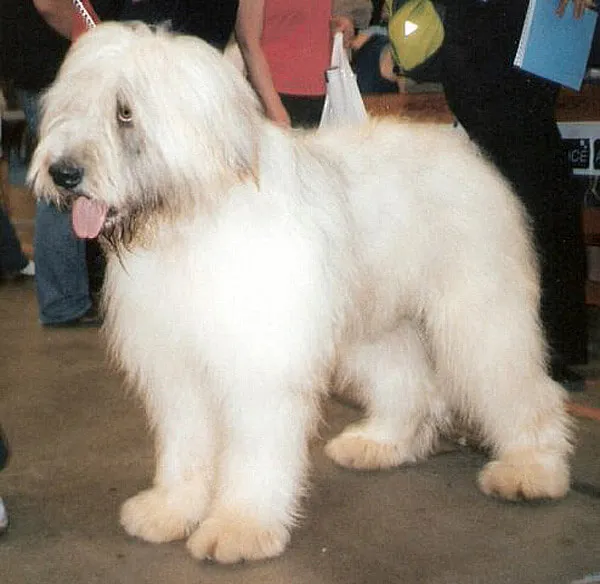
Romanian Mioritic Shepherd Dog
Health grade B- Shoulder height65–75 cm
- Weight50–75 kg
- Life expectancy12–14 yrs
- Puppy price1,500–2,500 €
- Energy4/5
The essentials at a glance
The Ciobanesc Romanesc Mioritic is an imposing guardian—an autonomous livestock guardian dog bred to independently defend sheep flocks in the Carpathians against predators. His shaggy, teddy-bear appearance massively belies his uncompromising, serious nature when it counts.
- Health grade B: In the Ciobanesc Romanesc Mioritic, the health focus is primarily on joint disorders such as hip dysplasia (HD) and elbow dysplasia (ED), as well as eye diseases such as progressive retinal atrophy and cataracts.
- You live in a rural area on a large, securely fenced property with no direct neighbors.
- You have deep experience with livestock guardian dogs and lead with calm sovereignty rather than strict drill-style commands.
- You live in a city or a densely populated suburb—his territorial guarding instincts are nearly impossible to manage there without stress.
Self-check
Would the Romanian Mioritic Shepherd Dog really fit your life?
Answer 6 quick questions about your everyday life and see how well the Romanian Mioritic Shepherd Dog fits you — including an honest cost estimate per month, per year, and across the dog's lifetime.
Fit checkCost estimateRisk dice
Takes about 1 minute · free & anonymous
Similar Breeds

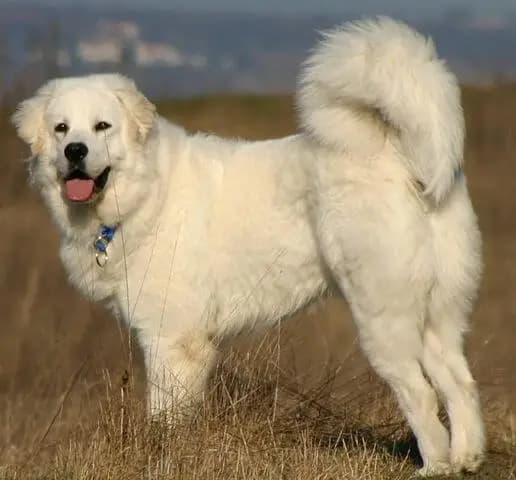
Tatra Shepherd DogSame working temperament
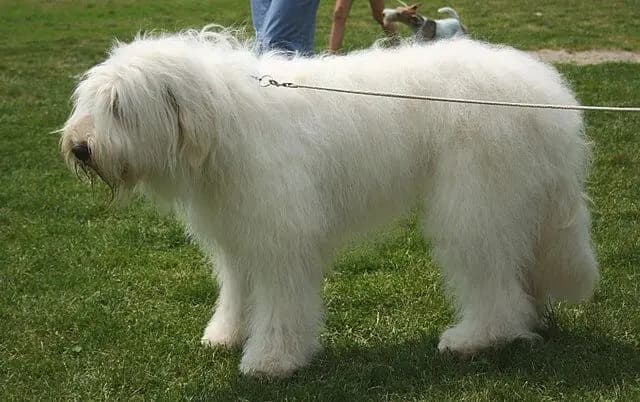
South Russian OvtcharkaSame working temperament
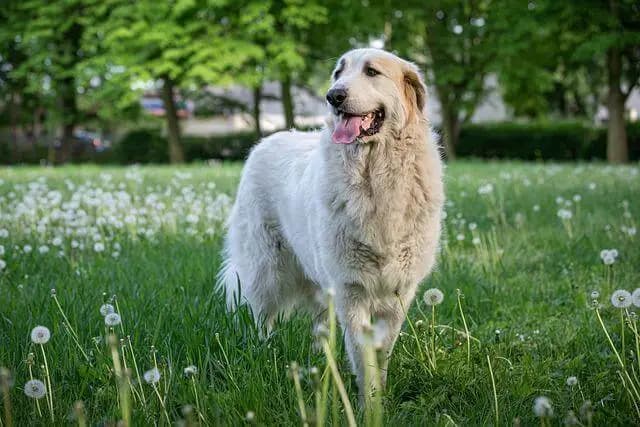
Great PyreneesSame working temperament

KomondorSame working temperament
Is the Romanian Mioritic Shepherd Dog right for you?
At a glance
Romanian Mioritic Shepherd Dog overview
The essentials — key facts, traits, and health priorities — before you dive deeper.
Lifespan
12–14 yrs
Shoulder height
65–75 cm
Weight
50–75 kg
Practical
- Puppy price: 1,500 – 2,500 €
- Coat: Long, dense, with an undercoat
- Origin: Romania
Temperament
Energy
Trainability
Family fit
With kids
Daily life
Care effort
Shedding
Barking
City-friendly
Guard instinct
What matters most
Especially with a Romanian Mioritic Shepherd Dog, choosing the right breeder is the single most important decision you'll make. Serious breeders consistently test the parents for inherited conditions, prioritize healthy early socialization, and stay accountable long after handover. A cheap puppy without health screening tends to become the most expensive dog later on.
See HonestDog breeder standards →Colors & coat
What colors does the Romanian Mioritic Shepherd Dog come in?
The coat colors that occur in the Romanian Mioritic Shepherd Dog — including which ones fall outside the breed standard and which carry genetic risk.
Eye colors
 Brown
Coat type
 Long
 Double coat
Perfect for you if:
- You appreciate a dog that evaluates situations independently and lacks a classic 'will-to-please'.
- You maintain a quiet household without constant, unannounced visitor traffic.
Less ideal if:
- You expect obedience at the push of a button—he was bred to assess threats himself, not to blindly follow commands.
- You have an open house with many changing guests, whom he will instinctively classify as intruders.
- You feel physically or mentally insecure when over 50 kilos of dog decides to make its own decisions.
The real vibes check
A Mioritic is like a private bouncer for your property: infinitely gentle and loyal within the family, but an impenetrable wall to the outside world. You aren't getting a companion dog for the city park; you are taking responsibility for a highly specialized guardian who, in case of doubt, will not consult you.
Breed Profile
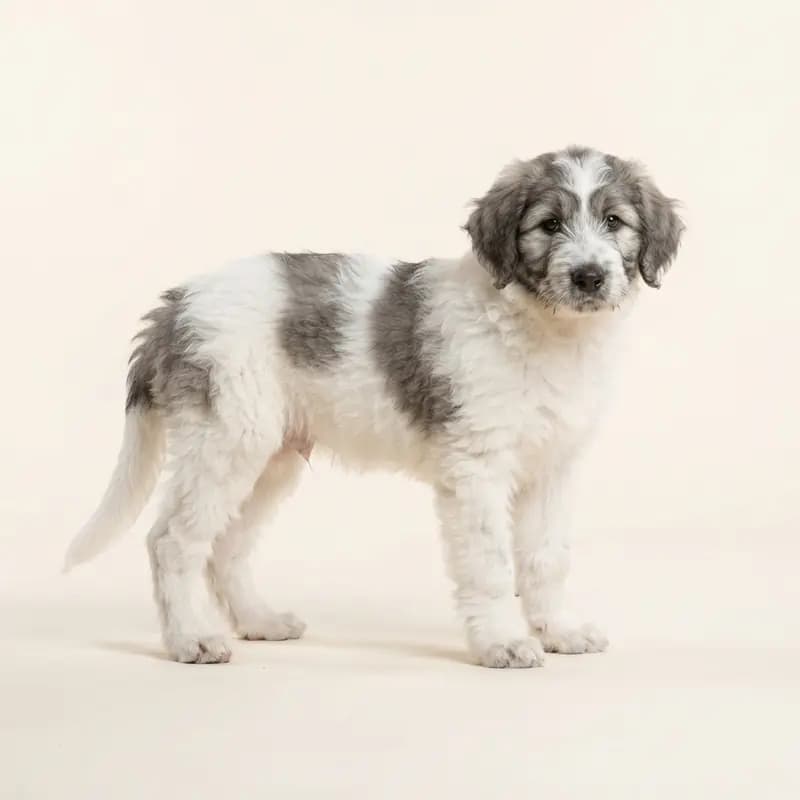
The Ciobanesc Romanesc Mioritic, also known as the Romanian Mioritic Shepherd Dog, is a Romanian livestock guardian dog that immediately catches the eye with his impressive stature and long, woolly coat. He belongs to FCI Group 1 of Sheepdogs and Cattledogs and is an excellent guard dog. His appearance is strong and powerful, featuring a broad, massive head and a strong, muscular body. Despite his size, however, he moves with surprising ease and elegance. In the Romanian Mioritic Shepherd Dog, there is no distinction between working and show lines. All Mioritics are bred to the same standards and evaluated for their suitability as both working and companion dogs.
All measurements in detail
- Height
- 65 - 70 cm (Female), 70 - 75 cm (Male)
- Weight
- 50 - 60 kg (Female), 60 - 75 kg (Male)
- Life Expectancy
- 12 - 14 yrs
- Character
- Playful, Protective, Loyal
- Coat
- Long, dense, with an undercoat
- Coat Color
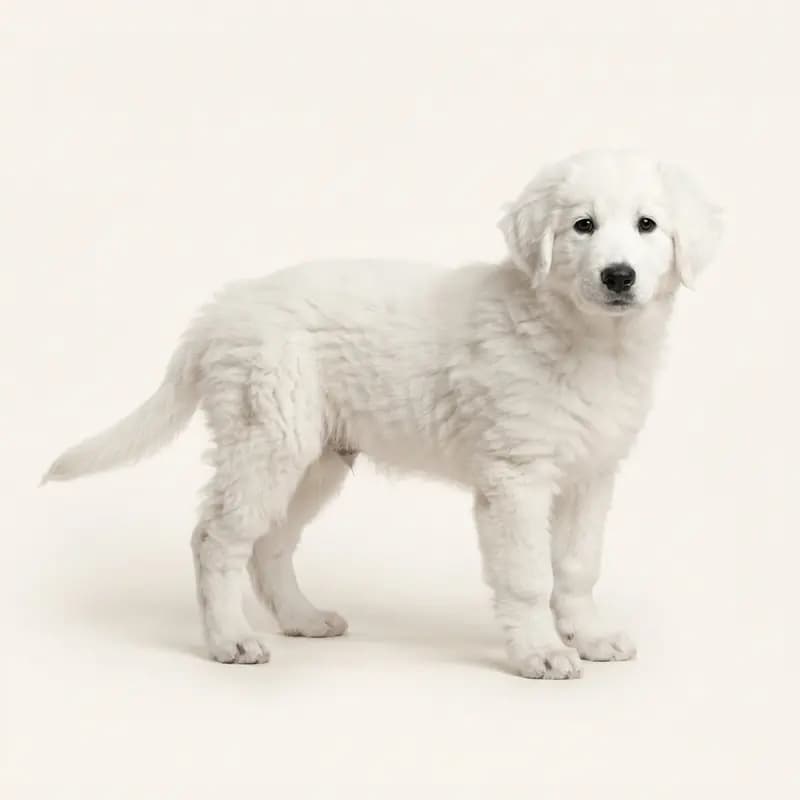
- Typically white, sometimes with gray or cream flecks
- Price
- 1500 - 2500 €
Character & Temperament
The Romanian Mioritic Shepherd Dog is a very loving and people-oriented dog. Despite his size and strength, he is remarkably gentle and patient, especially toward children. He is very affectionate and loyal toward his family and tends to develop an especially close bond with a single person. As a flock guardian, the Mioritic is very vigilant and protective. He is naturally suspicious of strangers and tends to vehemently defend his territory and family. His natural instincts make him an excellent guard dog. However, he is not an aggressive dog and tends to defend through deterrence rather than through attack. The Mioritic is an active and energetic dog requiring plenty of exercise and mental stimulation. He loves to play and romp and needs plenty of time outdoors. Despite his activity level, however, he is not a hyperactive dog and can also enjoy quiet moments. Regarding hunting and prey-drive behavior, the Mioritic displays typical livestock guardian traits. He may tend to chase smaller animals, particularly if he has not been sufficiently socialized and trained. He should therefore always be kept under supervision and socialized with other animals at an early stage. Although the Mioritic develops a close bond with his family, he is also capable of staying alone. He is an independent and self-confident dog capable of keeping himself occupied. However, it is important to teach him from the very beginning that being alone is nothing bad, in order to prevent separation anxiety. Due to his strong bond with his family and his guarding instinct, the Romanian Mioritic Shepherd Dog is not an ideal dog for apartment living. He needs plenty of space to romp and run, and feels most comfortable in a house with a large, securely fenced garden. The Mioritic is an intelligent and willing-to-learn dog that likes to be challenged. He requires consistent, yet loving training and plenty of patience. A harsh or dominant handling style is counterproductive with him and can lead to resistance or fearfulness. The Mioritic is suitable for active people who spend a lot of time in nature and wish to involve their dog in their activities. He is not a dog for couch potatoes or people with a very quiet lifestyle. Early and comprehensive socialization is very important for the Romanian Mioritic Shepherd Dog. He should be introduced to many different environments, people, and animals while still a puppy, to shape him into a well-balanced and confident dog. Overall, the Mioritic is an excellent family dog for active people who are willing to challenge him physically and mentally, offering him plenty of love and patience. With proper guidance and socialization, he becomes a loyal and loving companion who loves his family above all else and defends them with his life.
| Watchfulness Strong territorial instinct — may actively confront intruders. | Very high |
| Openness to Strangers Neither pushily friendly nor suspicious. | Neutral |
| Hunting or Herding Drive Powerful instinct that can override recall when triggered. | Strong |
Fun Fact!
A Mioritic can grow up to 80 cm tall and weigh up to 65 kg, making it one of the largest and heaviest dog breeds in the world!
What Awaits You
The Mioritic Shepherd Dog, which has been used to guard livestock in its native Romania for centuries, is a typical livestock guard dog (LGD). He is loyal, reliable, independent and a zealous protector. He is friendly and loyal to his family, but very suspicious of strangers. The Romanian Mioritic Shepherd Dog originally comes from near the Carpathians. The breed is very impressive in size and character.
Housing & Care
The Mioritic is a working dog by nature and needs a lot of exercise and mental stimulation. He is more suited to country life than city life, but can adapt to a city apartment if he gets enough exercise and activity. However, a house with a garden would be ideal for him. He is good with children, but because of his size and strength, it is better to keep him under supervision when playing with small children. He can also get along well with other pets if properly socialized, although his herding instincts may cause him to chase smaller animals.
- Family Friendly
Lives for its family — the born family companion.
Ideal family dog - Child Friendly
Extraordinarily patient and loving — a true family dog.
Excellent with children - Dog Friendly
Actively enjoys the company of other dogs.
Dog-friendly - City Friendly
Can manage in the city, but only with very active owners.
Difficult in cities
Owning a dog is a privilege, but it's also a real responsibility. Before you bring one into your life, be honest with yourself about the commitment it takes.
Training & Education
The Mioritic is intelligent and eager to please, making him a good candidate for training. However, he can also be stubborn, and he responds best to positive reinforcement and consistent but patient leadership. He benefits from early socialization and training in obedience and good behavior. It is important to remember that the Mioritic is a herding dog and tends to be protective of its territory and family. This behavior can be controlled through training, but it is important to be aware of his natural instincts and to socialize and raise him appropriately. The Mioritic needs a lot of exercise, but he should not be overstressed, especially as a puppy when his bones and joints are still growing. It's important to find a balance between exercise and rest and avoid him becoming a "ball junkie." Patience and training frustration tolerance and impulse control can help raise a balanced and happy dog.
Nutrition & Care
Like all large dogs, the Mioritic requires a balanced diet tailored to its age, size and activity level. Good quality dry or wet food, supplemented with fresh fruits, vegetables and lean meats, can help keep him in good shape. In terms of grooming: The Mioritic has a dense, long-haired coat with an undercoat that requires regular brushing to prevent shedding to prevent tongues and remove dead hair. It tends to shed heavily, especially in spring and fall. He copes well with the German climate, although his thick fur may cause him to overheat in hot weather. It's important to keep it cool on hot days and watch for signs of overheating.
| Care Level Regular brushing and occasional professional grooming. | Moderate |
| Exercise Needs Needs several hours of serious exercise every day. | Very active |
| Shedding Hair everywhere, always — no white clothing survives. | Very heavy |
| Trainability Has its own ideas and will test limits. | Strong-willed |
Our experts are still reviewing this information. Spotted something wrong? Email us at info@honestdog.de.
Health & hereditary diseases
Health
B
Solid
Health grade
In the Ciobanesc Romanesc Mioritic, the health focus is primarily on joint disorders such as hip dysplasia (HD) and elbow dysplasia (ED), as well as eye diseases such as progressive retinal atrophy and cataracts. Eyelid abnormalities such as ectropion / entropion and patellar luxation (PL) can also occur. A responsible breeder therefore has their breeding animals specifically tested for these diseases prior to mating. Before buying, have them show you radiographic results for HD (optimally HD A–C) and ED (optimally ED 0–2), as well as veterinary certificates confirming freedom from progressive retinal atrophy, cataracts, and ectropion / entropion.
Grade is relative to other breeds — AI-assisted and editorially reviewed.
Methodology and data: HonestDog Dog Breed Health Report 2026
What matters most for this breed
Tap any item to see details.
In daily life this can mean
During the first year of life, you should ensure slow growth and strictly joint-friendly exercise to keep the risk of later bone and joint problems to a minimum.
The breeder's role
Reputable breeders have the hips, elbows, eyes, and hearts of the parent animals thoroughly checked to specifically reduce hereditary risks in the line.
Note: This health overview is AI-assisted and editorially reviewed. It is for orientation only and does not replace veterinary advice.
Health risks for this breed
What matters most for this breed — what's common, how much it affects the dog's life, and how to protect yourself as a buyer.
6
Risks tracked
2
Recommended standard
4
High severity
Eyes
Most affected area
Where this breed is vulnerable
Tap a body region to see the inherited conditions linked to it.
The three most important risks
Pick a region on the map to explore other areas.
severemoderatemild
How thoroughly does the breeder test?
Tier 1 is the recommended health standard for this breed. Tiers 2 and 3 show how responsible breeders go beyond.
Recommended standard. These tests make up the recommended health standard for this breed — the baseline of any careful breeding program. Ask any reputable breeder for the results.
No entries in this tier.
Note: This health overview is AI-assisted and editorially reviewed. It is for orientation only and does not replace veterinary advice.
Costs & where to find one
How much does a Romanian Mioritic Shepherd Dog cost?
A Romanian Mioritic Shepherd Dog costs around ~€240 per month (€130 – €470, depending on your setup). The first year adds up to roughly ~€5,730 including purchase, equipment and puppy school; across the dog's life (13 years) it comes to about ~€40,530.
With surgery cover, running costs come to about ~€250 per month — in return, your share of a major operation drops from several thousand euros to around 20 percent.
Per month
~€240
In the first year
~€5,730
Across the dog's life
~€40,530
Estimated purchase price from a breeder: €1,500 – €2,500
Estimate at a mid-range setup (suburban, dry food, 1–2 hours of daily exercise), average German prices, as of July 2026.
Calculate your personal costs1-minute self-check with your own answers
Looking for a Romanian Mioritic Shepherd Dog?
HonestDog Concierge
No verified Romanian Mioritic Shepherd Dog breeders on HonestDog yet
We currently have no breeders for this breed who have passed our verification. Create your short buyer profile: we'll set up your search alert, review a possible source and email you within 28 days.
Appearance, variants & origin

 Illustrative image
 Illustrative image
 Illustrative image
 Illustrative image
History
The full history
The Ciobănesc Românesc Mioritic is a long-established livestock guardian dog breed from the Romanian Carpathians. Over the centuries, this imposing dog evolved through natural selection, with its primary purpose being the protection of sheep flocks from large predators such as bears, wolves, and lynxes. Its name is not derived from a geographical region, but rather from the Romanian word 'mioară' for a young sheep and the famous traditional Romanian shepherd ballad 'Miorița'. This close linguistic and cultural connection highlights the breed's deep roots in rural Romanian life. Although the origins of these resilient dogs date back far into the history of the Carpathian region, systematic breeding records only began in the 20th century. In 1981, the first official breed standard was established by the Romanian national kennel club. Thanks to the efforts of dedicated breeders to preserve the original working qualities and the characteristic, lush coat, the breed gained increasing international attention. The Fédération Cynologique Internationale (FCI) initially granted the Ciobănesc Românesc Mioritic provisional recognition in 2005. Final and official recognition as an independent breed in FCI Group 1 was eventually granted in 2015. To this day, it is valued in its homeland as a reliable working dog due to its loyalty and strong protective instinct.
Original Use
The Ciobănesc Românesc Mioritic was used as a livestock guardian dog in the Carpathians and is known for its size and dense coat.
Origin
Romania
Date
Antike
Owner experiences
Many owners describe living with a Ciobănesc Românesc Mioritic as a mix of deep affection and constant vigilance.Summarized from publicly shared owner experiences
Many owners describe living with a Ciobănesc Românesc Mioritic as a mix of deep affection and constant vigilance. Within its closest family circle, the breed is considered devoted, deeply bonded and surprisingly gentle, at times even calm and cuddly indoors. The dog often bonds especially closely with one main person and follows them everywhere.
On the other side is the typical character of a livestock guardian, which calls for strict management in daily life. In their reports, owners repeatedly point out that strangers, whether workers or people walking past the yard fence, are viewed with deep suspicion and reliably barked at. Casually welcoming visitors or the bustle of a city quickly overwhelms many of these dogs and leads to frustration. Owners therefore stress that life in an apartment or a densely populated area can hardly be made to work for this breed; experienced owners treat a well-fenced, quiet property in the country as practically a prerequisite.
Sources:nichts-darf-man.dedogorama.apphundeschule-mittelholstein.debriardforum.com
On training, experienced owners stress that a Mioritic can't be compared with breeds that have a strong desire to obey (a "will to please").Summarized from publicly shared owner experiences
On training, experienced owners stress that a Mioritic can't be compared with breeds that have a strong desire to obey (a "will to please"). Instead, the breed is very independent: the Mioritic weighs situations itself and decides on its own whether a cue makes sense. Owners quite often report that the dog simply tunes out when commands are unclear or boring.
According to owner reports, pressure, harshness or loud scolding prove completely ineffective or do lasting damage to trust. Owners instead describe endless patience, forward-thinking handling and complete reliability on the human side as the keys to success. Getting the dog used to triggers also needs special attention early on: because these dogs often switch into defense mode quickly around everyday sights and sounds, passersby or unfamiliar dogs, it takes ongoing training to teach them to leave decisions to their owner.
Sources:nichts-darf-man.dedogorama.apphundeschule-mittelholstein.debriardforum.comhundeforum.com
Paraphrased from real owner reports · translated from German
FAQ & more
Is a Romanian Mioritic Shepherd Dog the right dog for me?
The Romanian Mioritic Shepherd Dog is an active dog that needs plenty of exercise and mental stimulation. Research the temperament, grooming needs, and space requirements before deciding.
How long does a Romanian Mioritic Shepherd Dog live?
The average life expectancy of a Romanian Mioritic Shepherd Dog is 12-14 years. With proper care and regular vet visits, your dog can live a long, healthy life.
How much grooming does a Romanian Mioritic Shepherd Dog need?
Romanian Mioritic Shepherd Dog grooming requirements include regular brushing, nail trimming, and dental care. HonestDog provides detailed grooming tips for every breed.
Is a Romanian Mioritic Shepherd Dog good for families with children?
The Romanian Mioritic Shepherd Dog can be a great family dog. Proper training and socialization are key. HonestDog provides family suitability information for every breed.
What colors does the Romanian Mioritic Shepherd Dog come in?
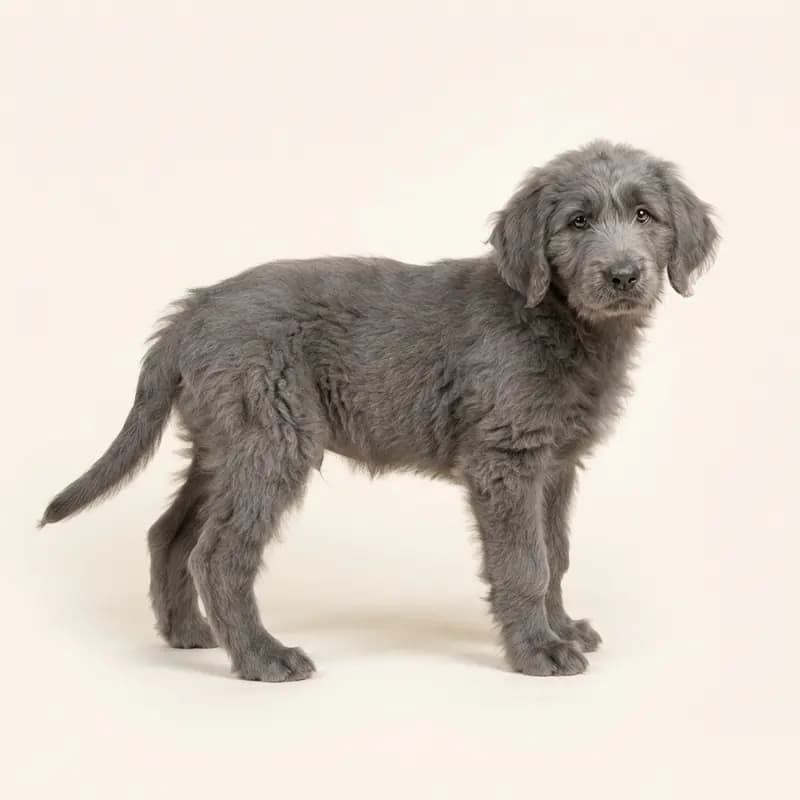
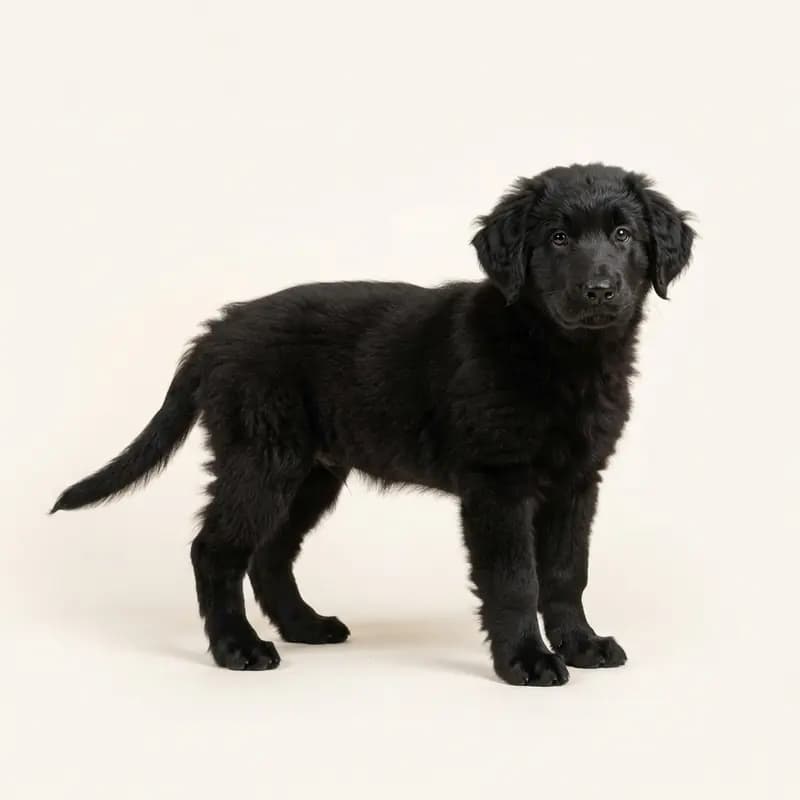
The Romanian Mioritic Shepherd Dog comes in these colors: White, Grey, Black, Piebald.
Are you a Romanian Mioritic Shepherd Dog breeder?
Showcase your kennel on HonestDog and reach families searching for a responsibly bred Romanian Mioritic Shepherd Dog.