DobermannSame FCI group
The Deutscher Boxer is a boisterous, eternally youthful clown—a mastiff-type working dog bred for physically demanding tasks and uncompromising commitment, who often only learns to truly control his strength once he reaches adulthood.
Self-check
Answer 6 quick questions about your everyday life and see how well the Boxer fits you — including an honest cost estimate per month, per year, and across the dog's lifetime.
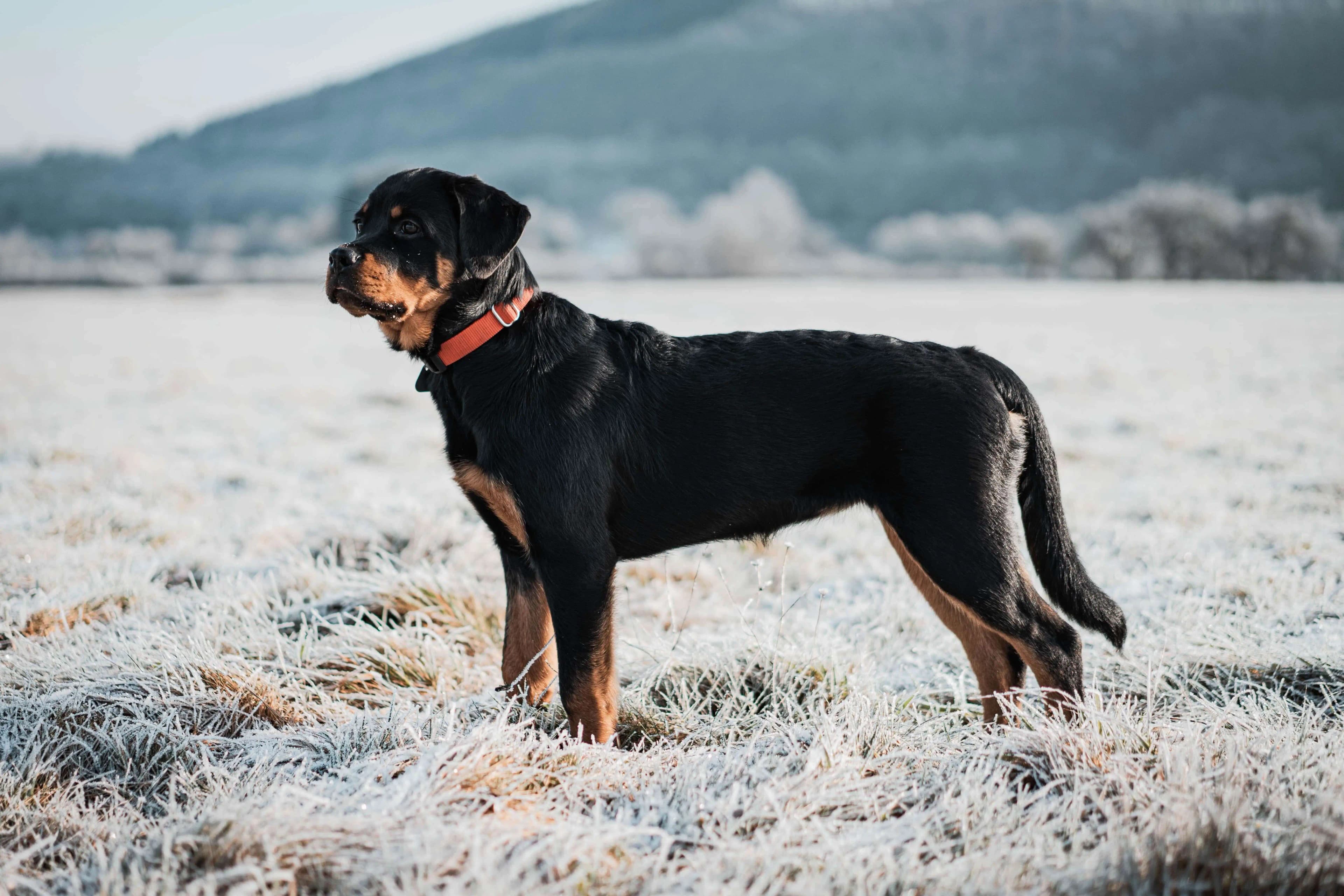
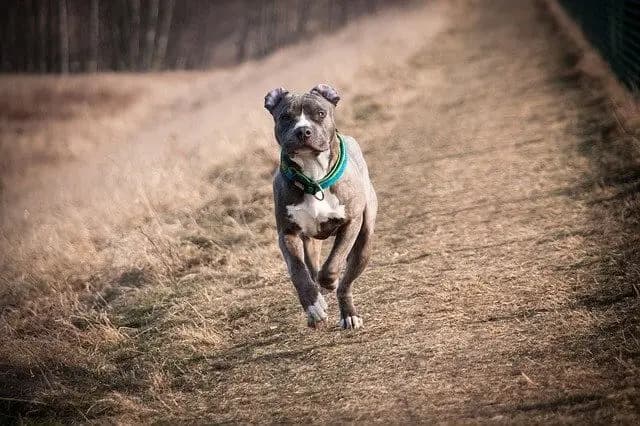
At a glance
The essentials — key facts, traits, and health priorities — before you dive deeper.
Health grade
Relative to other breeds
Elevated risk — responsible breeding really matters.
Tests mandated by the breed club
Per Boxer-Klub e.V. Sitz München
See full health info & tests →
Note: This health overview is AI-assisted and editorially reviewed. It is for orientation only and does not replace veterinary advice.
Lifespan
9–12 yrs
Height
53–63 cm
Weight
25–40 kg
Practical
Temperament
Daily life
What matters most
Especially with a Boxer, choosing the right breeder is the single most important decision you'll make. Serious breeders consistently test the parents for inherited conditions, prioritize healthy early socialization, and stay accountable long after handover. A cheap puppy without health screening tends to become the most expensive dog later on.
See HonestDog breeder standards →Colors & coat
The coat colors you will see in Boxer litters — including which ones fall outside the breed standard and which carry genetic risk.
Eye colors
 Brown
BrownCoat type
 Short
Short Smooth
The real vibes check
A Boxer is like a boundlessly optimistic teenager in the body of a heavyweight boxer. He takes life as one long, stormy invitation to play and work—but when things get serious, his working dog heritage switches instantly to uncompromising protection. You aren't getting a quiet observer, but a constant, powerful, full-body experience.
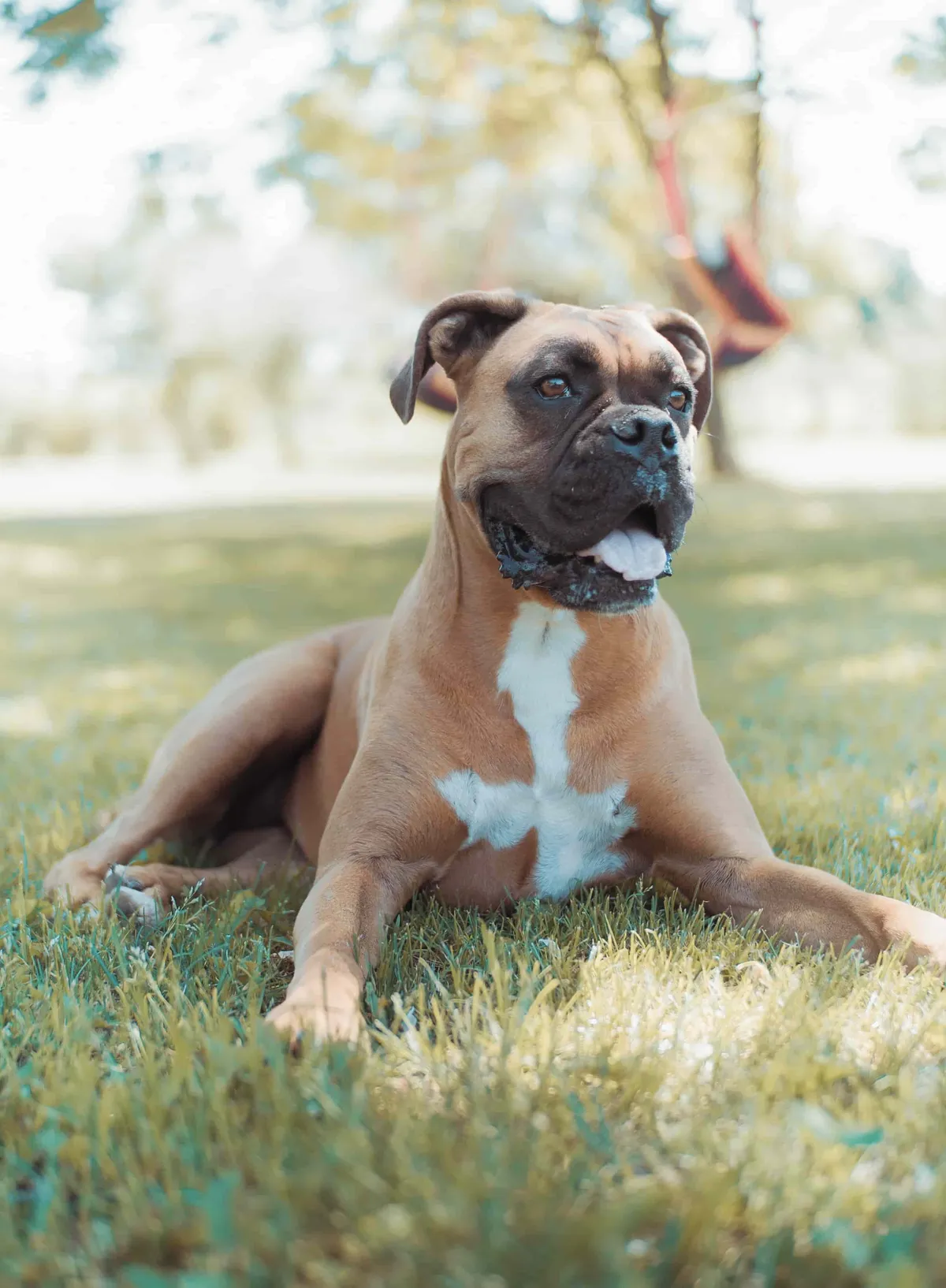
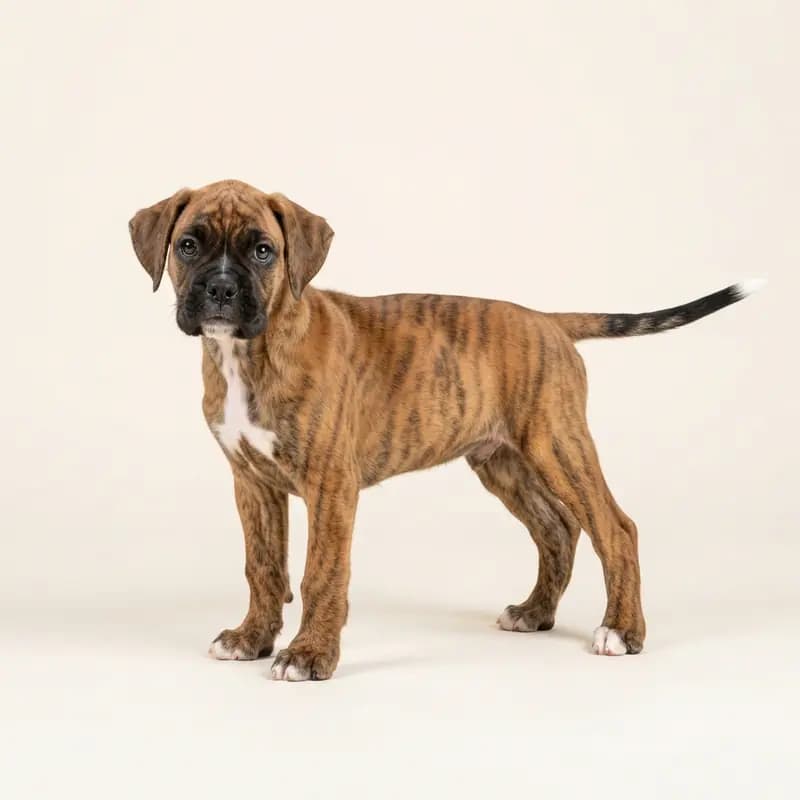
The German Boxer is a medium-sized dog breed with a strong, muscular build and a pronounced head. The breed is known for its distinctive appearance with a short snout and strong lower jaw. The ears are set high. Docking of body parts is banned in many countries, including Germany. The Boxer belongs to FCI Group 2, which includes Molossers and Swiss Mountain Dogs. The boxer's athletic appearance leaves no doubt that it is a breed with great strength and agility.
If you are looking for a dog that will always inspire you with energy and joy of life, then the German Boxer could be your perfect companion. He is known for his loyalty and devotion to his family. The Boxer is a very people-oriented dog and loves to be involved in the family's daily activities. He is also very playful and often maintains his playful temperament into adulthood. The German Boxer is an active dog by nature. His history as a working dog is evident in his need for regular exercise and mental stimulation. A bored Boxer may develop undesirable behavior, so it is important to provide him with plenty of activity. They are also alert and can be good guard dogs without being overly aggressive. Boxers tend to get along well with children and can make wonderful family dogs. Their playful nature and tolerance make them great playmates for older children. However, it is important to remember that their energy and size may be too boisterous for very young children. Regarding staying alone, boxers can learn to stay alone for short periods of time with training. However, since they are so people-oriented, it is not advisable to leave them alone for long periods of time. Boxers generally do not have a strong hunting instinct, but can exhibit prey-catching behavior, especially when they are under-utilized.
| Watchfulness A natural watchdog with real protective instinct. | High |
| Openness to Strangers Neither pushily friendly nor suspicious. | Neutral |
| Hunting or Herding Drive Mild interest in movement and small animals — easily managed. | Low |
Fun Fact!
Boxers are known for their exuberant behavior and often remain very playful and childlike even into adulthood.
Boxers are intelligent and easy to train dogs. They can be quick-tempered and prone to resource defense. They need a lot of exercise and activity with the right amount of rest. Today, Boxers are rarely used as service dogs, partly because of the many health problems in this breed.
Boxers are easy to keep both as city dogs and in rural areas, provided they receive adequate exercise and mental stimulation. They are friendly with children, but due to their size and energy, supervision should be provided around smaller children. Boxers can also get along with other pets, including cats, if properly socialized.
Lives for its family — the born family companion.
Gets on well with children — with adult supervision.
Usually gets on fine with other dogs.
Adapts well to city living and urban environments.
Owning a dog is a privilege, but it's also a real responsibility. Before you bring one into your life, be honest with yourself about the commitment it takes.
The German Boxer is intelligent and capable of learning, which means that he benefits from diverse and varied upbringing and training. You can try out different dog sports with your Boxer, such as agility, obedience or even Schutzhund training. It's important to keep training positive and encourage frustration tolerance and impulse control, as boxers can be a bit boisterous at times. They tend to be very playful and can become "ball junkies" if not managed properly. Therefore, it is important to keep the game in moderation and also provide them with mental stimulation. Training should be consistent, but never hard or aggressive. It's also important to start socialization early so that your Boxer becomes a well-adjusted and happy dog.
Boxers are active dogs and require a balanced diet rich in protein and appropriate fat content. It is important to choose high-quality food and pay attention to the quantity to avoid becoming overweight. Fresh water should always be available. When it comes to grooming, the Boxer is quite easy to care for. He has short fur without an undercoat. Regular brushing helps remove loose hair and keeps skin healthy. Boxers shed moderately, but not excessively. In Germany they cope with the climate well, but in the cold months a coat could provide extra warmth as they don't have much fur to keep them warm.
| Care Level Minimal effort — occasional brushing and bathing. | Low-maintenance |
| Exercise Needs Working-dog energy that needs burning off every single day. | High-drive |
| Shedding Hair everywhere, always — no white clothing survives. | Very heavy |
| Trainability Bred to work closely alongside humans. | Highly trainable |
Our experts are still reviewing this information. Spotted something wrong? Email us at info@honestdog.de.
Elevated risks
Health grade
The German Boxer carries a high health risk, with cancer being the most common cause of death and about one in seven Boxers receiving a cancer diagnosis each year. In addition, the breed is severely affected by hip dysplasia (HD), spondylosis, and serious heart diseases such as Arrhythmogenic Right Ventricular Cardiomyopathy (ARVC) (Boxer cardiomyopathy). A responsible breeder actively counteracts this and has their breeding animals comprehensively tested. Before buying, you must demand the official results for hip dysplasia (HD) (limit grade C or better), spondylosis (grade 2 or better), as well as the test results for Arrhythmogenic Right Ventricular Cardiomyopathy (ARVC) (Boxer cardiomyopathy) and Degenerative Myelopathy, where a carrier may only be mated with a clear partner.
Grade is relative to other breeds — AI-assisted and editorially reviewed.
What matters most for this breed
Tap any item to see details.
You should ensure he stays lean, limit exertion in the heat, and budget for regular heart check-ups from the very beginning.
Responsible breeders have the heart checked via ultrasound and Holter monitor, and examine the spine and hips to ensure the vitality and resilience of this breed for as long as possible—though the fundamental risks cannot be completely eliminated.
Note: This health overview is AI-assisted and editorially reviewed. It is for orientation only and does not replace veterinary advice.
What matters most for this breed — what's common, how much it affects the dog's life, and how to protect yourself as a buyer.
Tap a body region to see the inherited conditions linked to it.
The three most important risks
Pick a region on the map to explore other areas.
Tier 1 reflects the tests Boxer-Klub e.V. Sitz München actually mandates. Tiers 2 and 3 show how responsible breeders go beyond.
Club standard. Tests the relevant breed-club (VDH / FCI / AKC parent club) mandates for registration. Any serious breeder should provide these.
Note: This health overview is AI-assisted and editorially reviewed. It is for orientation only and does not replace veterinary advice.
A Boxer costs around ~€190 per month (€100 – €370, depending on your setup). The first year adds up to roughly ~€5,130 including purchase, equipment and puppy school; across the dog's life (10.5 years) it comes to about ~€26,980.
With surgery cover, running costs come to about ~€200 per month — in return, your share of a major operation drops from several thousand euros to around 20 percent.
Per month
~€190
In the first year
~€5,130
Across the dog's life
~€26,980
Purchase from a breeder: €1,500 – €2,500
Estimate at a mid-range setup (suburban, dry food, 1–2 hours of daily exercise), average German prices, as of July 2026.
 Illustrative image
 Illustrative image
 Illustrative image
 Illustrative image
The German boxer has his roots in Germany in the 19th century. It comes from a breed called Bullenbeisser, which was used in the Middle Ages as a hunting dog for game, such as wild boars and bears. Over time, Bullenbeissers were crossed with smaller, more agile breeds such as the English Bulldog to develop the modern boxer. The German Boxer was recognized as a separate breed at the beginning of the 20th century. The breed has been used in a variety of areas including police work, as war dogs and as guard dogs. The German Boxer Club was founded in 1895 and has made a significant contribution to the development of the breed.
The German Boxer was bred to be a guard dog and companion dog and is known for its loyalty and protective instincts.
Germany
1895
Ich liebe Boxer über alles, aber man muss auch über die rassetypische Grobmotorik sprechen. Viele Boxer, die ich treffe, und auch meine eigene Hündin, spielen extrem körperlich und derb. Sie rempeln andere Hunde gerne an und überrennen sie regelrecht, weil sie die feinen Drohsignale oder Distanzwünsche anderer Artgenossen oft einfach ignorieren oder gar nicht wahrnehmen.
Das führt im Freilauf leider immer wieder zu Missverständnissen und Konflikten mit anderen Hundehaltern, die dieses stürmische 'Anrempeln' als unhöflich oder gar aggressiv empfinden. Man muss als Halter also immer ein Auge darauf haben, sehr konsequent erziehen und darf den Hund nicht einfach unkontrolliert auf jeden Artgenossen zustürmen lassen.
Paraphrased from real owner reports
The Boxer is an active dog that needs plenty of exercise and mental stimulation. Research the temperament, grooming needs, and space requirements before deciding.
The average life expectancy of a Boxer is 9-12 years. With proper care and regular vet visits, your dog can live a long, healthy life.
Boxer grooming requirements include regular brushing, nail trimming, and dental care. HonestDog provides detailed grooming tips for every breed.
The Boxer can be a great family dog. Proper training and socialization are key. HonestDog provides family suitability information for every breed.
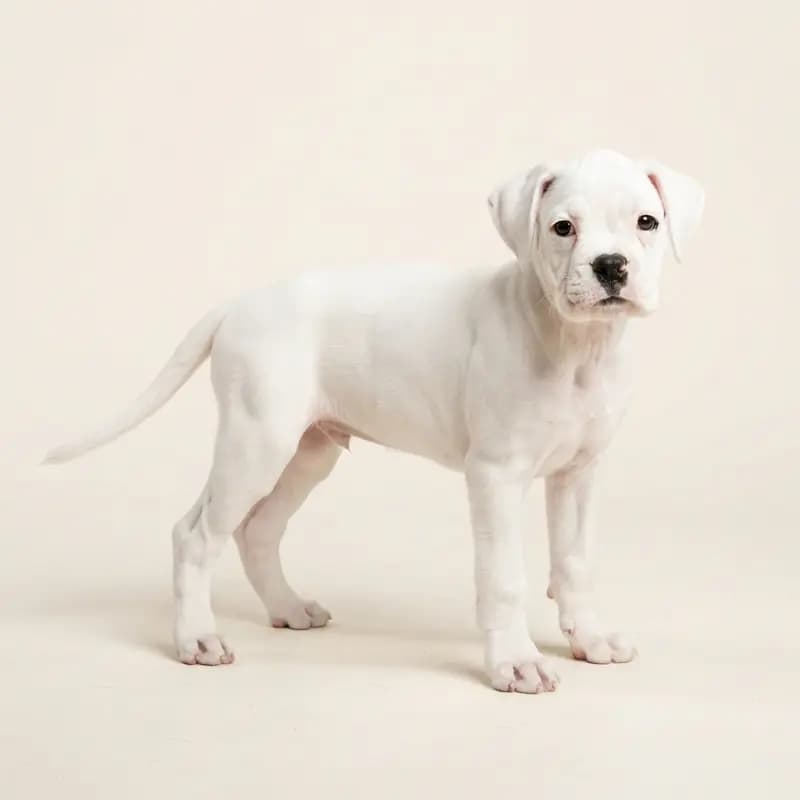
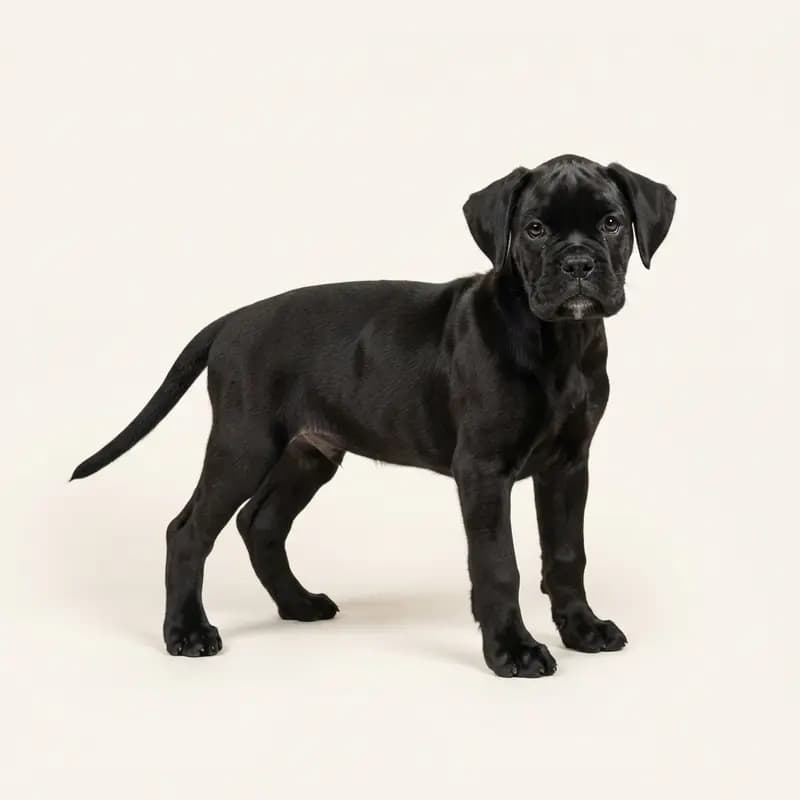
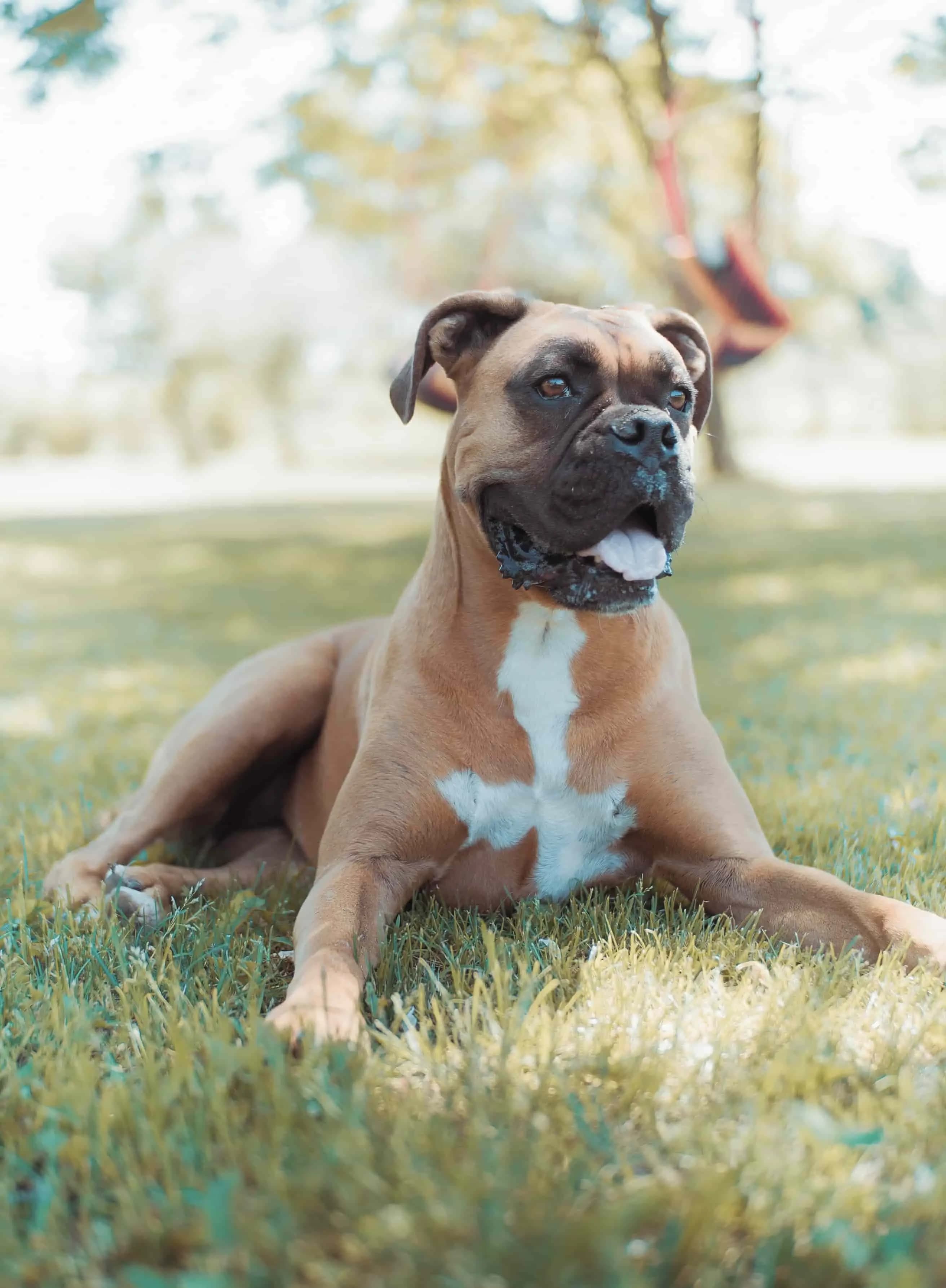
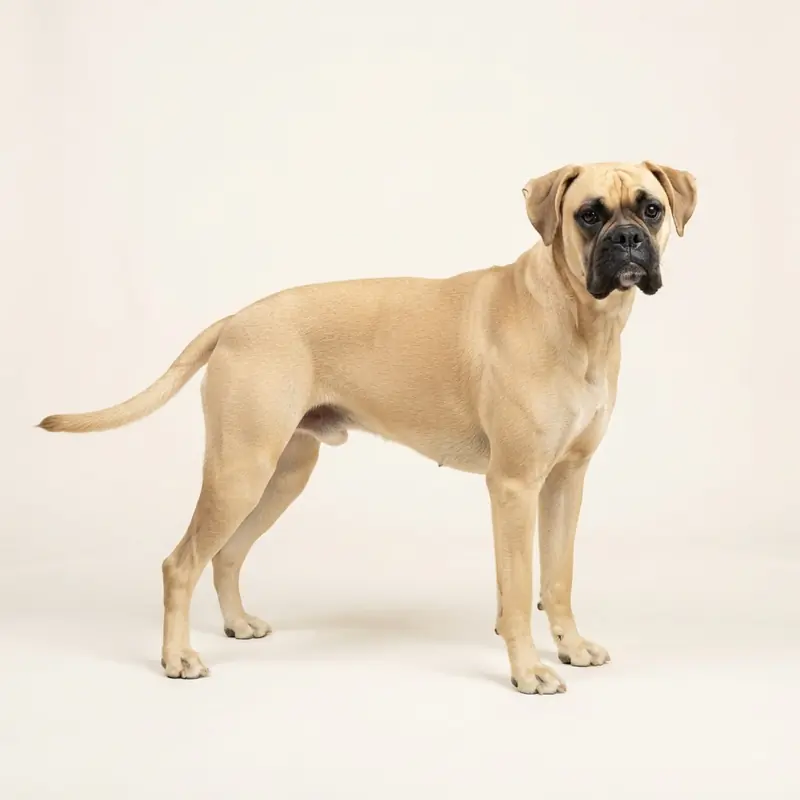
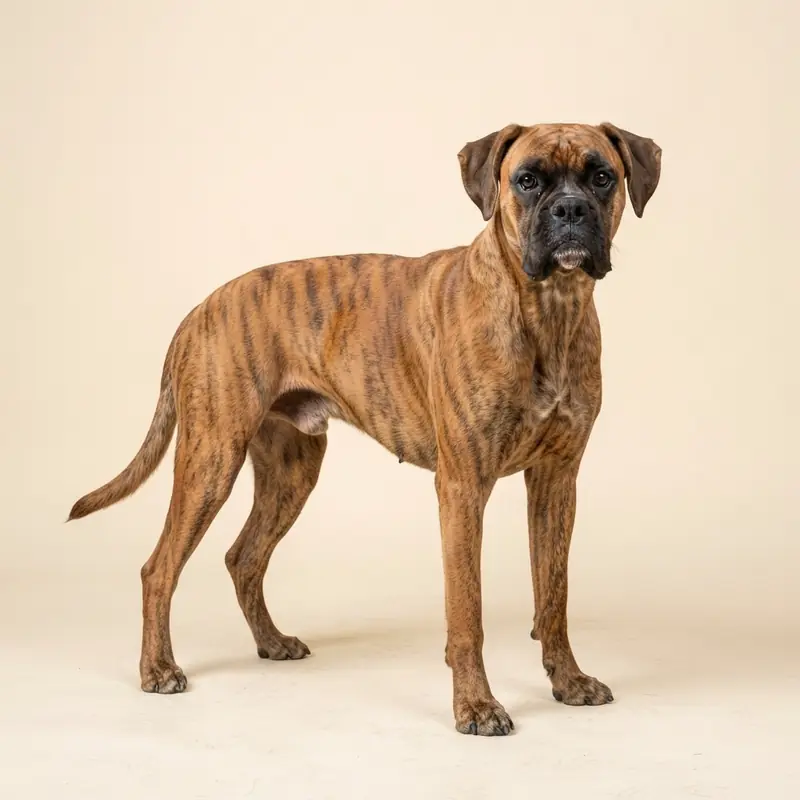
The Boxer comes in these colors: Fawn, Brindle, White, Black. Colors that fall outside the breed standard are marked as such on the breed page.
Discover the 15 best dog breeds for families. Learn which pups are child-friendly, low-maintenance, and perfect for first-time owners.
Germany's strictest dangerous dog ordinance: Category 1 and 2, <em>Negativzeugnis</em> (certificate of non-aggression) and city-by-city comparison of the <em>Hundesteuer</em>.
Dog shedding season: why spring shedding is so intense, which brushes actually help, and when excessive hair loss requires a vet visit.
Showcase your kennel on HonestDog and reach families searching for a responsibly bred Boxer.