Caucasian Shepherd DogSame working temperament
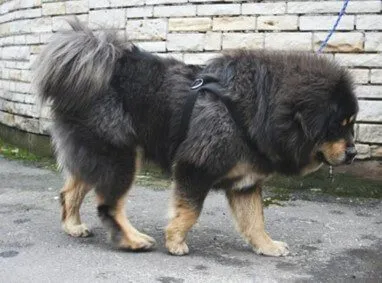
The Do Khyi is an imposing, uncompromisingly territorial, and self-sufficient livestock guardian dog—bred to independently guard Tibetan monasteries and nomadic camps. He is not a follower of commands, but an archaic guardian who makes his own decisions.
How the health grade is calculated
Sources for required breeding screenings. Internationaler Klub für Tibetische Hunderassen e.V. (KTR)
Self-check
Answer 6 quick questions about your everyday life and see how well the Tibetan Mastiff fits you — including an honest cost estimate per month, per year, and across the dog's lifetime.



At a glance
The essentials — key facts, traits, and health priorities — before you dive deeper.
Lifespan
10–14 yrs
Shoulder height
61–76 cm
Weight
34–73 kg
Practical
Temperament
Daily life
What matters most
Especially with a Tibetan Mastiff, choosing the right breeder is the single most important decision you'll make. Serious breeders consistently test the parents for inherited conditions, prioritize healthy early socialization, and stay accountable long after handover. A cheap puppy without health screening tends to become the most expensive dog later on.
See HonestDog breeder standards →Colors & coat
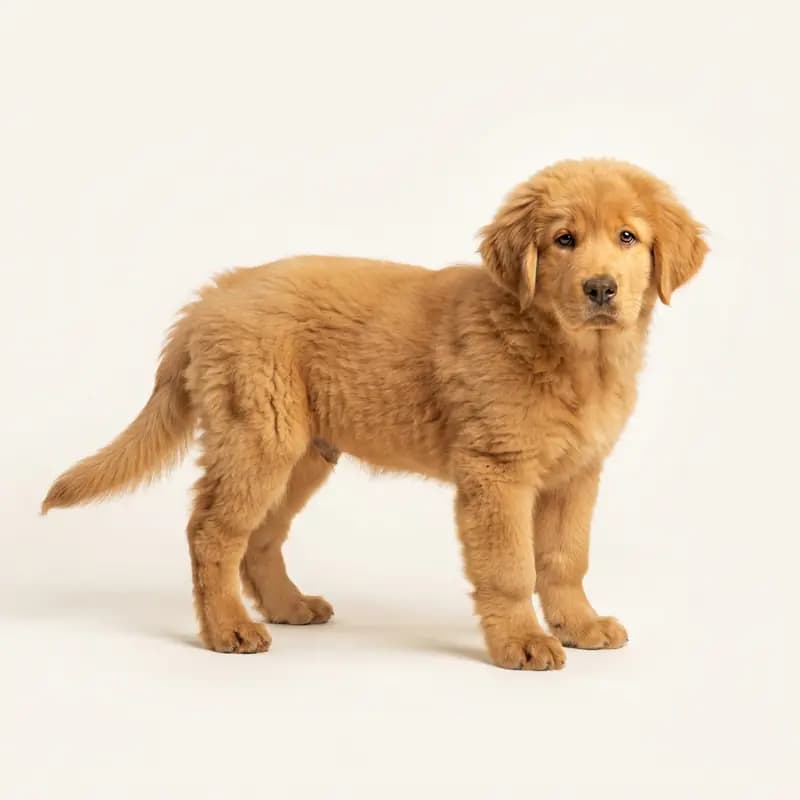
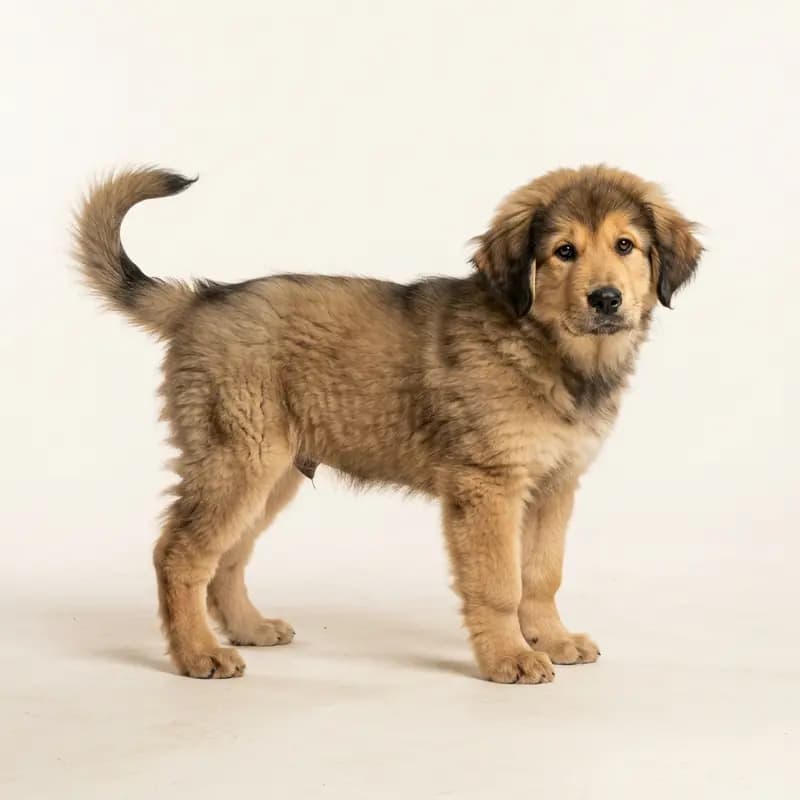
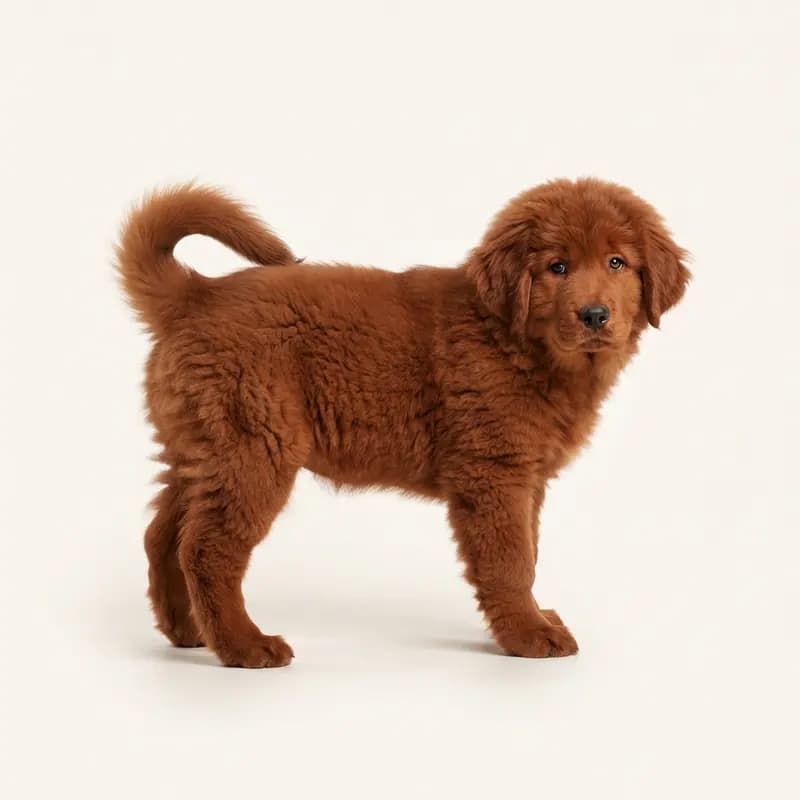
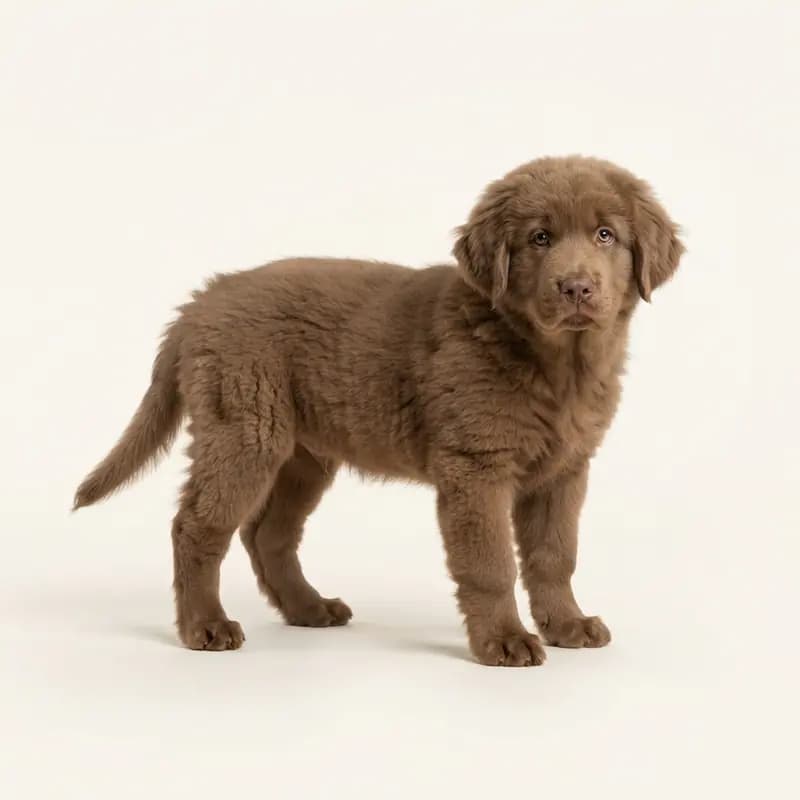
The coat colors that occur in the Tibetan Mastiff — including which ones fall outside the breed standard and which carry genetic risk.
Cream
Eye colors
 Brown
 Amber
Coat type
 Long
 Double coat
The real vibes check
A Do Khyi does not ask you who he should let into the house—he decides for himself. If you try to force him into becoming a classic companion dog, you will fail; but if you respect his archaic independence and guide him with confidence, you will gain an incorruptible protector who would walk through fire for his family.
The Do Khyi, also known as the Tibetan Mastiff, is an impressive presence and one of the largest and heaviest dogs in the world. He is massive and powerful with an athletic figure that makes him very agile despite his size. The Do Khyi has a robust constitution and is designed to survive in the harsh conditions of the Himalayas. Its coat is dense and double, with long top hair and a thick undercoat that provides it with protection in cold winters. He belongs to FCI Group 2 (Pinscher and Schnauzer "Molosser" Swiss Mountain Dogs and other breeds), Section 2.2 (Molosser, Mountain Dogs).
The Do Khyi is a guard dog through and through. His natural inclination to protect his territory and his family is deeply rooted in his DNA. This makes him an excellent guardian, always alert and ready to protect his loved ones. But despite its impressive stature and alertness, the Do Khyi is a calm and balanced dog. He is not hyperactive and does not require the same level of activity as some other breeds. However, that doesn't mean he's a couch potato. Do Khyis require daily exercise and mental stimulation to stay happy and healthy. In terms of temperament, the Do Khyi can be described as calm, confident and sometimes a little independent. He is very loyal and forms a strong bond with his family, but can also be suspicious of strangers. His independence and standalone nature can sometimes make him stubborn and difficult to train, but with patience and consistency he can learn to follow directions. The Do Khyi is also known for being good at being alone and not prone to separation anxiety, making him a good choice for people who work long hours. However, he should not be left alone for long periods of time as he needs social contact and interaction with his family. The Do Khyi has low to moderate prey catching and hunting behavior. While some Do Khyis are able to live well with other animals in the household, others are more territorial and dislike sharing their home with other animals. It is important that you as the owner know your dog well and respect his needs and boundaries. When it comes to vigilance, the Do Khyi is a real pro. He is always on guard and ready to defend his territory and his family. Its deep, thundering bark can be a deterrent and is often enough to scare away intruders. Although the Do Khyi is a strong and confident dog, he is also sensitive and responds well to loving but firm leadership. He should always be treated with respect and understanding, and aggressive or harsh training methods are counterproductive with this breed.
| Watchfulness Strong territorial instinct — may actively confront intruders. | Very high |
| Openness to Strangers Careful around unfamiliar people — thaws slowly. | Cautious |
| Hunting or Herding Drive Mild interest in movement and small animals — easily managed. | Low |
Fun Fact!
Did you know that the Do Khyi is also called the “Tibetan Mastiff” and was originally used to protect nomadic camps and herds in the Himalayas? This historical background still shapes his strong protective and guarding instincts today.
Do Khyis are calm dogs that enjoy going for walks, but are less likely to exercise than other breeds. They are highly territorially motivated and are also prepared to defend themselves. They are very independent and require a lot of expertise in keeping them right from the start.
Although the Do Khyi is a large and active dog, it can also live in an urban environment as long as it receives adequate exercise and mental stimulation. A house with a fenced yard would be ideal so that he has enough space to move around and play freely. The Do Khyi generally gets along well with children if he has been properly socialized and prepared for them. However, a supervisor should always be present as the size and strength of the Do Khyi can cause accidental injury. Other pets can also be a part of the household, but it is important that they are properly introduced and socialized from the start.
Gets on well with different people and varying routines.
Fine with calm, respectful children — not small tornadoes.
Usually gets on fine with other dogs.
Suffers in tight urban conditions.
Owning a dog is a privilege, but it's also a real responsibility. Before you bring one into your life, be honest with yourself about the commitment it takes.
Training a Do Khyi can be challenging as they tend to be independent and sometimes stubborn. It is important that you as an owner are consistent and use a positive, reward-based training method. Patience and consistency are the keys to training a Do Khyi. By nature, Do Khyis are guard and protection dogs and have a natural need for mental and physical stimulation. A regular and varied training program that includes obedience training, socialization and exercise is crucial to having a well-adjusted and happy dog. It is important that the Do Khyi learns to have frustration tolerance and impulse control. Learning commands like "Stay" and "Leave it" can help promote these skills. A well-behaved Do Khyi can be successful in many dog sports such as obedience, tracking or protection dog training.
A balanced nutritional plan is essential for the health and well-being of your Do Khyi. A diet based on his age, weight and activity level is recommended. Since the breed is prone to obesity, you should be careful not to overfeed your Do Khyi. Grooming the Do Khyi is fairly straightforward, despite its long, thick hair and undercoat. Regular brushing - at least once a week - helps keep the coat clean and mat-free. However, during the spring and fall shedding seasons, the Do Khyi can shed heavily and may need more frequent brushing. The Do Khyi can handle the climate in Germany well as long as it is adequately protected and cared for.
| Care Level Needs regular professional grooming — time-consuming and costly. | High-maintenance |
| Exercise Needs Needs several hours of serious exercise every day. | Very active |
| Shedding Hair everywhere, always — no white clothing survives. | Very heavy |
| Trainability Has its own ideas and will test limits. | Strong-willed |
Our experts are still reviewing this information. Spotted something wrong? Email us at info@honestdog.de.
Solid, watch carefully
Health grade
In the Tibetan Mastiff, breed-typical risks exist for hip dysplasia (HD), progressive retinal atrophy, and primary hypothyroidism. Breed clubs such as the KTR therefore mandate X-ray examinations for hip dysplasia (HD) and patellar luxation (PL), as well as an ophthalmological eye exam. A responsible breeder also tests for primary lens luxation (PLL) and screens for elbow dysplasia (ED). Before buying a puppy, ask to see the official proof of HD results (maximum grade C), normal thyroid findings, and the breeding values of the parents.
Grade is relative to other breeds — AI-assisted and editorially reviewed.
Methodology and data: HonestDog Dog Breed Health Report 2026
What matters most for this breed
Tap any item to see details.
Especially during the first year, you should ensure slow growth and joint-friendly exercise, as well as schedule regular check-ups for his eyes and thyroid.
Responsible breeders mandatorily test parent animals for hip dysplasia (HD), patellar luxation (PL), and eye problems, and additionally test voluntarily for primary lens luxation (PLL) and elbow dysplasia (ED).
Note: This health overview is AI-assisted and editorially reviewed. It is for orientation only and does not replace veterinary advice.
What matters most for this breed — what's common, how much it affects the dog's life, and how to protect yourself as a buyer.
Tap a body region to see the inherited conditions linked to it.
The three most important risks
Pick a region on the map to explore other areas.
Tier 1 is the core standard: the tests Internationaler Klub für Tibetische Hunderassen e.V. (KTR) requires, plus further tests from the recommended health standard for this breed. Tiers 2 and 3 show how responsible breeders go beyond.
Core standard. Tests marked “Club standard” are required by Internationaler Klub für Tibetische Hunderassen e.V. (KTR) for breeding approval; the others are part of the recommended health standard for this breed. Ask any reputable breeder for the results.
No entries in this tier.
Note: This health overview is AI-assisted and editorially reviewed. It is for orientation only and does not replace veterinary advice.
A Tibetan Mastiff costs around ~€240 per month (€120 – €460, depending on your setup). The first year adds up to roughly ~€7,170 including purchase, equipment and puppy school; across the dog's life (12 years) it comes to about ~€38,400.
With surgery cover, running costs come to about ~€250 per month — in return, your share of a major operation drops from several thousand euros to around 20 percent.
Per month
~€240
In the first year
~€7,170
Across the dog's life
~€38,400
Estimated purchase price from a breeder: €2,500 – €4,500
Estimate at a mid-range setup (suburban, dry food, 1–2 hours of daily exercise), average German prices, as of July 2026.

 Illustrative image
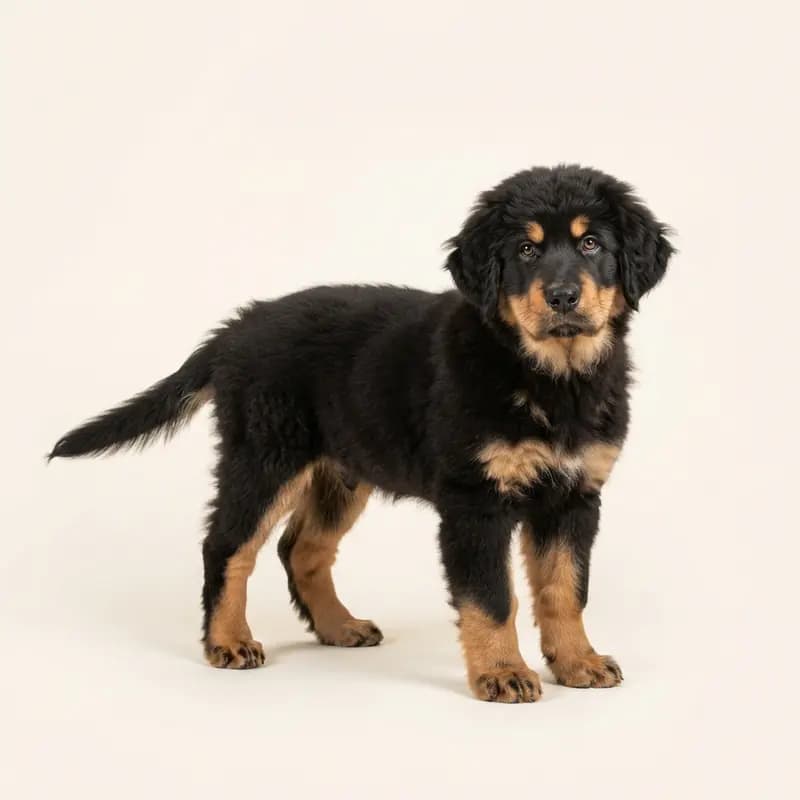 Illustrative image
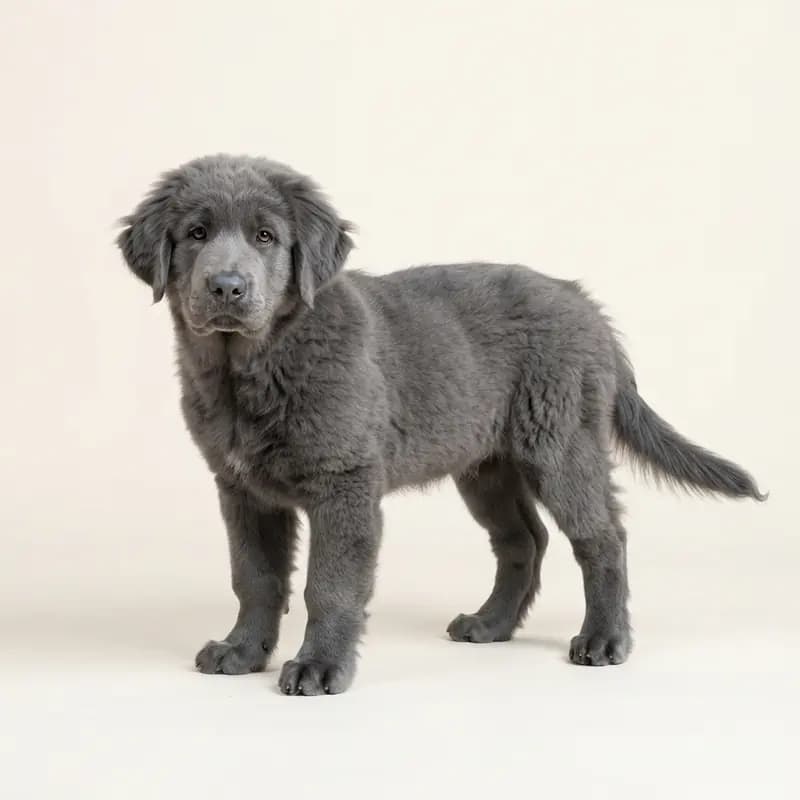 Illustrative image
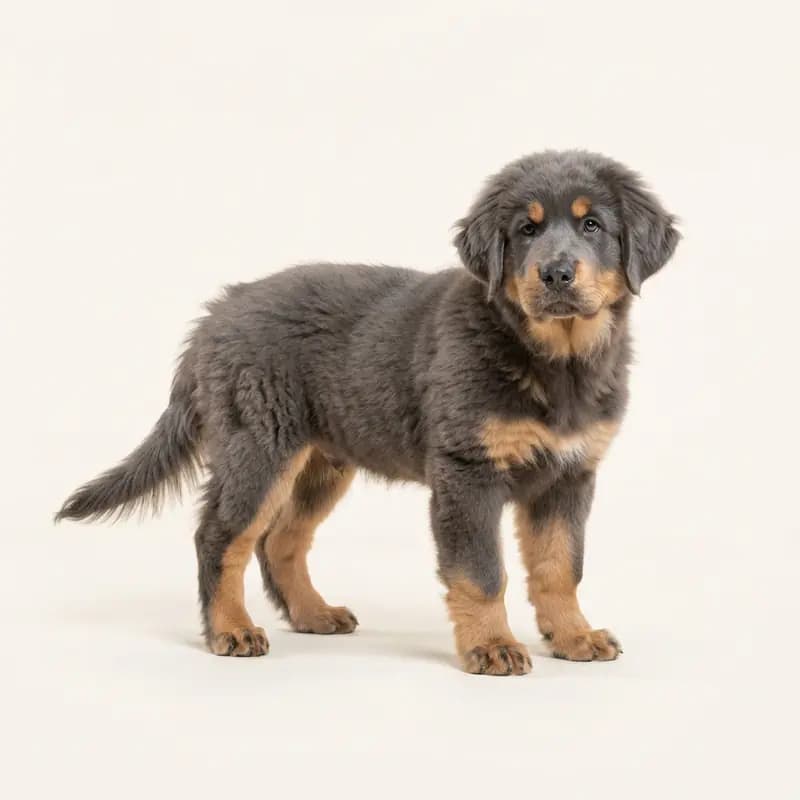 Illustrative image
The history of Do Khyi is rooted in the misty heights of the Himalayas. This breed is believed to be one of the oldest and purest that still exists today. These majestic dogs were originally used as guards of monasteries, villages and herds in Tibet and surrounding regions. Their job was to protect these places from intruders and they were known to not shy away from even large predators such as wolves and leopards. The Do Khyi was first brought to Europe in the 19th century and later to America. It was recognized as a separate breed by the FCI in 2004. Today he is valued worldwide for his loyalty, vigilance and courageous character, although he is becoming rarer in his native Tibet.
The Do Khyi, also known as the Tibetan Mastiff, was used as a guard dog for monasteries and villages in Tibet.
Tibet
Antike
Owners describe the Tibetan Mastiff (Do Khyi) as a remarkably calm, composed and deeply loyal companion in daily and family life. With its own family members, and children in particular, it is usually very gentle, patient and protective. Indoors, given enough space, it is generally unobtrusive and relaxed, while outside it likes nothing better than to watch its surroundings quietly for hours from a raised vantage point.
At the same time, owner reports emphasize that this dog is never an easy companion for just anyone. Its innate protective instinct and territorial behavior are always there: the Tibetan Mastiff meets strangers with reserve or outright suspicion. Drop-in visitors entering the property without the owner present are simply out of the question. For many owners, a well-fenced yard with a tall fence is therefore a must.
Another recurring theme is the breed's strong guarding and alarm behavior at dusk and after dark. Many owners mention nighttime barking: because the breed was shaped to guard camps on its own at night, it responds to the faintest noise with deep barking. Experienced owners therefore usually have their dogs sleep indoors at night to head off conflicts with neighbors from the start.
Sources:hundeforum.comtackenberg.deissnruede.deforum.hundund.de
Owners and breed experts agree on training and handling: you can't train a Do Khyi like a classic working dog. Blind obedience or the typical "will to please" simply aren't there. Commands get questioned; if an instruction seems illogical or pointless to the dog, it is often just ignored. In owners' experience, punishment, pressure or harshness lead to a complete loss of trust and to stubbornness.
Successful owners build a partnership of equals based on patience, predictable consistency and inner calm. The Tibetan Mastiff will then reliably take its cues from its person, provided it accepts that person as a confident decision-maker and feels it can safely hand over its guarding and protection duties.
Every owner report puts top priority on very early, thorough socialization. Whatever the puppy and young dog doesn't learn to associate with something positive in the first months, from all kinds of people to everyday noises to other dogs, it will often meet with strong suspicion or defensiveness as an adult giant. Leash walking also has to be built up carefully from puppyhood, because a full-grown Do Khyi that reacts impulsively is almost impossible to hold back physically.
Sources:forum.hundund.dehundeseite.depetbook.dereddit.comdasfutterhaus.at
When it comes to health and care, owners describe the Do Khyi as a comparatively natural, weatherproof and robust dog. Despite its massive build, it often needs surprisingly little food for a giant, which owners trace back to the frugal conditions of its Tibetan origins. Still, owners point to the weak spots typical of mastiff-type breeds: as with almost all heavy breeds, the joints, especially hip and elbow dysplasia, need close attention in both breeding and everyday care.
A practical focus among owners is the dense coat. For most of the year, grooming is usually described as manageable; a weekly brush-out is often enough, since the outer coat hardly holds dirt. During the seasonal shed in spring, however, owners regularly face huge piles of undercoat. Daily, thorough brushing is then a must to keep the mane and thick undercoat from matting.
Experienced owners take a critical view of how the breed is developing. They warn against choosing "show lines" with extreme weight, exaggerated skin folds and oversized bulk. Such exaggerations put considerable strain on the skeleton and the cardiovascular system, which is why fans of the breed always keep the functional, agile and healthy type in mind.
Sources:hundeforum.comzooroyal.deissnruede.detibethunde-ktr.dezooplus.de
Paraphrased from real owner reports · translated from German

"Ein absoluter Glücksgriff – danke, Claudia!" Wir haben unsere Hündin „Luna“ über Claudia bekommen, und vom ersten Moment an war alles einfach rundum stimmig. Claudia ist nicht nur kompetent und professionell, sondern vor allem mit ganzem Herzen dabei. Man spürt sofort, wie wichtig ihr das Wohl ihrer Hunde ist. Luna kam top vorbereitet, bestens sozialisiert und kerngesund zu uns. Sie hat so viel Persönlichkeit – verspielt, aufmerksam und total verschmust. Es ist unglaublich, wie schnell sie sich in unser Leben eingefügt hat. Claudia war während des gesamten Prozesses immer erreichbar, hat uns mit vielen Bildern und Updates auf dem Laufenden gehalten und steht uns auch jetzt noch mit Rat und Tat zur Seite. Wer einen verantwortungsvollen, liebevollen Züchter sucht, ist bei Claudia genau richtig. Wir könnten nicht glücklicher sein!
Isabella K.
The Tibetan Mastiff is an active dog that needs plenty of exercise and mental stimulation. Research the temperament, grooming needs, and space requirements before deciding.
The average life expectancy of a Tibetan Mastiff is 10-14 years. With proper care and regular vet visits, your dog can live a long, healthy life.
Tibetan Mastiff grooming requirements include regular brushing, nail trimming, and dental care. HonestDog provides detailed grooming tips for every breed.
The Tibetan Mastiff can be a great family dog. Proper training and socialization are key. HonestDog provides family suitability information for every breed.
The Tibetan Mastiff comes in these colors: Black, Black and tan, Blue, Blue and tan, Gold, Sable, Red, Cream, Brown. Colors that fall outside the breed standard are marked as such on the breed page.
Showcase your kennel on HonestDog and reach families searching for a responsibly bred Tibetan Mastiff.