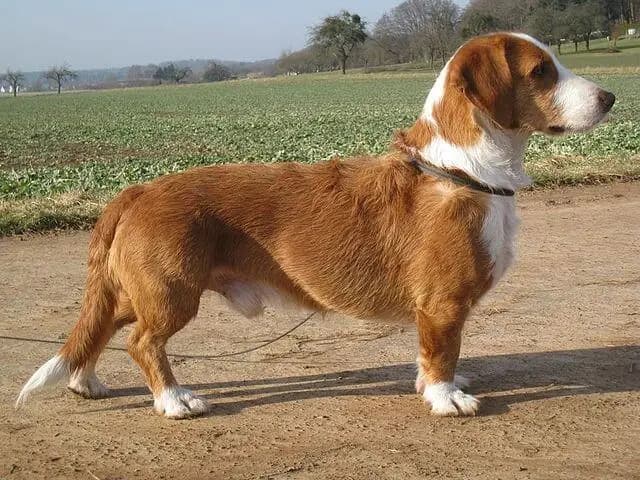
Westphalian DachsbrackeClose relative
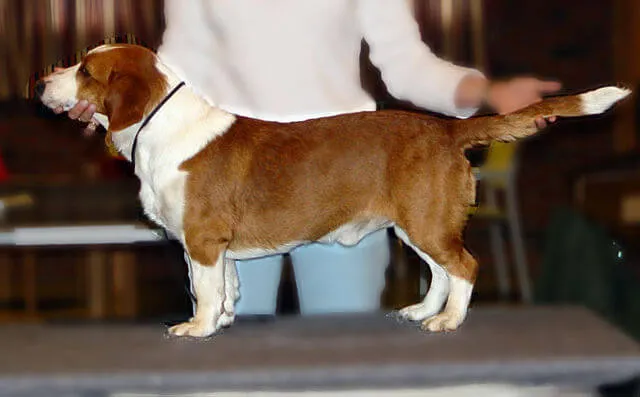
The Drever is a persistent, extremely scent-driven short-legged hound—bred in Sweden to track game for hours, baying on the trail and working completely independently for the hunter. Its stubborn work ethic is legendary; it is not a training gap, but pure genetics.
Self-check
Answer 6 quick questions about your everyday life and see how well the Drever fits you — including an honest cost estimate per month, per year, and across the dog's lifetime.
At a glance
The essentials — key facts, traits, and health priorities — before you dive deeper.
Lifespan
12–15 yrs
Shoulder height
30–38 cm
Weight
13–16 kg
Practical
Temperament
Daily life
What matters most
Especially with a Drever, choosing the right breeder is the single most important decision you'll make. Serious breeders consistently test the parents for inherited conditions, prioritize healthy early socialization, and stay accountable long after handover. A cheap puppy without health screening tends to become the most expensive dog later on.
See HonestDog breeder standards →Colors & coat
The coat colors that occur in the Drever — including which ones fall outside the breed standard and which carry genetic risk.
Eye colors
 Brown
Coat type
 Short
 Smooth
The real vibes check
A Drever at home is calm and cuddly, but as soon as his nose touches the ground outside, a switch flips in his head. The relaxed companion turns into a highly specialized hunter with tunnel vision, literally forgetting you are at the other end of the leash. If you admire this uncompromising hunting passion and can channel it constructively, you will get a fascinating, loyal nature-loving companion.
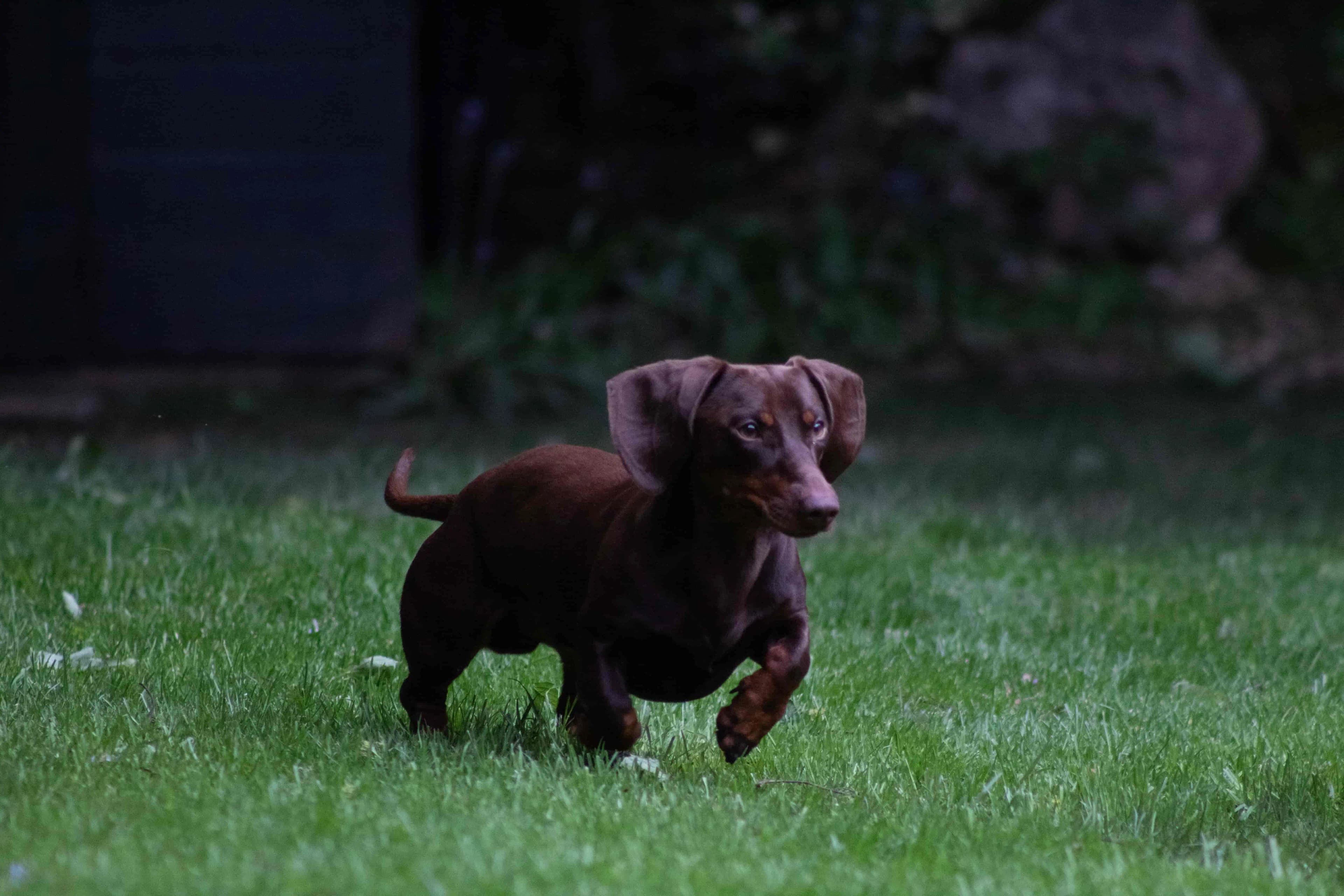
The Drever, also known as the Swedish Dachsbracke, is a small, powerful dog with a short coat, long body and short legs. His robust appearance, combined with a lively and energetic expression, gives an indication of his working history and the skills he possesses as a hunting dog. The Drever belongs to FCI Group 6, which includes hounds, bloodhounds and related breeds.
As a former working dog, the Drever has many characteristics that make him a loyal and reliable partner. He is known for his loyalty and strong bond with his family. He loves being around his people and is always ready to take part in activities or just relax in the comfort of his own home. His balanced temperament makes him a pleasant companion who can adapt well to various life situations. Given his working history, the Drever is an energetic and agile dog. His hunting instinct is strong and he likes to show off his skills as a tracking dog. He loves following tracks and exploring his surroundings. This trait can cause him to sometimes be distracted by interesting smells and focus his attention on them. He is vigilant and always on guard for everything that happens around him. He doesn't tend to be aggressive or excessively barking, but he can certainly be a good watchdog and warn his family of potential dangers. Despite his energy and hard work, the Drever can also stay alone as long as he receives sufficient physical and mental activity. He is quite an adaptable dog who can enjoy both city life and country life. Despite its small size, the Drever is not a lap dog. He is an active and intelligent dog who loves tasks and challenges. This, combined with his strong bond with his family, makes him a great companion for active people looking for a dog that can take part in their activities but is also content to relax at home once he has had enough exercise. The Drever's hunting instincts are strong, and it can exhibit strong prey-catching behavior. It's important that you take this into consideration if you have a Drever, especially if you also have other small pets. Although he usually gets along well with other dogs, his hunting instinct can cause him to go after smaller animals.
| Watchfulness Occasionally alerts but is fundamentally open. | Low |
| Openness to Strangers Warms up quickly and is generally welcoming. | Friendly |
| Hunting or Herding Drive This drive runs deep — no amount of training eliminates it. | Very strong |
Fun Fact!
Although the Drever is very popular in Sweden, it is relatively unknown outside of its home country. In fact, the Drever is the nationally recognized dog breed of Sweden!
The Drever is more robust and strong than elegant and nimble. He has a proud posture, well-developed muscles and an agile appearance. The Drever is affectionate, playful and sweet. He gets along well with most other breeds and is great in groups.
The Drever is an adaptable dog that does well in both urban and rural environments. He is an active dog and needs enough exercise, but he also adapts well to apartment life as long as he gets regular walks and playtime. Drevers are generally child-friendly and have a patient nature that makes them get along well with younger children. They also tend to get along well with other dogs, but their strong prey drive can be a problem if you have other small pets.
Lives for its family — the born family companion.
Takes boisterous and affectionate children in its stride.
Actively enjoys the company of other dogs.
City-appropriate with enough exercise and stimulation.
Owning a dog is a privilege, but it's also a real responsibility. Before you bring one into your life, be honest with yourself about the commitment it takes.
Raising a Drever can be a rewarding task. They are intelligent and willing to learn, which makes training easier. However, they are also independent and can sometimes show strong will. It is important to start training early and be consistent. A Drever needs a balanced mix of physical and mental stimulation to be happy and balanced. They love activities that appeal to their hunting instincts, such as tracking or agility training. It is important to ensure that the dog is not "over-busy" and receives sufficient rest breaks. When training the Drever, it is important to promote frustration tolerance and impulse control. This breed can be impulsive at times, especially when excited or bored. Training that utilizes positive reinforcement and patience can help control and channel these behaviors.
The Drever's diet should be balanced and healthy to meet his energy needs and maintain his ideal weight. A mixture of high-quality dry and wet food enriched with fruit and vegetables is ideal. It is important to monitor portion sizes and ensure your Drever is not overfed to avoid becoming overweight. Grooming the Drever's coat is relatively uncomplicated. He has a short, smooth coat with a thick undercoat. A weekly brushing should be enough to remove loose hair and keep the coat clean and healthy. Drevers shed moderately, especially during the coat change in spring and autumn. They cope well with the German climate, but may want to wear a coat in the cold winter months.
| Care Level Minimal effort — occasional brushing and bathing. | Low-maintenance |
| Exercise Needs Needs several hours of serious exercise every day. | Very active |
| Shedding Regular shedding — dog hair on clothes is now normal. | Moderate |
| Trainability Has its own ideas and will test limits. | Strong-willed |
Our experts are still reviewing this information. Spotted something wrong? Email us at info@honestdog.de.
Solid
Health grade
The Drever is a robust hunting dog, but due to its long back, it carries an increased risk of intervertebral disc disease (IVDD). Hip dysplasia (HD) also occurs and should be ruled out prior to purchase through appropriate X-ray results of the parent animals. Overall, the breed is in solid health, provided attention is paid to these typical weak points.
Grade is relative to other breeds — AI-assisted and editorially reviewed.
Methodology and data: HonestDog Dog Breed Health Report 2026
To avoid unnecessary strain on the back and joints, you should strictly ensure a lean physique, joint-friendly exercise, and avoid frequent jumping.
Reputable breeders have the spines, hips, knees, and eyes of the parent animals checked to reduce the risks of painful bone and joint problems in the bloodline.
Note: This health overview is AI-assisted and editorially reviewed. It is for orientation only and does not replace veterinary advice.
What matters most for this breed — what's common, how much it affects the dog's life, and how to protect yourself as a buyer.
Tap a body region to see the inherited conditions linked to it.
The three most important risks
Pick a region on the map to explore other areas.
We sort tests into three tiers — from the core standard to a fully exemplary program.
Recommended standard. These tests make up the recommended health standard for this breed — the baseline of any careful breeding program. Ask any reputable breeder for the results.
No entries in this tier.
No entries in this tier.
Note: This health overview is AI-assisted and editorially reviewed. It is for orientation only and does not replace veterinary advice.
A Drever costs around ~€160 per month (€90 – €300, depending on your setup). The first year adds up to roughly ~€4,650 including purchase, equipment and puppy school; across the dog's life (13.5 years) it comes to about ~€29,250.
With surgery cover, running costs come to about ~€160 per month — in return, your share of a major operation drops from several thousand euros to around 20 percent.
Per month
~€160
In the first year
~€4,650
Across the dog's life
~€29,250
Estimated purchase price from a breeder: €1,200 – €2,500
Estimate at a mid-range setup (suburban, dry food, 1–2 hours of daily exercise), average German prices, as of July 2026.
HonestDog Concierge
We currently have no breeders for this breed who have passed our verification. Create your short buyer profile: we'll set up your search alert, review a possible source and email you within 28 days.
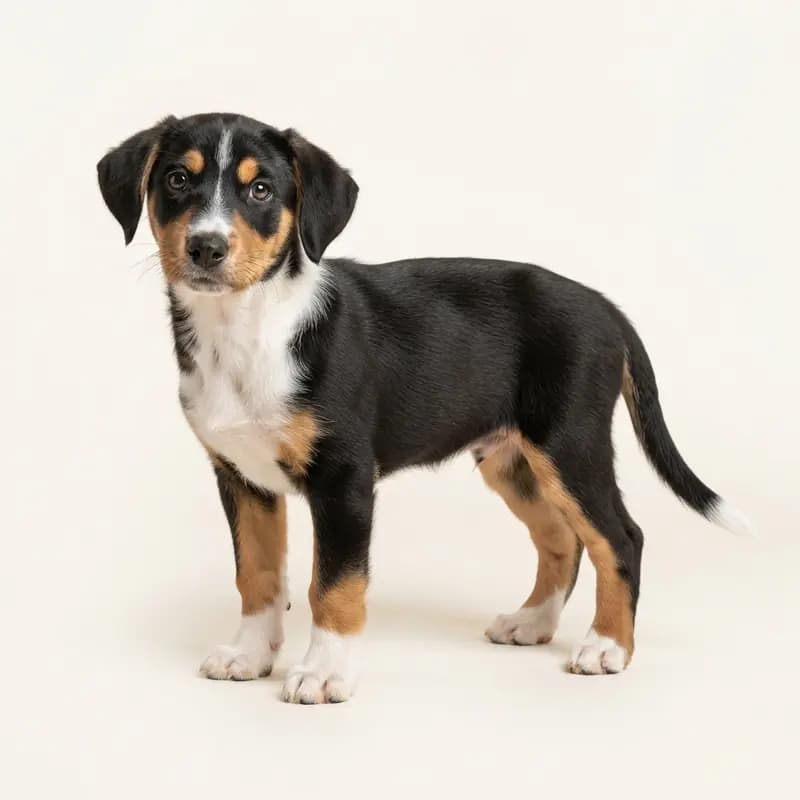 Illustrative image
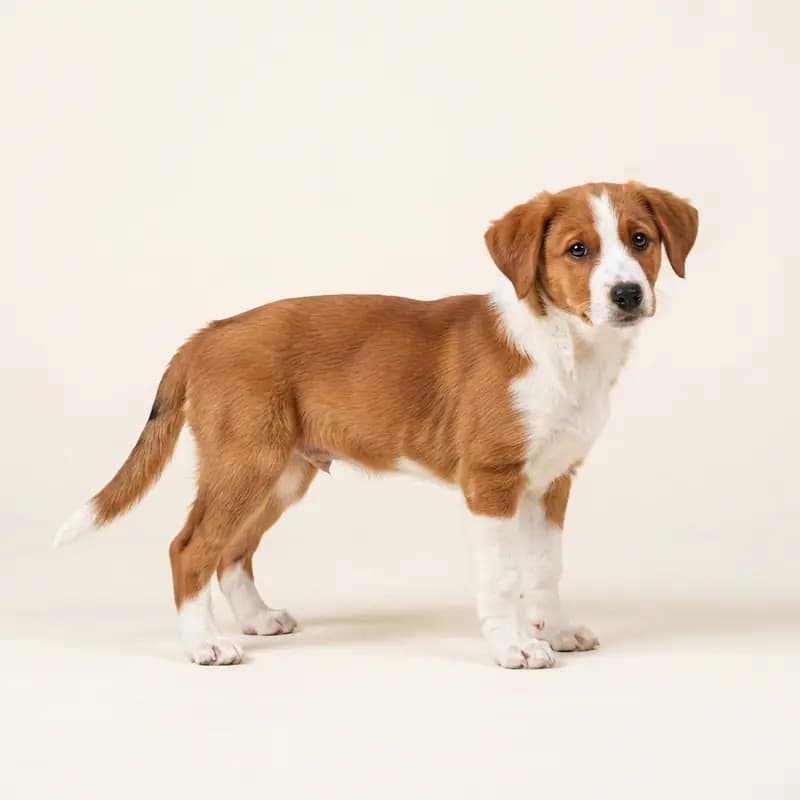 Illustrative image
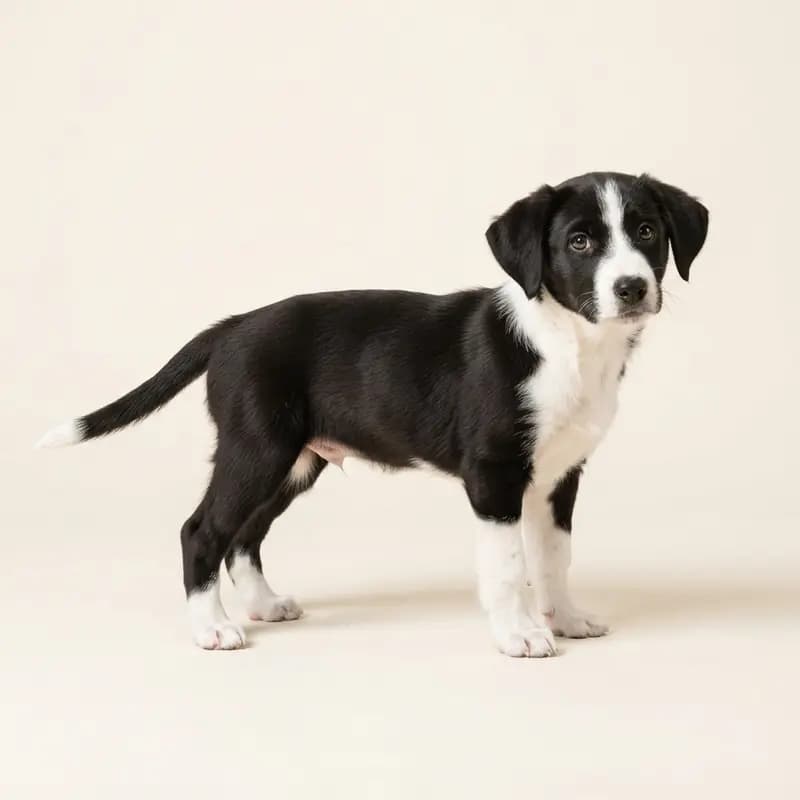 Illustrative image
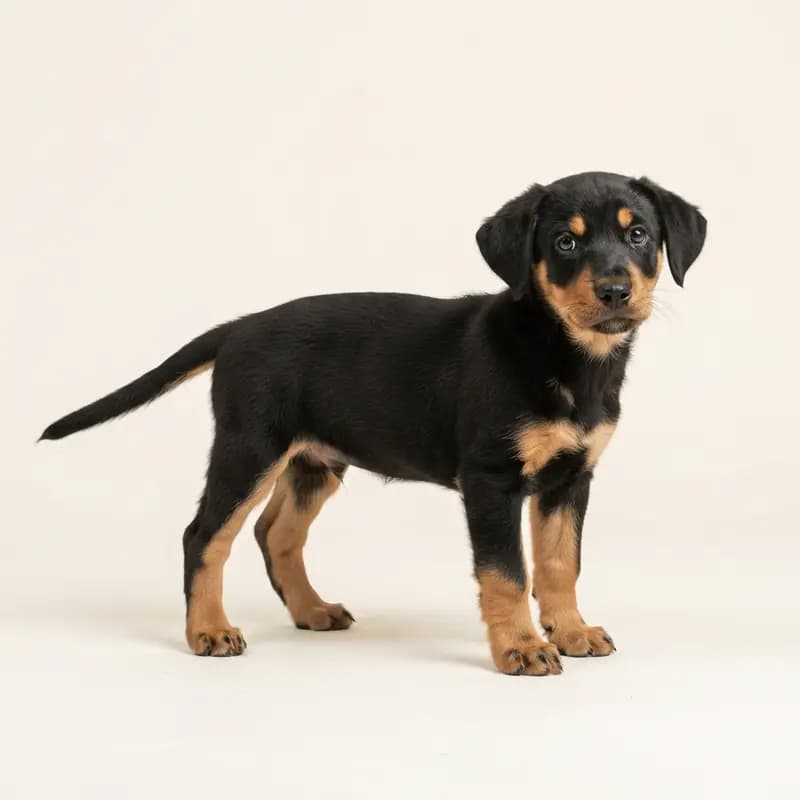 Illustrative image
The history of the Drever, also known as the Swedish Dachsbracke, began in Sweden in the early 20th century. Around 1910, the first Westphalian Dachsbracken were imported from Germany to Sweden. These short-legged scent hounds proved to be exceptionally well-suited to the specific hunting conditions in Sweden. Swedish hunters required a persistent, vocal hound capable of tracking game such as roe deer, foxes, and hares through rugged terrain and slowly driving them toward the hunter. Through selective breeding, the imported dogs were adapted to the harsh climate and demanding topography of Scandinavia. Over the decades, the Swedish variant developed into a slightly stronger and more robust dog than its German ancestor. As the population grew steadily and established a distinct phenotype, the Swedish line was recognized as an independent breed in 1947. At this time, it received the official name Drever, derived from the Swedish term drevjakt, meaning drive hunting. In 1953, the breed received official recognition from the Fédération Cynologique Internationale, where the Drever is classified within the scent hound group. To this day, it remains a highly valued and widely used hunting dog in its homeland.
The Drever was bred as a hunting dog to track and pursue roe deer and small game such as hares in Swedish terrain.
Sweden
1910
At home, owners and hunting breeders describe the Drever as a surprisingly affectionate, friendly and even-tempered companion. Indoors, it is generally considered pleasantly laid-back and cuddly with its people, as long as it gets enough exercise outside. It usually gets along easily with other dogs, but, like most of its breed, tends to react alertly to outside stimuli.
Outdoors is a different story. Many owners stress that you should never underestimate this short-legged breed as a laid-back companion dog. On walks in the countryside, its passion as a scent hound quickly takes over. Once it has a fresh trail in its nose, the dog becomes intensely focused and often loses track of everything around it.
Owner reports rarely recommend it as purely a family or apartment dog. Owners point out that without challenging work, whether hunting or intensive tracking, frustration and restlessness set in quickly. As a hunter that gives voice on the trail, it also has a natural tendency to make itself heard loudly when it is excited or picks up a scent.
Sources:petbook.deagila.desabinemiddelhaufeshundundnatur.netgunfinder.detackenberg.de
On training, owners regularly highlight this short-legged hound's considerable independence and willfulness. Because the Drever was selected to work trails alone and on its own initiative over long distances during the hunt, it naturally has little need for blind obedience. Strictness or harshness don't achieve much with it; instead, owners call for patient but unyielding consistency.
The biggest practical challenge in daily life is the recall. Several owners and trainers report that the hunting drive is so dominant that letting the dog run free in areas with lots of game is often only possible with a long line or a dedicated GPS tracker. As soon as there's game scent in the air, many Drevers simply stop listening.
In owners' experience, training works best when the dog's instincts are channeled rather than suppressed. Owners advise bringing in targeted tracking or drag work early, to satisfy the dog's strong motivation to work and to make everyday cooperation possible in the first place.
Sources:petbook.deagila.degunfinder.desabinemiddelhaufeshundundnatur.nettackenberg.de
Paraphrased from real owner reports · translated from German
The Drever is an active dog that needs plenty of exercise and mental stimulation. Research the temperament, grooming needs, and space requirements before deciding.
The average life expectancy of a Drever is 12-15 years. With proper care and regular vet visits, your dog can live a long, healthy life.
Drever grooming requirements include regular brushing, nail trimming, and dental care. HonestDog provides detailed grooming tips for every breed.
The Drever can be a great family dog. Proper training and socialization are key. HonestDog provides family suitability information for every breed.
The Drever comes in these colors: Tricolor, Red and white, Black and white, Black and tan, Fawn, Red.
Showcase your kennel on HonestDog and reach families searching for a responsibly bred Drever.