Loading breed
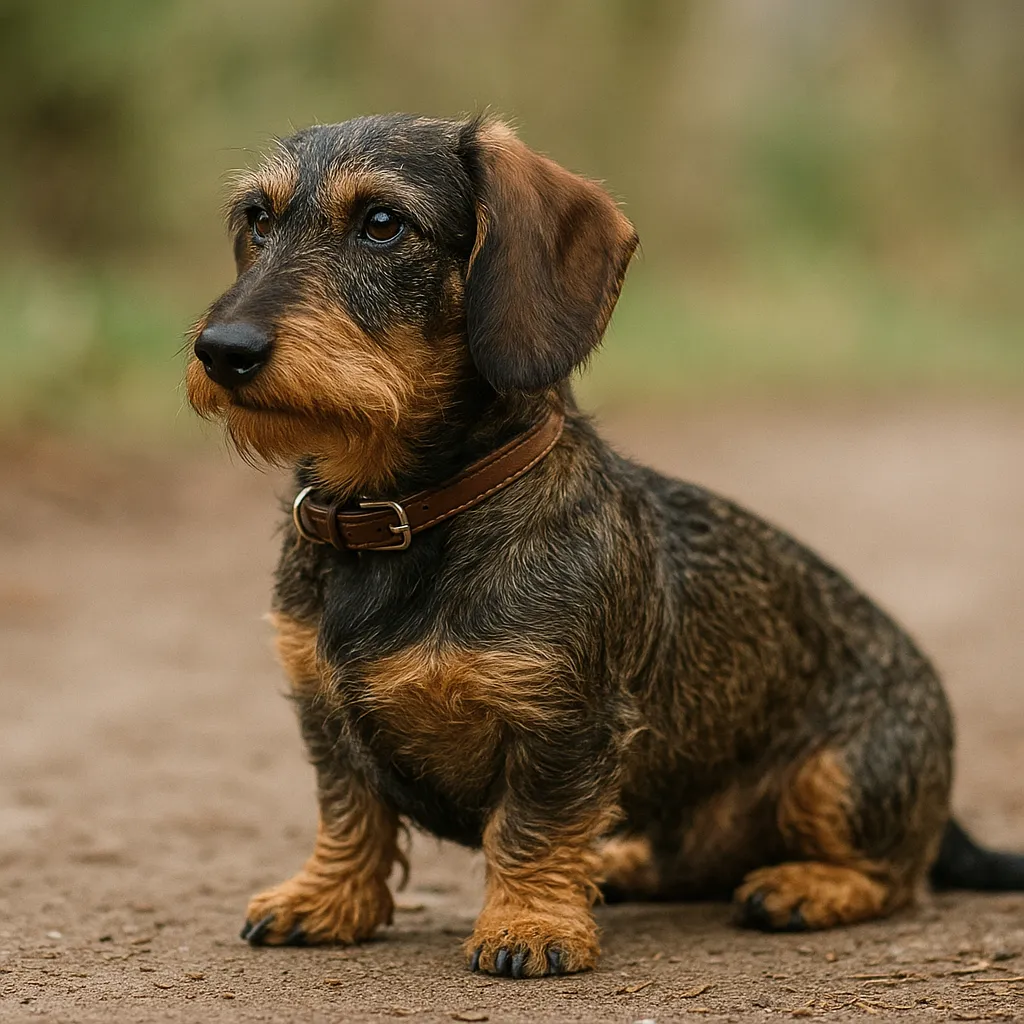 AI-generated image
Miniature Wire-haired Dachshund
Health grade C- Shoulder height18–21 cm
- Weight3–6 kg
- Life expectancy12–16 yrs
- Puppy price1,200–2,500 €
- Energy3/5
The essentials at a glance
The Wire-haired Miniature Dachshund is a fearless, bearded burrow hunter — bred to make decisions completely independently against defensive predators in dark underground tunnels. It is precisely this uncompromising autonomy that makes him charming today, but never submissive.
- Health grade C: In the Miniature Wire-haired Dachshund, serious breed-specific risks exist for intervertebral disc disease (IVDD), chondrodystrophy (CDDY), and osteogenesis imperfecta (OI).
- You appreciate a dog with a mind of its own and can lead with humor but absolute consistency — blind obedience contradicts his genetics as a burrow hunter.
- You are keen on scent work, tracking, or long forest walks on a long leash to satisfy his hunting drive.
- You expect him to turn back immediately at your call when he spots a rabbit — he was bred to follow that exact prey relentlessly right into the burrow.
How the health grade is calculated
Sources for required breeding screenings. Deutscher Teckelklub 1888 e.V. (DTK)
Self-check
Would the Miniature Wire-haired Dachshund really fit your life?
Answer 6 quick questions about your everyday life and see how well the Miniature Wire-haired Dachshund fits you — including an honest cost estimate per month, per year, and across the dog's lifetime.
Fit checkCost estimateRisk dice
Takes about 1 minute · free & anonymous
Similar Breeds
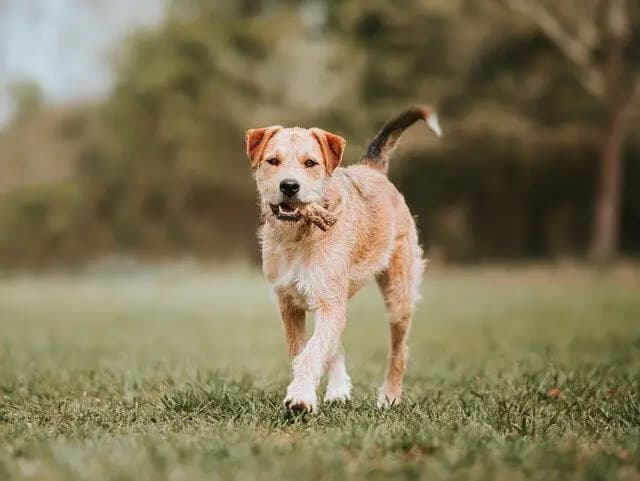
Border TerrierSame working temperament
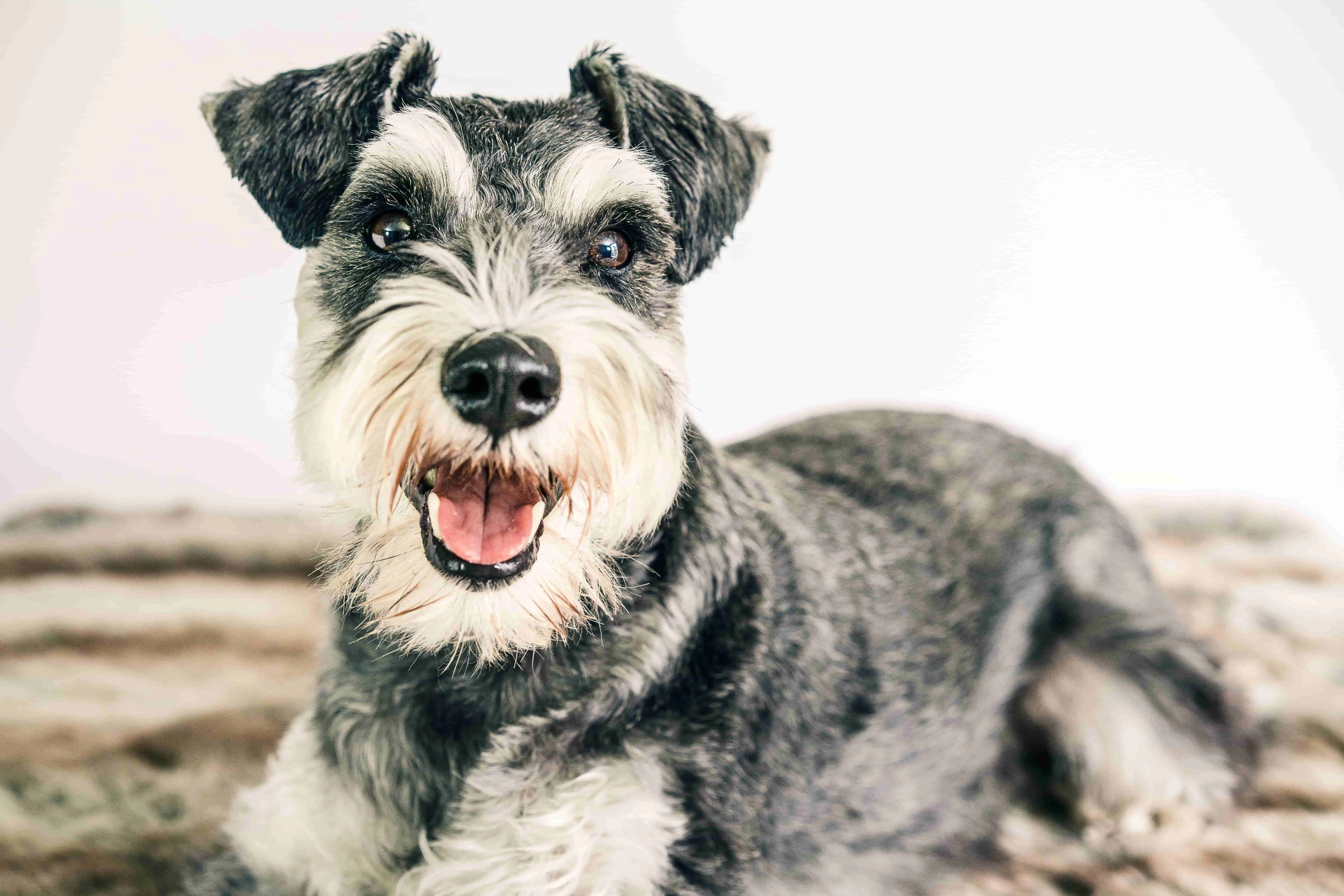
Miniature SchnauzerSame size
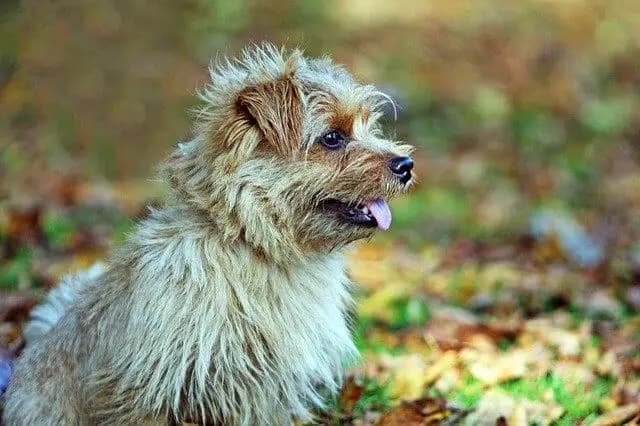
Norfolk TerrierSame size
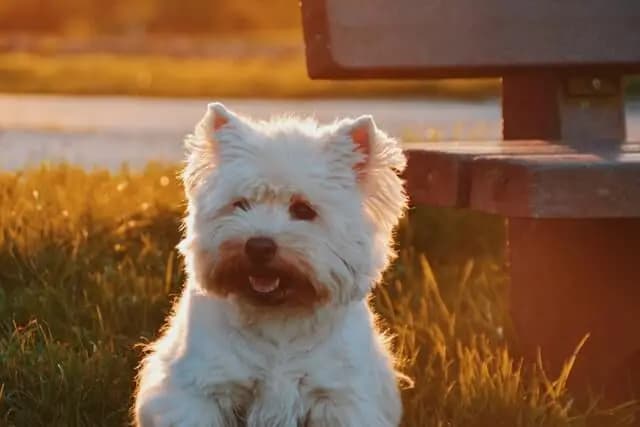
Cairn TerrierSame size
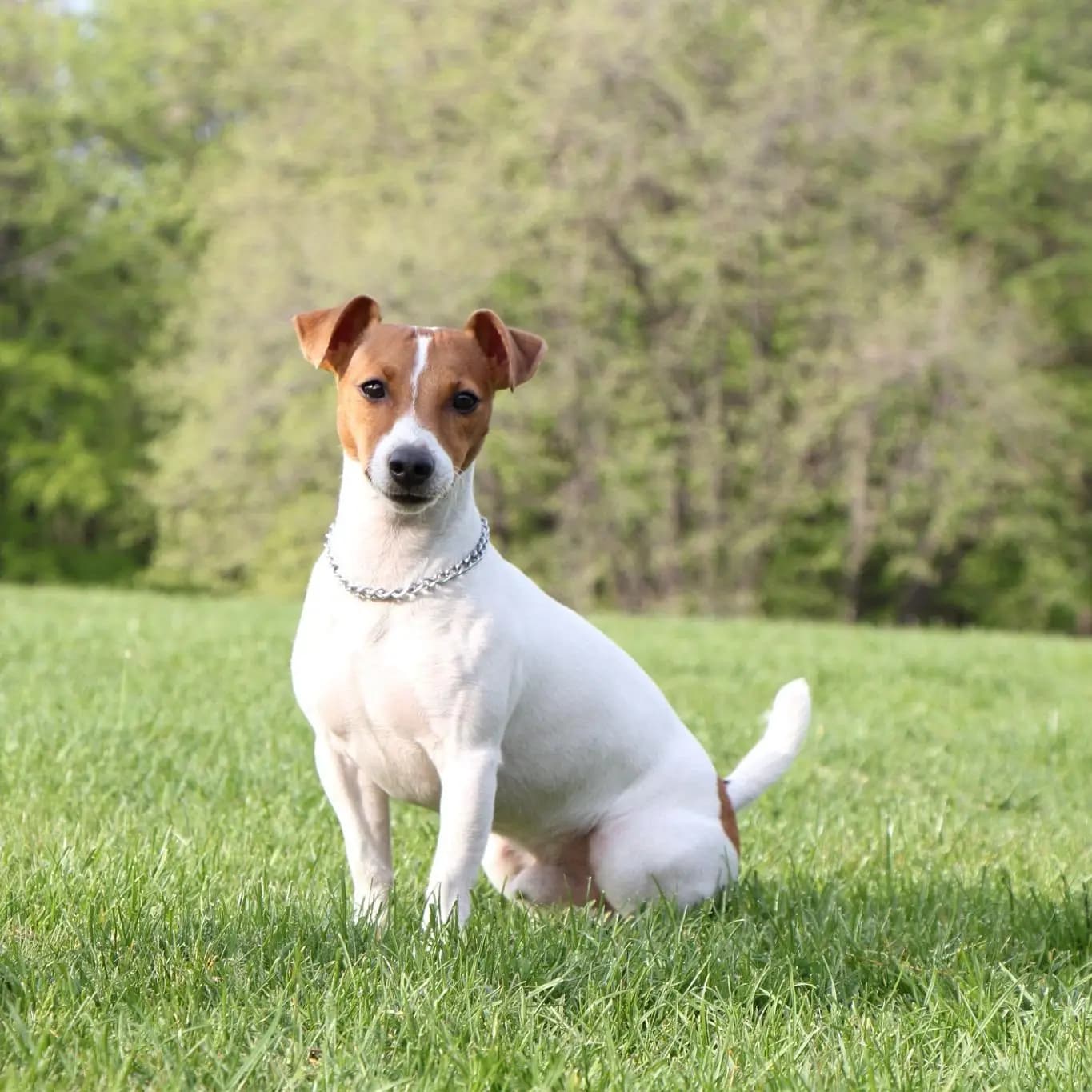
Jack Russell TerrierSame size & energy
Is the Miniature Wire-haired Dachshund right for you?
At a glance
Miniature Wire-haired Dachshund overview
The essentials — key facts, traits, and health priorities — before you dive deeper.
Lifespan
12–16 yrs
Shoulder height
18–21 cm
Weight
3–6 kg
Practical
- Puppy price: 1,200 – 2,500 €
- Coat: Dense, coarse, medium-length with dense undercoat
- Origin: Germany
Temperament
Energy
Trainability
Family fit
With kids
Daily life
Care effort
Shedding
Barking
City-friendly
Guard instinct
What matters most
Especially with a Miniature Wire-haired Dachshund, choosing the right breeder is the single most important decision you'll make. Serious breeders consistently test the parents for inherited conditions, prioritize healthy early socialization, and stay accountable long after handover. A cheap puppy without health screening tends to become the most expensive dog later on.
See HonestDog breeder standards →Colors & coat
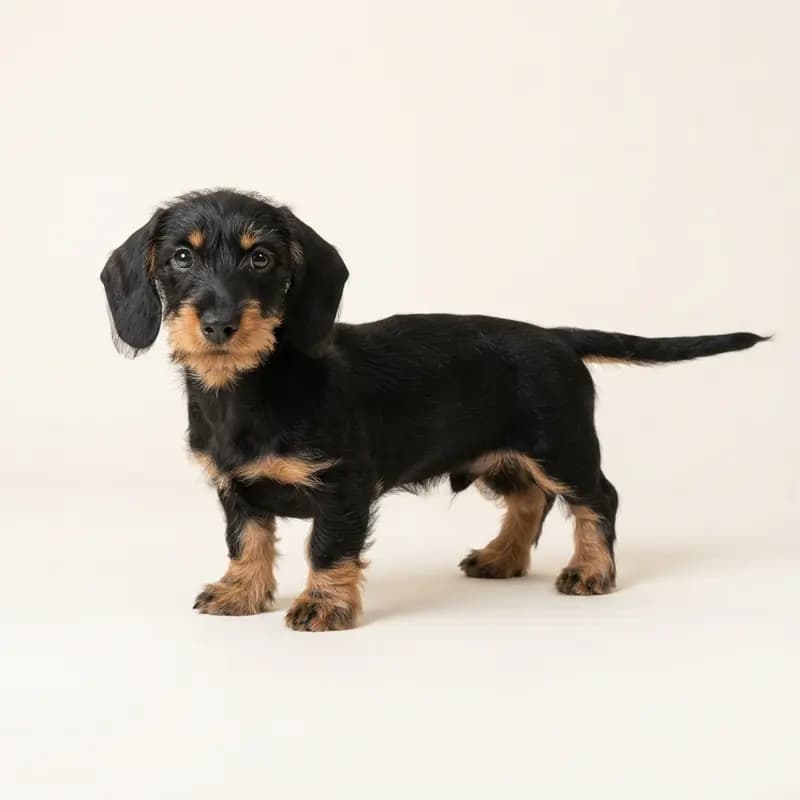
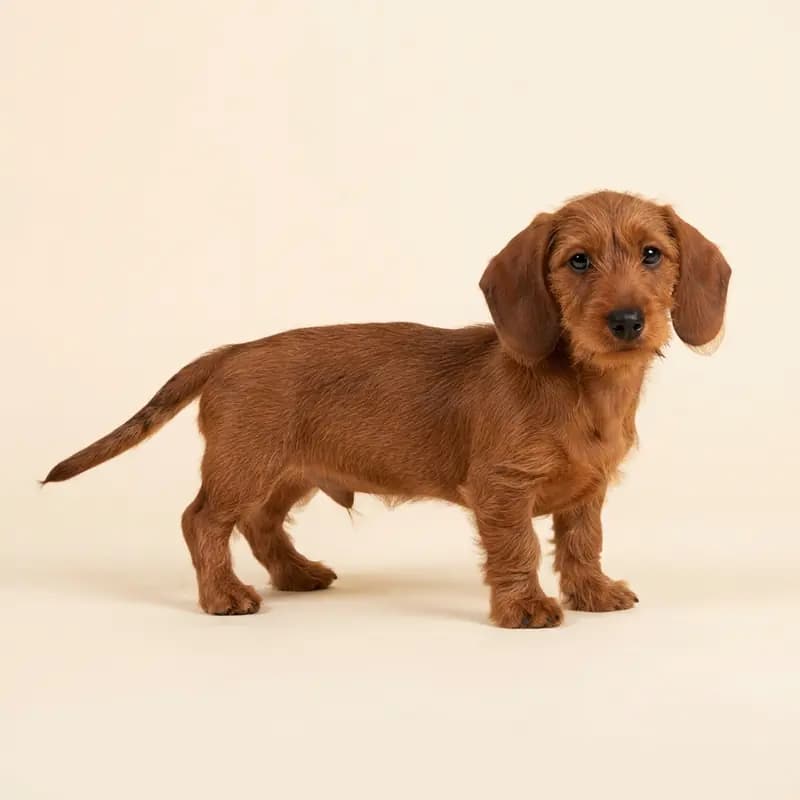
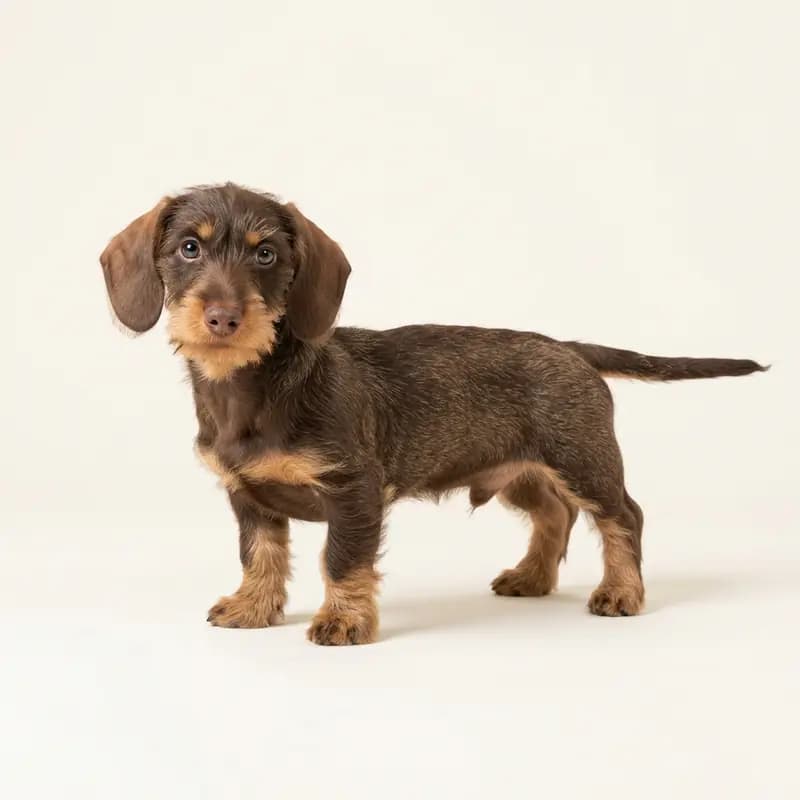
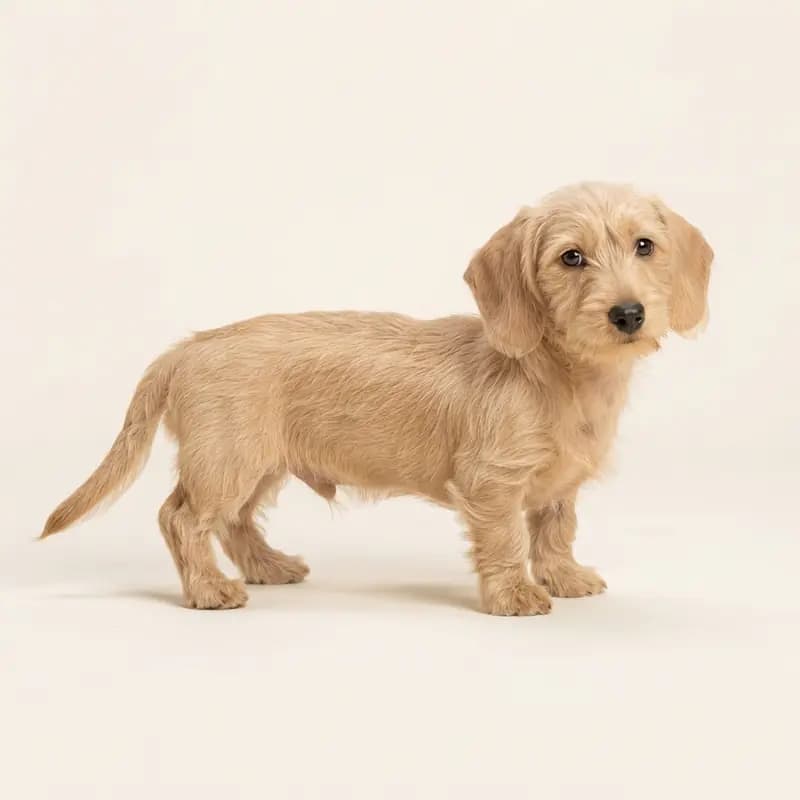
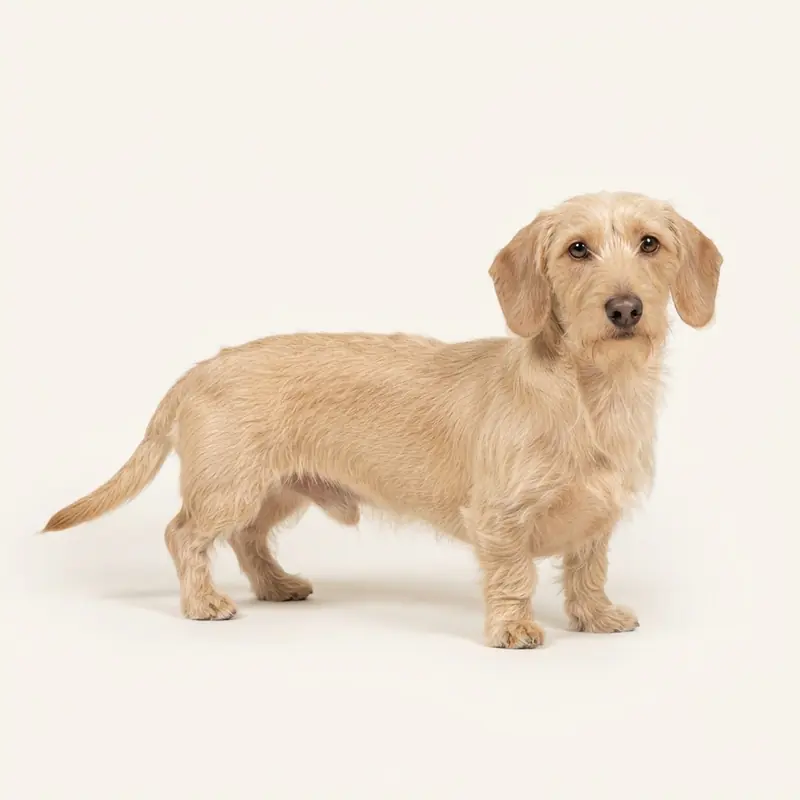
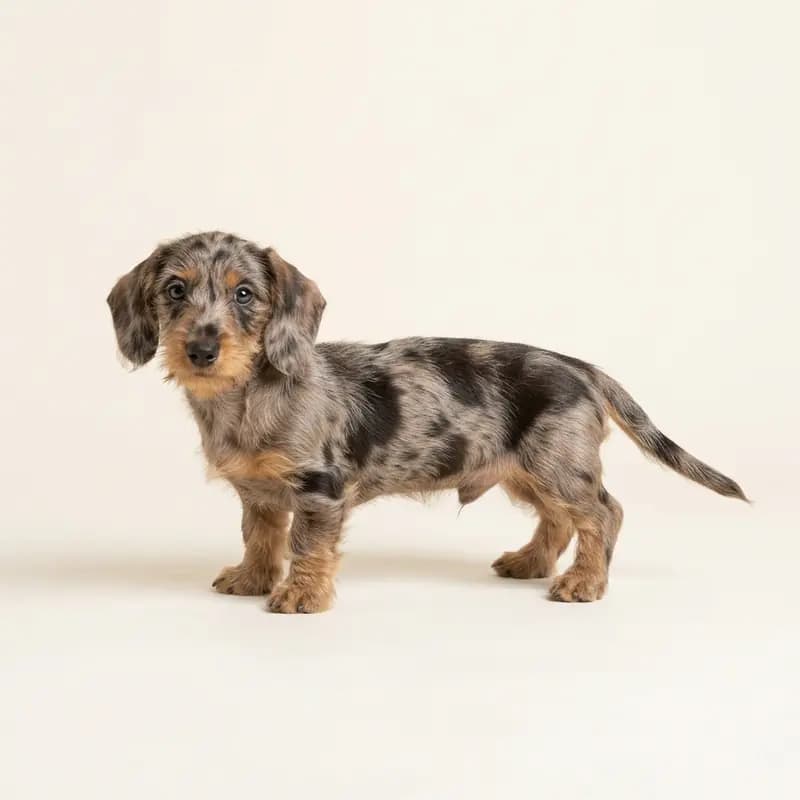
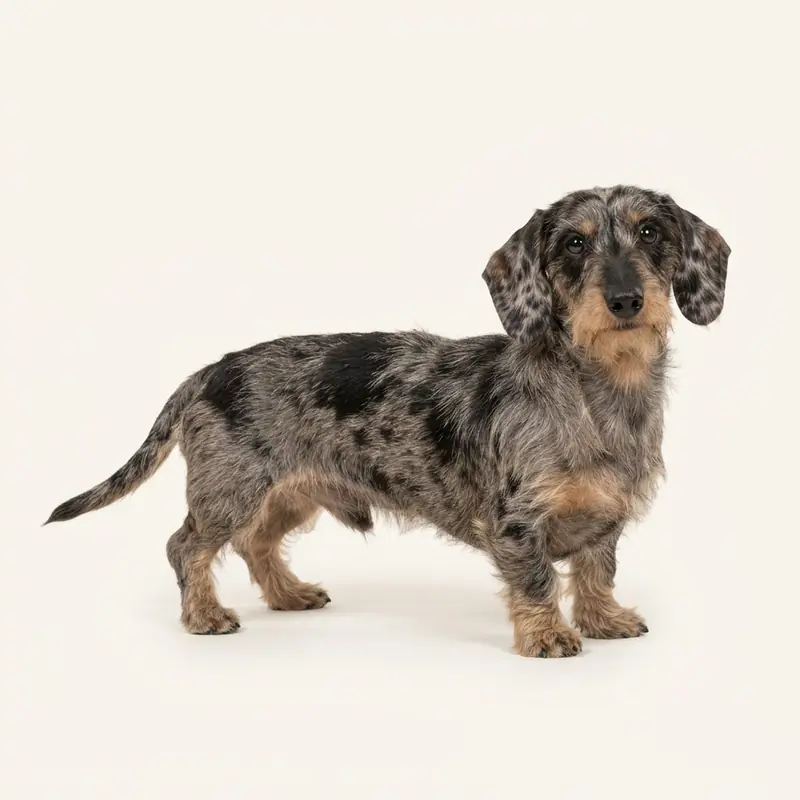
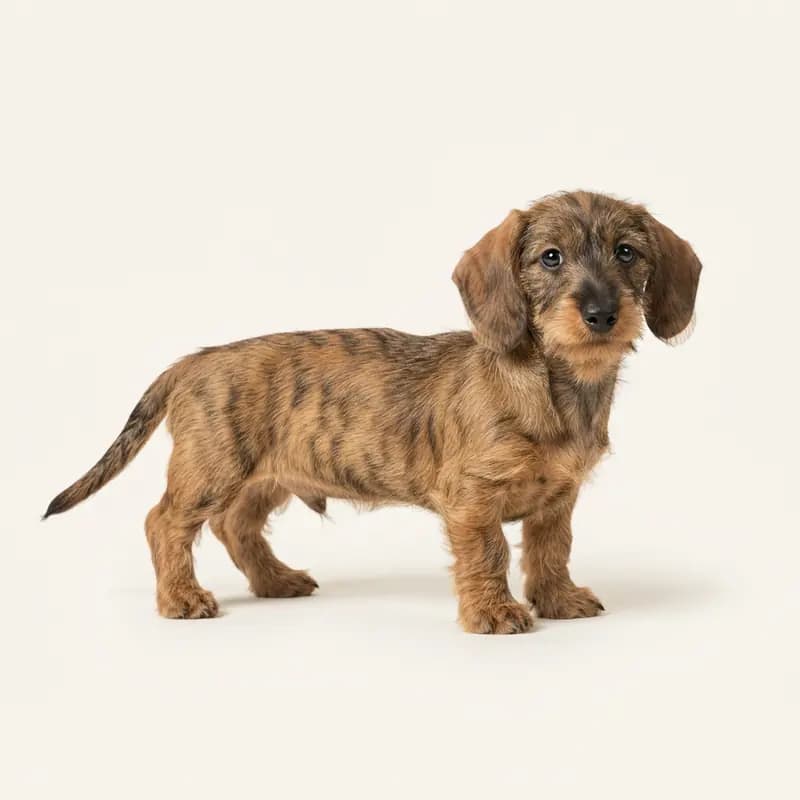
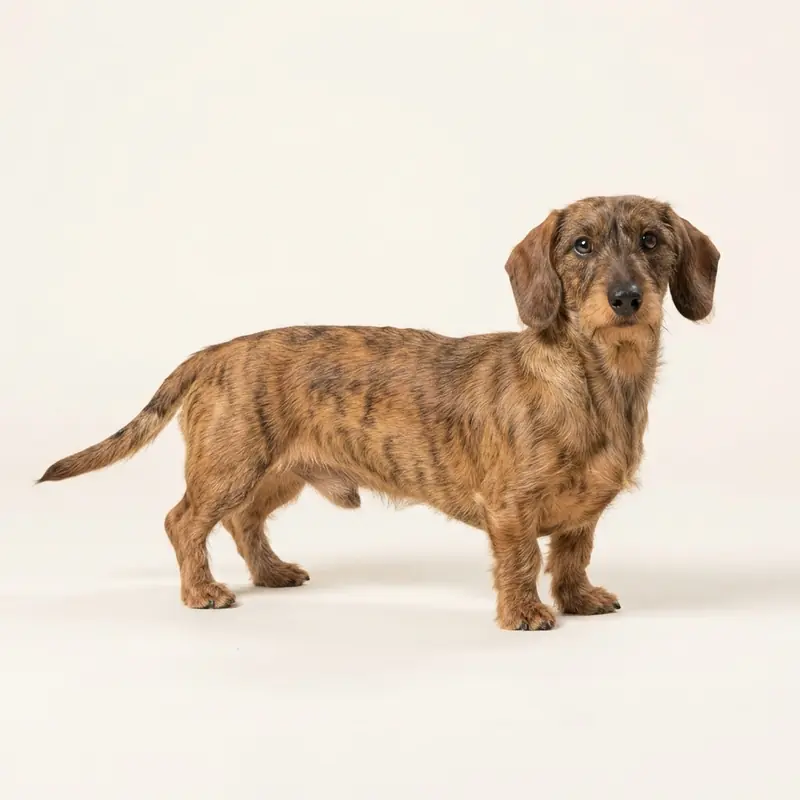
What colors does the Miniature Wire-haired Dachshund come in?
The coat colors that occur in the Miniature Wire-haired Dachshund — including which ones fall outside the breed standard and which carry genetic risk.
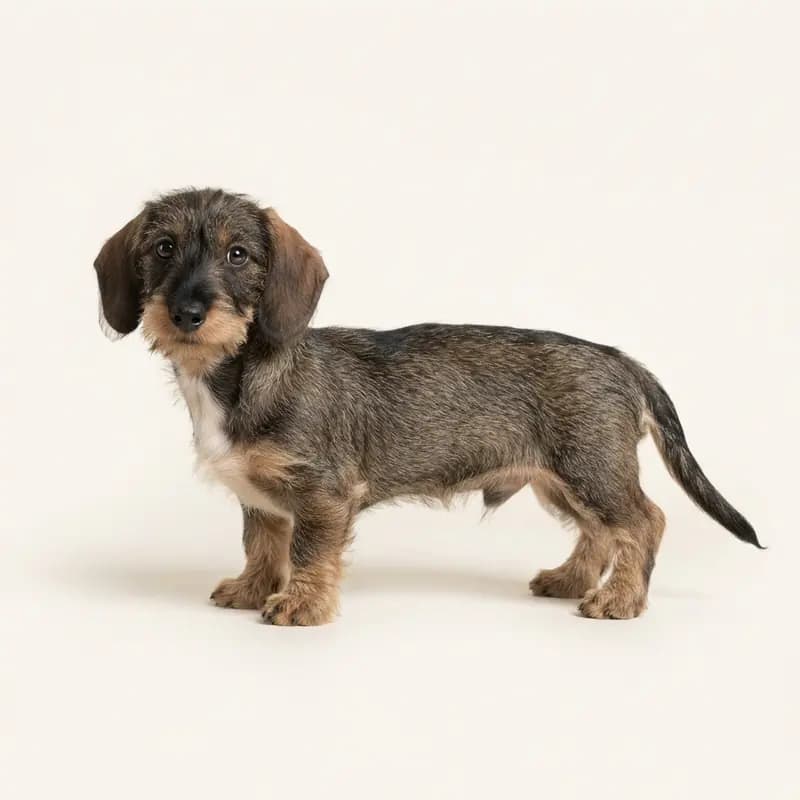
Eye colors
 Brown
Coat type
 Wire
 Double coat
Perfect for you if:
- You live in an environment where a vigilant, vocal dog with a loud bark won't cause problems with the neighbors.
- You are looking for a compact, weather-resistant companion who feels much more at home in wet undergrowth than on a silk cushion.
Less ideal if:
- You want a dog that reads your every wish from your eyes and is easy to mold.
- You have small, boisterous children and are looking for a limitlessly patient playmate — the wire-haired Dachshund has terrier blood and sets very clear boundaries if treated with disrespect.
The real vibes check
A Dachshund doesn't argue; he simply informs you of his decisions. What is vital for survival down in a fox den requires an owner in everyday life who celebrates this megalomania while still maintaining confident leadership. You aren't getting a lapdog, but a rugged, strong-willed character in a compact format.
Breed Profile
The miniature wire-haired dachshund is a small but sturdy dog breed that belongs to the dachshund group. Originally, it was bred in Germany for hunting badgers and other small game. Its distinctive feature is the wiry, dense wire hair that provides protection in dense underbrush. The body is elongated with short, strong legs, allowing it to work even in tight burrows. Also characteristic are the expressive head with bushy eyebrows and the lively, alert gaze. Within the breed, there are various color variations that make the appearance diverse. The miniature wire-haired dachshund is a lively and brave companion that brings a lot of energy and endurance despite its size.
All measurements in detail
- Height
- 18 - 21 cm (Female), 18 - 21 cm (Male)
- Weight
- 3 - 6 kg (Female), 4 - 6 kg (Male)
- Life Expectancy
- 12 - 16 yrs
- Character
- Loyal, intelligent, self-confident
- Coat
- Dense, coarse, medium-length with dense undercoat
- Coat Color
- Black, brown, red
- Price
- 1200 - 2500 €
Character & Temperament
The miniature wire-haired dachshund is a lively and brave little dog with a distinct character. Despite its compact size, it shows great endurance and a strong hunting instinct, which goes back to its original use as a burrowing and hunting dog. It is very attentive and alert, making it a good little watchdog. The miniature dachshund is very people-oriented and forms a close bond with its family. It loves spending time with its people but can also be headstrong and sometimes stubborn, which is why consistent and patient training is important. Due to its intelligence, it learns quickly but also needs mental challenges to stay balanced. Its rough, weather-resistant coat protects it during outdoor excursions, where it likes to use its nose. Exercise and activity are essential for the miniature dachshund, as otherwise it can tend to restlessness or destructive behavior. Despite its hunting drive, it can be well controlled with the right training. The miniature dachshund is a loyal companion who impresses with its charming nature and lively character both as a family dog and as an active leisure partner. It is alert but not overly aggressive and shows great loyalty to its people.
| Watchfulness Reports unusual activity but stays controlled. | Moderate |
| Openness to Strangers Neither pushily friendly nor suspicious. | Neutral |
| Hunting or Herding Drive Powerful instinct that can override recall when triggered. | Strong |
Fun Fact!
Miniature Dachshund (wire-haired): The miniature dachshund with wire hair may be small, but its brave character is huge! Originally bred to hunt in narrow fox burrows, it now impresses with its tireless sense of smell and its charming, wiry coat, which makes it particularly resistant to wind and weather.
What Awaits You
The miniature wire-haired dachshund is a lively and brave little dog with a distinctive wiry coat. These dogs are very affectionate and show a strong hunting instinct, especially in burrow hunting. They are intelligent and independent but require consistent training and sufficient activity. The wire-haired miniature dachshund is well suited as a family dog if socialized early.
Housing & Care
Miniature Dachshund (wire-haired): Miniature Dachshunds with wire hair are lively and curious dogs that, despite their small size, bring a lot of energy and endurance. They are very affectionate and form a close bond with their humans, which is why they do not like to be left alone for long. Due to their hunting instinct, they are alert and sometimes a bit stubborn, therefore requiring consistent but loving training. In families, they are usually friendly and can get along well with children as long as the interaction is respectful. They generally get along well with other dogs, especially if socialized early. They are suitable for living in the city or an apartment if they receive enough exercise and mental stimulation, such as through search games or short walks. A garden is a nice bonus but not a must. Miniature Dachshunds are ideal companions for people looking for a lively, loyal, and watchful small dog.
- Family Friendly
Loves family life and thrives in a group.
Family-oriented - Child Friendly
Gets on well with children — with adult supervision.
With supervision - Dog Friendly
Usually gets on fine with other dogs.
Generally tolerant - City Friendly
Adapts well to city living and urban environments.
Well-suited to city life
Owning a dog is a privilege, but it's also a real responsibility. Before you bring one into your life, be honest with yourself about the commitment it takes.
Training & Education
Miniature wire-haired dachshunds are independent and intelligent dogs that are eager to learn but can sometimes be stubborn. Their training requires patience, consistency, and above all, loving but clear leadership. Due to their hunting drive and independence, it is important to start training early and set clear boundaries for the miniature dachshund. The breed benefits from short, varied training sessions designed playfully to keep motivation high. Reward-based training with praise and small treats works best here. Miniature dachshunds are not dogs that need to be occupied for hours, but they do need regular mental challenges to avoid becoming bored or stubborn. Because of their strong hunting and scenting instincts, it makes sense to teach the miniature dachshund to reliably respond to recall and develop impulse control. Even though they are small, they should not be underestimated when it comes to their endurance and willpower. Miniature dachshunds are well suited for dog sports such as scent work or trick training, which correspond to their natural abilities and at the same time strengthen the bond with the owner. It is important that the training remains positive and that overstrain is avoided, as these dogs can be sensitive to pressure. Overall, the miniature dachshund requires balanced training that respects its independence but at the same time conveys clear rules. Those who are willing to invest time and patience will get a loyal, lively, and clever companion.
Nutrition & Care
Miniature Dachshund (wire-haired): Miniature Dachshunds with wire-haired coats require a balanced diet tailored to their size and activity level. High-quality dog food with sufficient protein supports their health and vitality. Be careful to avoid overweight, as Dachshunds can be prone to joint problems. The rough coat of the miniature Dachshund is weather-resistant and provides good protection against the cold. Regular brushing, about 1-2 times per week, helps keep the coat clean and healthy as well as removes loose hairs. During the shedding season in spring and autumn, increased shedding can occur, making more intensive brushing advisable. Additionally, occasional trimming or plucking of the rough topcoat is recommended to maintain the typical appearance. Miniature Dachshunds adapt well to the Central European climate. Their coat provides sufficient protection in cold temperatures, while in extreme heat, adequate shade and water should be ensured to prevent overheating. Regular exercise is important to strengthen muscles and prevent overweight.
| Care Level Regular brushing and occasional professional grooming. | Moderate |
| Exercise Needs Needs 1–2 hours of real exercise daily. | Active |
| Shedding Regular shedding — dog hair on clothes is now normal. | Moderate |
| Trainability Has its own ideas and will test limits. | Strong-willed |
Our experts are still reviewing this information. Spotted something wrong? Email us at info@honestdog.de.
Health & hereditary diseases
Health
C
Solid, watch carefully
Health grade
In the Miniature Wire-haired Dachshund, serious breed-specific risks exist for intervertebral disc disease (IVDD), chondrodystrophy (CDDY), and osteogenesis imperfecta (OI). The Deutscher Teckelklub 1888 e.V. (DTK) therefore mandates genetic tests and clinical findings for CDDY, OI, IVDD, cone-rod dystrophy (progressive retinal atrophy), as well as the exclusion of merle-to-merle matings for breeding; carriers may only be mated with clear partners. Responsible breeders additionally test for Lafora epilepsy, retinal atrophy - cone-rod dystrophy 4, patellar luxation (PL), and cataract. Before purchasing, have the breeder show you the breeding approval and all written test results of the parent animals in order to minimize the risk of severe nerve, eye, and bone damage.
Grade is relative to other breeds — AI-assisted and editorially reviewed.
Methodology and data: HonestDog Dog Breed Health Report 2026
What matters most for this breed
Tap any item to see details.
In daily life this can mean
You should strictly avoid stair climbing and jumping off furniture to protect his long back, and honestly budget for higher veterinary costs for potential joint and eye issues.
The breeder's role
Responsible breeders verify tests for CDDY, IVDD, OI, and cone-rod dystrophy (progressive retinal atrophy), and additionally screen for Lafora epilepsy as well as patellar luxation (PL).
Note: This health overview is AI-assisted and editorially reviewed. It is for orientation only and does not replace veterinary advice.
Health risks for this breed
What matters most for this breed — what's common, how much it affects the dog's life, and how to protect yourself as a buyer.
9
Risks tracked
7
Core standard
8
High severity
Eyes
Most affected area
Where this breed is vulnerable
Tap a body region to see the inherited conditions linked to it.
The three most important risks
Pick a region on the map to explore other areas.
severemoderatemild
How thoroughly does the breeder test?
Tier 1 is the core standard: the tests Deutscher Teckelklub 1888 e.V. (DTK) requires, plus further tests from the recommended health standard for this breed. Tiers 2 and 3 show how responsible breeders go beyond.
Core standard. Tests marked “Club standard” are required by Deutscher Teckelklub 1888 e.V. (DTK) for breeding approval; the others are part of the recommended health standard for this breed. Ask any reputable breeder for the results.
No entries in this tier.
Note: This health overview is AI-assisted and editorially reviewed. It is for orientation only and does not replace veterinary advice.
Costs & where to find one
How much does a Miniature Wire-haired Dachshund cost?
A Miniature Wire-haired Dachshund costs around ~€170 per month (€90 – €310, depending on your setup). The first year adds up to roughly ~€4,680 including purchase, equipment and puppy school; across the dog's life (14 years) it comes to about ~€30,650.
With surgery cover, running costs come to about ~€160 per month — in return, your share of a major operation drops from several thousand euros to around 20 percent.
Per month
~€170
In the first year
~€4,680
Across the dog's life
~€30,650
Estimated purchase price from a breeder: €1,200 – €2,500
Estimate at a mid-range setup (suburban, dry food, 1–2 hours of daily exercise), average German prices, as of July 2026.
Calculate your personal costs1-minute self-check with your own answers
Looking for a Miniature Wire-haired Dachshund?
Appearance, variants & origin
 Illustrative image
 Illustrative image
 Illustrative image
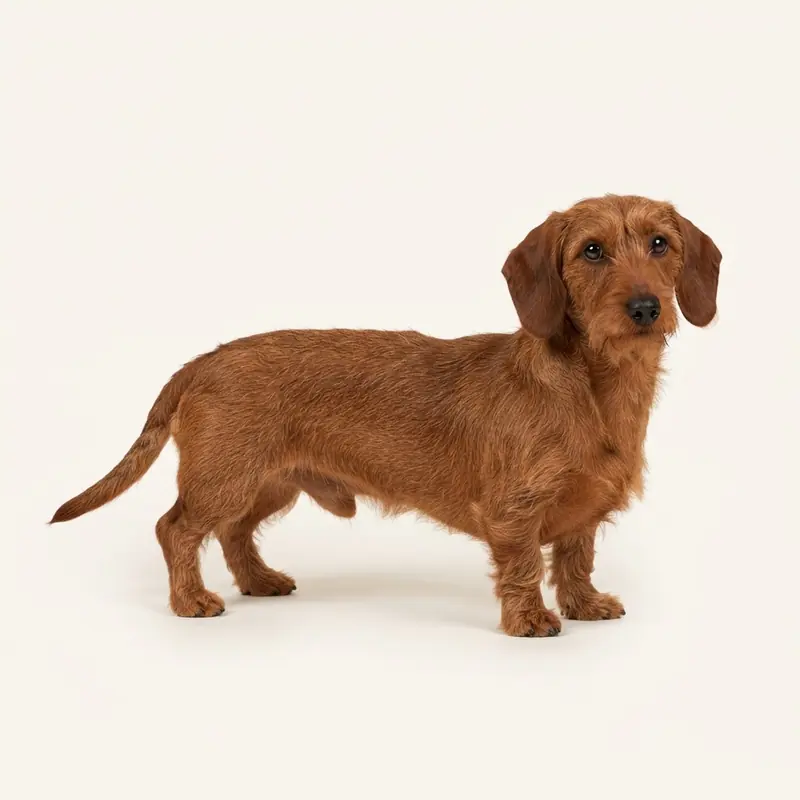 Illustrative image
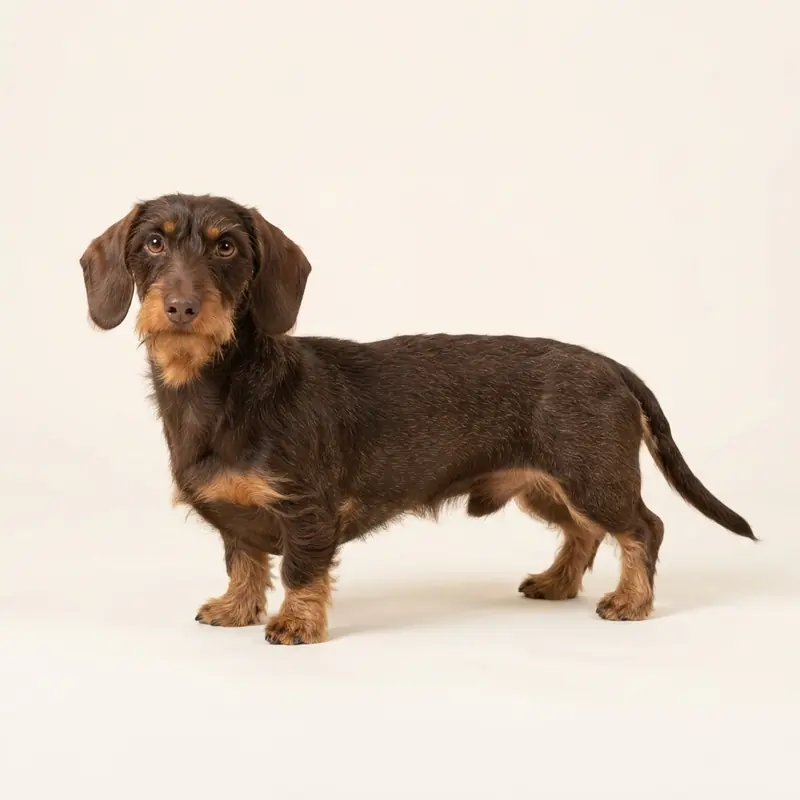 Illustrative image
History
The full history
The history of the miniature wire-haired dachshund begins in the 19th century in Germany. Originally, it was bred as a small, sturdy hunting dog specialized in hunting badgers and other small game in narrow burrows and under difficult conditions. The wire-haired variety arose through crossing with wire-haired hunting dogs to obtain a resilient, weatherproof coat. The miniature dachshund combines the typical characteristics of the dachshund – long body, short legs, and strong hunting instinct – in a compact form. Over time, the breed has been valued as a versatile companion and hunting dog and is now also popular as a family dog.
Original Use
The wire-haired miniature dachshund was bred as a small hunting dog for dense undergrowth and smaller game species.
Origin
Germany
Date
1800
Owner experiences
Many owners of Wirehaired Miniature Dachshunds describe everyday life with them as a mix of deep attachment and surprising liveliness.Summarized from publicly shared owner experiences
Many owners of Wirehaired Miniature Dachshunds describe everyday life with them as a mix of deep attachment and surprising liveliness. Despite their handy size, forums and owner groups unanimously describe them as full-fledged, energetic dogs that are anything but mere lapdogs. Indoors they want to be as close to their people as possible, love snuggling on the sofa, and fit into families very well with clear leadership.
At the same time, reports keep highlighting how alert and self-confident these little dogs are. Noises at the door or visitors are reliably announced in a surprisingly deep voice, which can turn into a habit of barking if owners don't work on it early. Owners also often report that a Miniature Dachshund is frequently unaware of its small size and tends to act like a much bigger dog when meeting other dogs, so it needs its people to protect it from itself and to lead with foresight.
Two topics come up constantly in owner reports on training the Wirehaired Miniature Dachshund: its notorious stubbornness and a strong hu…Summarized from publicly shared owner experiences
Two topics come up constantly in owner reports on training the Wirehaired Miniature Dachshund: its notorious stubbornness and a strong hunting drive. Owners regularly describe how these dogs learn lightning-fast but, in daily life, often question whether a cue makes sense before following it. Harshness or pressure usually leads to complete refusal; owners have the most success with loving consistency, humor, and high-value rewards.
For many owners, off-leash walks remain an ongoing challenge. Because of their hunting heritage, Miniature Dachshunds react very strongly to movement and fresh trails, from mouse holes to rabbits to cats running off. That's why many owners rely on long lines in the woods or fields and put their dogs' keen sense of smell to work with scent work, tracking games, or mantrailing to channel the drive in an orderly way.
Sources:dogssupreme.demarthas-koeln.de
On grooming and health, two topics dominate in the owner community: hand-stripping the coat properly and preventing back problems.Summarized from publicly shared owner experiences
On grooming and health, two topics dominate in the owner community: hand-stripping the coat properly and preventing back problems. Many owners stress how important it is to hand-strip regularly every few months. If the dense wire coat is clipped by mistake, it loses its resistance to dirt and weather and turns soft or itchy, a mistake experienced Dachshund fans warn newcomers about again and again.
When it comes to health, fear of "Dachshund paralysis" (herniated discs) runs through owner reports. Owners exchange a lot of advice on prevention: many avoid steep stairs, put in dog steps or ramps for the couch and bed, and are meticulous about keeping the dog at a lean ideal weight with well-trained back muscles. Despite these risks, most owners find the breed tough, long-lived, and active into old age when it is well cared for and comes from a solid breeder.
Paraphrased from real owner reports · translated from German
FAQ & more
Is a Miniature Wire-haired Dachshund the right dog for me?
The Miniature Wire-haired Dachshund is an adaptable dog that adjusts well to various lifestyles. Research the temperament, grooming needs, and space requirements before deciding.
How long does a Miniature Wire-haired Dachshund live?
The average life expectancy of a Miniature Wire-haired Dachshund is 12-16 years. With proper care and regular vet visits, your dog can live a long, healthy life.
How much grooming does a Miniature Wire-haired Dachshund need?
Miniature Wire-haired Dachshund grooming requirements include regular brushing, nail trimming, and dental care. HonestDog provides detailed grooming tips for every breed.
Is a Miniature Wire-haired Dachshund good for families with children?
The Miniature Wire-haired Dachshund can be a great family dog. Proper training and socialization are key. HonestDog provides family suitability information for every breed.
What colors does the Miniature Wire-haired Dachshund come in?
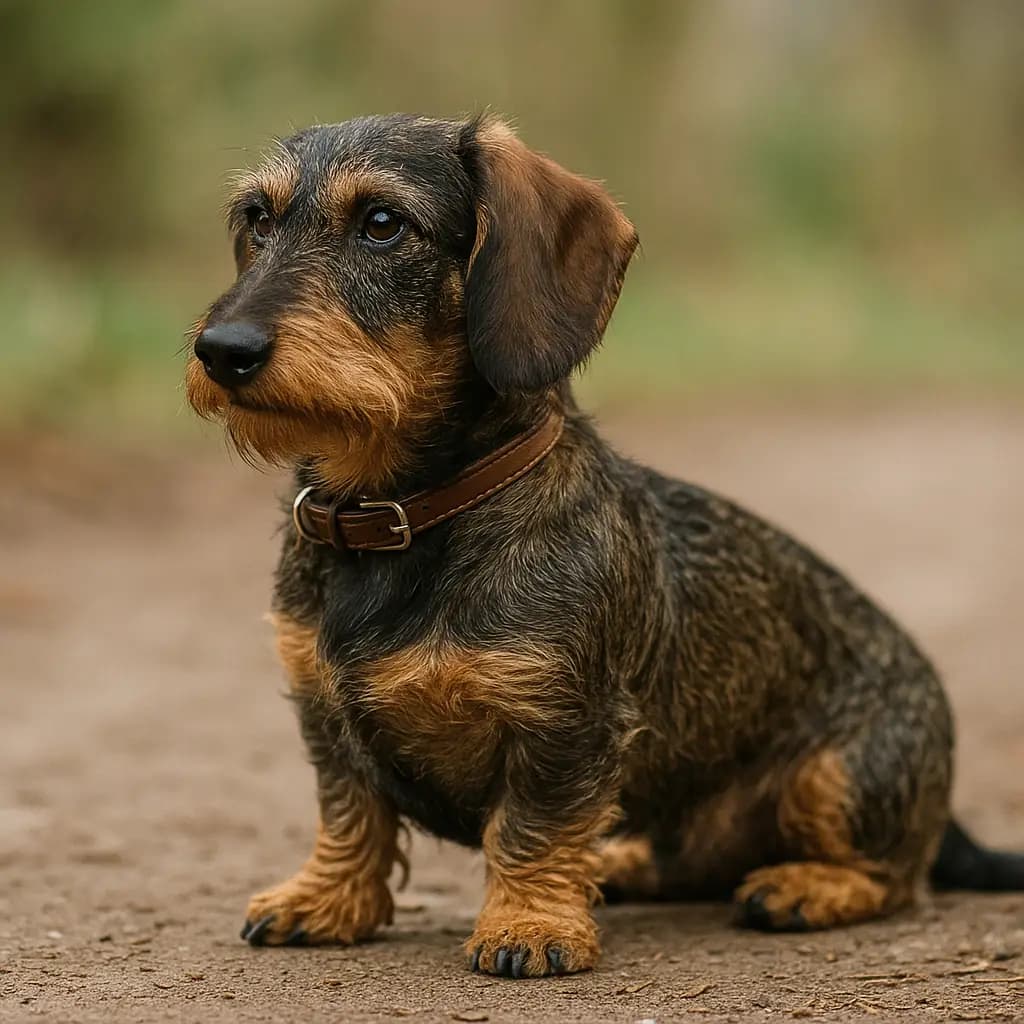
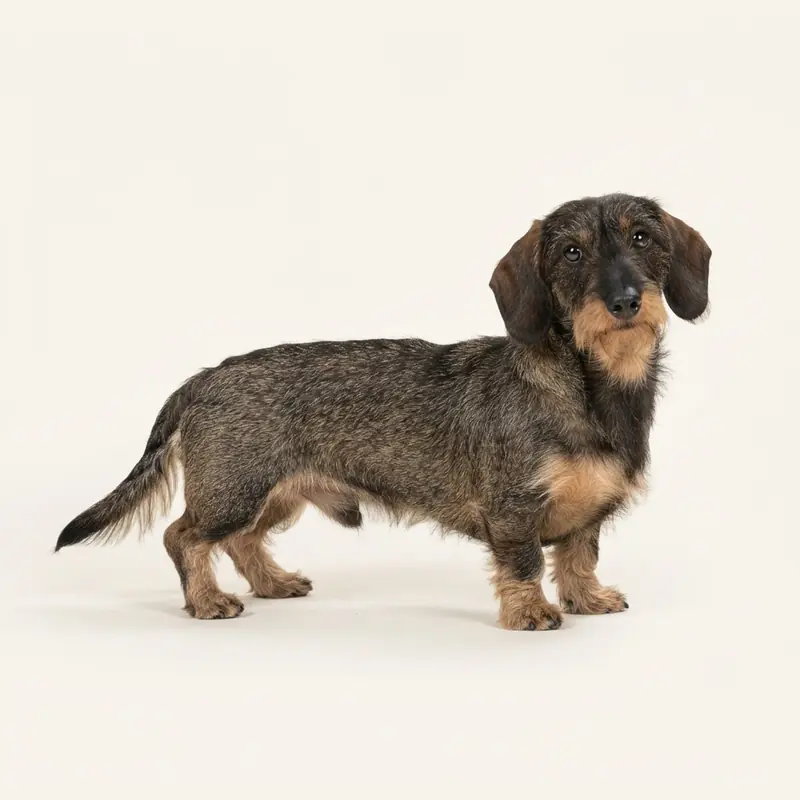
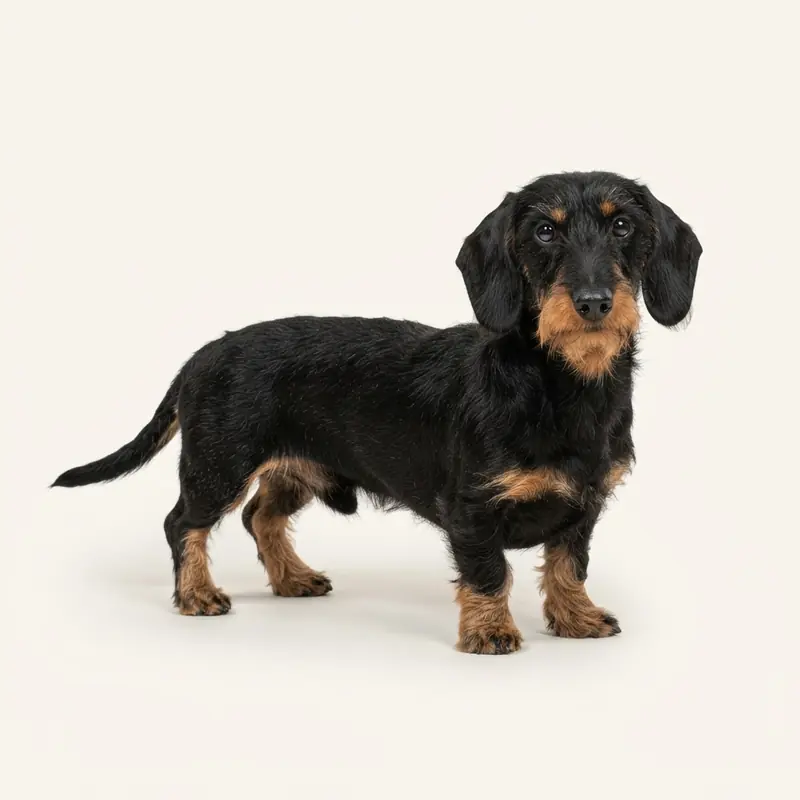
The Miniature Wire-haired Dachshund comes in these colors: Wild boar, Black and tan, Red, Brown and tan, Wheaten, Merle, Brindle.
Are you a Miniature Wire-haired Dachshund breeder?
Showcase your kennel on HonestDog and reach families searching for a responsibly bred Miniature Wire-haired Dachshund.