Loading breed
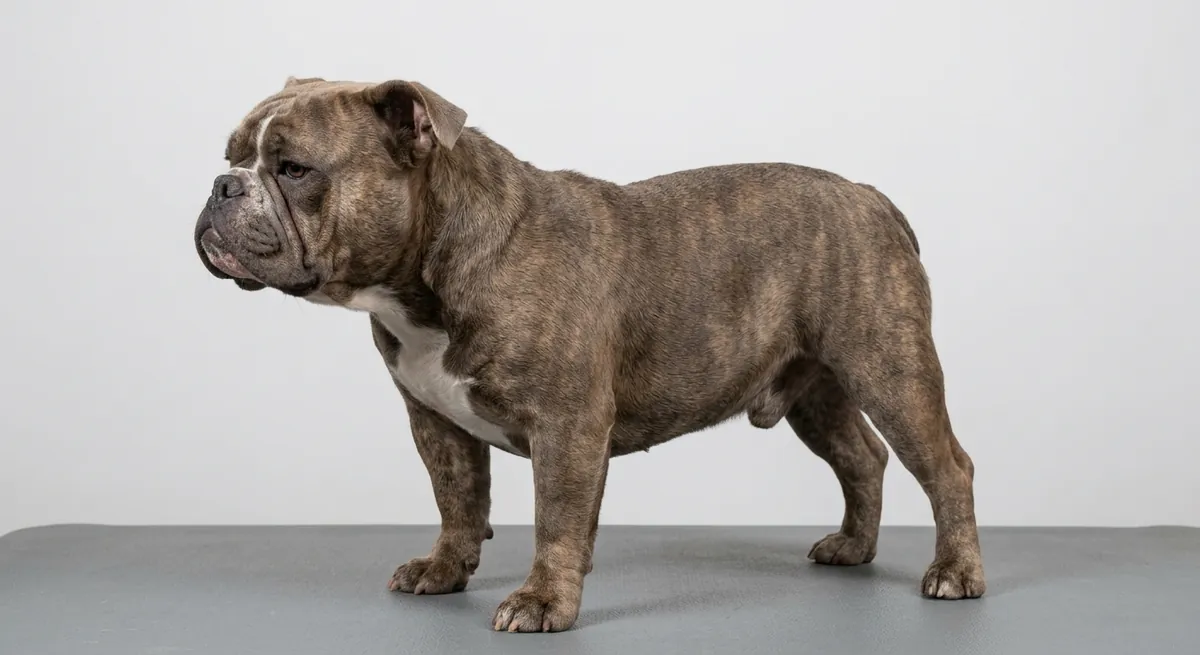
Exotic Bully
Health grade E- Height28–40 cm
- Weight18–34 kg
- Life expectancy7–10 yrs
- Puppy price3,000–8,000 €
- Energy2/5
Why this breed is missing
Why we don't currently place Exotic Bully puppies
The breed-specific health risks for the Exotic Bully are high—especially when it comes to breathing and stamina. In these cases, a lot depends on the breeder: on consistent screenings, transparent results, and breeding selection that prioritizes health over appearance. Assessing this breed is complex and not straightforward. We currently don't have a standard for this that we would rely on—which is why we aren't showing any breeders or puppies for this breed for the time being. As soon as we can change this, we'll include the breed again.
See dogs available for adoptionThe Essentials at a Glance
The Exotic Bully is an extremely exaggerated designer breed within the extreme bull type—bred not for a job, but purely for a massive, lowered look that places tight physical limits on him in everyday life.
- Health grade E: Due to its extreme anatomy and genetic disposition, the Exotic Bully carries a significant risk of disease.
- You're looking for a dog for very short, leisurely strolls, as his massive build makes long walks physically impossible.
- You live on the ground floor or have an elevator, because climbing stairs is an absolute taboo for this hefty physique.
- You expect an active companion for hikes, jogging sessions, or dog sports—he was bred to look massive, not to move with endurance.
Is the Exotic Bully right for you?
At a glance
Exotic Bully overview
The essentials — key facts, traits, and health priorities — before you dive deeper.
Health grade
Relative to other breeds
S
A
B
C
D
E
Very healthyHigher risk
High risk — only worth it from a thoroughly tested program.
See full health info & tests →
Note: This health overview is AI-assisted and editorially reviewed. It is for orientation only and does not replace veterinary advice.
Lifespan
7–10 yrs
Height
28–40 cm
Weight
18–34 kg
Practical
- Puppy price: 3,000 – 8,000 €
- Coat: Short, smooth coat
- Origin: USA (Kalifornien)
Temperament
Energy
Trainability
Family fit
With kids
Daily life
Care effort
Shedding
Barking
City-friendly
Guard instinct
What matters most
Especially with a Exotic Bully, choosing the right breeder is the single most important decision you'll make. Serious breeders consistently test the parents for inherited conditions, prioritize healthy early socialization, and stay accountable long after handover. A cheap puppy without health screening tends to become the most expensive dog later on.
See HonestDog breeder standards →Colors & coat
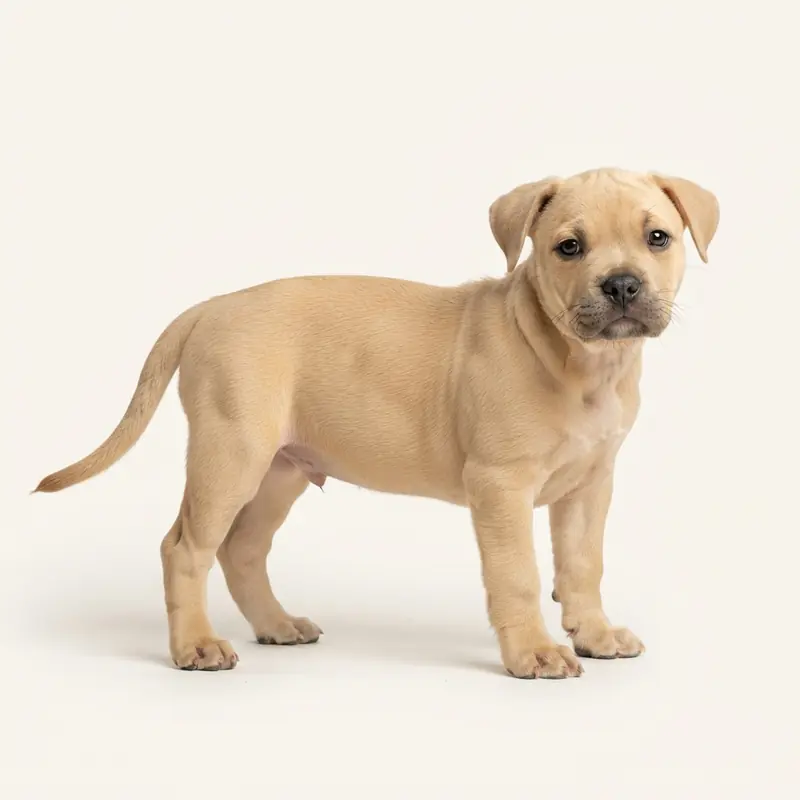
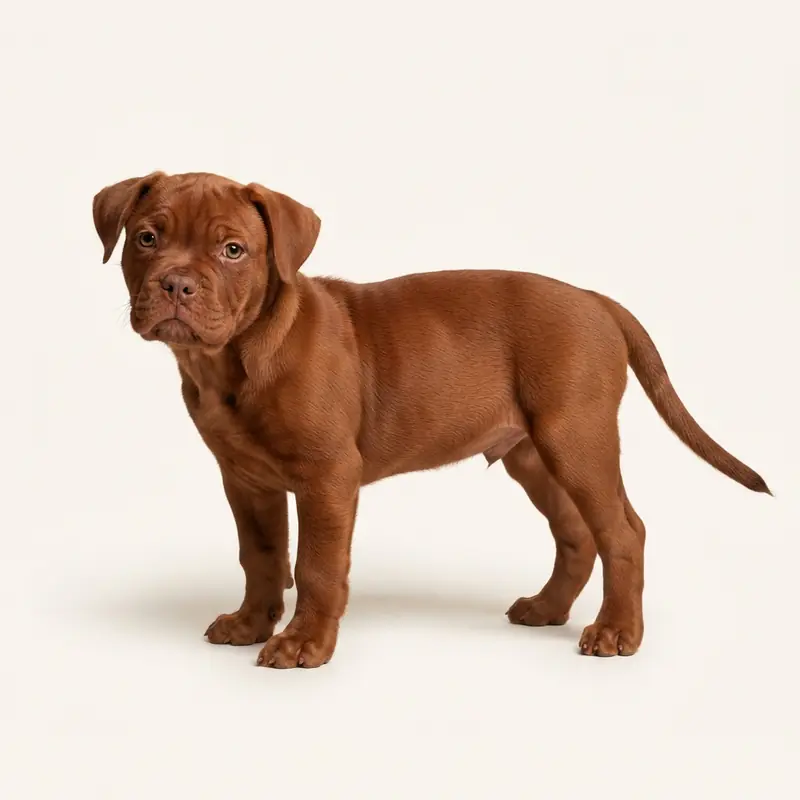
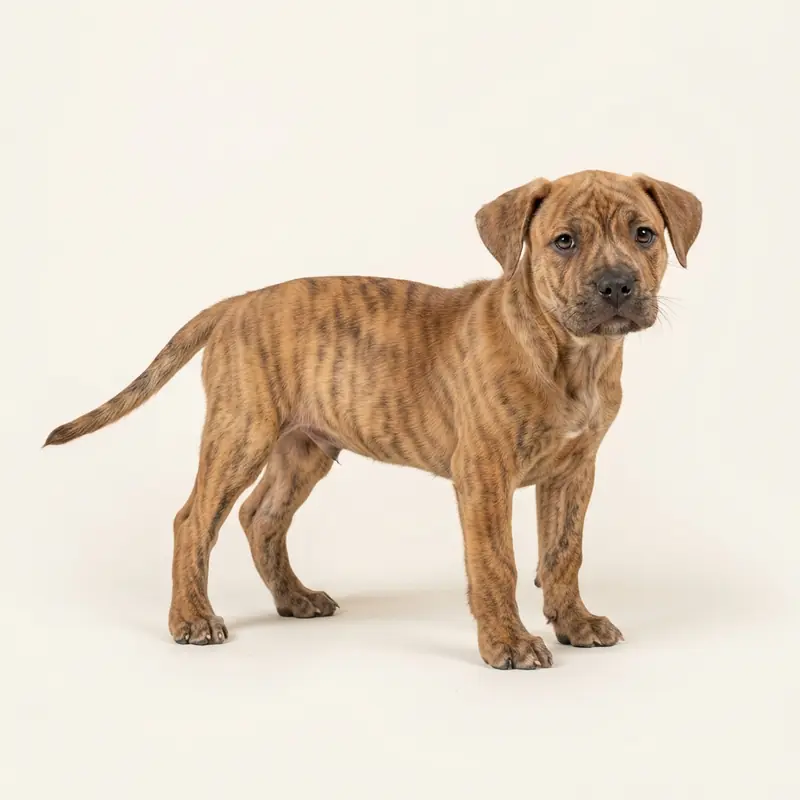
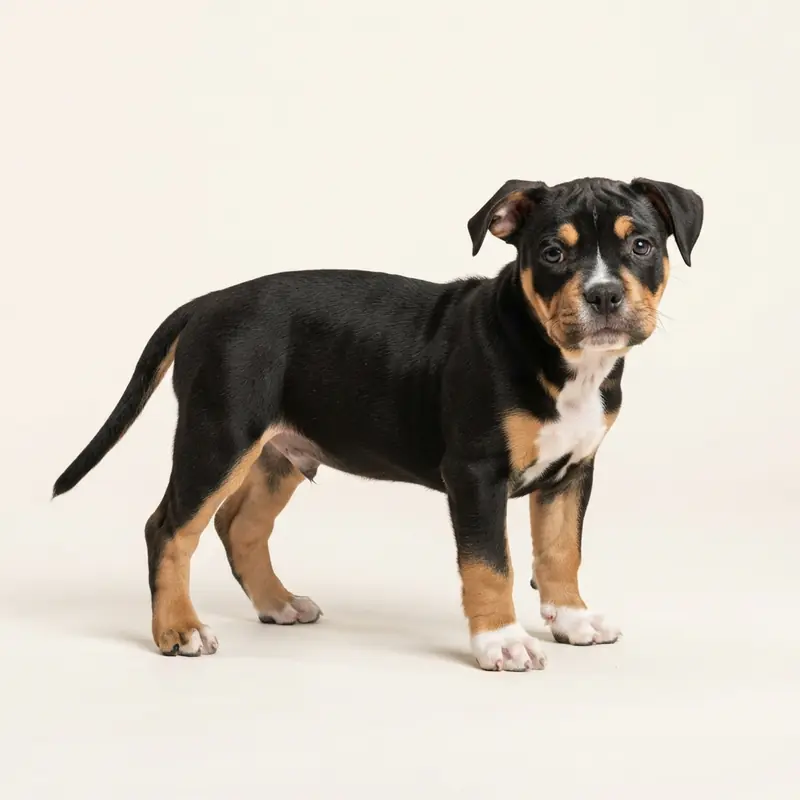
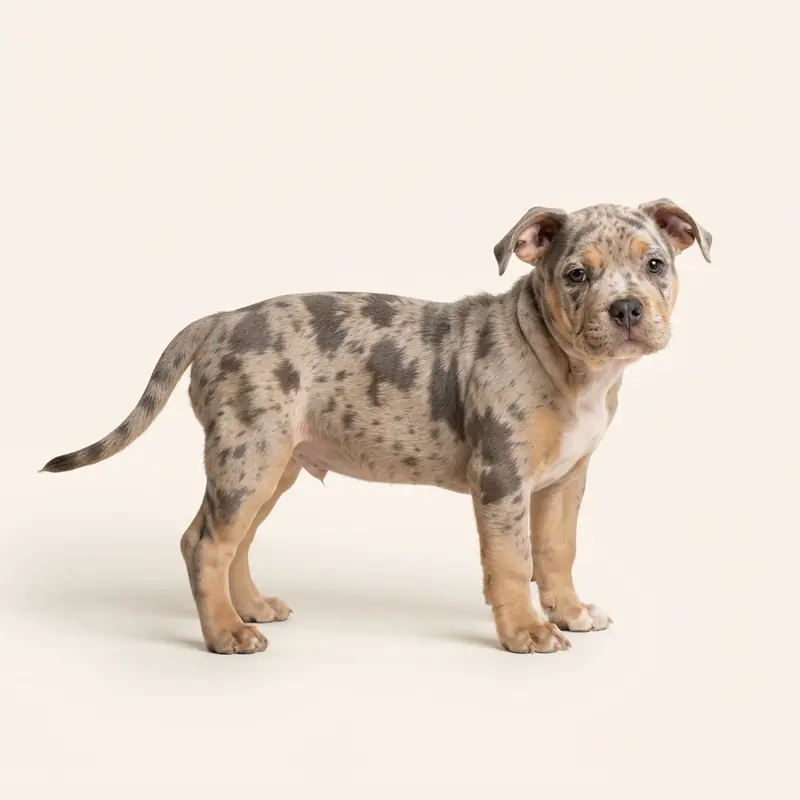
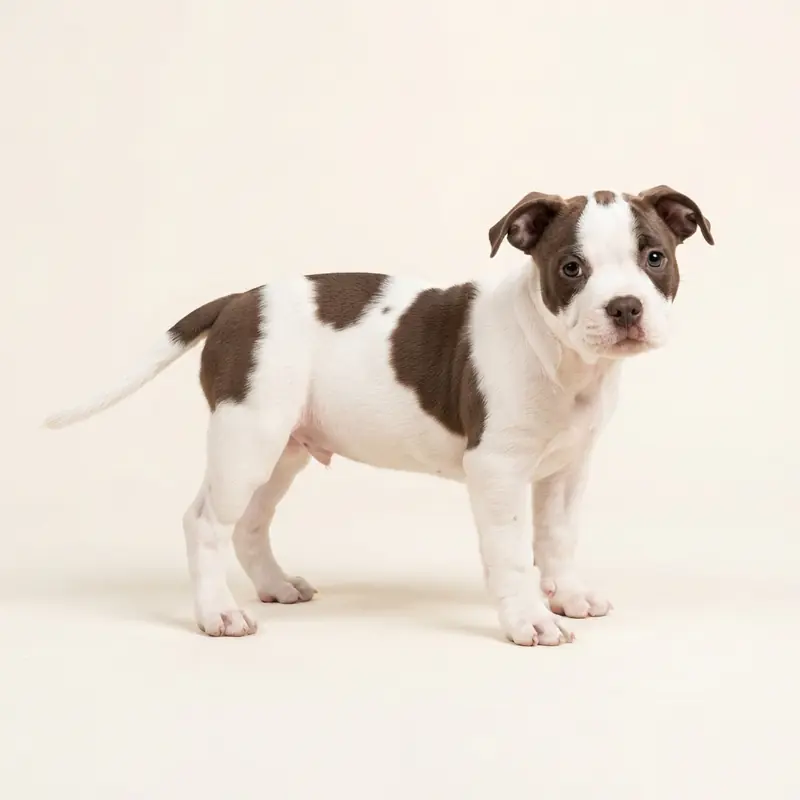
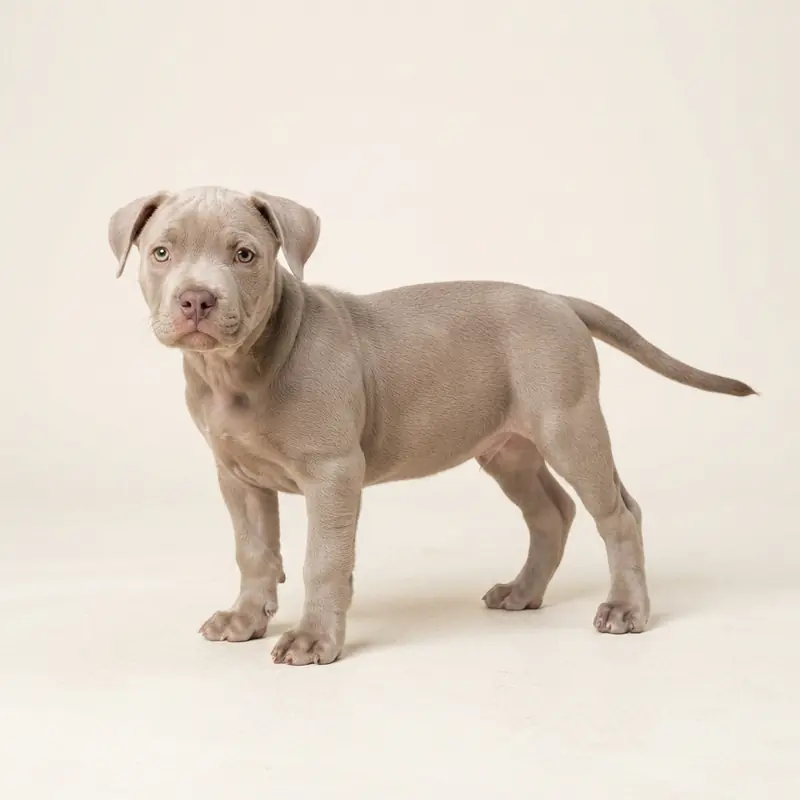
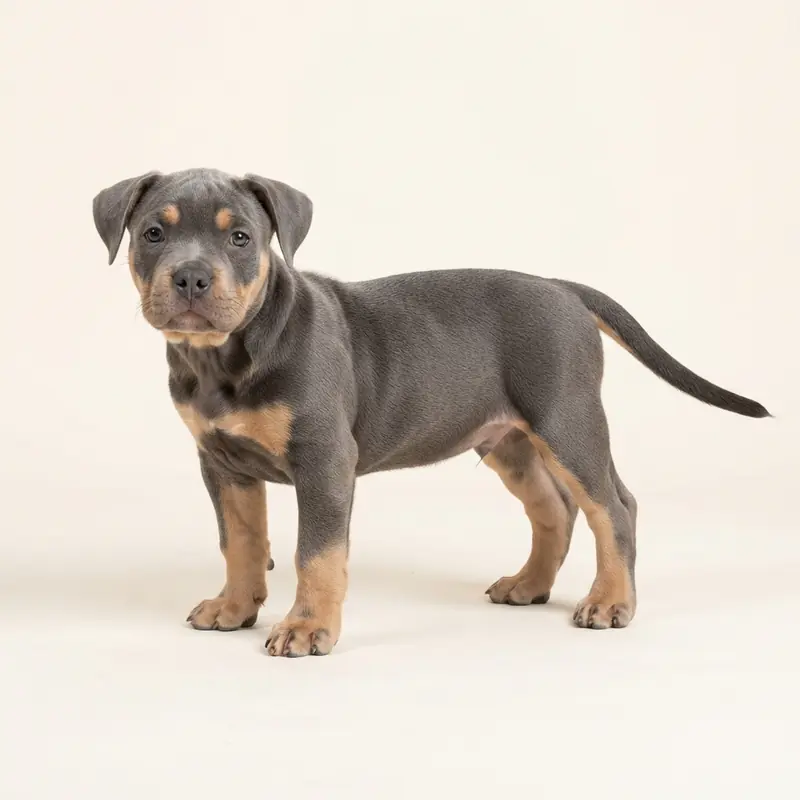
What colors does the Exotic Bully come in?
The coat colors you will see in Exotic Bully litters — including which ones fall outside the breed standard and which carry genetic risk.
Eye colors
 Brown
Brown Blue
Blue Amber
Amber Green
Green Odd-eyed
Coat type
 Short
Short Smooth
Is the Exotic Bully right for you?
Perfect for you if:
- You're looking for a dog for very short, leisurely strolls, as his massive build makes long walks physically impossible.
- You live on the ground floor or have an elevator, because climbing stairs is an absolute taboo for this hefty physique.
- You appreciate an affectionate, stubborn, but usually very people-oriented companion who loves to snuggle up right next to you on the sofa.
- You have a generous financial cushion and time for intensive grooming, such as the daily cleaning of deep skin folds.
Less ideal if:
- You expect an active companion for hikes, jogging sessions, or dog sports—he was bred to look massive, not to move with endurance.
- You live in a hot top-floor apartment or love being active outdoors in the summer—heat is extremely dangerous for this dog.
- You want a dog with a predictable character and high life expectancy—with this extreme breeding, you're buying a grab bag often plagued by massive limitations.
The real vibes check
An Exotic Bully is like a lowered bodybuilder in a tailored suit—he looks impressive in photos, but gets completely out of breath at the slightest sprint. You're not getting a robust dog, but a high-maintenance design statement that demands your absolute consideration in everyday life. If you're ready to adapt your life entirely to his physical limits, you'll have an extremely loyal shadow; if not, you'll both suffer in daily life.
Self-check
Would the Exotic Bully really fit your life?
Answer 6 quick questions about your everyday life and see how well the Exotic Bully fits you — including an honest cost estimate per month, per year, and across the dog's lifetime.
Fit checkCost estimateRisk dice
Takes about 1 minute · free & anonymous
Breed Profile
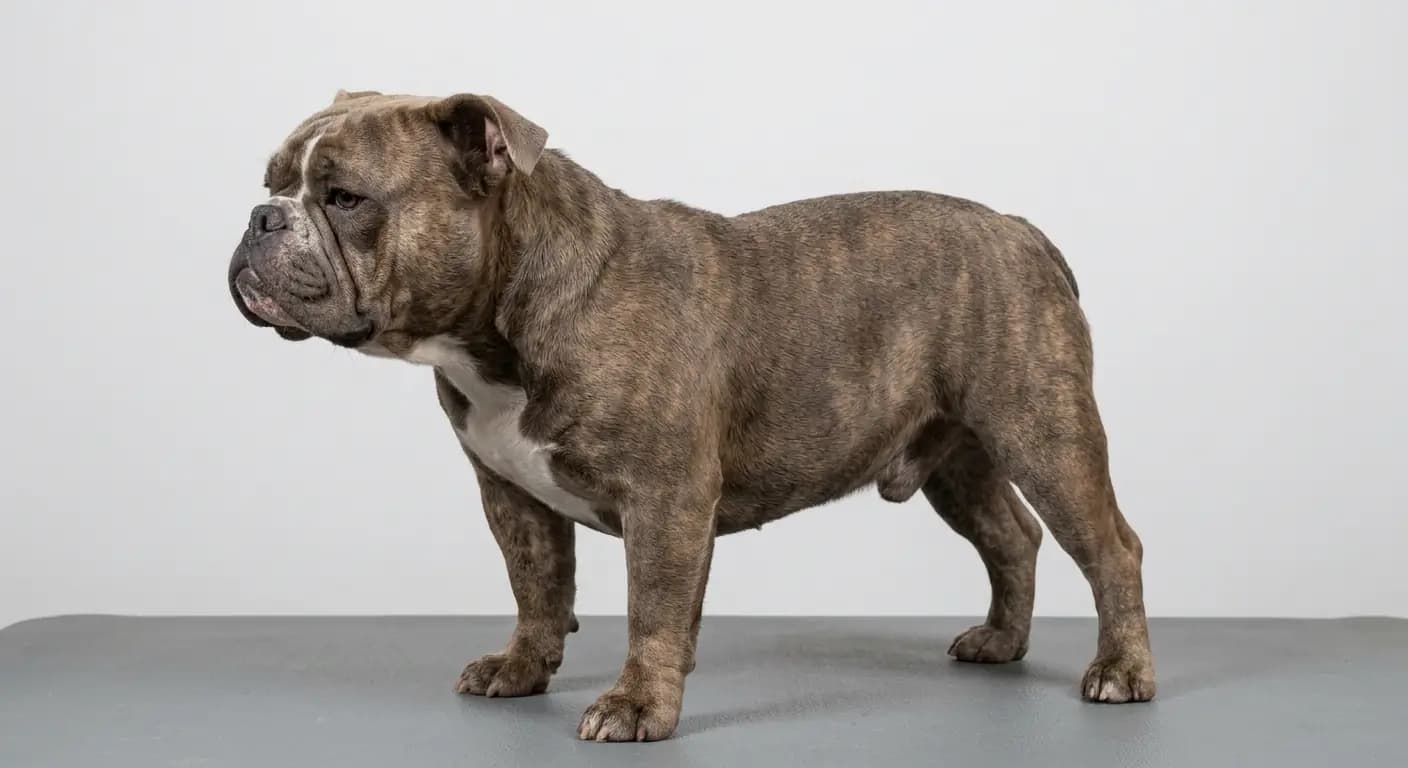
The Exotic Bully is the most extreme form of the American Bully: a dog with severely shortened legs, massive bone structure, and an extremely short muzzle, bred for the most unusual, compact appearance possible. These features are not side effects, but the actual breeding goal, resulting in correspondingly severe health consequences for the animals.
All measurements in detail
- Height
- 28 - 38 cm (Female), 30 - 40 cm (Male)
- Weight
- 18 - 28 kg (Female), 20 - 34 kg (Male)
- Life Expectancy
- 7 - 10 yrs
- Character
- affectionate, calm, severely physically limited, easily exhausted, people-oriented
- Coat
- Short, smooth coat
- Coat Color
- Varied, including blue, merle, lilac, chocolate
- Price
- 3000 - 8000 €
Character & Temperament
Despite its intimidating appearance, the Exotic Bully is generally considered affectionate, calm, and people-oriented. Due to its physical limitations, it is low-activity and tires quickly, which is easily misinterpreted as composure, but is actually an expression of limited physical tolerance. Many animals experience respiratory distress even with mild exertion. Furthermore, the limited facial expressions caused by the extreme head shape make communication with other dogs difficult.
| Watchfulness Greets everyone as a friend — no natural guarding instinct. | Very low |
| Openness to Strangers Neither pushily friendly nor suspicious. | Neutral |
| Hunting or Herding Drive Barely any prey drive — small animals trigger nothing. | Very low |
Fun Fact!
The Exotic Bully is bred so extremely that due to the combination of dwarfism and short-headedness, some veterinarians classify it as one of the most medically compromised dog types worldwide.
What Awaits You
The Exotic Bully originated around 2012 in the USA from the American Bully and is purposefully bred for extreme traits that are considered faults in other breeds: severely shortened, sometimes bowed legs, an excessively wide head, and a muzzle so short that the airways are significantly constricted. This combination of dwarfism and extreme brachycephaly makes the Exotic Bully one of the most medically compromised dog types in existence. HonestDog does not list puppies of this type, as the namesake extreme traits are directly linked to chronic suffering, and breeding for them is legally questionable in Germany. Anyone interested in the Bully look should be aware that a healthily proportioned dog without these extremes is possible and will lead a significantly longer, pain-free life.
Housing & Care
The Exotic Bully is only very conditionally suitable for a city apartment. Although it behaves calmly and has a low drive to move, its massive health limitations make climbing stairs and managing everyday city life considerably difficult. A barrier-free home or a house with a garden is therefore significantly better suited for it. When interacting with children, it shows average compatibility, but should never be overwhelmed due to its limited resilience. Communication with other dogs is made difficult by its extremely altered head shape and facial expressions, which can make living with conspecifics problematic.
- Family Friendly
With careful introduction and clear rules, suitable for family life.
Can work in families - Child Friendly
Gets on well with children — with adult supervision.
With supervision - Dog Friendly
Can get on with dogs it knows — strangers are a different story.
With familiar dogs - City Friendly
Suffers in tight urban conditions.
Needs the countryside
Owning a dog is a privilege, but it's also a real responsibility. Before you bring one into your life, be honest with yourself about the commitment it takes.
Training & Education
When training and keeping the Exotic Bully occupied, you must always take its extreme physical limits into account. Since this dog tires very quickly and is not very active, training sessions should be kept short, calm, and without peak physical exertion. Due to its willingness to cooperate, it quickly overexerts itself, which is why you must end training in good time. This crossbreed is brachycephalic, which is why exertion and heat must be strictly limited. Only go outside during the cool morning or evening hours and keep walks short. Heavy breathing noises or severe panting are clear signals to stop, at which point you must immediately cease all activity. Mental stimulation in the shade is always preferable to long walks. In everyday life, also make sure to clean its skin folds daily and consistently avoid overloading the joints.
Nutrition & Care
Exercise should be short, kept to cool conditions, and adapted to restricted breathing; prolonged exertion or heat can be life-threatening for the Exotic Bully. Skin folds must be inspected and cleaned daily. Due to the concentration of health issues, close veterinary care is required throughout the dog's life, which also makes ownership financially demanding.
| Care Level Regular brushing and occasional professional grooming. | Moderate |
| Exercise Needs Enjoys daily movement but isn't a sports dog. | Moderate |
| Shedding Regular shedding — dog hair on clothes is now normal. | Moderate |
| Trainability Willing to learn with clear rules and regular training. | Balanced |
Our experts are still reviewing this information. Spotted something wrong? Email us at info@honestdog.de.
Health & hereditary diseases
Health
E
High risks
Health grade
Due to its extreme anatomy and genetic disposition, the Exotic Bully carries a significant risk of disease. Alongside major conditions such as hip dysplasia, elbow dysplasia, hyperuricosuria, and neuronal ceroid lipofuscinosis, the extremely shortened muzzle and abnormal posture often lead to severe respiratory and joint problems (brachycephalic syndrome). A health-oriented breeder counteracts these risks by performing comprehensive genetic testing, radiologically examining the parent animals for skeletal diseases, and purposefully selecting animals with a more moderate anatomy for breeding.
Grade is relative to other breeds — AI-assisted and editorially reviewed.
In daily life this can mean
You should strictly limit heat and exertion, meticulously care for skin folds, and honestly factor in a significantly higher vet budget for potential respiratory surgeries.
The breeder's role
Responsible breeders have hearts, joints, and airways tested and focus on less extreme physical features – however, the fundamental risks of this breeding direction cannot be completely eliminated.
Note: This health overview is AI-assisted and editorially reviewed. It is for orientation only and does not replace veterinary advice.
No Health Tests Available
No specific health tests are currently available for this breed.
Costs & where to find one
How much does a Exotic Bully cost?
Keeping a Exotic Bully costs around ~€190 per month (€100 – €350, depending on your setup) — about ~€19,900 across the dog's life (8.5 years). We deliberately don't quote a purchase price: we don't place puppies of this breed.
With surgery cover, running costs come to about ~€200 per month — in return, your share of a major operation drops from several thousand euros to around 20 percent.
Per month
~€190
In the first year
~€3,070
Across the dog's life
~€19,900
Estimate at a mid-range setup (suburban, dry food, 1–2 hours of daily exercise), average German prices, as of July 2026.
Calculate your personal costs1-minute self-check with your own answers
Looking for a Exotic Bully?
Appearance, variants & origin
 Illustrative image
 Illustrative image
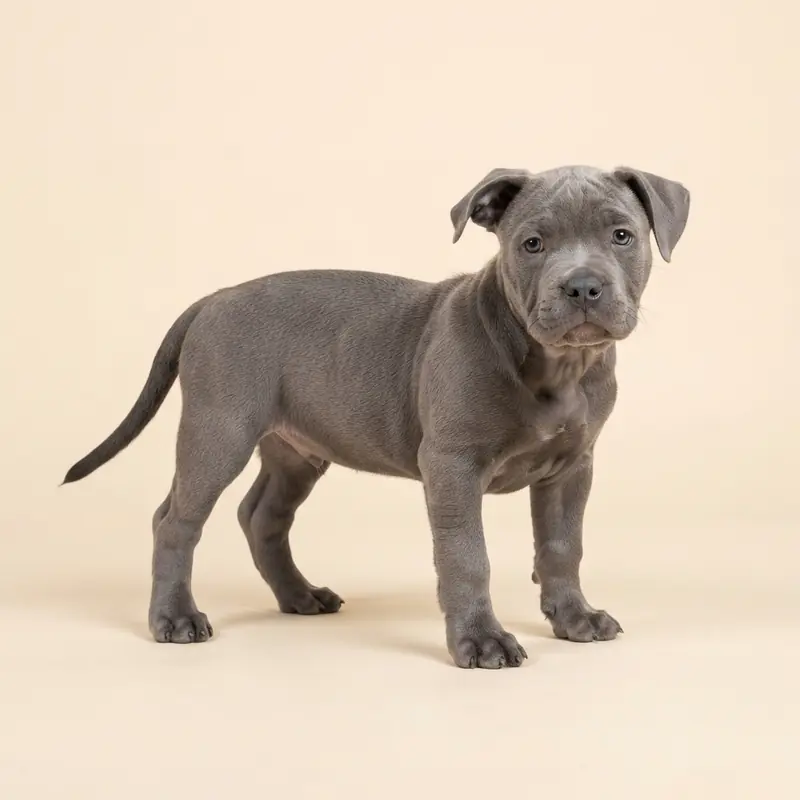 Illustrative image
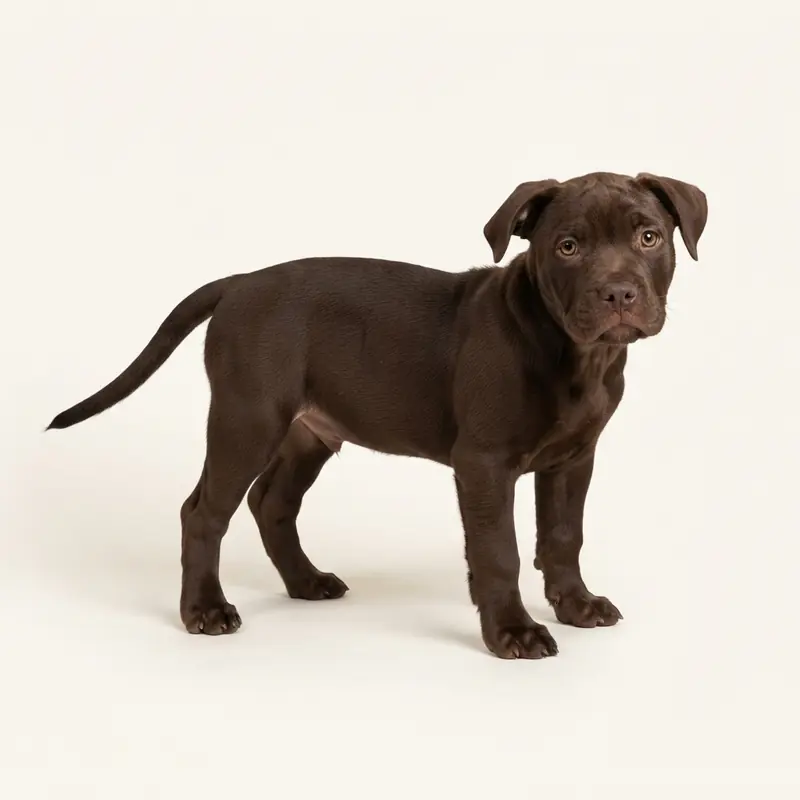 Illustrative image
History
The full history
The Exotic Bully was developed around 2012 by US breeders, including Kennel Stone Los Angeles, from particularly extreme American Bully lines. The goal was to produce a dog that was as small and compact as possible, with maximum muscle development and a head reminiscent of the English or French Bulldog. Outcrosses included the English Bulldog and sometimes other brachycephalic breeds to reinforce the desired head shape and shortened limbs. The breed is not recognized by any established kennel club such as the FCI or VDH and is distributed exclusively within a small, specialized enthusiast scene.
Original Use
Bred purely as companion and show dogs for an extreme physical appearance
Origin
USA (Kalifornien)
Date
2012
Owner experiences
Loading owner stories
FAQ & more
Frequently asked questions about the Exotic Bully
Is a Exotic Bully the right dog for me?
The Exotic Bully is an adaptable dog that adjusts well to various lifestyles. Research the temperament, grooming needs, and space requirements before deciding.
How long does a Exotic Bully live?
The average life expectancy of a Exotic Bully is 7-10 years. With proper care and regular vet visits, your dog can live a long, healthy life.
How much grooming does a Exotic Bully need?
Exotic Bully grooming requirements include regular brushing, nail trimming, and dental care. HonestDog provides detailed grooming tips for every breed.
Is a Exotic Bully good for families with children?
The Exotic Bully can be a great family dog. Proper training and socialization are key. HonestDog provides family suitability information for every breed.
What colors does the Exotic Bully come in?
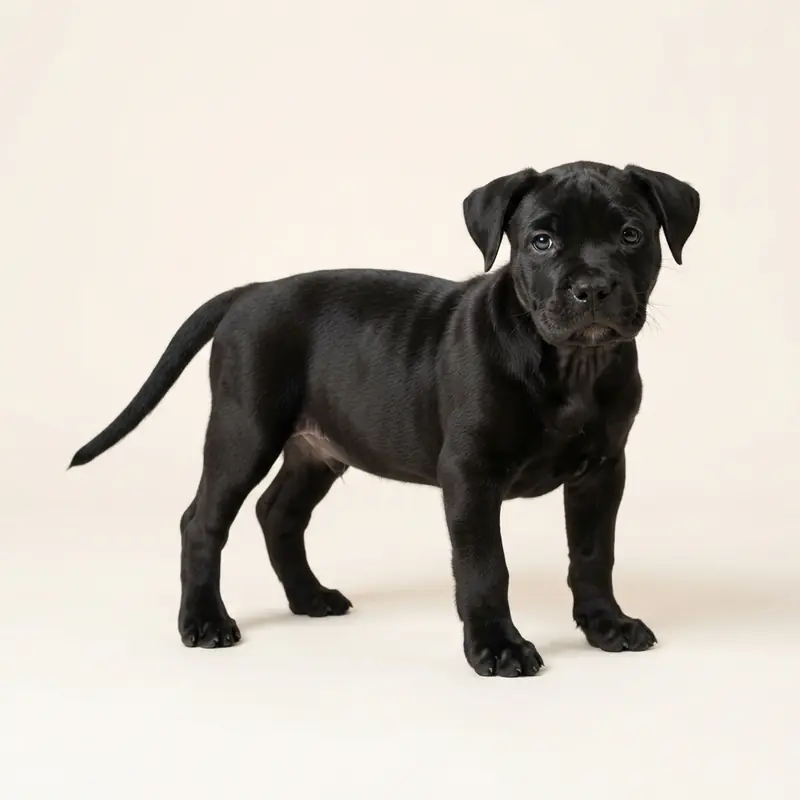
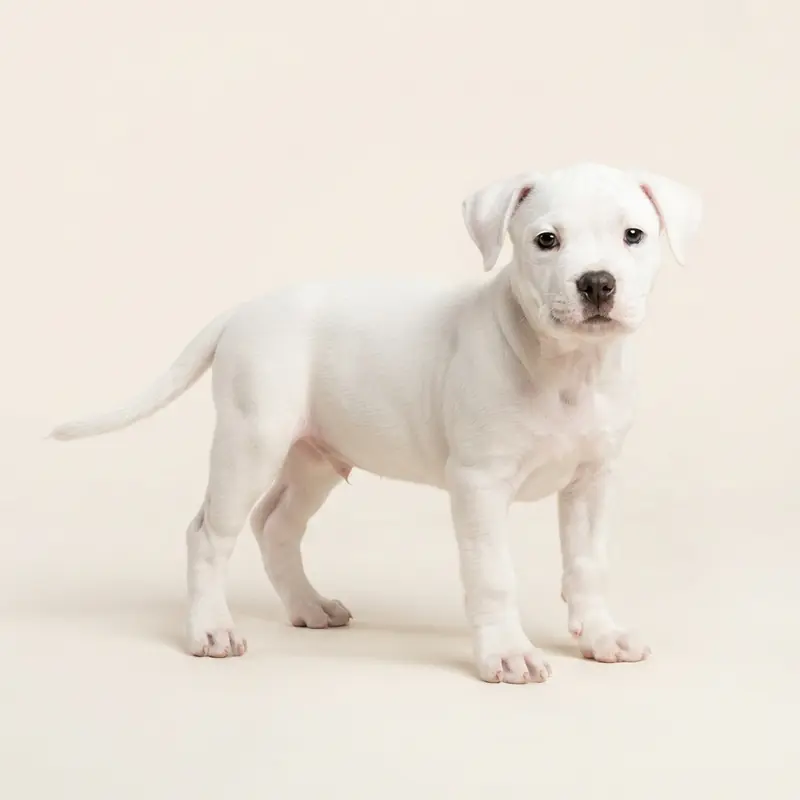
The Exotic Bully comes in these colors: Black, White, Blue, Chocolate, Fawn, Red, Brindle, Tricolor, Merle, Piebald, Isabella, Blue and tan.
Loading related articles
Are you a Exotic Bully breeder?
Showcase your kennel on HonestDog and reach families searching for a responsibly bred Exotic Bully.