German Wirehaired PointerSame FCI section
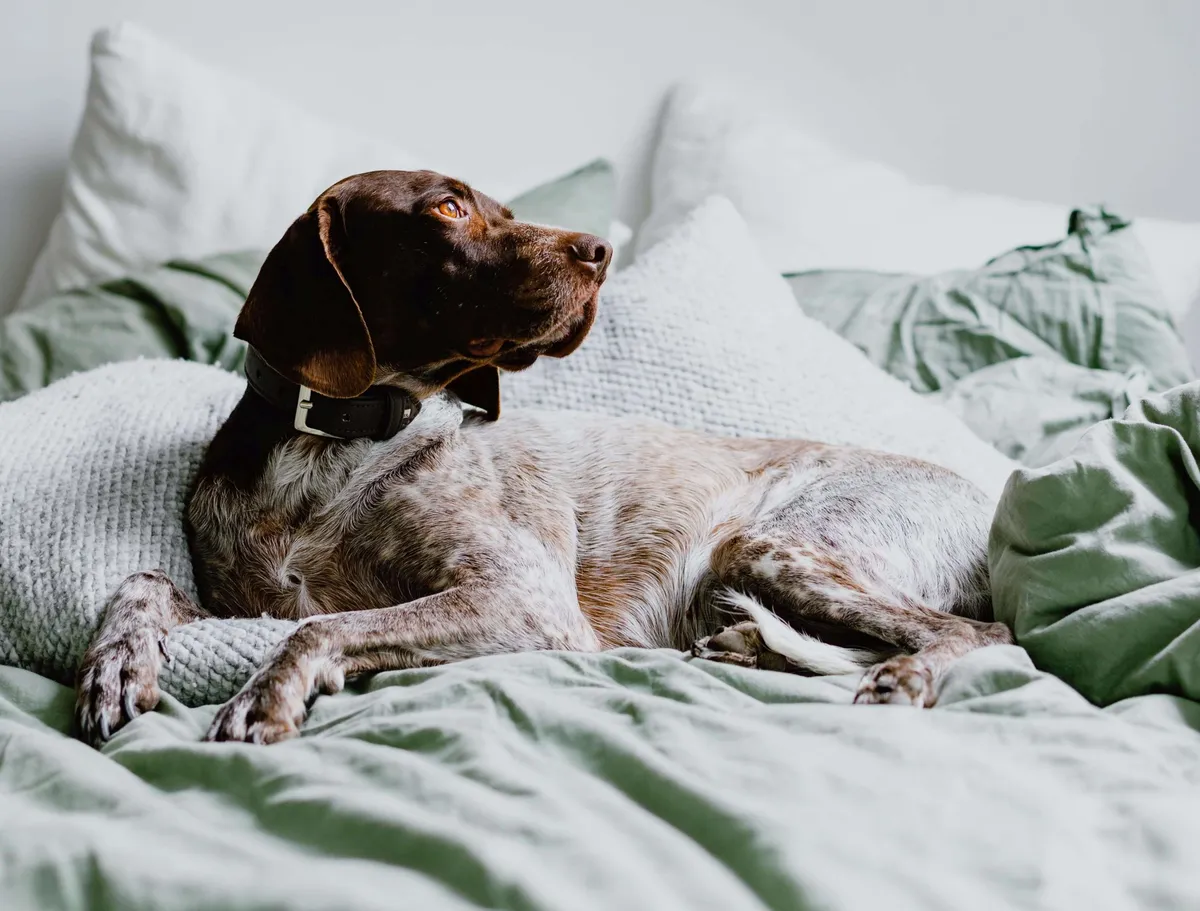
The Deutsch Kurzhaar is an athletic, highly intelligent Vorstehhund (pointing dog)—bred for endurance hunting in fields and water, where it tracks game, freezes in place, and works in close cooperation with its human.
How the health grade is calculated
Sources for required breeding screenings. Deutsch-Kurzhaar-Verband e.V. (DK-Verband)
Self-check
Answer 6 quick questions about your everyday life and see how well the German Shorthaired Pointer fits you — including an honest cost estimate per month, per year, and across the dog's lifetime.

At a glance
The essentials — key facts, traits, and health priorities — before you dive deeper.
Lifespan
10–12 yrs
Shoulder height
58–66 cm
Weight
25–35 kg
Practical
Temperament
Daily life
What matters most
Especially with a German Shorthaired Pointer, choosing the right breeder is the single most important decision you'll make. Serious breeders consistently test the parents for inherited conditions, prioritize healthy early socialization, and stay accountable long after handover. A cheap puppy without health screening tends to become the most expensive dog later on.
See HonestDog breeder standards →Colors & coat
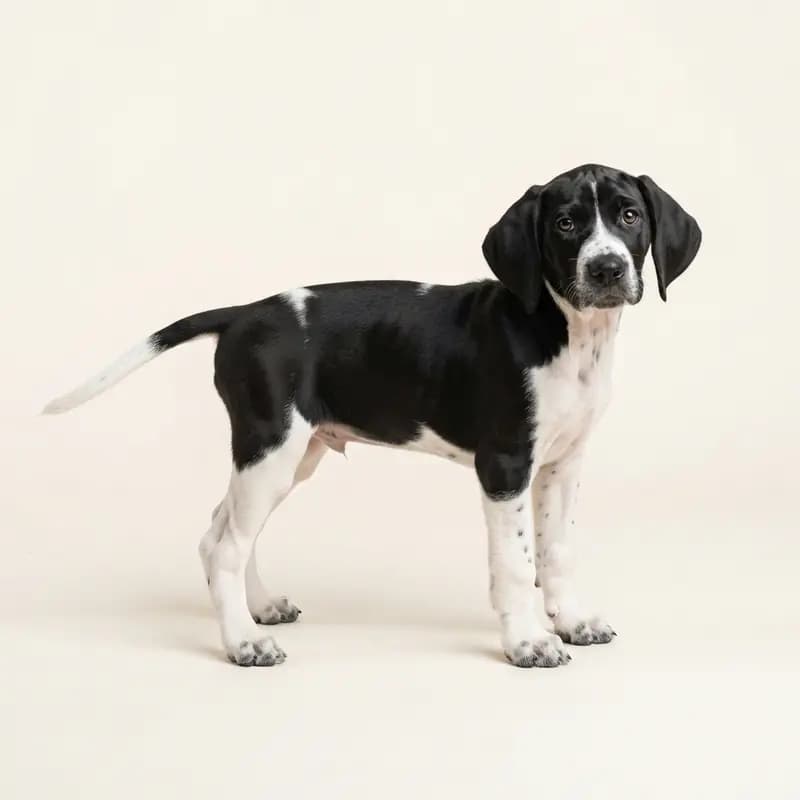
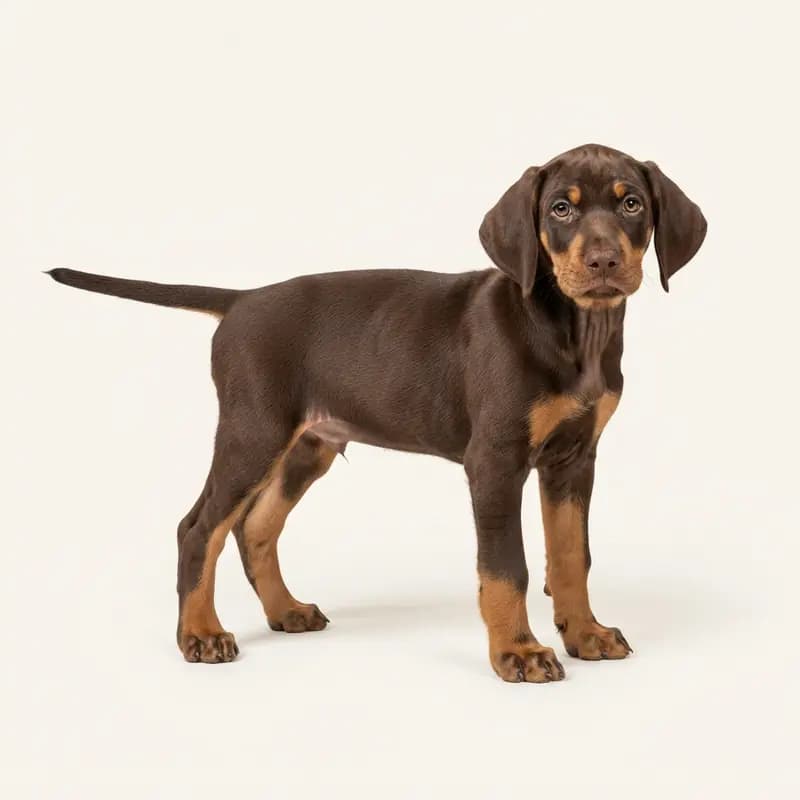
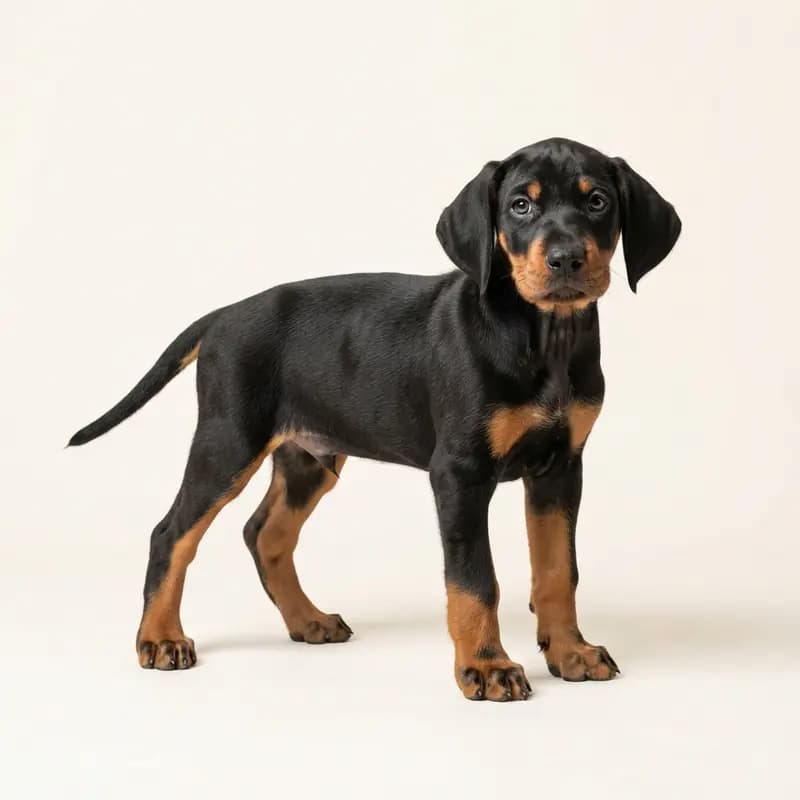
The coat colors that occur in the German Shorthaired Pointer — including which ones fall outside the breed standard and which carry genetic risk.
Eye colors
 Brown
Coat type
 Short
 Double coat
The real vibes check
A Deutsch Kurzhaar without a real job is like a high-performance sports car driven only in traffic jams—it vibrates with pent-up energy and will find its own outlet. However, if you are ready to channel their excellent nose and enormous work ethic into shared activities, you will gain a loyal companion who would go through fire for you.
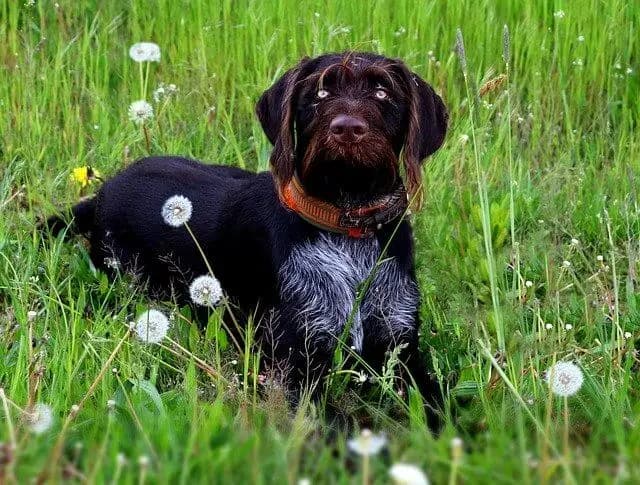
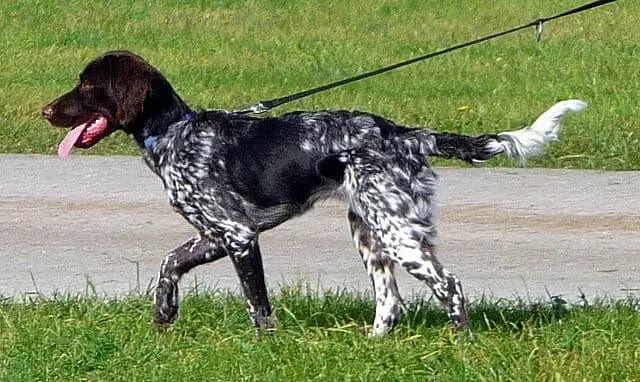
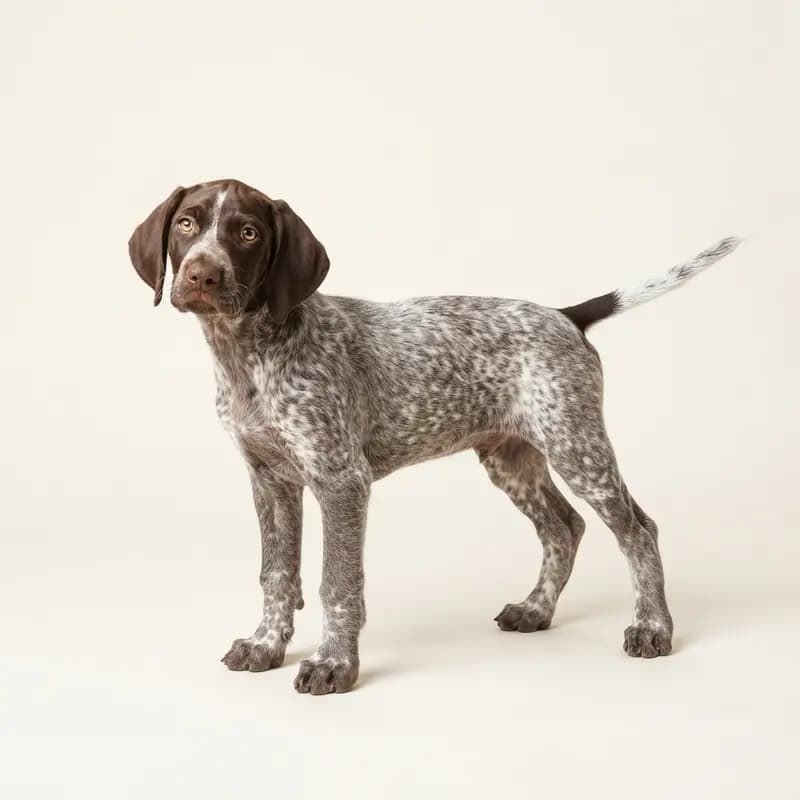
The German Shorthaired Pointer is an elegant and athletic hunting dog that is characterized by its remarkable versatility in different types of hunting. He belongs to FCI group 7, the pointers. The German Shorthaired Pointer's build is muscular and well proportioned, making it a fast and durable runner. His head is elegantly shaped, with a broad forehead and pronounced eyebrows. His medium-sized droopy ears and elegant neck are also striking. When breeding, the focus is on the dogs' working ability.
The German Shorthaired Pointer is a lively and active dog that likes to be on the move. You'll quickly find that his energy and passion for his work are contagious. His origins as a hunting dog have a significant influence on his character. He has a very sensitive nose, is courageous and able to make decisions himself. What is particularly noteworthy is his affection and people-oriented nature. He is not only a hunting companion, but also a loyal friend. He bonds closely with his people and enjoys being part of the family. However, this also means that he doesn't like being alone and wants a close relationship with his people. It is therefore important to slowly get him used to staying alone sometimes so that he doesn't suffer too much from separation anxiety. The German Shorthaired Pointer often shows strong hunting behavior. This means that he likes to chase birds or other small animals. So if you already have other small pets or live in an area with a lot of wildlife, you should take this into account. Although he is an excellent hunting dog, he is also alert and can serve as a guard dog. However, he is not aggressive and tends to hold back. However, his loyalty makes him a brave protector when he believes his family is in danger. An interesting aspect of the German Shorthaired Pointer is its versatile use based on its nature. He is not only valued as a hunting dog, but also as a rescue and drug detection dog. He has a high need for exercise and loves having tasks where he can use his skills.
| Watchfulness Reports unusual activity but stays controlled. | Moderate |
| Openness to Strangers Neither pushily friendly nor suspicious. | Neutral |
| Hunting or Herding Drive This drive runs deep — no amount of training eliminates it. | Very strong |
Fun Fact!
The German Shorthaired Pointer is known for having an excellent memory and being able to remember places where it has previously hunted, even years later. This makes him a particularly effective and valued hunting dog.
The German Shorthaired Pointer is a hunting dog that can be used in a variety of ways. Not least because of his high motivation to hunt, he is not a beginner's dog. He needs well-structured training and activity appropriate to his type.
The German Shorthaired Pointer is an active dog and needs plenty of space to run around. He is not suitable as a city dog because the German Shorthaired Pointer is only really happy and balanced when he is being guided for hunting. As a pure family dog, the German Shorthaired Pointer is not the best choice. In such cases, it requires considerable time and commitment to exercise the German Shorthaired Pointer with appropriate activities. He generally gets along well with children, but due to his energy and size it is advisable to leave him under supervision. The breed is also often compatible with cats and other pets, especially if they are used to it from an early age.
Gets on well with different people and varying routines.
Gets on well with children — with adult supervision.
Actively enjoys the company of other dogs.
Suffers in tight urban conditions.
Owning a dog is a privilege, but it's also a real responsibility. Before you bring one into your life, be honest with yourself about the commitment it takes.
The German Shorthaired Pointer is intelligent and willing to learn, but he needs consistent training and a lot of mental and physical activity. Hunting activities, fetch games, mantrailing or dog sports such as agility are ideal. It is important to be careful with this breed that it does not become a “ball junkie.” Therefore, you should offer a variety of activities and keep playing with balls in moderation. Frustration tolerance and impulse control are also important aspects of training to ensure that the dog remains balanced and behaves appropriately in different situations.
When it comes to nutrition, the German Shorthaired Pointer needs a balanced and nutritious diet that covers its high energy needs. High-quality dry or wet food, supplemented if necessary with fresh meat, vegetables and fruit, is recommended. It is important to monitor the amount of food you give your dog to avoid obesity. When it comes to grooming, the German Shorthaired Pointer is fairly easy to care for. He has a short, dense coat with an undercoat. Regular brushing, about once a week, should be enough to remove dead hair and keep the coat in good condition. The German Shorthaired Pointer copes well with the climate in Germany, but it does shed, especially during coat changes.
| Care Level Minimal effort — occasional brushing and bathing. | Low-maintenance |
| Exercise Needs Working-dog energy that needs burning off every single day. | High-drive |
| Shedding Hair everywhere, always — no white clothing survives. | Very heavy |
| Trainability Bred to work closely alongside humans. | Highly trainable |
Our experts are still reviewing this information. Spotted something wrong? Email us at info@honestdog.de.
Solid, watch carefully
Health grade
In the German Shorthaired Pointer, joint disorders such as osteochondritis dissecans (OCD) and hip dysplasia (HD), as well as severe neurological conditions like epilepsy, represent breed-specific risks. The Deutsch-Kurzhaar-Verband e.V. requires, among other things, screening for osteochondritis dissecans (OCD). Responsible breeders additionally screen their dogs for hip dysplasia (threshold HD A–B), have ocular conditions such as ectropion / entropion or distichiasis checked, and use genetic testing for chondrodysplasia (SLC13A1) and achromatopsia (day blindness) (CNGB3). Before purchasing a puppy, strictly insist on these written test results and ensure that if one parent is a carrier for chondrodysplasia (SLC13A1) or achromatopsia (day blindness) (CNGB3), the mating partner has tested clear without exception.
Grade is relative to other breeds — AI-assisted and editorially reviewed.
Methodology and data: HonestDog Dog Breed Health Report 2026
What matters most for this breed
Tap any item to see details.
You should focus on keeping them lean and ensuring a sensible level of exercise—in return, you will often have a high-performing companion with relatively moderate veterinary needs.
Responsible breeders test for osteochondritis dissecans (OCD) and achromatopsia (day blindness) (CNGB3), and additionally have the parent animals screened for hip dysplasia (HD) and eye diseases.
Note: This health overview is AI-assisted and editorially reviewed. It is for orientation only and does not replace veterinary advice.
What matters most for this breed — what's common, how much it affects the dog's life, and how to protect yourself as a buyer.
Tap a body region to see the inherited conditions linked to it.
The three most important risks
Pick a region on the map to explore other areas.
Tier 1 is the core standard: the tests Deutsch-Kurzhaar-Verband e.V. (DK-Verband) requires, plus further tests from the recommended health standard for this breed. Tiers 2 and 3 show how responsible breeders go beyond.
Core standard. Tests marked “Club standard” are required by Deutsch-Kurzhaar-Verband e.V. (DK-Verband) for breeding approval; the others are part of the recommended health standard for this breed. Ask any reputable breeder for the results.
Note: This health overview is AI-assisted and editorially reviewed. It is for orientation only and does not replace veterinary advice.
A German Shorthaired Pointer costs around ~€190 per month (€100 – €360, depending on your setup). The first year adds up to roughly ~€4,930 including purchase, equipment and puppy school; across the dog's life (11 years) it comes to about ~€27,480.
With surgery cover, running costs come to about ~€190 per month — in return, your share of a major operation drops from several thousand euros to around 20 percent.
Per month
~€190
In the first year
~€4,930
Across the dog's life
~€27,480
Estimated purchase price from a breeder: €1,200 – €2,500
Estimate at a mid-range setup (suburban, dry food, 1–2 hours of daily exercise), average German prices, as of July 2026.
 Illustrative image
 Illustrative image
 Illustrative image
 Illustrative image
Historically, the breed's origins come from dogs used to hunt birds in the Mediterranean region. The main task of these dogs was to track down game by pointing and driving them into large nets. In order to refine the breed and make it slimmer and leggier, English pointers and French hounds were probably crossed. These dogs reached the German royal courts via France. In the 18th century, demand for such pointing dogs grew, and the breed developed into an extremely versatile hunting dog. The first breeding book for the German Shorthaired Pointer was published in 1897, and the "World Association of the German Shorthaired Pointer" has existed since 1991.
The German Shorthaired Pointer is a versatile hunting dog used for field work, water work and retrieving.
Germany
1800
In family life, many owners describe the German Shorthaired Pointer as very affectionate, cuddly and people-oriented. With enough exercise, the breed is usually surprisingly calm, gentle and almost unnoticeable indoors. These dogs often bond very closely with one main person but still fit in well with the whole family and are patient and friendly with children. Owner reports unanimously reject keeping them in a kennel, since these dogs need to be close to their family.
At the same time, reports point out that this strong bond has a downside: many German Shorthaired Pointers struggle with being alone. Separation stress and frustration barking can become a problem if time alone isn't built up in small steps from puppyhood. When they don't get enough to do, they also tend to redesign the house and yard on their own or go looking for their own entertainment outdoors.
On training, owners and trainers agree on the breed's very strong hunting drive. As soon as the dog gets outside, it switches into work mode: its nose is constantly on the ground or in the wind, and every movement in the undergrowth gets noticed. Reliable off-leash time therefore takes very intensive, consistent training in impulse control, a solid recall and clear interrupt cues from puppyhood on.
Owners quickly hit their limits with these dogs as pure companions without a clear job. They keep pointing out that simple walks or the occasional game of fetch don't do the dog justice. German Shorthaired Pointers are very cooperative, but they quickly question inconsistent leadership and, when in doubt, make their own decisions driven by hunting. If they aren't used for hunting, challenging alternatives such as tracking, dummy training or mantrailing are essential for a balanced life together.
In owner reports on everyday life and physical makeup, the German Shorthaired Pointer comes across as a weatherproof, tireless and robust athlete. It covers a lot of ground on walks; owners often report that while they walk at a normal pace, the dog covers several times the distance zigzagging back and forth. The short coat is easy to care for but offers little protection in the wet or during cold waits in the car or while standing still, which is why some owners reach for a dog coat in chilly weather.
On health, owners point to the typical risks of larger, deep-chested dogs, especially bloat (gastric torsion), which is why strict rest periods after meals should be kept. A few owners also report sensitive digestion or joint issues, but they stress that with careful breeding and the right kind of work, the breed usually stays very lively and fit well into old age.
Sources:agila.desabinemiddelhaufeshundundnatur.netthe-goodstuff.com
Paraphrased from real owner reports · translated from German
The German Shorthaired Pointer is an active dog that needs plenty of exercise and mental stimulation. Research the temperament, grooming needs, and space requirements before deciding.
The average life expectancy of a German Shorthaired Pointer is 10-12 years. With proper care and regular vet visits, your dog can live a long, healthy life.
German Shorthaired Pointer grooming requirements include regular brushing, nail trimming, and dental care. HonestDog provides detailed grooming tips for every breed.
The German Shorthaired Pointer can be a great family dog. Proper training and socialization are key. HonestDog provides family suitability information for every breed.
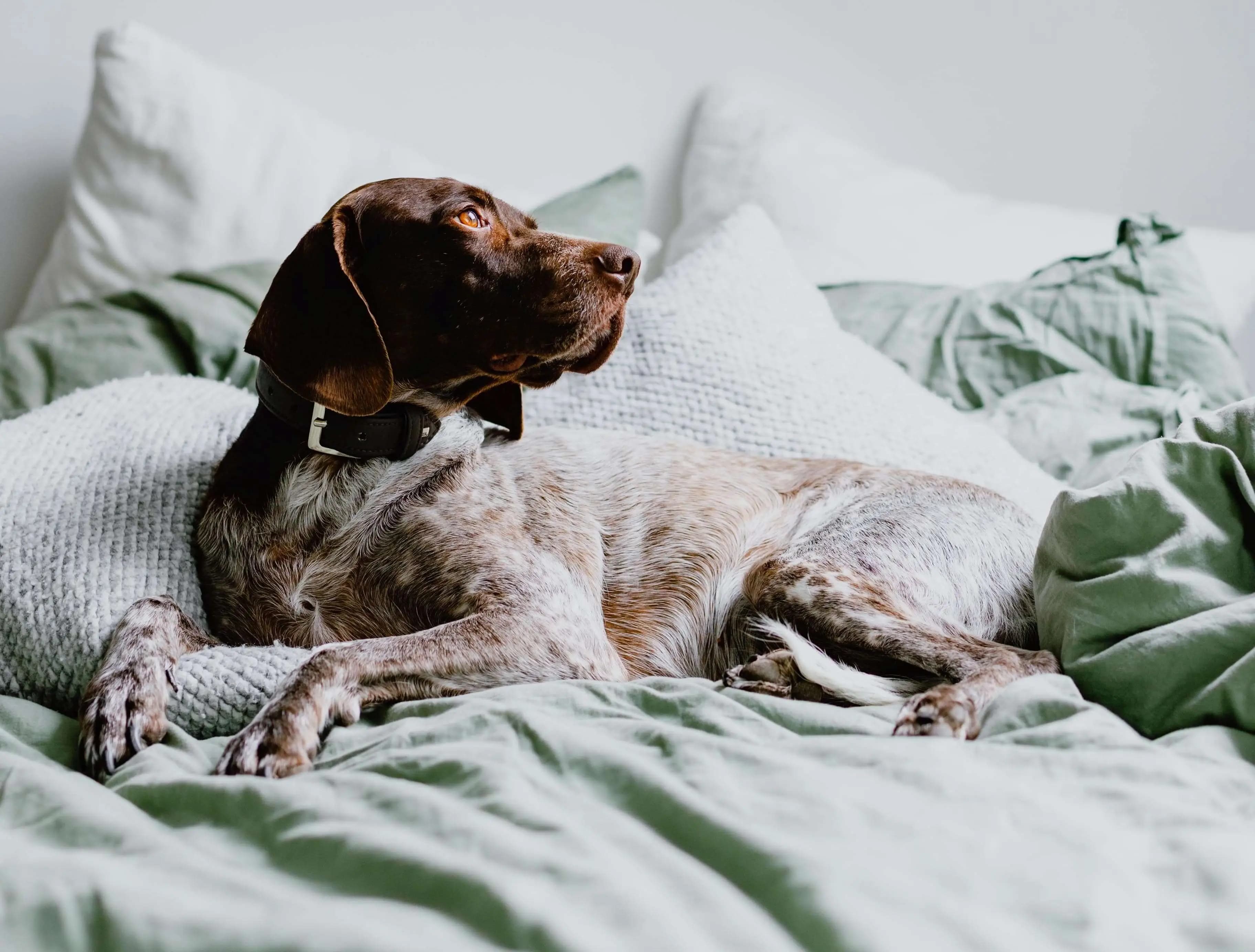
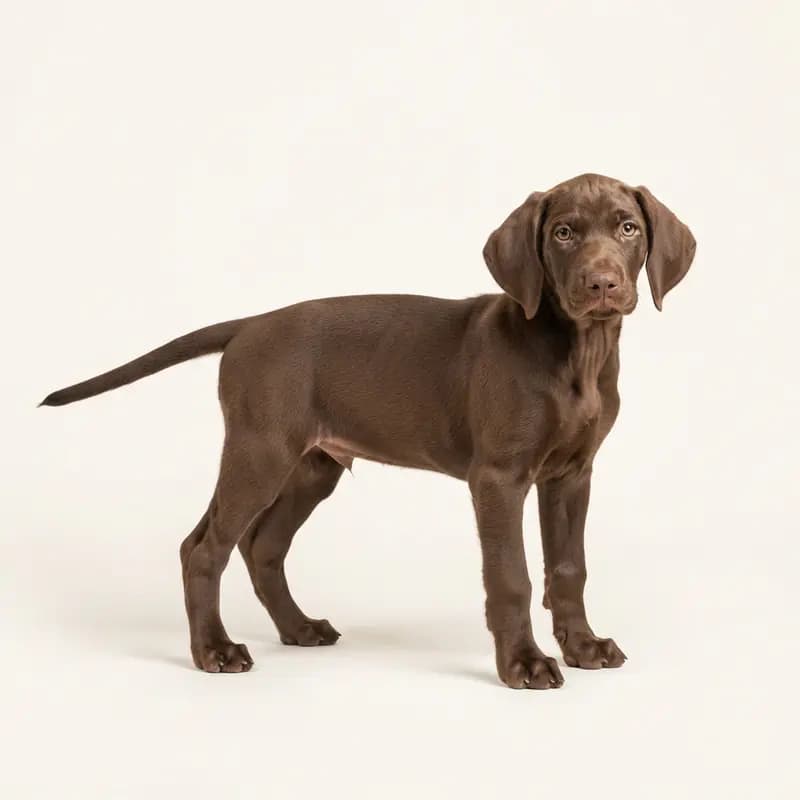
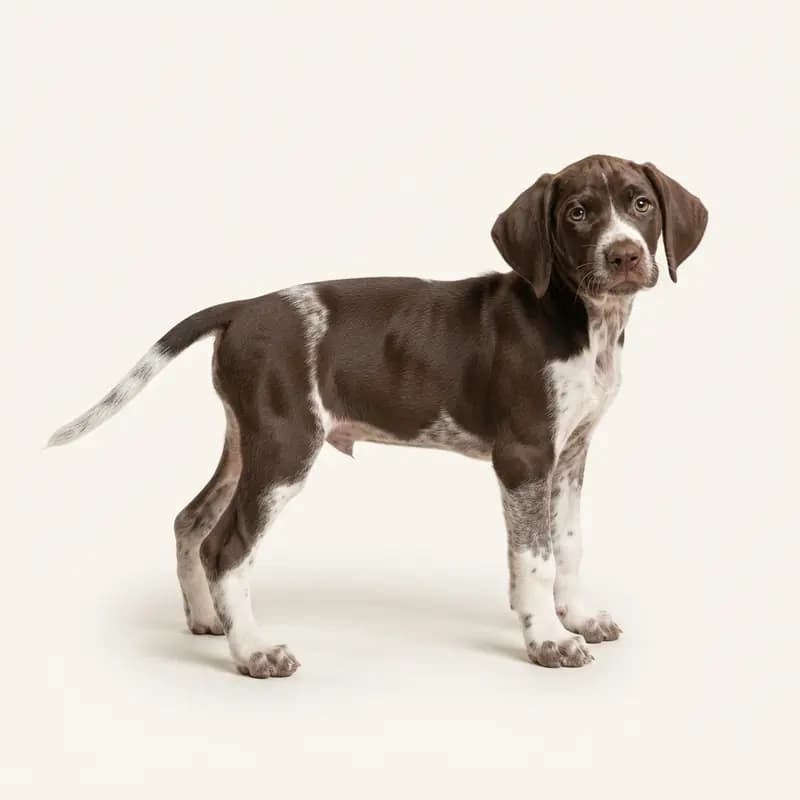
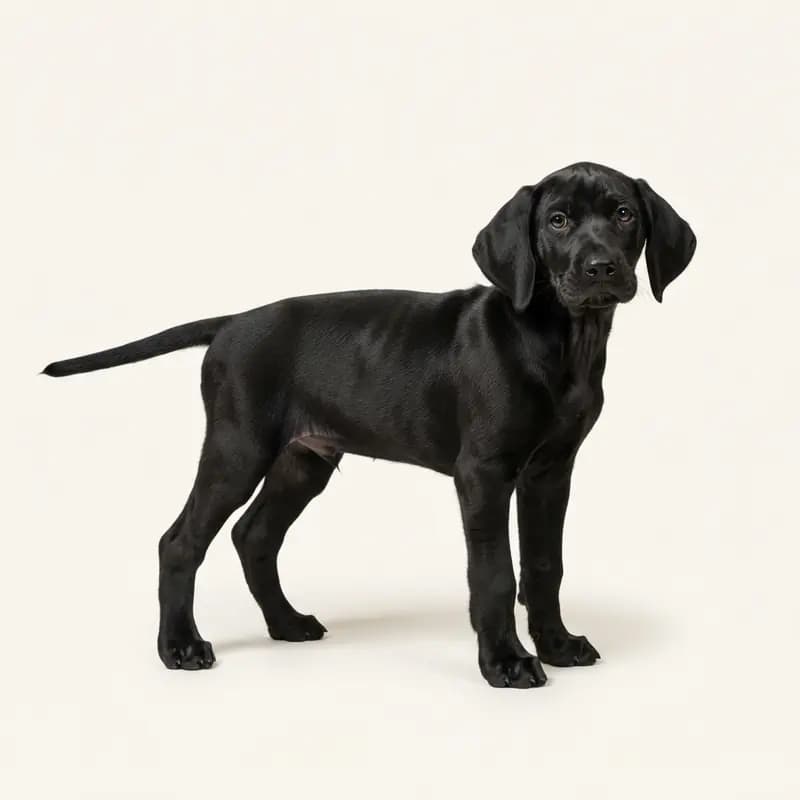
The German Shorthaired Pointer comes in these colors: Brown, Brown and white, Roan, Black, Black and white, Brown and tan, Black and tan.
Showcase your kennel on HonestDog and reach families searching for a responsibly bred German Shorthaired Pointer.