Loading breed
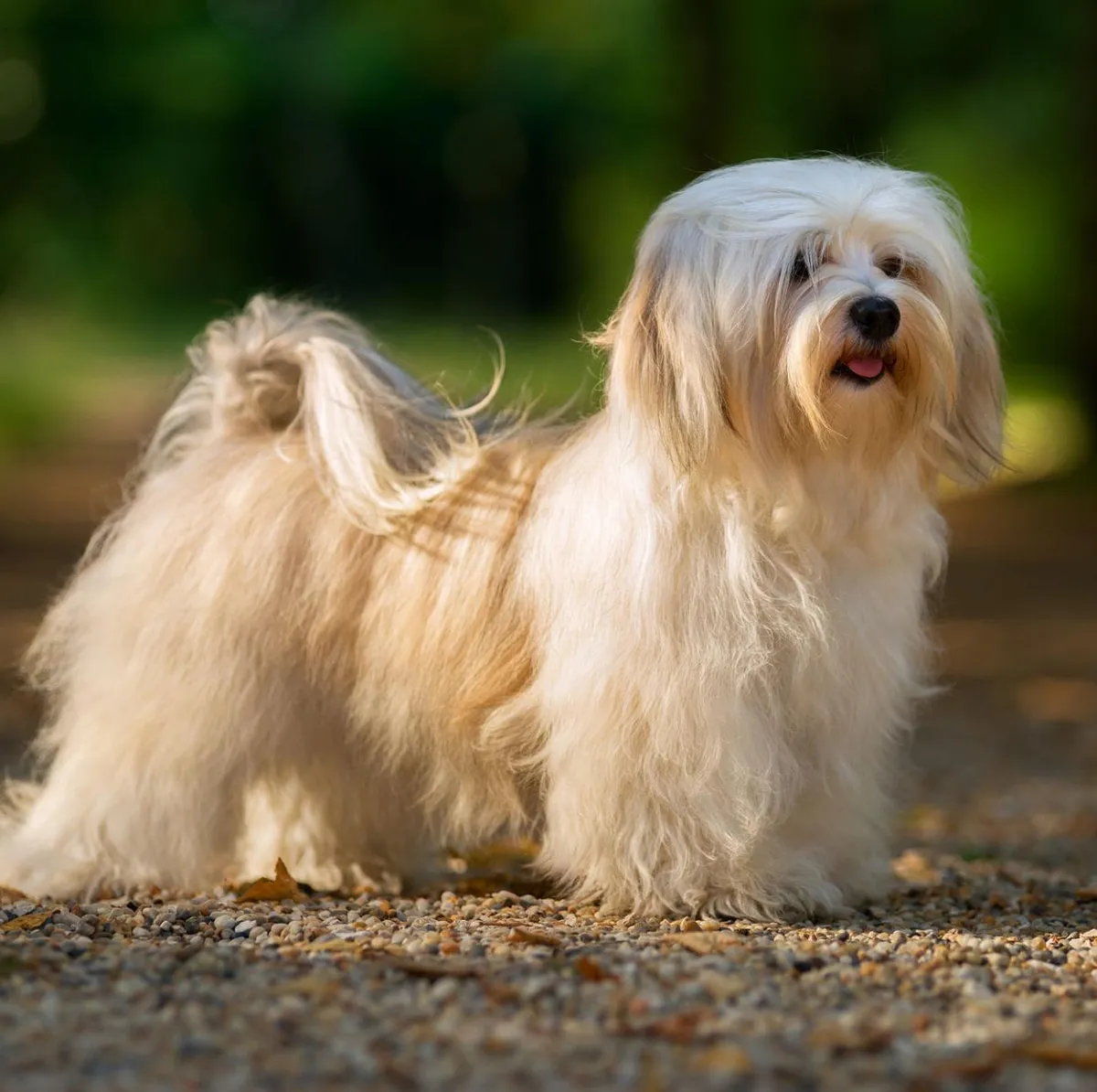
Havanese
Health grade A- Height23–27 cm
- Weight5–8 kg
- Life expectancy13–15 yrs
- Puppy price1,800–3,000 €
- Energy3/5
The Essentials at a Glance
The Havanese is a cheerful, extremely people-oriented companion dog—bred to keep its humans company and soak up every mood in the room like a sponge.
- Health grade A: The Havanese is a very robust and long-lived breed with a pleasingly low genetic disease burden.
- You are looking for a true companion dog whose only genetic job is to be by your side and share your everyday life.
- You live in an apartment (even without a garden) and are looking for a dog that is content with moderate but varied walks.
- You are out of the house for long periods every day and have to leave him alone often—for a dog with this breeding, social isolation is the ultimate punishment.
Is the Havanese right for you?
At a glance
Havanese overview
The essentials — key facts, traits, and health priorities — before you dive deeper.
Health grade
Relative to other breeds
S
A
B
C
D
E
Very healthyHigher risk
Very healthy — limited common concerns.
See full health info & tests →
Note: This health overview is AI-assisted and editorially reviewed. It is for orientation only and does not replace veterinary advice.
Lifespan
13–15 yrs
Height
23–27 cm
Weight
5–8 kg
Practical
- Puppy price: 1,800 – 3,000 €
- Coat: long, soft, smooth top coat and poorly developed undercoat
- Origin: Cuba
Temperament
Energy
Trainability
Family fit
With kids
Daily life
Care effort
Shedding
Barking
City-friendly
Guard instinct
What matters most
Especially with a Havanese, choosing the right breeder is the single most important decision you'll make. Serious breeders consistently test the parents for inherited conditions, prioritize healthy early socialization, and stay accountable long after handover. A cheap puppy without health screening tends to become the most expensive dog later on.
See HonestDog breeder standards →Colors & coat
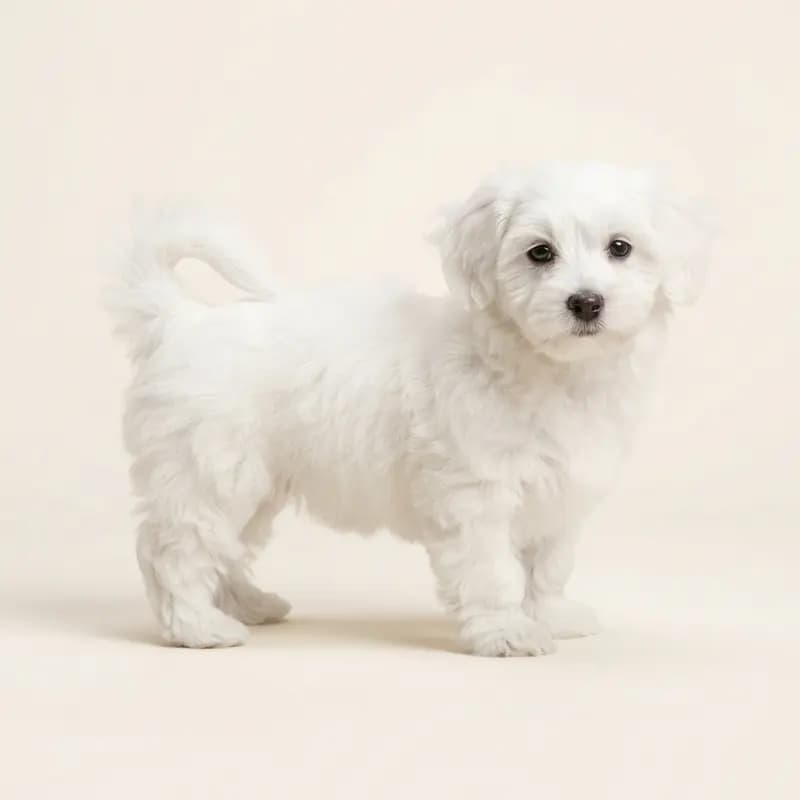
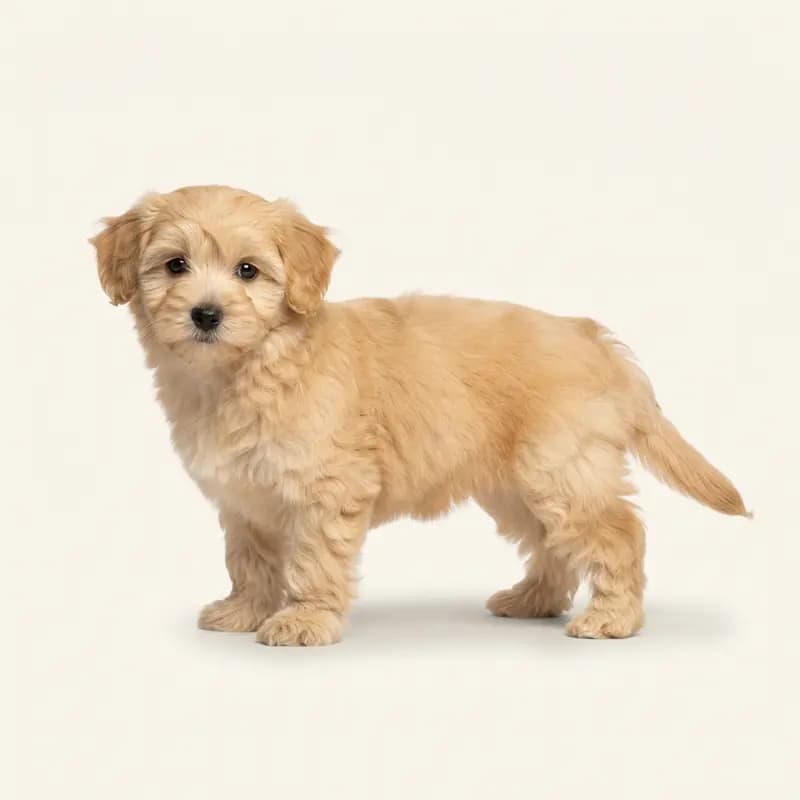
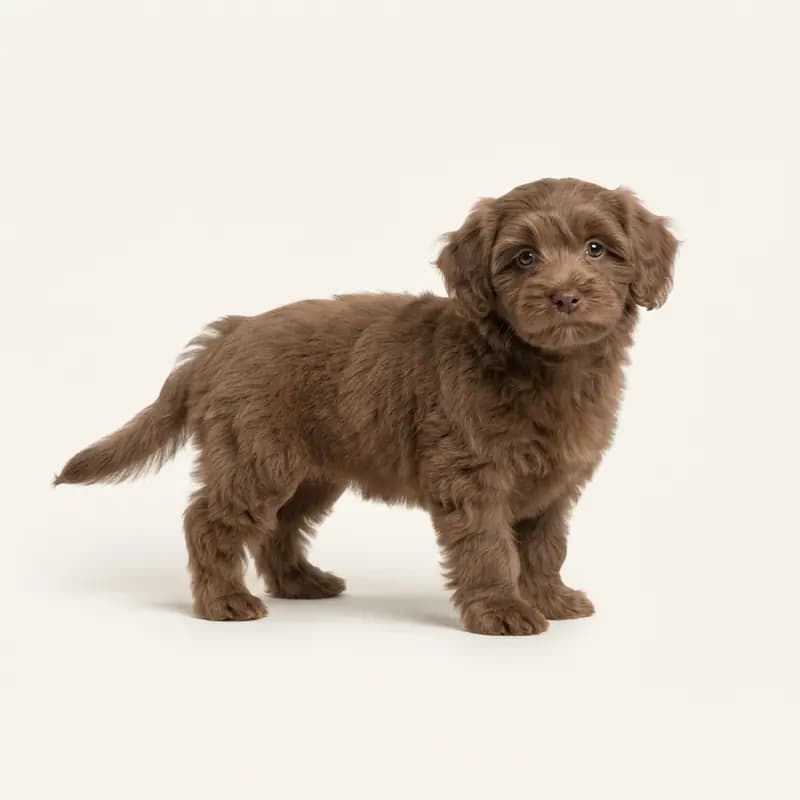
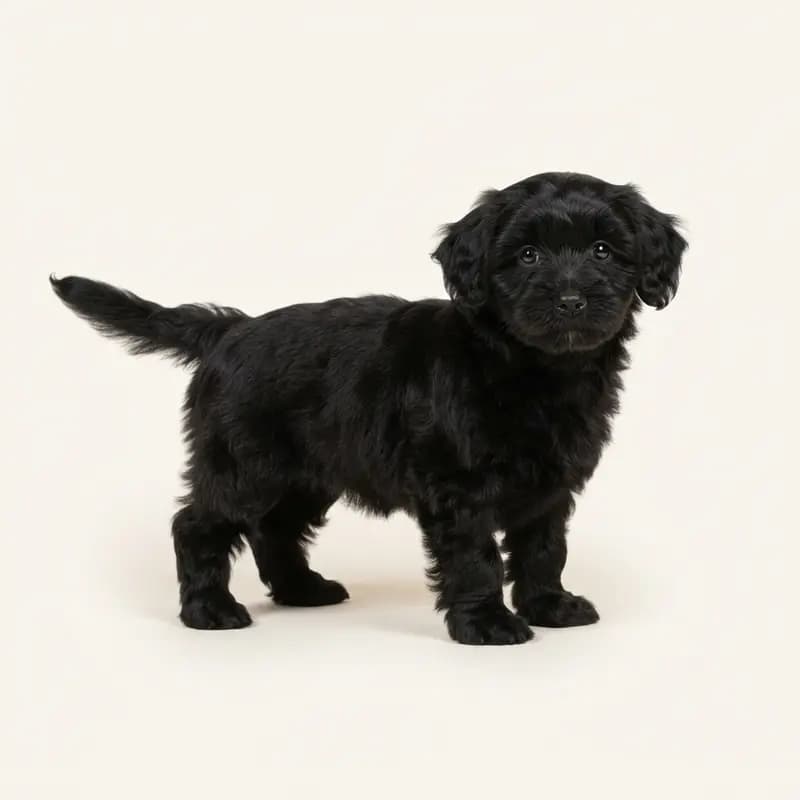
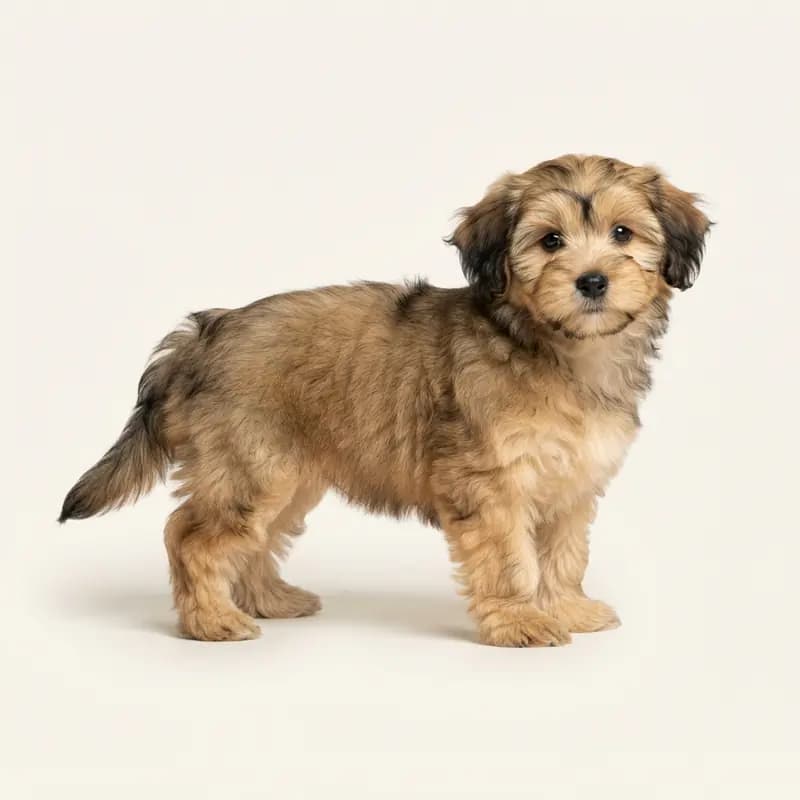
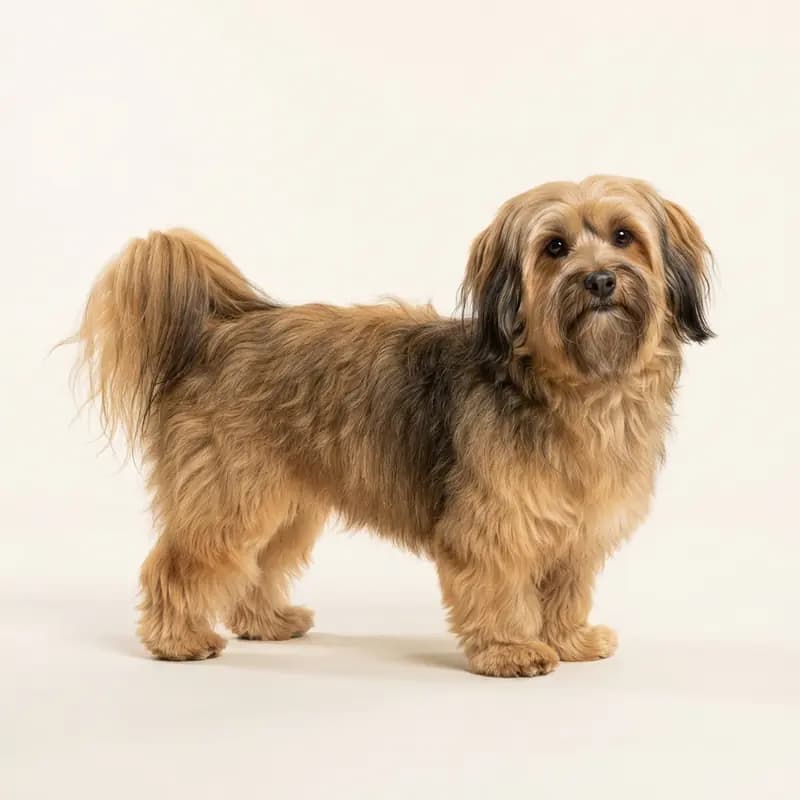
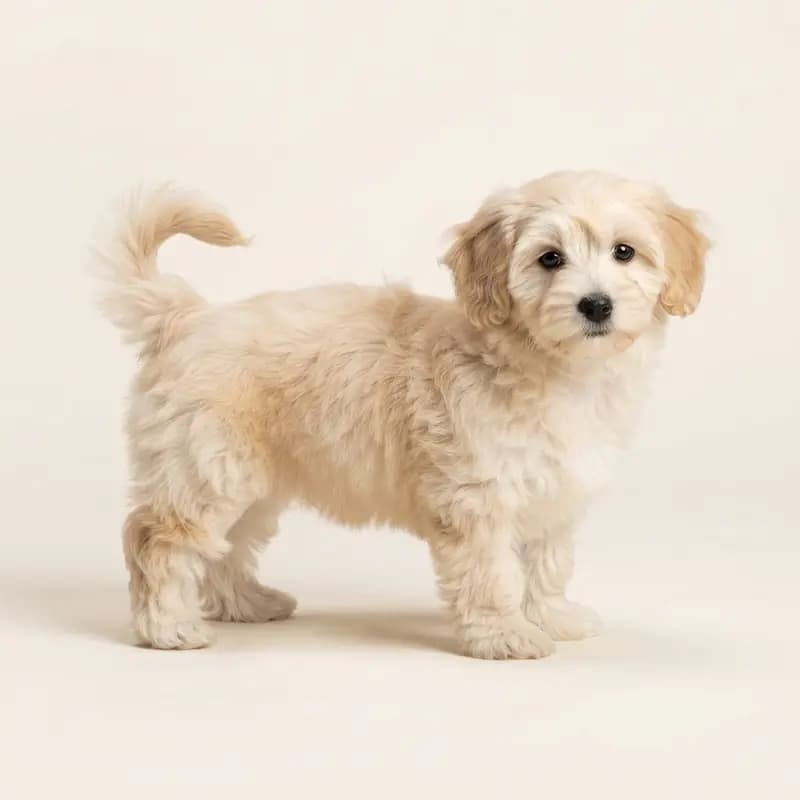
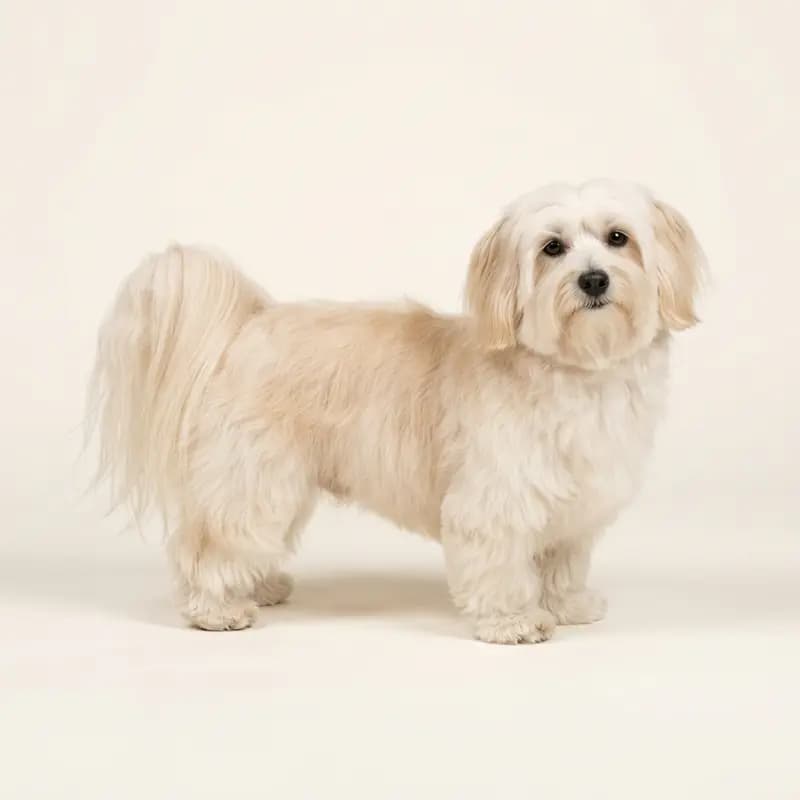
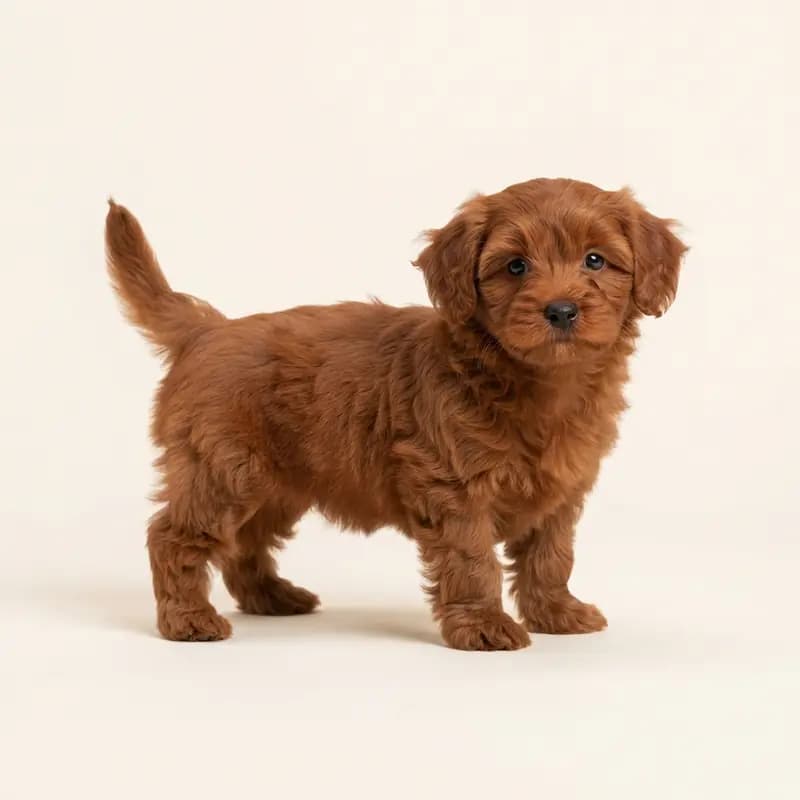
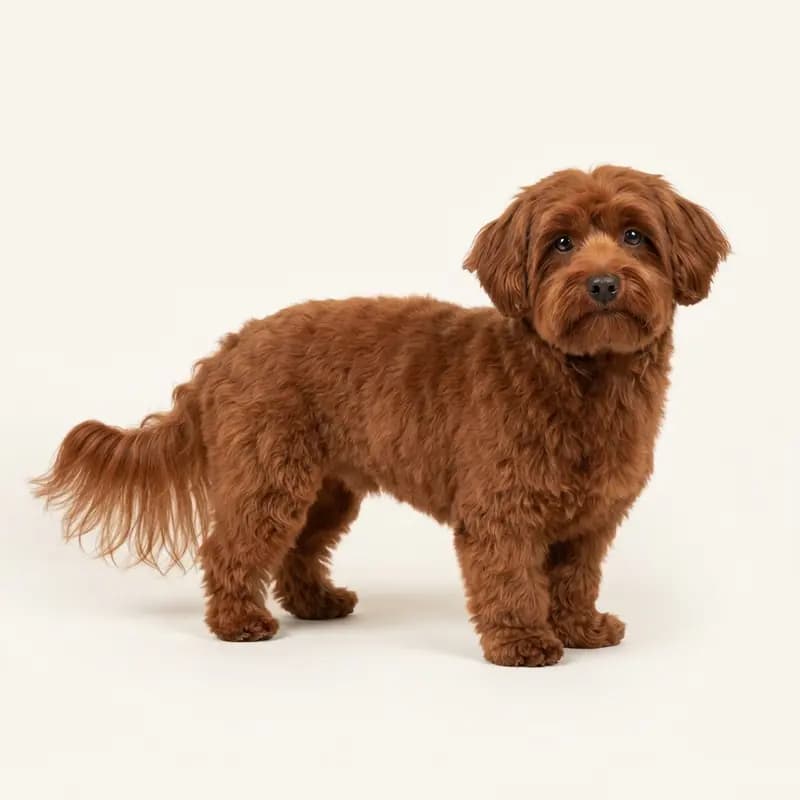
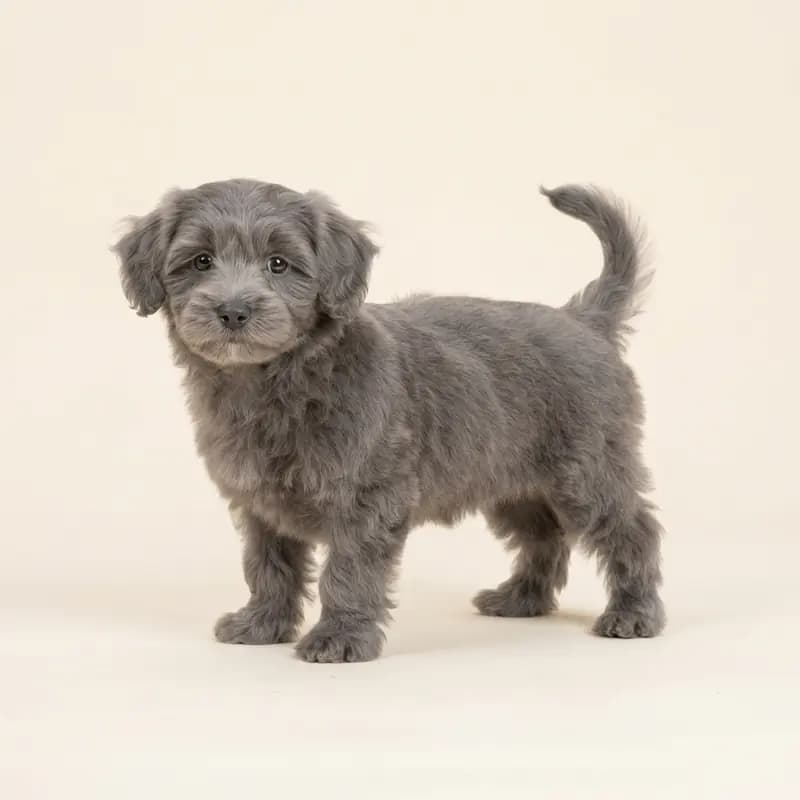
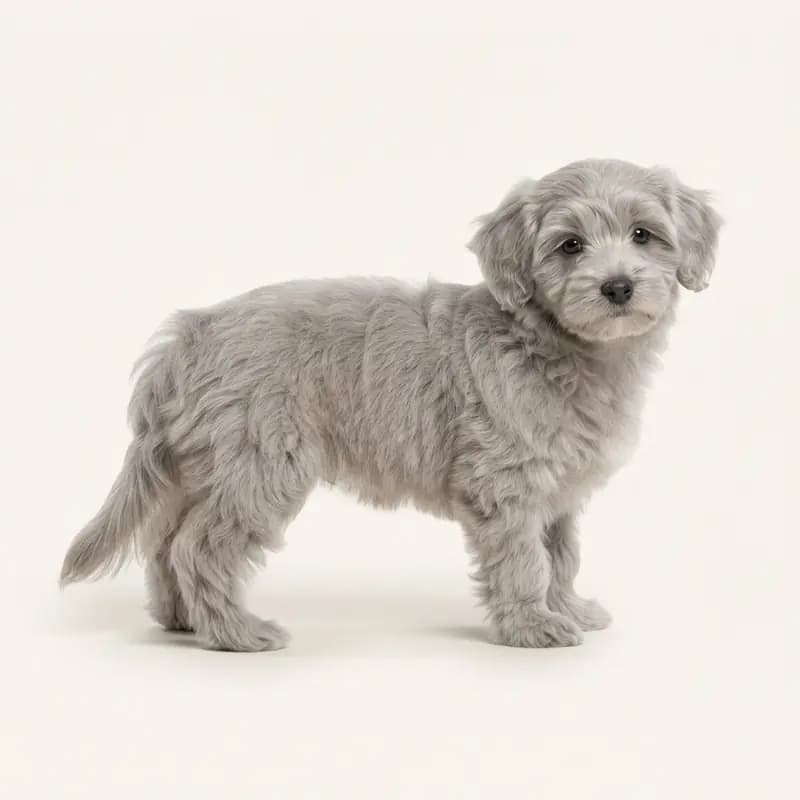
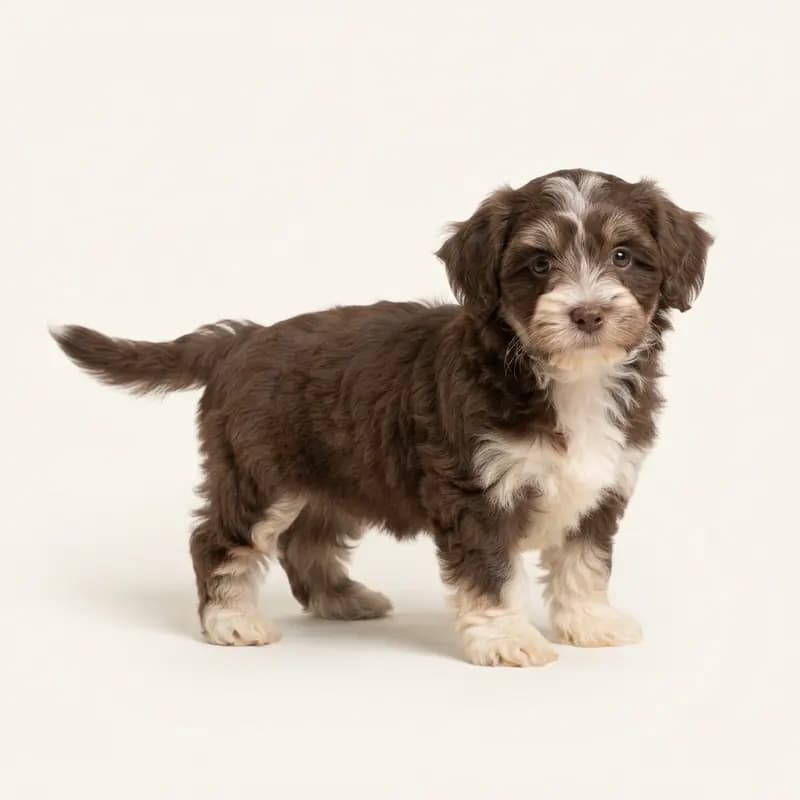
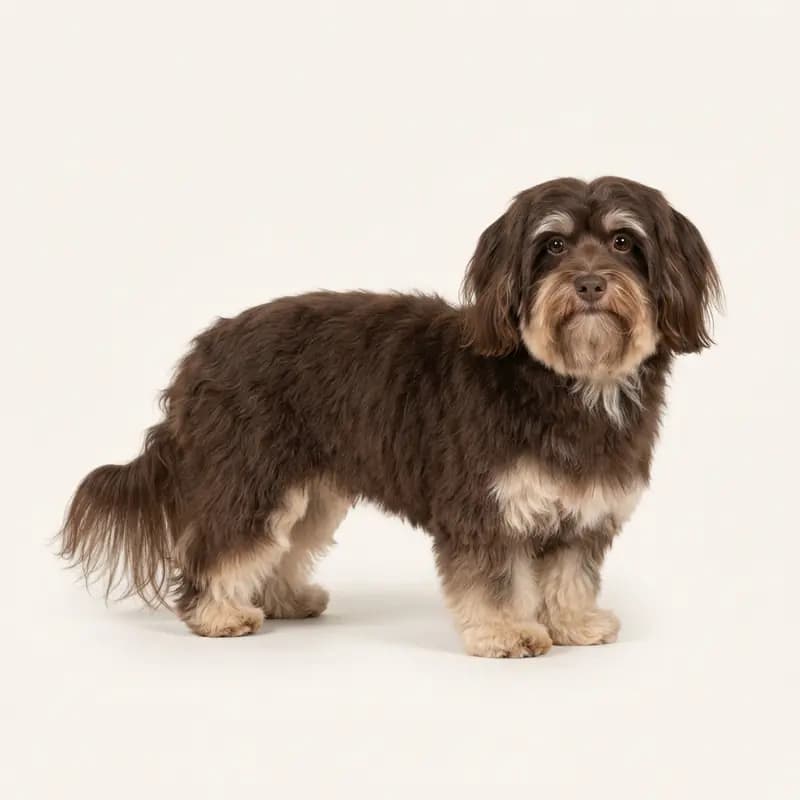
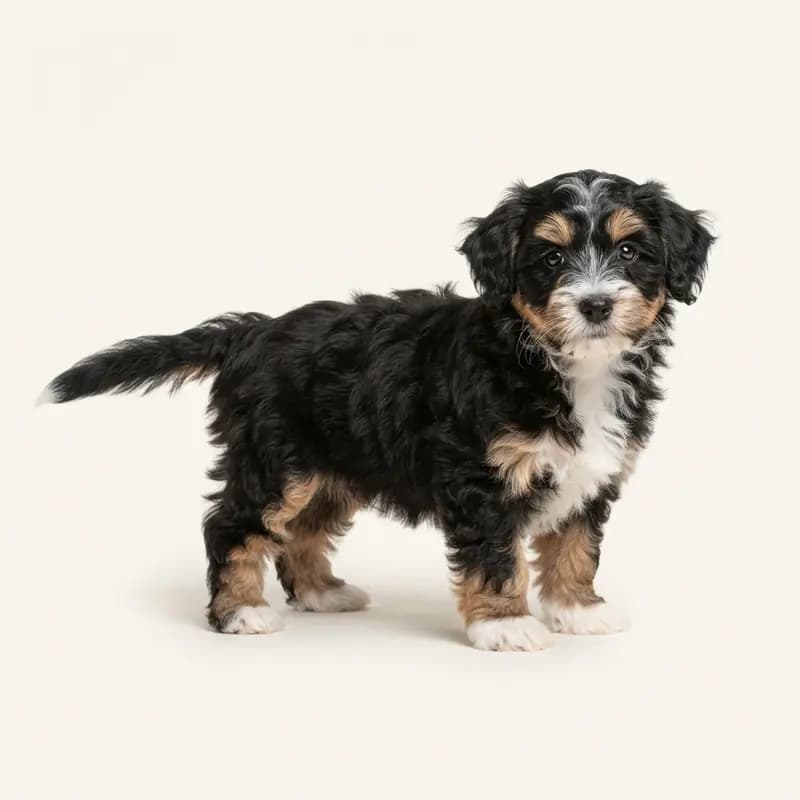
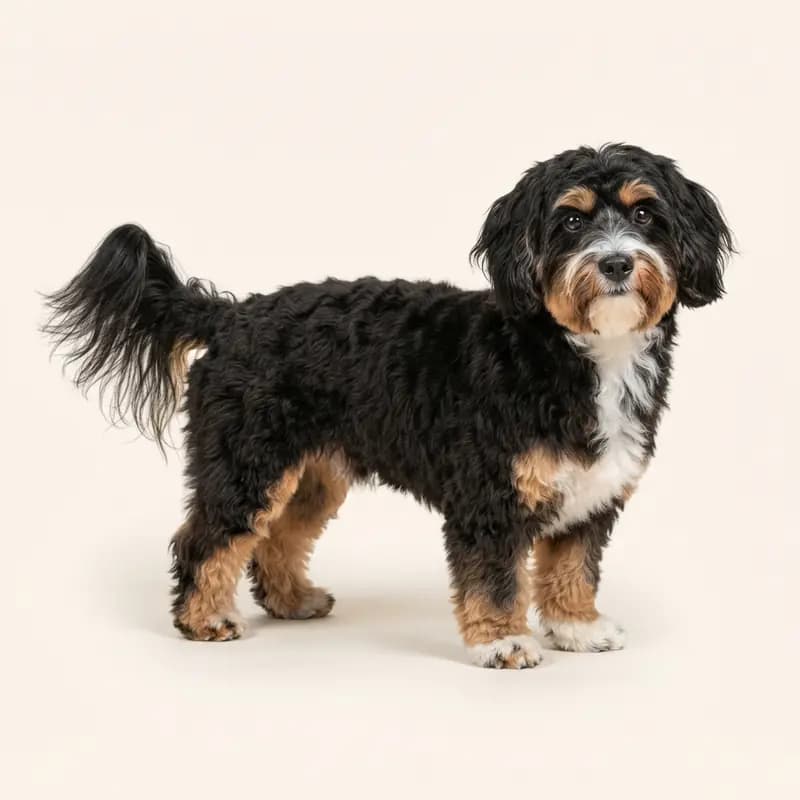
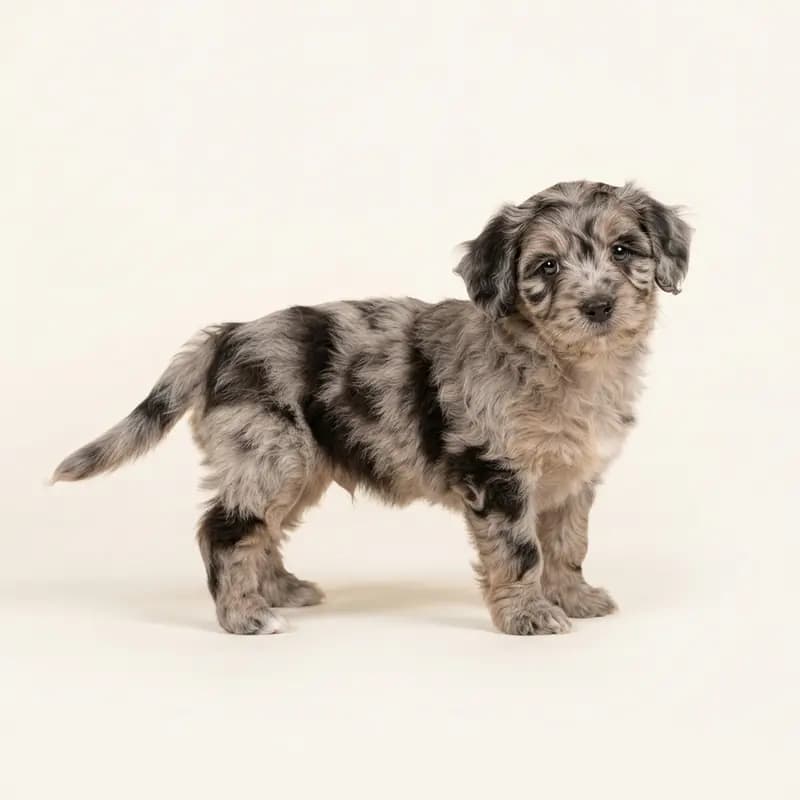
What colors does the Havanese come in?
The coat colors you will see in Havanese litters — including which ones fall outside the breed standard and which carry genetic risk.
Eye colors
 Brown
Brown Amber
Amber
Coat type
 Long
Long Silky
Silky Double coat
Is the Havanese right for you?
Perfect for you if:
- You are looking for a true companion dog whose only genetic job is to be by your side and share your everyday life.
- You live in an apartment (even without a garden) and are looking for a dog that is content with moderate but varied walks.
- You have a family or frequent visitors and want an open-minded, playful buddy without a protective instinct.
- You are a beginner dog owner and appreciate a cooperative nature that is forgiving of mistakes and enjoys learning little tricks.
Less ideal if:
- You are out of the house for long periods every day and have to leave him alone often—for a dog with this breeding, social isolation is the ultimate punishment.
- You don't want to deal with daily brushing and regular visits to the dog groomer, as the silky coat mats immediately without maintenance.
- You are looking for an athletic companion for long jogging sessions, bike rides, or ambitious dog sports.
The real vibes check
A Havanese is like a little, fluffy shadow that follows you into the bathroom with pure enthusiasm. He doesn't come with an exhausting hunting or protective instinct, but in return, he demands your undivided presence. You aren't getting an independent outdoorsy type, but a highly social optimist who literally wilts without his family.
Self-check
Would the Havanese really fit your life?
Answer 6 quick questions about your everyday life and see how well the Havanese fits you — including an honest cost estimate per month, per year, and across the dog's lifetime.
Fit checkCost estimateRisk dice
Takes about 1 minute · free & anonymous
Breed Profile
Havanese, intelligent and trainable extrovert dogs. Havanese are also excellent guard dogs who take their job seriously but usually keep barking to a minimum. Havanese, the only dog breed native to Cuba, are cheerful little dogs that always cause a stir with their large, brown eyes. These lively and sociable companions are particularly popular with American city dwellers. Typical of small dog breeds, the Havanese is also a breed that likes to move. In short: a small dog that appreciates exercise, play and training. It is therefore not surprising that this loyal companion would be particularly happy about a home with a garden. Are you not a fan of dog breeds that shed a lot? Then you've come to the right place with the Havanese! The Havanese is one of the dog breeds that sheds little. Are you still unsure whether the breed is right for you? Then we have a little bonus here: Do you have children? Perfect! Because the breed is known for being child-friendly. The average life expectancy of the Havanese is approximately 15 years.
All measurements in detail
- Height
- 23 - 27 cm (Female), 23 - 27 cm (Male)
- Weight
- 5 - 7 kg (Female), 5 - 8 kg (Male)
- Life Expectancy
- 13 - 15 yrs
- Character
- affectionate, bright, playful, alert, happy
- Coat
- long, soft, smooth top coat and poorly developed undercoat
- Coat Color
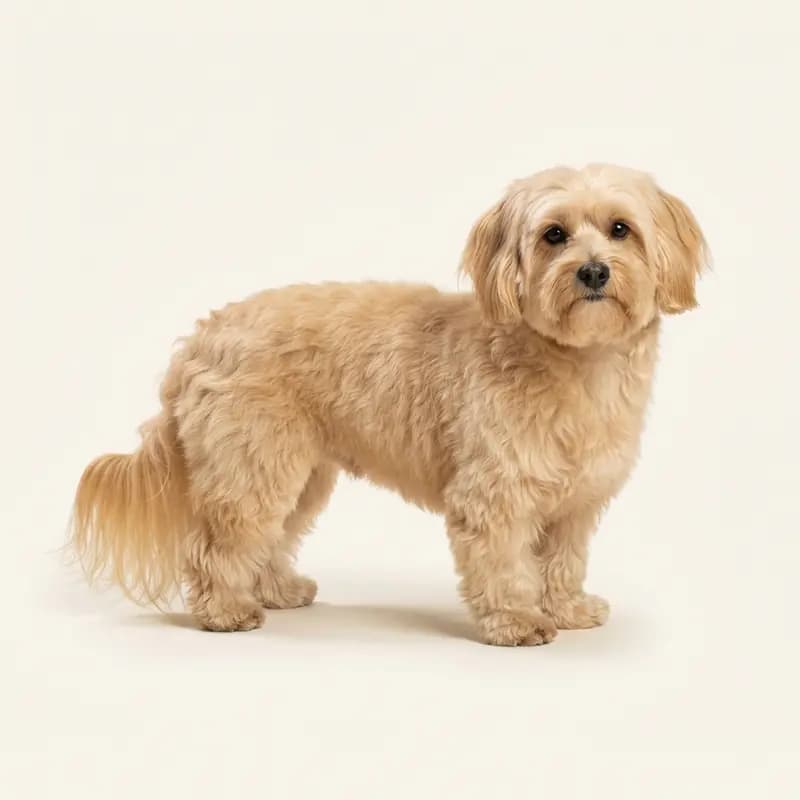
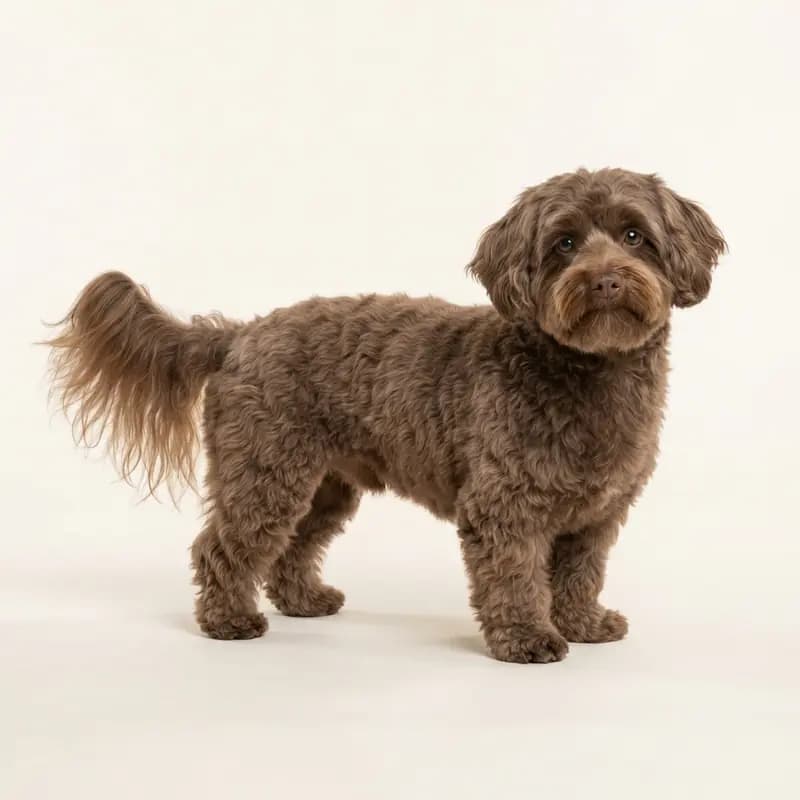
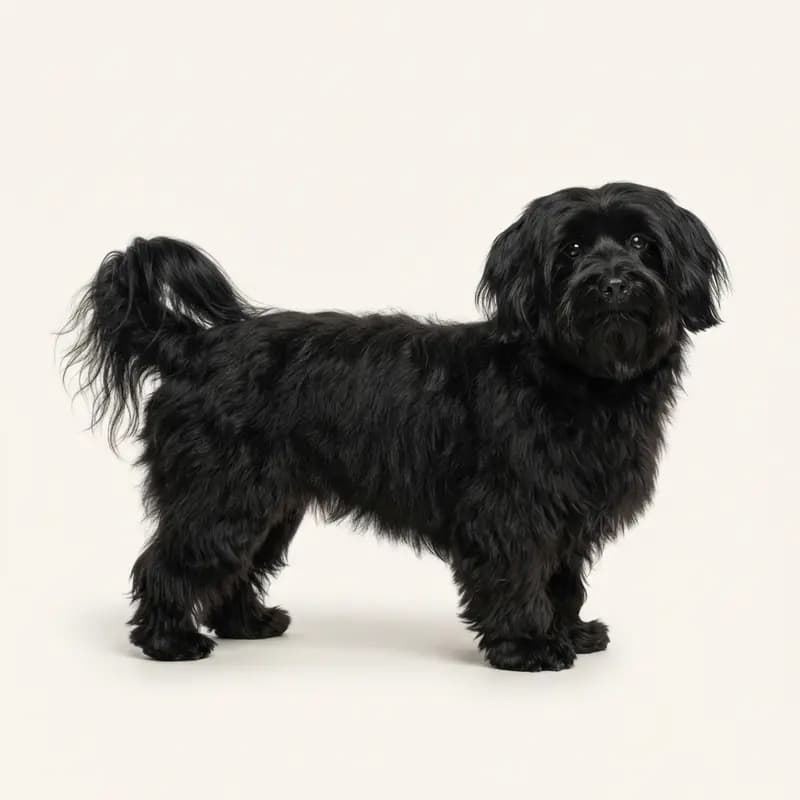
- White, fawn, black, Havana brown, reddish brown
- Price
- 1800 - 3000 €
Character & Temperament
The Havanese is a lively and friendly companion dog, distinguished by its cheerful nature and strong attachment to people. It loves spending time with its family and is always affectionate and playful. Due to its small size, it is well suited as an apartment dog but still requires regular exercise and mental stimulation to remain balanced. The Havanese is very eager to learn and adaptable, making it a pleasant partner for families, singles, and seniors. It is sensitive to its environment and benefits from loving but consistent training. Despite its friendly nature, it can be alert and reliably alerts to strangers without becoming aggressive. Its coat requires regular care as it is long and silky but does not shed heavily. The Havanese shows little prey drive, making it easy to control, and it is generally compatible with other dogs and pets. Overall, the Havanese is a cheerful, intelligent, and affectionate dog, characterized by its social and balanced nature as a loyal companion.
| Watchfulness Occasionally alerts but is fundamentally open. | Low |
| Openness to Strangers Loves every new person immediately and without reserve. | Very open |
| Hunting or Herding Drive Barely any prey drive — small animals trigger nothing. | Very low |
Fun Fact!
Sometimes the Havanese have small speckles on their bellies, which adds a special touch to their charming appearance.
What Awaits You
Havanese are active, intelligent and adaptable dogs. They are very popular with beginners, but should also be kept busy and utilized according to their type.
Housing & Care
Havanese are friendly and affectionate companion dogs that are excellent as family dogs. They are very social and get along well with children as well as other pets, provided they are socialized early. Due to their size and temperament, they are also well suited for city life and apartments, but require regular exercise and mental stimulation. Havanese love to spend time with their people and are therefore not dogs for long periods alone. Their cheerful and balanced nature makes them ideal partners for active families or individuals looking for a loyal and lively companion.
- Family Friendly
Lives for its family — the born family companion.
Ideal family dog - Child Friendly
Extraordinarily patient and loving — a true family dog.
Excellent with children - Dog Friendly
Actively enjoys the company of other dogs.
Dog-friendly - City Friendly
Small space, noise, lots of people — no problem at all.
Ideal city dog
Owning a dog is a privilege, but it's also a real responsibility. Before you bring one into your life, be honest with yourself about the commitment it takes.
Training & Education
Havanese dogs are intelligent and eager-to-learn companion dogs who enjoy working together with their humans. Their training should be varied and playful, as they learn quickly but can also be easily distracted. Due to their friendly and sensitive nature, they respond particularly well to positive, reward-based training methods. The Havanese requires regular mental stimulation, such as through small tricks, scent work, or gentle dog sports like rally obedience. Physical exercise is important but should not be overwhelming – walks and playing together are usually sufficient. Frustration tolerance should be encouraged early on, as the Havanese can sometimes be stubborn. Socialization and loving, consistent training are essential to raise a balanced and confident dog. The Havanese is not a dog for passive owners, but for people who enjoy actively promoting and challenging their little companion. With patience and positive reinforcement, the Havanese develops into a loyal, obedient, and joyful partner.
Nutrition & Care
Havanese: The Havanese is a small, lively companion dog that requires a balanced diet to stay healthy and fit. High-quality food with a good proportion of proteins and essential nutrients is ideal to support its energy. Be careful to avoid overweight, as the Havanese can be prone to gaining weight. The Havanese's coat is long, soft, and silky, without an undercoat, which often makes it suitable for allergy sufferers. Regular brushing, ideally several times a week, is necessary to prevent matting and keep the coat shiny. Occasional baths and trimming the hair around the eyes and paws help keep the dog well-groomed. The Havanese adapts well to the Central European climate. Its coat protects it from the cold, but in very hot weather, sufficient shade and water should be provided to prevent overheating.
| Care Level Needs regular professional grooming — time-consuming and costly. | High-maintenance |
| Exercise Needs Needs 1–2 hours of real exercise daily. | Active |
| Shedding No or minimal hair loss — suitable for allergy sufferers. | No shedding |
| Trainability Bred to work closely alongside humans. | Highly trainable |
Our experts are still reviewing this information. Spotted something wrong? Email us at info@honestdog.de.
Health & hereditary diseases
Health
A
Robust
Health grade
The Havanese is a very robust and long-lived breed with a pleasingly low genetic disease burden. A key concern is cataracts, which are well-managed through mandatory health tests within breeding programs. While one should remain mindful of breed-specific vulnerabilities such as patellar luxation and Progressive Retinal Atrophy (PRA), the Havanese stands out as an exceptionally healthy breed compared to many others.
Grade is relative to other breeds — AI-assisted and editorially reviewed.
In daily life this can mean
You should ensure a healthy weight and joint-friendly exercise to relieve the knees, as well as schedule regular eye and heart check-ups.
The breeder's role
Reputable breeders have the parents' knees, eyes, hearts, and liver values tested to reduce the risk of hereditary diseases in the line.
Note: This health overview is AI-assisted and editorially reviewed. It is for orientation only and does not replace veterinary advice.
No Health Tests Available
No specific health tests are currently available for this breed.
Costs & where to find one
How much does a Havanese cost?
A Havanese costs around ~€170 per month (€90 – €320, depending on your setup). The first year adds up to roughly ~€5,300 including purchase, equipment and puppy school; across the dog's life (14 years) it comes to about ~€32,270.
With surgery cover, running costs come to about ~€160 per month — in return, your share of a major operation drops from several thousand euros to around 20 percent.
Per month
~€170
In the first year
~€5,300
Across the dog's life
~€32,270
Purchase from a breeder: €1,800 – €3,000
Estimate at a mid-range setup (suburban, dry food, 1–2 hours of daily exercise), average German prices, as of July 2026.
Calculate your personal costs1-minute self-check with your own answers
Looking for a Havanese?
Appearance, variants & origin
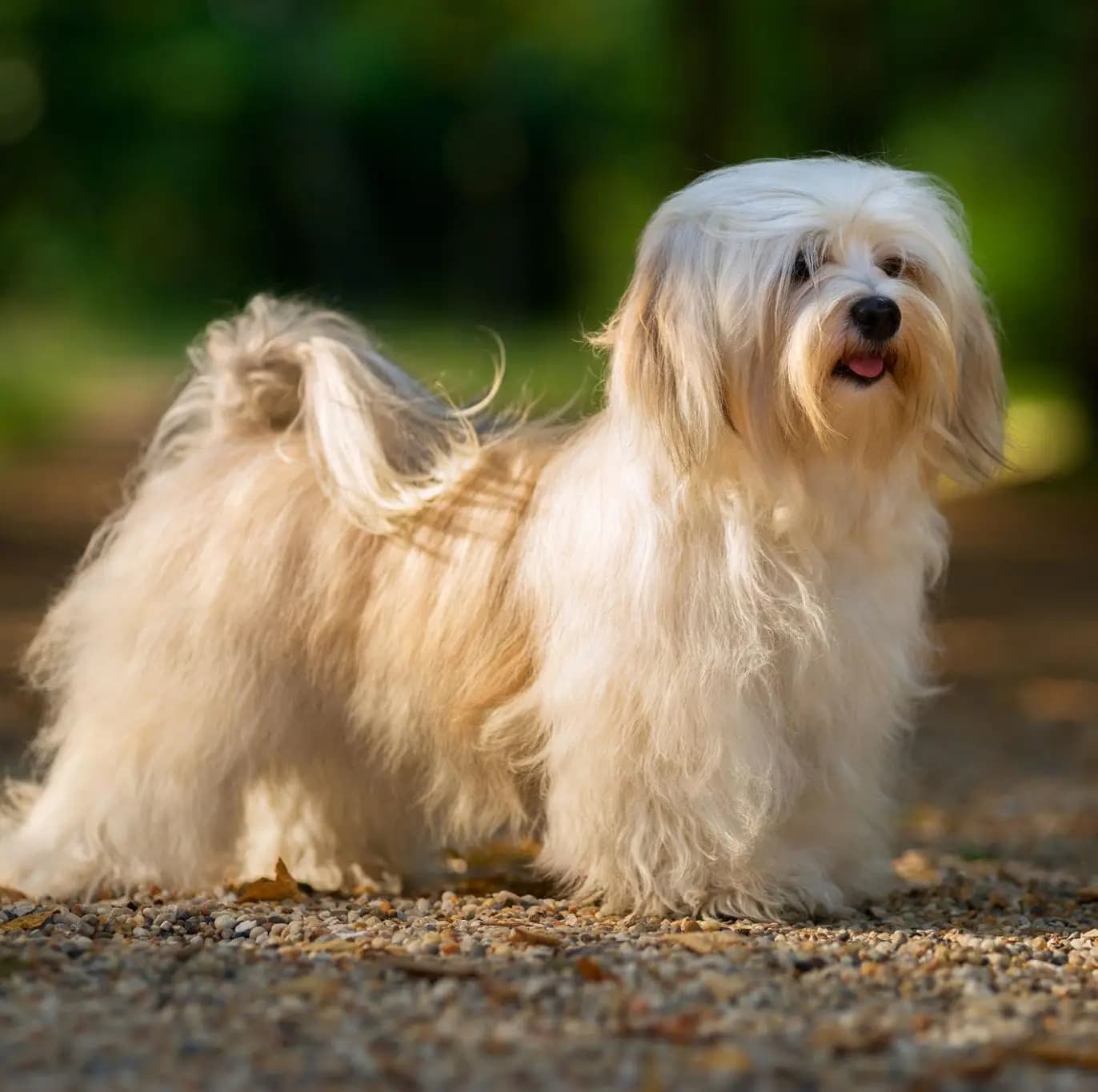
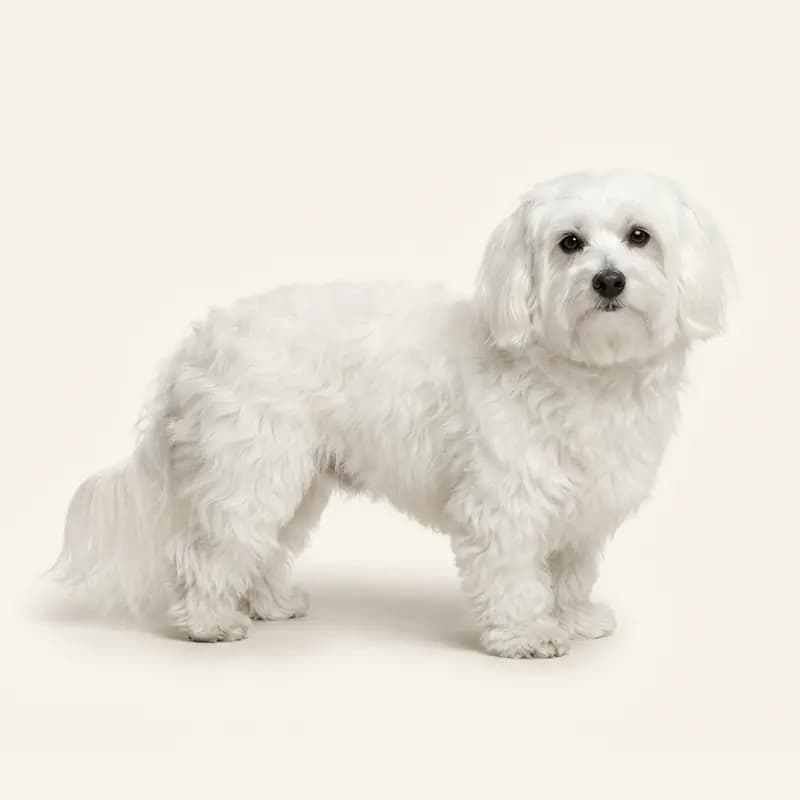 Illustrative image
 Illustrative image
 Illustrative image
 Illustrative image
History
The full history
The history of the Havanese begins in the 19th century on the Cuban island of Cuba. Originally, the breed descends from small Bichon dogs brought by Spanish and French immigrants. The Havanese was valued as a companion dog of the Cuban upper class and was known for its friendly nature and silky coat. Despite political upheavals and economic difficulties in Cuba, the breed survived. In the 1950s, the Havanese reached the USA, where it was further bred and became internationally known. Today, the Havanese is a popular family dog, appreciated for its zest for life and adaptability.
Original Use
The Havanese was bred as a companion dog for the Cuban upper class and is known for its friendly and lively nature.
Origin
Cuba
Date
1800
Owner experiences
What owners say about the Havanese
Sandra M., Halterin aus Nordrhein-Westfalen (Rüde, 16 Wochen alt)
Als wir unseren kleinen Havaneser Gismo mit 10 Wochen zu uns geholt haben, waren wir sofort schockverliebt. Er ist unglaublich süß, aufgeschlossen und bringt uns jeden Tag zum Lachen. Aber was wir völlig unterschätzt haben, ist seine extreme Fixierung auf mich als Hauptbezugsperson.
Gismo weicht mir keinen Millimeter von der Seite. Sobald ich auch nur kurz das Zimmer verlasse – und sei es nur, um ins Badezimmer zu gehen –, fängt er sofort an zu weinen und zu jaulen. Er leidet unter enormer Trennungsangst, wenn er mich nicht sieht, obwohl mein Partner im selben Raum ist.
Wir versuchen jetzt mühsam, ihm in ganz kleinen Schritten beizubringen, dass es okay ist, mal kurz allein zu sein. Die Rasse ist zwar wunderbar anhänglich, aber diese extreme Klette-Eigenschaft fordert im Alltag gerade echt viel Geduld von uns.
Christiane T., Halterin aus Niedersachsen (Rüde, seit 2022)
Unser Havaneser-Welpe ist ein echter Sonnenschein in der Wohnung. Er lernt extrem schnell, beherrscht 'Sitz' und 'Platz' schon richtig gut und ist unglaublich clever. Aber draußen zeigt sich eine ganz andere Seite, die uns anfangs echt verzweifeln ließ.
Sobald das Wetter schlecht ist, windig oder nass, weigert er sich strikt, weiterzugehen. Er bleibt einfach stur stehen, jault und will sofort wieder umdrehen. Sobald wir den Rückweg antreten, läuft er plötzlich freudig und im Eiltempo nach Hause.
Auch das Thema Stubenreinheit verlangt uns einiges ab. Er verknüpft das Lösen draußen bei Kälte nur sehr langsam und neigt dazu, sich lieber in den hinteren Ecken der Wohnung ein ruhiges Plätzchen zu suchen. Man braucht bei dieser Rasse trotz aller Klugheit einfach einen langen Atem.
Nicole S., Halterin aus Bayern (Rüde, seit 2006)
Filou ist mittlerweile ein fester Teil unseres Lebens. Er ist wahnsinnig intelligent, unglaublich verspielt und haart überhaupt nicht, was ein riesiger Pluspunkt ist. Er zieht überall die Blicke auf sich und liebt es, von jedem gestreichelt zu werden.
Allerdings darf man den Pflegeaufwand nicht unterschätzen. Auch wenn wir sein Fell etwas kürzer halten, muss er regelmäßig gebürstet und gepflegt werden, damit nichts verfilzt. Außerdem hat er, so lieb er auch ist, einen ganz schönen Dickkopf. Wenn er etwas nicht will, zeigt er das sehr deutlich.
Man muss bei einem Havaneser konsequent bleiben und ihm geistige Aufgaben geben, damit er ausgelastet ist. Er orientiert sich extrem an den Gefühlen seiner Menschen – wenn ich gestresst bin, wird er sofort hibbelig. Er ist eben ein hochsensibler, aber absolut treuer Begleiter.
Paraphrased from real owner reports
Loading owner stories
Community Posts
FAQ & more
Frequently asked questions about the Havanese
Is a Havaneser the right dog for me?
The Havaneser is an adaptable dog that adjusts well to various lifestyles. Research the temperament, grooming needs, and space requirements before deciding.
How long does a Havaneser live?
The average life expectancy of a Havaneser is 13-15 years. With proper care and regular vet visits, your dog can live a long, healthy life.
How much grooming does a Havaneser need?
Havaneser grooming requirements include regular brushing, nail trimming, and dental care. HonestDog provides detailed grooming tips for every breed.
Is a Havaneser good for families with children?
The Havaneser can be a great family dog. Proper training and socialization are key. HonestDog provides family suitability information for every breed.
What colors does the Havaneser come in?
The Havaneser comes in these colors: White, Fawn, Brown, Black, Sable, Cream, Red, Grey, Silver, Bicolor, Tricolor, Merle. Colors that fall outside the breed standard are marked as such on the breed page.
Loading related articles
Are you a Havanese breeder?
Showcase your kennel on HonestDog and reach families searching for a responsibly bred Havanese.