Dutch ShepherdClose relative
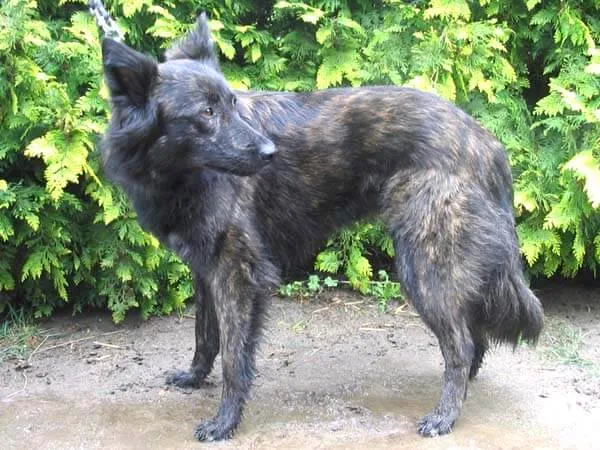
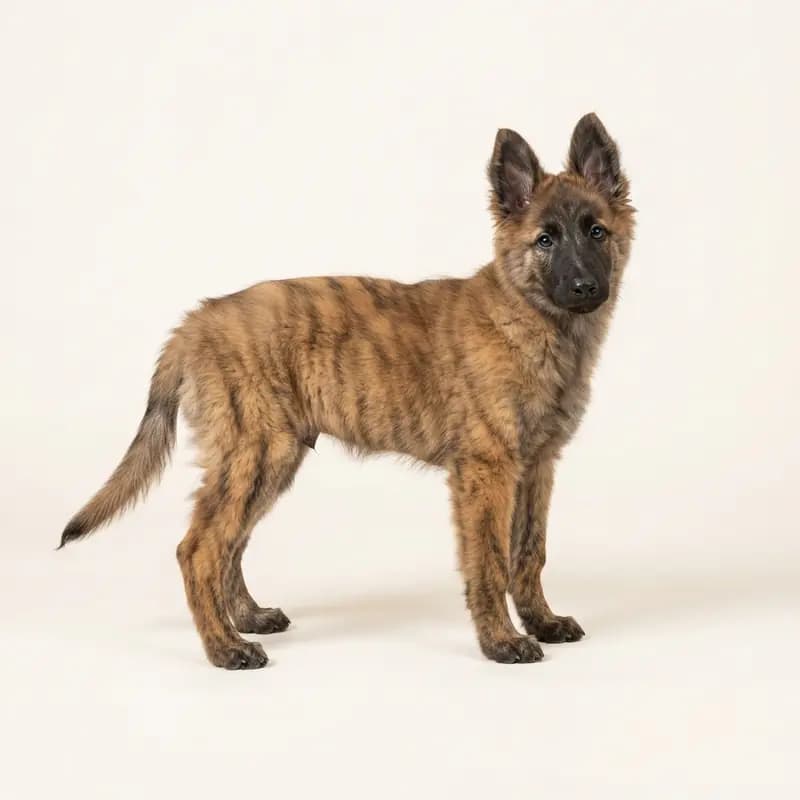
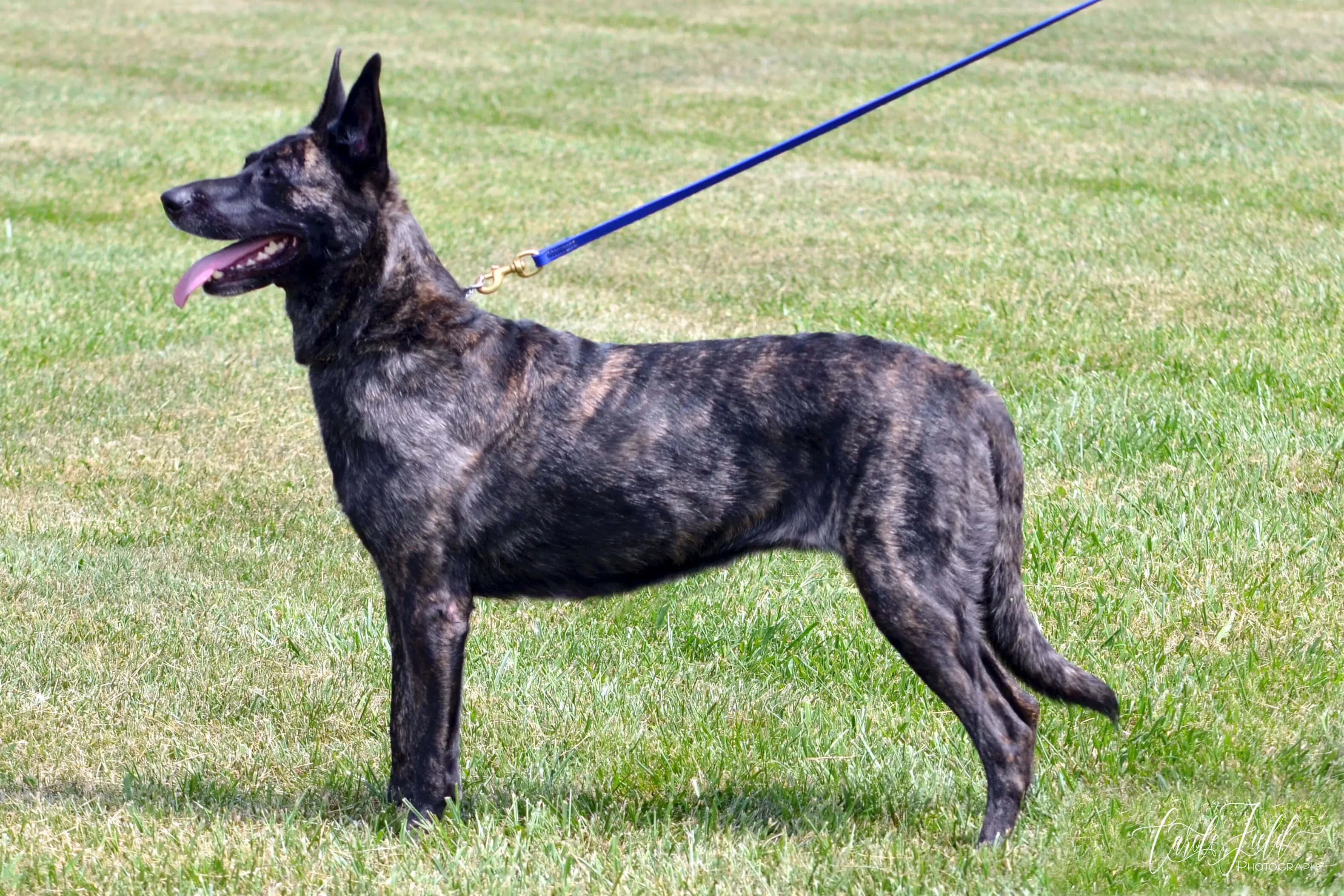
The long-haired Hollandse Herder is an athletic, highly intelligent, and sensitive dog—a responsive Hütehund (herding dog) bred for enduring, independent work with livestock and guarding the farm.
Self-check
Answer 6 quick questions about your everyday life and see how well the Dutch Shepherd (Longhair) fits you — including an honest cost estimate per month, per year, and across the dog's lifetime.
At a glance
The essentials — key facts, traits, and health priorities — before you dive deeper.
Health grade
Relative to other breeds
Average — several important tests are expected.
Tests mandated by the breed club
Per Holländischer Schäferhund Club Deutschland e.V. (HSCD / VDH)
See full health info & tests →
Note: This health overview is AI-assisted and editorially reviewed. It is for orientation only and does not replace veterinary advice.
Lifespan
12–14 yrs
Height
55–62 cm
Weight
20–35 kg
Practical
Temperament
Daily life
What matters most
Especially with a Dutch Shepherd (Longhair), choosing the right breeder is the single most important decision you'll make. Serious breeders consistently test the parents for inherited conditions, prioritize healthy early socialization, and stay accountable long after handover. A cheap puppy without health screening tends to become the most expensive dog later on.
See HonestDog breeder standards →Colors & coat
The coat colors you will see in Dutch Shepherd (Longhair) litters — including which ones fall outside the breed standard and which carry genetic risk.
Eye colors
 Brown
BrownCoat type
 Long
Long Double coat
The real vibes check
The long-haired Hollandse Herder is like a highly sensitive sports car—he reacts at lightning speed to the slightest steering maneuver but forgives no rough driving errors. If you lead him confidently and fairly, you will get a partner who feels almost telepathically connected to you. However, if you leave the decisions to him, he will mercilessly start herding and disciplining your entire daily routine.
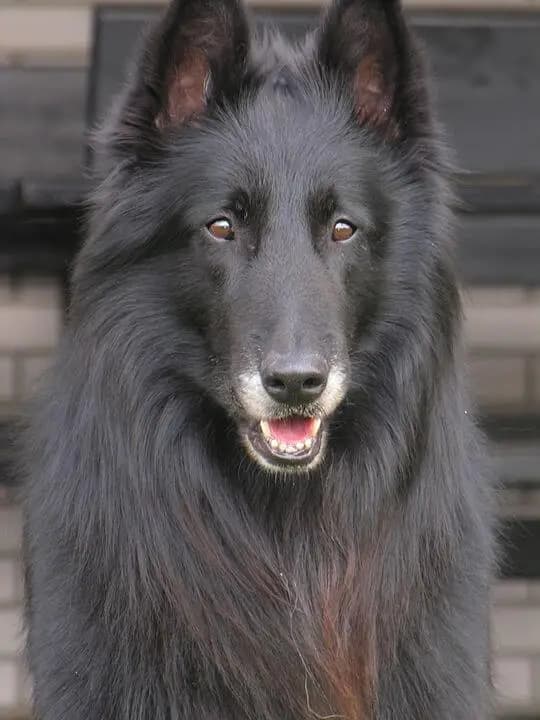
The Dutch Shepherd, also known as the Dutch Herdershond, is an impressive and versatile breed known for its beauty, intelligence and willingness to work. The long-haired variety is characterized by its long, dense fur, which makes an elegant impression and makes it perfect for the cold winters in its homeland, the Netherlands. These dogs are sturdy and well-built, with a strong, muscular build that highlights their working ability. The Dutch Shepherd belongs to FCI Group 1, herding and driving dogs. There is no distinction between performance and show lines in this breed, meaning that all Dutch Shepherds, regardless of coat length, are suitable for both work and exhibition. Their abilities as working dogs extend beyond sheep herding to areas such as search and rescue operations, sniffer dog work, and as service dogs in police and military work.
The Dutch Shepherd is known for its bright and active character. These dogs are very intelligent and learn quickly, making them excellent working dogs. But they also know how to impress in the family with their devotion and their sweet nature. Like most herding dogs, Dutch Shepherds are very active and require lots of exercise and mental stimulation. They love completing tasks and feel most comfortable when they have a task to work on. Boredom and lack of challenge can lead to restlessness and undesirable behavior in this breed, so it is important to keep their mind and body well-used. In general, Dutch Shepherds are very people-oriented and form strong bonds with their family. They are loyal and protective, which makes them good guard dogs. At the same time, they are also playful and enjoy spending time with their people. They typically get along well with children and can also get along well with other dogs and pets if properly socialized. Although they are very attached to their people, Dutch Shepherds can learn to stay alone if they are trained to do so from an early age. However, like all dogs, they should not be left alone for long periods of time. Despite their herding background, Dutch Shepherds do not have a strong tendency to exhibit hunting or prey-catching behavior. However, they should always be well supervised and kept safe, especially when around smaller animals. Their alertness and strong protective instincts can cause them to react to unknown animals or people in their territory. Overall, the Dutch Shepherd is a versatile, intelligent and loyal dog that can excel as both a working dog and a family dog. His energy and intelligence make him an excellent choice for active people who have the time and commitment to take care of his needs. With the right care and training, the Dutch Shepherd can be a wonderful companion who will share his life with you full of loyalty and love.
| Watchfulness A natural watchdog with real protective instinct. | High |
| Openness to Strangers Neither pushily friendly nor suspicious. | Neutral |
| Hunting or Herding Drive Noticeable drive — needs attention around small animals. | Moderate |
Fun Fact!
Did you know that the Dutch Shepherd was originally bred as an all-around farm dog? This means he's designed to perform a variety of tasks, from herding sheep to guarding the yard to pulling carts!
Dutch Shepherds are intelligent dogs with lots of energy. They must be exercised according to their type and are not beginner dogs.
Dutch Shepherds are active dogs that feel most comfortable when they have enough space to run and play. This makes them less suitable for living exclusively in an apartment in the city, unless you can provide them with enough exercise and activity. They typically get along well with children and can also get along well with other pets provided they have been properly socialized.
Loves family life and thrives in a group.
Takes boisterous and affectionate children in its stride.
Usually gets on fine with other dogs.
City-appropriate with enough exercise and stimulation.
Owning a dog is a privilege, but it's also a real responsibility. Before you bring one into your life, be honest with yourself about the commitment it takes.
Dutch Shepherds are intelligent and eager to learn, which usually makes training a joy. They love completing tasks and learning new things. However, their eagerness can sometimes make them "ball junkies." make or tempt them to work too much. It is therefore important to teach them to calm down and learn to tolerate frustration and impulse control. It is important to encourage this breed's natural need for exercise and mental stimulation to ensure their happiness and well-being. They are ideal for various dog sports such as agility, obedience, flyball and much more. However, it is also important to give them alternatives and prevent them from becoming too obsessive.
Dutch Shepherds require a balanced and nutritious diet to maintain their health and energy levels. You can either choose high-quality commercial dog food or consider a balanced raw diet, but in either case it is important that the diet provides all the necessary nutrients. In terms of care: The Dutch Shepherd (Longhair) has a beautiful, long coat with an undercoat that requires regular brushing to prevent tangles and skin problems. They shed moderately, but can shed more intensively during the shedding phases in spring and autumn. They are adapted to the climate in the Netherlands and also cope well with the German climate.
| Care Level Regular brushing and occasional professional grooming. | Moderate |
| Exercise Needs Needs several hours of serious exercise every day. | Very active |
| Shedding Regular shedding — dog hair on clothes is now normal. | Moderate |
| Trainability Picks up commands quickly and wants to please. | Eager to learn |
Our experts are still reviewing this information. Spotted something wrong? Email us at info@honestdog.de.
Solid, watch carefully
Health grade
The long-haired Dutch Shepherd is a robust working dog, but it carries an above-average number of breed-related hereditary diseases. Important risks such as hip dysplasia (HD) and elbow dysplasia (ED) are fortunately strictly monitored. Nevertheless, buyers must be aware of neurological risks such as degenerative myelopathy (DM) and spongiform degeneration with cerebellar ataxia (SDCA2), which is why complete test results for the parent animals are mandatory.
Grade is relative to other breeds — AI-assisted and editorially reviewed.
What matters most for this breed
Tap any item to see details.
Without conscious management of physical exertion and good preventative care—such as regular check-ups—health problems and veterinary costs can rise significantly later on.
Reputable breeders have the hips and eyes of the parent animals checked and use appropriate DNA tests to reduce known risks in the Herder as much as possible and keep the dogs resilient for a long time.
Note: This health overview is AI-assisted and editorially reviewed. It is for orientation only and does not replace veterinary advice.
What matters most for this breed — what's common, how much it affects the dog's life, and how to protect yourself as a buyer.
Tap a body region to see the inherited conditions linked to it.
The three most important risks
Pick a region on the map to explore other areas.
Tier 1 reflects the tests Holländischer Schäferhund Club Deutschland e.V. (HSCD / VDH) actually mandates. Tiers 2 and 3 show how responsible breeders go beyond.
Club standard. Tests the relevant breed-club (VDH / FCI / AKC parent club) mandates for registration. Any serious breeder should provide these.
No entries in this tier.
No entries in this tier.
Note: This health overview is AI-assisted and editorially reviewed. It is for orientation only and does not replace veterinary advice.
A Dutch Shepherd (Longhair) costs around ~€190 per month (€100 – €360, depending on your setup). The first year adds up to roughly ~€5,100 including purchase, equipment and puppy school; across the dog's life (13 years) it comes to about ~€32,360.
With surgery cover, running costs come to about ~€190 per month — in return, your share of a major operation drops from several thousand euros to around 20 percent.
Per month
~€190
In the first year
~€5,100
Across the dog's life
~€32,360
Purchase from a breeder: €1,500 – €2,500
Estimate at a mid-range setup (suburban, dry food, 1–2 hours of daily exercise), average German prices, as of July 2026.
HonestDog Concierge
We currently have no breeders for this breed who have passed our verification. Create your short buyer profile: we'll set up your search alert, review a possible source and email you within 28 days.
The Dutch Shepherd is an ancient dog breed that has been known in the Netherlands since the 19th century. Originally, these dogs were used to guard herds and as general working dogs on farms. Their skills in herding, guarding and as a loyal companion made them an invaluable member of rural communities. With industrialization and the reduction of sheep herds in the Netherlands, the role of the Dutch Shepherd changed. They have been used in various areas of work including search and rescue operations, sniffer dog work and as service dogs for the police and military. This versatility has helped the breed survive to this day. The breed was recognized by the Dutch Kennel Club in 1898 and has since been a valued and respected breed, both in its homeland and internationally. Their loyalty, intelligence, and work ethic make them an excellent choice for a variety of roles and tasks.
The long-haired Dutch Shepherd also served as a herding and guard dog and is characterized by its long, thick fur.
Netherlands
1800
Ich habe mich damals ganz bewusst für die Langhaar-Variante des Holländers entschieden, weil mir gesagt wurde, dass sie im Vergleich zum Kurzhaar etwas weniger extrem im Trieb und insgesamt ein Stück ausgeglichener sein sollen. Und das stimmt auch: Mein Rüde ist im Alltag ein absolut treuer, anhänglicher Begleiter, der unglaublich schnell lernt und am liebsten jede Sekunde mit mir verbringen möchte.
Allerdings darf man die Rasse nicht unterschätzen. Er ist extrem sensibel und reagiert sofort auf meine Stimmung. Eine harte Hand verträgt er überhaupt nicht, da macht er sofort dicht. Man braucht viel Geduld und positive Motivation. Wir machen Sanitätshundesport und Obedience, und diese geistige Auslastung braucht er auch dringend. Wenn wir mal ein paar Tage weniger machen, merkt man schnell, dass er unruhig wird.
Ein weiterer Punkt ist die Fellpflege und das Wetter. Bei großer Hitze im Sommer merkt man ihm das dichte, lange Fell deutlich an – da ist er viel schneller k.o. und sucht den Schatten. Das regelmäßige Bürsten, besonders während des Fellwechsels im Frühjahr und Herbst, ist Pflicht, sonst verfilzt die Unterwolle extrem schnell.
Unsere Hündin ist im Haus eine Seele von Hund – unglaublich empathisch, ruhig und verschmust. Sie hat eine ganz feine Art an sich und geht sehr behutsam mit ihrer Kraft um. Aber man darf sich nicht täuschen lassen: Sie ist absolut kein reiner Familienhund, der einfach nur so 'nebenher' läuft. Sie braucht eine klare Aufgabe.
Wir bilden sie derzeit im Rettungshundewesen aus, und da blüht sie richtig auf. Sie hat einen gesunden Schutztrieb und ist Fremden gegenüber anfangs recht zurückhaltend, taut aber schnell auf. Manchmal hat sie auch ein echtes 'Äffchen im Kopf' und stellt kleine Clowns-Dinge an, wenn ihr langweilig ist.
Wer sich einen Langhaar-Herder zulegen möchte, sollte wissen, dass diese Hunde eine konsequente, aber liebevolle Führung brauchen. Ohne geistige Beschäftigung und ausreichend Auslauf fangen sie an, sich selbst Aufgaben zu suchen, und das ist bei einem so intelligenten, wachsamen Hund selten das, was man als Halter möchte.
Für mich ist der Langhaar-Herder der perfekte Teampartner, aber er ist definitiv eine Lebenseinstellung und kein Hund für Jedermann. Er hat ordentlich 'Temperament im Hintern' und will arbeiten. Wir sind im Agility aktiv, und dort zeigt er einen tollen 'Will to Please', ohne dabei so extrem überdreht zu sein wie manche Arbeitslinien-Malis.
Die Erziehung erfordert Fingerspitzengefühl. Da er sehr intelligent ist, lernt er auch Unarten blitzschnell. Man muss von Anfang an sehr konsequent sein und ihm klare Grenzen setzen, gleichzeitig aber extrem fair bleiben. Auf harte Strafen reagiert er mit absolutem Vertrauensverlust.
Unterschätzt habe ich anfangs den Pflegeaufwand des Fells. Man muss wirklich zwei- bis dreimal pro Woche mit der Bürste bis auf die Unterwolle durchkommen, sonst verfilzt das Haarkleid komplett. Im Fellwechsel bürste ich ihn täglich, und die Mengen an Haaren, die er verliert, sind gigantisch.
Paraphrased from real owner reports
The Dutch Shepherd (Longhair) is an active dog that needs plenty of exercise and mental stimulation. Research the temperament, grooming needs, and space requirements before deciding.
The average life expectancy of a Dutch Shepherd (Longhair) is 12-14 years. With proper care and regular vet visits, your dog can live a long, healthy life.
Dutch Shepherd (Longhair) grooming requirements include regular brushing, nail trimming, and dental care. HonestDog provides detailed grooming tips for every breed.
The Dutch Shepherd (Longhair) can be a great family dog. Proper training and socialization are key. HonestDog provides family suitability information for every breed.
The Dutch Shepherd (Longhair) comes in these colors: Brindle.
Showcase your kennel on HonestDog and reach families searching for a responsibly bred Dutch Shepherd (Longhair).