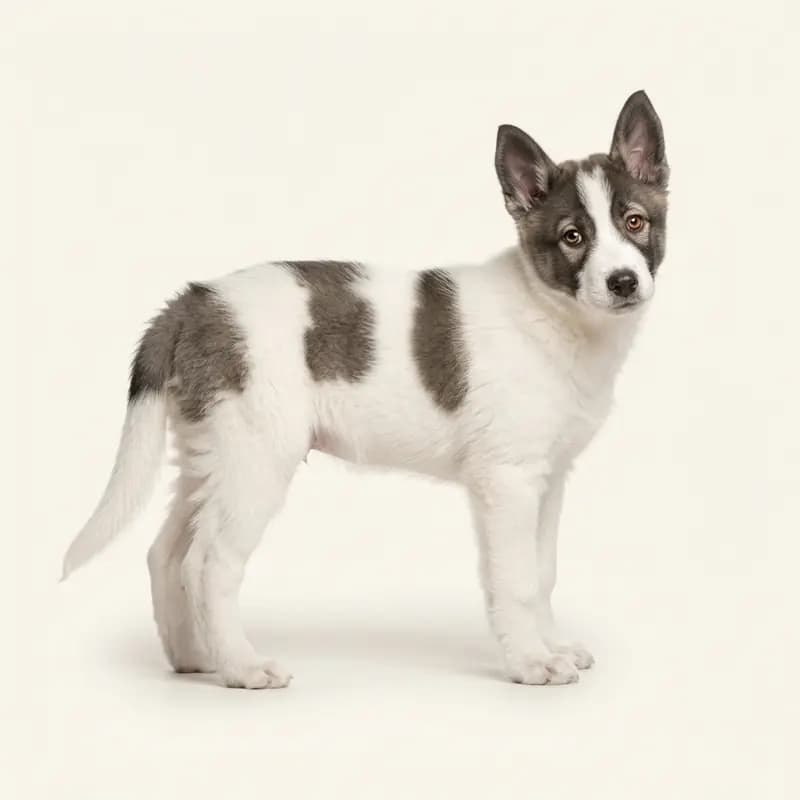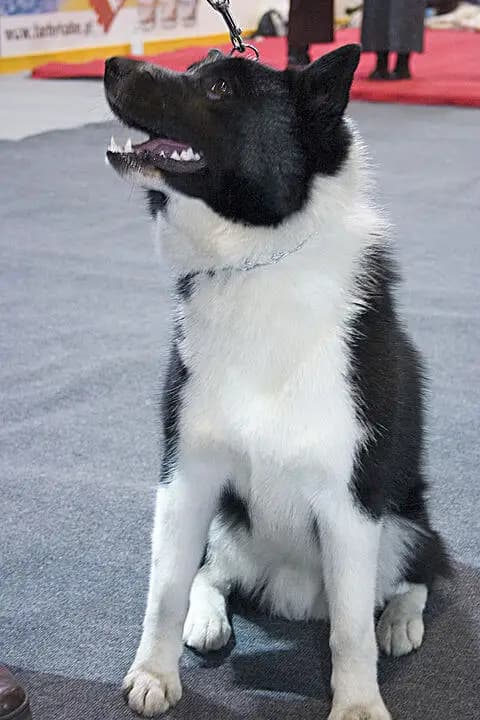
Russian-European LaikaSame FCI section
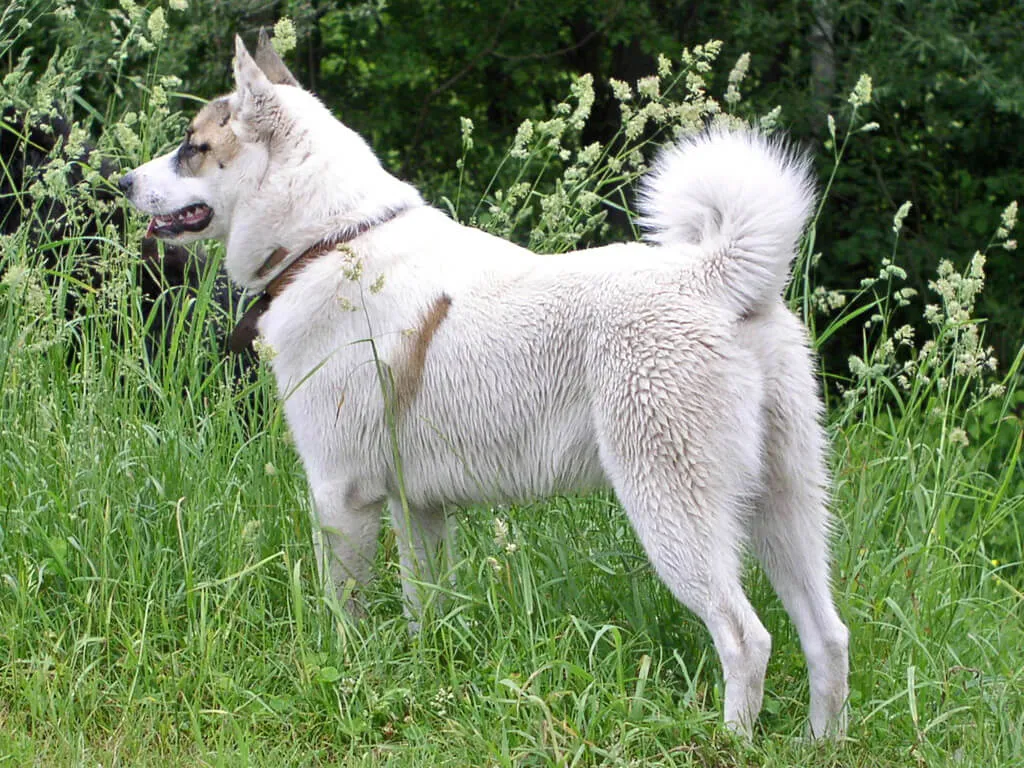
The Westsibirische Laika (West Siberian Laika) is a highly independent, robust Nordic hunting dog—bred for endurance hunting in the taiga, where it tracks, corners, and holds game in place by barking, all completely on its own.
Self-check
Answer 6 quick questions about your everyday life and see how well the West Siberian Laika fits you — including an honest cost estimate per month, per year, and across the dog's lifetime.
At a glance
The essentials — key facts, traits, and health priorities — before you dive deeper.
Lifespan
10–14 yrs
Shoulder height
51–62 cm
Weight
18–25 kg
Practical
Temperament
Daily life
What matters most
Especially with a West Siberian Laika, choosing the right breeder is the single most important decision you'll make. Serious breeders consistently test the parents for inherited conditions, prioritize healthy early socialization, and stay accountable long after handover. A cheap puppy without health screening tends to become the most expensive dog later on.
See HonestDog breeder standards →Colors & coat
The coat colors that occur in the West Siberian Laika — including which ones fall outside the breed standard and which carry genetic risk.
Eye colors
 Brown
Coat type
 Double coat
 Medium
The real vibes check
A Laika is not a follower of commands, but an autonomous survivalist. When you let him off the leash, he isn't going for a walk, he is going to work—and he decides for himself when the job is done. You aren't getting a dog that follows you blindly, but a wild, loyal colleague who re-evaluates your competence in the wild every single day.
The West Siberian Laika is a breed of dog from the far north that is characterized by its attractive appearance and robust build. It belongs to the group of Spitz and primitive dog types, more precisely to the section of Nordic hunting dogs. Their appearance is that of a typical Laika: robust and resilient, with a compact body, a broad chest and strong bones. The head is wedge-shaped, the eyes are almond-shaped and the ears are pointed and erect. This breed does not differentiate between performance and show lines. The West Siberian Laika was originally bred for hunting game and predators and is still often used for this purpose today. However, it can also be kept as a companion and family dog as long as it gets enough exercise and mental stimulation.
The character of the West Siberian Laika is an exciting mix of independence, loyalty and intelligence. Originally bred for hunting, she is a very active and energetic dog that constantly wants to be on the move and discover new things. She is not a dog for couch potatoes, but needs a lot of exercise and mental stimulation to be happy and balanced. The West Siberian Laika is very loyal and affectionate to its people, but can also be very independent. She is not a “beginner dog” and needs a person who can handle her active and independent nature and is willing to devote a lot of time and attention to her. As a hunting dog, the West Siberian Laika has a strong hunting instinct. This can cause her to have a tendency to react to anything that moves, be it a small animal, a leaf blowing in the wind, or a car driving by. It's important to keep this in mind and take appropriate precautions when you're out with her. The West Siberian Laika is also a very alert dog. She quickly becomes aware of unusual noises or movements and is always ready to defend her territory and her family. This makes them an excellent watchdog. However, it is important that you make sure that she does not become too aggressive or overprotective. When dealing with other dogs, the West Siberian Laika can sometimes be dominant. She often gets along better with dogs of the opposite gender and can have conflicts with dogs of the same gender. It is therefore important that you socialize them early and well and seek professional support if necessary. The West Siberian Laika can easily learn to stay alone as long as you train it properly from the start and make sure it has enough exercise and activity. However, it is important that you remember that she is a very active and sociable dog who wants to spend a lot of time with you and your family. In summary, the West Siberian Laika is an active and independent dog that needs a lot of exercise and activity. She is loyal and affectionate to her people, but can also be very independent. However, with the right leadership and consistent, loving training, she can become a wonderful companion and friend.
| Watchfulness Reports unusual activity but stays controlled. | Moderate |
| Openness to Strangers Warms up quickly and is generally welcoming. | Friendly |
| Hunting or Herding Drive Mild interest in movement and small animals — easily managed. | Low |
Fun Fact!
Did you know that the West Siberian Laika is an excellent climber? Thanks to her agility and strength, she can even climb trees!
The West Siberian Laika is an intelligent and hardworking hunting dog from Russia. It is characterized by its endurance and adaptability and is mainly used for hunting wild boars, birds, and other animals. The Laika is alert, loyal, and requires consistent training as well as sufficient activity. It is well suited for active families who spend a lot of time outdoors.
As an active and robust dog, the West Siberian Laika is less suitable for keeping in the city. She needs a lot of exercise and activity and feels most comfortable in a house with a garden. She can adapt well to life with children as long as they treat her with respect. However, there should always be a supervisor with smaller children. Other pets can pose a challenge for the West Siberian Laika because it has a strong hunting instinct. However, with early and consistent socialization, she can learn to live with other pets.
Loves family life and thrives in a group.
Takes boisterous and affectionate children in its stride.
Usually gets on fine with other dogs.
City-appropriate with enough exercise and stimulation.
Owning a dog is a privilege, but it's also a real responsibility. Before you bring one into your life, be honest with yourself about the commitment it takes.
The West Siberian Laika is intelligent and willing to learn, but also very independent. She needs consistent but loving upbringing with clear rules and structures. It is important to respect and channel their independence and hunting instinct. This breed requires a lot of mental and physical activity to be happy. It can therefore be used well for various dog sports such as agility, obedience or mantrailing. The West Siberian Laika runs the risk of becoming a “ball junkie” if she spends too much time with the ball. Therefore, you should keep her involvement with the ball moderate and include other activities to stimulate her senses and mind. Impulse control and frustration tolerance are particularly important in this breed in order to control the strong hunting instinct. Training in these areas can help her cope better with everyday and social life and deal with challenges better.
The West Siberian Laika is adapted to the harsh conditions of Siberia and requires a high-quality diet rich in proteins and fats. She gets along well with commercial dry or wet food as well as with biologically species-appropriate raw feeding (BARF). Caring for the West Siberian Laika is relatively straightforward. She has a double coat with a dense undercoat that protects her from extreme temperatures. That's why she gets along well with the German climate. She loses her undercoat twice a year, during this time she sheds more than usual and requires regular brushing to remove dead hair and prevent skin irritation.
| Care Level Minimal effort — occasional brushing and bathing. | Low-maintenance |
| Exercise Needs Needs several hours of serious exercise every day. | Very active |
| Shedding Regular shedding — dog hair on clothes is now normal. | Moderate |
| Trainability Bred to make decisions without human direction. | Very independent |
Our experts are still reviewing this information. Spotted something wrong? Email us at info@honestdog.de.
Robust
Health grade
The West Siberian Laika is considered a very robust breed, yet hip dysplasia (HD) as well as hereditary eye diseases such as cataracts or progressive retinal atrophy can occur. While the Laika-Club e.V. prescribes a dental and bite evaluation for breeding approval, responsible breeders additionally test the musculoskeletal system and eyes. Before purchasing a puppy, ask to see proof of an HD X-ray with results HD A–B, as well as a current ophthalmological eye test certifying that the parent animals are free from hereditary eye problems.
Grade is relative to other breeds — AI-assisted and editorially reviewed.
Methodology and data: HonestDog Dog Breed Health Report 2026
What matters most for this breed
Tap any item to see details.
With joint-friendly rearing and regular eye check-ups, you lay the foundation for this energetic dog to stay fit throughout its life.
Responsible breeders comply with the mandatory dental and bite evaluation and additionally have parent animals examined for hip dysplasia (HD) as well as by ophthalmological eye testing.
Note: This health overview is AI-assisted and editorially reviewed. It is for orientation only and does not replace veterinary advice.
What matters most for this breed — what's common, how much it affects the dog's life, and how to protect yourself as a buyer.
Tap a body region to see the inherited conditions linked to it.
The three most important risks
Pick a region on the map to explore other areas.
Tier 1 is the recommended health standard for this breed. Tiers 2 and 3 show how responsible breeders go beyond.
Recommended standard. These tests make up the recommended health standard for this breed — the baseline of any careful breeding program. Ask any reputable breeder for the results.
Not health tests, but required for breeding: the club asks for these results too. They don't count toward the risks or the rating.
Wesensbeurteilung
Required by Laika-Club e.V.
Acceptable result: Bestehen des Kreistests (Mindestnote 1 für III. Preis)
Dental and bite evaluation
Required by Laika-Club e.V.
Acceptable result: Keine zuchtausschließenden Gebissfehler
Note: This health overview is AI-assisted and editorially reviewed. It is for orientation only and does not replace veterinary advice.
A West Siberian Laika costs around ~€180 per month (€90 – €330, depending on your setup). The first year adds up to roughly ~€4,950 including purchase, equipment and puppy school; across the dog's life (12 years) it comes to about ~€28,210.
With surgery cover, running costs come to about ~€170 per month — in return, your share of a major operation drops from several thousand euros to around 20 percent.
Per month
~€180
In the first year
~€4,950
Across the dog's life
~€28,210
Estimated purchase price from a breeder: €1,500 – €2,500
Estimate at a mid-range setup (suburban, dry food, 1–2 hours of daily exercise), average German prices, as of July 2026.
HonestDog Concierge
We currently have no breeders for this breed who have passed our verification. Create your short buyer profile: we'll set up your search alert, review a possible source and email you within 28 days.
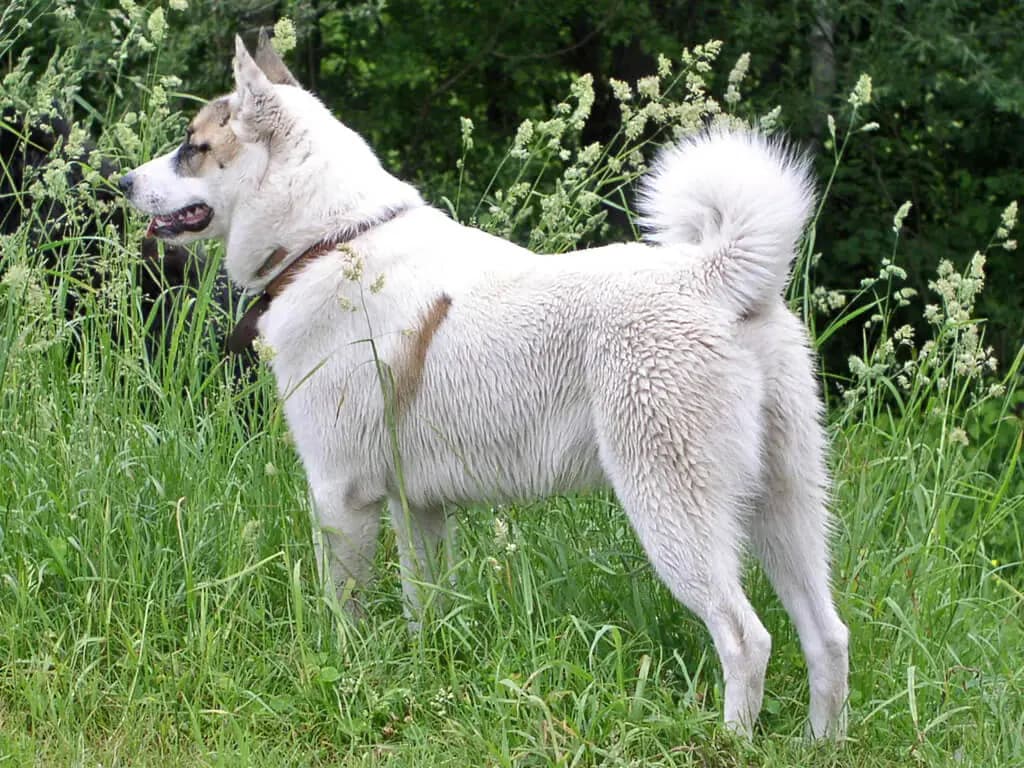
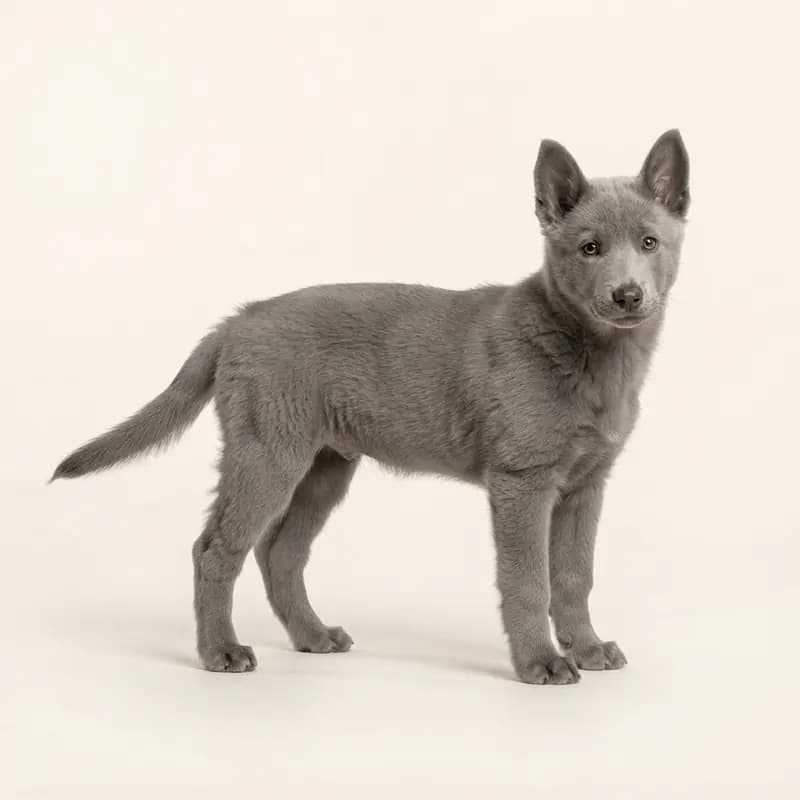 Illustrative image
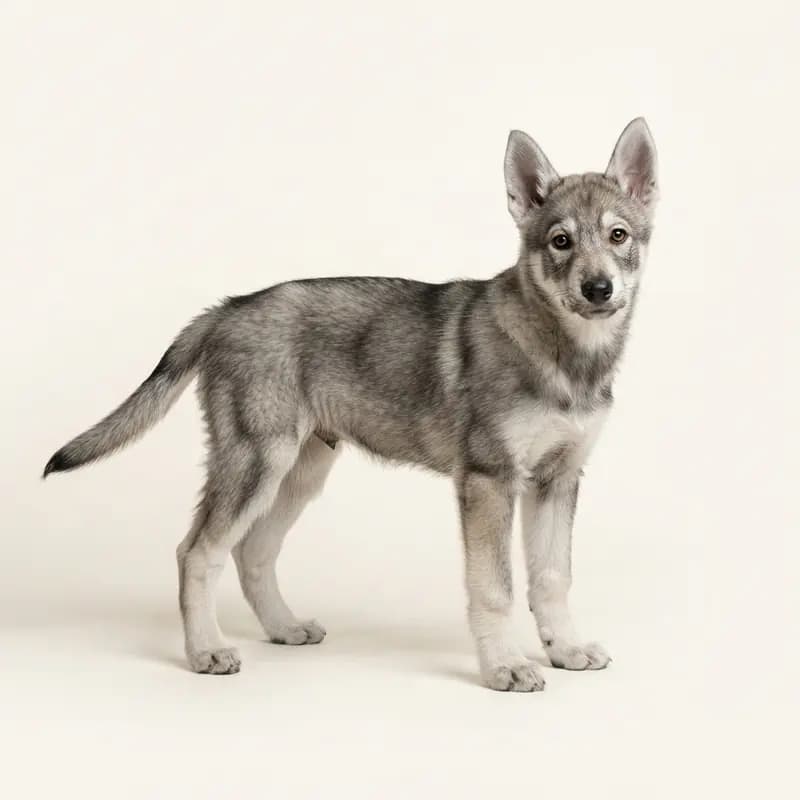 Illustrative image
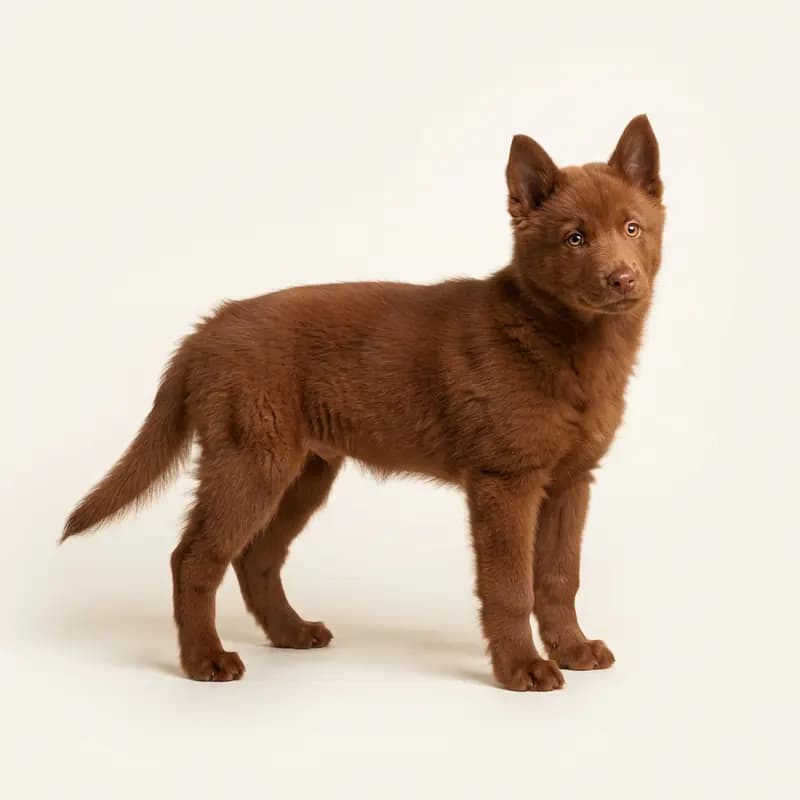 Illustrative image
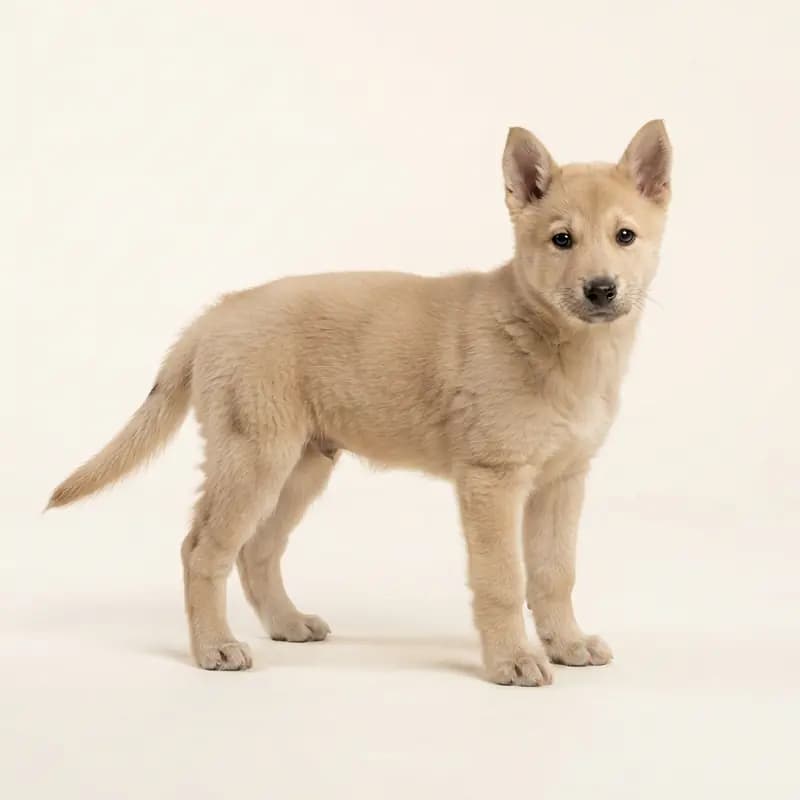 Illustrative image
As the name suggests, the West Siberian Laika originates from Western Siberia, a region stretching from the western foothills of the Ural Mountains to the Yenisei River. The breed has a long history, likely tracing its ancestry back to dogs used for hunting by the indigenous peoples of Siberia. Systematic breeding of the West Siberian Laika began in Russia only in the 20th century. Dogs from various Siberian regions were brought together to create a new breed that combined the best traits of the original Siberian hunting dogs. However, the exact origins of the breed are difficult to pinpoint, as the boundaries between different Laika breeds are often fluid and overlap significantly. The West Siberian Laika was officially recognized as a distinct breed in 1947 and has since become very popular, particularly in its native Russia. There, it is used not only for hunting but also as a working dog in search and rescue, sled pulling, and as a companion and family dog.
Versatile hunting dog used for tracking various types of game in the forests of Western Siberia
Russia (Western Siberia)
1920er Jahre
Owner accounts describe the West Siberian Laika at home as a very loyal dog closely bonded to its people. Many stress that indoors, with enough exercise and work, it's surprisingly calm, clean and unobtrusive. At the same time, owners repeatedly warn against underestimating the breed as a mere companion or city dog: many find it hard to be left alone if they develop a very strong fixation on their people from an early age or if they're under-challenged.
In the yard and on its own property, the Laika is watchful and alert to changes. Owners almost without exception consider a high, escape-proof fence a must, since these dogs are powerful jumpers and quickly go their own way when something outside catches their interest. With children in their own household they get along well if properly socialized, but with strangers they usually stay aloof and reserved in typical Nordic fashion. Most owners consider smaller pets such as cats or rabbits in the same household a major risk because of the breed's instinct to catch prey.
Sources:zoomalia.de
On training and handling, owners say with one voice that a West Siberian Laika can't be managed with old-school drill obedience. It cooperates on the basis of trust, respect and clear consistency, but immediately questions commands that are illogical or enforced harshly. As an original hunting dog, it was selected to make its own decisions in the forest and to track down and hold game over long distances.
The hunting drive is the dominant everyday topic in forums and owner groups. When they see game or pick up a fresh trail, many Laikas check out mentally altogether, which is why many owners can hardly let them off-leash in areas with lots of wildlife, or only on a long line. Owners who don't hunt with their dog report that intensive tracking, mantrailing or pulling sports are an indispensable substitute for channeling its strong work drive and need to move. In encounters with other dogs, same-sex dogs in particular tend toward dominance and ritualized fights, so careful leash handling that anticipates trouble is needed.
Sources:zoomalia.de
Paraphrased from real owner reports · translated from German
The West Siberian Laika is an active dog that needs plenty of exercise and mental stimulation. Research the temperament, grooming needs, and space requirements before deciding.
The average life expectancy of a West Siberian Laika is 10-14 years. With proper care and regular vet visits, your dog can live a long, healthy life.
West Siberian Laika grooming requirements include regular brushing, nail trimming, and dental care. HonestDog provides detailed grooming tips for every breed.
The West Siberian Laika can be a great family dog. Proper training and socialization are key. HonestDog provides family suitability information for every breed.
The West Siberian Laika comes in these colors: Grey, Wolf grey, Red, Fawn, White, Piebald.
Showcase your kennel on HonestDog and reach families searching for a responsibly bred West Siberian Laika.