Loading breed
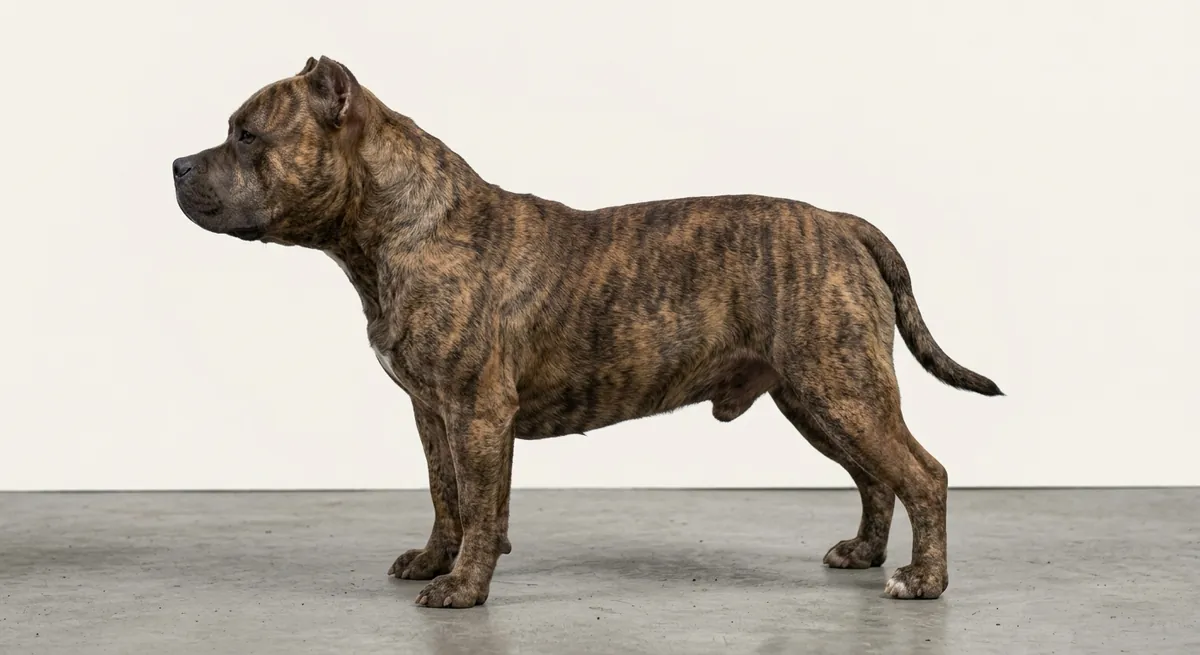
Pocket Bully
Health grade D- Height33–43 cm
- Weight13–27 kg
- Life expectancy9–12 yrs
- Puppy price1,500–4,000 €
- Energy3/5
Why this breed is missing
Why we don't currently place Pocket Bully puppies
The breed-specific health risks for the Pocket Bully are high—especially when it comes to breathing and stamina. In these cases, a lot depends on the breeder: on consistent screenings, transparent results, and breeding selection that prioritizes health over appearance. Assessing this breed is complex and not straightforward. We currently don't have a standard for this that we would rely on—which is why we aren't showing any breeders or puppies for this breed for the time being. As soon as we can change this, we'll include the breed again.
See dogs available for adoptionThe Essentials at a Glance
The Pocket Bully is an extremely affectionate, compact bull-type breed bred purely as a companion dog, packing the look and power of its ancestors into a lowered, massive frame. Beneath the muscular exterior lies a sensitive clown who values human closeness above all else.
- Health grade D: With four L1 conditions, the Pocket Bully is among the breeds with an above-average health burden.
- You prefer relaxed, moderate walks and aren't looking for an endurance athlete for jogging sessions.
- You provide clear, calm leadership—he tests boundaries with stubborn mass rather than aggression.
- You expect him to love every unfamiliar dog at the park—bull-type genetics often bring a certain intolerance toward other dogs.
Is the Pocket Bully right for you?
At a glance
Pocket Bully overview
The essentials — key facts, traits, and health priorities — before you dive deeper.
Health grade
Relative to other breeds
S
A
B
C
D
E
Very healthyHigher risk
Elevated risk — responsible breeding really matters.
See full health info & tests →
Note: This health overview is AI-assisted and editorially reviewed. It is for orientation only and does not replace veterinary advice.
Lifespan
9–12 yrs
Height
33–43 cm
Weight
13–27 kg
Practical
- Puppy price: 1,500 – 4,000 €
- Coat: Short, smooth coat
- Origin: USA
Temperament
Energy
Trainability
Family fit
With kids
Daily life
Care effort
Shedding
Barking
City-friendly
Guard instinct
What matters most
Especially with a Pocket Bully, choosing the right breeder is the single most important decision you'll make. Serious breeders consistently test the parents for inherited conditions, prioritize healthy early socialization, and stay accountable long after handover. A cheap puppy without health screening tends to become the most expensive dog later on.
See HonestDog breeder standards →Colors & coat
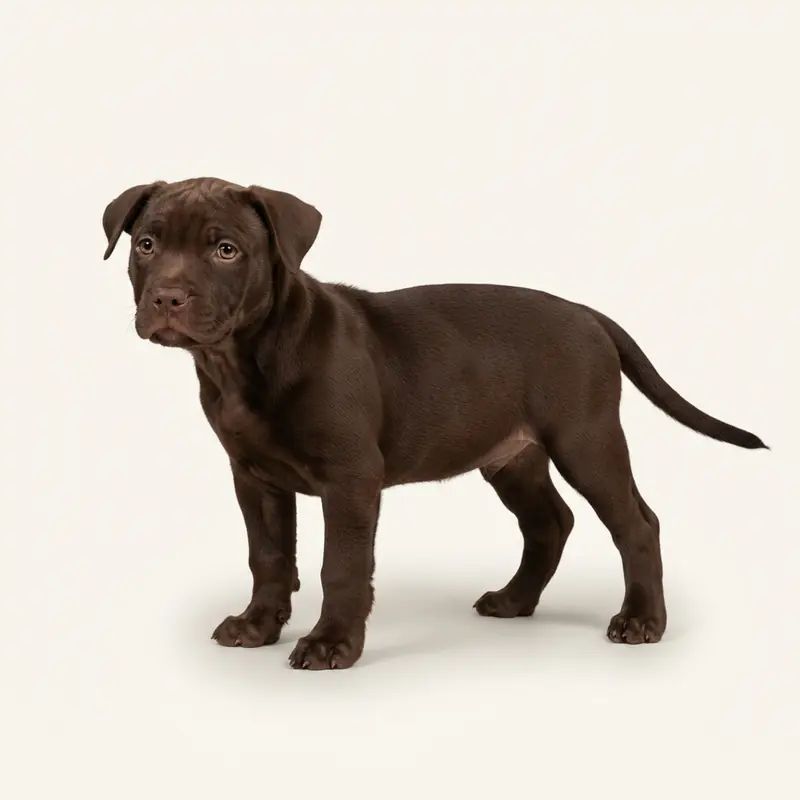
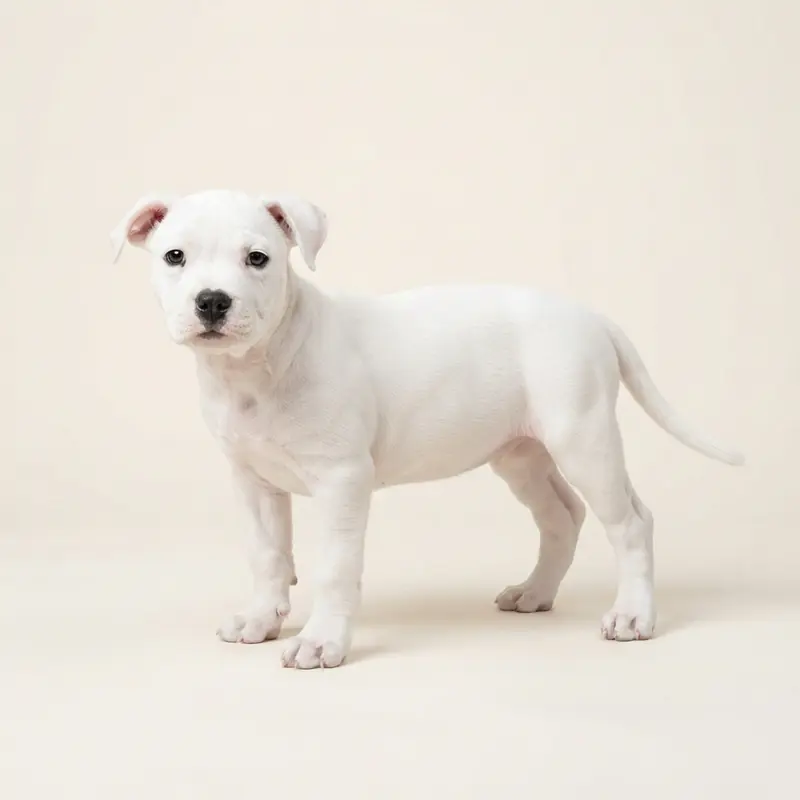
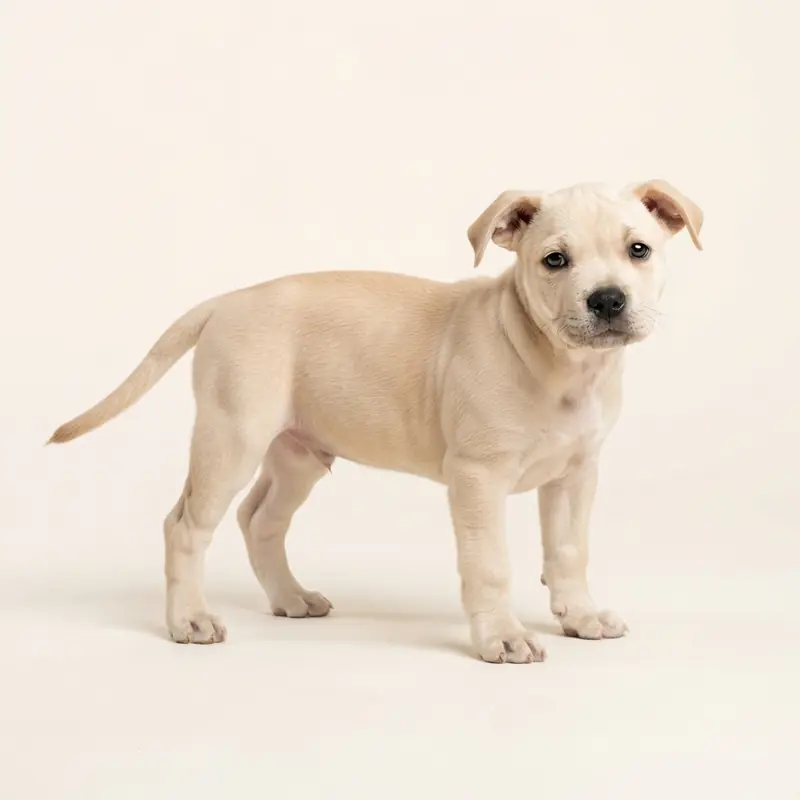
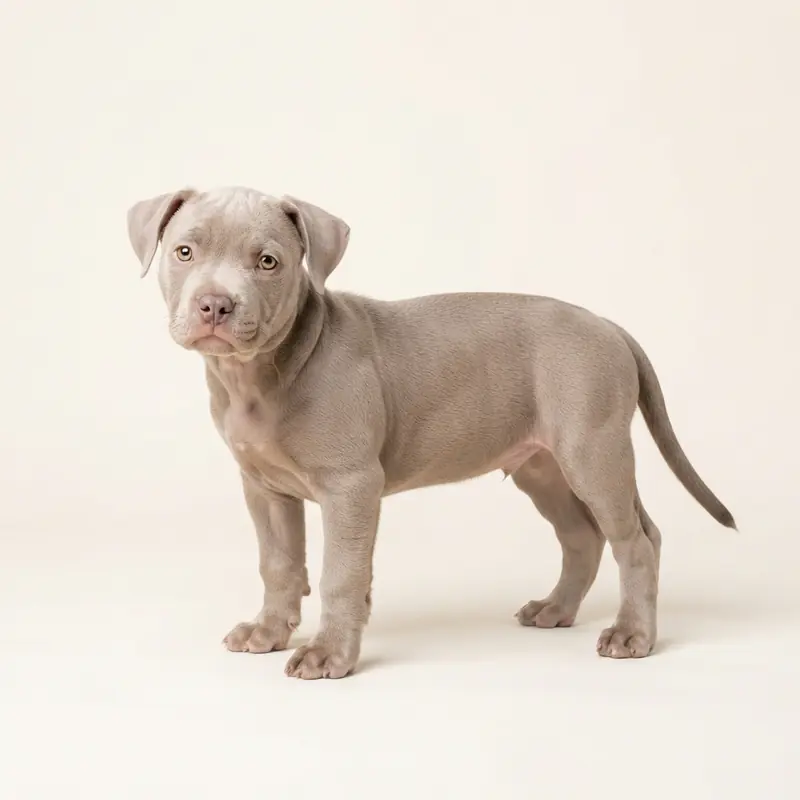
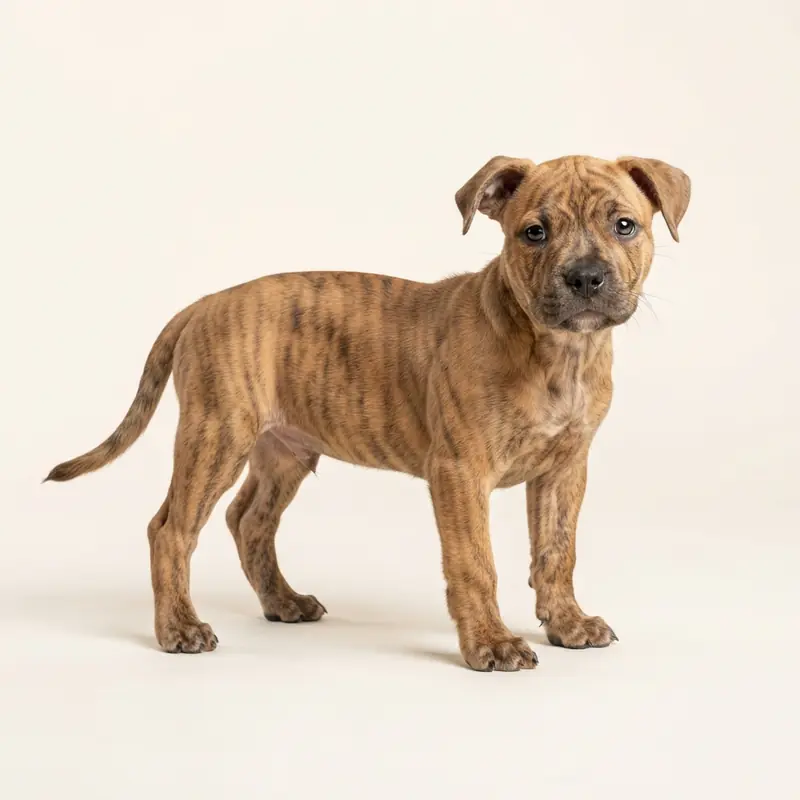
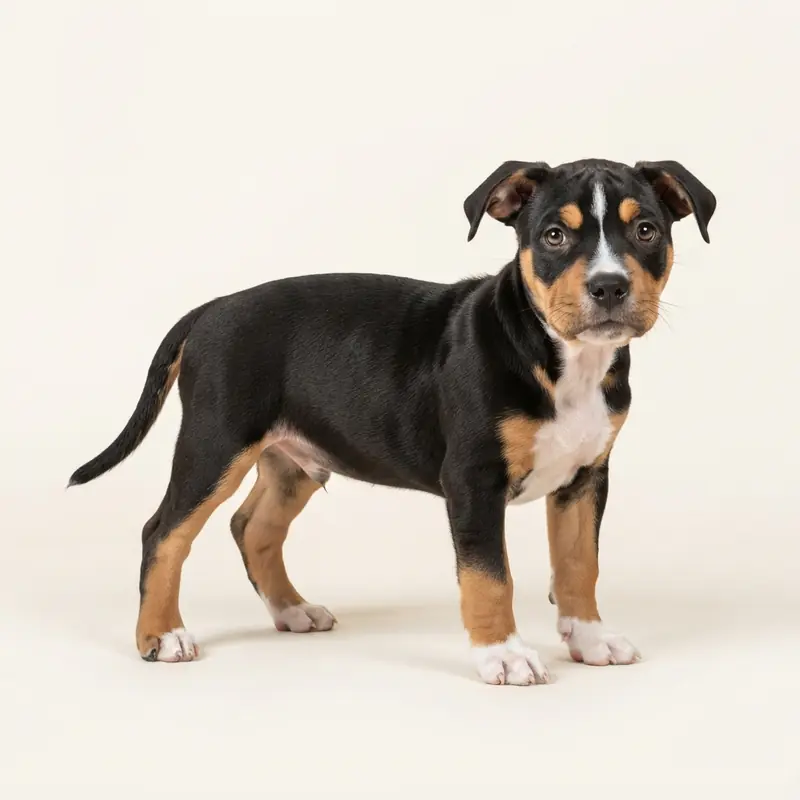
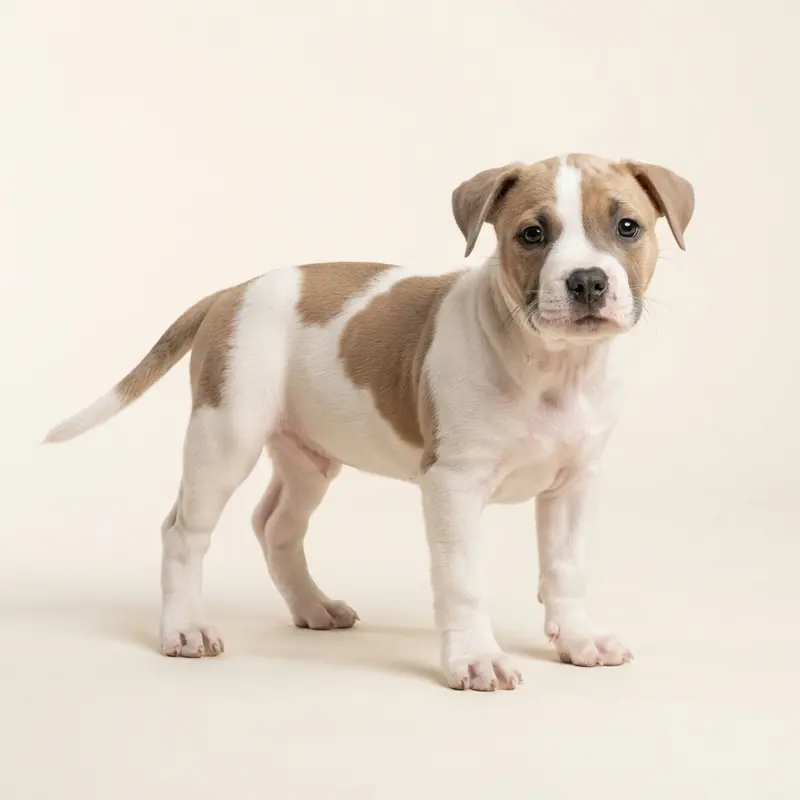
What colors does the Pocket Bully come in?
The coat colors you will see in Pocket Bully litters — including which ones fall outside the breed standard and which carry genetic risk.
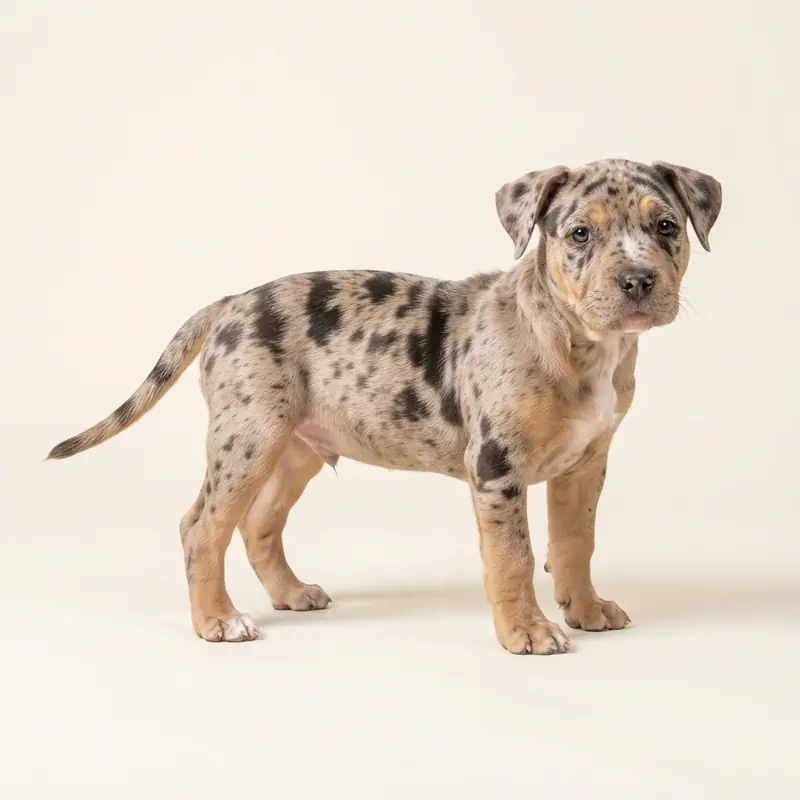
Eye colors
 Brown
Brown Amber
Amber Blue
Blue Green
Green Odd-eyed
Coat type
 Short
Short Smooth
Is the Pocket Bully right for you?
Perfect for you if:
- You prefer relaxed, moderate walks and aren't looking for an endurance athlete for jogging sessions.
- You provide clear, calm leadership—he tests boundaries with stubborn mass rather than aggression.
- You want an extremely people-oriented companion who'd prefer to spend all day lying in your lap.
- You live on the ground floor or have an elevator, since this dog shouldn't have to carry his heavy kilos up stairs every day.
Less ideal if:
- You expect him to love every unfamiliar dog at the park—bull-type genetics often bring a certain intolerance toward other dogs.
- You're looking for a companion for extended summer hikes—his extreme mass on short legs makes him very sensitive to heat.
- You don't have the financial reserves for potential vet visits—extreme breeding traits often take their toll in reality.
The real vibes check
A Pocket Bully is like an extremely affectionate bowling ball: massive, heavy, and happiest lying right on your foot. He combines the look of a bouncer with the temperament of a true couch potato. You aren't getting an athlete, but rather a stubborn, loyal shadow who would walk through fire for you—as long as the path there doesn't go steeply uphill.
Self-check
Would the Pocket Bully really fit your life?
Answer 6 quick questions about your everyday life and see how well the Pocket Bully fits you — including an honest cost estimate per month, per year, and across the dog's lifetime.
Fit checkCost estimateRisk dice
Takes about 1 minute · free & anonymous
Breed Profile
The Pocket Bully is a particularly small size variety of the American Bully, characterized by a compact, extremely muscular build with a low height at the withers. The breed is not recognized by the FCI and is bred for maximum compactness and muscle mass, which entails health compromises.
All measurements in detail
- Height
- 33 - 40 cm (Female), 36 - 43 cm (Male)
- Weight
- 13 - 22 kg (Female), 16 - 27 kg (Male)
- Life Expectancy
- 9 - 12 yrs
- Character
- affectionate, people-oriented, playful, calm indoors, physically restricted
- Coat
- Short, smooth coat
- Coat Color
- Varied, including blue, black, lilac, chocolate, pied
- Price
- 1500 - 4000 €
Character & Temperament
Despite their muscular appearance, Pocket Bullies are generally considered affectionate, people-oriented, and playful. Many representatives of the breed are very gentle with their families and actively seek physical contact. However, lower tolerance toward unfamiliar dogs can occur due to their Bully ancestry. Their compact build noticeably limits their natural mobility and stamina compared to unmodified breeds.
| Watchfulness Occasionally alerts but is fundamentally open. | Low |
| Openness to Strangers Neither pushily friendly nor suspicious. | Neutral |
| Hunting or Herding Drive Barely any prey drive — small animals trigger nothing. | Very low |
Fun Fact!
The Pocket Bully is registered exclusively by private US registries like the ABKC; it is not recognized as an independent breed by the FCI or the VDH.
What Awaits You
The Pocket Bully originated in the USA in the 2000s from American Bully breeding by selectively pairing particularly small, heavy-set parent dogs to create a miniature version of the classic Bully type. The result is a dog carrying a disproportionately heavy, broad body volume on very short legs. HonestDog does not broker puppies of this breeding type because the underlying exaggeration of size and stature promotes health risks that could be avoided with responsible breeding. Anyone looking for a small, robust family dog will find significantly lower-risk alternatives in healthy, medium-sized breeds without extreme bodily proportions.
Housing & Care
The Pocket Bully is only conditionally suitable for city apartment living, as an environment with a garden suits it better. In interactions with children, it usually shows itself to be very gentle and family-friendly. Its affectionate nature makes it a devoted companion in the home. However, due to its Bully heritage, the breed shows rather low tolerance towards other dogs. Contact with conspecifics and other pets therefore requires appropriate caution. A quiet home that accommodates its physical limitations is ideal.
- Family Friendly
Gets on well with different people and varying routines.
Family-friendly - Child Friendly
Takes boisterous and affectionate children in its stride.
Patient with children - Dog Friendly
Can get on with dogs it knows — strangers are a different story.
With familiar dogs - City Friendly
Can manage in the city, but only with very active owners.
Difficult in cities
Owning a dog is a privilege, but it's also a real responsibility. Before you bring one into your life, be honest with yourself about the commitment it takes.
Training & Education
When training and exercising the Pocket Bully, you must always keep its physical limitations in mind. Although the dog is playful, its compact build and short legs noticeably restrict its mobility and stamina. Because this crossbreed is brachycephalic, exertion and heat must be strictly limited in daily life. Short, calm training sessions and walks are significantly better than long, strenuous periods of activity. Pay close attention to your dog's reactions during all activities: heavy panting or distinct breathing noises are a clear sign to stop, requiring you to end the training immediately and let the dog rest. Training should always be consistent, but without causing physical overexertion. Keep in mind that the extreme physical exaggeration of the body greatly increases the risk of joint stress and respiratory problems, which severely limits athletic activities.
Nutrition & Care
Despite its small size, the Pocket Bully requires moderate exercise tailored to its physical limitations, especially in hot weather due to its restricted breathing. Skin folds must be regularly inspected and cleaned to prevent inflammation. The short coat is low-maintenance, but close veterinary supervision throughout its entire life is advisable.
| Care Level Minimal effort — occasional brushing and bathing. | Low-maintenance |
| Exercise Needs Needs 1–2 hours of real exercise daily. | Active |
| Shedding Regular shedding — dog hair on clothes is now normal. | Moderate |
| Trainability Willing to learn with clear rules and regular training. | Balanced |
Our experts are still reviewing this information. Spotted something wrong? Email us at info@honestdog.de.
Health & hereditary diseases
Health
D
Elevated risks
Health grade
With four L1 conditions, the Pocket Bully is among the breeds with an above-average health burden. Alongside orthopedic problems such as hip dysplasia and elbow dysplasia, neurological disorders like Neuronal Ceroid Lipofuscinosis and metabolic risks like Hyperuricosuria play a central role. Due to the compact build and brachycephaly, there is additionally a risk of Brachycephalic Airway Obstructive Syndrome. Responsible breeding relies on comprehensive DNA testing of the parent animals as well as radiographic examinations of the musculoskeletal system to specifically reduce genetic burdens.
Grade is relative to other breeds — AI-assisted and editorially reviewed.
In daily life this can mean
You should strictly avoid heat, ensure joint-friendly exercise, and honestly budget for significantly higher veterinary costs for skin care and potential breathing or joint surgeries.
The breeder's role
Responsible breeders have joints, hearts, and respiratory systems checked and avoid extremely over-typed bloodlines—though the fundamental risks of this breeding direction cannot be completely eliminated even then.
Note: This health overview is AI-assisted and editorially reviewed. It is for orientation only and does not replace veterinary advice.
No Health Tests Available
No specific health tests are currently available for this breed.
Costs & where to find one
How much does a Pocket Bully cost?
Keeping a Pocket Bully costs around ~€170 per month (€90 – €330, depending on your setup) — about ~€22,720 across the dog's life (10.5 years). We deliberately don't quote a purchase price: we don't place puppies of this breed.
With surgery cover, running costs come to about ~€170 per month — in return, your share of a major operation drops from several thousand euros to around 20 percent.
Per month
~€170
In the first year
~€2,910
Across the dog's life
~€22,720
Estimate at a mid-range setup (suburban, dry food, 1–2 hours of daily exercise), average German prices, as of July 2026.
Calculate your personal costs1-minute self-check with your own answers
Looking for a Pocket Bully?
Appearance, variants & origin
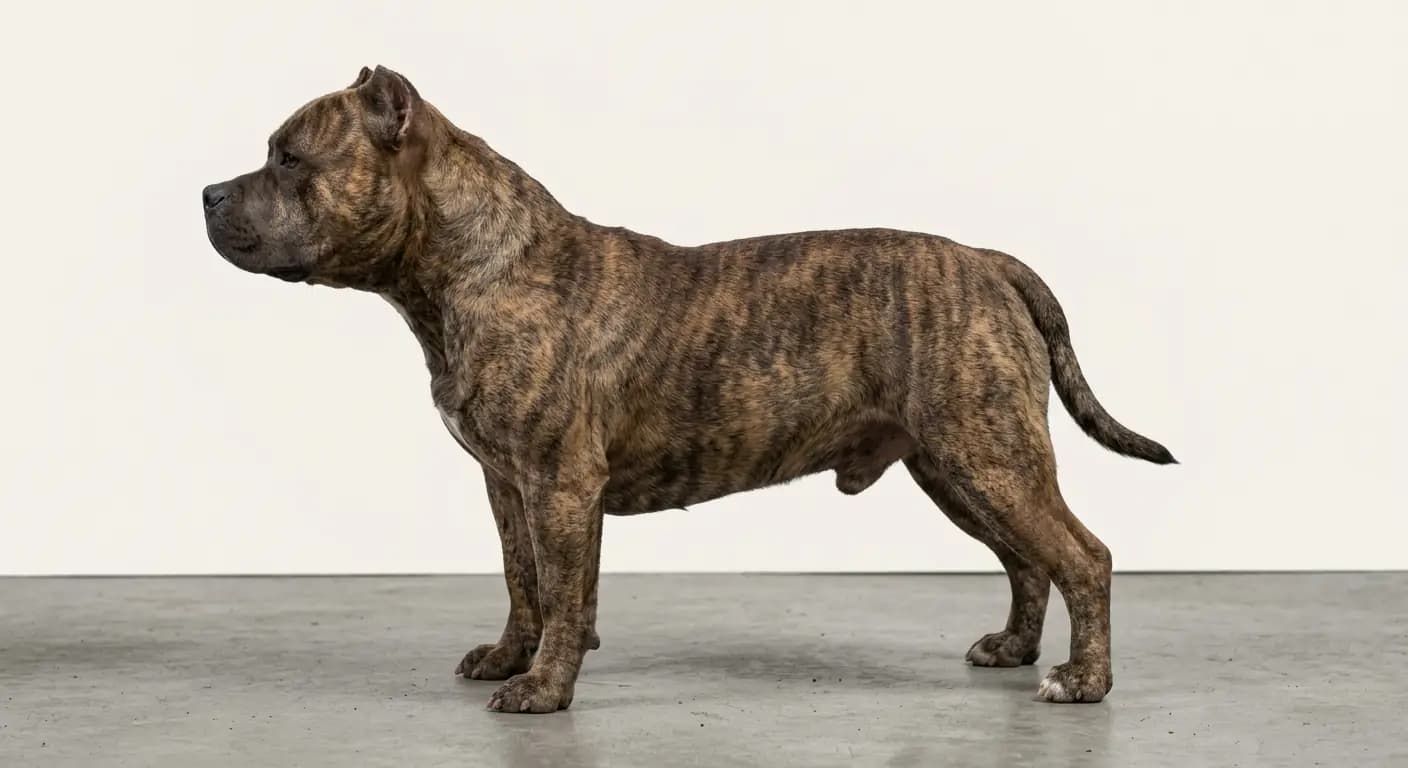
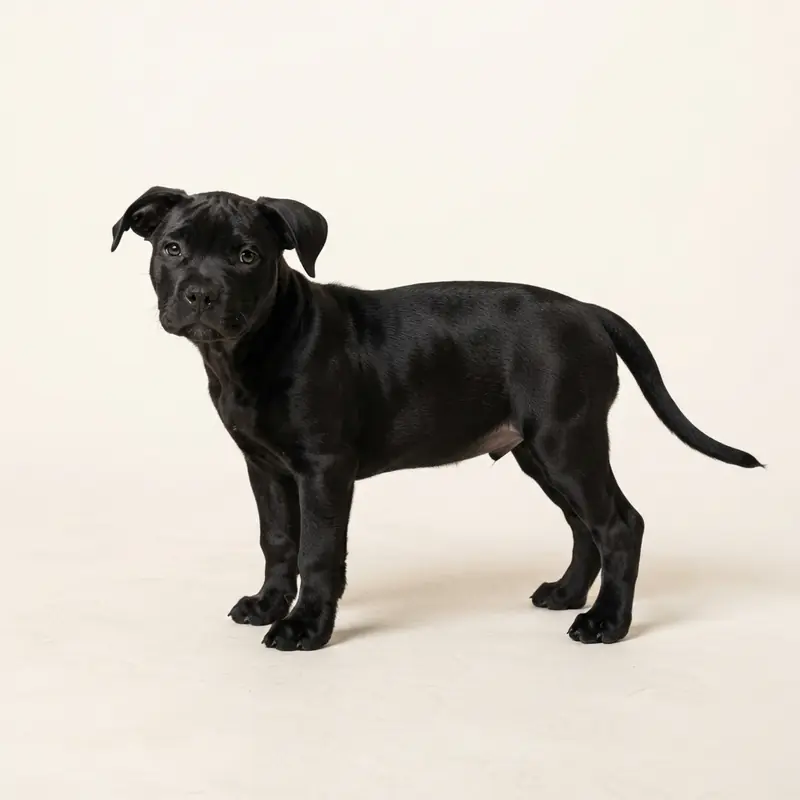 Illustrative image
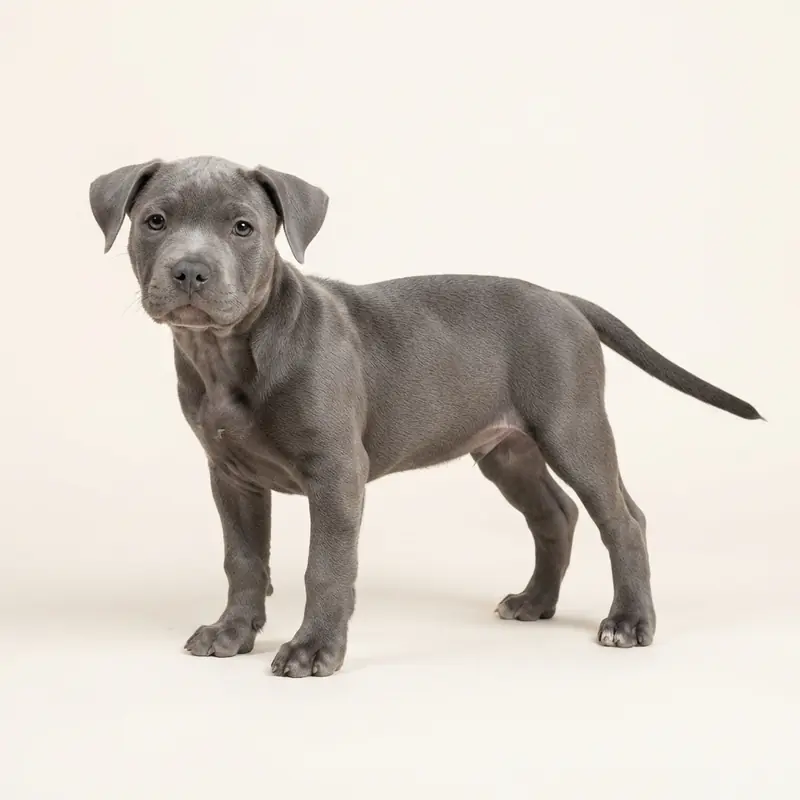 Illustrative image
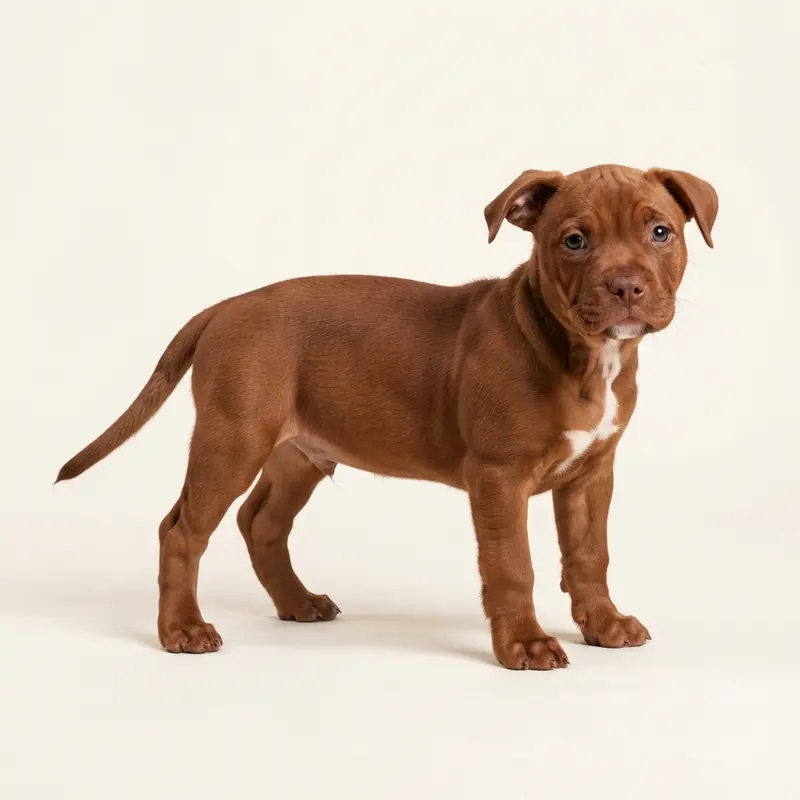 Illustrative image
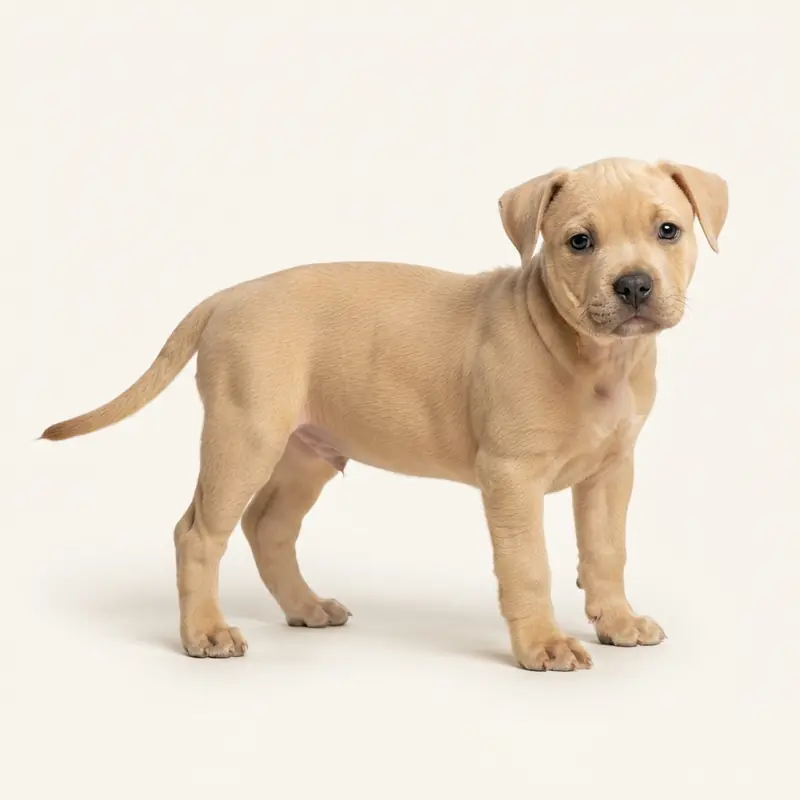 Illustrative image
History
The full history
The Pocket Bully is a further development of the American Bully, which itself was bred in the 1990s from the American Pit Bull Terrier, American Staffordshire Terrier, and Bulldog breeds. Starting in the mid-2000s, breeders in the USA began selectively working with particularly small, compact parent dogs to establish a size variety under approximately 43 centimeters at the withers. The breed is recognized exclusively by private US breeding registries such as the ABKC, and not by the FCI or the VDH. In Germany and the EU, it is purely a hobby breeding effort without an official breed standard from a recognized umbrella organization.
Original Use
Size variety of the American Bully bred as a companion and show dog
Origin
USA
Date
2008
Owner experiences
Loading owner stories
FAQ & more
Frequently asked questions about the Pocket Bully
Is a Pocket Bully the right dog for me?
The Pocket Bully is an adaptable dog that adjusts well to various lifestyles. Research the temperament, grooming needs, and space requirements before deciding.
How long does a Pocket Bully live?
The average life expectancy of a Pocket Bully is 9-12 years. With proper care and regular vet visits, your dog can live a long, healthy life.
How much grooming does a Pocket Bully need?
Pocket Bully grooming requirements include regular brushing, nail trimming, and dental care. HonestDog provides detailed grooming tips for every breed.
Is a Pocket Bully good for families with children?
The Pocket Bully can be a great family dog. Proper training and socialization are key. HonestDog provides family suitability information for every breed.
What colors does the Pocket Bully come in?
The Pocket Bully comes in these colors: Black, Blue, Red, Fawn, Chocolate, White, Cream, Isabella, Brindle, Tricolor, Piebald, Merle. Colors that fall outside the breed standard are marked as such on the breed page.
Loading related articles
Are you a Pocket Bully breeder?
Showcase your kennel on HonestDog and reach families searching for a responsibly bred Pocket Bully.