Loading breed
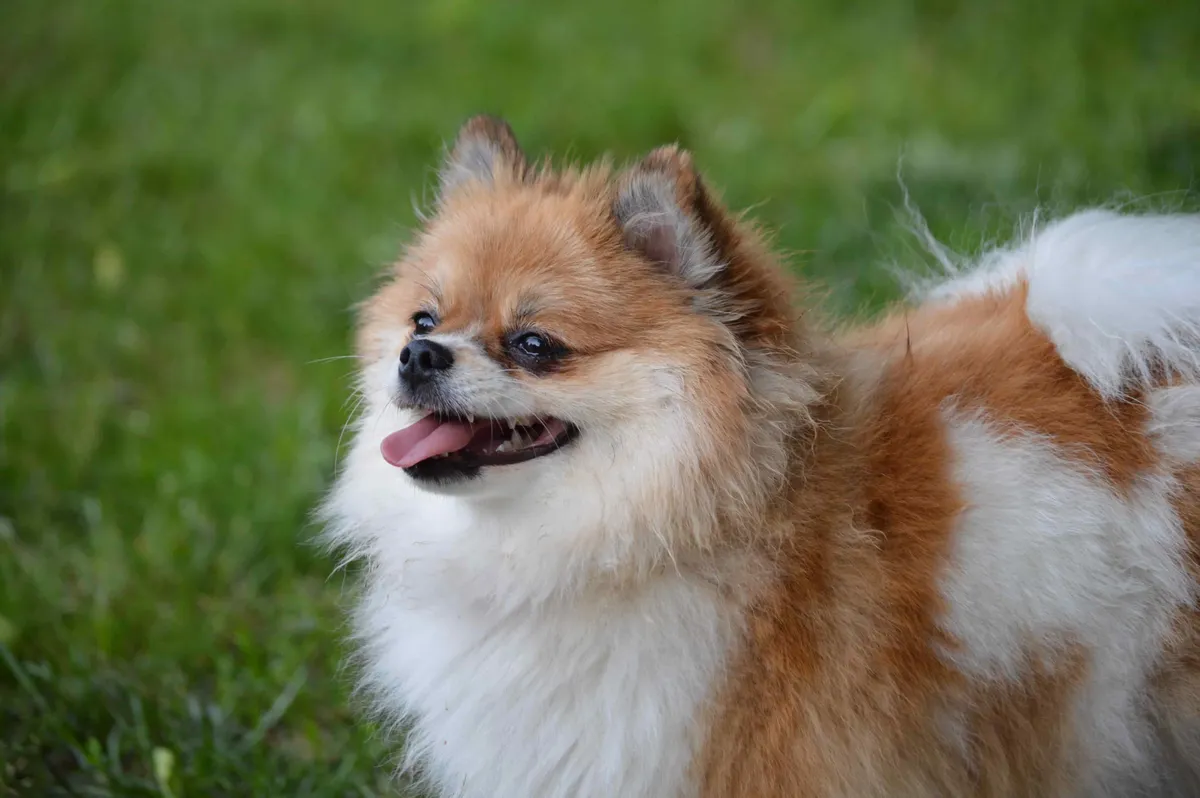
Pomeranian
Health grade C- Height18–22 cm
- Weight1–3 kg
- Life expectancy12–16 yrs
- Puppy price1,500–3,000 €
- Energy3/5
The Essentials at a Glance
The Zwergspitz is an alert, extremely loyal, and confident dog—bred as a watchful companion that carries the legacy of large farm guardians in a tiny body and will immediately report any change in its territory.
- Health grade C: The Zwergspitz receives a B grade because it has an average health burden that can be well managed through targeted breeding tests.
- You are looking for a close companion who loves to be everywhere with you and forms a strong bond with its primary person
- You are prepared to brush the lush double coat regularly and thoroughly to prevent matting
- You live in an apartment with thin walls and want to avoid noise—as a true Spitz, it will reliably and loudly report any unusual sounds
Is the Pomeranian right for you?
At a glance
Pomeranian overview
The essentials — key facts, traits, and health priorities — before you dive deeper.
Health grade
Relative to other breeds
S
A
B
C
D
E
Very healthyHigher risk
Average — several important tests are expected.
See full health info & tests →
Note: This health overview is AI-assisted and editorially reviewed. It is for orientation only and does not replace veterinary advice.
Lifespan
12–16 yrs
Height
18–22 cm
Weight
1–3 kg
Practical
- Puppy price: 1,500 – 3,000 €
- Coat: Long, straight hair with a thick undercoat
- Origin: Germany
Temperament
Energy
Trainability
Family fit
With kids
Daily life
Care effort
Shedding
Barking
City-friendly
Guard instinct
What matters most
Especially with a Pomeranian, choosing the right breeder is the single most important decision you'll make. Serious breeders consistently test the parents for inherited conditions, prioritize healthy early socialization, and stay accountable long after handover. A cheap puppy without health screening tends to become the most expensive dog later on.
See HonestDog breeder standards →Colors & coat
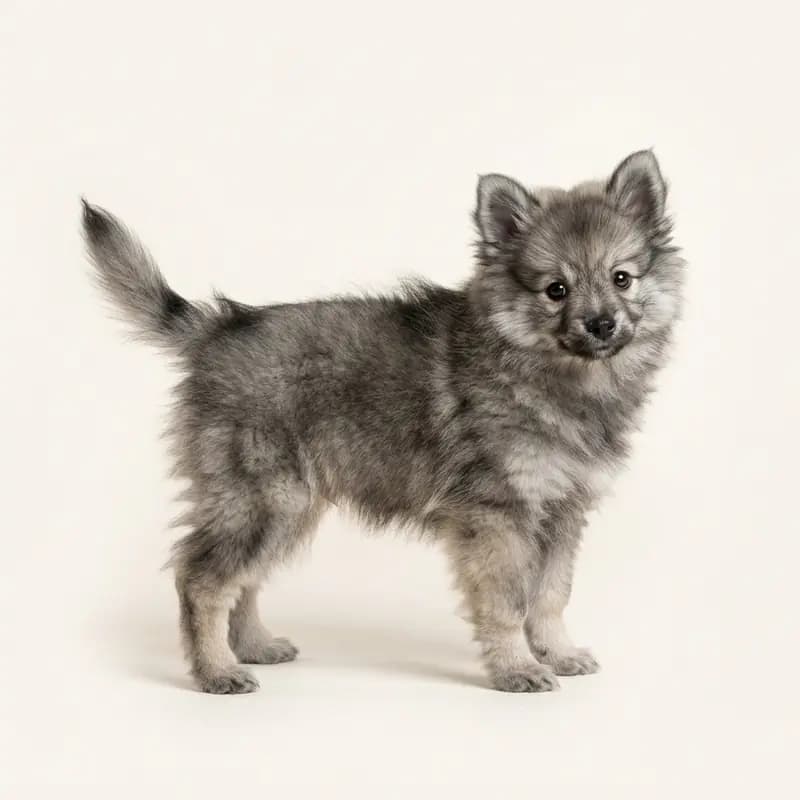
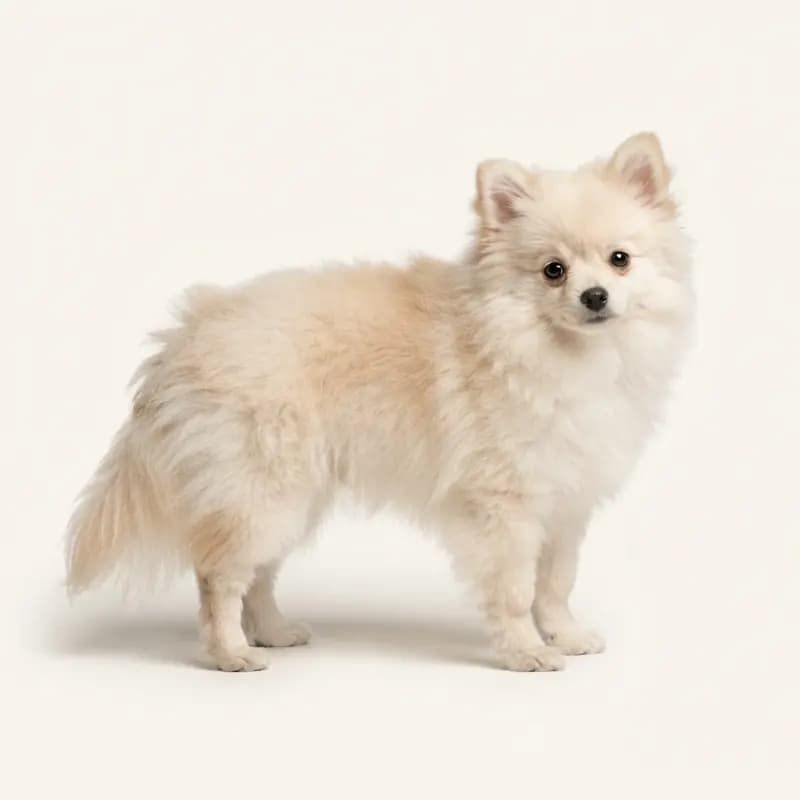
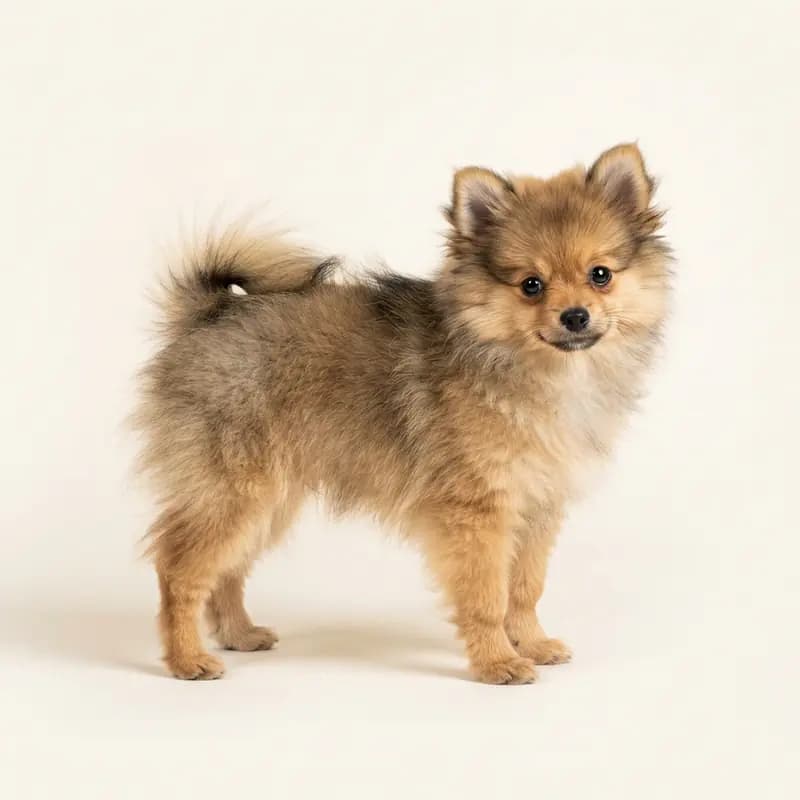
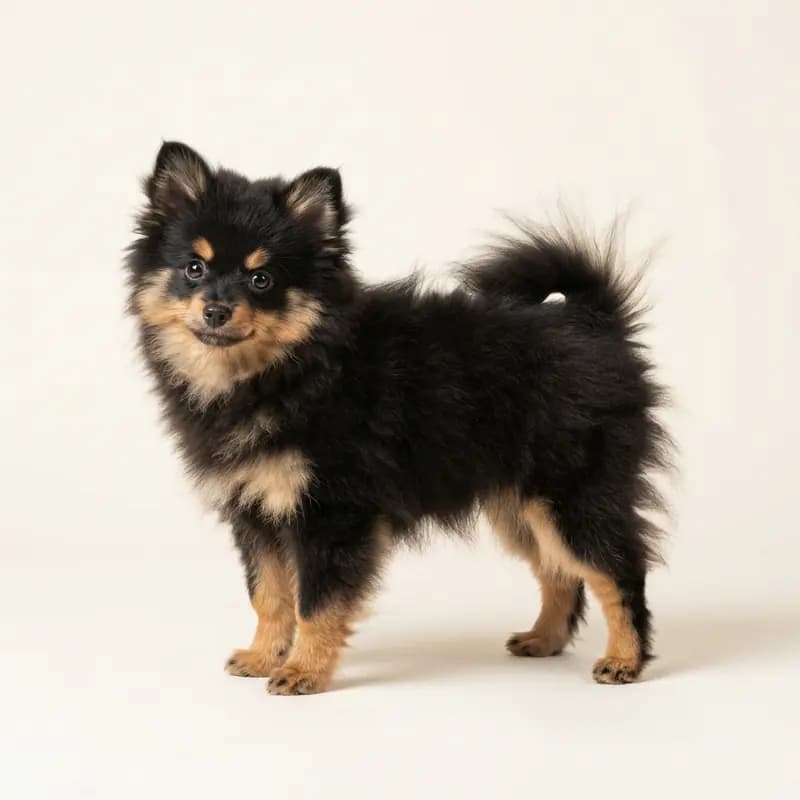
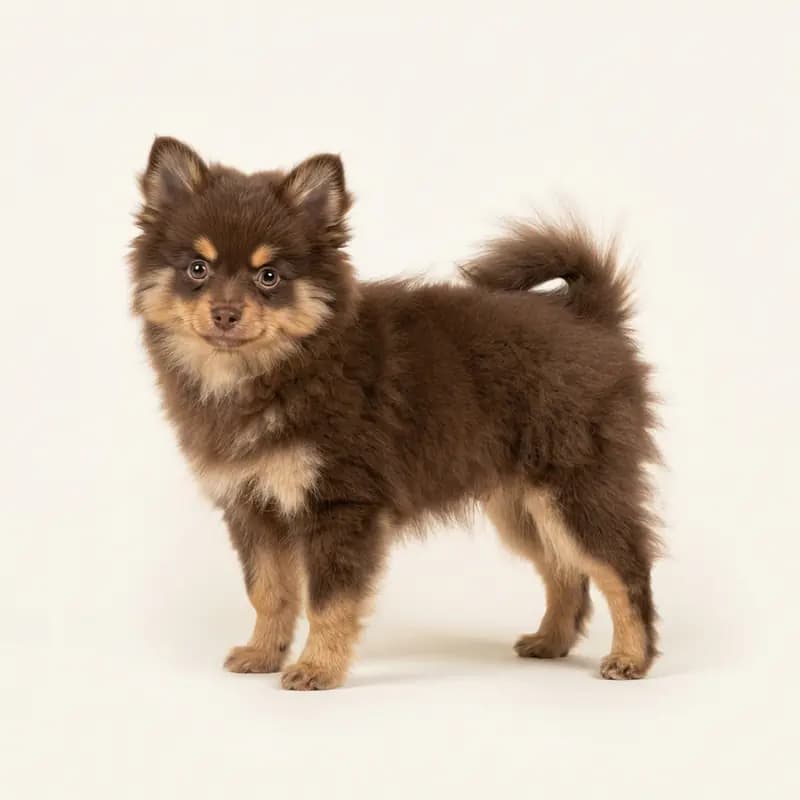
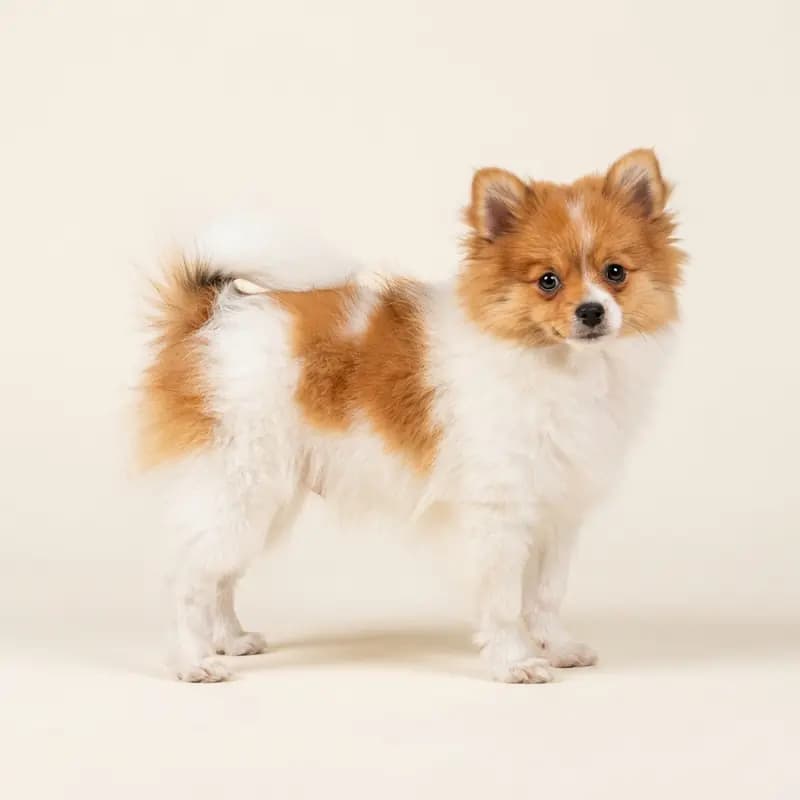
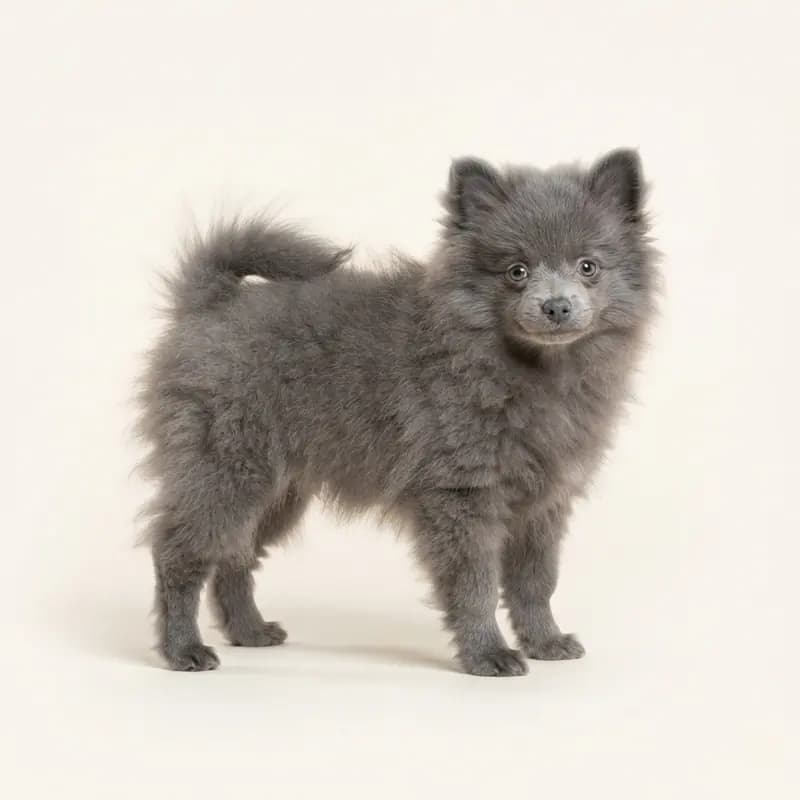
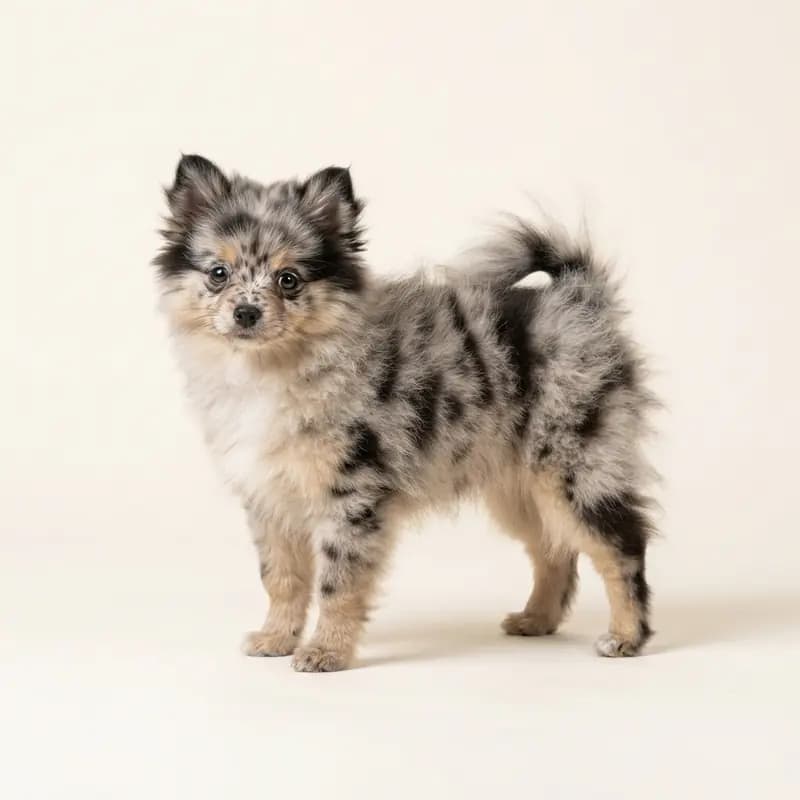
What colors does the Pomeranian come in?
The coat colors you will see in Pomeranian litters — including which ones fall outside the breed standard and which carry genetic risk.
Eye colors
 Brown
Brown Amber
Amber
Coat type
 Long
Long Double coat
Is the Pomeranian right for you?
Perfect for you if:
- You are looking for a close companion who loves to be everywhere with you and forms a strong bond with its primary person
- You are prepared to brush the lush double coat regularly and thoroughly to prevent matting
- You can channel the breed's natural alertness—genetically, it is a watchdog that needs confident leadership to ensure it doesn't become a constant barker
- You prefer leisurely walks and mental stimulation rather than looking for an endurance partner for jogging or cycling
Less ideal if:
- You live in an apartment with thin walls and want to avoid noise—as a true Spitz, it will reliably and loudly report any unusual sounds
- You have small, boisterous children in the household who could unintentionally injure the delicate bone structure of this toy breed
- You often have to leave it alone for hours—this breed bonds extremely closely and can easily suffer from separation anxiety
- You expect a dog that will defensively submit to strange dogs—it has the self-confidence of a giant and often vastly overestimates its own size
The real vibes check
A Zwergspitz looks like a fluffy cloud, but thinks it is a full-grown lion. You aren't getting a passive lap dog, but a big, watchful personality in a tiny body that will follow you every step of the way. If you manage its ego with love and consistency, you will have the most loyal shadow in the world.
Self-check
Would the Pomeranian really fit your life?
Answer 6 quick questions about your everyday life and see how well the Pomeranian fits you — including an honest cost estimate per month, per year, and across the dog's lifetime.
Fit checkCost estimateRisk dice
Takes about 1 minute · free & anonymous
Breed Profile
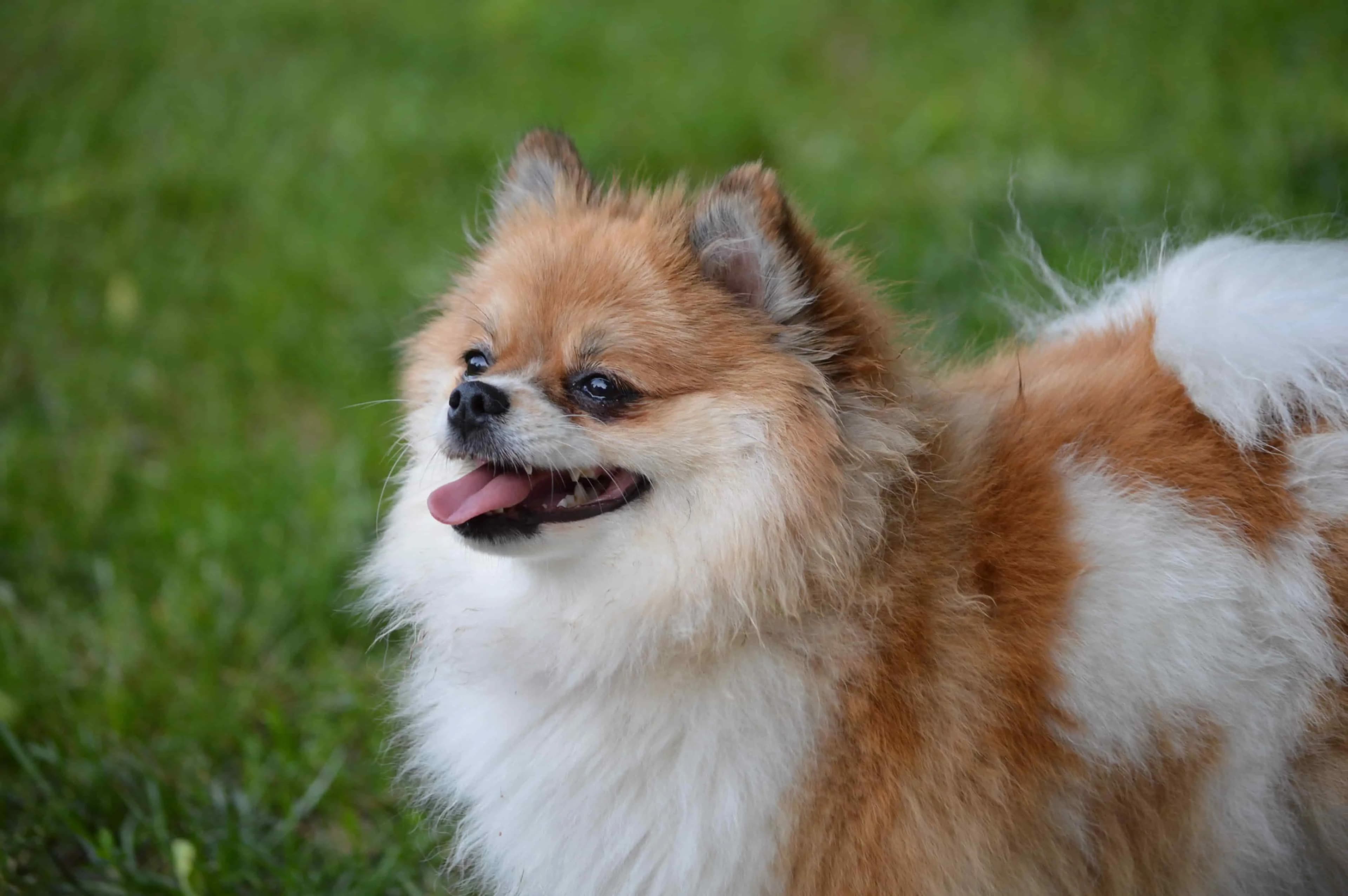
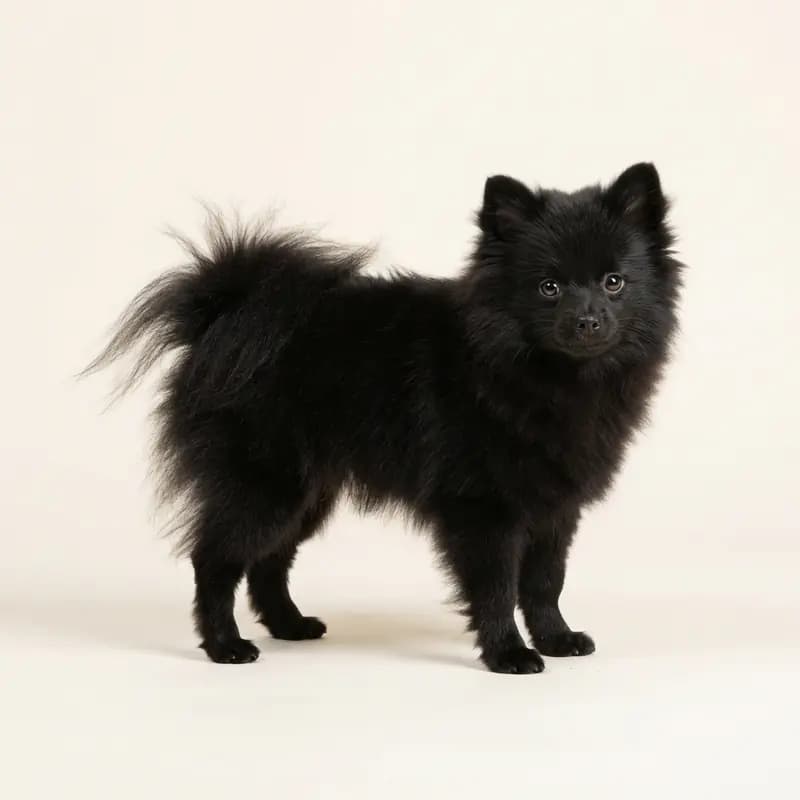
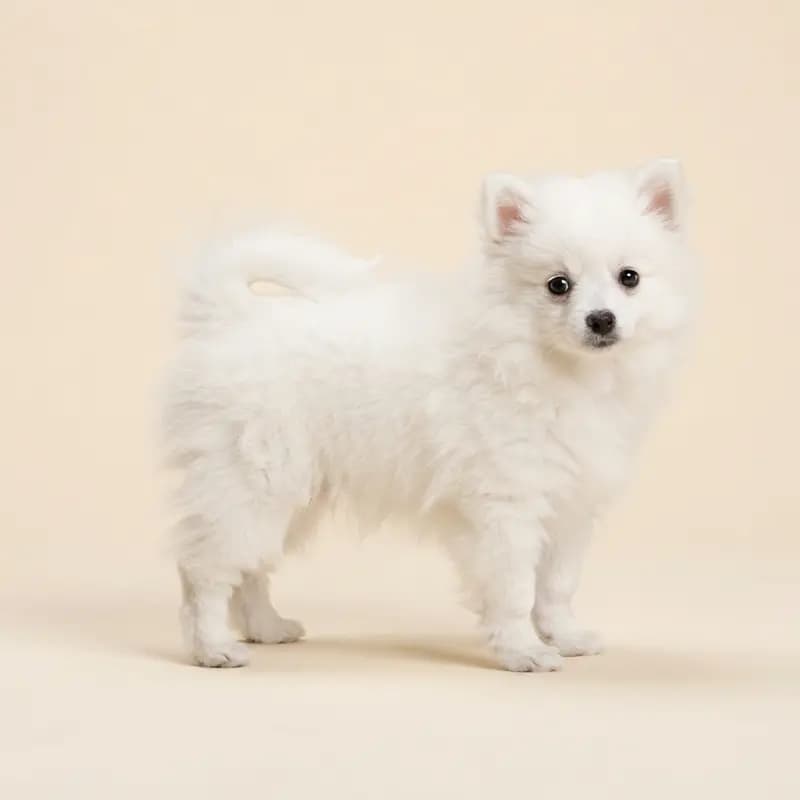
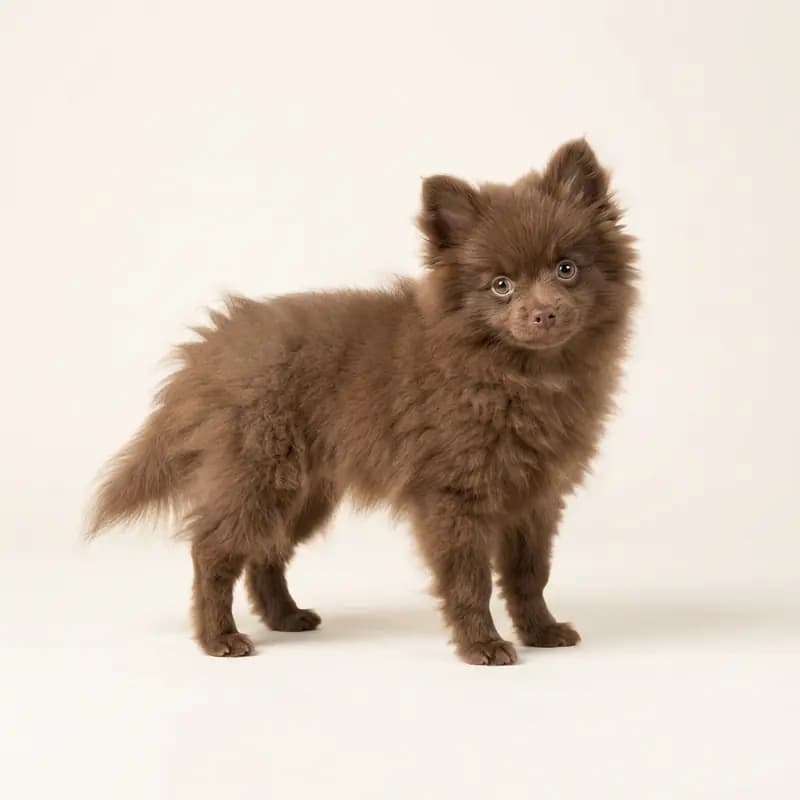
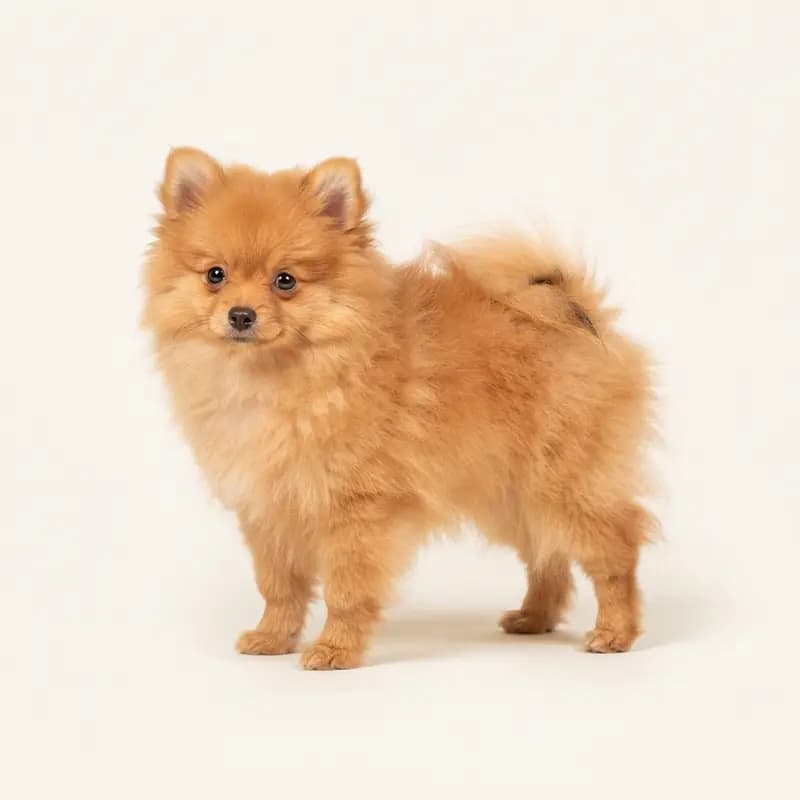
The Pomeranian, also known as the Pomeranian, is a small, compact and lively dog that belongs to FCI Group 5 of Spitz and prototype dogs. It is the smallest variant of the German Lace. His bushy tail, which is carried over his back, and his plush fur give him the characteristic "fluffy" Look. His cheeky face is characterized by a short muzzle and large, dark eyes. His ears are small and erect, which contributes to his alert and curious expression. There is no distinction between performance and show lines in the Pomeranian, but it is common to see them in dog shows where they often attract attention.
All measurements in detail
- Height
- 18 - 22 cm (Female), 18 - 22 cm (Male)
- Weight
- 1 - 3 kg (Female), 1 - 3 kg (Male)
- Life Expectancy
- 12 - 16 yrs
- Character
- Loyal, bright, self-confident
- Coat
- Long, straight hair with a thick undercoat
- Coat Color
- Diverse (black, white, brown, orange, gray, blue and much more)
- Price
- 1500 - 3000 €
Character & Temperament
Although the Pomeranian is small, he has a big personality and character. He is brave, confident and often forgets how small he actually is. Pomeranians are extremely loyal and often form close bonds with their owners. This makes them great companion dogs, but it also means they can suffer from separation anxiety if left alone for long periods of time. With their alert nature and natural curiosity, they are often alert to their surroundings and can prove to be an alert little watchdog, even if their size isn't exactly intimidating. Their barking can sometimes be excessive, but with proper training this can be controlled. They are also very playful and enjoy playing with toys and keeping themselves busy. This makes them a great family dog as long as they are treated with respect and care, especially by children as their small stature makes them vulnerable to injury. The Pomeranian is not known for strong hunting behavior, but like many dogs, it can follow an interesting smell or movement if left unsupervised. Despite their small size, Pomeranians require a moderate amount of exercise. Short walks paired with mental stimulation through games and training are ideal. When it comes to the coat, it is important to note that the maintenance required is quite high. Their long coat and thick undercoat require regular brushing to prevent matting and keep the coat in good condition. The dense fur means the Pomeranian can cope well in cooler climates, but should be protected from extreme temperatures. All in all, the Pomeranian is an adorable, loyal, and entertaining companion. He can enrich life with his cheerful nature, but he also needs attention, care and consistent training. For someone willing to invest time and energy in caring for and training them, the Pomeranian can be a wonderful companion that will bring many years of enjoyment.
| Watchfulness Reports unusual activity but stays controlled. | Moderate |
| Openness to Strangers Neither pushily friendly nor suspicious. | Neutral |
| Hunting or Herding Drive Barely any prey drive — small animals trigger nothing. | Very low |
Fun Fact!
Did you know that the Pomeranian, also known as the Pomeranian, was so loved by Queen Victoria of England that she owned several of these dogs and even set up her own kennel for them? This helped popularize the breed in Europe in the 19th century.
What Awaits You
Pomeranians are self-confident, lively and very barking dogs. They are quick to excite and have a mind of their own. Therefore they are considered to be difficult to train. They are very small and are therefore not suitable for all activities, but should still be exercised according to their type and trained very consistently.
Housing & Care
The Pomeranian can be kept very well as a city dog. He does well in apartments as long as he gets enough exercise and mental stimulation. The Pomeranian is generally child-friendly, but due to its small size, care should be taken, especially with small children who might accidentally be too rough. Pomeranians can also get along well with cats and other pets as long as they are used to it from an early age.
- Family Friendly
Loves family life and thrives in a group.
Family-oriented - Child Friendly
Gets on well with children — with adult supervision.
With supervision - Dog Friendly
Actively enjoys the company of other dogs.
Dog-friendly - City Friendly
Small space, noise, lots of people — no problem at all.
Ideal city dog
Owning a dog is a privilege, but it's also a real responsibility. Before you bring one into your life, be honest with yourself about the commitment it takes.
Training & Education
Pomeranians are intelligent and quick learners, but they can also be a little stubborn. It is important that training starts early and is consistent. Positive reinforcement works best with this breed. They tend to be very focused on their owners and are often reserved around strangers, so early socialization is crucial. As small dogs with a lot of energy, Pomeranians are often good at dog sports like agility. At the same time, it is important to be careful not to overwhelm them. They may love ball games, but care should be taken to ensure that they do not become “ball junkies.” The Pomeranian can learn to stay alone, but he should get used to it slowly. They can sometimes develop a loud bark, so it is important to teach them when it is appropriate to bark and when it is not.
Nutrition & Care
The Pomeranian's diet should be balanced and contain high-quality food. Smaller breeds such as the Pomeranian tend to have a faster metabolism, so care should be taken to ensure an adequate supply of nutrients. Dry food specifically formulated for small breeds is often a good choice. When it comes to grooming, the Pomeranian has a dense undercoat and long top coat that requires regular grooming to prevent matting. He sheds all year round, with increased shedding in spring and fall. In Germany it copes well with the climate, but should be protected from extreme cold and heat.
| Care Level Needs regular professional grooming — time-consuming and costly. | High-maintenance |
| Exercise Needs Needs 1–2 hours of real exercise daily. | Active |
| Shedding Hair everywhere, always — no white clothing survives. | Very heavy |
| Trainability Has its own ideas and will test limits. | Strong-willed |
Our experts are still reviewing this information. Spotted something wrong? Email us at info@honestdog.de.
Health & hereditary diseases
Health
C
Solid, watch carefully
Health grade
The Zwergspitz receives a B grade because it has an average health burden that can be well managed through targeted breeding tests. The primary focus is on patellar luxation (knee cap instability) and a predisposition to bladder stones caused by hyperuricosuria (HUU). Prospective buyers should ensure that the parent dogs have been demonstrably tested for these two conditions to minimize health risks.
Grade is relative to other breeds — AI-assisted and editorially reviewed.
In daily life this can mean
You should avoid letting the dog jump to protect its delicate knees, be very careful in hot weather due to potential breathing issues, and have any changes in the coat checked by a vet early on.
The breeder's role
Responsible breeders have knees, eyes, and hearts tested and pay strict attention to clear airways and healthy skin lines—though the fundamental risks of miniaturization cannot be completely eliminated even then.
Note: This health overview is AI-assisted and editorially reviewed. It is for orientation only and does not replace veterinary advice.
No Health Tests Available
No specific health tests are currently available for this breed.
Costs & where to find one
How much does a Pomeranian cost?
A Pomeranian costs around ~€170 per month (€90 – €320, depending on your setup). The first year adds up to roughly ~€5,160 including purchase, equipment and puppy school; across the dog's life (14 years) it comes to about ~€32,160.
With surgery cover, running costs come to about ~€160 per month — in return, your share of a major operation drops from several thousand euros to around 20 percent.
Per month
~€170
In the first year
~€5,160
Across the dog's life
~€32,160
Purchase from a breeder: €1,500 – €3,000
Estimate at a mid-range setup (suburban, dry food, 1–2 hours of daily exercise), average German prices, as of July 2026.
Calculate your personal costs1-minute self-check with your own answers
Looking for a Pomeranian?
Appearance, variants & origin
 Illustrative image
 Illustrative image
 Illustrative image
 Illustrative image
History
The full history
The Pomeranian has its roots in the historic region of Pomerania, which today lies between Germany and Poland. The larger German Spitz was known in Europe for centuries and was used for various tasks such as herding and guarding. In the 18th and 19th centuries, breeders began to specifically breed smaller specimens, which led to the creation of the Pomeranian. The breed gained popularity in England after Queen Victoria discovered and fell in love with a Pomeranian while traveling. This led to many in the upper echelons of society beginning to hold Pomeranians as a status symbol. The breed was recognized as a separate breed by the British Kennel Club in 1891.
Original Use
The Pomeranian was bred as a companion dog, valued for its friendly nature and fluffy coat.
Origin
Germany
Date
1800
Owner experiences
What owners say about the Pomeranian
Maria C., Halterin aus Bayern (Rüde, seit 2019)
Als wir uns für einen Zwergspitz entschieden haben, wollten wir einen kleinen, intelligenten Familienhund, den wir überallhin mitnehmen können. Und genau das haben wir bekommen: Unser Kleiner ist unglaublich verspielt, extrem menschenbezogen und lernt Tricks in Rekordzeit. Er liebt es, im Mittelpunkt zu stehen, und bringt uns jeden Tag zum Lachen.
Allerdings darf man die Erziehung nicht unterschätzen. Am Anfang hatten wir ziemliche Probleme mit dem Alleinbleiben – Zwergspitze fixieren sich extrem auf ihre Bezugsperson und neigen schnell zu Trennungsangst, wenn man das nicht von klein auf konsequent übt. Auch das Thema Stubenreinheit hat bei uns etwas länger gedauert, da er als Welpe anfangs sehr sensibel auf Stress reagiert hat.
Für Familien ist er toll, aber man muss Kindern beibringen, vorsichtig mit ihm umzugehen. Aufgrund seiner zierlichen Statur ist er verletzungsanfällig, weshalb wildes Toben tabu sein sollte.
Tanja S., Halterin aus Nordrhein-Westfalen (Rüde, seit 2021)
Ich habe mich bewusst für einen Zwergspitz entschieden, weil ich einen aufgeweckten, aber handlichen Begleiter gesucht habe. Mein Rüde ist vom Wesen her eigentlich sehr ausgeglichen, unheimlich verschmust und weicht Streitigkeiten mit anderen Hunden lieber aus. Die Bindung, die diese Hunde aufbauen, ist wirklich einmalig.
Die größte Herausforderung bei uns ist definitiv das Bellen. Als typischer kleiner Wachhund schlägt er extrem schnell an, sobald er draußen ein ungewohntes Geräusch oder den Postboten hört. Wenn man da nicht von Anfang an mit viel Konsequenz gegensteuert, hat man schnell einen echten Kläffer im Haus. Wir arbeiten täglich daran, das in geregelten Bahnen zu halten.
Ein weiterer Punkt ist das Futter. Mein Spitz ist phasenweise extrem mäkelig und rührt normales Trockenfutter kaum an. Man braucht manchmal einfach Geduld und starke Nerven, um sich nicht vom Hund erziehen zu lassen.
Paraphrased from real owner reports
Loading owner stories
Community Posts
FAQ & more
Frequently asked questions about the Pomeranian
Is a Pomeranian the right dog for me?
The Pomeranian is an adaptable dog that adjusts well to various lifestyles. Research the temperament, grooming needs, and space requirements before deciding.
How long does a Pomeranian live?
The average life expectancy of a Pomeranian is 12-16 years. With proper care and regular vet visits, your dog can live a long, healthy life.
How much grooming does a Pomeranian need?
Pomeranian grooming requirements include regular brushing, nail trimming, and dental care. HonestDog provides detailed grooming tips for every breed.
Is a Pomeranian good for families with children?
The Pomeranian can be a great family dog. Proper training and socialization are key. HonestDog provides family suitability information for every breed.
What colors does the Pomeranian come in?
The Pomeranian comes in these colors: Black, White, Brown, Orange, Wolf grey, Cream, Sable, Black and tan, Brown and tan, Piebald, Blue, Merle. Colors that fall outside the breed standard are marked as such on the breed page.
Loading related articles
Are you a Pomeranian breeder?
Showcase your kennel on HonestDog and reach families searching for a responsibly bred Pomeranian.