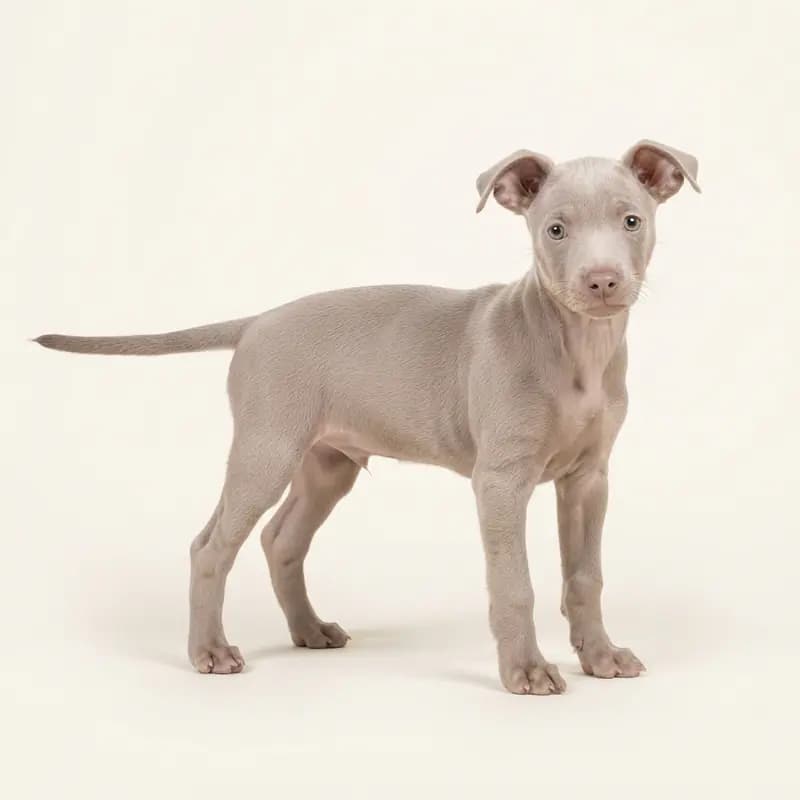
Russian ToySame FCI section
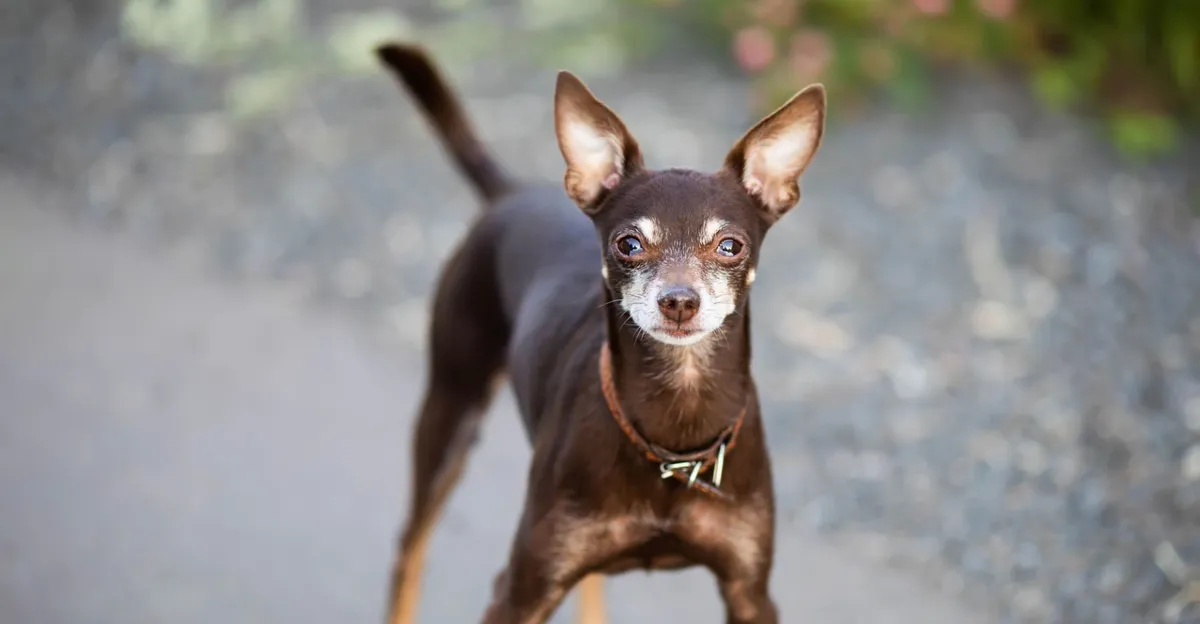
The Prager Rattler is a lightning-fast, highly intelligent miniature ratter—originally bred to keep Bohemian farms free of rodents. Don't let his three kilos fool you: beneath that delicate frame beats the courageous heart of a true working dog.
How the health grade is calculated
Sources for required breeding screenings. Verband Deutscher Kleinhundezüchter e.V.
Self-check
Answer 6 quick questions about your everyday life and see how well the Prague Ratter fits you — including an honest cost estimate per month, per year, and across the dog's lifetime.

At a glance
The essentials — key facts, traits, and health priorities — before you dive deeper.
Lifespan
12–14 yrs
Shoulder height
20–24 cm
Weight
1–4 kg
Practical
Temperament
Daily life
What matters most
Especially with a Prague Ratter, choosing the right breeder is the single most important decision you'll make. Serious breeders consistently test the parents for inherited conditions, prioritize healthy early socialization, and stay accountable long after handover. A cheap puppy without health screening tends to become the most expensive dog later on.
See HonestDog breeder standards →Colors & coat
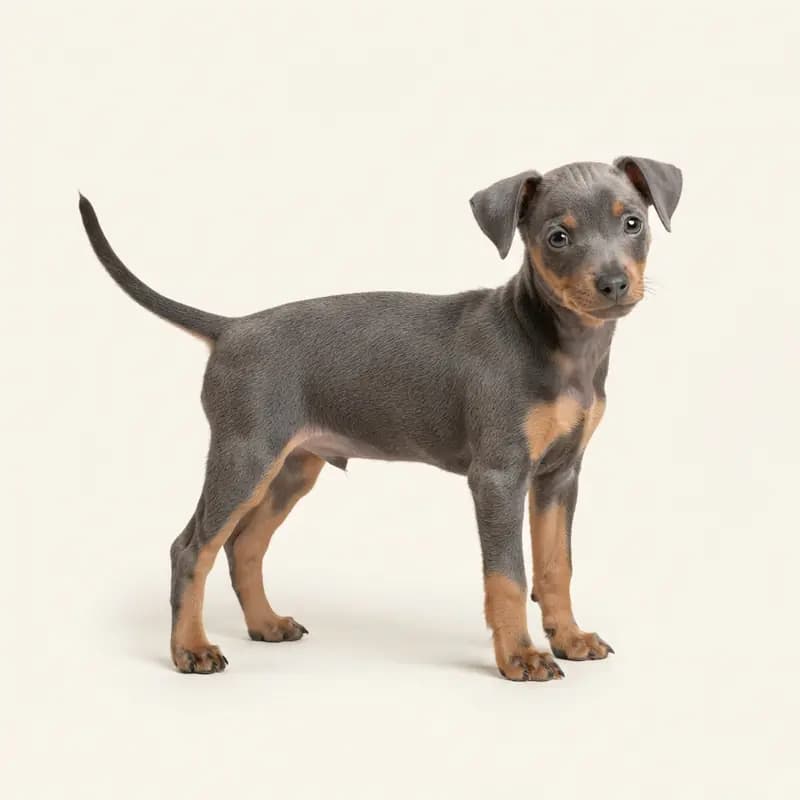
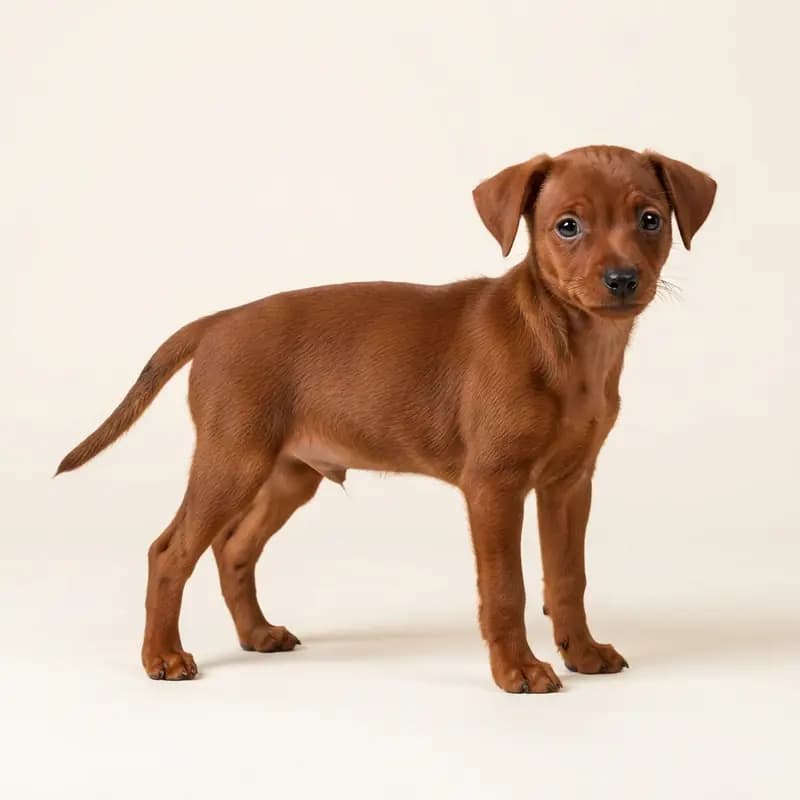
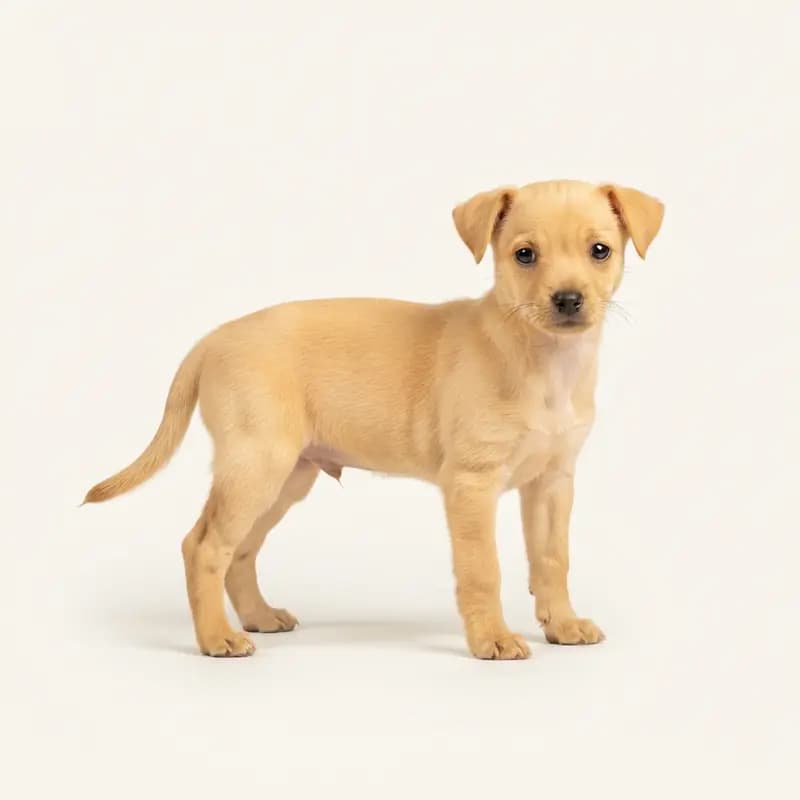
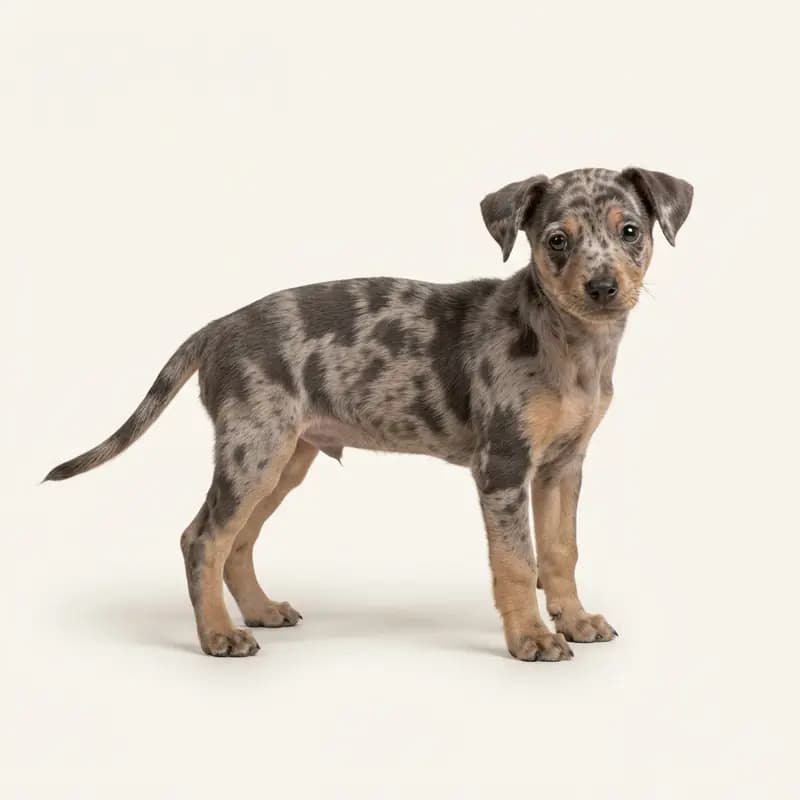
The coat colors that occur in the Prague Ratter — including which ones fall outside the breed standard and which carry genetic risk.
Eye colors
 Brown
 Amber
Coat type
 Illustrative image
Short
 Smooth
 Illustrative image
Medium
The real vibes check
A Prager Rattler is not a handbag accessory—he is a sports car in the size of a Matchbox toy. If you treat him like a full-fledged dog, you get an untiring, brave partner; if you treat him like a toy, he will become nervous and yappy. He wants to conquer the world, preferably right by your side.
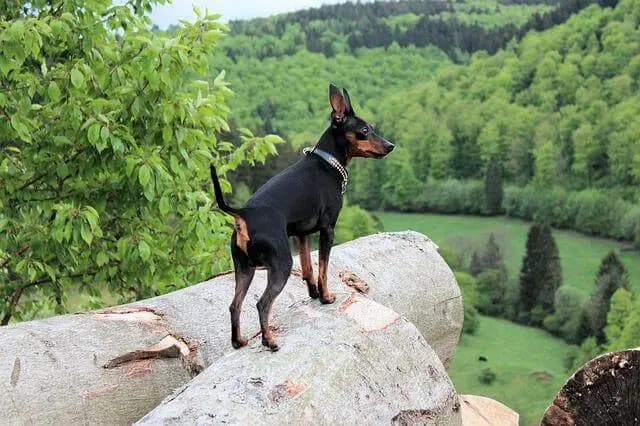
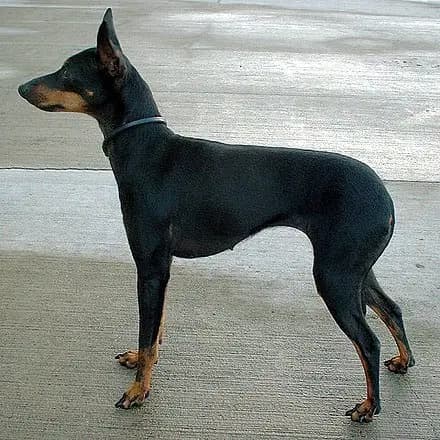
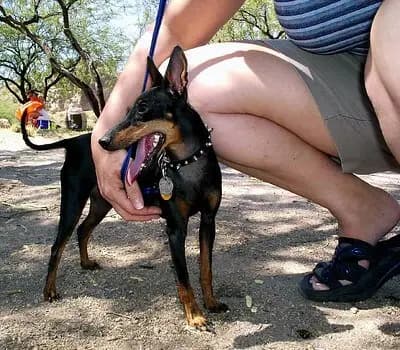
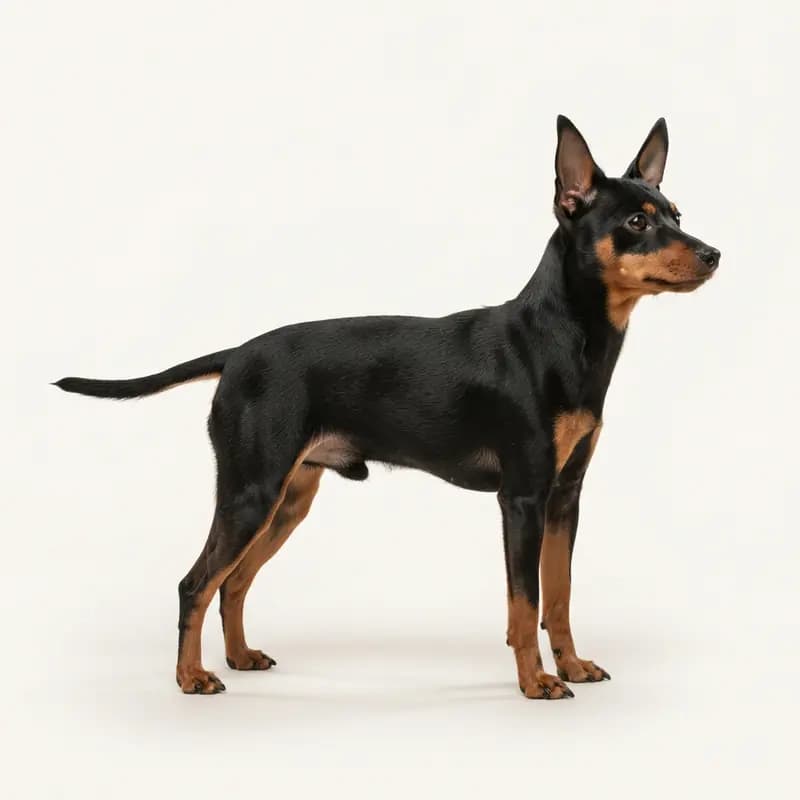
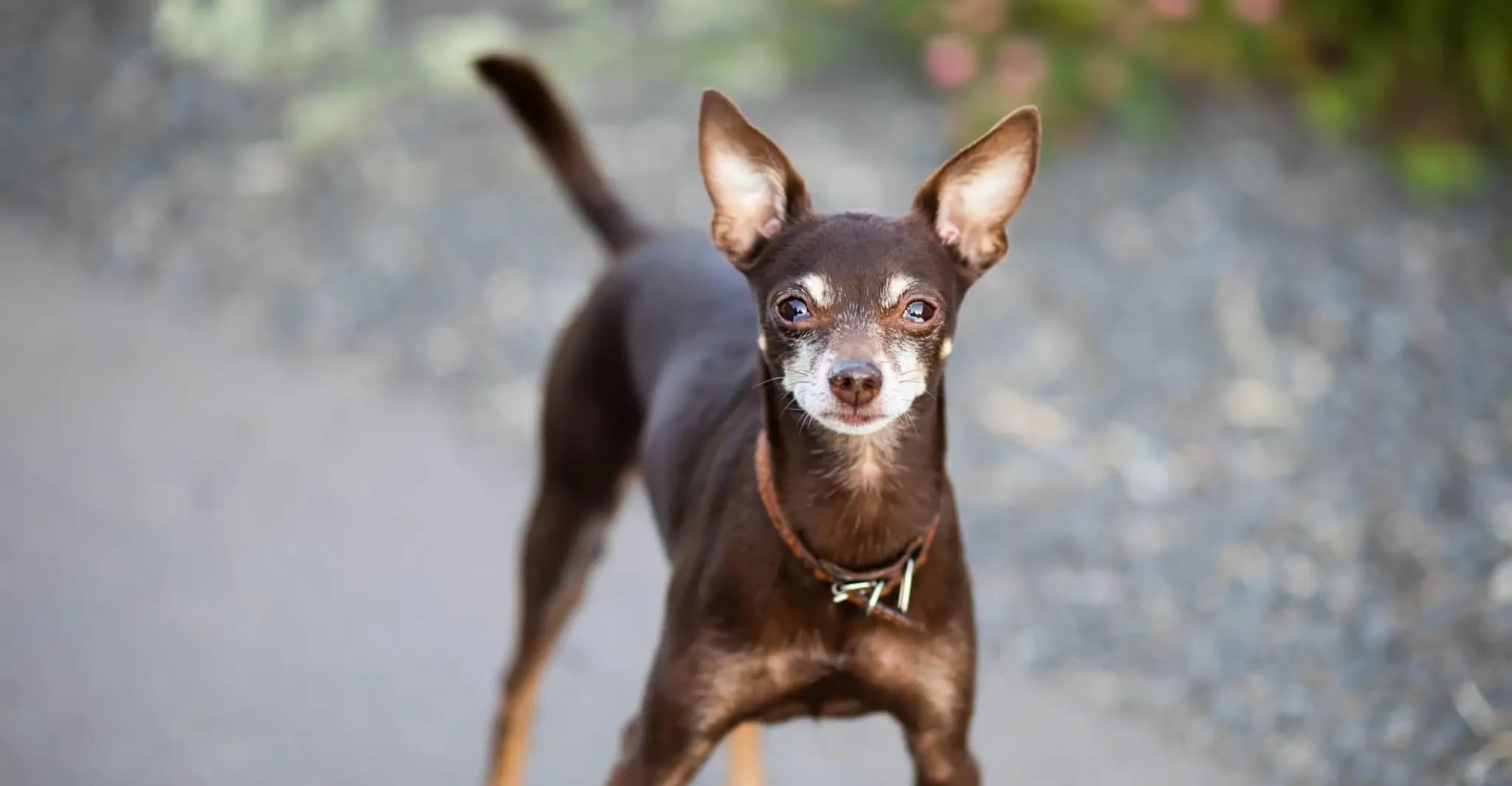
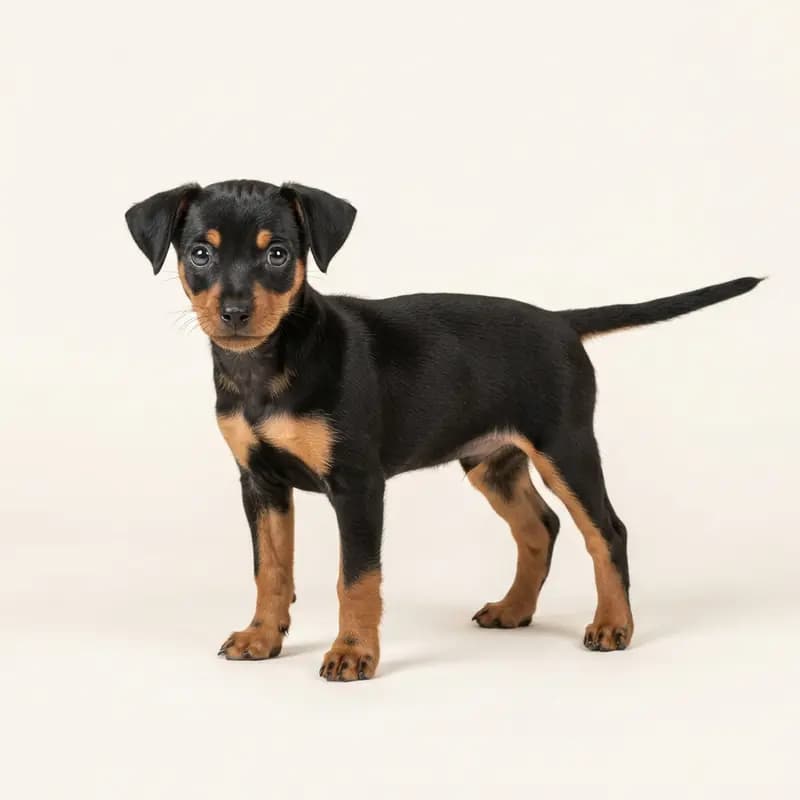
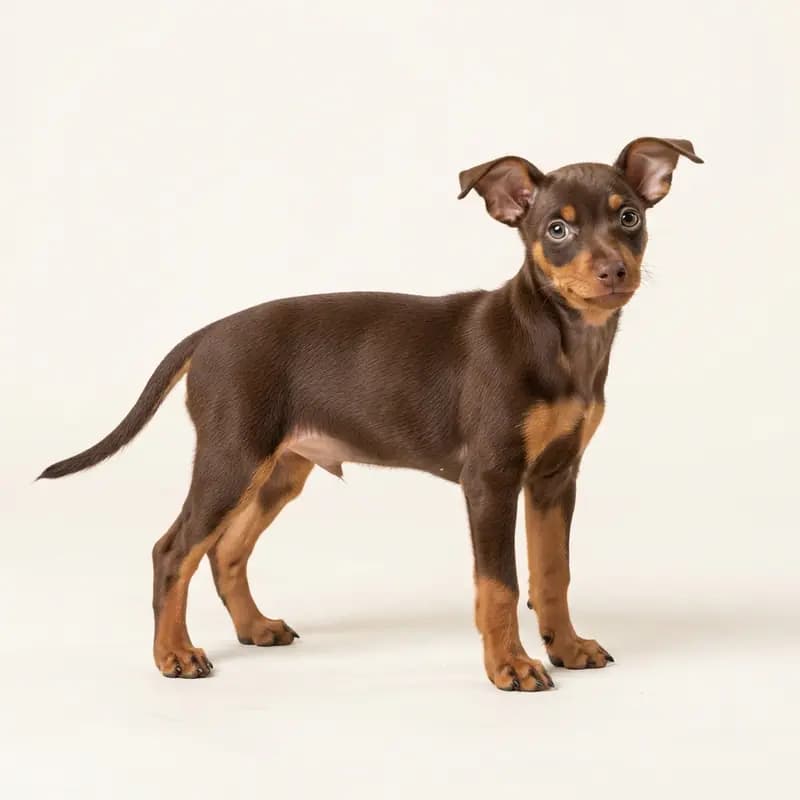
The Prague Rattler, also known as Prazsky Krysarik, is a small but powerful dog. Despite his small size, he has solid and well-proportioned musculature that emphasizes his athletic physique. Its dark, expressive eyes and large, erect ears give it an alert and lively appearance. Its coat is short, smooth and close-fitting, with no undercoat, making it less suitable for allergy sufferers. There are no differences between show and performance lines in this breed as the Prague Rattler is bred primarily as a companion dog. The Prague Rattler belongs to FCI Group 9, companion and toy dogs.
The Prague Rattler is a small dog with a big heart. His lively and open-minded temperament coupled with his affectionate nature makes him a wonderful companion. He loves to cuddle and play with his caregiver and is often very people-oriented and playful. Although it can be easily kept in the city due to its small size, its original purpose as a rat hunter should not be underestimated. The Prague Rattler is naturally alert and can also be a good watchdog. Therefore, he tends to be a bit reserved towards strangers. As a former rat hunter, the Prague Rattler has a certain hunting instinct, which can sometimes manifest itself in the form of play and prey-catching behavior. This should be taken into account when keeping and employing animals. As a rule, the Prague Rattler can easily learn to stay alone as long as he is well exercised and gets enough mental and physical activity. He tends to form a strong bond with his caregiver and can be a bit clingy under certain circumstances. Nevertheless, he is characterized by his independence and self-reliance. The Prague Rattler is a small but energetic dog. He loves to play and exercise and therefore needs regular physical and mental stimulation. Despite his small size, he is an active dog and needs a lot of exercise. He loves to play and romp with his owner, often showing his intelligence and ability to learn quickly. It is important to keep him mentally occupied as well, otherwise he may tend to get bored and exhibit unwanted behavior. Raising the Prague Rattler can be a challenge due to his intelligent and sometimes stubborn personality. However, he responds well to loving and consistent training and quickly learns what is expected of him. It is important to set clear rules and boundaries right from the start and to enforce them consistently. Because of its hunting history, the Prague Rattler can also be a bit stubborn. Therefore, patience and understanding are required when training this small but courageous dog. It is important to socialize the Prague Rattler early and get him used to different people, animals and environments to promote a balanced and confident dog. Overall, the Prague Rattler is a wonderful companion dog that takes the hearts of its owners by storm with its charming personality and lively nature. His small size and adaptability make him well suited to city life, but he still needs plenty of exercise and activity to be happy and balanced. With the right training and management, the Prague Rattler will become a loyal and loving companion that will bring its owner a lot of joy.
| Watchfulness Occasionally alerts but is fundamentally open. | Low |
| Openness to Strangers Warms up quickly and is generally welcoming. | Friendly |
| Hunting or Herding Drive Mild interest in movement and small animals — easily managed. | Low |
Fun Fact!
Did you know that the Prague Rattler was originally bred in the Royal Palace of Czechoslovakia? Yes, despite its small size, this dog has royal heritage and was once the royal family's preferred companion!
The Prague Rattler is a lively and alert companion. These small dogs are intelligent and require consistent training as well as sufficient activity. They are well suited as family dogs but are also excellent guard dogs due to their strong protective instinct. Despite their size, they are brave and show a lot of energy in everyday life.
The Prague Rattler is an ideal city dog. He does well with indoor living as long as he gets enough exercise and mental stimulation. He is an adaptable dog that gets along well in both the country and the city. The Prague Rattler is also well suited for families with older children, but due to its small size it may be advisable to supervise interactions with very young children. In terms of other pets, if socialized from an early age, Prague Rattlers can live well with cats and other dogs.
Loves family life and thrives in a group.
Takes boisterous and affectionate children in its stride.
Usually gets on fine with other dogs.
Small space, noise, lots of people — no problem at all.
Owning a dog is a privilege, but it's also a real responsibility. Before you bring one into your life, be honest with yourself about the commitment it takes.
The Prague Rattler is an intelligent, energetic dog that wants to play an active role in his life. He needs regular mental and physical stimulation to be happy and balanced. His need for activity and his quick comprehension make him a good candidate for various dog sports such as agility or obedience. However, it is important not to over-busy him as this can lead to stress and behavioral problems. The Prague Rattler has a natural inclination to hunt, which can lead to him becoming a "ball junkie" if he is not properly trained. It is important to offer him alternatives to chasing the ball and teach him to control his impulses. Frustration tolerance is an important skill that the Prague Rattler should learn in order to be happy and well-adjusted.
The Prague Rattler is a small dog with a high metabolism, meaning it requires a nutrient-dense, balanced diet to meet its energy needs. Your Prague Rattler's diet should include high-quality protein, as well as a balanced mix of vitamins, minerals, and healthy fats. It is important to control the amount of food to avoid obesity, which can lead to health problems. In terms of care, the Prague Rattler is an easy dog to care for. His short, smooth coat has no undercoat and sheds little, which can make him a good choice for allergy sufferers. He copes well with the climate in Germany, but should wear a dog coat in extremely cold temperatures.
| Care Level Minimal effort — occasional brushing and bathing. | Low-maintenance |
| Exercise Needs Needs 1–2 hours of real exercise daily. | Active |
| Shedding Regular shedding — dog hair on clothes is now normal. | Moderate |
| Trainability Picks up commands quickly and wants to please. | Eager to learn |
Our experts are still reviewing this information. Spotted something wrong? Email us at info@honestdog.de.
Solid, watch carefully
Health grade
In the Prague Rattler, patellar luxation (PL) is the primary breed-specific problem affecting the knee joints. The Verband Deutscher Kleinhundezüchter e.V. therefore strictly mandates screening for patellar luxation (PL) and sets the threshold strictly at PL 0. A responsible breeder additionally has their breeding dogs checked for heart disease in order to minimize risks here as well. Before buying a puppy, ask to see the official certificates of both parents and ensure that the patellar luxation (PL) result is PL 0 and that there is an unremarkable assessment regarding heart disease.
Grade is relative to other breeds — AI-assisted and editorially reviewed.
Methodology and data: HonestDog Dog Breed Health Report 2026
What matters most for this breed
Tap any item to see details.
You should focus on joint-friendly exercise, keep a close eye on his teeth—especially during the teething phase—and schedule regular eye check-ups.
Responsible breeders mandatorily test their animals for patellar luxation (PL) (result PL 0) and additionally screen for heart disease to ensure healthy offspring.
Note: This health overview is AI-assisted and editorially reviewed. It is for orientation only and does not replace veterinary advice.
What matters most for this breed — what's common, how much it affects the dog's life, and how to protect yourself as a buyer.
Tap a body region to see the inherited conditions linked to it.
The three most important risks
Pick a region on the map to explore other areas.
Tier 1 reflects the tests Verband Deutscher Kleinhundezüchter e.V. actually mandates. Tiers 2 and 3 show how responsible breeders go beyond.
Club standard. Verband Deutscher Kleinhundezüchter e.V. requires these tests for breeding approval. Ask any reputable breeder for the results.
No entries in this tier.
Note: This health overview is AI-assisted and editorially reviewed. It is for orientation only and does not replace veterinary advice.
A Prague Ratter costs around ~€150 per month (€80 – €270, depending on your setup). The first year adds up to roughly ~€4,600 including purchase, equipment and puppy school; across the dog's life (13 years) it comes to about ~€25,900.
With surgery cover, running costs come to about ~€140 per month — in return, your share of a major operation drops from several thousand euros to around 20 percent.
Per month
~€150
In the first year
~€4,600
Across the dog's life
~€25,900
Estimated purchase price from a breeder: €1,500 – €2,500
Estimate at a mid-range setup (suburban, dry food, 1–2 hours of daily exercise), average German prices, as of July 2026.
 Illustrative imageIllustrative image
 Illustrative image
 Illustrative image
The Prague Rattler comes from the Czech Republic and has a long history dating back to the Middle Ages. This breed was originally used to hunt rats in homes and fields, where it was valued for its speed and agility. Over time, the Prague Rattler became more and more of a companion dog, especially at the royal court in Prague. Unfortunately, the two world wars almost led to the breed becoming extinct. It was only in the 1980s that Czech breeders began to systematically breed the Prague Rattler again, and since 1990 it has been officially recognized as a separate breed.
The Prague Rattler was originally used to combat rats in households and stables and later developed into a companion dog.
Czech Republic
1300
In owner accounts, people keep stressing that despite its dainty build the Prague Ratter is a real, energetic dog and by no means just a lapdog. In family life it's described as very affectionate, cuddly and people-oriented; many of these dogs hardly leave their people's side and practically insist on close physical contact. At the same time, they're very alert at home and reliably announce visitors or unfamiliar noises, while often staying reserved or suspicious toward strangers at first.
Being left alone is a recurring everyday challenge. Many owners report that, because of their strong attachment to their people, these dogs tend toward separation stress, loud whining or protest barking when they're shut away on their own. How they get along with other small animals also comes up regularly: living with cats and other dogs usually goes smoothly with proper introductions, but many Ratters instinctively see smaller pets like mice, hamsters or guinea pigs as prey.
Sources:forum.hundund.deallekleinehunderassen.derundum.dogzooplus.dedogorama.app
Owners describe the Prague Ratter as very quick to learn, agile and attentive, but warn against taking its training lightly because of its small size. Forums often warn against constantly picking the dog up or, through inconsistency, letting it become the one who makes the decisions. Without clear leadership, some of these dogs develop serious leash reactivity or confidently try to pick fights with much bigger dogs.
When it comes to training, experienced owners stress that the breed is sensitive to harshness. If the tone gets too rough or the pressure too high, many Ratters dig in their heels or withdraw, unsure of themselves. With positive reinforcement, patience and playful tasks, on the other hand, they learn in no time. The original hunting instinct shouldn't be underestimated either: off leash in particular, many Prague Ratters react in a flash to small animals darting by or dig at mouse holes with remarkable persistence, so a solid recall has to be practiced intensively from the start.
Sources:allekleinehunderassen.dezooplus.dehundeforum.comedogs.deforum.hundund.de
Owner experience with health shows that a well-bred Prague Ratter is an agile, long-lived dog, though its dainty build brings some breed-typical weak spots. Owners bring up a strong sensitivity to cold especially often: with a very short coat and almost no insulating undercoat, these dogs quickly start shivering in cold, wet weather or frost, which is why many describe warm coats or sweaters as indispensable in winter.
On the veterinary side, owners mainly report two areas: teeth and knees. The narrow jaw often leads to tartar buildup, gum inflammation or retained baby teeth that have to be pulled by a vet. The breed's tendency toward patellar luxation (dislocating kneecaps) also comes up again and again. The community therefore strongly advises avoiding puppies from exaggerated miniature breeding ("teacup" downsizing), since extremely tiny dogs are more prone to broken bones and chronic health problems.
Sources:allekleinehunderassen.derundum.dogforum.hundund.devierbeinerwelten.dehunde-fan.de
Paraphrased from real owner reports · translated from German
The Prague Ratter is an adaptable dog that adjusts well to various lifestyles. Research the temperament, grooming needs, and space requirements before deciding.
The average life expectancy of a Prague Ratter is 12-14 years. With proper care and regular vet visits, your dog can live a long, healthy life.
Prague Ratter grooming requirements include regular brushing, nail trimming, and dental care. HonestDog provides detailed grooming tips for every breed.
The Prague Ratter can be a great family dog. Proper training and socialization are key. HonestDog provides family suitability information for every breed.
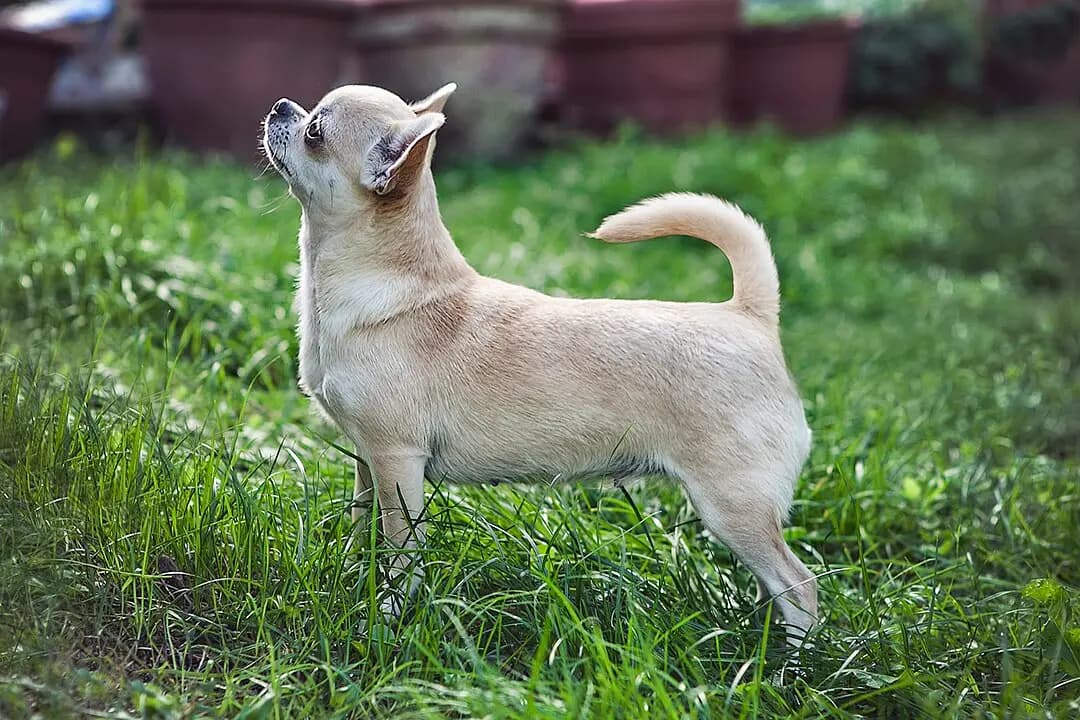
The Prague Ratter comes in these colors: Black and tan, Brown and tan, Blue and tan, Red, Yellow, Merle, Isabella. Colors that fall outside the breed standard are marked as such on the breed page.
Showcase your kennel on HonestDog and reach families searching for a responsibly bred Prague Ratter.