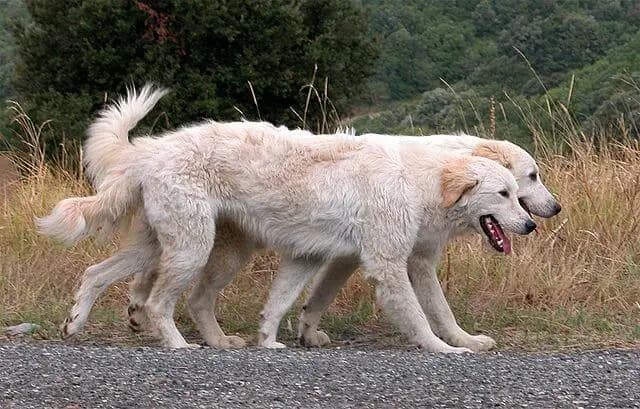
Maremma SheepdogSame working temperament
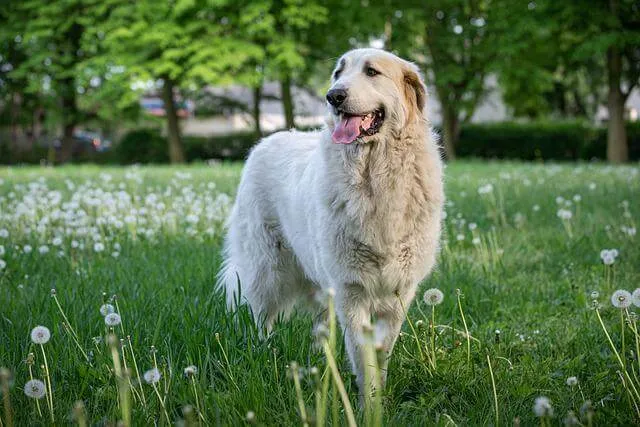
The Pyrenäen-Berghund is an imposing, majestic giant—an independent livestock guardian dog bred to protect herds in the mountains autonomously, fearlessly, and without human command against predators.
Self-check
Answer 6 quick questions about your everyday life and see how well the Great Pyrenees fits you — including an honest cost estimate per month, per year, and across the dog's lifetime.
At a glance
The essentials — key facts, traits, and health priorities — before you dive deeper.
Health grade
Relative to other breeds
Average — several important tests are expected.
Common concerns in this breed
See full health info & tests →
Note: This health overview is AI-assisted and editorially reviewed. It is for orientation only and does not replace veterinary advice.
Lifespan
10–12 yrs
Height
65–80 cm
Weight
40–75 kg
Practical
Temperament
Daily life
What matters most
Especially with a Great Pyrenees, choosing the right breeder is the single most important decision you'll make. Serious breeders consistently test the parents for inherited conditions, prioritize healthy early socialization, and stay accountable long after handover. A cheap puppy without health screening tends to become the most expensive dog later on.
See HonestDog breeder standards →Colors & coat
The coat colors you will see in Great Pyrenees litters — including which ones fall outside the breed standard and which carry genetic risk.
Eye colors
 Brown
Brown Amber
AmberCoat type
 Long
Long Double coat
The real vibes check
A Pyrenäen-Berghund doesn't wait for your permission to keep watch—he simply does it because it is his deepest purpose. You aren't getting a dog that follows orders, but a confident partner who stands at the fence at night, barking into the darkness to protect his pack. If you can guide and respect this majestic independence, you will have an incorruptible protector; if you expect a classic family dog, you will find him overwhelming.
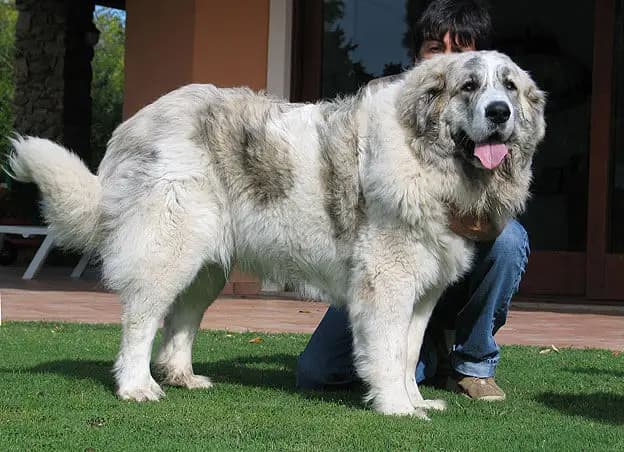
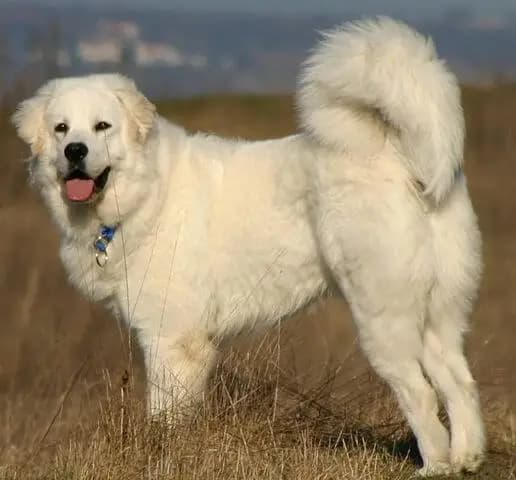
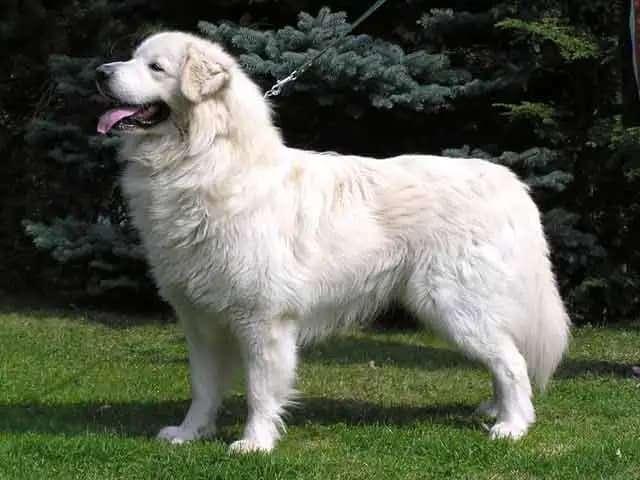
The Pyrenean Mountain Dog, also known as the Great Pyrenees in some countries, is an imposing presence. He is a large dog known for his majestic beauty and size. With his massive head, strong body and flowing, thick white coat, this dog exudes both power and elegance. It belongs to FCI Group 2, the Pinscher and Schnauzer, Molosser and Swiss Mountain Dogs, and is part of Section 2.2, the Mountain Dogs. It is bred as both a show and working line, with the working line being characterized by its greater emphasis on protection and herding, while the show line is more focused on appearance and temperament.
Although often perceived as fearsome due to its size and history as a guard and herding dog, the Pyrenean Mountain Dog is known for its gentle and calm nature. He is naturally alert and protective, but he is also incredibly gentle and loving with his family. The Great Pyrenees Mountain Dog is an independent thinker, a trait that has served him well as a herding dog. He is capable of making decisions on his own and is not as eager to follow orders as other breeds. But that doesn't mean he's stubborn or disobedient - he's simply strong-willed and needs loving but consistent guidance. In terms of temperament, the Pyrenean Mountain Dog is rather calm and collected. He is not hyperactive and does not require as much physical activity as some other breeds. But he still enjoys being outside and taking walks and needs daily exercise to stay healthy and happy. The Pyrenean Mountain Dog is very people-oriented and often develops a close bond with its family. Although the Pyrenean Mountain Dog has a strong protective instinct, it is not aggressive. He is alert and will bravely defend his family and territory if he feels it is necessary, but he is also good-natured and calm. His strong protective instinct makes him an effective guard dog. In terms of training, the Great Pyrenees Mountain Dog is an intelligent dog that learns quickly. But his independence can sometimes be a challenge. It is important to work with patience, consistency and positive reinforcement to achieve the best results. Early socialization and training are also important to ensure that the Great Pyrenees becomes a well-rounded dog.
| Watchfulness Strong territorial instinct — may actively confront intruders. | Very high |
| Openness to Strangers Distrustful of strangers — takes a long time to accept new people. | Very reserved |
| Hunting or Herding Drive Mild interest in movement and small animals — easily managed. | Low |
Fun Fact!
Did you know that the Pyrenean Mountain Dog is also called "Le Chien de Montagne des Pyr"n"es"? is called what in French is "mountain dog of the Pyrenees" means? And that they have been used for centuries to protect flocks of sheep from wolves and bears in the Pyrenees? An amazing testament to their bravery and loyalty!
Pyrenean mountain dogs are herd protection dogs that tend to protect their herd or family. They work independently and are not suitable for beginners.
The Pyrenean Mountain Dog is a calm and balanced companion, but requires a lot of space and is therefore best kept in a house with a garden. They are not suitable dogs for an apartment in the city. They generally get along well with children and other pets, but their natural protective instincts can cause them to be overly vigilant at times. He can be a bit clumsy at times due to his size and strength, so it is important that dog-child interactions are always supervised.
Gets on well with different people and varying routines.
Fine with calm, respectful children — not small tornadoes.
Does better without other dogs around.
Suffers in tight urban conditions.
Owning a dog is a privilege, but it's also a real responsibility. Before you bring one into your life, be honest with yourself about the commitment it takes.
A Pyrenean Mountain Dog is an intelligent and sometimes stubborn animal that requires consistent and loving training. Their natural desire to protect can lead to problems without proper training and socialization, so it's important to expose them to a variety of people, places and situations from an early age. They are not ball junkies, but they do need regular mental and physical activity. Despite their size and strength, they are gentle and patient, which makes training easier. Engaging in search games, nose work or even Treibball can bring them a lot of joy and help them to live out their natural instincts in a healthy way.
Your Pyrenean Mountain Dog's diet should be tailored to his age, weight and activity level. These large dogs require a balanced diet with high-quality proteins, healthy fats, and an appropriate amount of carbohydrates to maintain their energy and health. The Pyrenean Mountain Dog has a thick, weatherproof double coat that protects it from the harsh weather conditions in the Pyrenees. That's why he gets along well with the German climate. However, he sheds a lot, especially during the coat change in spring and autumn, and needs regular grooming.
| Care Level Regular brushing and occasional professional grooming. | Moderate |
| Exercise Needs Needs several hours of serious exercise every day. | Very active |
| Shedding Hair everywhere, always — no white clothing survives. | Very heavy |
| Trainability Has its own ideas and will test limits. | Strong-willed |
Our experts are still reviewing this information. Spotted something wrong? Email us at info@honestdog.de.
Solid, watch carefully
Health grade
The Pyrenäen-Berghund receives a grade of C because, as a very large breed, it has typical vulnerabilities in its musculoskeletal system. Hip dysplasia (HD) and elbow dysplasia (ED) are well-known risks that must be monitored through mandatory health tests. Osteochondrodysplasia (OCD) also requires attention, which is why buyers should insist on seeing certified X-ray results for both parent dogs.
Grade is relative to other breeds — AI-assisted and editorially reviewed.
What matters most for this breed
Tap any item to see details.
Especially during the first year of life, you should focus on joint-friendly rearing and a tailored diet to prevent overly rapid growth and protect the bones.
Reputable breeders have the joints, knees, and eyes of the parent animals checked and perform genetic tests for neurological conditions to reduce avoidable risks in the lineage.
Note: This health overview is AI-assisted and editorially reviewed. It is for orientation only and does not replace veterinary advice.
What matters most for this breed — what's common, how much it affects the dog's life, and how to protect yourself as a buyer.
Tap a body region to see the inherited conditions linked to it.
The three most important risks
Pick a region on the map to explore other areas.
We sort tests into three tiers — from the mandatory club standard to a fully exemplary program.
Club standard. Tests the relevant breed-club (VDH / FCI / AKC parent club) mandates for registration. Any serious breeder should provide these.
No entries in this tier.
Note: This health overview is AI-assisted and editorially reviewed. It is for orientation only and does not replace veterinary advice.
A Great Pyrenees costs around ~€240 per month (€120 – €460, depending on your setup). The first year adds up to roughly ~€6,400 including purchase, equipment and puppy school; across the dog's life (11 years) it comes to about ~€34,630.
With surgery cover, running costs come to about ~€250 per month — in return, your share of a major operation drops from several thousand euros to around 20 percent.
Per month
~€240
In the first year
~€6,400
Across the dog's life
~€34,630
Purchase from a breeder: €2,000 – €3,500
Estimate at a mid-range setup (suburban, dry food, 1–2 hours of daily exercise), average German prices, as of July 2026.
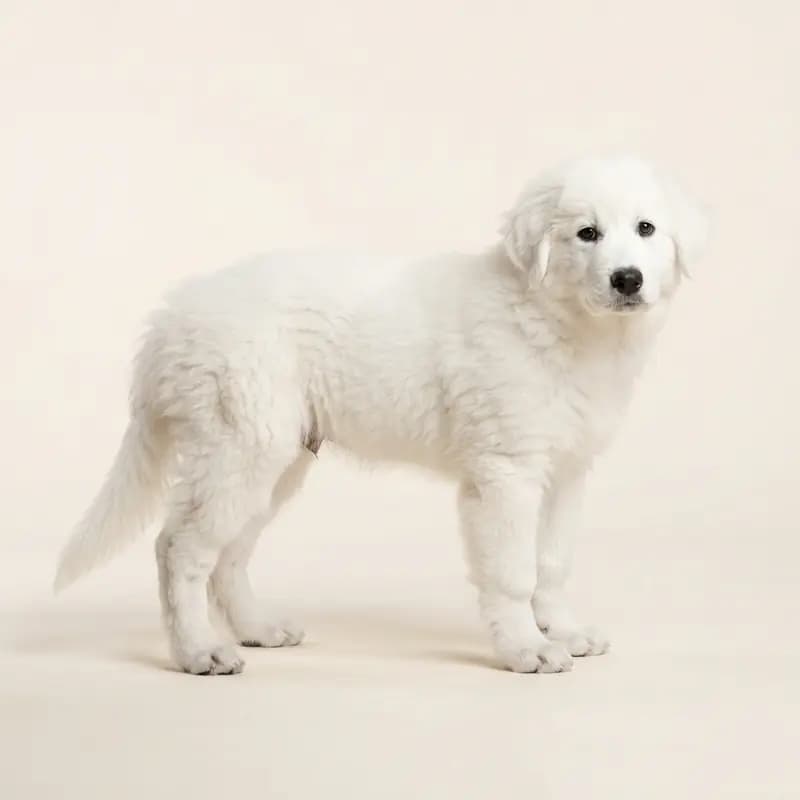 Illustrative image
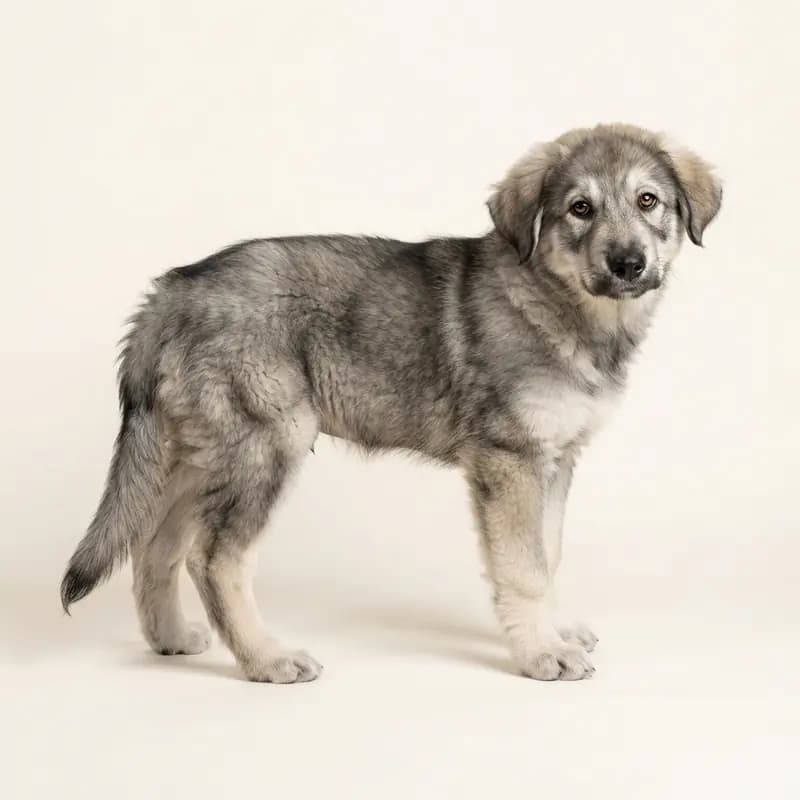 Illustrative image
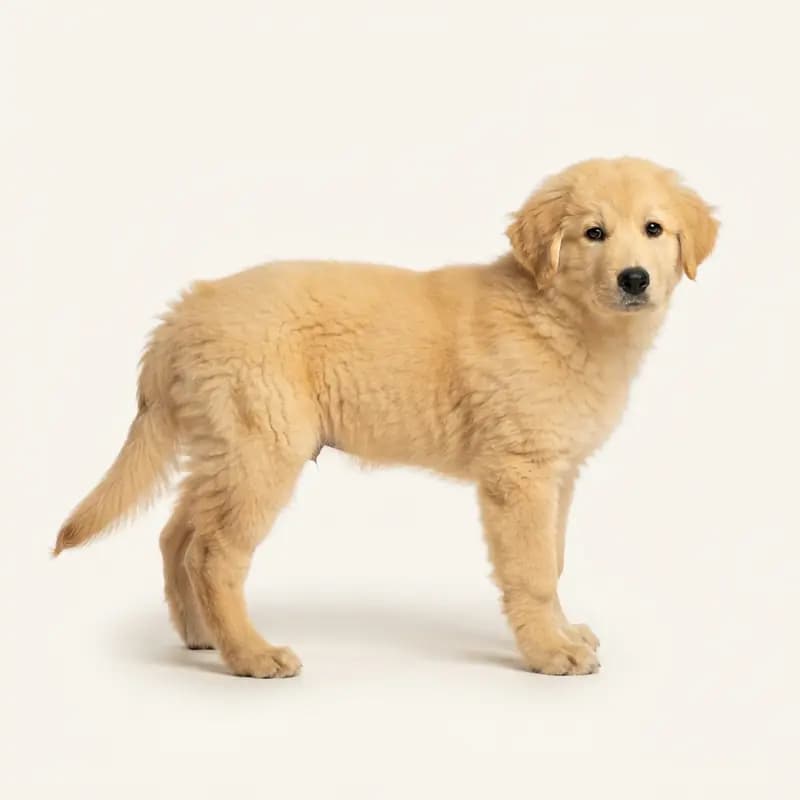 Illustrative image
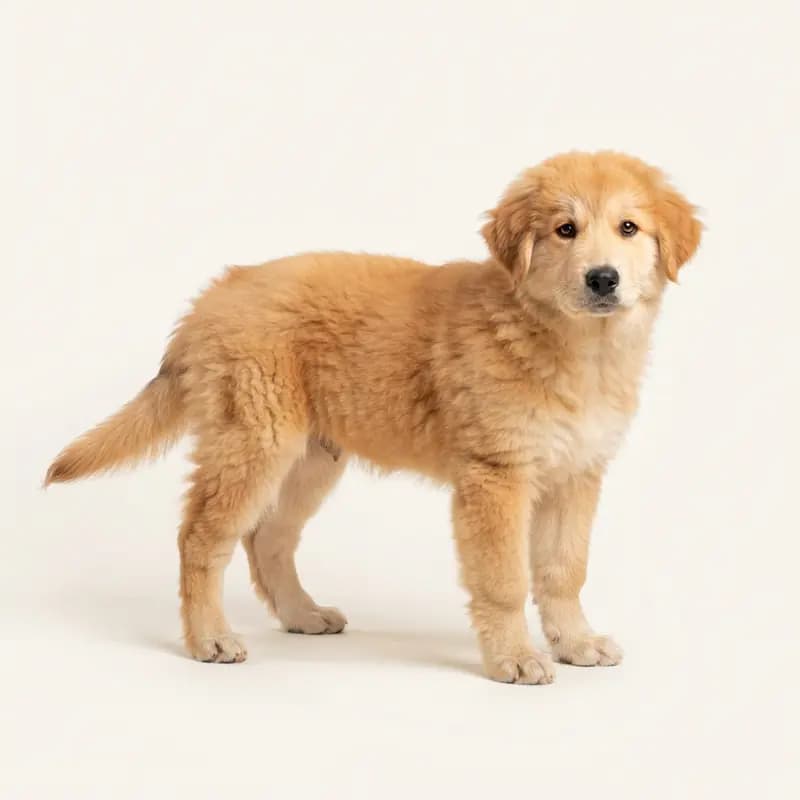 Illustrative image
The history of the Pyrenean Mountain Dog is impressively old, dating back to the Bronze Age, where it served as a guard dog for flocks of sheep in the Pyrenees, a mountain range between Spain and France. It was bred to protect herds from predators such as wolves and bears and is known for its strong protective instincts. The breed was first officially documented in the 17th century, when French nobility began keeping these majestic dogs as guard dogs in their castles. In the 19th century the breed was officially recognized and the first breed standard was established.
The Pyrenean Mountain Dog was used to protect flocks of sheep from predators in the Pyrenees.
France/Spain
Antike
Ich habe mir einen Traum erfüllt und einen Pyrenäenberghund-Rüden als Welpen zu uns geholt. Inzwischen ist er 17 Wochen alt und ich muss ehrlich sagen: Er bringt mich manchmal wirklich an den Rand der Verzweiflung! Er ist ein absoluter Sturkopf. Beim Spazierengehen läuft er zum Beispiel grundsätzlich nur in dem Tempo, das ihm gerade passt. Morgens trottelt er so extrem langsam hinterher, dass ich ihn fast ziehen muss, während er abends plötzlich lossprintet.
Auch das Thema Stubenreinheit läuft bei uns noch nicht ganz rund. Manchmal habe ich das Gefühl, er macht es nur, wenn er gerade Lust dazu hat – er setzt sich dann einfach direkt vor meinen Augen hin und macht ein Pfützchen. Trotzdem besuchen wir seit der elften Woche fleißig die Hundeschule, um die Erziehung von Anfang an richtig anzugehen.
Sorgen macht mir aktuell seine Gesundheit. Da er extrem schnell wächst, knickt er beim Laufen vorne rechts manchmal einfach um. Die Tierklinik vermutet entweder Wachstumsschmerzen oder eine beginnende Ellbogendysplasie (ED), was aber erst mit 8 bis 9 Monaten durch Röntgen sicher diagnostiziert werden kann. Man darf die körperliche Belastung bei diesen Riesen im Wachstum wirklich nicht unterschätzen.
Unsere Pyrenäenberghündin ist mittlerweile dreieinhalb Jahre alt. Wir haben damals zwar einen normalen Erziehungskurs in der Hundeschule besucht, aber die eigentliche Arbeit fängt danach erst an. Bei dieser Rasse ist eine absolut konsequente Weitererziehung im eigenen Zuhause das A und O.
Sie ist eine unglaublich tolle Hündin, aber eben auch extrem stur. Sie versucht wirklich jeden Tag aufs Neue, ihren eigenen Willen durchzusetzen und uns auszutesten. Wer einen Hund sucht, der aufs Wort pariert, ist hier definitiv falsch. Man braucht unendlich viel Geduld und ein dickes Fell, um mit diesem eigenständigen Charakter liebevoll, aber bestimmt umzugehen.
Paraphrased from real owner reports
The Great Pyrenees is an active dog that needs plenty of exercise and mental stimulation. Research the temperament, grooming needs, and space requirements before deciding.
The average life expectancy of a Great Pyrenees is 10-12 years. With proper care and regular vet visits, your dog can live a long, healthy life.
Great Pyrenees grooming requirements include regular brushing, nail trimming, and dental care. HonestDog provides detailed grooming tips for every breed.
The Great Pyrenees can be a great family dog. Proper training and socialization are key. HonestDog provides family suitability information for every breed.
The Great Pyrenees comes in these colors: White, Grey, Wolf grey, Yellow, Orange.
Showcase your kennel on HonestDog and reach families searching for a responsibly bred Great Pyrenees.