Loading breed
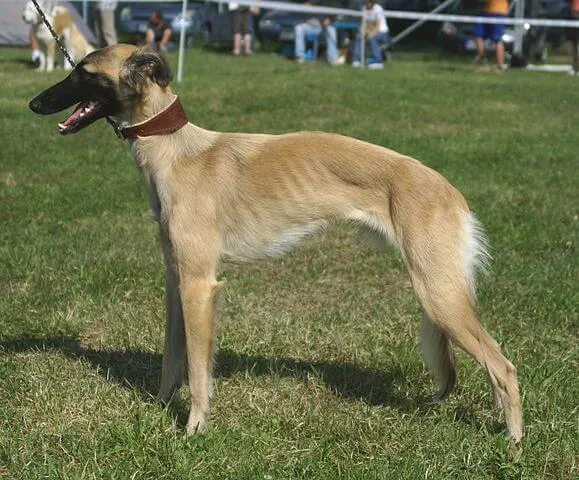
Silken Windsprite
Health grade B- Height44–55 cm
- Weight7–14 kg
- Life expectancy12–15 yrs
- Puppy price1,500–2,500 €
- Energy3/5
The Essentials at a Glance
The Silken Windsprite is an elegant, sensitive sighthound—bred to be a gentler, more cooperative sighthound that loves sprinting after movement stimuli but seeks a much closer bond than its classic relatives.
- Health grade B: The Silken Windsprite earns a solid B grade.
- You are looking for a dog that lives for short, explosive sprints outdoors but becomes practically invisible on the sofa indoors.
- You offer gentle, quiet guidance—these dogs are highly sensitive and will shut down under loud pressure or a heavy hand.
- You expect it to have perfect recall when a rabbit bolts—it is a sighthound, and its brain switches to autopilot when it sees fast movement.
Self-check
Would the Silken Windsprite really fit your life?
Answer 6 quick questions about your everyday life and see how well the Silken Windsprite fits you — including an honest cost estimate per month, per year, and across the dog's lifetime.
Fit checkCost estimateRisk dice
Takes about 1 minute · free & anonymous
Is the Silken Windsprite right for you?
At a glance
Silken Windsprite overview
The essentials — key facts, traits, and health priorities — before you dive deeper.
Health grade
Relative to other breeds
S
A
B
C
D
E
Very healthyHigher risk
Solid — a handful of items a good breeder watches.
See full health info & tests →
Note: This health overview is AI-assisted and editorially reviewed. It is for orientation only and does not replace veterinary advice.
Lifespan
12–15 yrs
Height
44–55 cm
Weight
7–14 kg
Practical
- Puppy price: 1,500 – 2,500 €
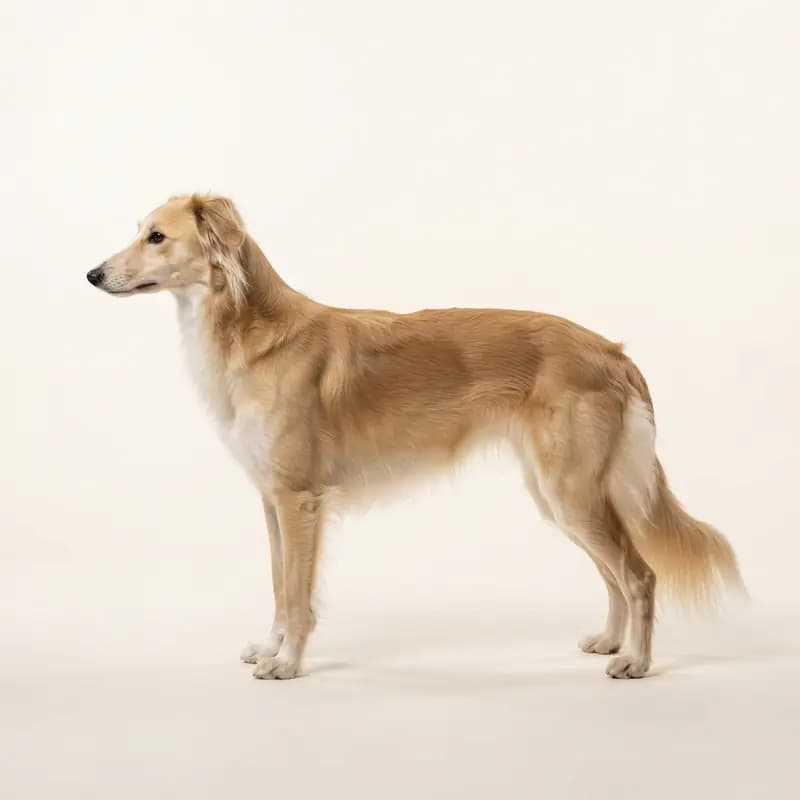
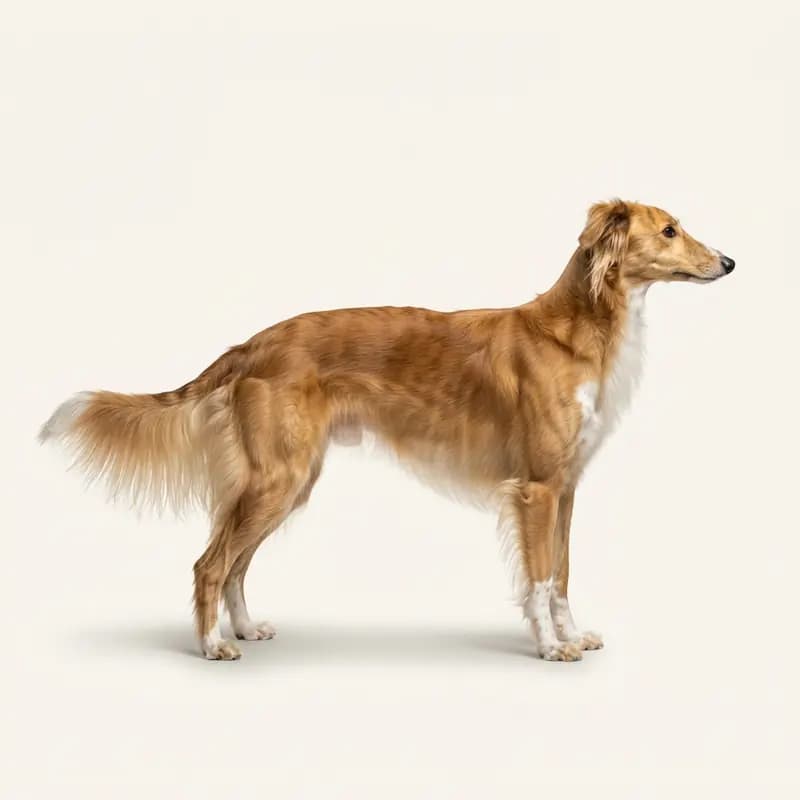
- Coat: Silky, long to medium length, little undercoat
- Origin: USA
Temperament
Energy
Trainability
Family fit
With kids
Daily life
Care effort
Shedding
Barking
City-friendly
Guard instinct
What matters most
Especially with a Silken Windsprite, choosing the right breeder is the single most important decision you'll make. Serious breeders consistently test the parents for inherited conditions, prioritize healthy early socialization, and stay accountable long after handover. A cheap puppy without health screening tends to become the most expensive dog later on.
See HonestDog breeder standards →Colors & coat
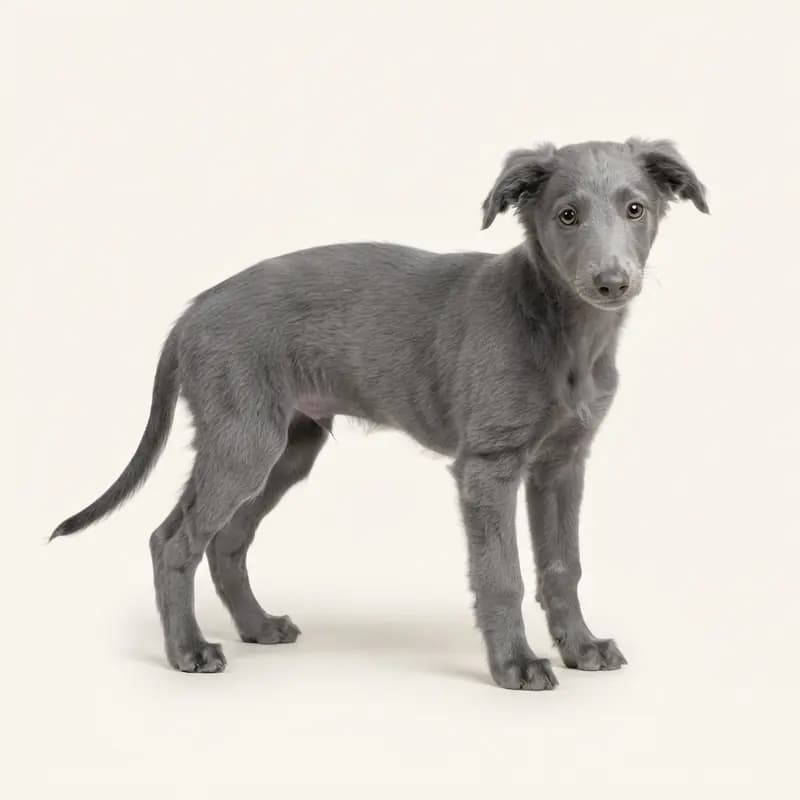
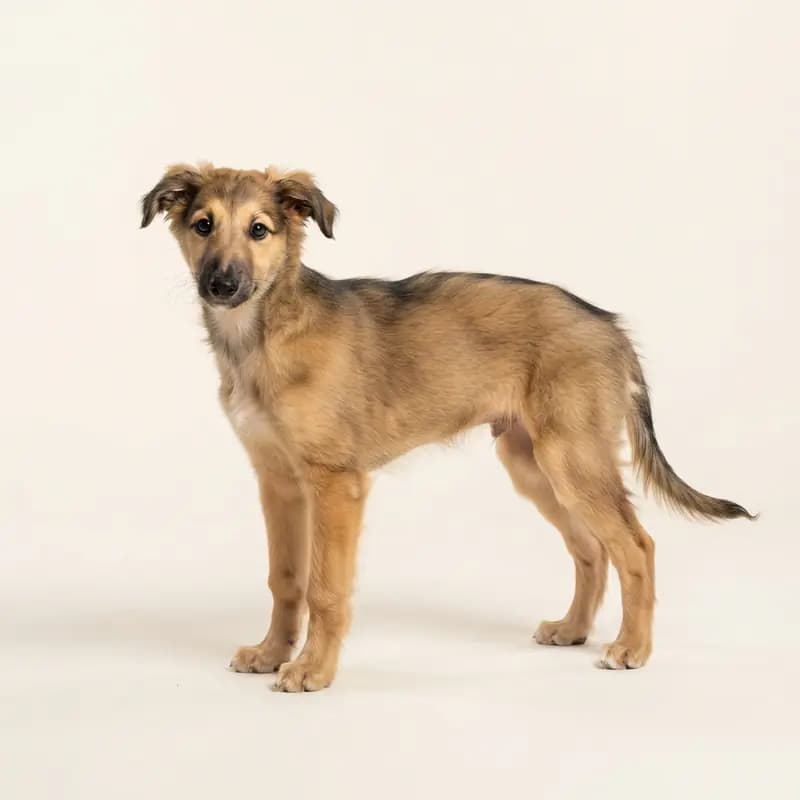
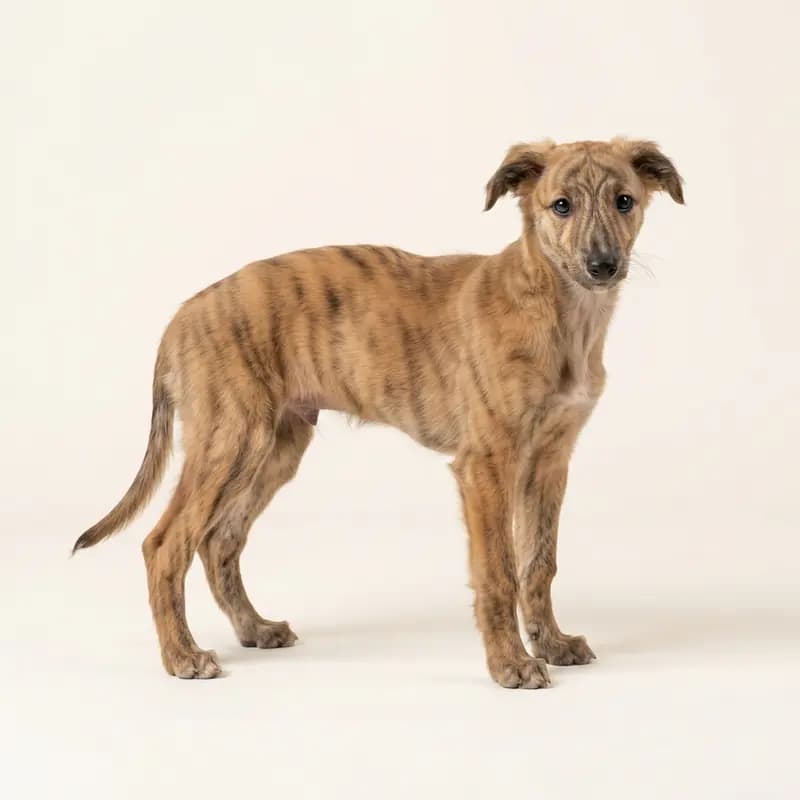
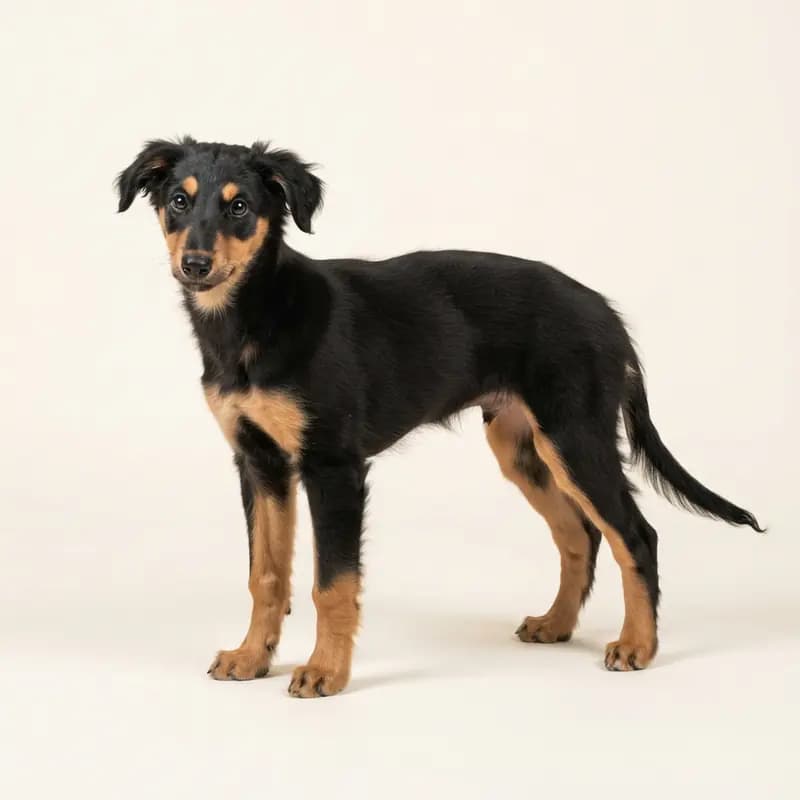
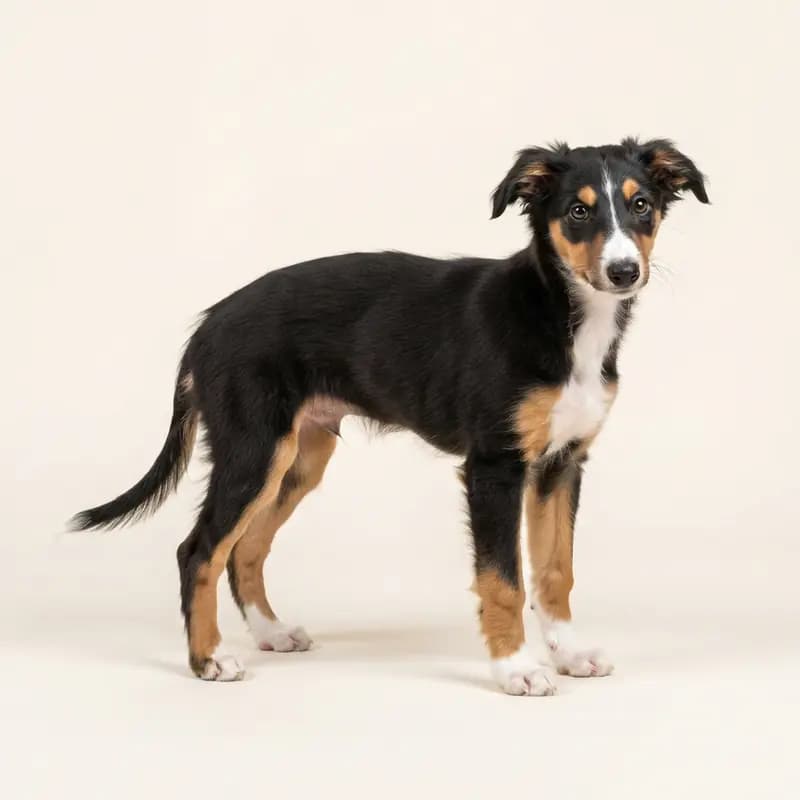
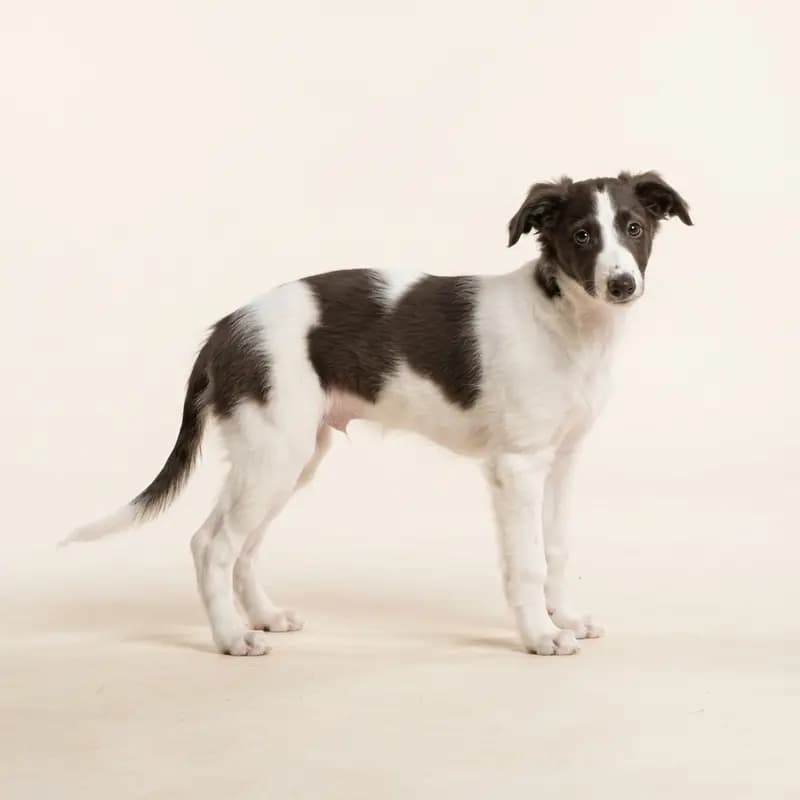
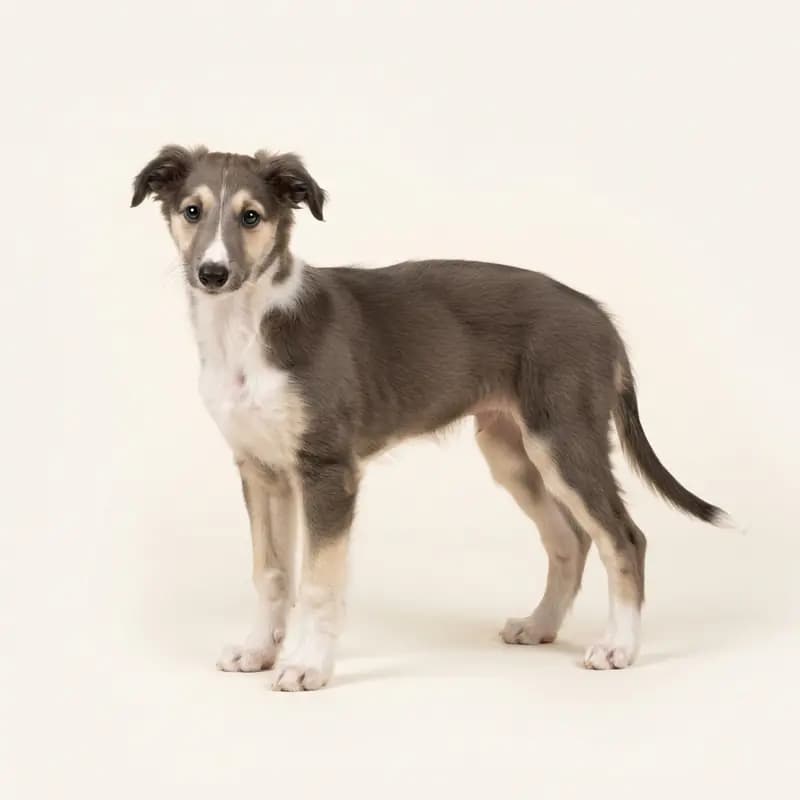
What colors does the Silken Windsprite come in?
The coat colors you will see in Silken Windsprite litters — including which ones fall outside the breed standard and which carry genetic risk.
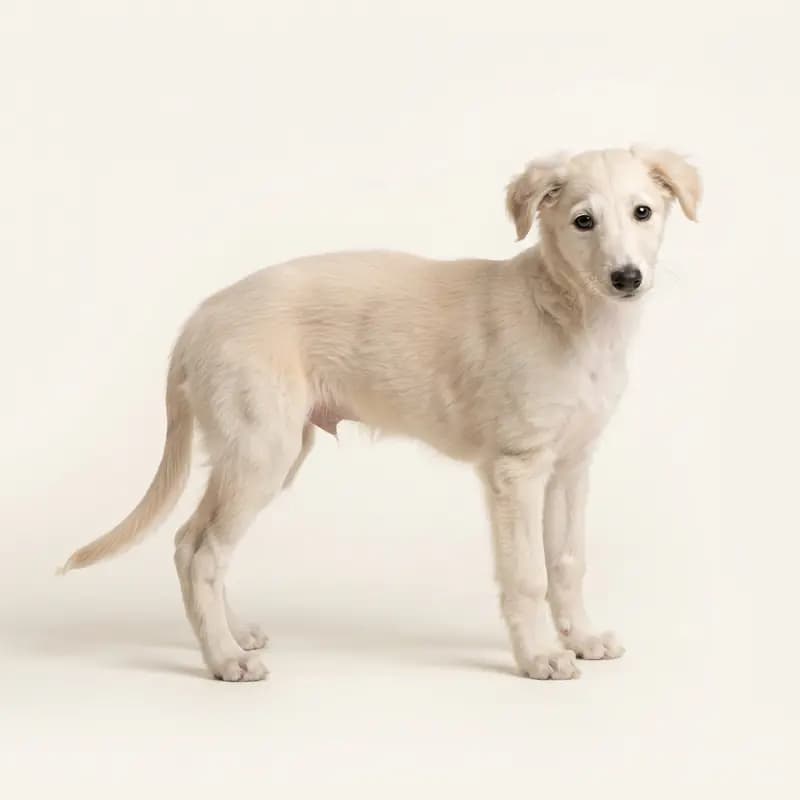
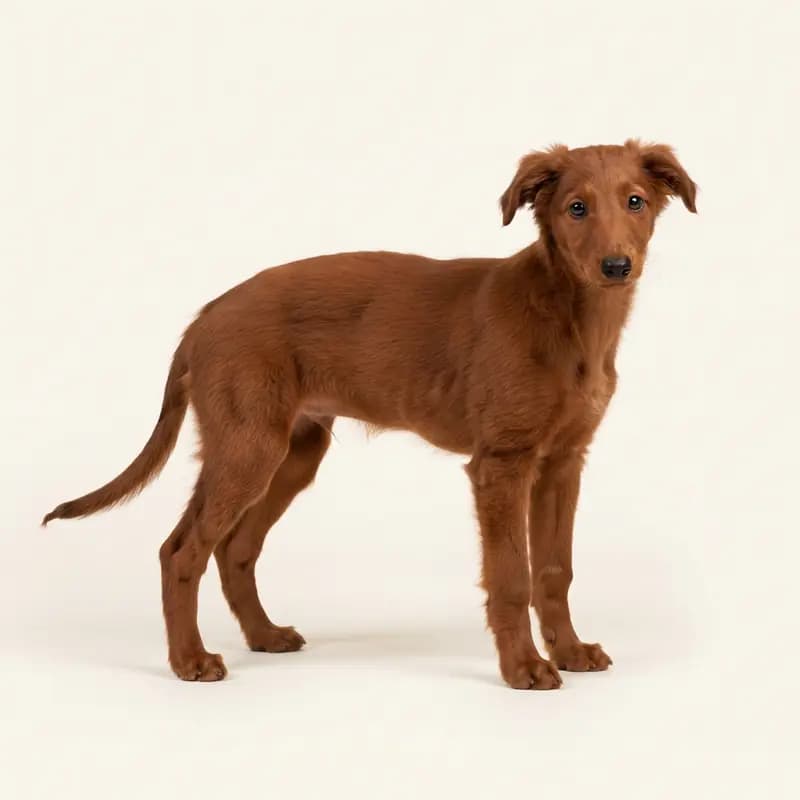
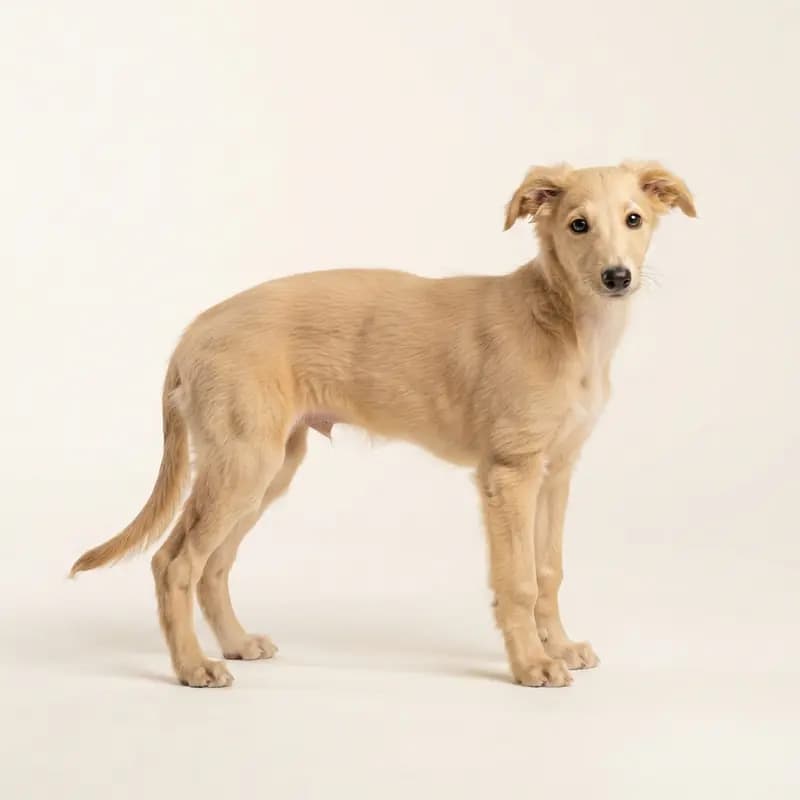
Eye colors
 Brown
Brown
Coat type
 Illustrative image
Medium
 Illustrative image
Long
 Silky
Silky Smooth
Is the Silken Windsprite right for you?
Perfect for you if:
- You are looking for a dog that lives for short, explosive sprints outdoors but becomes practically invisible on the sofa indoors.
- You offer gentle, quiet guidance—these dogs are highly sensitive and will shut down under loud pressure or a heavy hand.
- You have access to safe, fenced-in areas where it can safely satisfy its genetic urge to run.
- You want a very people-oriented companion that loves to be everywhere with you and forms a close bond with its family.
Less ideal if:
- You expect it to have perfect recall when a rabbit bolts—it is a sighthound, and its brain switches to autopilot when it sees fast movement.
- You are looking for a robust outdoor dog for hours of hiking in the rain—it lacks a warming undercoat and gets cold quickly in wet and chilly weather.
- You have to leave it alone for long periods during the workday—due to its sensitive nature and strong attachment to you, it suffers quickly from separation anxiety.
- You expect a classic obedience dog for intense dog sports—it likes to learn, but dull repetition bores it.
The real vibes check
Outdoors, the Silken Windsprite takes off like an arrow at the slightest movement, but indoors, it turns into a silent sofa cushion. You aren't getting a robust all-purpose dog, but a highly sensitive athlete in a silk coat that reads your moods like an open book. If you give it a safe space for sprints and avoid loud words, you will have the gentlest shadow in the world.
Breed Profile
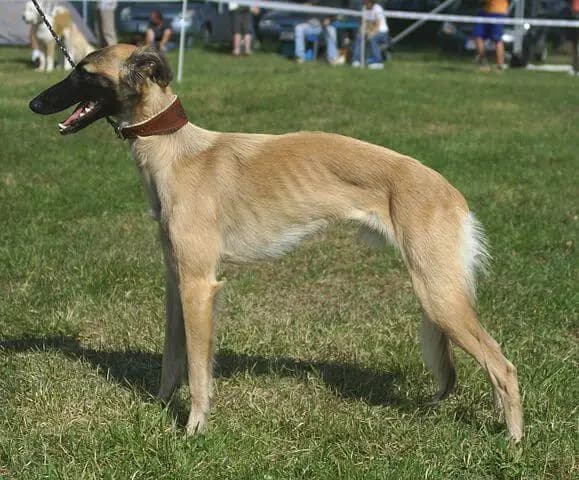
The Silken Windsprite is a small greyhound that enchants with its elegant appearance and charming nature. This breed of dog, originally from the USA, belongs to the greyhound group, although it is smaller than most of its cousins. They have a slim and muscular body that exudes speed and grace, while their head is finely carved and their gaze is attentive and curious. The fur structure is a special feature of the Silken Windsprites. Her name - "Silken" - comes from the silky texture of their coat, which is long to medium in length and can come in all sorts of colors and combinations. While they have a light undercoat, their coat is generally easy to care for and is not prone to matting. A special feature of the Silken Windsprites is their size. With a shoulder height of 33 to 47 cm for female dogs and 39 to 56 cm for male dogs, they are smaller than most other sighthound breeds, making them an ideal choice for people looking for a smaller, yet active and athletic dog.
All measurements in detail
- Height
- 44 - 53 cm (Female), 47 - 55 cm (Male)
- Weight
- 7 - 12 kg (Female), 9 - 14 kg (Male)
- Life Expectancy
- 12 - 15 yrs
- Character
- Adaptable, friendly, intelligent
- Coat
- Silky, long to medium length, little undercoat
- Coat Color
- All colors and combinations are possible
- Price
- 1500 - 2500 €
Character & Temperament
The Silken Windsprites are known for their friendly and adaptable nature. They are fun-loving dogs who love to accompany their people, whether on long walks, playing sports or just relaxing on the sofa. Their greyhound heritage is evident in their love of exercise and their hunting instinct, which is, however, less pronounced than other greyhound breeds. Nevertheless, you should be careful that your Silken Windsprite doesn't go hunting unexpectedly. A big advantage of the Silken Windsprites is their adaptability. They can live in both the city and the country as long as they get enough exercise and mental stimulation. They are quite capable of staying alone for a few hours as long as they don't feel neglected. As social animals, they need the closeness and attention of their humans and are happy when they are part of the family. Silken Windsprites are intelligent dogs that learn quickly and enjoy being mentally challenged. They love learning new tricks and working with their people, which makes them great partners for various dog sports. However, despite their intelligence, they are not "working dogs" in the traditional sense and need meaningful employment to be happy. When it comes to their vigilance, Silken Windsprites are rather reserved. They don't bark often and are usually friendly and open towards strangers. Despite this, they will defend their family if necessary and are always alert to their surroundings. Their friendly and playful nature also makes Silken Windsprites great companions for children. They are patient and loving, and although they can be a bit independent, they love the company of their humans and are happy when they can spend time with their family. All in all, Silken Windsprites are charming and versatile dogs that combine both the characteristics of a greyhound and a companion dog. They are adaptable, intelligent and friendly, making them ideal companions for various lifestyles. If you are looking for an active, yet relaxed and affectionate dog, a Silken Windsprite could be just the thing for you!
| Watchfulness Occasionally alerts but is fundamentally open. | Low |
| Openness to Strangers Warms up quickly and is generally welcoming. | Friendly |
| Hunting or Herding Drive Mild interest in movement and small animals — easily managed. | Low |
Fun Fact!
Although Silken Windsprites look like small greyhounds, they actually belong to the companion dog category and are known for their friendly and gentle nature!
What Awaits You
The Silken Windsprite is an elegant, friendly sighthound with a gentle nature. These dogs are agile and love exercise, but are also well suited as calm companions in everyday life. They are characterized by their silky coat and graceful appearance. The Silken Windsprite requires loving training and regular activity to reach its full potential.
Housing & Care
The Silken Windsprite are adaptable dogs that can live well in both the city and the country. They get along well with children and other pets and can fit well into different family structures. While they get along well with cats and other dogs, you should note that they have a slight prey instinct that may be relevant when interacting with smaller pets.
- Family Friendly
Lives for its family — the born family companion.
Ideal family dog - Child Friendly
Takes boisterous and affectionate children in its stride.
Patient with children - Dog Friendly
Actively enjoys the company of other dogs.
Dog-friendly - City Friendly
City-appropriate with enough exercise and stimulation.
Manageable in cities
Owning a dog is a privilege, but it's also a real responsibility. Before you bring one into your life, be honest with yourself about the commitment it takes.
Training & Education
Silken Windsprites are intelligent dogs that learn quickly and enjoy being mentally challenged. They love learning new tricks and working with their people, which makes them great partners for various dog sports. A good way to develop their mental abilities is through activities such as agility, obedience or trick school. It is important that you do not overtax your Silken Windsprite and give it enough rest breaks to avoid overstimulation. They should also learn to develop frustration tolerance and impulse control, as this is essential for a harmonious relationship between dog and owner and for the dog's general well-being. Since Silken Windsprites have a certain degree of independence, it is important to show patience and consistency when training them. Positive reinforcement works best with this breed and helps build a strong bond between you and your dog.
Nutrition & Care
The Silken Windsprite's diet should be balanced and high quality. They need a sufficient amount of protein, fats and carbohydrates. The choice between commercially produced food and a home-prepared diet depends on your personal preferences and your dog's needs. It is always advisable to speak to your veterinarian or a nutritionist to ensure all of your dog's nutritional needs are met. When it comes to care, the Silken Windsprite is relatively easy to care for. They have a long to medium length, silky coat with minimal undercoat. This means they do not shed heavily and only require regular brushing to keep their coat in good condition. Their adaptability is also reflected in their tolerance of Germany's climate - they can cope with both warmer and cooler temperatures as long as they are not exposed to extreme conditions.
| Care Level Minimal effort — occasional brushing and bathing. | Low-maintenance |
| Exercise Needs Needs 1–2 hours of real exercise daily. | Active |
| Shedding Regular shedding — dog hair on clothes is now normal. | Moderate |
| Trainability Willing to learn with clear rules and regular training. | Balanced |
Our experts are still reviewing this information. Spotted something wrong? Email us at info@honestdog.de.
Health & hereditary diseases
Health
B
Solid
Health grade
The Silken Windsprite earns a solid B grade. Breed-specific risks such as Collie Eye Anomaly (CEA) and the MDR1 gene defect (drug sensitivity) are well-managed through mandatory health tests in breeding programs. Additionally, buyers should ensure that the parents have undergone cardiac screenings to minimize the risk of hereditary heart conditions.
Grade is relative to other breeds — AI-assisted and editorially reviewed.
In daily life this can mean
You should definitely inform your vet early on about potential medication sensitivity and schedule regular check-ups for its heart and eyes.
The breeder's role
Reputable breeders have the parents' eyes and hearts tested, rule out genetic medication intolerances, and pay strict attention to diverse bloodlines due to the small gene pool.
Note: This health overview is AI-assisted and editorially reviewed. It is for orientation only and does not replace veterinary advice.
No Health Tests Available
No specific health tests are currently available for this breed.
Costs & where to find one
How much does a Silken Windsprite cost?
A Silken Windsprite costs around ~€160 per month (€90 – €300, depending on your setup). The first year adds up to roughly ~€4,770 including purchase, equipment and puppy school; across the dog's life (13.5 years) it comes to about ~€28,970.
With surgery cover, running costs come to about ~€150 per month — in return, your share of a major operation drops from several thousand euros to around 20 percent.
Per month
~€160
In the first year
~€4,770
Across the dog's life
~€28,970
Purchase from a breeder: €1,500 – €2,500
Estimate at a mid-range setup (suburban, dry food, 1–2 hours of daily exercise), average German prices, as of July 2026.
Calculate your personal costs1-minute self-check with your own answers
Looking for a Silken Windsprite?
HonestDog Concierge
No verified Silken Windsprite breeders on HonestDog yet
We currently have no breeders for this breed who have passed our verification. Create your short buyer profile: we'll set up your search alert, review a possible source and email you within 28 days.
Appearance, variants & origin
 Illustrative imageIllustrative image
 Illustrative image
 Illustrative image
History
The full history
The history of the Silken Windsprite began in the 1950s in the United States. Breeder Walter A. Wheeler Jr. aimed to create a long-haired sighthound the size of a Whippet, similar to those depicted in Renaissance paintings. He originally called these dogs "Longhaired Whippets," believing the longer coat resulted from a recessive gene within pure Whippet lines. Later genetic studies, however, revealed that the long hair and the MDR1 gene defect occasionally seen in the breed were due to the historical crossbreeding of Shetland Sheepdogs. To avoid conflicts with established Whippet breed clubs and to emphasize the line's independence, the name was later changed to Silken Windsprite. The breed was primarily developed as an elegant companion dog and for sighthound sports, such as coursing and track racing, rather than for active hunting. It is important not to confuse the Silken Windsprite with the Silken Windhound, which was established in the 1980s by Francie Stull through the introduction of Borzoi bloodlines. Since 2014, the Silken Windsprite has been officially recognized as a breed at the national level in Germany by the Verband für das Deutsche Hundewesen (VDH) and is overseen by the Deutscher Windhundzucht- und Rennverband (DWZRV).
Original Use
The Silken Windsprite was bred as a small, elegant sighthound for hunting small game and as a companion dog, known for its speed and gentle nature.
Origin
USA
Date
1950
Owner experiences
What owners say about the Silken Windsprite
Sabine M., Halterin aus Hessen (Rüde, seit 2022)
Mein Rüde ist im Haus die absolute Gemütlichkeit in Person, aber er ist auch ein echter kleiner Luxus-Snob. Er weigert sich strikt, sich auf harten Böden abzulegen. Lieber steht er minutenlang dumm in der Gegend herum, als seine Ellenbogen auf nacktes Parkett zu betten. Er braucht unbedingt weiche, warme Liegeplätze und natürlich ganz viele Kuscheleinheiten auf dem Sofa.
So faul er drinnen beim Schlafen ist, so wichtig ist ihm draußen seine tägliche Sprint-Runde. Er muss sich einfach mal komplett auspowern und rennen können. Wir haben zum Glück einen gut eingezäunten Garten, was im Alltag Gold wert ist.
Sein Gehorsam ist eigentlich gut, aber er kann auch extrem stur sein – besonders wenn er noch zu viel Energie hat oder morgens sein Geschäft noch nicht erledigt hat. Da wird der Rückruf dann auch gerne mal geflissentlich überhört.
Christian T., Halter aus Niedersachsen (Hündin, seit 2020)
Was mich an meiner Hündin jeden Tag fasziniert, ist ihre unglaubliche Sensibilität. Sie ist ein echter Seelenschmeichler, aber das bedeutet auch, dass sie wie ein Spiegel für unsere eigenen Emotionen funktioniert. Wenn bei uns im Haus Hektik herrscht oder mal ein schärferer Ton fällt, zieht sie sich sofort verunsichert zurück. Man braucht in der Erziehung wirklich eine sehr sanfte, aber konsequente Hand – lautes Schimpfen verträgt diese Rasse überhaupt nicht.
Eine unserer größten Herausforderungen war das Alleinbleiben. Silken Windsprites bauen eine extrem enge Bindung zu ihren Menschen auf und lieben feste Routinen. Trotz unseres Zweithundes fiel es ihr anfangs unheimlich schwer, ohne uns zu sein.
Wer den ganzen Tag außer Haus arbeitet, sollte sich diese Rasse meiner Meinung nach nicht anschaffen. Sie wollen einfach immer mitten im Geschehen sein und leiden schnell, wenn sie zu oft isoliert werden.
Melanie K., Halterin aus Bayern (zwei Rüden, seit 2018)
Vor der Anschaffung hatte ich oft gehört, dass Rüden viel schwieriger seien, überall markieren und unverträglich wären. Bei meinen beiden Jungs kann ich das absolut nicht bestätigen. Sie sind extrem sozialverträglich. Wenn uns beim Spaziergang ein anderer Rüde dumm kommt, wird sich vielleicht mal kurz groß gemacht und gegrummelt, aber dann gehen beide ihrer Wege.
Man sollte allerdings nicht den Fehler machen und glauben, dass diese Hunde gar keinen Jagdtrieb haben. Ja, im Vergleich zu manch anderen Windhunden ist er oft leichter zu händeln, aber es sind und bleiben Sichtjäger.
Wenn direkt vor uns ein Kaninchen aufspringt, sind sie weg, wenn man nicht blitzschnell reagiert. Ein vorausschauendes Auge beim Spazierengehen und ein gut trainierter Rückruf sind trotz ihrer sonst so anpassungsfähigen Art absolute Pflicht.
Paraphrased from real owner reports
Loading owner stories
FAQ & more
Frequently asked questions about the Silken Windsprite
Is a Silken Windsprite the right dog for me?
The Silken Windsprite is an adaptable dog that adjusts well to various lifestyles. Research the temperament, grooming needs, and space requirements before deciding.
How long does a Silken Windsprite live?
The average life expectancy of a Silken Windsprite is 12-15 years. With proper care and regular vet visits, your dog can live a long, healthy life.
How much grooming does a Silken Windsprite need?
Silken Windsprite grooming requirements include regular brushing, nail trimming, and dental care. HonestDog provides detailed grooming tips for every breed.
Is a Silken Windsprite good for families with children?
The Silken Windsprite can be a great family dog. Proper training and socialization are key. HonestDog provides family suitability information for every breed.
What colors does the Silken Windsprite come in?
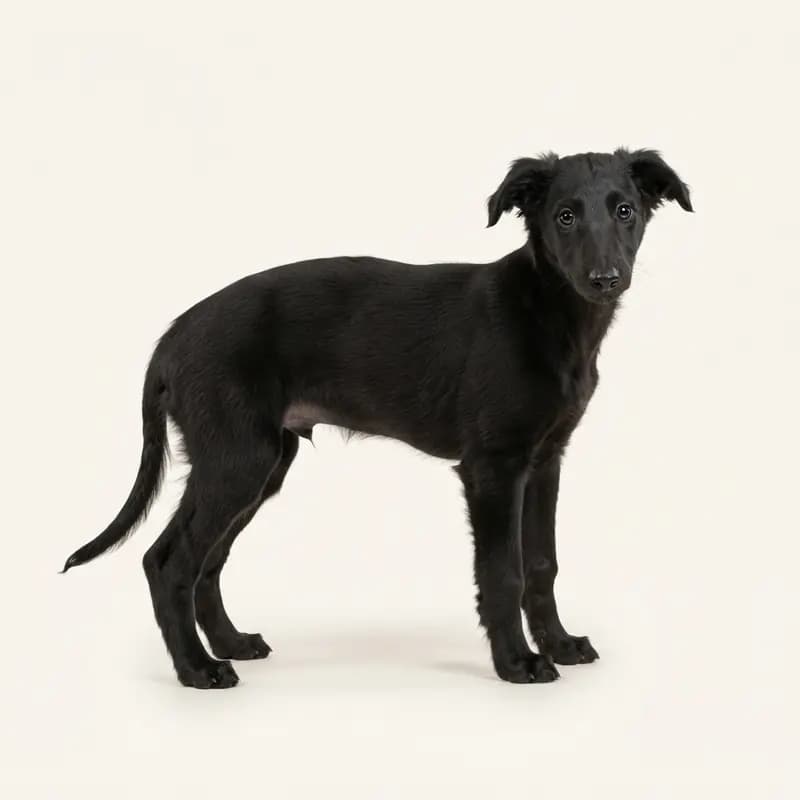
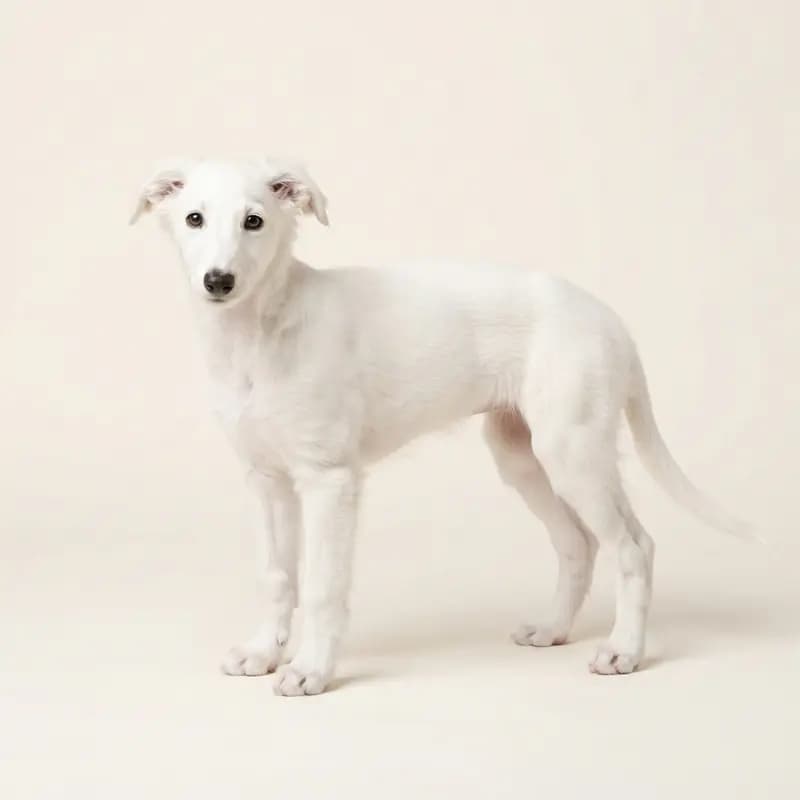
The Silken Windsprite comes in these colors: Black, White, Cream, Red, Fawn, Blue, Sable, Brindle, Black and tan, Tricolor, Piebald, Bicolor.
Loading related articles
Are you a Silken Windsprite breeder?
Showcase your kennel on HonestDog and reach families searching for a responsibly bred Silken Windsprite.