PomeranianClose relative
The Small Spitz is a cheerful, extremely alert companion dog—bred as a miniature farm guardian that reports every change in its territory immediately and vocally.
How the health grade is calculated
Sources for required breeding screenings. Verein für Deutsche Spitze e.V.
Self-check
Answer 6 quick questions about your everyday life and see how well the Small Spitz fits you — including an honest cost estimate per month, per year, and across the dog's lifetime.

At a glance
The essentials — key facts, traits, and health priorities — before you dive deeper.
Lifespan
13–15 yrs
Shoulder height
24–30 cm
Weight
3–5 kg
Practical
Temperament
Daily life
What matters most
Especially with a Small Spitz, choosing the right breeder is the single most important decision you'll make. Serious breeders consistently test the parents for inherited conditions, prioritize healthy early socialization, and stay accountable long after handover. A cheap puppy without health screening tends to become the most expensive dog later on.
See HonestDog breeder standards →Colors & coat
The coat colors that occur in the Small Spitz — including which ones fall outside the breed standard and which carry genetic risk.
Eye colors
 Brown
BrownCoat type
 Long
Long Double coat
The real vibes check
A Small Spitz often completely forgets that it doesn't weigh forty kilos when defending its territory. What used to protect a large farmyard functions genetically just the same in your apartment hallway today—it sees, hears, and reports absolutely everything without exception. If you learn to relieve it of this responsibility with calm confidence, you get a highly intelligent, unimaginably loyal shadow instead of a stressed yapper.
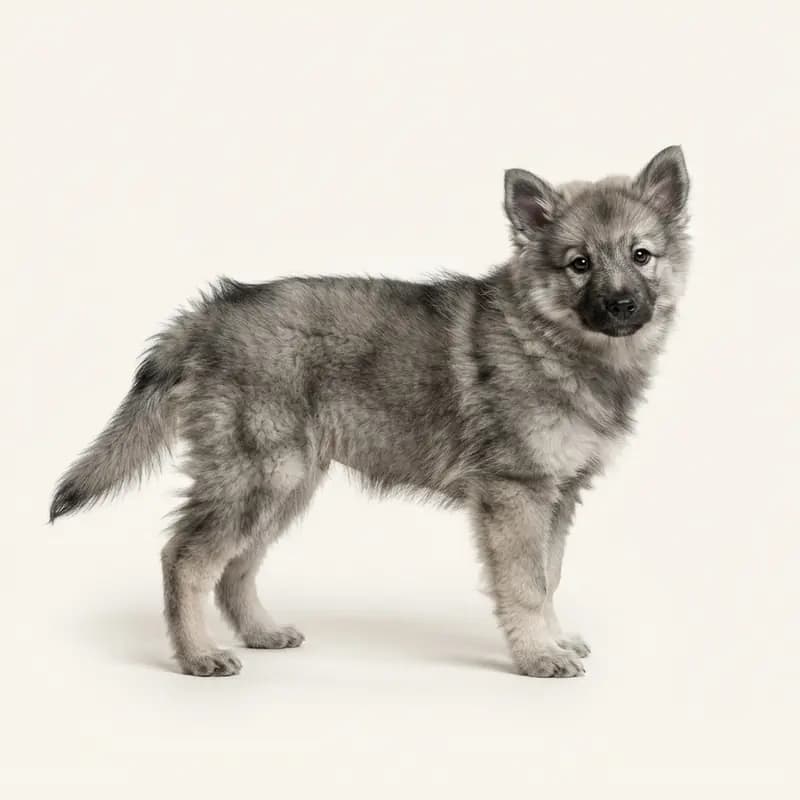
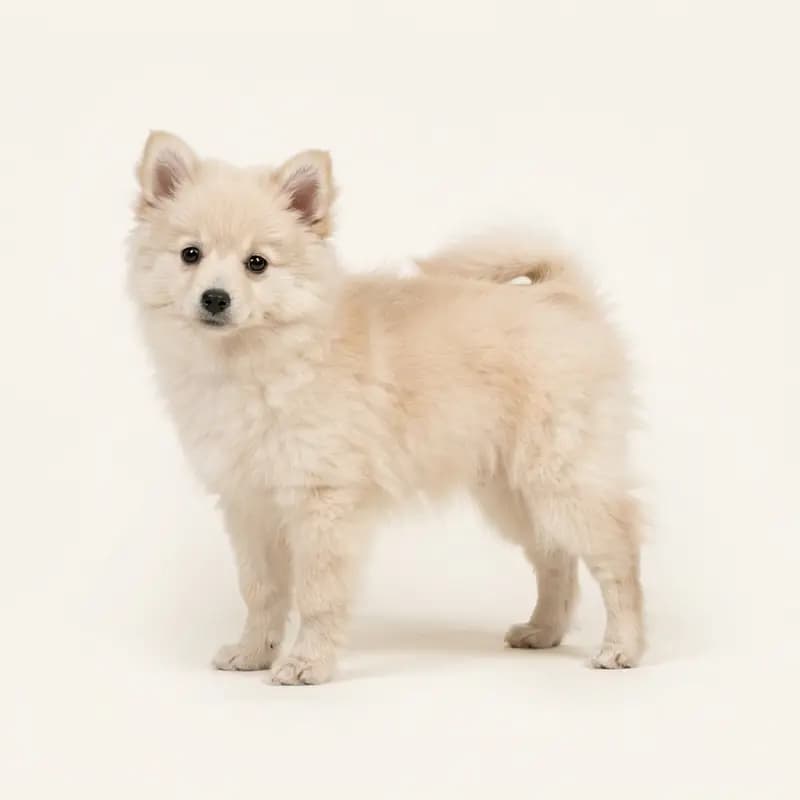
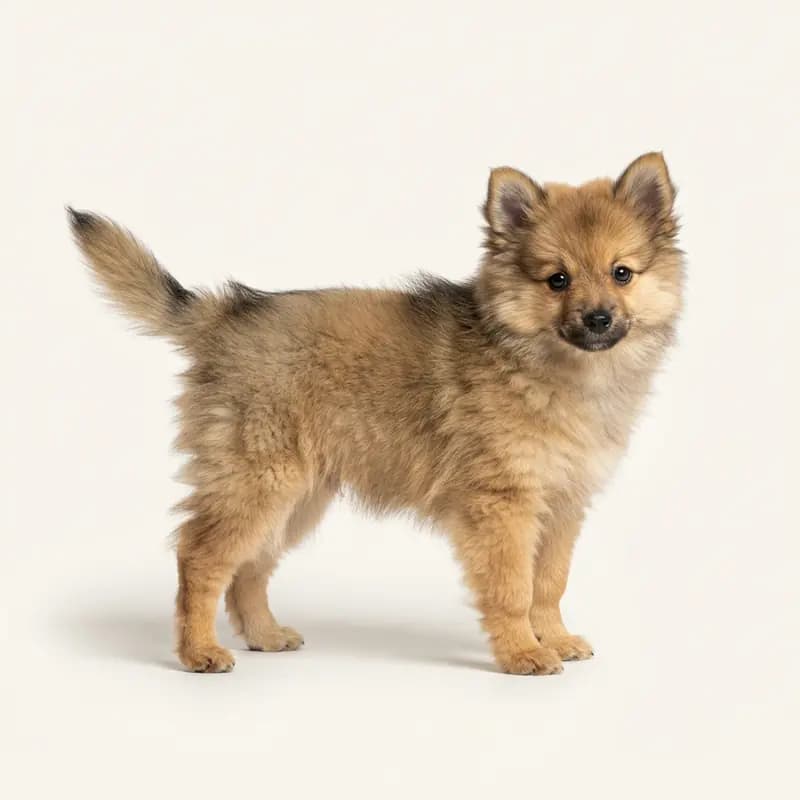
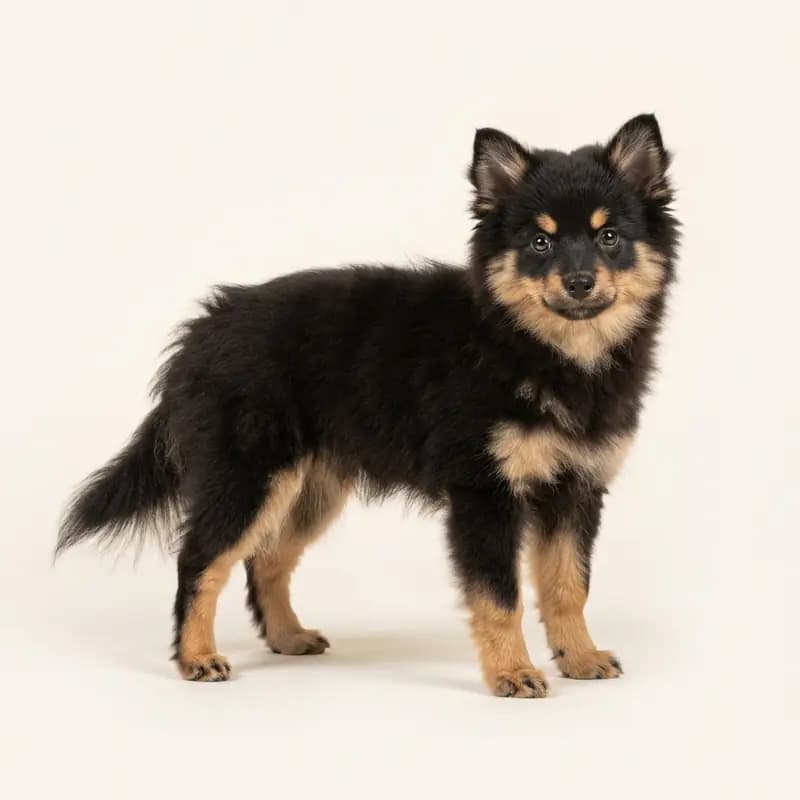
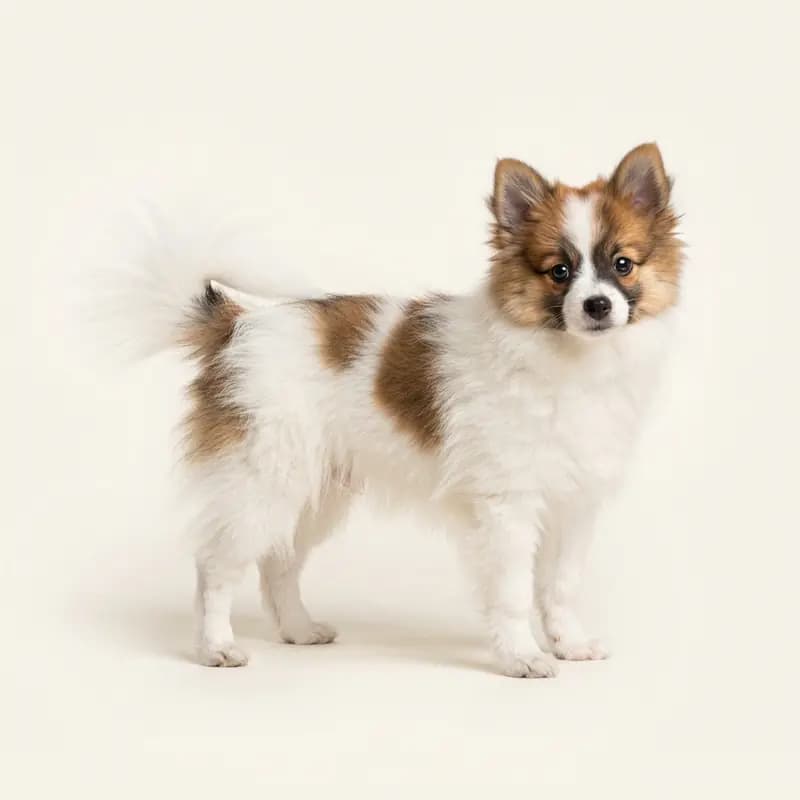
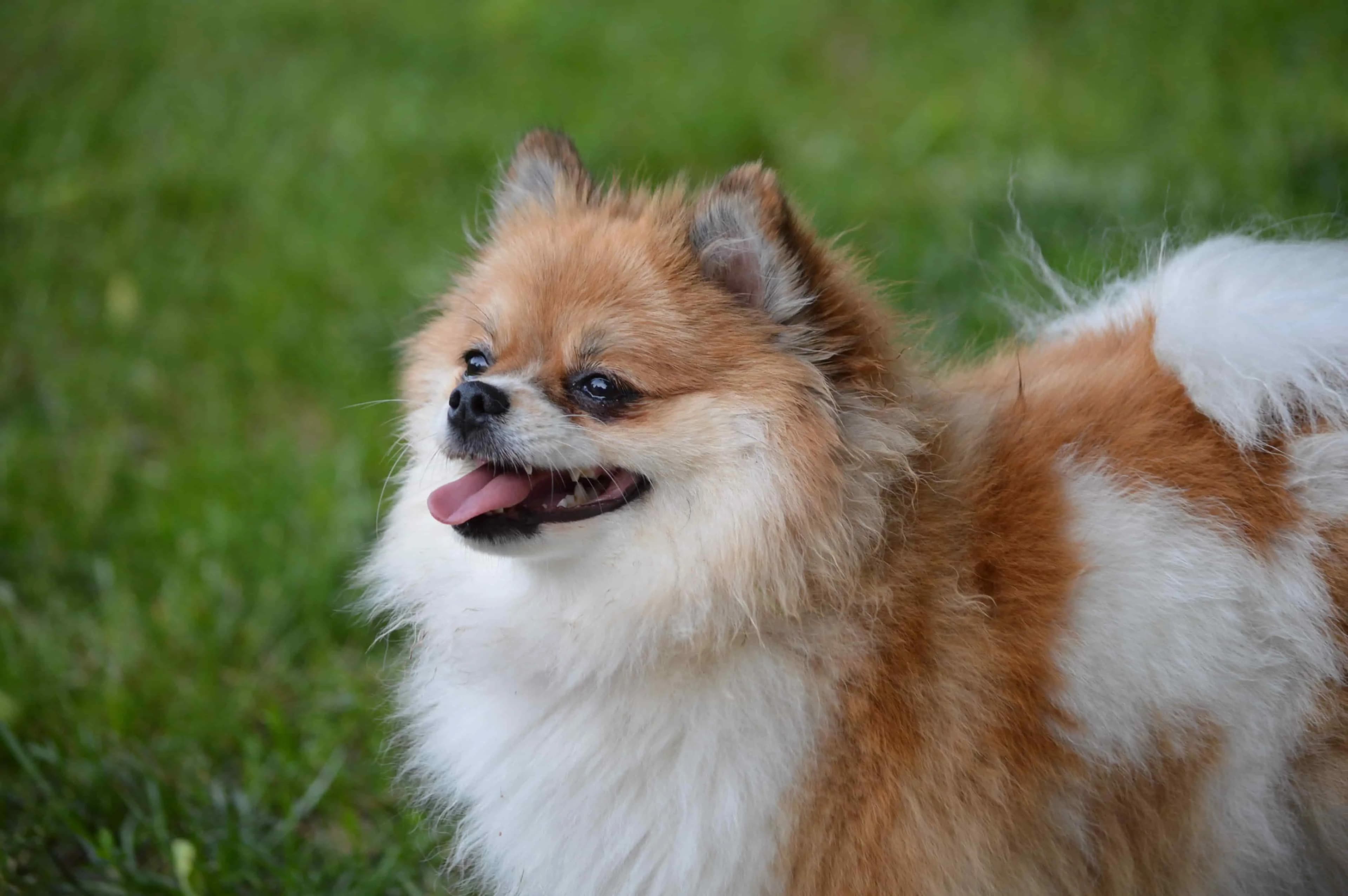
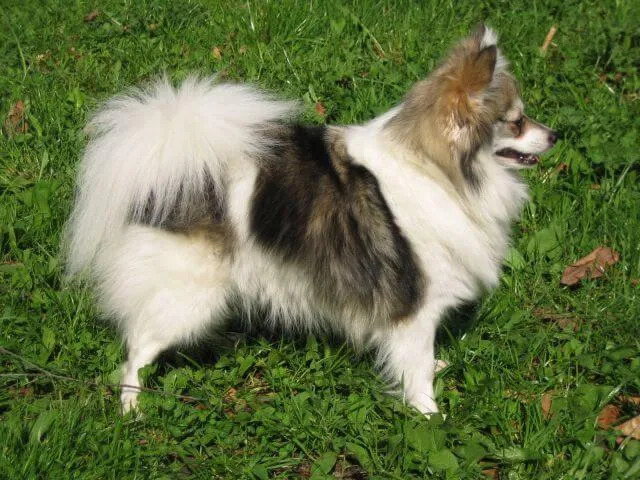
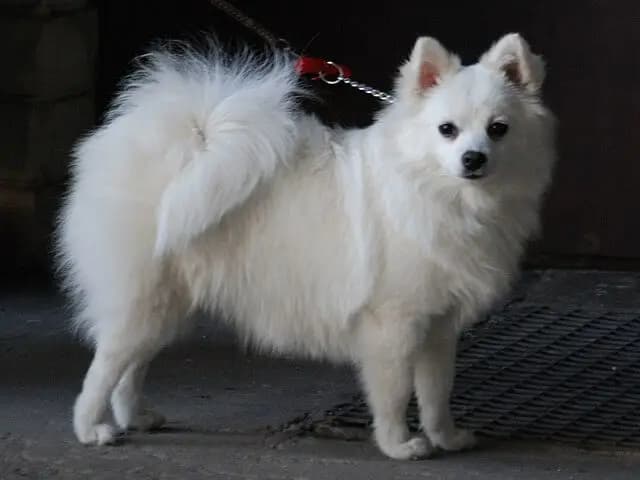
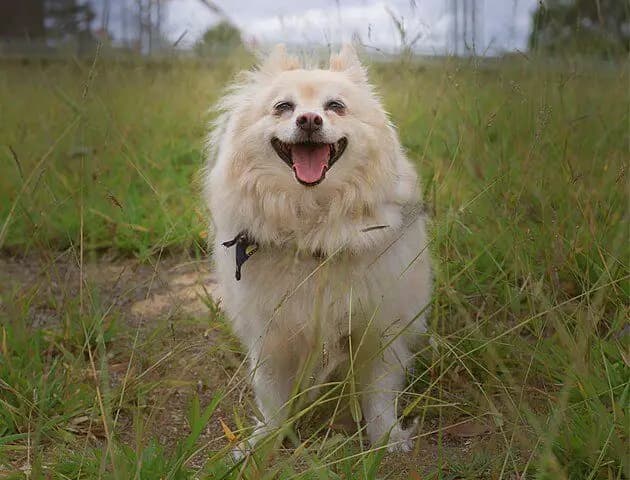
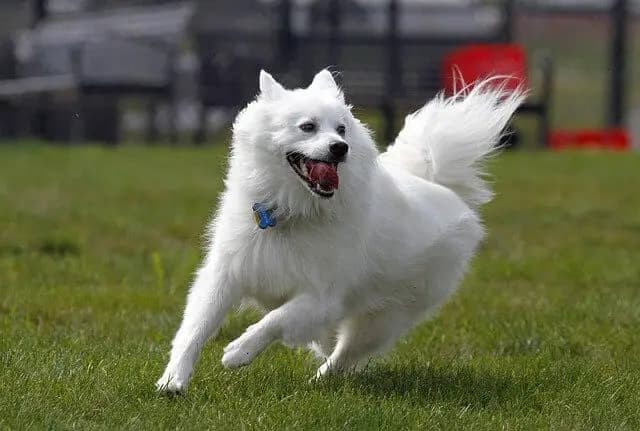
With its plush appearance and intelligent eyes, the Small Spitz is a real eye-catcher. This Spitz is the second smallest size variety of the German Spitz breeds after the Pomeranian (Zwergspitz). It belongs to FCI Group 5: Spitz and primitive types. From head to tip of tail, it radiates elegance and dignity. Its bright, dark eyes are lively and expressive, and its dense, fluffy coat gives it the characteristic spitz-like look. While some lines of the Small Spitz are bred for the show ring, others are more performance-oriented, with a strong focus on working abilities and intelligence.
As a member of the Spitz family, the Small Spitz has an active and alert temperament. It is curious by nature and loves exploring its surroundings. Despite its small size, it makes an outstanding watchdog and will not hesitate to protect its family from unfamiliar people or animals. It is lively and playful, bringing plenty of joy and activity into its owner's life. The Small Spitz is very people-oriented and builds a strong bond with its family. It loves spending time with its humans, whether playing, cuddling on the sofa, or simply relaxing in the garden. Despite its affectionate nature, it can also stay alone well, provided it is not ignored for long periods. It does not tend to show a pronounced hunting or prey drive, but still enjoys staying active and enthusiastically participates in games and activities. Its intelligence and ambition make it a quick learner, and it is always eager to learn and discover new things. Regarding breeding lines, it is worth noting that Small Spitzes bred for shows often possess a calmer temperament and are less active than their performance-oriented counterparts. However, these differences are generally slight, and all Small Spitzes share the fundamental traits of the breed: intelligence, activity, and a close bond with their family. Overall, the Small Spitz is a charming and lively companion that enriches its humans' lives with joy, energy, and love. It is the perfect choice for anyone looking for a small yet active dog that feels just as at home in an apartment as it does exploring nature.
| Watchfulness Occasionally alerts but is fundamentally open. | Low |
| Openness to Strangers Warms up quickly and is generally welcoming. | Friendly |
| Hunting or Herding Drive Barely any prey drive — small animals trigger nothing. | Very low |
Fun Fact!
Did you know that the Small Spitz is the second smallest variety of the German Spitz family after the Pomeranian and, despite its small size, possesses an impressive vocal volume? It was originally used as a watchdog, and although it is kept primarily as a companion dog today, it has never lost its guarding instinct.
The Small Spitz is a lively and affectionate companion dog. It is distinguished by its alertness and friendly character. Despite its small size, it requires consistent training and sufficient mental and physical activity. Small Spitzes are ideal family dogs that adapt well to city life. Their dense, profuse coat requires regular grooming.
The Small Spitz is an adaptable dog that is well suited as a city dog. While it does need regular exercise and mental stimulation, it also manages well in a smaller apartment as long as its needs are met. It is friendly and open-minded, generally getting along well with other dogs and pets, including cats. Small Spitzes can also interact well with children, although it is always important to supervise interactions between dogs and young children.
Loves family life and thrives in a group.
Gets on well with children — with adult supervision.
Usually gets on fine with other dogs.
Small space, noise, lots of people — no problem at all.
Owning a dog is a privilege, but it's also a real responsibility. Before you bring one into your life, be honest with yourself about the commitment it takes.
Training a Small Spitz can be a joy, as these dogs are intelligent, eager to please, and easy to train. They respond well to positive reinforcement and generally learn new commands quickly. It is important to begin training at an early age and maintain consistency. Even though Small Spitzes are active and playful dogs, they should not be overworked. They need sufficient rest and sleep to stay healthy. When choosing games and activities, it is essential to respect your dog's physical limits and avoid overdoing it. Small Spitzes tend to become very attached to their owners and can develop separation anxiety if left alone for extended periods. Therefore, it is important to teach them from the very beginning that being alone is perfectly fine.
Your Small Spitz's diet should be balanced and tailored to its specific needs. Small breeds like the Small Spitz tend to gain weight more quickly, so it is important to keep a close eye on their food intake. A combination of high-quality dry food and fresh foods like vegetables, meat, and fish can help ensure optimal nutrition. In terms of grooming, the Small Spitz requires a bit more attention than other breeds. Its dense, double coat must be brushed regularly to prevent matting. Regular brushing is especially important during the shedding seasons in spring and autumn. Despite its thick fur, the Small Spitz handles the German climate well. The coat keeps it warm in winter and protects it from the sun in summer. Note, however, that like all dogs, it requires special attention during extreme temperatures.
| Care Level Regular brushing and occasional professional grooming. | Moderate |
| Exercise Needs Needs 1–2 hours of real exercise daily. | Active |
| Shedding Regular shedding — dog hair on clothes is now normal. | Moderate |
| Trainability Willing to learn with clear rules and regular training. | Balanced |
Our experts are still reviewing this information. Spotted something wrong? Email us at info@honestdog.de.
Solid
Health grade
In the Miniature Spitz, health risks mainly concern the musculoskeletal system, particularly patellar luxation (PL) and hip dysplasia (HD). A responsible breeder actively counteracts this by having the parent animals carefully examined orthopedically before breeding. The Verein für Deutsche Spitze e.V. makes testing for patellar luxation (PL) mandatory, allowing only dogs evaluated with PL 0–1 to be bred. Pay attention to this when buying a puppy and ask to see the official test certificates for patellar luxation (PL) as well as, ideally, hip dysplasia (HD) screening results for both parents.
Grade is relative to other breeds — AI-assisted and editorially reviewed.
Methodology and data: HonestDog Dog Breed Health Report 2026
What matters most for this breed
Tap any item to see details.
With joint-friendly rearing, consistent coat care, and routine veterinary checks for eyes and knees, most dogs remain active for a long time.
Reputable breeders have the parent dogs' knees and eyes examined and focus on unaffected lines to reduce the risk of breed-typical hair loss.
Note: This health overview is AI-assisted and editorially reviewed. It is for orientation only and does not replace veterinary advice.
What matters most for this breed — what's common, how much it affects the dog's life, and how to protect yourself as a buyer.
Tap a body region to see the inherited conditions linked to it.
The three most important risks
Pick a region on the map to explore other areas.
Tier 1 reflects the tests Verein für Deutsche Spitze e.V. actually mandates. Tiers 2 and 3 show how responsible breeders go beyond.
Club standard. Tests that the relevant breed club (VDH / FCI / AKC parent club) requires. Any serious breeder should be able to show you these.
No entries in this tier.
Note: This health overview is AI-assisted and editorially reviewed. It is for orientation only and does not replace veterinary advice.
A Small Spitz costs around ~€170 per month (€90 – €300, depending on your setup). The first year adds up to roughly ~€4,660 including purchase, equipment and puppy school; across the dog's life (14 years) it comes to about ~€30,440.
With surgery cover, running costs come to about ~€150 per month — in return, your share of a major operation drops from several thousand euros to around 20 percent.
Per month
~€170
In the first year
~€4,660
Across the dog's life
~€30,440
Estimated purchase price from a breeder: €1,200 – €2,500
Estimate at a mid-range setup (suburban, dry food, 1–2 hours of daily exercise), average German prices, as of July 2026.
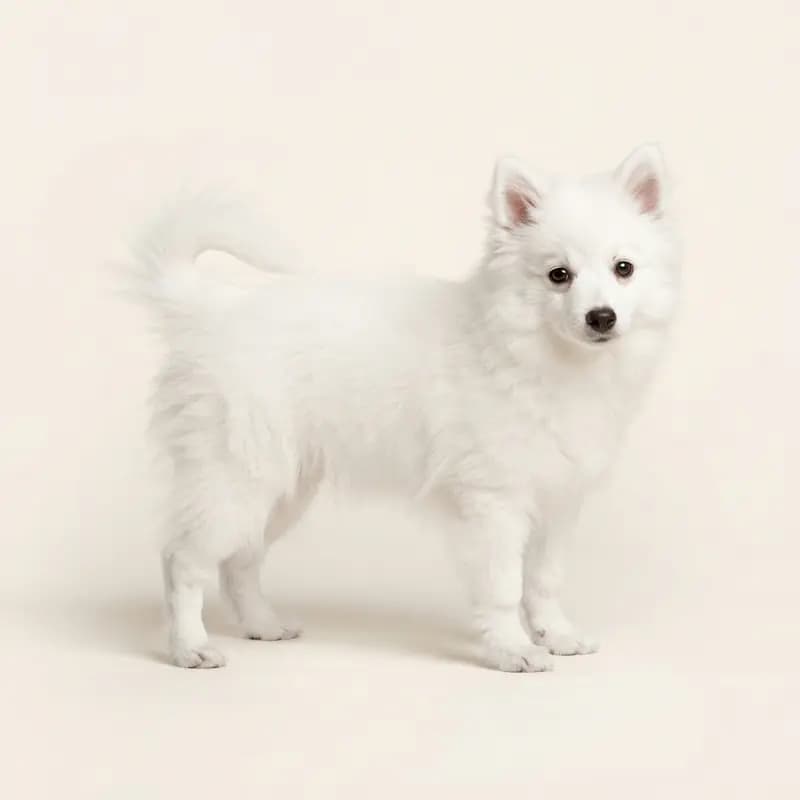 Illustrative image
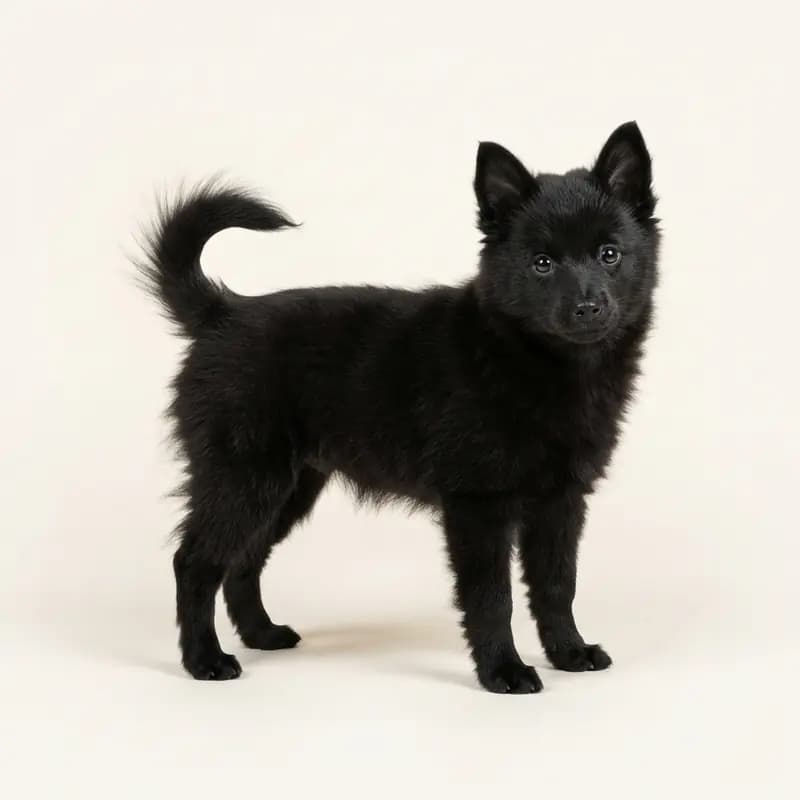 Illustrative image
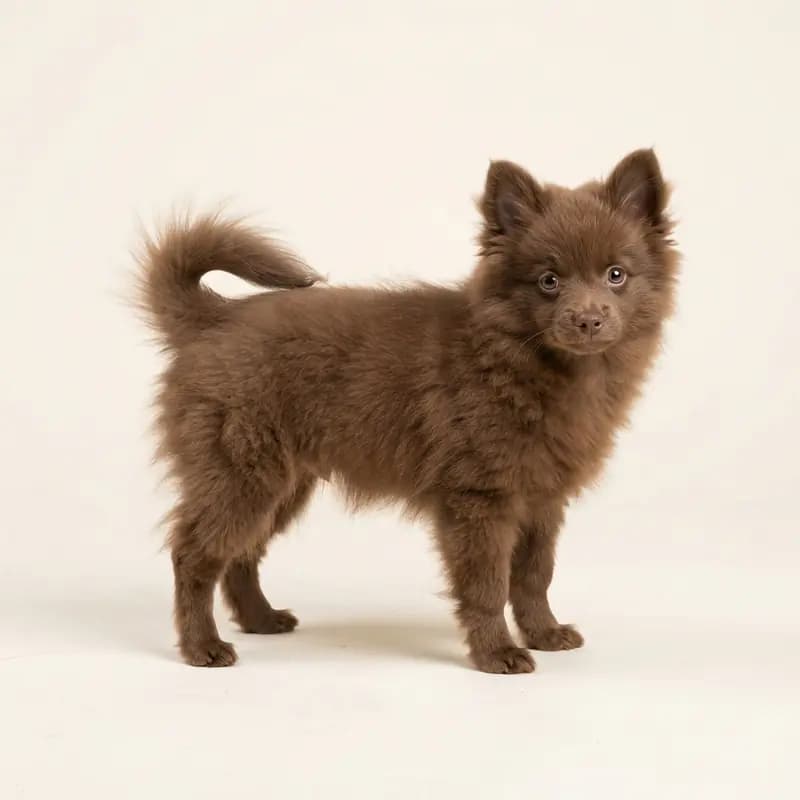 Illustrative image
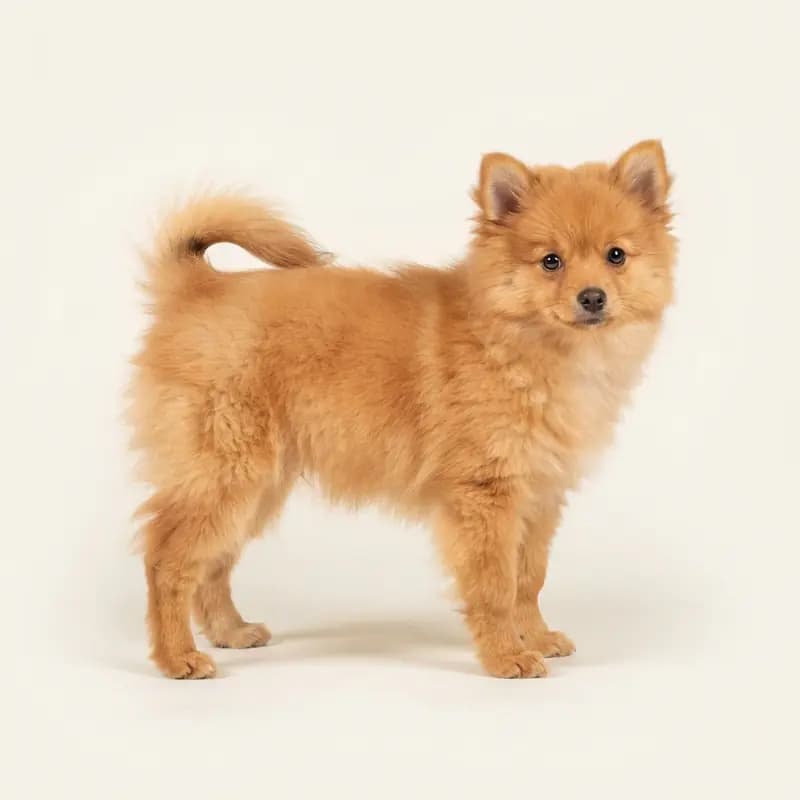 Illustrative image
The Small Spitz belongs to the traditional family of German Spitzes and originated in Germany. While spitz-type dogs lived across Central Europe for centuries as indispensable helpers on farms and estates, selective breeding of the Small Spitz in its current form began primarily in the 18th and 19th centuries. Historically, spitzes were utilized first and foremost as watchful guard dogs that reliably watched over house and farmyard. A crucial breeding objective was always the absence of any hunting drive, ensuring the dogs did not poach game and remained steadfast on their home territory. Thanks to its compact size, the Small Spitz increasingly advanced into an esteemed companion dog of the bourgeoisie. Systematic pedigree dog breeding commenced at the end of the 19th century, when the Verein für Deutsche Spitze was founded in 1899 and established the first binding breed standards. Official recognition of the German Spitzes by the Fédération Cynologique Internationale (FCI) took place much later, as the umbrella kennel organization itself was only founded in 1911. Today, the Small Spitz is listed under FCI Standard No. 97 and has preserved its original character to this day as a watchful, affectionate companion dog entirely devoid of hunting interest.
The Small Spitz was bred as a companion dog and watchdog.
Germany
1400
Many owners describe the Small German Spitz as a very adaptable, loyal companion with a big presence in family life. It typically forms a very close bond with its people and wants to be part of everything. Many appreciate its handy size combined with surprising stamina: contrary to the lapdog cliché, a healthy Small Spitz easily keeps up on long walks and hikes.
At the same time, owners stress that the breed has by no means lost its original watchdog instinct. Unfamiliar noises in the hallway or visitors at the garden fence get announced without fail. Many accounts point out that without good management this can quickly cause friction in apartment buildings, since the Small Spitz tends to take control of its territory on its own initiative.
Sources:zooplus.despitz-info.de
Owner accounts of training repeatedly praise how quickly the Small German Spitz catches on. Thanks to its intelligence and desire to cooperate, it usually learns basic cues and tricks at an impressive pace. A big plus off-leash is its hunting drive, which is usually weak or easy to control. Many owners report that their dogs rarely wander off, at most chase a mouse or bird by sight for a moment, and come back quickly when called.
Owners almost unanimously see the biggest training challenge in its alertness and the barking that comes with it. If the urge to bark is brushed off as cute or unintentionally rewarded in puppyhood and adolescence, a Small Spitz quickly turns into a nonstop yapper. Experienced owners therefore strongly advise setting clear rules for alert barking from the start, giving the dog a sense of security, and training frustration tolerance and calm rather than coddling it.
Many owners are surprised that the profuse coat is easier to care for day to day than they expected. The dense coat has a dirt-repellent texture: after walks in cold, wet weather it's usually enough to brush out the dried mud. A thorough combing once or twice a week normally does the job, though owners need to set aside much more time to comb out the undercoat during the typical fall and spring sheds. Owners also explicitly warn against shaving the coat, since this can permanently damage its delicate structure.
On health, the owner community largely sees the Small German Spitz as a hardy, long-lived breed that often reaches 14 to 16 years. Still, owners do discuss the typical weak spots of toy and small breeds. Recurring forum topics are a tendency toward patellar luxation (kneecap problems) and tartar buildup, which calls for regular dental care from a young age. Experienced owners therefore consider proper health screening of the parents essential.
Sources:zooplus.dewirliebenhunter.despitz-info.dekleinspitze.jimdofree.com
Paraphrased from real owner reports · translated from German
The Small Spitz is an adaptable dog that adjusts well to various lifestyles. Research the temperament, grooming needs, and space requirements before deciding.
The average life expectancy of a Small Spitz is 13-15 years. With proper care and regular vet visits, your dog can live a long, healthy life.
Small Spitz grooming requirements include regular brushing, nail trimming, and dental care. HonestDog provides detailed grooming tips for every breed.
The Small Spitz can be a great family dog. Proper training and socialization are key. HonestDog provides family suitability information for every breed.
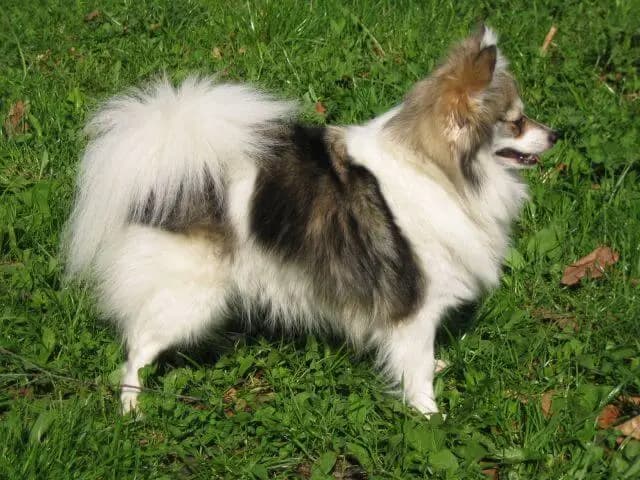
The Small Spitz comes in these colors: White, Black, Brown, Orange, Wolf grey, Cream, Sable, Black and tan, Piebald.
Showcase your kennel on HonestDog and reach families searching for a responsibly bred Small Spitz.