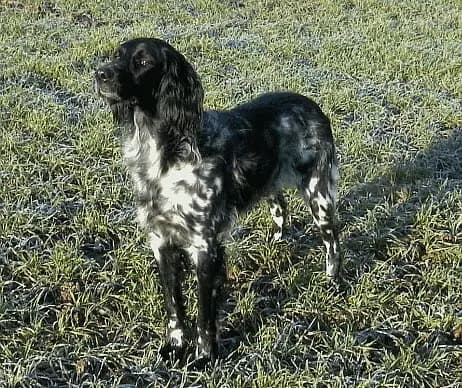
Large MunsterlanderSame FCI section
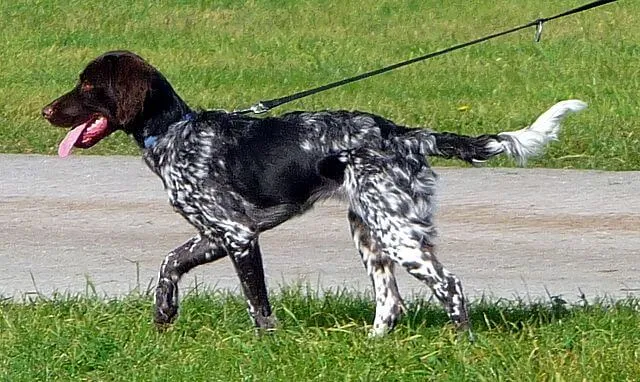
The Kleiner Münsterländer is an intelligent, extremely water-loving, and passionate Vorstehhund (pointing dog)—bred for versatile hunting, where it tracks game, points, and retrieves tirelessly from any terrain.
Self-check
Answer 6 quick questions about your everyday life and see how well the Small Munsterlander fits you — including an honest cost estimate per month, per year, and across the dog's lifetime.
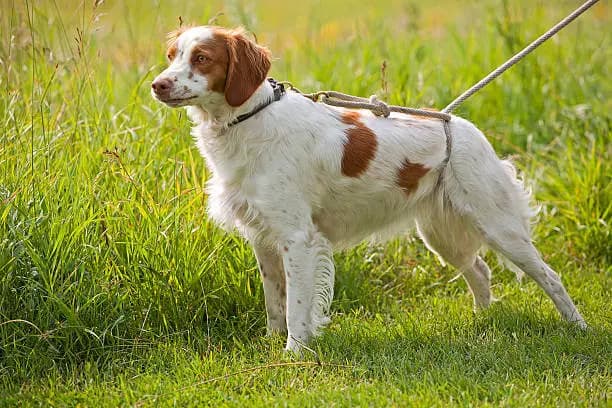
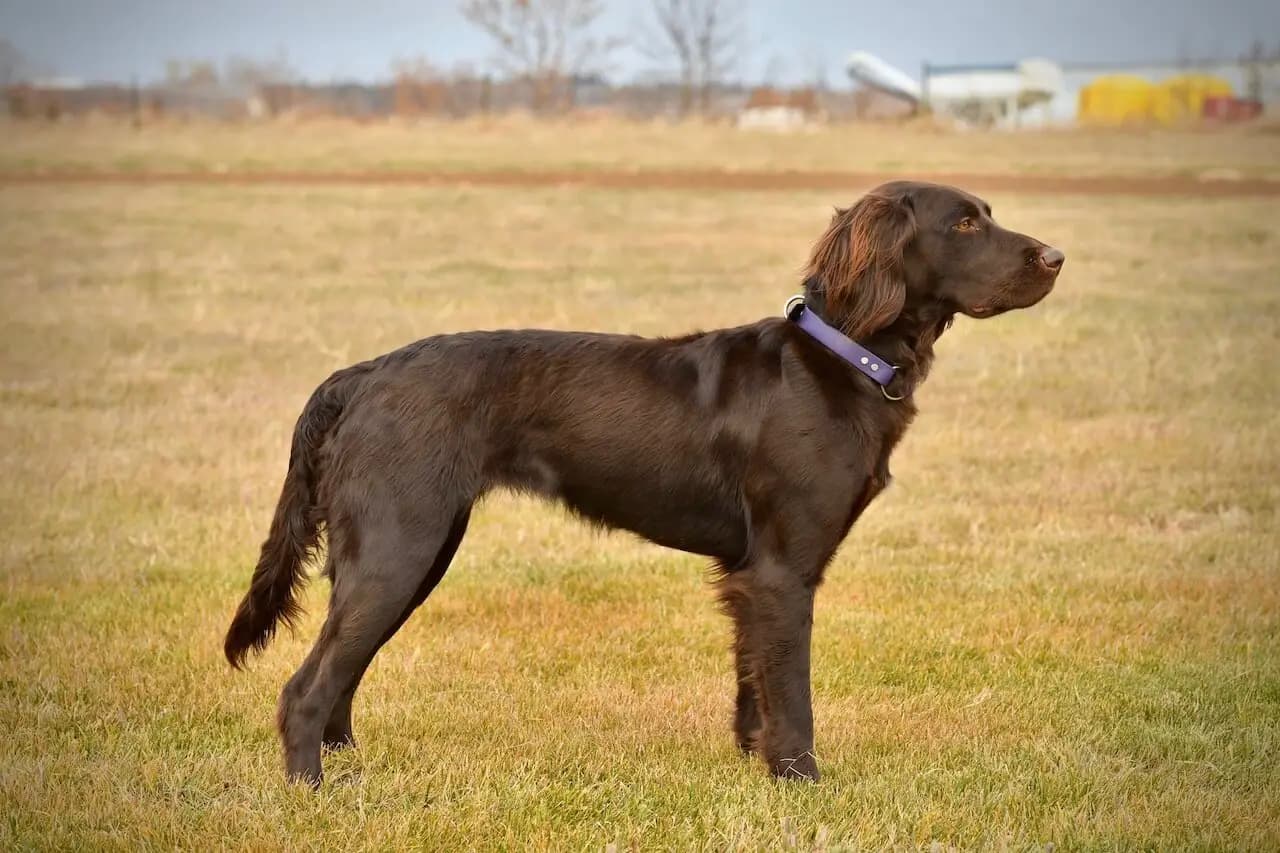


At a glance
The essentials — key facts, traits, and health priorities — before you dive deeper.
Lifespan
12–14 yrs
Shoulder height
50–56 cm
Weight
18–28 kg
Practical
Temperament
Daily life
What matters most
Especially with a Small Munsterlander, choosing the right breeder is the single most important decision you'll make. Serious breeders consistently test the parents for inherited conditions, prioritize healthy early socialization, and stay accountable long after handover. A cheap puppy without health screening tends to become the most expensive dog later on.
See HonestDog breeder standards →Colors & coat
The coat colors that occur in the Small Munsterlander — including which ones fall outside the breed standard and which carry genetic risk.
Eye colors
 Brown
Coat type
 Medium
 Double coat
The real vibes check
A Kleiner Münsterländer in the water or on a trail is pure magic—but in everyday life, it means constant attention. It is not a dog that strolls dreamily beside you on walks, but a highly sensitive scanner that permanently searches the environment for stimuli. If you are ready to work with it outdoors instead of just taking it for a walk, you will get an unbeatable team partner.
The Small Münsterländer is a medium to large hunting dog and belongs to FCI Group 7 (pointing dogs). There is no distinction between performance and show lines as this breed is bred primarily for its hunting abilities. The Small Münsterländer is a versatile dog that can act as both a hunting companion and a loving family dog. He is known for his energy, endurance and enthusiasm for work.
The Small Münsterländer is a balanced dog with a friendly and lovable character. He is intelligent, alert and eager to work, making him an excellent hunting partner. This breed is very people-oriented and shows a strong bond with their family. They are loving, patient, and child-friendly, making them a good choice for families with children. The Small Münsterländer is a versatile dog that is happy both as a hunting companion and as a family dog. He has a strong passion for hunting and shows strong hunting and prey-catching behavior. It is important to channel this instinct and provide the dog with sufficient mental and physical activity. This breed can easily learn to stay alone if it is trained to do so early on. The Small Münsterländer is a vigilant breed and tends to be protective of its family. He barks to alert you to unusual noises or potential dangers. However, with proper socialization, he can be friendly towards strangers.
| Watchfulness Reports unusual activity but stays controlled. | Moderate |
| Openness to Strangers Warms up quickly and is generally welcoming. | Friendly |
| Hunting or Herding Drive This drive runs deep — no amount of training eliminates it. | Very strong |
Fun Fact!
The Small Münsterländer is one of the oldest German hunting dog breeds and has a long tradition as a reliable companion for hunters.
The Small Münsterländer is a passionate hunter who needs appropriate exercise and activity.
The Small Münsterländer can thrive in both rural and urban areas. It is important that he receives sufficient exercise and mental stimulation. This breed needs a lot of exercise ection and space to release their energy. Ideally, the Small Münsterländer should have access to a fenced yard where he can run around and play. The Small Münsterländer is known for its good tolerance with children. With their loving and patient nature, they can be a great companion for families. Nevertheless, children should treat the dog with respect and learn how to handle it properly. Early socialization and positive experiences with children are important to ensure a harmonious relationship. Compatibility with other pets, including cats, may vary. A careful introduction and slow integration into living together can help avoid conflicts. The Small Münsterländer can learn to live peacefully with other pets, especially if he is used to it early on.
Lives for its family — the born family companion.
Extraordinarily patient and loving — a true family dog.
Actively enjoys the company of other dogs.
City-appropriate with enough exercise and stimulation.
Owning a dog is a privilege, but it's also a real responsibility. Before you bring one into your life, be honest with yourself about the commitment it takes.
The Small Münsterländer is intelligent and eager to learn. He has a strong willingness to work and wants to please his people. It is important to keep him mentally and physically occupied to give him something meaningful to do. This breed is well suited to various sports such as agility, mantrailing and retrieving. There is a risk that the Small Münsterländer will become a ball junkie. Ball games should therefore be used carefully to avoid over-occupation or obsession. It is important to offer the dog other activities to keep him mentally and physically occupied. Consistent and positive training is crucial to having a well-behaved Small Münsterländer. It is important to start training early and set clear rules and boundaries. The Small Münsterländer is a hunting dog and can tend to act out his hunting instincts. Solid basic obedience training and the promotion of frustration tolerance and impulse control are important in order to be able to manage him well in everyday life.
The Small Münsterländer's diet should be balanced and tailored to the dog's individual needs. High-quality dog food that contains all the necessary nutrients is recommended. The amount of food should be adjusted according to the dog's age, weight and activity level. The Small Münsterländer has a medium-long, dense and weatherproof coat. It is recommended to brush him regularly to remove loose hair and prevent tangles. This breed has a dense undercoat that protects it from cold and moisture. Increased hair loss may occur during the coat change. Ears should be checked and cleaned regularly to prevent infections. The Small Münsterländer can adapt well to different climatic conditions. Thanks to its weatherproof fur, it can live well even in colder regions. However, in hot summers it may be necessary to provide it with cooler areas and sufficient water.
| Care Level Minimal effort — occasional brushing and bathing. | Low-maintenance |
| Exercise Needs Needs several hours of serious exercise every day. | Very active |
| Shedding Hair everywhere, always — no white clothing survives. | Very heavy |
| Trainability Bred to work closely alongside humans. | Highly trainable |
Our experts are still reviewing this information. Spotted something wrong? Email us at info@honestdog.de.
Solid
Health grade
The Small Münsterländer receives a grade of B because it has a low number of hereditary diseases compared to other breeds. A key focus is on hip dysplasia (HD), which is, however, well controlled in breeding through strict X-ray examinations. In addition, ectopic ureter (a malformation of the ureters) is a known issue in the breed, which is why you should only buy from breeders who actively minimize this risk.
Grade is relative to other breeds — AI-assisted and editorially reviewed.
Methodology and data: HonestDog Dog Breed Health Report 2026
What matters most for this breed
Tap any item to see details.
With joint-friendly rearing, sufficient hydration for healthy urinary tracts, and regular eye check-ups, your dog will usually remain active and fit for a long time.
Reputable breeders have the hips and eyes of the parent animals checked and pay attention to genetic metabolic tests to reduce avoidable risks in the lineage.
Note: This health overview is AI-assisted and editorially reviewed. It is for orientation only and does not replace veterinary advice.
What matters most for this breed — what's common, how much it affects the dog's life, and how to protect yourself as a buyer.
Tap a body region to see the inherited conditions linked to it.
The three most important risks
Pick a region on the map to explore other areas.
Tier 1 is the recommended health standard for this breed. Tiers 2 and 3 show how responsible breeders go beyond.
Recommended standard. These tests make up the recommended health standard for this breed — the baseline of any careful breeding program. Ask any reputable breeder for the results.
Note: This health overview is AI-assisted and editorially reviewed. It is for orientation only and does not replace veterinary advice.
A Small Munsterlander costs around ~€180 per month (€90 – €340, depending on your setup). The first year adds up to roughly ~€4,970 including purchase, equipment and puppy school; across the dog's life (13 years) it comes to about ~€30,710.
With surgery cover, running costs come to about ~€170 per month — in return, your share of a major operation drops from several thousand euros to around 20 percent.
Per month
~€180
In the first year
~€4,970
Across the dog's life
~€30,710
Estimated purchase price from a breeder: €1,500 – €2,500
Estimate at a mid-range setup (suburban, dry food, 1–2 hours of daily exercise), average German prices, as of July 2026.
 Illustrative image
 Illustrative image
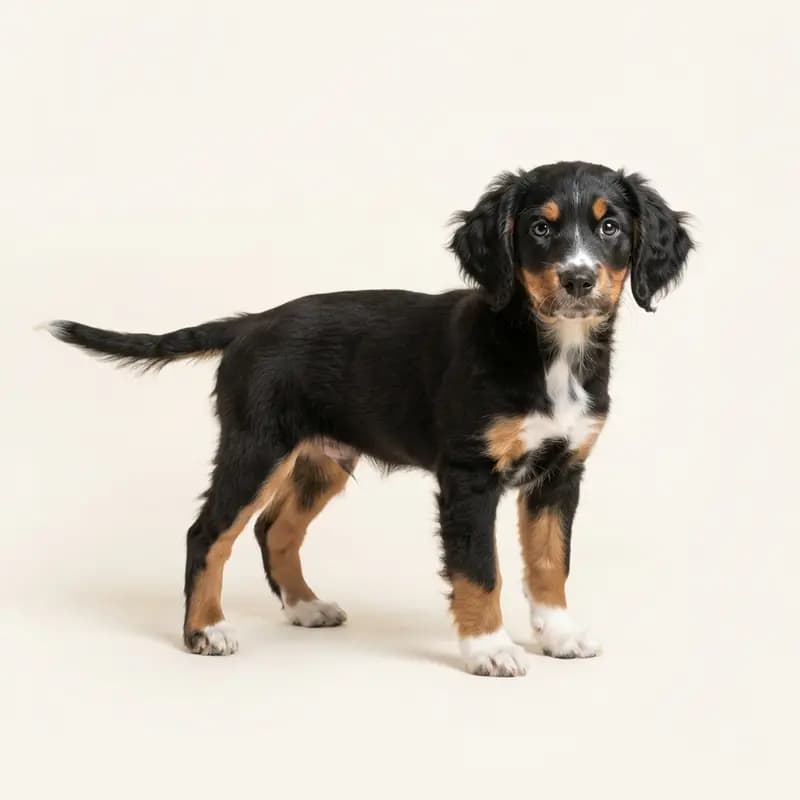 Illustrative image
The Small Münsterländer has its origins in western Münsterland in Germany and is an old breed that was already known in the 19th century. It was designed to work when hunting game birds such as pheasants and partridges. The breed was first recognized in 1912 and has since proven itself as a reliable hunting dog.
The Small Münsterländer was bred as a versatile hunting dog for field and water hunting.
Germany
1800
Owners consistently describe Small Münsterländers as affectionate, cuddly and loyal family companions. Many stress the striking contrast between indoors and out: at home, given enough exercise, they're seen as calm, relaxed and very good with children, but outside they switch straight into work mode. Because they're so people-oriented, they stay close and like to be included in everything.
The biggest everyday challenge is their very high energy and their need for real work. Leash walks alone rarely satisfy them. Several owners report that under-challenged Münsterländers tend to become nervous or pushy, or to guard house and yard too zealously. Give the dog enough mental and physical work, though, and you get an easygoing, adaptable family partner.
Sources:forum.hundund.depulverdampf.comforum.wildundhund.dederhund.de
Owners talking about training regularly highlight the breed's intelligence and strong desire to work. Small Münsterländers learn very quickly and want to cooperate with their people. Still, dog forums and hunters warn again and again: because these dogs are so biddable, owners easily let consistency slip, and the dogs' creative independence soon comes to the surface.
Handling the hunting drive gets the most discussion. Hunters and non-hunters alike stress that reliable off-leash freedom often depends on consistent anti-hunting training and a meticulously trained recall. For dogs that aren't used for hunting, experienced owners strongly recommend challenging substitute work such as mantrailing, dummy training or tracking, so the dog has an orderly outlet for its inborn urge to search and find. This sensitive breed doesn't cope with harsh training or pressure at all; it responds with insecurity or stubbornness.
Sources:forum.hundund.dehundeforum.comforum.wildundhund.dederhund.de
Most owners describe the Small Münsterländer as a hardy, weatherproof and long-lived working breed that stays active and playful well into old age. Despite the dense coat, grooming is surprisingly easy day to day: regular brushing and picking out burrs and dirt after walks through woods and fields are usually all it takes.
Asked about breeding and health, though, well-informed owners and breed experts point to musculoskeletal risks such as hip dysplasia (HD) and occasional spondylosis. Ectopic ureter (a malformation of the ureters) is also a topic in breeding circles. Many owners therefore strongly urge buyers to take puppies only from supervised breeding programs where the parents have undergone rigorous veterinary screening, to keep hereditary breed conditions to a minimum.
Sources:forum.hundund.dehundeforum.com
Paraphrased from real owner reports · translated from German
The Small Munsterlander is an active dog that needs plenty of exercise and mental stimulation. Research the temperament, grooming needs, and space requirements before deciding.
The average life expectancy of a Small Munsterlander is 12-14 years. With proper care and regular vet visits, your dog can live a long, healthy life.
Small Munsterlander grooming requirements include regular brushing, nail trimming, and dental care. HonestDog provides detailed grooming tips for every breed.
The Small Munsterlander can be a great family dog. Proper training and socialization are key. HonestDog provides family suitability information for every breed.
The Small Munsterlander comes in these colors: Brown and white, Roan, Tricolor.
Showcase your kennel on HonestDog and reach families searching for a responsibly bred Small Munsterlander.