Portuguese Water DogSame FCI section
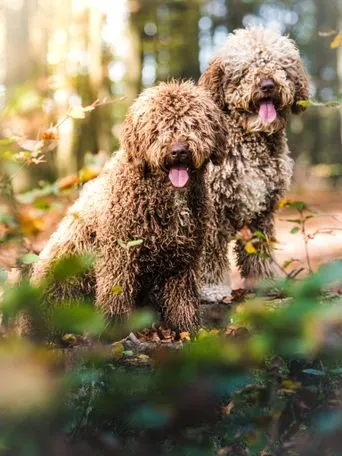
The Spanish Water Dog is a highly intelligent, rustic all-rounder—bred as a versatile water dog and herding dog that guarded fishing boats, retrieved nets, and herded goats. This incredible range makes him a loyal yet highly responsive working dog.
Self-check
Answer 6 quick questions about your everyday life and see how well the Spanish Water Dog fits you — including an honest cost estimate per month, per year, and across the dog's lifetime.

At a glance
The essentials — key facts, traits, and health priorities — before you dive deeper.
Lifespan
12–14 yrs
Shoulder height
40–50 cm
Weight
14–22 kg
Practical
Temperament
Daily life
What matters most
Especially with a Spanish Water Dog, choosing the right breeder is the single most important decision you'll make. Serious breeders consistently test the parents for inherited conditions, prioritize healthy early socialization, and stay accountable long after handover. A cheap puppy without health screening tends to become the most expensive dog later on.
See HonestDog breeder standards →Colors & coat
The coat colors that occur in the Spanish Water Dog — including which ones fall outside the breed standard and which carry genetic risk.
Eye colors
 Brown
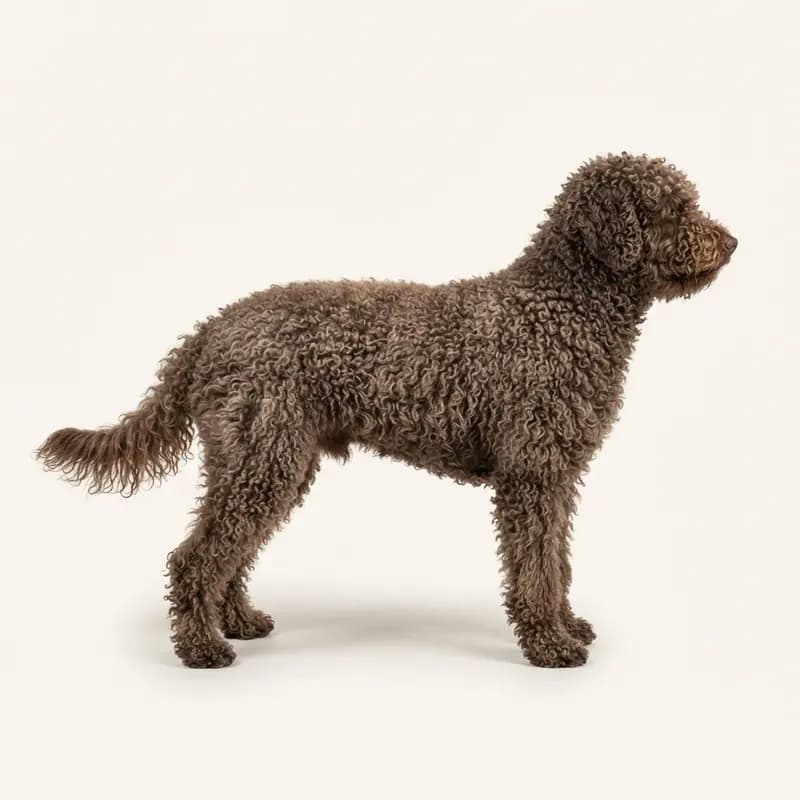
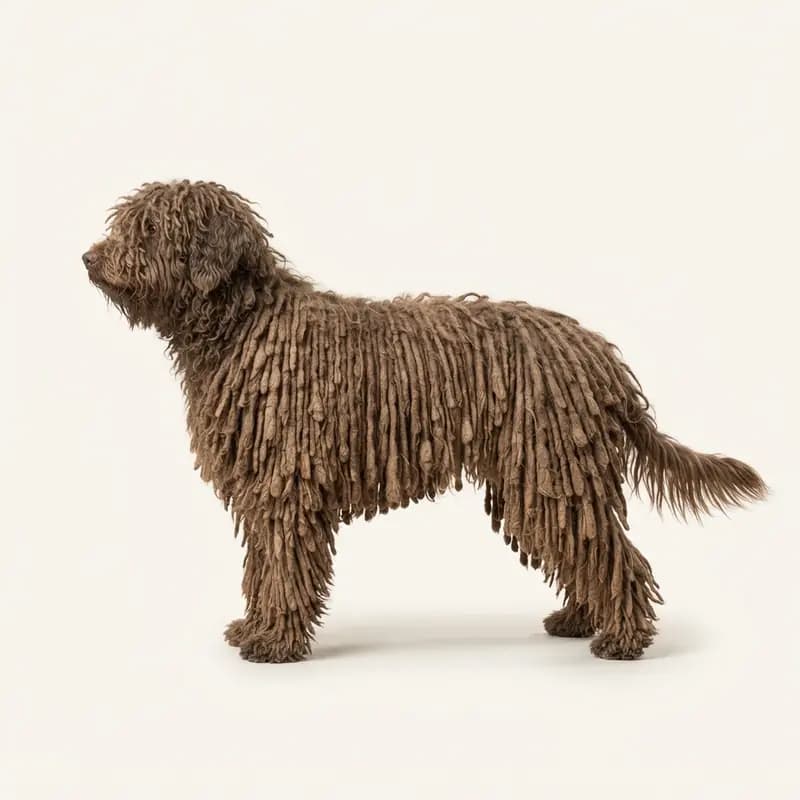
Coat type
 Illustrative image
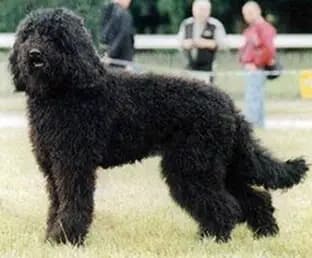
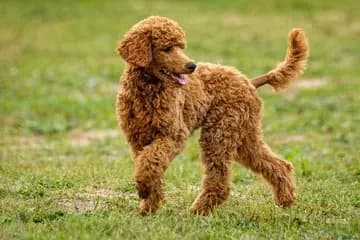
Curly
 Illustrative image
Corded
The real vibes check
A Spanish Water Dog is not a cuddly teddy bear, but a serious Spanish farm worker in a curly coat. He sticks to his family like glue and wants to keep an eye on every move—something often romantically misinterpreted as love, but which is actually his vigilant herding operating system. If you give him a clear job and firm boundaries, you will get an unshakable partner; if not, he will take over the management of your daily life without being asked.
The Spanish Water Dog is a lively and hard-working dog with a distinctive, curly coat that requires regular grooming. He is very intelligent, adaptable and enjoys water activities, making him an excellent companion dog for active families.
The Spanish Water Dog is a versatile and intelligent dog with a strong work drive. It is characterized by its adaptability and strong will, making it an excellent companion for active families and people who enjoy spending a lot of time with their dog. Its close bond with humans and friendly nature make it a loyal partner. The Spanish Water Dog requires both physical and mental exercise to remain balanced. It loves taking on tasks, whether working in water, search and rescue missions, or dog sports like agility and scent work. Due to its intelligence, it learns quickly but needs consistent and loving training to control its temperament well. Its coat is characteristically curly and water-repellent, which makes it especially suited for wet environments. The Spanish Water Dog has a natural protective instinct but is generally friendly towards strangers if well socialized. It is suitable both as a family dog and a working dog but requires clear leadership and sufficient activity to avoid behavioral problems.
| Watchfulness A natural watchdog with real protective instinct. | High |
| Openness to Strangers Careful around unfamiliar people — thaws slowly. | Cautious |
| Hunting or Herding Drive Powerful instinct that can override recall when triggered. | Strong |
Fun Fact!
One of the most interesting features is that you shouldn't brush their fur. For many other dogs, regular brushing is a must, but this breed has its coat trimmed instead to keep it groomed.
Spanish Water Dogs are intelligent, athletic and persistent dogs. They need active dog owners who can keep them busy and challenged.
Spanish Water Dogs are lively and versatile dogs that require a lot of exercise and mental stimulation. They are very eager to learn and are well suited for active families or individuals who enjoy spending time outdoors. Due to their strong work drive, they need clear leadership and consistent training. When dealing with children, Spanish Water Dogs are usually friendly and patient, with early socialization being important to ensure harmonious coexistence. They generally get along well with other dogs and pets if properly socialized. Purely apartment living is only conditionally suitable, as the Spanish Water Dog needs plenty of exercise and activity to be balanced and content. Ideally, they live in a house with a garden or have regular access to large open spaces.
Loves family life and thrives in a group.
Takes boisterous and affectionate children in its stride.
Usually gets on fine with other dogs.
City-appropriate with enough exercise and stimulation.
Owning a dog is a privilege, but it's also a real responsibility. Before you bring one into your life, be honest with yourself about the commitment it takes.
Spanish Water Dog: Spanish Water Dogs are intelligent and versatile dogs that enjoy being challenged and form a close bond with their owner. Their original use as working dogs, especially in water and herding tasks, makes them very eager to learn and adaptable partners. Training should be varied and positive to keep their motivation high. Retrieving games, search tasks, or water sports are excellent for satisfying their natural urge for movement and activity. It is important to teach your Spanish Water Dog early on to tolerate frustration and control impulses, as otherwise they may tend to exhibit reckless or nervous behaviors. Consistent but loving training and good socialization are essential to raise a balanced and confident dog. The Spanish Water Dog is very people-oriented and responds particularly well to reward-based training. It is suitable for various dog sports such as obedience, agility, or search and rescue work. Due to its high willingness to learn and adaptability, it is a loyal and versatile companion that requires a lot of time and activity to be happy and balanced.
Spanish Water Dog: The Spanish Water Dog requires a balanced diet that contains all essential nutrients to support its energy and health. High-quality food with a good protein content is especially important, as this active breed needs a lot of exercise. Make sure to avoid overweight, as this can strain the joints. The coat of the Spanish Water Dog is curly and dense, without an undercoat, which protects it from moisture but also requires regular care. Thorough brushing at least once a week helps prevent matting and keeps the coat clean. Special attention is needed during shedding, as the coat renews itself. Bathing should only be done when necessary to preserve the skin's natural protective layer. The Spanish Water Dog is well adapted to changing climatic conditions. Its coat protects against cold and moisture, yet in extreme heat, sufficient shade and water should be provided to prevent overheating. Regular exercise and activity are essential for this intelligent and active breed.
| Care Level Regular brushing and occasional professional grooming. | Moderate |
| Exercise Needs Needs several hours of serious exercise every day. | Very active |
| Shedding No or minimal hair loss — suitable for allergy sufferers. | No shedding |
| Trainability Bred to work closely alongside humans. | Highly trainable |
Our experts are still reviewing this information. Spotted something wrong? Email us at info@honestdog.de.
Solid
Health grade
In the Spanish Water Dog, breed-specific risks exist for hip dysplasia (HD), progressive retinal atrophy, as well as the severe neuroaxonal dystrophy (TECPR2) and familial goiter. A health-oriented breeder comprehensively tests their breeding stock for these diseases and pairs carriers of gene mutations exclusively with non-carrier partners. Before purchasing a puppy, ask to see the genetic test results for progressive retinal atrophy, neuroaxonal dystrophy (TECPR2), and familial goiter. In addition, look for proof of X-rayed hips scored HD A to C, and ideally clear results for elbow dysplasia (ED), cataract, and pectinate ligament dysplasia (PLD).
Grade is relative to other breeds — AI-assisted and editorially reviewed.
Methodology and data: HonestDog Dog Breed Health Report 2026
What matters most for this breed
Tap any item to see details.
With joint-friendly rearing and regular veterinary check-ups for eyes and thyroid levels, you can keep many health risks well under control.
Responsible breeders X-ray for hip dysplasia (HD), test for hypothyroidism, and use genetic testing for neuroaxonal dystrophy (TECPR2) and progressive retinal atrophy.
Note: This health overview is AI-assisted and editorially reviewed. It is for orientation only and does not replace veterinary advice.
What matters most for this breed — what's common, how much it affects the dog's life, and how to protect yourself as a buyer.
Tap a body region to see the inherited conditions linked to it.
The three most important risks
Pick a region on the map to explore other areas.
Tier 1 is the recommended health standard for this breed. Tiers 2 and 3 show how responsible breeders go beyond.
Recommended standard. These tests make up the recommended health standard for this breed — the baseline of any careful breeding program. Ask any reputable breeder for the results.
Note: This health overview is AI-assisted and editorially reviewed. It is for orientation only and does not replace veterinary advice.
A Spanish Water Dog costs around ~€180 per month (€90 – €330, depending on your setup). The first year adds up to roughly ~€4,950 including purchase, equipment and puppy school; across the dog's life (13 years) it comes to about ~€30,430.
With surgery cover, running costs come to about ~€170 per month — in return, your share of a major operation drops from several thousand euros to around 20 percent.
Per month
~€180
In the first year
~€4,950
Across the dog's life
~€30,430
Estimated purchase price from a breeder: €1,500 – €2,500
Estimate at a mid-range setup (suburban, dry food, 1–2 hours of daily exercise), average German prices, as of July 2026.

 Illustrative image
 Illustrative image
 Illustrative image
 Illustrative image
The history of the Spanish Water Dog dates back to the Middle Ages, where it was especially valued in the rural regions of Spain as a versatile working dog. Originally, it was used for working with sheep herds, herding and guarding, as well as for fishing. Its excellent swimming abilities and water-repellent, curly coat made it an ideal companion for fishermen and farmers. In the 20th century, the Spanish Water Dog began to be selectively bred and standardized. Today, it is popular not only as a working dog but also as a family and companion dog.
The Spanish Water Dog was used to work with fishermen, retrieve waterfowl, and herd livestock.
Spain
Antike
At home with the family, owners describe the Spanish Water Dog as a very affectionate, loyal and cuddly companion. Many value its adaptability and athleticism: whether hiking, jogging, at the water or in dog sports, the breed is always eager to work, attentive and enthusiastic. It often forms a very close bond with its own family, happily follows its people everywhere, and shows a lot of patience with children.
At the same time, experienced owners stress that you shouldn't be fooled by the curly, teddy-bear look. The Spanish Water Dog is not a dog that's overly familiar with everyone and takes to every stranger right away. Many show a reserve toward strangers that is typical of the breed, along with a noticeable watchdog and protective instinct. When the doorbell rings or visitors come onto the property, it reliably sounds the alarm. In busy, hectic settings some dogs try to take control of situations themselves, which is why owners recommend calm, forward-thinking management in daily life.
Sources:futterhaus.dedogforum.de
When it comes to training, owners keep pointing to how quickly the breed picks things up and how intelligent it is. Spanish Water Dogs learn new cues, tricks or activities like scent work and retrieving at a remarkable pace, and they are very keen to work with their people. Physical exercise alone is usually not enough; owners stress that mental tasks and search games are what keep these dogs balanced.
Because of its sensitivity and herding heritage, though, the breed needs very tactful, clear leadership. Harshness or impatience quickly leaves these dogs insecure or avoidant. Since they read situations in a flash, they notice inconsistency right away and, without guidance, tend to make their own decisions. Many owners also report that during puppyhood and adolescence you need to pay special attention to managing how much stimulation the dog takes in and to consistently training it to settle, so it doesn't get overexcited.
Sources:airedale-forum.dedogforum.de
For many owners, the Spanish Water Dog's curly coat is a reason to choose the breed in the first place, since with the right care it sheds very little and has no typical seasonal coat change. Experienced owners and experts, however, point to a common misunderstanding. The breed standard does say the coat shouldn't be brushed or combed in the usual way, so the curls or cords aren't destroyed. But that doesn't mean the coat needs no care at all. Without regularly pulling the strands apart by hand ("mat checks"), dense mats quickly form against the skin.
Most owners choose to clip the coat evenly with clippers, typically once to several times a year, and the dogs often seem noticeably relieved once it's done. After outings in the woods and fields, burrs, dirt and small twigs also have to be picked out of the dense curls regularly. Overall the breed is considered healthy and long-lived, but responsible owners still advise taking a close look at breeding screenings for hip dysplasia and hereditary eye diseases before buying.
Sources:edogs.dedogforum.dezooplus.derundumfellfit.defressnapf.de
Paraphrased from real owner reports · translated from German
The Spanish Water Dog is an active dog that needs plenty of exercise and mental stimulation. Research the temperament, grooming needs, and space requirements before deciding.
The average life expectancy of a Spanish Water Dog is 12-14 years. With proper care and regular vet visits, your dog can live a long, healthy life.
Spanish Water Dog grooming requirements include regular brushing, nail trimming, and dental care. HonestDog provides detailed grooming tips for every breed.
The Spanish Water Dog can be a great family dog. Proper training and socialization are key. HonestDog provides family suitability information for every breed.
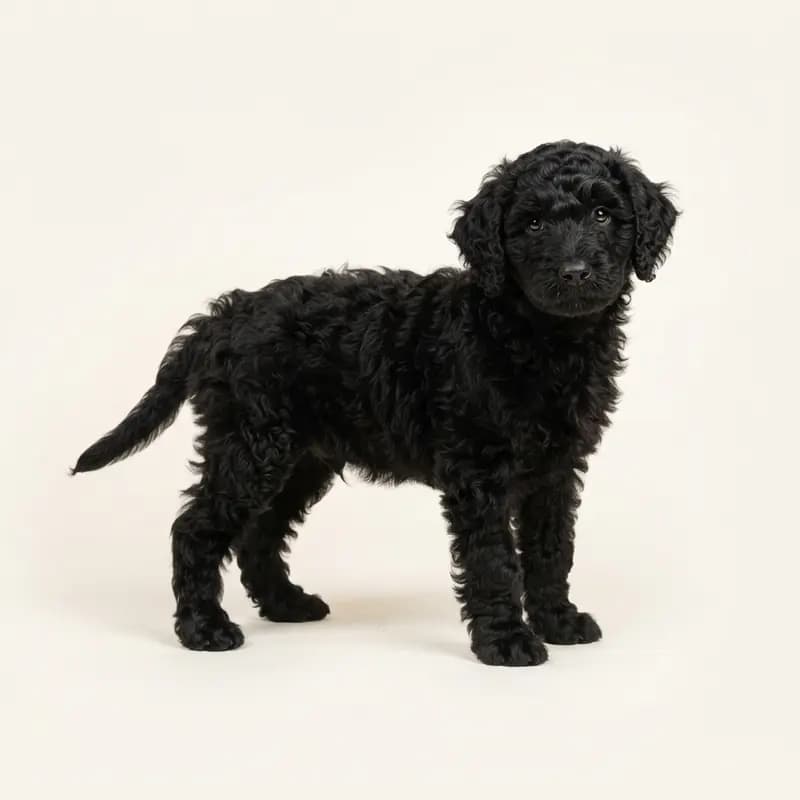
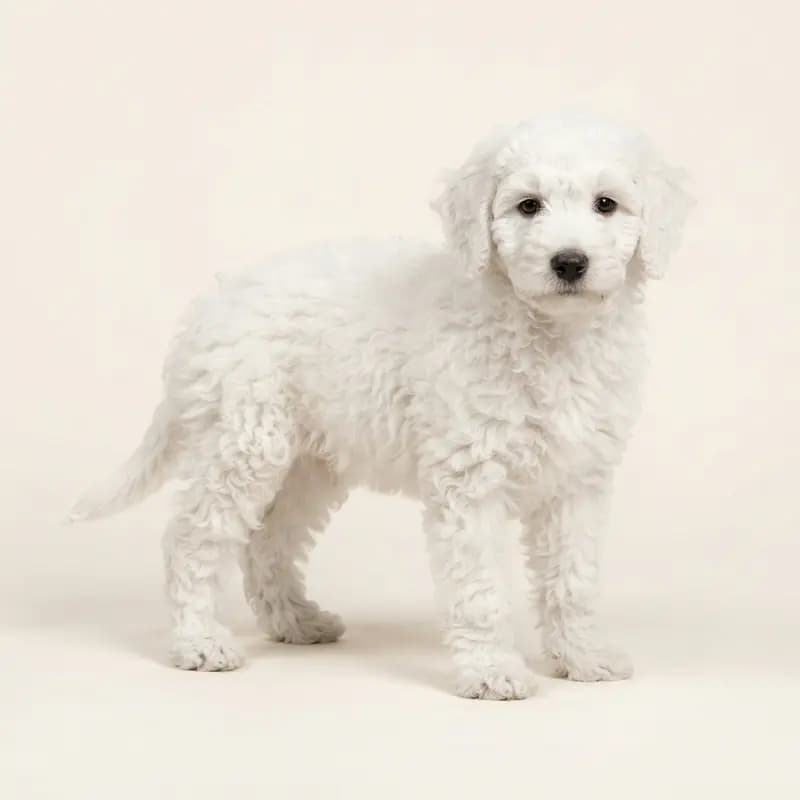
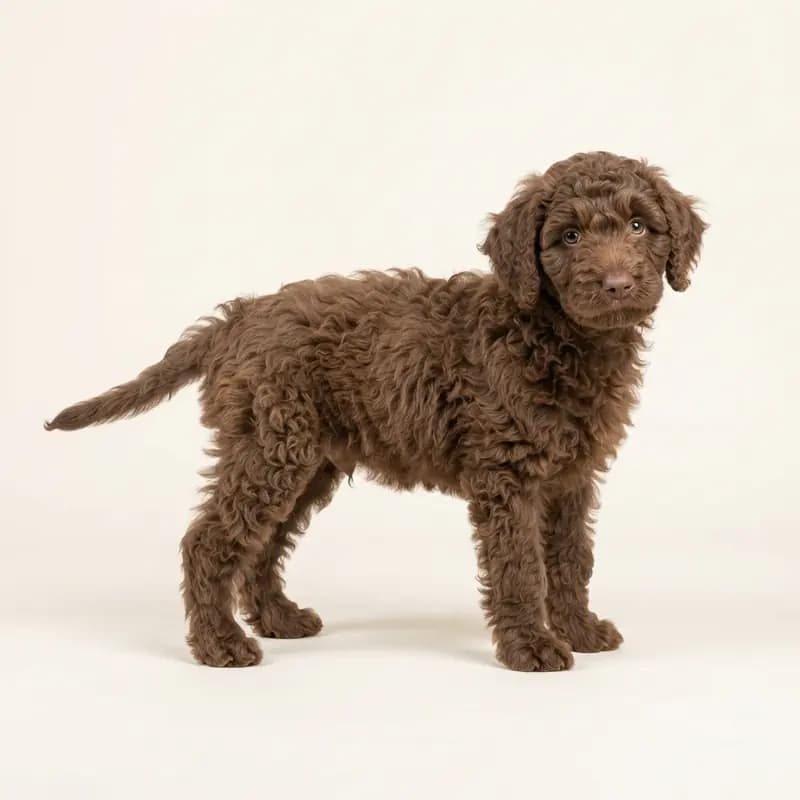
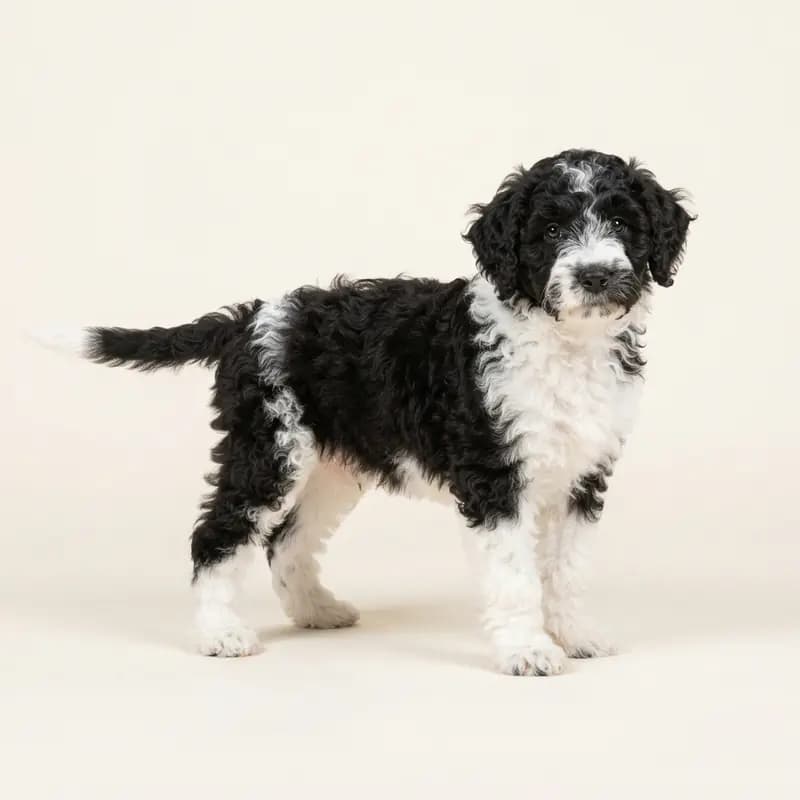
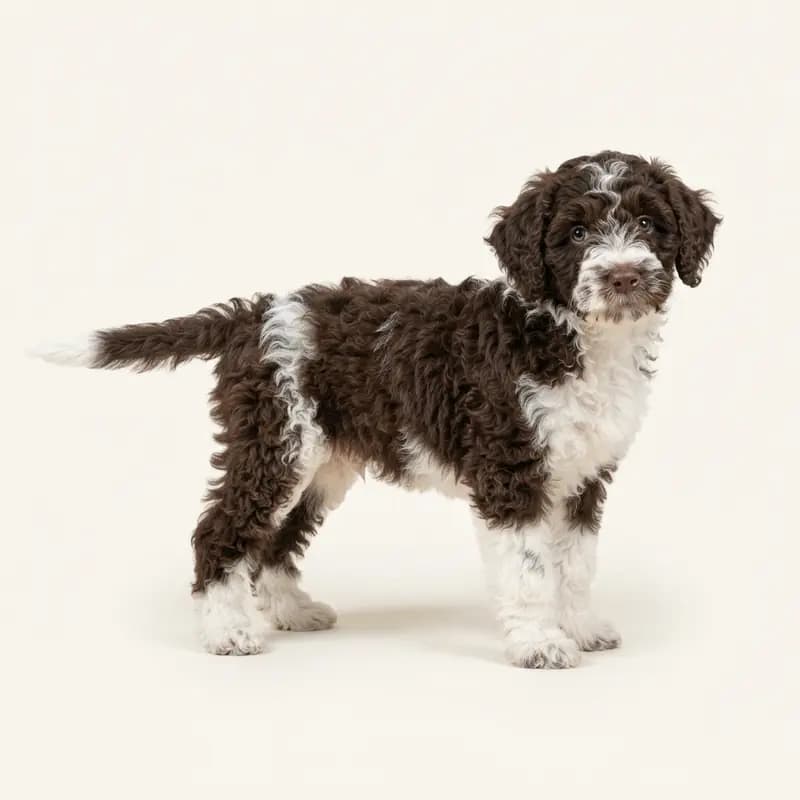
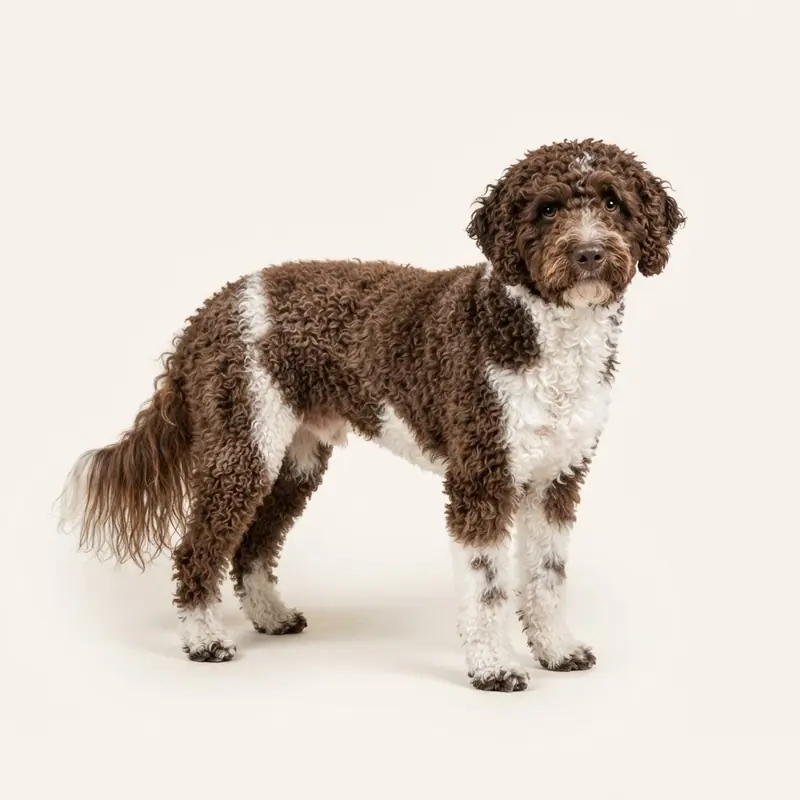
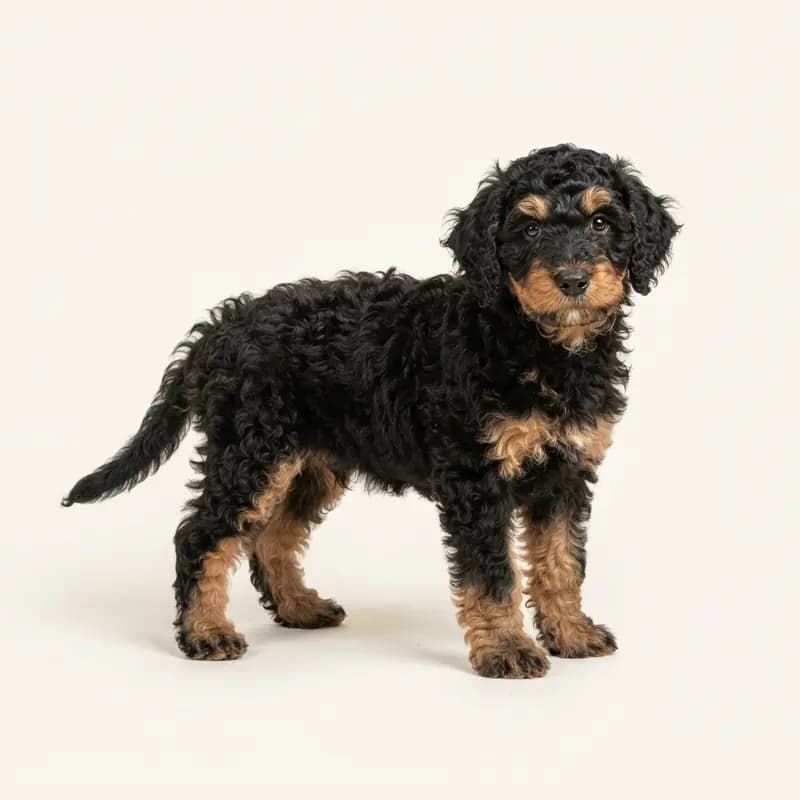
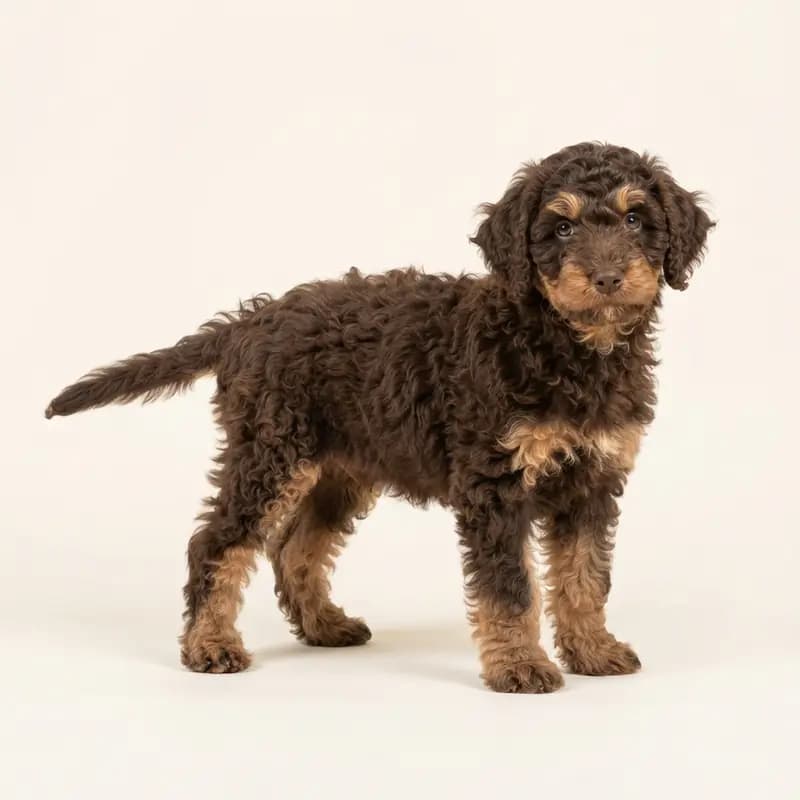
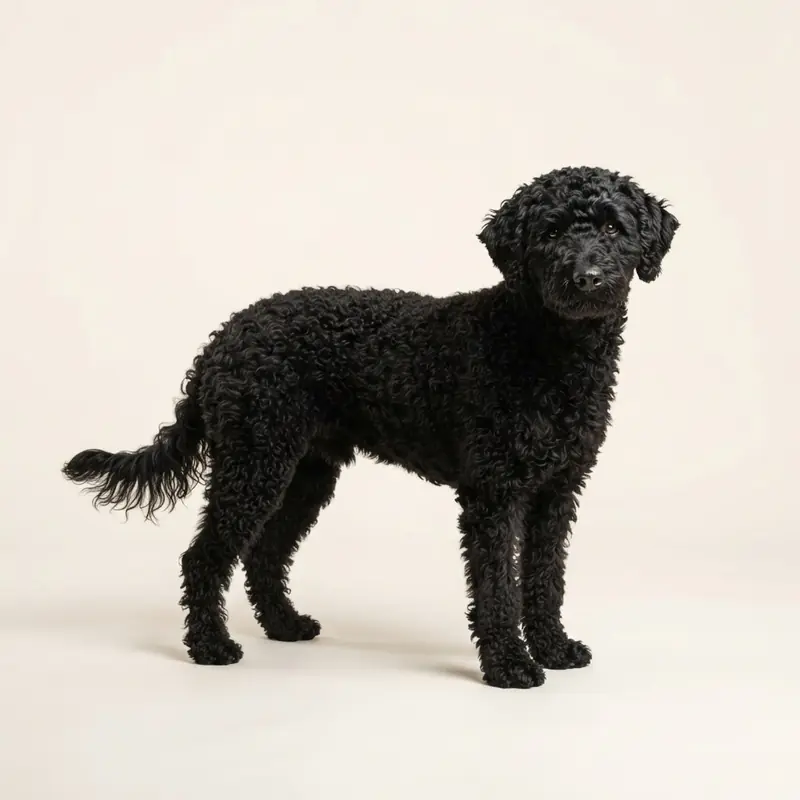
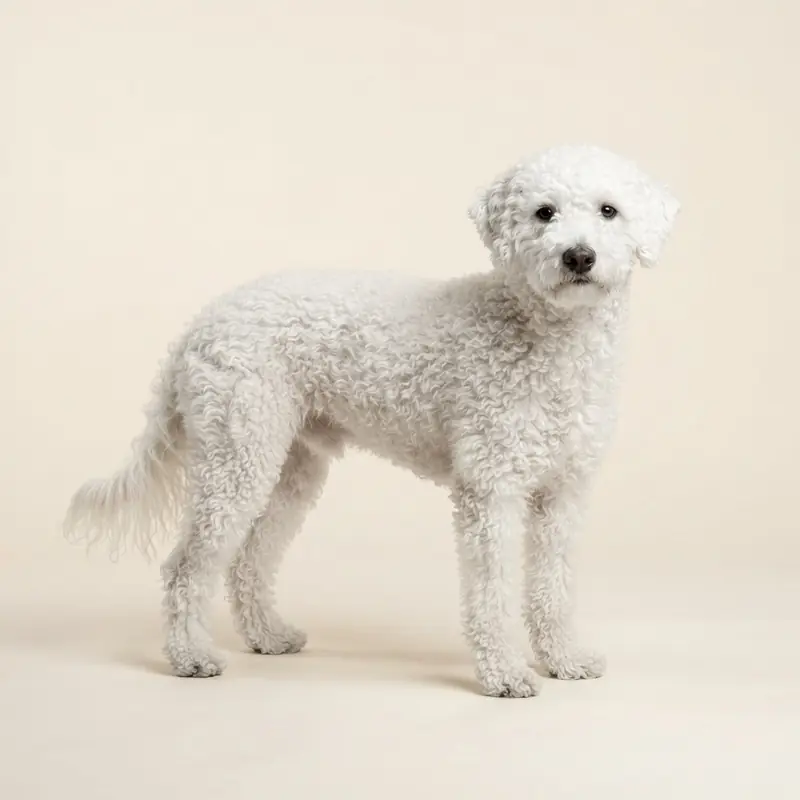
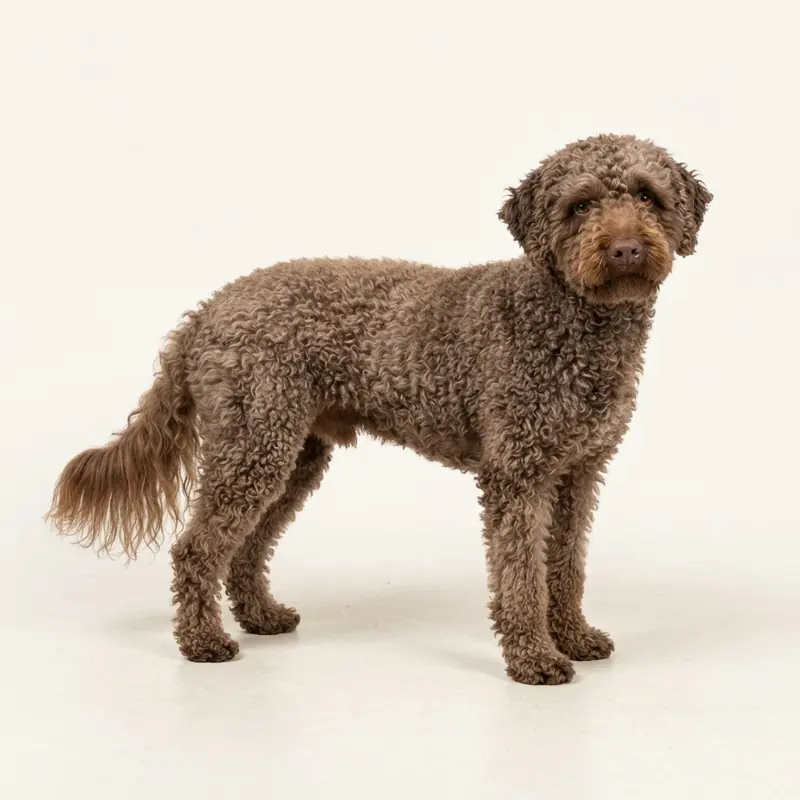
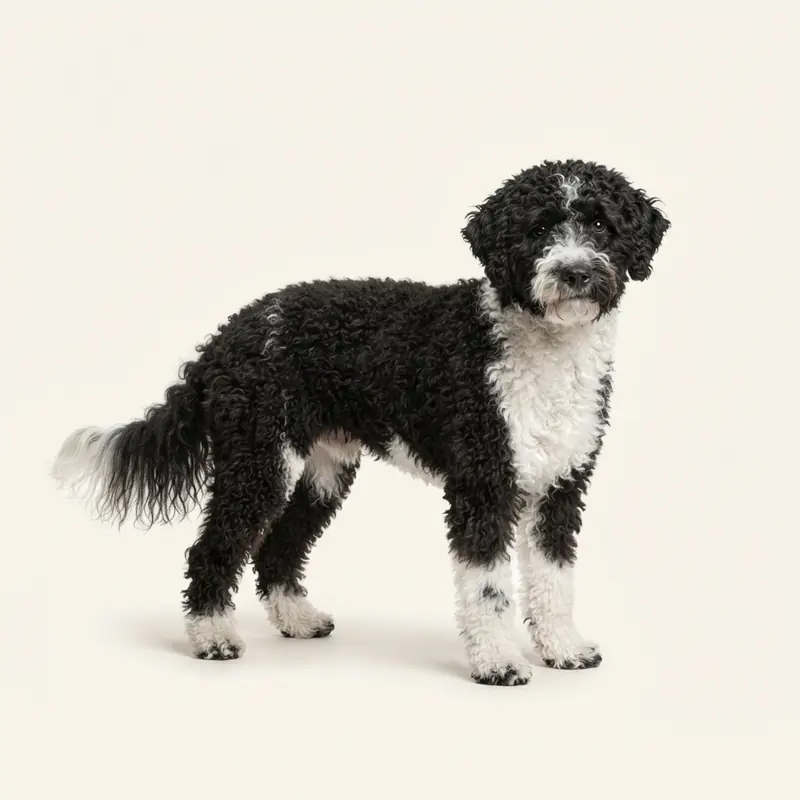
The Spanish Water Dog comes in these colors: Black, White, Brown, Black and white, Brown and white, Black and tan, Brown and tan, Tricolor. Colors that fall outside the breed standard are marked as such on the breed page.
Showcase your kennel on HonestDog and reach families searching for a responsibly bred Spanish Water Dog.