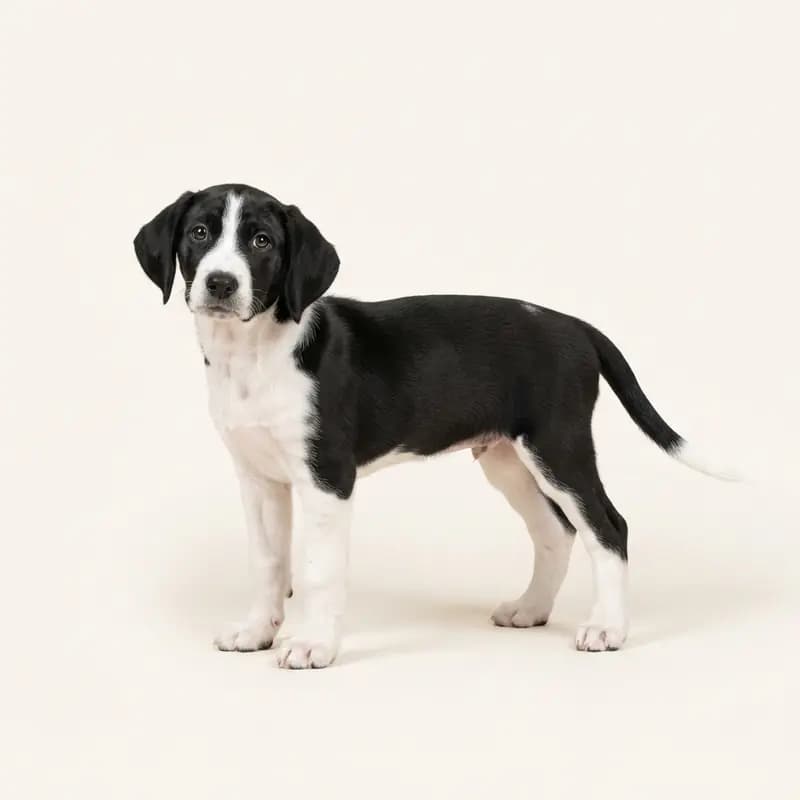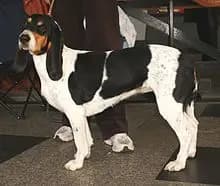
Bernese HoundClose relative
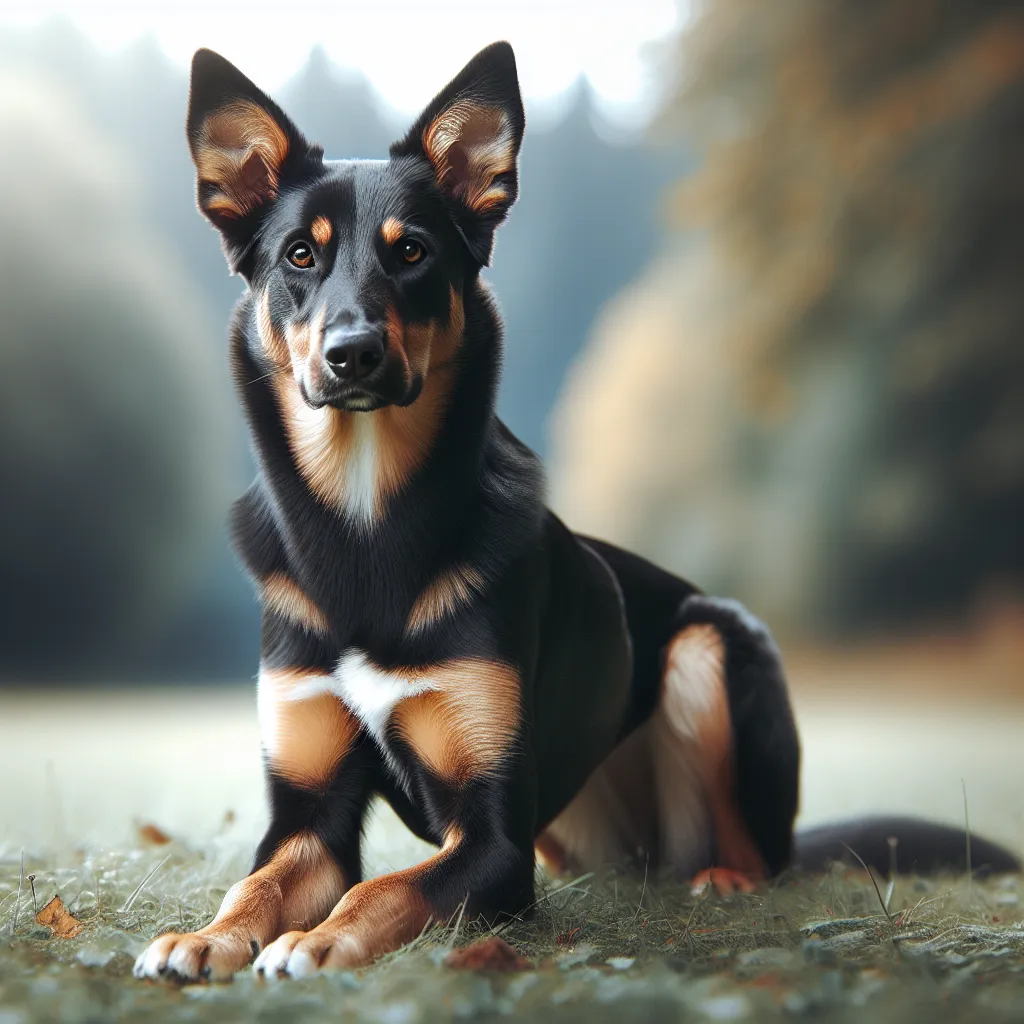 AI-generated image
The Swiss Hound is a passionate, sharp-nosed specialist in tracking by scent—bred for persistent, vocal hunting in rough terrain, where it follows a trail completely independently for miles.
Self-check
Answer 6 quick questions about your everyday life and see how well the Swiss Hound fits you — including an honest cost estimate per month, per year, and across the dog's lifetime.
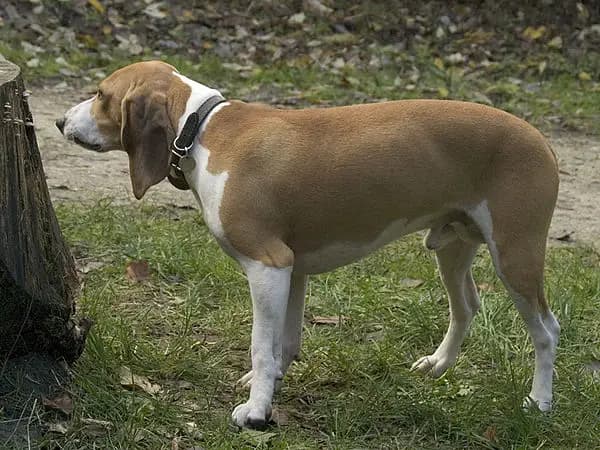
At a glance
The essentials — key facts, traits, and health priorities — before you dive deeper.
Lifespan
12–14 yrs
Shoulder height
47–59 cm
Weight
15–20 kg
Practical
Temperament
Daily life
What matters most
Especially with a Swiss Hound, choosing the right breeder is the single most important decision you'll make. Serious breeders consistently test the parents for inherited conditions, prioritize healthy early socialization, and stay accountable long after handover. A cheap puppy without health screening tends to become the most expensive dog later on.
See HonestDog breeder standards →Colors & coat
The coat colors that occur in the Swiss Hound — including which ones fall outside the breed standard and which carry genetic risk.
Eye colors
 Brown
Coat type
 Short
 Smooth
The real vibes check
At home, the Swiss Hound is often invisible, gentle, and affectionate—but as soon as it picks up a scent outside, it flips a switch. You aren't getting a dog that reads your every wish, but rather a highly professional tracker that will accept you as a partner if you channel its passion in the right direction.
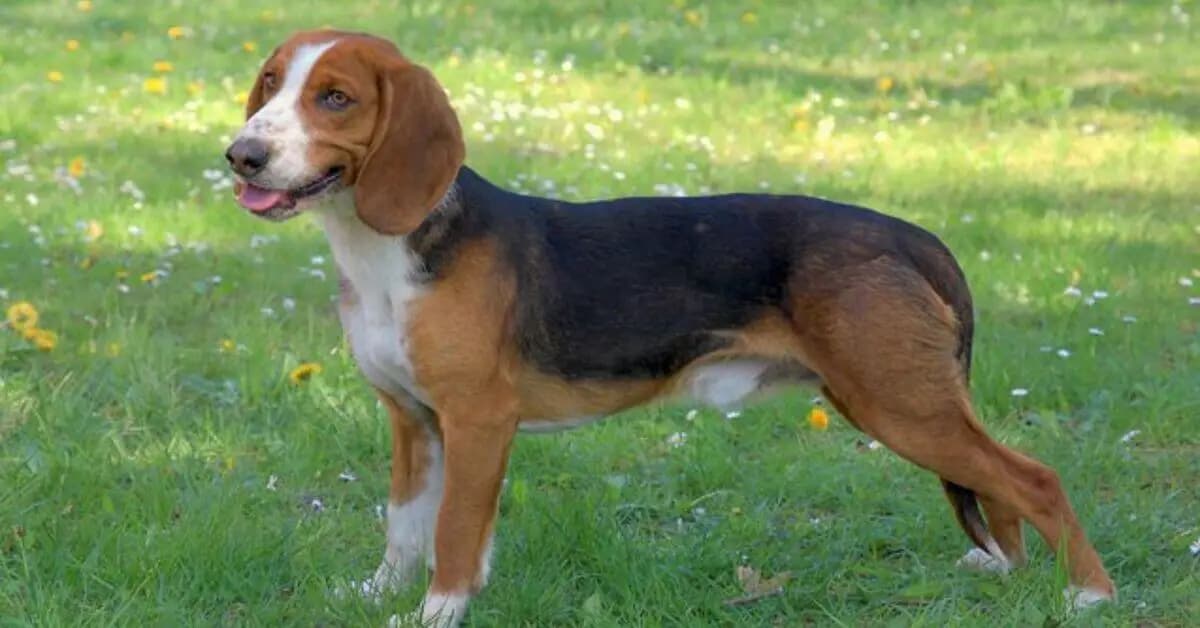
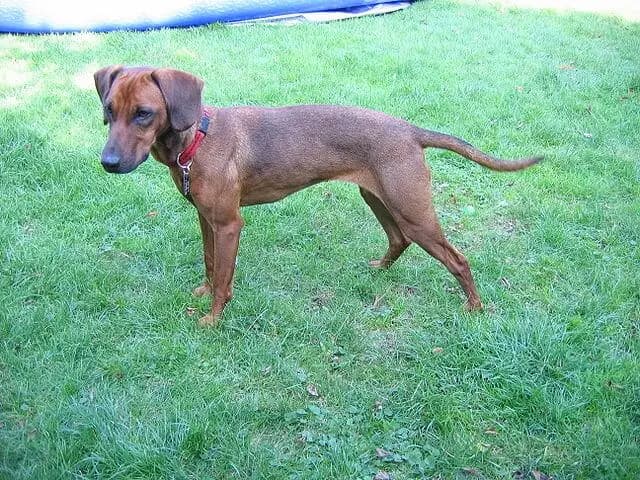
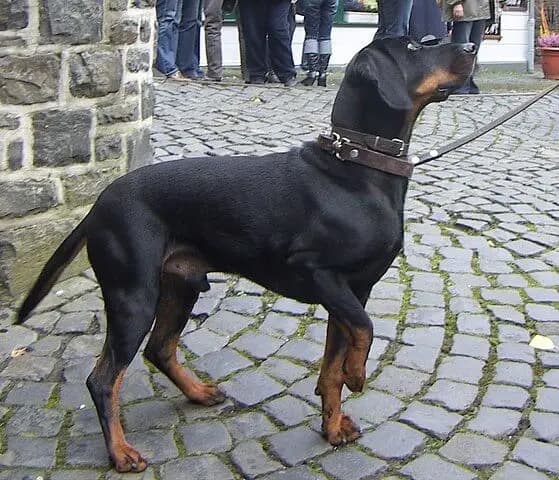
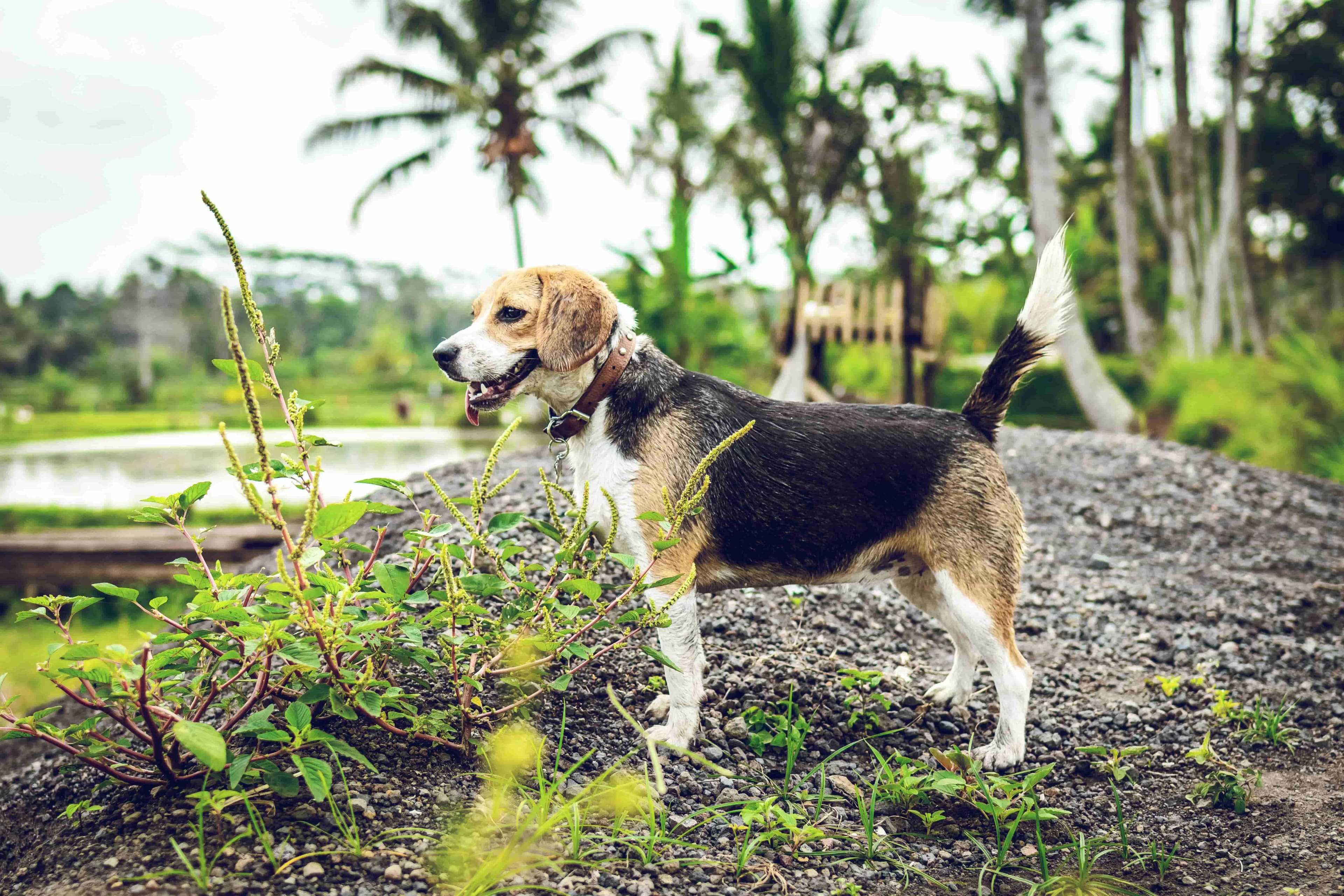
The Swiss Hound is a versatile and robust hunting dog breed, especially valued for its endurance and keen sense of smell. It belongs to the group of hounds and was traditionally used in Switzerland for tracking and pursuing game. The Swiss Hound is characterized by a medium-sized, muscular build that gives it both speed and stamina. Its head is well-proportioned with expressive, dark eyes and long, hanging ears typical of hounds. There are various varieties within the breed that differ in coat color and size, but all share the same friendly and hardworking character. The Swiss Hound is a reliable companion for active people looking for an intelligent and enduring dog.
The Swiss Hound is a lively and enduring hunting dog, distinguished by its friendly and balanced nature. It is very people-oriented and values closeness to its family, being especially patient and friendly when dealing with children. Its natural curiosity and pronounced sense of smell make it an excellent companion for hunting, but also as an active family dog. Thanks to its high enthusiasm for work and intelligence, the Swiss Hound learns quickly and shows great eagerness in performing tasks. It requires a lot of exercise and mental stimulation to remain balanced. Without sufficient activity, it can become restless or destructive. Its endurance and pronounced sense of smell make it well-suited for search and tracking work. The Swiss Hound is a friendly dog that is usually open and curious towards strangers without being intrusive. It does have guarding instincts but is not a typical guard dog. Its prey drive is present but well controllable if consistent training is started early. Overall, the Swiss Hound is a versatile, loyal, and hardworking companion that excels both as a hunting dog and as a family dog.
| Watchfulness Occasionally alerts but is fundamentally open. | Low |
| Openness to Strangers Warms up quickly and is generally welcoming. | Friendly |
| Hunting or Herding Drive This drive runs deep — no amount of training eliminates it. | Very strong |
Fun Fact!
Swiss hounds are true endurance runners with a keen sense of smell – they were originally bred for hunting in the Alps and can sniff through rough terrain for hours without getting tired. Their quick nose makes them perfect trackers!
The Swiss Hound is a lively and enduring hunting dog known for its excellent sense of smell. These dogs are friendly and eager to work but require a lot of exercise and mental stimulation. They are especially suitable for active families and hunters looking for a reliable companion in the field. The Swiss Hound is robust and adaptable but also shows an independent and sometimes somewhat stubborn nature.
Swiss hounds are lively and enduring dogs that require a lot of exercise and mental stimulation. They are especially suitable for active people or families who spend a lot of time outdoors. Due to their hunting drive, they should be well socialized and consistently trained from an early age. When dealing with children, Swiss hounds are usually friendly and patient, although supervision is recommended with small children. They generally get along well with other dogs but need sufficient exercise to remain balanced and content. Keeping them solely in an apartment is not ideal for this breed, as they find it difficult to satisfy their need for movement.
Loves family life and thrives in a group.
Takes boisterous and affectionate children in its stride.
Actively enjoys the company of other dogs.
Suffers in tight urban conditions.
Owning a dog is a privilege, but it's also a real responsibility. Before you bring one into your life, be honest with yourself about the commitment it takes.
Swiss Hounds are intelligent and enduring dogs that require consistent and patient training. They have a strong hunting instinct and a pronounced need for exercise and mental stimulation. Training should be varied and offer both physical and mental challenges to keep the dog satisfied and balanced. As with the Labrador, it is important not to overwhelm the Swiss Hound but to also allow it rest periods. Due to their independent nature, clear but loving leadership is crucial so they learn to control impulses and tolerate frustration. Positive reinforcement and reward-based training are key to building a trusting bond. The Swiss Hound is well suited for various dog sports such as tracking, obedience, or mantrailing, where it can optimally use its natural abilities. Because of its strong work and scenting instincts, it is important to start socialization early and accustom the dog to different situations. Overall, the Swiss Hound requires time, patience, and commitment but rewards its owner with a loyal, enduring, and versatile companion.
Swiss hounds require a balanced diet that supports their active urge to move. High-quality food with a good proportion of proteins and nutrients is important to strengthen their muscles and maintain their energy. Make sure to avoid overweight, as this can strain the joints. The coat of the Swiss hound is short to medium length and dense, which protects it well from changing weather conditions. Regular brushing, about once a week, is usually enough to remove loose hair and keep the coat healthy. During the shedding season in spring and autumn, increased shedding can occur, making more intensive brushing advisable. The Swiss hound is well adapted to the Central European climate. Its coat protects against cold, but in very hot weather, sufficient shade and water should be provided to prevent overheating. Regular exercise and mental stimulation are especially important for this lively breed.
| Care Level Occasional brushing is all it takes. | Very low-maintenance |
| Exercise Needs Working-dog energy that needs burning off every single day. | High-drive |
| Shedding Regular shedding — dog hair on clothes is now normal. | Moderate |
| Trainability Has its own ideas and will test limits. | Strong-willed |
Our experts are still reviewing this information. Spotted something wrong? Email us at info@honestdog.de.
Solid
Health grade
The Swiss Hound receives a grade of B, as these robust hunting dogs have an average genetic burden that is well manageable through breeding screenings. Hip dysplasia (HD) and primary ciliary dyskinesia (PCD)—a severe respiratory disease that can be reliably prevented with a DNA test—are particularly in focus. Those who ensure certified screening results of the parent animals will generally receive a very fit companion.
Grade is relative to other breeds — AI-assisted and editorially reviewed.
Methodology and data: HonestDog Dog Breed Health Report 2026
What matters most for this breed
Tap any item to see details.
You should check its long, floppy ears regularly and keep them dry, as well as ensure it is raised in a way that is gentle on its joints to prevent inflammation and wear.
Reputable breeders have the parents' hips, elbows, and eyes tested and pay attention to a moderate ear shape to prevent chronic inflammation and risks within the bloodline.
Note: This health overview is AI-assisted and editorially reviewed. It is for orientation only and does not replace veterinary advice.
What matters most for this breed — what's common, how much it affects the dog's life, and how to protect yourself as a buyer.
Tap a body region to see the inherited conditions linked to it.
The three most important risks
Pick a region on the map to explore other areas.
Tier 1 is the recommended health standard for this breed. Tiers 2 and 3 show how responsible breeders go beyond.
Recommended standard. These tests make up the recommended health standard for this breed — the baseline of any careful breeding program. Ask any reputable breeder for the results.
Note: This health overview is AI-assisted and editorially reviewed. It is for orientation only and does not replace veterinary advice.
A Swiss Hound costs around ~€160 per month (€90 – €310, depending on your setup). The first year adds up to roughly ~€4,800 including purchase, equipment and puppy school; across the dog's life (13 years) it comes to about ~€28,480.
With surgery cover, running costs come to about ~€160 per month — in return, your share of a major operation drops from several thousand euros to around 20 percent.
Per month
~€160
In the first year
~€4,800
Across the dog's life
~€28,480
Estimated purchase price from a breeder: €1,500 – €2,500
Estimate at a mid-range setup (suburban, dry food, 1–2 hours of daily exercise), average German prices, as of July 2026.
HonestDog Concierge
We currently have no breeders for this breed who have passed our verification. Create your short buyer profile: we'll set up your search alert, review a possible source and email you within 28 days.
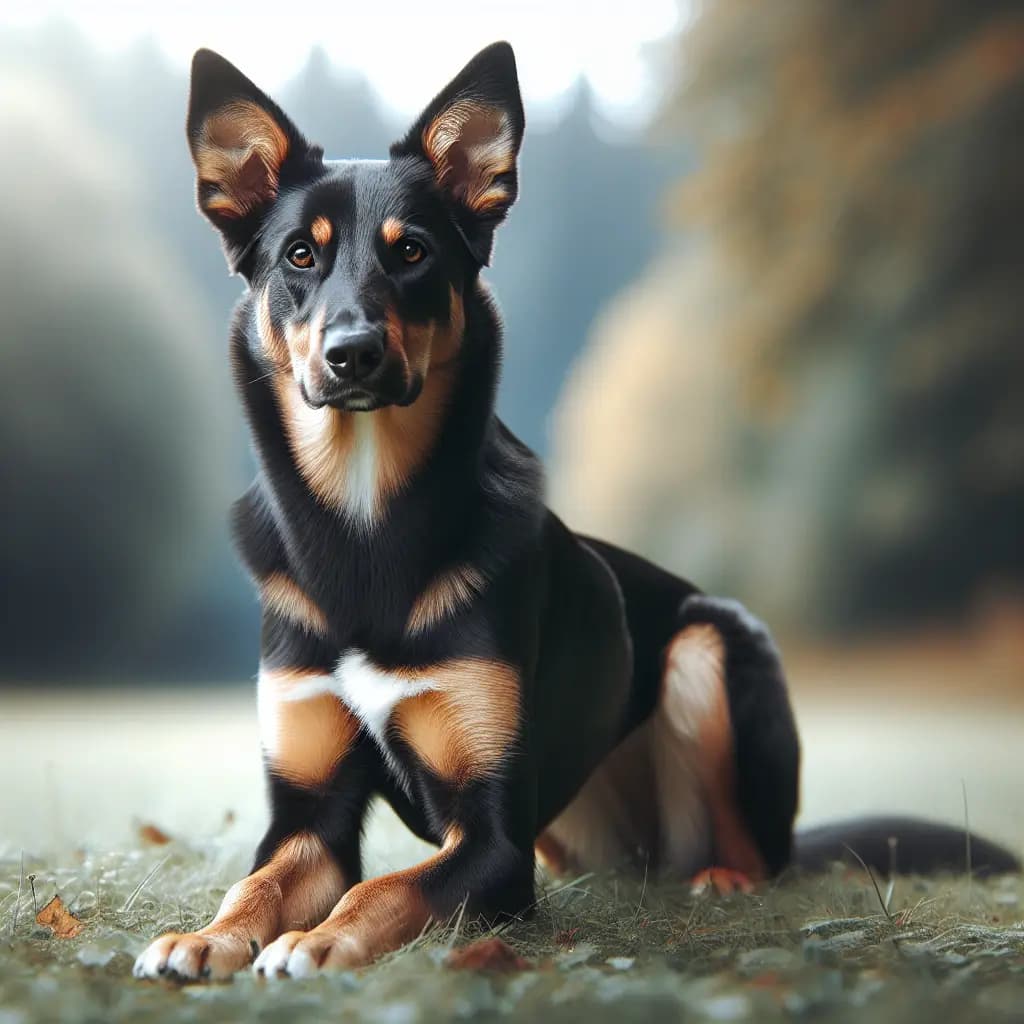 Illustrative image
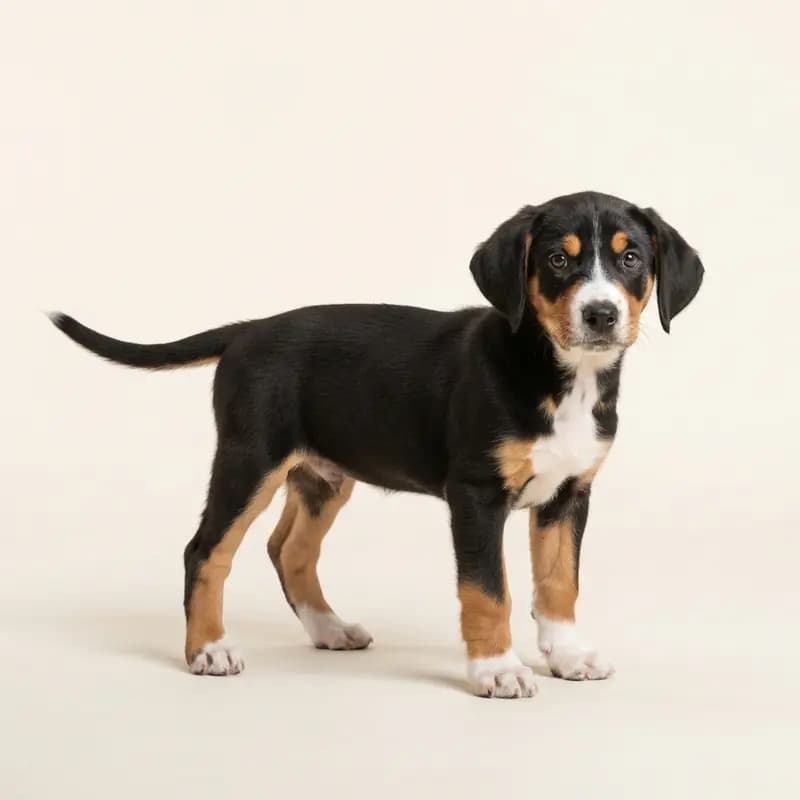 Illustrative image
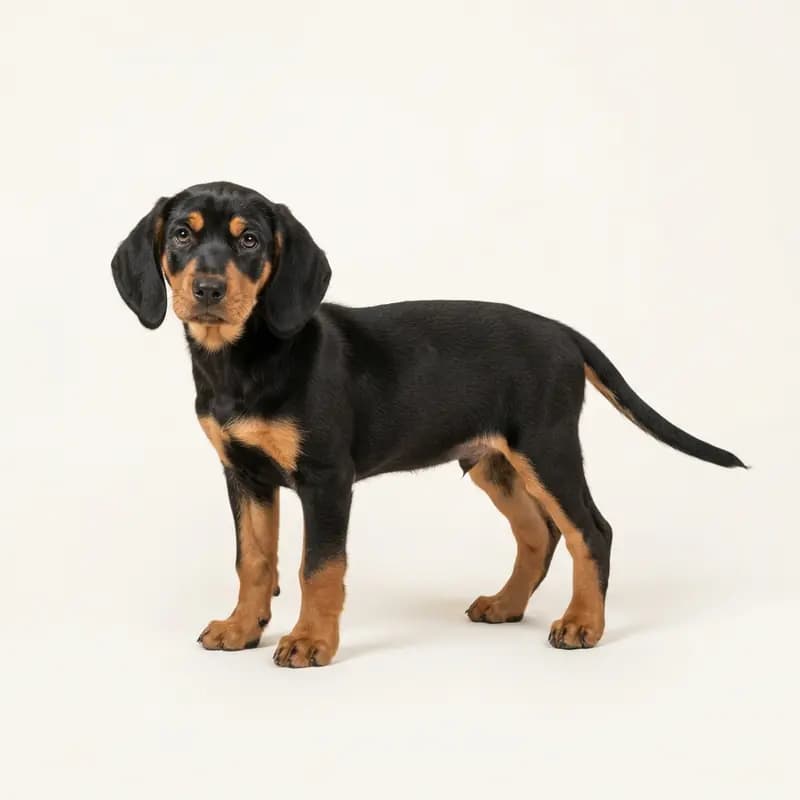 Illustrative image
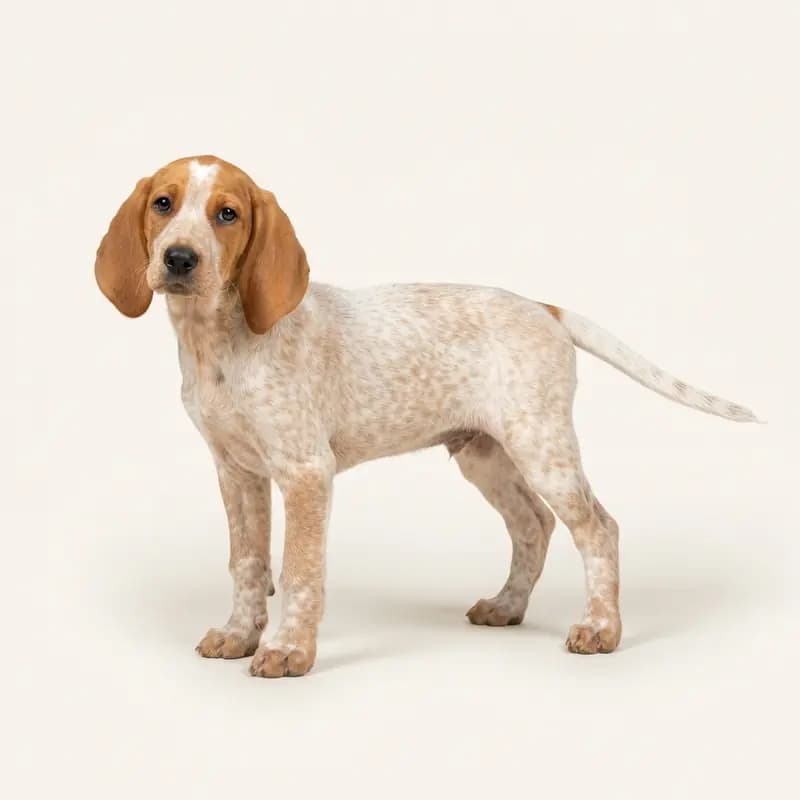 Illustrative image
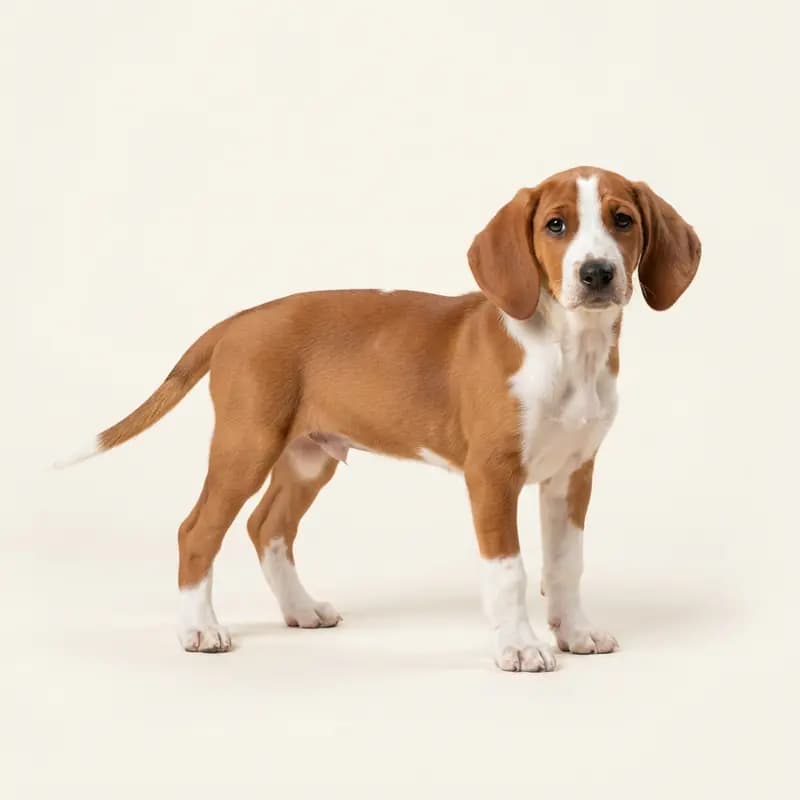 Illustrative image
The history of the Swiss hounds dates back to the Middle Ages, where they were used as versatile hunting dogs in the Alpine regions of Switzerland. These dogs were specifically bred for their endurance, sense of smell, and ability to track game over long distances. Swiss hunters especially valued them for tracking wounded game in difficult terrain. In the 19th and 20th centuries, the various regional hound types were brought together and standardized to preserve and further develop the breed. Today, Swiss hounds are known as reliable and enduring hunting companions with roots in the alpine hunting tradition.
The Swiss Hound was bred in Switzerland to hunt rabbits and other small animals and is known for its endurance.
Switzerland
1400
Many owners stress the striking two-sided nature of the Swiss hounds (such as the Schwyz, Bernese, Lucerne or Jura Hound). Outdoors and at work they show a lot of drive, a relentless urge to push forward and remarkable stamina. Indoors, on the other hand, they are consistently described as pleasantly calm, affectionate and almost unnoticeable. They are very friendly and sociable with family members, children and other dogs.
According to owners, however, they are by no means suited to being mere companion dogs for a comfortable lifestyle. To show that famous calm at home, they need many hours of exercise every day and, above all, challenging nose work. If they don't get the right kind of outlet, they quickly become restless or frustrated. Owners also repeatedly mention the melodious but piercing voice and typical baying: when the dog sounds off in the yard or catches the scent of game, it can cause conflicts with neighbors in more densely populated areas.
In owner reports on training, the Swiss Hound is regularly described as a typical scent hound: very true to the trail, highly independent and with a relentless drive to find. Owners and hunters report that the dog practically "switches off" and forgets the world around it as soon as it has a fresh game trail in its nose. For many, reliable off-leash time in areas with lots of wildlife is therefore a rare exception, or requires years of meticulous long-line training plus GPS tracking.
At the same time, experienced owners emphasize that this strong independence must never be broken with harshness or pressure. The breed is very sensitive to a rough tone and simply refuses to cooperate when treated unfairly. To handle a Swiss Hound successfully, you need a lot of patience, positive reinforcement and a real understanding of what motivates it to work. Pure obedience exercises at the training field quickly bore it; it usually accepts direction only through tracking, mantrailing or actual hunting.
Sources:tierwelt.chdogforum.deedogs.detackenberg.deforum.wildundhund.de
Health-wise, breeders and owners largely describe the Swiss Hound as a sturdy, weatherproof and unspoiled working breed that shows few of the typical signs of overbreeding found in modern breeds. With good care and fitness, life expectancy is often over twelve years. The short coat is considered very easy to care for, needs little beyond regular brushing and protects the dog well from the weather out in the field.
The long, low-set drop ears need the most attention. Many owners point out that the ears must be checked and cleaned regularly, since they tend to get dirty and inflamed after rambles through wet undergrowth. As with many medium-sized breeds, hip dysplasia (HD) is screened for, and testing for rare inherited respiratory diseases (such as PCD) is a breed-specific topic among reputable breeders. Active owners also note that, because the dogs throw themselves fearlessly into tracking wounded game and following trails, they occasionally come home with injured paw pads or scrapes.
Sources:zooroyal.dezoomalia.dewelpen.vdh.deschweizer-niederlaufhunde.dekokogenetics.com
Paraphrased from real owner reports · translated from German
The Swiss Hound is an active dog that needs plenty of exercise and mental stimulation. Research the temperament, grooming needs, and space requirements before deciding.
The average life expectancy of a Swiss Hound is 12-14 years. With proper care and regular vet visits, your dog can live a long, healthy life.
Swiss Hound grooming requirements include regular brushing, nail trimming, and dental care. HonestDog provides detailed grooming tips for every breed.
The Swiss Hound can be a great family dog. Proper training and socialization are key. HonestDog provides family suitability information for every breed.
The Swiss Hound comes in these colors: Tricolor, Black and tan, Roan, Red and white, Black and white.
Showcase your kennel on HonestDog and reach families searching for a responsibly bred Swiss Hound.