Loading breed
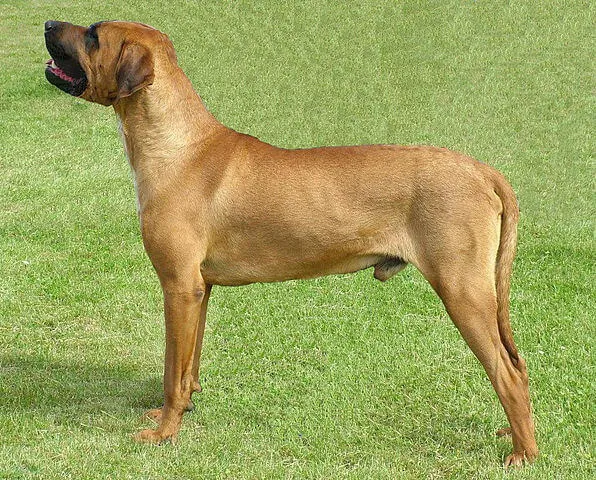
Tosa
Health grade B- Height55–82 cm
- Weight40–90 kg
- Life expectancy10–12 yrs
- Puppy price1,500–2,500 €
- Energy4/5
The Essentials at a Glance
The Tosa is a majestic, immensely powerful Molosser—bred as a silent guardian and a Japanese ring fighter that ignores pain and acts without warning. A dog of extreme loyalty that does not forgive mistakes in leadership.
- Health grade B: As a heavy breed, the Tosa is particularly prone to orthopedic issues.
- You have years of experience with heavy, territorial Molossers and lead with absolute confidence, calmness, and without ever needing to use physical correction.
- You live in a rural area with a high-fenced, very securely enclosed property that he can guard completely undisturbed.
- You expect a dog that avoids conflicts at the dog park—as a former Japanese fighting dog, he possesses a deep-seated genetic intolerance toward other dogs that you will have to manage for his entire life.
Is the Tosa right for you?
At a glance
Tosa overview
The essentials — key facts, traits, and health priorities — before you dive deeper.
Health grade
Relative to other breeds
S
A
B
C
D
E
Very healthyHigher risk
Solid — a handful of items a good breeder watches.
See full health info & tests →
Note: This health overview is AI-assisted and editorially reviewed. It is for orientation only and does not replace veterinary advice.
Lifespan
10–12 yrs
Height
55–82 cm
Weight
40–90 kg
Practical
- Puppy price: 1,500 – 2,500 €
- Coat: Short, hard, no undercoat
- Origin: Japan
Temperament
Energy
Trainability
Family fit
With kids
Daily life
Care effort
Shedding
Barking
City-friendly
Guard instinct
What matters most
Especially with a Tosa, choosing the right breeder is the single most important decision you'll make. Serious breeders consistently test the parents for inherited conditions, prioritize healthy early socialization, and stay accountable long after handover. A cheap puppy without health screening tends to become the most expensive dog later on.
See HonestDog breeder standards →Colors & coat
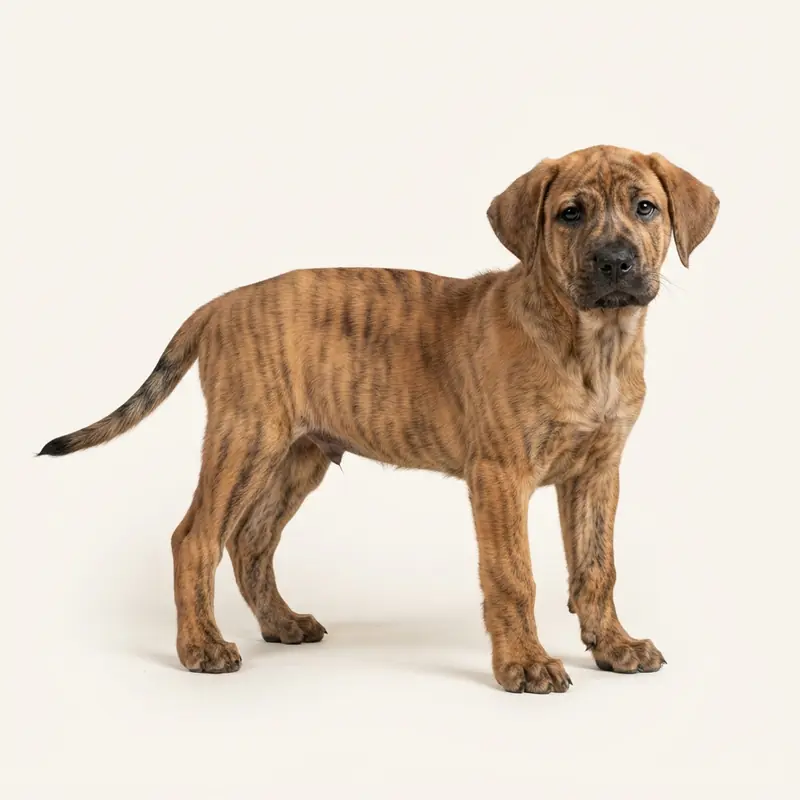
What colors does the Tosa come in?
The coat colors you will see in Tosa litters — including which ones fall outside the breed standard and which carry genetic risk.
Eye colors
 Brown
Brown
Coat type
 Short
Short Smooth
Is the Tosa right for you?
Perfect for you if:
- You have years of experience with heavy, territorial Molossers and lead with absolute confidence, calmness, and without ever needing to use physical correction.
- You live in a rural area with a high-fenced, very securely enclosed property that he can guard completely undisturbed.
- You are looking for an extremely loyal, single dog that is almost invisibly calm in the house, bonds closely with its family, but has absolutely no interest in strangers.
- You prefer relaxed walks in secluded areas rather than action-packed dog sports or daily jogging sessions.
Less ideal if:
- You expect a dog that avoids conflicts at the dog park—as a former Japanese fighting dog, he possesses a deep-seated genetic intolerance toward other dogs that you will have to manage for his entire life.
- You live in a busy area, frequently have spontaneous visitors, or want to take your dog everywhere with you.
- You are not physically capable of handling 60 to 80 kilos of pure muscle mass at the other end of the leash if he were to lunge in a dangerous situation.
- You do not want to deal with breed-specific legislation, temperament tests, and strict official requirements in your place of residence.
The real vibes check
A Tosa rarely threatens and hardly barks; he acts like a Japanese sumo wrestler: silent, focused, and with unstoppable force. You are not getting a companion dog for the hustle and bustle of daily life, but an uncompromising protector whose deep affection belongs exclusively to you and your family. If you can carry this immense responsibility, you have a friend for life.
Self-check
Would the Tosa really fit your life?
Answer 6 quick questions about your everyday life and see how well the Tosa fits you — including an honest cost estimate per month, per year, and across the dog's lifetime.
Fit checkCost estimateRisk dice
Takes about 1 minute · free & anonymous
Breed Profile
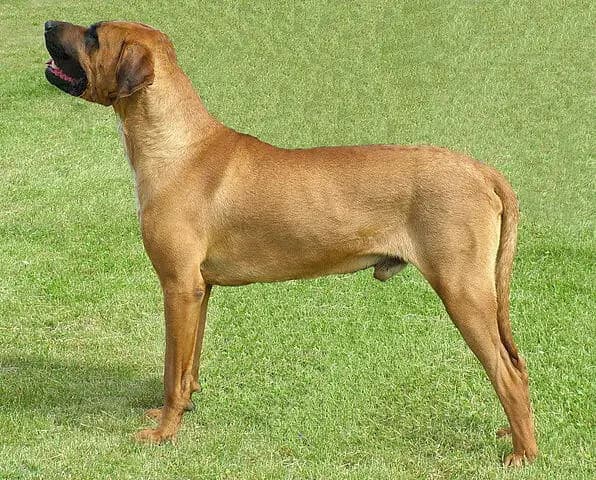
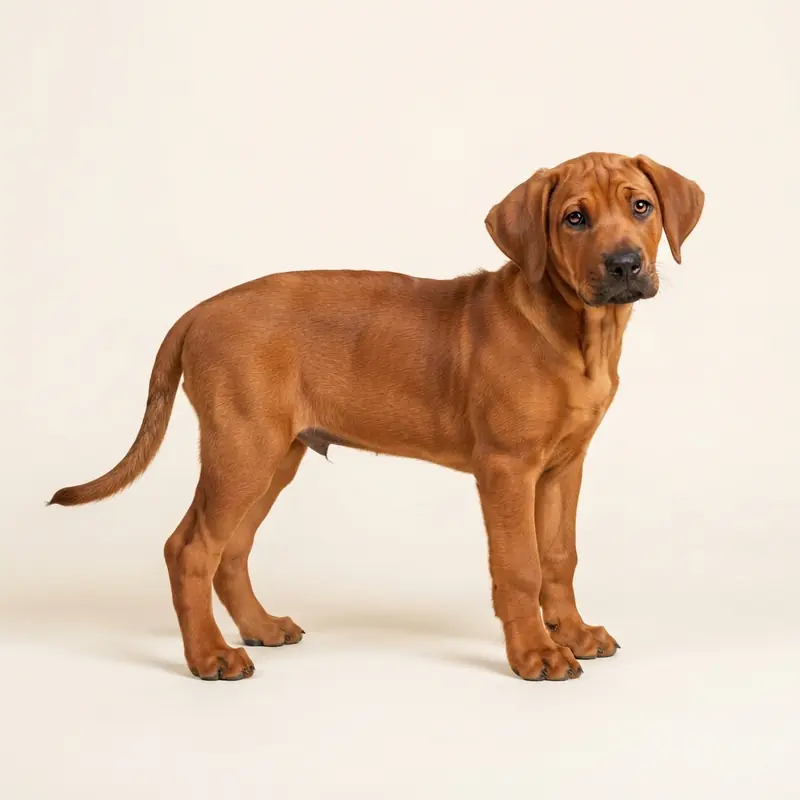
The Tosa Inu, also known as Tosa-Ken or Japanese Mastiff, is an impressive dog with a large build. It is one of the largest dog breeds, with a broad head, powerful jaws and a deep, strong body. His eyes are small and dark with a calm and intelligent expression. The Tosa Inu's ears are rather small, set high and hang close to the head. Its short, hard coat is easy to care for and comes in a variety of colors including fawn, black, brindle, red and yellow. The Tosa Inu belongs to FCI Group 2: Pinschers and Schnauzers, Molossers, Swiss Mountain Dogs and other breeds. There are no official differences between performance and show lines in breeding the Tosa Inu.
All measurements in detail
- Height
- 55 - 70 cm (Female), 60 - 82 cm (Male)
- Weight
- 40 - 60 kg (Female), 45 - 90 kg (Male)
- Life Expectancy
- 10 - 12 yrs
- Character
- Loyal, courageous, gentle
- Coat
- Short, hard, no undercoat
- Coat Color
- Fawn, black, brindle, red, yellow
- Price
- 1500 - 2500 €
Character & Temperament
The Tosa Inu comes from Kochi Prefecture, Japan, and was developed there in the late 19th century. The breeders wanted to create a large, courageous dog that could be used for mastiffs, a traditional form of dog fighting in Japan. The Tosa Inu is the result of crossing native Japanese breeds with Western dog breeds such as the Mastiff, St. Bernard, German Shepherd and Bull Terrier. The Tosa Inu breed was officially recognized by the Japan Kennel Club in 1934. The FCI (F"d"ration Cynologique Internationale) recognized the breed in 1973. Despite its size and strength, the Tosa Inu is recognized as a "National Natural Beauty" in its native Japan. and recognized as a living natural monument. However, in some countries and regions the breed is restricted or even banned due to its size and history as a fighting dog. 3. Essence and character Despite their impressive size and history as a fighting dog, Tosa Inus are known for their calm, gentle and friendly nature. They are brave and loyal, but also gentle and patient, especially towards their family. This makes them remarkable companion dogs, but they require clear leadership and consistent training. Developed as a fighting dog, Tosa Inus are naturally very independent and can easily learn to stay alone. They are also known for their alertness, without being overly barky. Thanks to their origins, Tosa Inus are very resilient animals that can handle stress and new situations well. They are very focused and alert, which makes them excellent watchdogs. Tosa Inus are generally calm and balanced, but can also be active and playful, especially as puppies. They enjoy long walks and playtime, but they don't tend to be hyperactive. They are happy and content as long as they get enough exercise and mental stimulation. When it comes to their relationships with humans, Tosa Inus are often reserved and reserved around strangers, but they are extremely loyal and devoted to their family. They are known to get along particularly well with children and to maintain a patient and loving relationship with them. Despite their size, they are careful and gentle around children and smaller pets. The Tosa Inu does not normally exhibit strong hunting behavior, but like any dog, can instinctively pursue prey. This is especially the case if they have not been adequately socialized or trained to control their natural instincts. It is important to begin socialization and training early to ensure they integrate well into the family and society.
| Watchfulness Strong territorial instinct — may actively confront intruders. | Very high |
| Openness to Strangers Careful around unfamiliar people — thaws slowly. | Cautious |
| Hunting or Herding Drive Mild interest in movement and small animals — easily managed. | Low |
Fun Fact!
The Tosa Inu is the only breed that was traditionally bred for dog fighting in its native Japan, a practice that is now widely outlawed internationally and has been banned in many countries.
What Awaits You
The Tosa's temperament is characterized by patience, calmness, boldness and courage. He is usually a calm, quiet and obedient dog with a calm but alert demeanor. He has a stately demeanor and a robust build and was once bred as a fighting dog, but is now used as a guard dog.
Housing & Care
Tosa Inus are calm and patient dogs that can be kept well in both the city and the country. However, they need adequate space and exercise to stay happy and healthy. Tosa Inus are generally child-friendly, but due to their size, a supervisor should always be present to avoid accidents. They generally get along well with cats and other pets if they have been used to them from an early age.
- Family Friendly
Gets on well with different people and varying routines.
Family-friendly - Child Friendly
Fine with calm, respectful children — not small tornadoes.
Better with older children - Dog Friendly
Can get on with dogs it knows — strangers are a different story.
With familiar dogs - City Friendly
Can manage in the city, but only with very active owners.
Difficult in cities
Owning a dog is a privilege, but it's also a real responsibility. Before you bring one into your life, be honest with yourself about the commitment it takes.
Training & Education
Raising a Tosa Inu requires patience, consistency and a good understanding of the nature of this breed. They are intelligent and capable of learning, but can also be stubborn and stubborn. It is important to start training early and do it consistently. The Tosa Inu is a working dog that enjoys taking on tasks and wants to be mentally challenged. It is well suited for various dog sports such as obedience, mantrailing or protection work. It is important to maintain balance and neither under nor overwhelm the dog. Particular attention should be paid to socialization. The Tosa Inu should be accustomed to different people, animals and environments from an early age in order to develop trust and good social behavior.
Nutrition & Care
Tosa Inus require a balanced diet that is specifically tailored to the needs of large dog breeds. Puppies should be fed special puppy food that is suitable for large breeds. Since the Tosa Inu can be prone to allergies, it is advisable to pay attention to high-quality ingredients and possibly hypoallergenic food. The Tosa Inu's coat is short and hard with no undercoat, making care relatively easy. Regular brushing is enough to keep the coat clean and healthy. The Tosa Inu sheds moderately and copes well with the German climate, but it should be protected in very cold temperatures as it does not have a thick undercoat.
| Care Level Regular brushing and occasional professional grooming. | Moderate |
| Exercise Needs Needs several hours of serious exercise every day. | Very active |
| Shedding No or minimal hair loss — suitable for allergy sufferers. | No shedding |
| Trainability Has its own ideas and will test limits. | Strong-willed |
Our experts are still reviewing this information. Spotted something wrong? Email us at info@honestdog.de.
Health & hereditary diseases
Health
B
Solid
Health grade
As a heavy breed, the Tosa is particularly prone to orthopedic issues. Hip dysplasia (HD) and elbow dysplasia (ED) are the most well-known vulnerabilities, which is why radiographic screenings are absolutely essential before breeding. If these mandatory health tests are consistently performed, the risk of painful joint conditions in puppies can be significantly minimized.
Grade is relative to other breeds — AI-assisted and editorially reviewed.
In daily life this can mean
You should strictly monitor his weight and ensure joint-friendly development so that his massive body stays fit for a long time, and you should schedule regular heart and eye check-ups.
The breeder's role
Reputable breeders have the hips, elbows, hearts, and eyes of the parent animals thoroughly checked to specifically reduce risks within the bloodline.
Note: This health overview is AI-assisted and editorially reviewed. It is for orientation only and does not replace veterinary advice.
No Health Tests Available
No specific health tests are currently available for this breed.
Costs & where to find one
How much does a Tosa cost?
A Tosa costs around ~€240 per month (€130 – €480, depending on your setup). The first year adds up to roughly ~€5,770 including purchase, equipment and puppy school; across the dog's life (11 years) it comes to about ~€35,150.
With surgery cover, running costs come to about ~€250 per month — in return, your share of a major operation drops from several thousand euros to around 20 percent.
Per month
~€240
In the first year
~€5,770
Across the dog's life
~€35,150
Purchase from a breeder: €1,500 – €2,500
Estimate at a mid-range setup (suburban, dry food, 1–2 hours of daily exercise), average German prices, as of July 2026.
Calculate your personal costs1-minute self-check with your own answers
Looking for a Tosa?
HonestDog Concierge
No verified Tosa breeders on HonestDog yet
We currently have no breeders for this breed who have passed our verification. Create your short buyer profile: we'll set up your search alert, review a possible source and email you within 28 days.
Legal Notice
In some German federal states, special regulations apply to Tosa as a listed or dangerous dog. Depending on your location, this may include a temperament test, permit or other official requirements, leash and muzzle obligations, and higher insurance or tax costs. Always check with your local authorities.
Full guide to restricted-breed ownership in GermanyAppearance, variants & origin
 Illustrative image
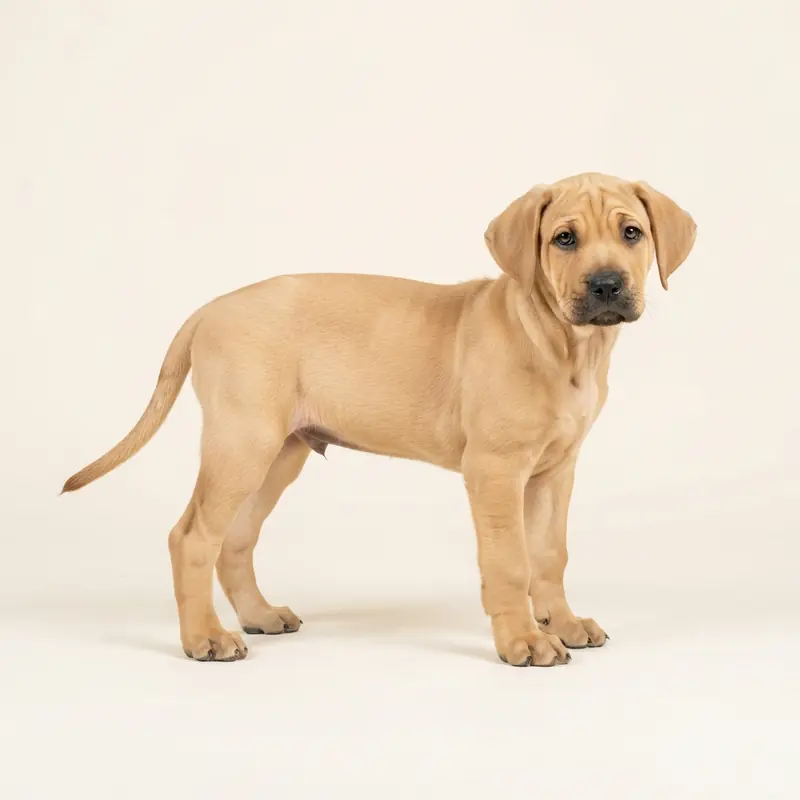 Illustrative image
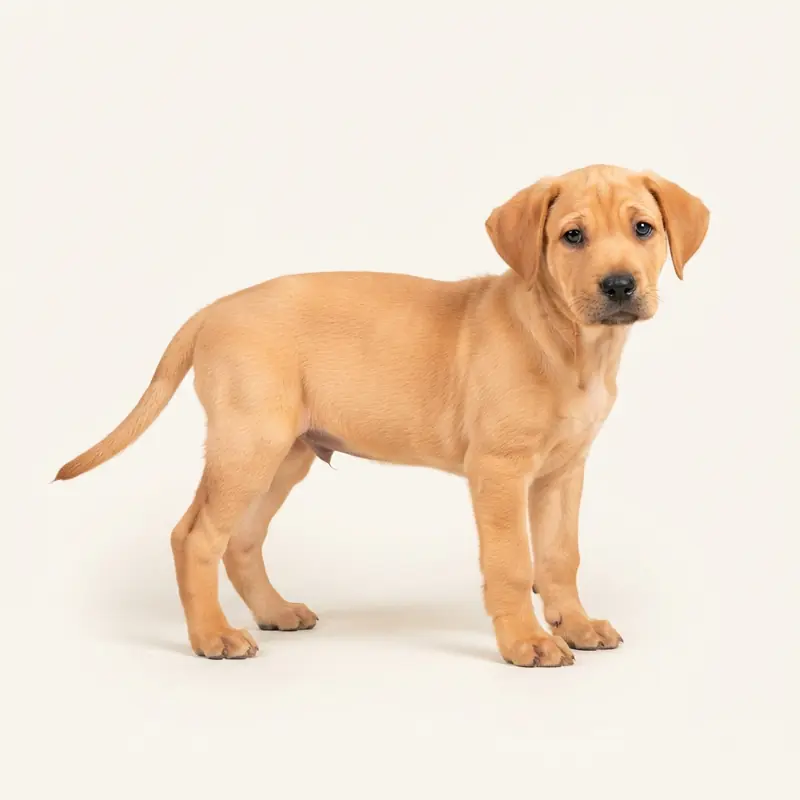 Illustrative image
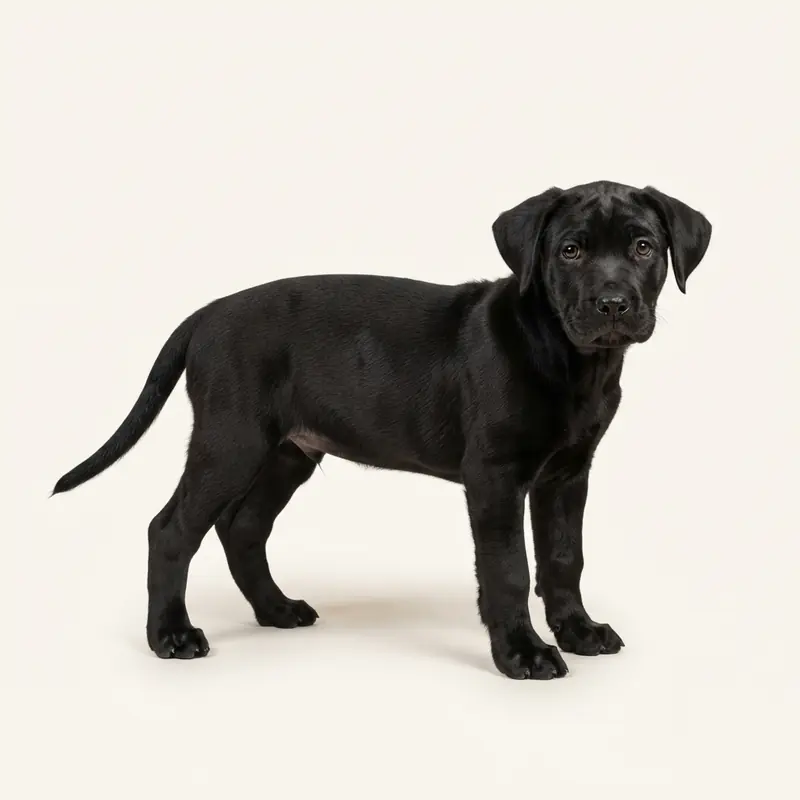 Illustrative image
History
The full history
The Tosa, often referred to as the Tosa Inu, originates from the former Japanese province of Tosa, now known as Kōchi Prefecture on the island of Shikoku. Deliberate breeding of the race began in the second half of the 19th century, around 1870. The primary breeding goal was to create an invincible fighting dog for traditional Japanese dog fighting. To make the native, medium-sized Shikoku-type dogs more massive and formidable, breeders began crossing them with imported Western breeds. According to the FCI standard, Bulldogs and Mastiffs were primarily introduced starting in 1872, followed later by Pointers, Great Danes, and to a lesser extent, Saint Bernards and Bull Terriers. The German Shepherd, however, played no role in the development of the Tosa. These crosses resulted in an imposing, heavy molosser, whose weight and size in Western bloodlines can significantly exceed the Japanese minimum standards today. Unlike the six original Japanese Spitz breeds, the so-called Nihon Ken, the Tosa was never declared a Japanese natural monument. Today, the breed is kept sporadically worldwide as an impressive guard and companion dog, though it is subject to strict ownership regulations or breed-specific legislation in many countries due to its history as a fighting dog.
Original Use
The Tosa was originally bred for dog fighting in Japan and later employed as a guard dog.
Origin
Japan
Date
1870
Owner experiences
What owners say about the Tosa
Dana S., Halterin aus Hessen (Rüde, 9 Jahre)
Nintay ist jetzt über 9 Jahre alt und für uns der absolute Traum-Familienhund. Er liebt unsere Kinder abgöttisch und ist im Haus die Ruhe selbst. Man muss aber wissen: Ein Tosa adoptiert seine Menschen. Wenn er dich einmal in sein Herz geschlossen hat, ist es eine Liebe fürs Leben. Er lässt dann wirklich alles mit sich machen und ist unglaublich geduldig.
Allerdings darf man seine Kraft und seinen Stolz nicht unterschätzen. Er ist ein sehr dominanter Rüde, der mental und körperlich eine starke Führung braucht. Anderen, fremden Hunden gegenüber ist er leider überhaupt nicht verträglich. Hunde von Freunden akzeptiert er nach einer Weile in seinem 'Rudel', aber entspannte Hundebegegnungen beim Spaziergang sind mit so einem Koloss Arbeit. Man muss ihm kräftemäßig einfach gewachsen sein.
Stefan M., Halter aus Sachsen (Rüde, seit 2014)
Als wir uns für unseren Tosa-Welpen entschieden haben, war uns klar, dass die Sozialisierung oberste Priorität hat. Wir waren in der Welpenschule und haben ihn früh an alles gewöhnt. Trotzdem muss man ehrlich sein: Nur weil man den Hund als Welpen gut sozialisiert, heißt das nicht, dass er später jeden fremden Hund liebt. Tosas sind oft sehr eigenwillig und behalten eine gewisse Ernsthaftigkeit.
Ein riesiges Thema bei dieser Rasse ist die Rasseliste. Wir haben das Glück, in Sachsen zu wohnen, wo der Tosa nicht auf der Liste steht, aber Reisen in andere Bundesländer oder ins Ausland (wie nach Bayern oder Dänemark) sind extrem eingeschränkt oder teils gar nicht erlaubt. Man sollte sich vor der Anschaffung ganz genau überlegen, ob man mit den gesetzlichen Auflagen und dem Misstrauen mancher Mitmenschen umgehen kann.
Sabine K., Halterin aus Nordrhein-Westfalen (Hündin, seit 2021)
Unsere Tosa-Hündin fasziniert mich jeden Tag durch ihre stoische Ruhe. Sie ist im Haus extrem unauffällig, bellt fast nie und beobachtet Fremde lieber mit einer majestätischen, gelassenen Distanz. Sie ist absolut kein hyperaktiver Hund, liebt aber ihre täglichen großen Runden im Grünen. Eine kleine Stadtwohnung wäre für so einen Riesen definitiv nichts – sie braucht ihren Platz und am besten einen gut eingezäunten Garten zum Wachen.
Die größte Herausforderung im Alltag ist ihre schiere Masse. Mit über 50 Kilo darf man diese Hunde niemals von Kindern oder älteren Menschen führen lassen. Wenn sie doch mal an der Leine zieht, weil sie etwas fixiert, muss man als Halter körperlich absolut standfest sein. Zudem mussten wir in NRW wegen der Einstufung als Listenhund einen Wesenstest ablegen und zahlen eine deutlich erhöhte Hundesteuer. Das sollte man finanziell und organisatorisch nicht unterschätzen.
Paraphrased from real owner reports
Loading owner stories
FAQ & more
Frequently asked questions about the Tosa
Is a Tosa the right dog for me?
The Tosa is an active dog that needs plenty of exercise and mental stimulation. Research the temperament, grooming needs, and space requirements before deciding.
How long does a Tosa live?
The average life expectancy of a Tosa is 10-12 years. With proper care and regular vet visits, your dog can live a long, healthy life.
How much grooming does a Tosa need?
Tosa grooming requirements include regular brushing, nail trimming, and dental care. HonestDog provides detailed grooming tips for every breed.
Is a Tosa good for families with children?
The Tosa can be a great family dog. Proper training and socialization are key. HonestDog provides family suitability information for every breed.
What colors does the Tosa come in?
The Tosa comes in these colors: Red, Fawn, Apricot, Black, Brindle.
Loading related articles
Are you a Tosa breeder?
Showcase your kennel on HonestDog and reach families searching for a responsibly bred Tosa.