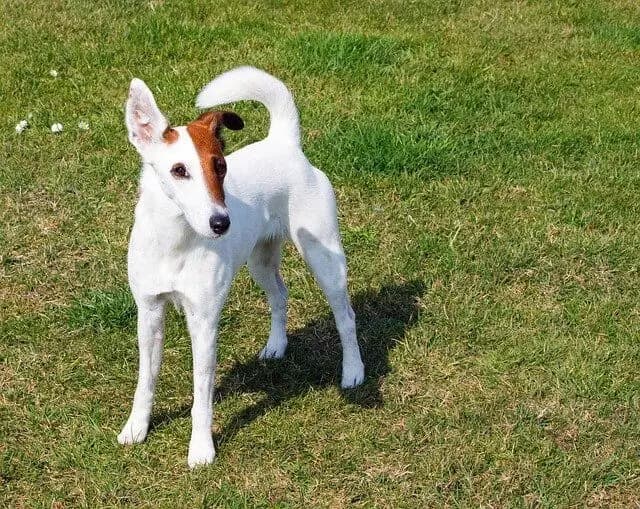
Smooth Fox TerrierClose relative
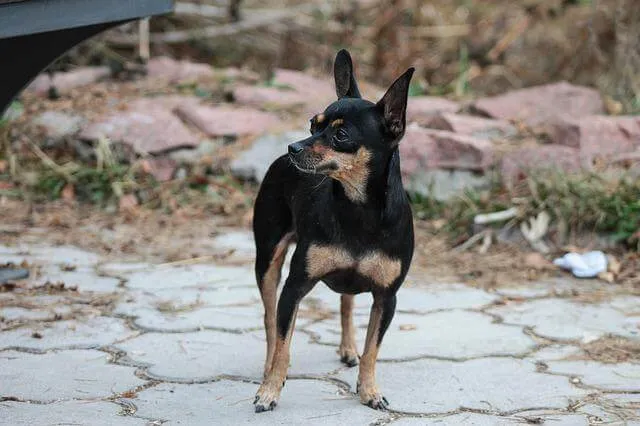
The American Toy Terrier is a lightning-fast Erdhund (earth dog) in miniature format—bred as a fearless ratter on American farms, he has never adjusted his terrier tenacity to his tiny size.
Self-check
Answer 6 quick questions about your everyday life and see how well the Toy Fox Terrier fits you — including an honest cost estimate per month, per year, and across the dog's lifetime.

At a glance
The essentials — key facts, traits, and health priorities — before you dive deeper.
Lifespan
13–15 yrs
Shoulder height
22–29 cm
Weight
2–4 kg
Practical
Temperament
Daily life
What matters most
Especially with a Toy Fox Terrier, choosing the right breeder is the single most important decision you'll make. Serious breeders consistently test the parents for inherited conditions, prioritize healthy early socialization, and stay accountable long after handover. A cheap puppy without health screening tends to become the most expensive dog later on.
See HonestDog breeder standards →Colors & coat
The coat colors that occur in the Toy Fox Terrier — including which ones fall outside the breed standard and which carry genetic risk.
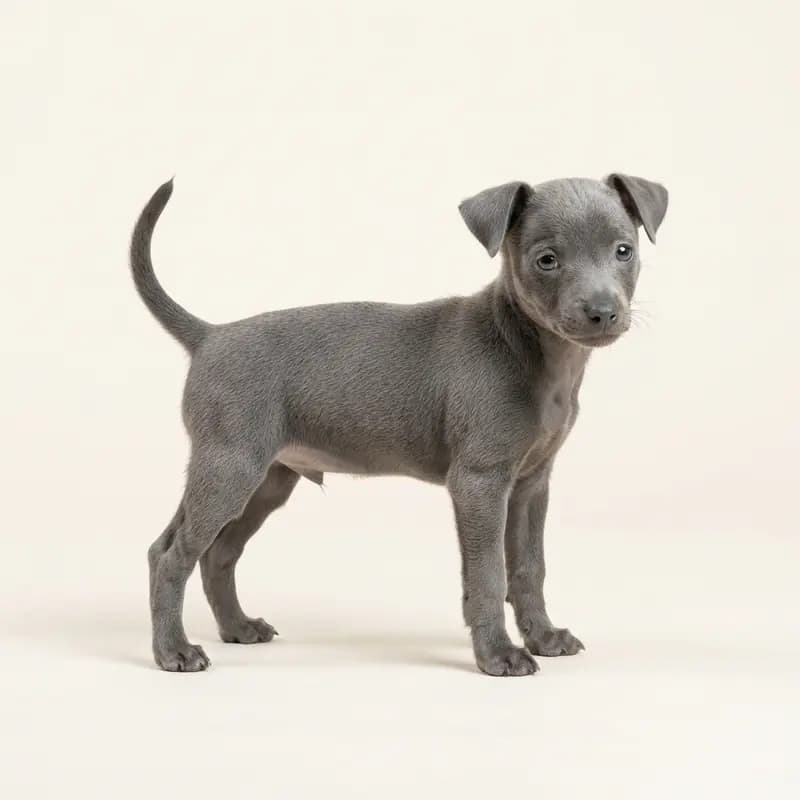
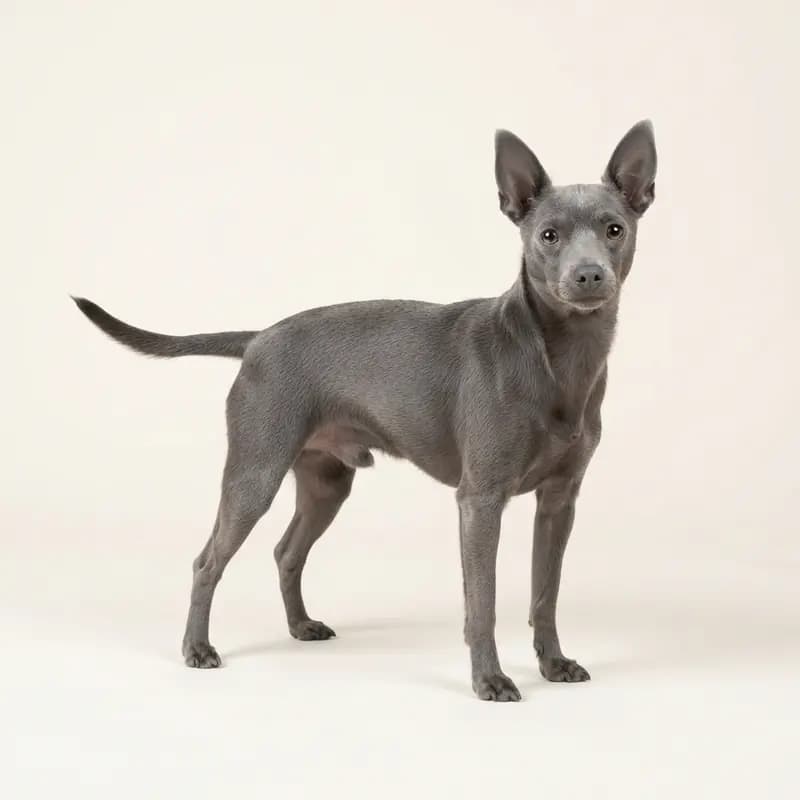
Blue and tan
Eye colors
 Brown
BrownCoat type
 Short
Short Smooth
The real vibes check
An American Toy Terrier looks in the mirror and sees a full-grown working dog who, in case of doubt, will also confront the delivery driver. He is not a handbag accessory, but a highly intelligent, responsive athlete who needs mental stimulation to avoid turning into a tyrannical yapper. If you respect his terrier seriousness, you will get the funniest and most loyal shadow you can imagine.
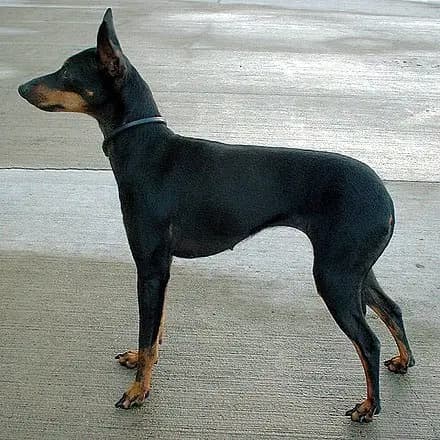
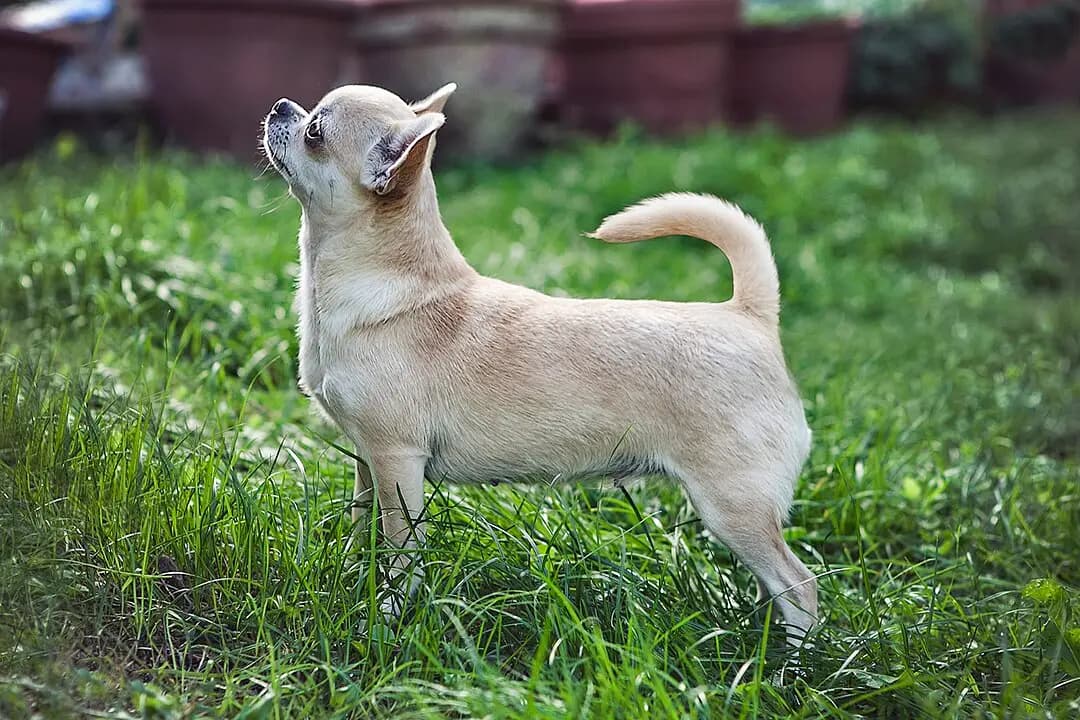
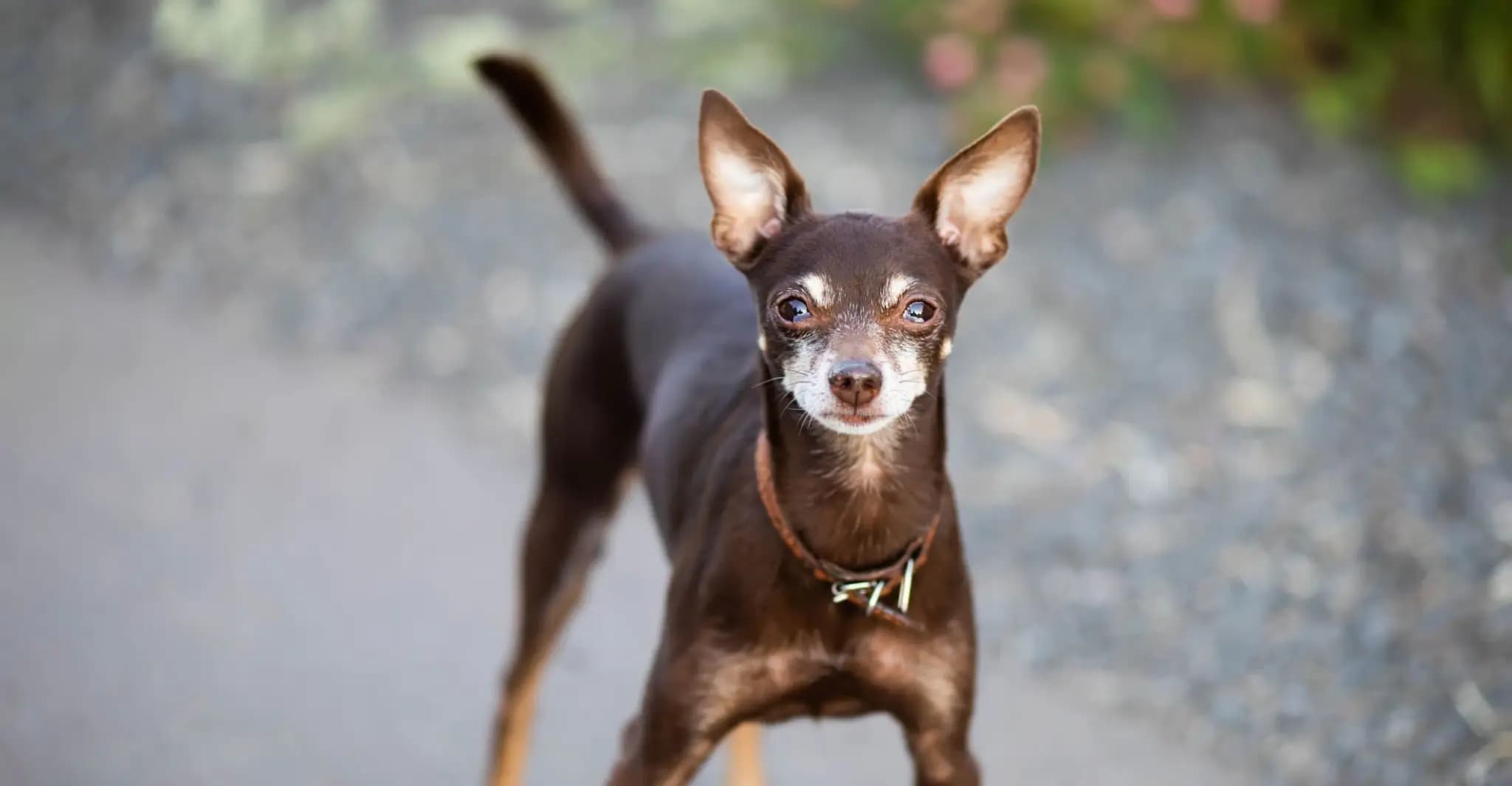
The Toy Fox Terrier, also often referred to as the "Amertoy", is a small and charming dog with plenty of personality. Despite his diminutive size, the Amertoy boasts a solid and sturdy build that underscores his strength and vitality. His ears are usually erect and his eyes bright and lively, giving his face an alert and inquisitive expression. The Amertoy is not recognized by the FCI; in his country of origin, the USA, he is listed in the Toy Group by the AKC and in the Terrier Group by the UKC. This breed exhibits a unified strain, with no distinction made between show and working lines. His size and temperament make him an ideal companion for a variety of lifestyles and environments, from city apartments to country homes. Despite their compact size, they are hardy and can do well both indoors and outdoors.
American Toy Terriers are known for their liveliness and charm. They are full of energy and love to play and interact with their people. They are very affectionate and often form strong bonds with their families. They love to be the center of attention and are often referred to as "little clowns." because they like to joke around and make their people laugh. Although they are small, American Toy Terriers have a big personality and are often surprisingly confident. They are alert and attentive and tend to react to new situations and people with curiosity and open-mindedness. These character traits make them excellent companion dogs and a lively and fun member of the family. Despite their energy and playfulness, American Toy Terriers are also capable of enjoying quiet moments. They love to cuddle on their humans' laps or curl up in a cozy corner. They can be fine on their own as long as they are not left without human company for too long. Their affectionate nature means they are happiest when they are around their people. American Toy Terriers generally do not exhibit strong hunting behavior, although due to their terrier origins they are certainly capable of chasing small prey. However, they are primarily companion dogs and their hunting instincts are usually not strong enough to be a problem. In terms of their waking behavior, although they are attentive and alert, American Toy Terriers do not tend to be excessively barking or aggressive towards strangers or other dogs. They tend to be friendly and outgoing, but they will also protect their family if they feel it is necessary. American Toy Terriers are intelligent dogs that learn quickly and enjoy being challenged. They enjoy obedience and agility training and can often learn a variety of commands and tricks. However, they are also known for their stubborn nature, meaning they sometimes need a gentle but consistent hand in training.
| Watchfulness Occasionally alerts but is fundamentally open. | Low |
| Openness to Strangers Warms up quickly and is generally welcoming. | Friendly |
| Hunting or Herding Drive Mild interest in movement and small animals — easily managed. | Low |
Fun Fact!
Despite their small size, American Toy Terriers have the heart of a big one - they are brave, fearless and full of energy!
The breed's admirers like to say, "TFTs are really a toy and a terrier." The Toy Fox Terrier is a petite, satin terrier with an amusing toy dog personality that, as the breed's lovers say, is "truly a toy and a terrier." They were originally kept as barn rats, but today they are adorable companions with big personalities.
With its small size and friendly temperament, the American Toy Terrier is ideal as a city dog. He adapts to different living conditions, including living in an apartment, as long as he gets enough exercise and mental stimulation. This small terrier usually gets along well with children if properly socialized and the children are properly trained in how to interact with dogs. However, it is always important to monitor interactions between dogs and young children. Other pets, including cats, are also usually well tolerated as long as the dog is accustomed to them from an early age.
Loves family life and thrives in a group.
Gets on well with children — with adult supervision.
Usually gets on fine with other dogs.
Small space, noise, lots of people — no problem at all.
Owning a dog is a privilege, but it's also a real responsibility. Before you bring one into your life, be honest with yourself about the commitment it takes.
American Toy Terriers are intelligent and energetic dogs that like to be challenged both mentally and physically. They enjoy various forms of training, including obedience and agility training, and they learn quickly. A consistent but loving hand in education is important to control their sometimes stubborn character. Because they learn easily and are eager to please, they can become "ball junkies." if they become too focused on games of fetch. It is therefore important to offer variety in play and training and to promote impulse control and frustration tolerance. A balanced mix of play, training, rest and loving interaction will help your American Toy Terrier lead a happy and fulfilling life.
A balanced diet that contains all the necessary nutrients is essential for the health of your American Toy Terrier. Keep in mind that this small, energetic dog may have higher calorie needs than other dogs his size. Regular, moderate feeding and healthy snacks will help keep his metabolism going and avoid weight problems. When it comes to care, the American Toy Terrier is relatively undemanding. His short coat with no undercoat sheds little and only requires occasional brushing. One advantage of this breed is that it also copes well with the German climate, although it may need additional protection in extreme cold.
| Care Level Minimal effort — occasional brushing and bathing. | Low-maintenance |
| Exercise Needs Needs 1–2 hours of real exercise daily. | Active |
| Shedding No or minimal hair loss — suitable for allergy sufferers. | No shedding |
| Trainability Picks up commands quickly and wants to please. | Eager to learn |
Our experts are still reviewing this information. Spotted something wrong? Email us at info@honestdog.de.
Solid
Health grade
The Toy Fox Terrier receives a grade of B. Although the breed carries predispositions to severe conditions such as Primary Lens Luxation (PLL), which can lead to blindness, and Spinocerebellar Ataxia (SCA), these and other risks, such as von Willebrand's Disease (vWD), can be reliably ruled out in advance via simple DNA tests. Consequently, the breed is in good health when responsibly bred.
Grade is relative to other breeds — AI-assisted and editorially reviewed.
Methodology and data: HonestDog Dog Breed Health Report 2026
What matters most for this breed
Tap any item to see details.
You should ensure joint-friendly exercise, protect the dog well in cold weather, and always bring up the topic of blood clotting before any veterinary procedures.
Reputable breeders have the knees, hips, eyes, and blood clotting of the parent animals tested and consistently refrain from breeding extremely small lines.
Note: This health overview is AI-assisted and editorially reviewed. It is for orientation only and does not replace veterinary advice.
What matters most for this breed — what's common, how much it affects the dog's life, and how to protect yourself as a buyer.
Tap a body region to see the inherited conditions linked to it.
The three most important risks
Pick a region on the map to explore other areas.
We sort tests into three tiers — from the mandatory club standard to a fully exemplary program.
Club standard. Tests that the relevant breed club (VDH / FCI / AKC parent club) requires. Any serious breeder should be able to show you these.
No entries in this tier.
Note: This health overview is AI-assisted and editorially reviewed. It is for orientation only and does not replace veterinary advice.
A Toy Fox Terrier costs around ~€150 per month (€80 – €270, depending on your setup). The first year adds up to roughly ~€4,470 including purchase, equipment and puppy school; across the dog's life (14 years) it comes to about ~€27,760.
With surgery cover, running costs come to about ~€140 per month — in return, your share of a major operation drops from several thousand euros to around 20 percent.
Per month
~€150
In the first year
~€4,470
Across the dog's life
~€27,760
Estimated purchase price from a breeder: €1,200 – €2,500
Estimate at a mid-range setup (suburban, dry food, 1–2 hours of daily exercise), average German prices, as of July 2026.
HonestDog Concierge
We currently have no breeders for this breed who have passed our verification. Create your short buyer profile: we'll set up your search alert, review a possible source and email you within 28 days.

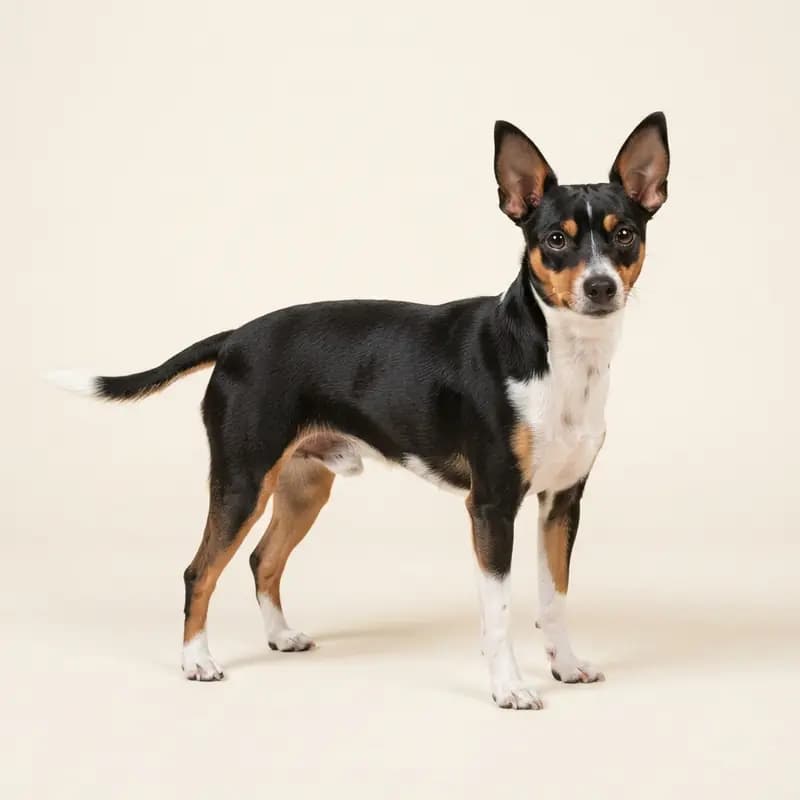 Illustrative image
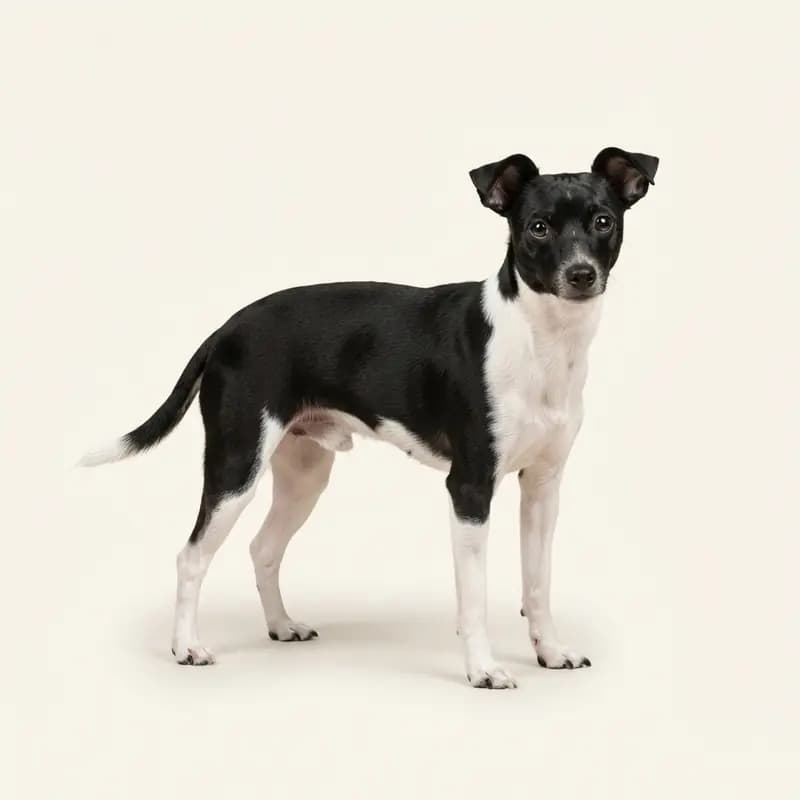 Illustrative image
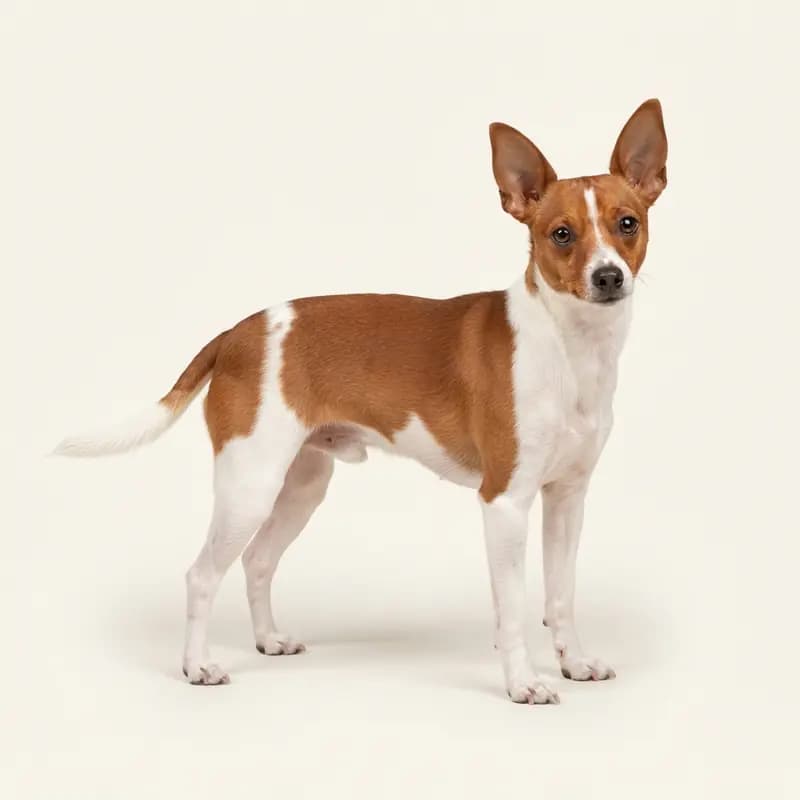 Illustrative image
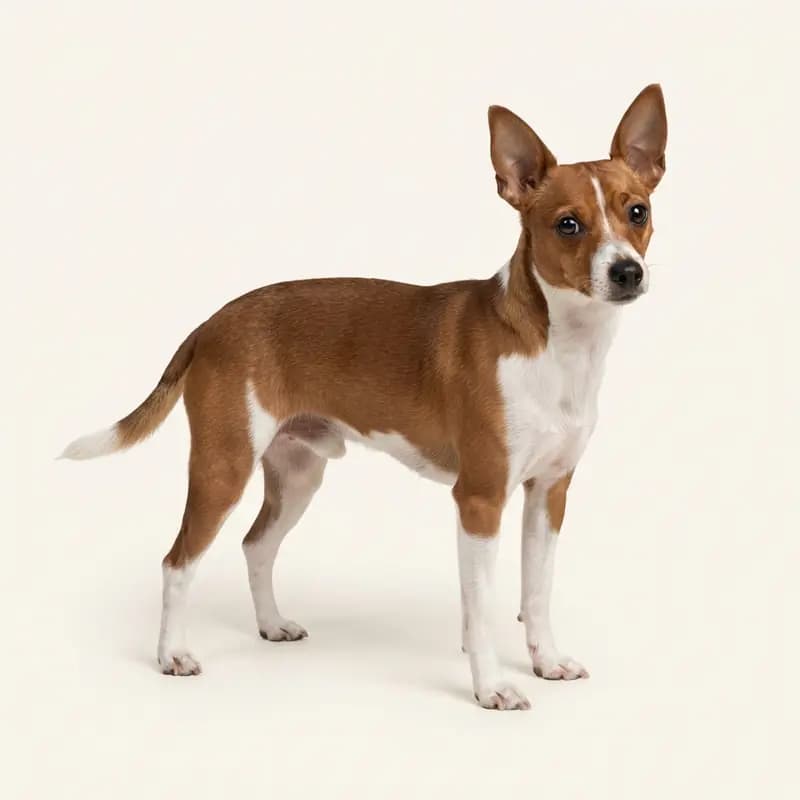 Illustrative image
The American Toy Terrier, now primarily known as the Toy Fox Terrier, originated in the United States during the early 20th century. In the 1920s, American breeders began selectively breeding the smallest Smooth Fox Terriers to create a compact yet courageous dog. To solidify their small stature and soften their temperament, other toy breeds such as the Chihuahua, Miniature Pinscher, Manchester Terrier, and Italian Greyhound were introduced over time. The original purpose of this breeding was to create an agile ratter for American farms that could also serve as an affectionate family companion. Despite its small size, the American Toy Terrier retained the typical energy and hunting instinct of its Fox Terrier ancestors. Official recognition as a distinct breed was granted by the United Kennel Club (UKC) in 1936. The American Kennel Club (AKC), however, did not formally recognize the Toy Fox Terrier until much later, in 2003. Today, it is primarily kept as an active companion dog, valued for its intelligence and lively temperament.
The American Toy Terrier, also known as the Toy Fox Terrier, was bred as a small companion dog and a hunter of vermin.
USA
1920
Many owners describe living with an American Toy Terrier (often also called the Toy Fox Terrier) as very entertaining and lively. These dogs are often experienced as affectionate, cuddly companions that love to curl up on the sofa or in a lap once the action is over. At the same time, owners stress that they are by no means mere lap dogs: they actively demand attention and regularly make their people laugh with their silly, playful ways.
Owners point out, however, that care is needed around children. With proper introduction these dogs get along well with older children, but the breed is rarely recommended for very young children because of its delicate build; careless play or being dropped can all too easily lead to injuries. Some owners also stress that the breed can tend toward territorial behavior and resource guarding (for example guarding "its" favorite person or the sofa) if clear rules aren't set from the start.
Owner accounts of training keep highlighting how quick and eager to learn this breed is. American Toy Terriers pick up tricks and commands in no time and love activities like agility or puzzle games. However, owners also unanimously report the typical "terrier stubbornness": these dogs like to question the point of an exercise and are hard to motivate through force or pressure, reacting to it with stubbornness or frustration instead.
Several owners note that consistent impulse-control training is essential. Despite their tiny size, these dogs have a noticeable interest in hunting and prey, so letting them off-leash in areas with lots of wildlife or around darting small animals isn't always easy. Owners also mention leash aggression and barking at the front door as issues that should be nipped in the bud early through confident leadership and good socialization, because otherwise these dogs are quick to try to handle situations themselves.
On health and care, most owners find this an agile and surprisingly long-lived breed that often stays fit and playful well into old age. The short coat is seen as easy-care and dirt-resistant, though owners note with a smile that the little white hairs seem to turn up on furniture and clothing all year round.
Owners see the main challenges in the breed's delicate bones. They repeatedly warn that jumping off high beds or uncontrolled collisions with bigger dogs at the dog park can quickly lead to falls and broken legs. Experienced owners also say that breeding lines should be checked for typical toy-breed problems, especially patellar luxation (kneecap problems), and that these dogs get cold in wet, chilly weather, which is why many of them rely on functional dog coats in winter.
Sources:reddit.com
Paraphrased from real owner reports · translated from German
The Toy Fox Terrier is an adaptable dog that adjusts well to various lifestyles. Research the temperament, grooming needs, and space requirements before deciding.
The average life expectancy of a Toy Fox Terrier is 13-15 years. With proper care and regular vet visits, your dog can live a long, healthy life.
Toy Fox Terrier grooming requirements include regular brushing, nail trimming, and dental care. HonestDog provides detailed grooming tips for every breed.
The Toy Fox Terrier can be a great family dog. Proper training and socialization are key. HonestDog provides family suitability information for every breed.
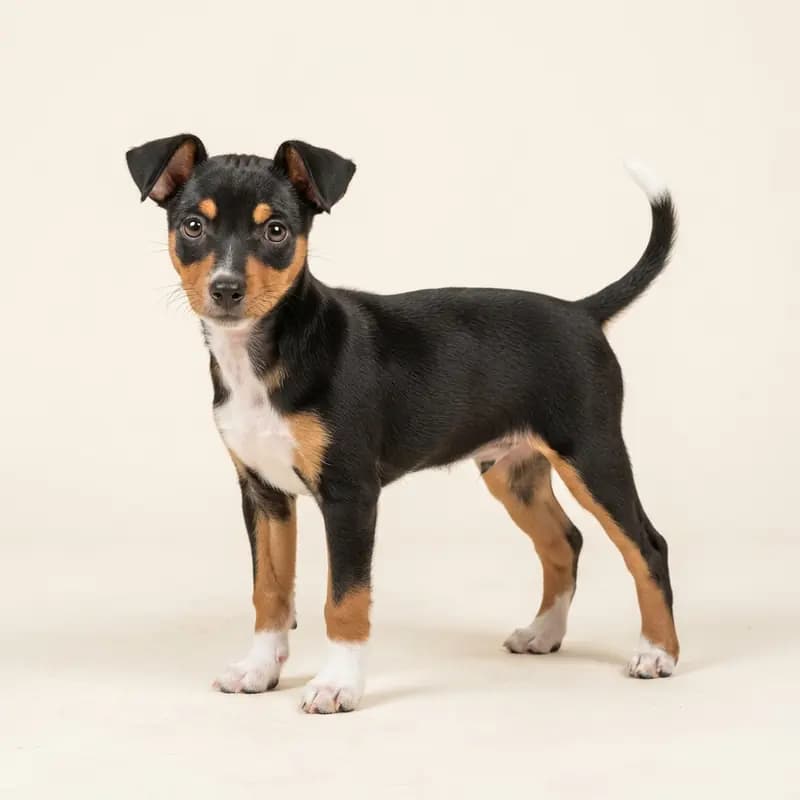
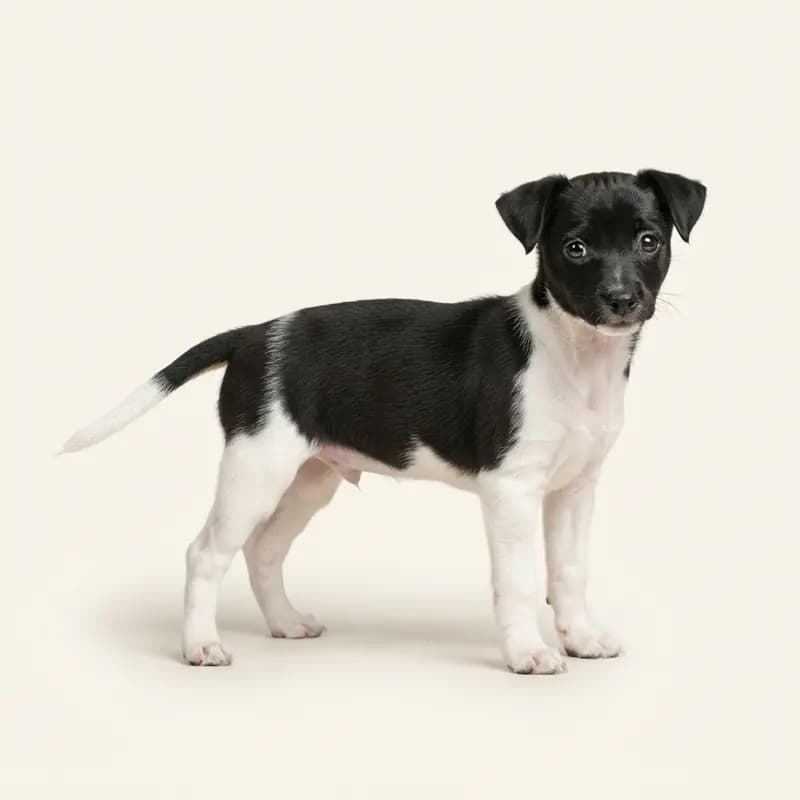
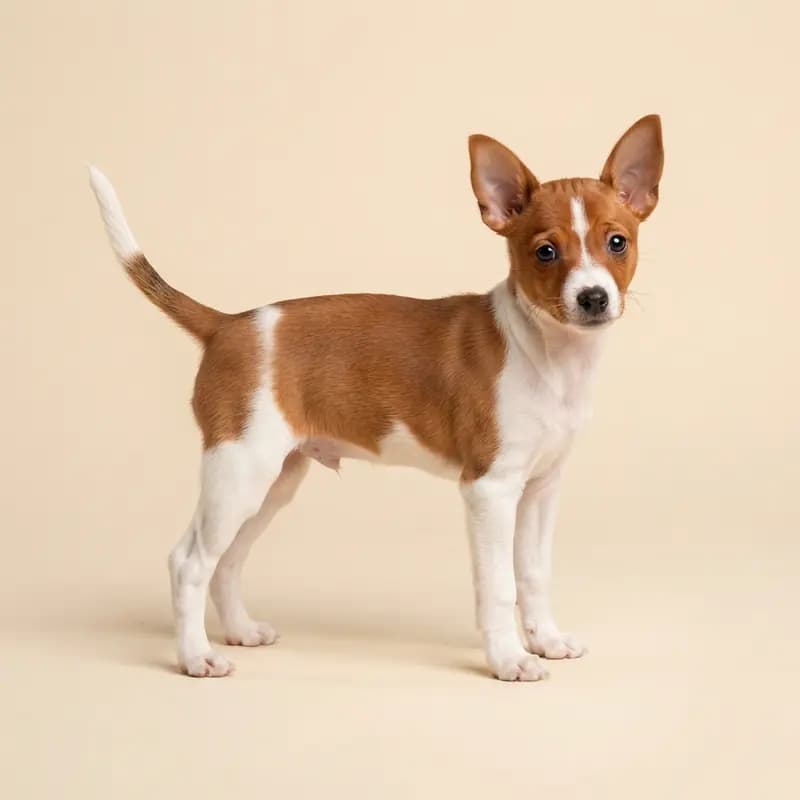
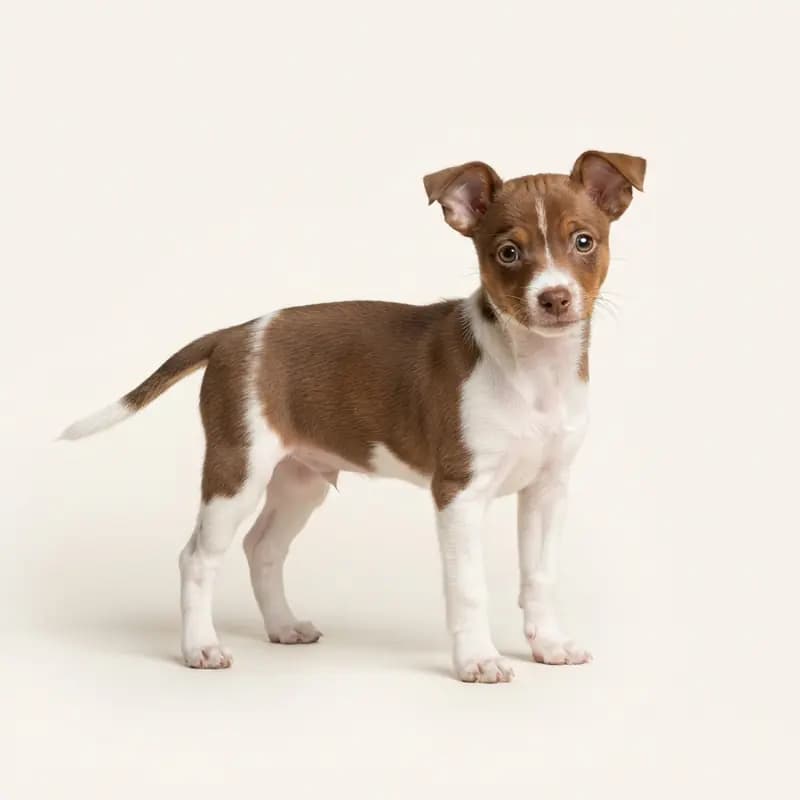
The Toy Fox Terrier comes in these colors: Tricolor, Black and white, Red and white, Brown and white, Blue, Blue and tan. Colors that fall outside the breed standard are marked as such on the breed page.
Showcase your kennel on HonestDog and reach families searching for a responsibly bred Toy Fox Terrier.