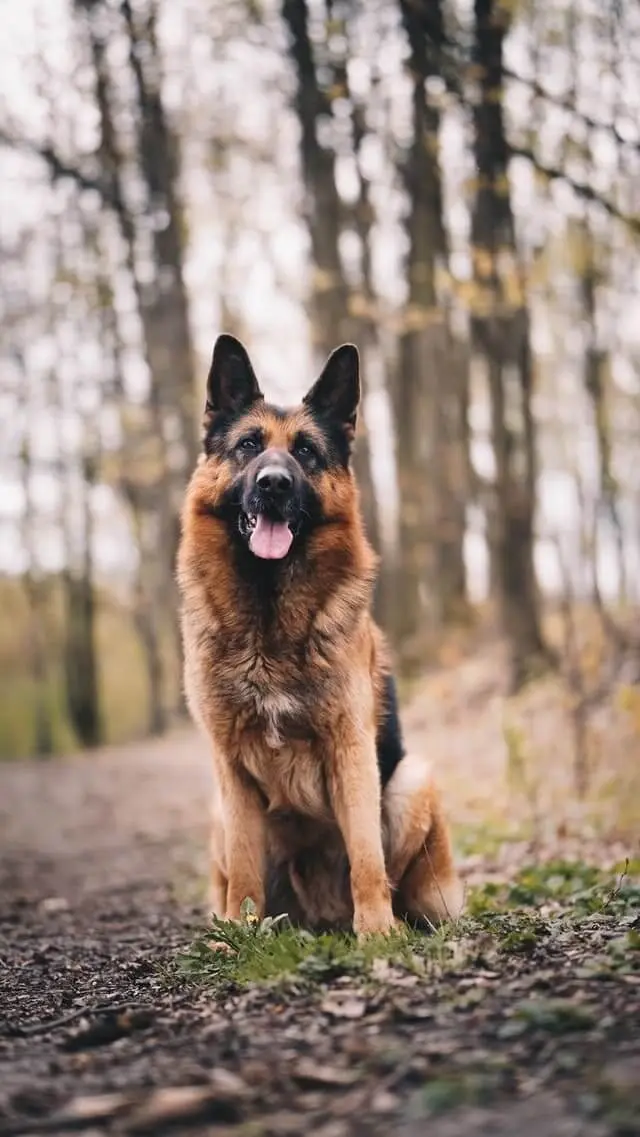
German Shepherd Temperament & Traits: Is It Right for You?
When you think of a working dog, a very specific breed often springs to mind. Hardly any other dog stands so strongly worldwide for loyalty, a strong work ethic, and versatility. Yet anyone considering bringing this breed into their life needs to take a deep look at the german shepherd temperament. A dog bred for enduring work, protection, and herding brings traits that demand clear guidance and ample engagement in modern everyday life.
Choosing this imposing canine, which weighs up to 40 kilograms, shouldn't be based solely on its looks or reputation. It's crucial to understand how the German Shepherd's personality functions in a domestic setting, what needs it has, and where potential friction points might arise.
The Core Character: More Than Just a Working Dog
Originally bred in late 19th-century Germany as a robust herding and driving dog, the breed belongs to FCI Group 1 (Sheepdogs and Cattledogs). This lineage continues to shape its behavior significantly to this day. The German Shepherd is inherently confident, courageous, and highly intelligent. It possesses a pronounced "will to please" — meaning a deep desire to work alongside its human and carry out tasks correctly.
At the same time, the German Shepherd temperament is shaped by a strong capacity for bonding. It forms a very close attachment to its primary caregiver or family and tends to instinctively guard its pack and territory. Toward strangers, it typically displays a neutral to suspicious attitude at first. It's not a dog that bounds up to every passerby with beaming joy; rather, it's one that observes and evaluates situations attentively.
The Important Distinction: Working Line vs. Show Line
Anyone seriously examining the breed will quickly realize that not all German Shepherds are alike. Over the decades, breeding has split into two main directions, which has a massive influence on character, as the Verein für Deutsche Schäferhunde (SV) e.V. emphasizes in its breed descriptions.
- The Show Line (High-bred): These dogs are bred primarily for appearance (often recognized by the sloping back line). Their temperament is often somewhat calmer and more patient by direct comparison. Even so, they remain full-fledged working dogs that require a high degree of exercise.
- The Working Line (Performance bloodline): Here, working capability takes center stage. These dogs are more muscular, often have straighter backs, and possess an immense drive. They vehemently demand mental and physical exertion. For casual pet owners without athletic ambitions, the working line is usually too demanding.
Does the German Shepherd Fit Your Life Situation?
An honest self-assessment is the most important step before getting one. With a height of 60 to 65 centimeters for males, this dog brings a physical presence that you must be equipped to handle.
Who Is the Breed Suited For?
Dogs of this breed are exceptionally well-suited for active people who have the time and desire to engage intensively with their animal. They are excellent partners for dog sports, hiking, or specialized training (such as rescue dog work or mantrailing). Anyone seeking a close, partnership-based bond with their dog and willing to invest several hours daily in exercise and training will find a loyal companion here.
For couch potatoes or people with demanding careers who want a dog that simply tags along on the side, this breed is definitely not a match. Under-stimulation quickly leads these intelligent animals to frustration, which manifests in unwanted behaviors such as excessive barking, destructiveness, or controlling behavior.
Are German Shepherds Suitable for Beginners?
Novice owners can succeed with a German Shepherd if they bring a high willingness to learn. It requires the commitment to seek professional help from the very beginning through a good dog school or club. The strong personality demands calm, confident, and absolutely consistent leadership. If you act insecurely, the Shepherd will quickly take over everyday decisions — which can lead to problems with a vigilant dog. Many German Shepherd experiences show that early socialization mistakes can later only be corrected with a great deal of effort.
The Living Situation
Although adaptable, the breed's urban suitability is on the lower side. A small apartment in the middle of a busy metropolis without direct access to green spaces is not ideal for a large, reactive, and often territorial dog. A house with a securely fenced yard in a rural or suburban environment suits its needs much better. Additionally, due to its weight and susceptibility to joint issues, constant steep stairs in daily life should be avoided.
Coexistence Within the Family and With Other Animals
Within the family, the German Shepherd shows its gentle and loyal side. Family friendliness is generally rated as high because it integrates strongly into its social structure.
Children in the Household
The breed's friendliness toward children depends heavily on socialization. A well-socialized Shepherd can make a wonderful, protective companion for children. However, young children should never be left unsupervised with such a large and powerful dog. Its herding instinct can cause it to playfully "correct" or herd running children. Furthermore, the Shepherd generally does not tolerate rough treatment. Children must be taught how to interact respectfully with the animal.
Other Pets and Conspecifics
Compatibility with other dogs is moderate. This means that with early and positive socialization during puppyhood and adolescence, they learn well to communicate with other dogs. Same-sex aggression can occur, however, particularly in unneutered males. Cats and small animals in the same household are often accepted if the dog has been accustomed to them from an early age. However, due to its prey drive, it will very likely chase unfamiliar cats outdoors.
Exercise Requirements and Mental Stimulation
The energy level of this breed reaches peak values. Simply walking around the block three times a day falls far short of what's needed. An adult, healthy German Shepherd requires at least two to three hours of active exercise daily. Yet physical exhaustion alone is not enough to keep it happy.
Trainability is exceptionally high, and this mental capacity must be utilized. Experienced owners and trainers rely on a combination of exercise and brainwork. Ideal activities include:
- Nosework: Tracking (mantrailing) or target object search exhausts the dog's mind extremely efficiently.
- Obedience training: Precise execution of commands strengthens the bond and satisfies the working drive.
- Agility: A fantastic sport for healthy dogs that combines speed and coordination.
- IGP (Working Dog Sport): The classic three-part discipline of tracking, obedience, and protection perfectly matches the breed's original traits.
With all activities, keeping an eye on health is vital. As the Federal Chamber of Veterinary Surgeons and experts in orthopaedic veterinary medicine frequently note, large dog breeds are prone to hip and elbow dysplasia (HD/ED). Training should therefore be built up moderately during the first year of life to protect the joints.
Typical Everyday Challenges
Every dog breed brings specific challenges. With the German Shepherd, these usually stem from its originally desired working traits.
The guard instinct: What is desired in a service dog can become exhausting in daily life. The dog tends to guard resources, its property, and its people. If someone rings the doorbell in the evening or approaches quickly in the dark, it will likely step forward and bark. It must learn early on that not the dog, but its human bears the responsibility for safety.
Vocalness: Shepherds like to communicate. They tend to bark, whether out of watchfulness, frustration, or play. Anyone with noise-sensitive neighbors should keep this in mind during training from the start.
Grooming and shedding: The grooming effort should not be underestimated. The dense coat with straight topcoat and strong undercoat requires regular brushing. Shedding is considerable, especially during the coat change in spring and autumn. Anyone bothered by dog hair on clothing and furniture will be put to a severe test here.
Training: Consistency Meets Sensitivity
The mistake is often made of training these dogs with excessive harshness. Yet despite their robust appearance, German Shepherds are sensitive and react strongly to their owner's moods. Unjust harshness destroys trust and the willingness to cooperate.
Instead, training should build on positive reinforcement, clear structure, and absolute predictability. If the dog notices that rules apply today one way and tomorrow another, it loses respect. A well-trained Shepherd learns relatively easily to stay home alone for a few hours as long as it has been sufficiently exercised beforehand. The foundation for a relaxed coexistence is laid in the first months of life through far-sighted habituation (getting used to environmental stimuli) and socialization.
Frequently Asked Questions (FAQ)
Is the German Shepherd inherently aggressive?
No, a breed-typical German Shepherd is sound in character, nervestrong, and good-natured. Aggressive behavior usually arises from a combination of poor breeding (weak nerves), lack of socialization, improper training, or massive under-stimulation. Its protective instinct must not be confused with unprovoked aggression.
How much exercise does a Shepherd need daily?
A healthy, adult dog needs about two to three hours of exercise per day. This should include walks, free running, and targeted training. The exact duration varies depending on age, health status, and bloodline (working or show line).
Can a German Shepherd be kept in an apartment?
It is possible, but usually not ideal. If kept in an apartment, the owner must compensate for the lack of open space with even more outdoor exercise and engagement. A yard makes daily life with this territorial breed much easier. Constant stair climbing must also be avoided.
How high-maintenance is the German Shepherd's coat?
The breed sheds year-round, and extremely so during coat-changing seasons. Daily to weekly brushing is mandatory to thin out the undercoat and keep the skin healthy. However, bathing should be done rarely to avoid destroying the skin's natural protective layer.
Choosing a German Shepherd
The character of these dogs is shaped by boundless loyalty, high intelligence, and a deep need for purpose and belonging. A German Shepherd is not a part-time dog. It demands time, commitment, and the readiness to be active in wind and weather. Whoever offers clear leadership, fair rules, and a purpose in life will receive in return a protector, partner, and reliable lifelong friend that is second to none.
If you want to dive deeper into the details, health aspects, and history of this impressive breed, we recommend taking a look at our detailed German Shepherd breed profile. There you will find all specific data and facts at a glance.
Have you come to the conclusion after careful consideration that you can do justice to this dog's nature? Then the next important step is to find a responsible breeder. At HonestDog, we place the highest value on transparency and animal welfare. If you are ready for a new family member, you can find German Shepherd puppies safely and reliably here. HonestDog carefully verifies breeders so that you and your future dog get the best possible start together.