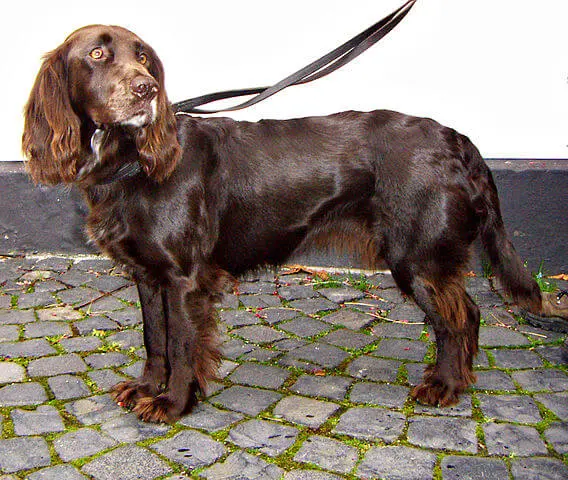
Do you dream of a dog that sticks by your side through thick and thin, loves nature just as much as you do, and relaxes faithfully by your side in the evening? If you lead an active lifestyle, you may have already stumbled upon a very special breed. The German Spaniel is a fascinating powerhouse originally bred for demanding forest hunting. But what really hides behind the shaggy, friendly facade of this hunting dog? To help you make an informed decision, this article examines the German Spaniel temperament in great detail. We will show you, without sugar-coating, what life with this passionate nature-lover really means and whether they truly fit your current living situation.
The German Spaniel temperament: Versatile, friendly, and determined
When we analyze the German Spaniel temperament as canine psychologists, three core attributes defined by the breed standard immediately stand out: they are friendly, extremely versatile, and absolutely determined when working. This dog has been selectively bred over generations to flush out game in dense undergrowth and perform excellently in water. They belong to the group of flushing dogs, retrievers, and water dogs.
What does this mean for everyday life? A German Spaniel possesses a remarkable duality in their nature. Outside in the forest, on the meadow, or by the lake, they are a bundle of energy. Their nose is glued to the ground, they scan their surroundings, and are always ready to follow a scent. Their determination shows in enormous persistence – when they have a job to do, they don't give up. This passion for work requires high frustration tolerance and plenty of stamina from the owner.
However, as soon as you close the front door and the dog has been properly exercised both physically and mentally, they show their soft side. Indoors, the German Spaniel is considered extremely gentle, affectionate, and people-oriented. They build a deep, emotional bond with their family members. It is this combination of a tireless worker outdoors and a loving family member indoors that makes this breed so unique.
The typical German Spaniel nature in everyday life
To truly understand the German Spaniel temperament, it helps to look at specific daily situations. Imagine you are on a long walk through a forest. A companion dog might trot along the path next to you in a relaxed manner. The German Spaniel, however, is mentally always "on duty." They register every game trail, every scent mark, and every rustle in the bushes. Their instinct tells them to flush.
This high reactivity to environmental stimuli means you must always be proactive in everyday life. You need a dog that orientates well to you, which is absolutely achievable with this breed through consistent training. Their intelligence and eagerness (trainability is rated 4 out of 5) make them a very teachable partner. They want to work with their humans – the technical term for this is "will to please." However, this willingness to cooperate is often linked to a clear purpose. If an exercise seems pointless to the German Spaniel, they can certainly display a certain level of stubbornness.
Further detailed information on their origin and anatomical features can be found in our comprehensive German Spaniel breed profile.
Who is this nature-lover suitable for?
Not every dog is a match for every person. As a dog psychologist, I often see problems arise when a dog's genetic needs don't align with the owner's lifestyle. Let's look at who the German Spaniel is suitable for:
- Active families: With a family-friendliness and child-friendliness rating of 4/5, the German Spaniel is a great companion for families. They are robust enough for games in the garden and love being the center of the pack. The prerequisite, however, is that parents have enough time to keep the dog well-exercised.
- Hunters and foresters: This is their true calling. In the hands of a hunter, the German Spaniel flourishes. Breed clubs often place puppies from working bloodlines exclusively with hunters to ensure species-appropriate keeping.
- Sporty singles and couples: If you spend a lot of time in nature, enjoy hiking, jogging, or dog sports, the German Spaniel can be a wonderful match for you. They often bond very closely with one or two primary caregivers.
- Dog beginners: The breed is only conditionally recommended for absolute first-time owners. The strong hunting instinct and high energy require experience in reading canine body language and timing in dog training. However, those who put in the hard work and seek professional support can overcome this hurdle.
- Seniors: Due to their enormous strength (males weigh up to 25 kg and have a lot of pulling power) and high need for exercise, the German Spaniel is generally not the best choice for elderly or physically limited individuals.
Living together: Children, other pets, and housing
Harmonious living with a German Spaniel requires the right environment. Generally, their compatibility with other dogs is excellent (4/5). During hunting, they often have to cooperate with other dogs, which is why aggressive behavior toward other dogs has been consistently bred out. They are social pack animals who enjoy canine company.
The situation is a bit more critical with other pets like cats, rabbits, or guinea pigs. Due to their genetics, the German Spaniel primarily views small, fleeing animals as prey. If they grow up with a family cat from puppyhood, they can learn to accept them as a family member. However, strange cats in the garden will inevitably be chased.
Regarding housing, the urban suitability of this breed is rated at just 2 out of 5. A German Spaniel does not belong in an apartment in the middle of a busy city. Paved streets, constant traffic noise, and a lack of open nature stress this sensitive nature-lover. A house on the outskirts of town or in the country is ideal, ideally with a securely fenced garden. They need daily, direct access to forests, fields, and water.
Need for exercise and appropriate stimulation
A dog with an energy level of 4/5 will not be satisfied with three 20-minute walks around the block. If you don't provide proper stimulation, they will find their own activities – and you won't like them (e.g., chewing furniture, excessive barking, digging up the garden).
But be careful: "Plenty of exercise" doesn't mean you have to go cycling mindlessly for hours. That only trains the dog's endurance, meaning they will soon demand even more physical activity. The key to contentment lies in mental stimulation, i.e., scent work. Here are some excellent activities for non-hunters:
- Mantrailing: Searching for missing persons is the perfect substitute for hunting. The dog learns to concentrate on a specific scent trail and work as a team with you.
- Dummy training: As an excellent retriever, the German Spaniel loves carrying food or standard dummies. This promotes impulse control and strengthens the bond.
- Tracking work: Working out an artificial track (e.g., with tripe water) in the forest is a real highlight for a German Spaniel's nose.
- Water work: As a water dog, the German Spaniel jumps into almost any body of water at any time of year. Swimming is extremely joint-friendly and makes this breed incredibly happy.
Challenges: What you must know about the German Spaniel temperament
Every breed has its quirks that can be challenging in everyday life. Let's take a realistic look at the German Spaniel temperament and potential stumbling blocks.
The biggest challenge for non-hunters is undoubtedly the hunting instinct. When a German Spaniel has the scent of game in their nose, their brain often switches into work mode. Their ears suddenly seem to stop working. A highly reliable recall, trained under maximum distraction, is vital for survival. Anti-hunting training with a specialized dog trainer is often indispensable. The VDH offers contact addresses for qualified training locations nationwide.
Another issue is their strong attachment to people. The German Spaniel is so loyal that they would prefer to be everywhere with you. Separation anxiety is not uncommon in this breed. If being left alone is not built up positively and in small steps from the very first day of puppyhood, the dog can develop enormous stress when you leave the house. They may howl, bark, or destroy objects out of pure desperation.
Furthermore, the breed has a dense undercoat (shedding 3/5, total grooming 2/5). The medium-length fur protects the dog from thorns and icy water but also brings a lot of dirt into the house. After an autumn forest walk, the dog often resembles a small mud monster. Regular brushing, especially behind the ears and on the legs (the "breeches"), is mandatory to prevent matting.
Training: Directing energy into the right channels
Training a German Spaniel requires a successful mix of loving consistency, fairness, and plenty of positive reinforcement. Harshness or even violence are taboo in dog training anyway, but with this sensitive dog, they would also permanently destroy trust.
Focus on these pillars in your training:
- Impulse control: Teach your dog from an early age to endure stimuli. They must learn that not every bird and not every falling leaf needs to be chased. Exercises for frustration tolerance ("waiting for food," "staying in a sit while the ball flies") are essential.
- Orientation to the owner: Make yourself interesting on walks. Hide behind trees, change direction abruptly. The dog should learn that it pays to always keep an eye on you instead of just scanning the environment.
- Clear rules for rest periods: A German Spaniel often doesn't have an "off" switch. You must teach them how to rest. A dog crate or a designated, quiet place in the house where no play happens helps the dog wind down.
Real German Spaniel experiences: What do owners say?
When you talk to breeders and lovers of the breed, the German Spaniel temperament is usually reflected in a very similar picture in their experiences. Owners rave about their incredible loyalty and loving nature within the family. Many emphasize how funny and playful the breed remains even in old age.
On the other hand, many non-hunters report that they underestimated the intensity of the hunting instinct at first. It often requires years of intensive long-line training before the dog can reliably run off-leash in the forest. However, those who invest this work are rewarded with a companion who is second to none in terms of loyalty and commitment. Experienced owners agree: a well-trained, exercised German Spaniel is the perfect buddy for life.
Frequently asked questions
Is the German Spaniel purely a hunting dog?
Originally and genetically: Yes. They were bred exclusively for hunting (especially flushing and water work). Today, however, they are occasionally kept as pure family and companion dogs. This only works harmoniously if their hunting drives are satisfied through alternatives like tracking, mantrailing, or dummy training.
Can the German Spaniel be left alone?
Being alone is not natural for the highly people-oriented and sociable German Spaniel, but it can be learned. A gradual approach starting in puppyhood is important. Nevertheless, this dog should not be left alone for eight hours or more regularly. They need connection to their human pack to remain mentally healthy.
How much grooming does the breed require?
The grooming effort is in the moderate range (2/5). The medium-length fur with dense undercoat should be brushed thoroughly once or twice a week to remove dead hair (shedding is average, 3/5). The floppy ears require special attention: they must be checked regularly for dirt and moisture to prevent painful ear infections.
Does the German Spaniel bark a lot?
As a flushing dog, they are "track-vocal," meaning they bark while following a trail to signal their location to the hunter. They have a powerful voice. Indoors, they are watchful and will bark briefly if strangers enter the property, but they are not notorious yappers – provided they are well exercised both mentally and physically.
Conclusion: Is the German Spaniel right for you?
The German Spaniel is an impressive, loving, and high-performing dog. Their character is marked by deep loyalty to their humans and a seemingly endless passion for working in nature. They are not a dog for couch potatoes or people who live in the middle of a big city and have little time for extensive outdoor activities.
However, if you love being outdoors in any weather, enjoy training a dog, and are prepared to properly stimulate their excellent nose, you will find a friend for life in this breed. The combination of a tender family dog and a determined working animal makes them a very special companion.
Do you feel up to the challenge and want to give such a nature-lover a loving, active home? At HonestDog, your trusted platform for safe and reputable dog placement, we support you in your search for your dream dog. Discover responsible breeders now and get to know the breed: Find German Spaniel puppies.