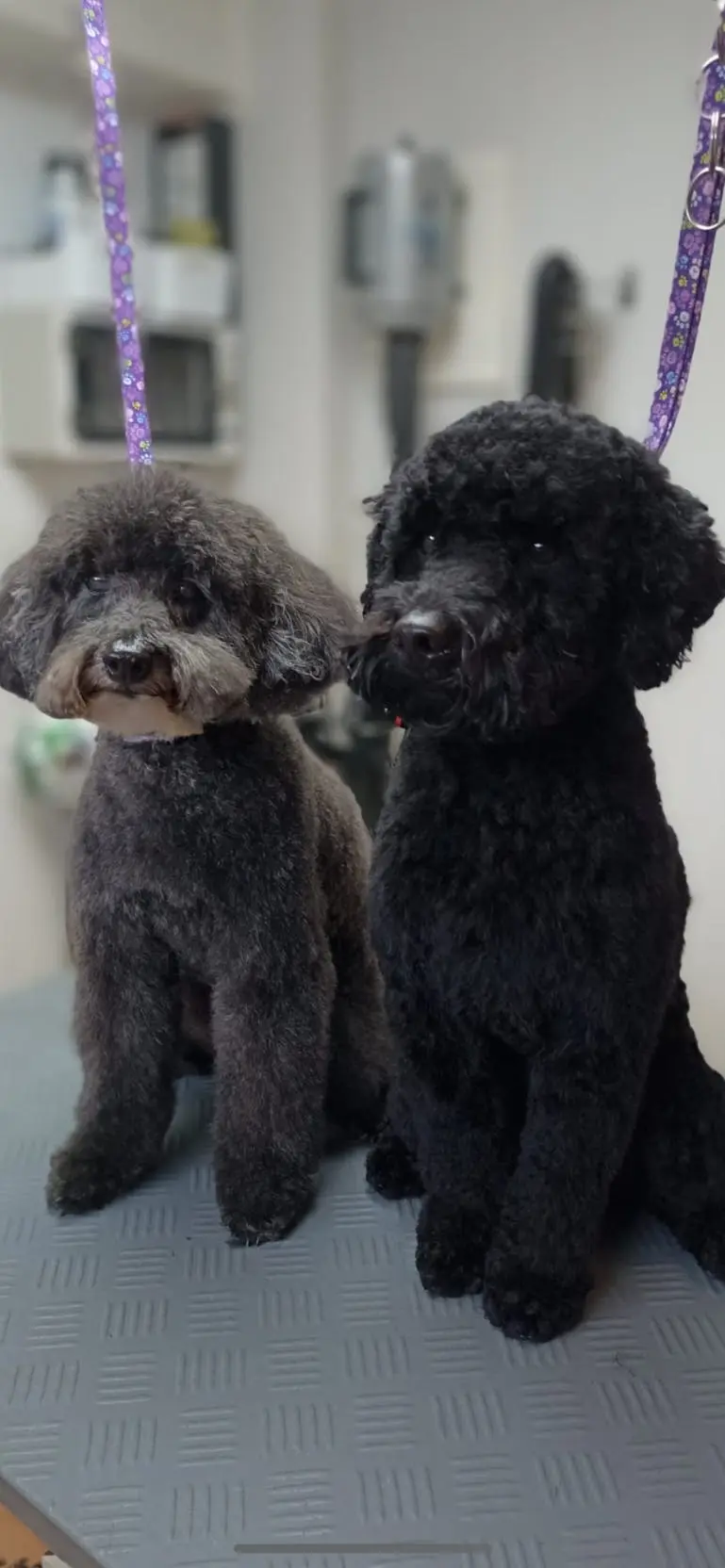
Often reduced to their elegant appearance and elaborate haircuts, those who take a closer look will discover a true all-rounder. Behind the curly facade of the Miniature Poodle lies a robust, athletic, and highly intelligent dog. Poodles originally descend from working water dogs, and this heritage is still clearly present in their blood today. Even though the Miniature Poodle is one of the smaller members of the breed with a shoulder height of 28 to 35 centimeters and a weight of 4 to 7 kilograms, they are in no way inferior to their larger relatives when it comes to stamina and cleverness.
Choosing a dog should never be based solely on looks. A harmonious life together requires that the animal's needs match your own lifestyle. In this article, we take a detailed look at the miniature poodle temperament and provide an unvarnished look at the everyday demands of this French dog breed.
The Basic Character of the Miniature Poodle: A Sharp Mind on Four Paws
To understand the miniature poodle temperament, you must first consider their enormous capacity for learning. These dogs are considered above-average in intelligence. They observe their surroundings closely, analyze household routines, and often know before their owners do that it's time for a walk. This mental alertness makes them incredibly attentive companions capable of forming a deep, almost symbiotic bond with their owner.
Despite their small size, Miniature Poodles carry themselves with considerable confidence. They are by no means skittish or overly nervous, provided they come from a reputable breeder and have been well-socialized. On the contrary, they often move through the world with a certain lightness and joy. The Miniature Poodle has a "will to please" and enjoys working with humans. At the same time, they possess a gentle, affectionate side. They appreciate extensive cuddle sessions on the sofa just as much as an active walk in the forest.
Another defining trait is their alertness. The Miniature Poodle will often promptly announce unusual noises or strangers at the door. However, they are not a classic guard dog that attacks; they generally stick to an acoustic warning. Once a visitor has entered the house and been accepted by the owner, the Poodle is usually friendly and open-minded.
The Miniature Poodle in Everyday Life: Who Is the Breed For?
The high adaptability of the Miniature Poodle makes them interesting for a variety of lifestyles. Nevertheless, there are constellations in which they particularly flourish and situations that require special attention.
Families with Children
The Miniature Poodle scores excellently in terms of family friendliness. They are playful, enjoy performing small tricks, and love being the center of family life. However, caution is advised with very small children. A dog that weighs only 5 kilograms is physically vulnerable. Children must learn at an early age how to interact with the animal respectfully, recognize when the dog needs rest, and understand that they are not a toy. If these conditions are met, the Miniature Poodle becomes a loyal and patient playmate.
Singles and Couples
For individuals or couples, the Miniature Poodle is an ideal companion. Because they bond strongly with their owners, they enjoy the undivided attention in smaller households. Their compact size makes them easy to integrate into daily life, whether on trips, visits to restaurants, or even—after proper habituation—in the office.
Seniors
The breed is also very well-suited for older, active people. The low weight is a major advantage if the dog needs to be carried or lifted onto a treatment table at the vet. Additionally, they are easy to handle on a leash. However, seniors should not underestimate the dog's urge for exercise. A Miniature Poodle is not satisfied with short walks around the block; they require daily, varied walks and mental stimulation.
Novice Owners
Thanks to their enormous willingness to learn, the Miniature Poodle forgives many beginner mistakes in training. They strive to do the right thing and are easily motivated. However, if you are a first-time dog owner choosing this breed, you should be prepared to invest time in training, a good dog school, and, above all, demanding coat maintenance.
Living Together: Apartments, City Life, and Animal Companions
Living conditions play a subordinate role for the Miniature Poodle as long as they are sufficiently exercised and occupied. They are highly suitable for city life and feel comfortable even in a high-rise apartment in an urban area. Their compact stature makes climbing stairs possible, but to protect their joints in the long term, they should be carried up if there are many flights of stairs.
An important aspect in rental apartments is the aforementioned alertness. To avoid conflicts with neighbors, their tendency to bark at noises should be channeled from the start. The dog must learn that a short bark is fine, but they can then pass the responsibility on to their human.
When it comes to living with other pets, the Miniature Poodle usually puts their best foot forward. They generally have only a moderate hunting instinct, which can be well-controlled through training. With early and positive socialization, they often form deep friendships with cats or other dogs in the household. On walks, they usually communicate clearly and prefer to avoid conflicts with other dogs.
Activity Needs and Mental Stimulation
A common misconception is that a small dog needs little exercise. The miniature poodle temperament demands regular physical and, above all, mental challenges. Their energy level is in the solid mid-range—they are not hyperactive marathon runners, but they highly value active pursuits.
Two to three hours of exercise a day, divided into several walks, should be planned. This isn't just about walking, though. Poodles want to use their nose and discover new things. Varied routes, occasional trips to the forest or a lake (many Poodles love the water) suit their nature very well.
Even more important than pure physical exhaustion is mental stimulation. An under-challenged Miniature Poodle will quickly find their own tasks—and these rarely align with the owner's wishes. This ranges from excessive guarding of the garden to destroying furniture. To avoid this, the following activities are recommended:
- Trick Dogging: Hardly any breed learns tricks as quickly as the Poodle. Practicing together strengthens the bond and mentally exhausts the dog.
- Agility: Adapted to their size, the Miniature Poodle thrives on the agility course. Their agility and speed are impressive.
- Nose Work: Whether it's target scent search, small-scale mantrailing, or simple search games in the living room—nose work is a species-appropriate and intense way to tire out the dog.
- Obedience: The attentive Poodle enjoys precise obedience, as they love to cooperate closely with their human.
Challenges and Downsides: What Is Often Underestimated
Every dog breed brings traits that can become challenges in everyday life. Those who inform themselves thoroughly can prevent frustration on both sides.
High Maintenance
The Poodle's woolly, curled coat does not undergo seasonal shedding. On one hand, this means the Miniature Poodle barely leaves hair in the home—a huge advantage for allergy sufferers and clean households. On the other hand, this coat mats extremely quickly if it is not groomed intensively. Daily brushing down to the skin is mandatory, as is the regular visit to a professional groomer (about every six to eight weeks). Further information on official grooming standards and requirements is provided by the Verband für das Deutsche Hundewesen (VDH).
Tendency toward Separation Anxiety
The Miniature Poodle builds a very intimate bond with their owners. They are a companion dog through and through and ideally want their pack around them constantly. If being left alone is not carefully trained in tiny steps from puppyhood, the breed quickly develops separation anxiety. This manifests as persistent barking, howling, or even house-soiling.
The Flip Side of Intelligence
An intelligent dog learns quickly—unfortunately, even what they shouldn't. The Miniature Poodle will shamelessly, albeit charmingly, exploit any inconsistency. They remember exactly which family member falls for their "puppy eyes" and who slips them food from the table. Clear structure and firm rules are essential to ensure the alert dog doesn't become a little tyrant.
Training Tips for the Miniature Poodle
Training a Miniature Poodle is generally a rewarding task, but it requires the right amount of consistency and sensitivity. Harshness, shouting, or physical correction are completely out of place with this sensitive breed and will permanently destroy trust.
The key to success lies in positive reinforcement. As the Bundestierärztekammer emphasizes in their recommendations for dog-friendly handling, reward-based training leads to the most reliable and lasting results. The Miniature Poodle reacts excellently to praise, joyful play, or small food rewards. Since they grasp things quickly, few repetitions are often enough for a command to stick. To avoid monotony, training sessions should be kept short but varied.
Special attention should be paid to early socialization. To ensure the dog remains calm around environmental stimuli, large dogs, and crowds later in life, they must be gently introduced to these things in their first months. Attending a well-run puppy playgroup and later an obedience course with a competent trainer provides the best foundation. Those seeking deeper insights into the breed can find numerous contacts and breed experts at the Deutscher Pudel-Klub e.V. (DPK).
Miniature Poodle Experiences: What Owners Report in Practice
When searching for authentic miniature poodle temperament experiences, you will come across many positive reports that praise the breed's versatility. Many owners are initially surprised at how athletic and enduring their small dog actually is. Hikes of ten kilometers and more are rarely a problem for a trained Miniature Poodle.
Owners often highlight how pleasant the lack of a typical "doggy odor" and the absence of shedding are in everyday life. At the same time, owners report a steep learning curve regarding coat care. Many initially underestimate the costs and time required for regular grooming and daily maintenance.
The strong focus on people is also frequently discussed in practice reports. Miniature Poodles often rarely leave their owners' side in the house, which many feel is very intimate, while others initially perceive it as clingy or even intrusive. Here, it is important to establish clear rest phases and spatial boundaries from the beginning so the dog learns to switch off mentally even when their humans are present.
Frequently Asked Questions (FAQ)
Is a Miniature Poodle a yapper?
Generally, the Miniature Poodle tends to observe their surroundings attentively and report anomalies by barking. However, they are not a classic "yapper" that barks for hours for no reason. With consistent training and sufficient mental stimulation, their barking behavior can be very well controlled. Boredom or frustration, however, significantly increase the tendency to bark.
Can a Miniature Poodle be left alone?
Since the Miniature Poodle is very people-oriented, being alone comes naturally hard to them. However, it is certainly possible to leave them alone for a few hours (about 3 to 4 hours) if this behavior has been developed from puppyhood in tiny, positive, and stress-free steps. For people who work full-time and cannot take the dog with them, the breed is not suitable without external care solutions.
How much exercise does a Miniature Poodle need?
Despite their small size, the Miniature Poodle requires regular, active movement. About two hours of walking distributed throughout the day is a good guideline. However, the quality of the walk is important: just walking along on a short leash does not tire them out. They need off-leash time, the opportunity to sniff extensively, and small training sessions or search games during the walk.
Is the Miniature Poodle suitable for allergy sufferers?
The Miniature Poodle is considered a hypoallergenic dog because they do not undergo seasonal shedding and barely lose hair. Many people who are allergic to dog hair (or the dander and saliva proteins) show no symptoms with Poodles. However, there is no absolute guarantee. Interested parties should definitely spend time with their potential new family member beforehand to rule out individual allergic reactions.
Are you considering giving a Miniature Poodle a home?
The Miniature Poodle is much more than just a fashionable accessory. They are a characterful, intelligent, and loyal companion who will enrich the lives of their owners with plenty of charm and joy. If you are ready to invest the time for their mental stimulation, don't shy away from intensive grooming, and are looking for a close, reliable partner by your side, this breed could be the perfect choice for you.
A life expectancy of 12 to 17 years shows that getting a Miniature Poodle is a long-term commitment. Inform yourself thoroughly about all facets of the breed before making a decision. Before taking the next step, we recommend that you read all important details in our Miniature Poodle breed profile at your leisure.
If you are sure that this clever, curly-headed dog fits into your life, choosing the right breeder is crucial. Health, temperament, and loving rearing lay the foundation for a long, happy dog life. At HonestDog, we help you find reputable breeders. You can find responsibly raised Miniature Poodle puppies here and lay the foundation for a wonderful friendship.