Norfolk Terrier temperament: Is this breed right for you?
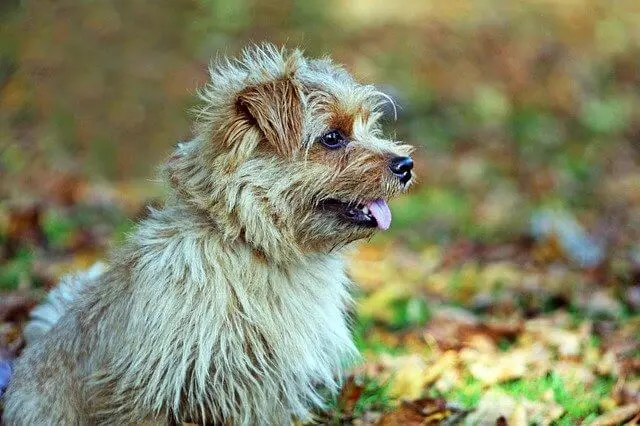
Anyone meeting a Norfolk Terrier for the first time usually just sees a small, scruffy dog with folded ears. Yet, hidden behind a compact frame of about 10 inches at the shoulder and weighing roughly 11 to 13 pounds lies a robust, self-confident working dog. The Norfolk Terrier wasn't bred as a lapdog; it had a clear purpose in East Anglia, England: keeping farms and stables free of rats and mice. This history significantly shapes the Norfolk Terrier temperament to this day. If you're considering sharing your life with one of these charming four-legged friends, it's essential to fully understand their breed-typical traits.
Core Personality: A big personality in a small package
The essence of the Norfolk Terrier is defined by a blend of courage, independence, and a strong bond with their humans. Unlike some other small dog breeds, the Norfolk Terrier rarely realizes just how small he actually is. He meets the world with fearlessness and an open heart.
Confident, brave, and affectionate
In everyday life, the Norfolk Terrier temperament shines through a cheerful and perpetually attentive attitude. He loves being part of the action and watches his surroundings closely. He is by no means nervous or skittish. On the contrary, his mental toughness makes him a reliable companion in various situations. With his family, he is extremely affectionate and cuddly. He deeply values physical proximity to his people without giving up his independence entirely. When the doorbell rings, he will alert you with vigilance, but usually retreats in a friendly manner once he has inspected the guest.
Prey drive in everyday life
A key aspect of the Norfolk Terrier temperament that should not be underestimated is his prey drive. He is a former rat hunter. This heritage often surfaces during walks along the edge of the woods or in the park. Rustling leaves, darting squirrels, or a mouse hole magically grab his attention. He is naturally curious and adventurous. These traits require you to be a proactive leader while out on walks. An abrupt change of direction toward the undergrowth is a classic Norfolk Terrier experience that owners report regularly.
Who is the Norfolk Terrier suited for?
Deciding on a dog breed should always depend on your personal life situation and expectations. The Norfolk Terrier is adaptable but makes certain baseline demands of his humans.
Families and children
The Norfolk Terrier feels right at home in a family. He is considered very family-friendly and robust in his interactions with children. Since he enjoys playing and brings plenty of energy to shared activities, he is a great companion for growing children. However, it is crucial that children learn to interact with dogs respectfully. The terrier is not a stuffed animal that tolerates everything. When he needs rest, he must have an undisturbed place to retreat to. Once these ground rules are established, nothing stands in the way of a harmonious relationship.
Singles, couples, and seniors
He is also an excellent partner for singles or couples. He loves to accompany his humans on hikes, while traveling, or during a cozy afternoon on the sofa. For active seniors who love spending time in nature, the Norfolk Terrier temperament is also a great fit. While he requires regular exercise, he doesn't have the extreme endurance demands of a large running dog.
Beginner dogs? Trainability
Generally, the Norfolk Terrier can be kept by dedicated dog novices. His trainability is often rated as very good. He is intelligent and learns quickly. However, the terrier character requires a healthy dose of consistency. He will cleverly exploit inconsistent behavior to make his own decisions. Beginners should therefore be ready to set clear rules from the start and, ideally, attend a competent dog training school.
Coexistence and living situation
The spatial requirements of a Norfolk Terrier are manageable. The quality of the time you spend together is much more important than the size of your living space.
City dog or country life?
Due to his compact size and adaptability, the Norfolk Terrier is very well-suited for apartment living, even in the city. He is not a notorious barker, which helps prevent trouble with neighbors. Nevertheless, urban life must be balanced out with long walks in nature where he is allowed to sniff and dig. A house with a fenced-in garden is, of course, a dream for any terrier, but not a mandatory requirement for a species-appropriate life, provided he gets his daily exercise.
Compatibility with other dogs and pets
When meeting other dogs, the Norfolk Terrier is usually unafraid. Good early socialization during puppyhood and adolescence is essential so he learns to correctly interpret dog communication and avoids getting into conflicts with larger dogs due to overconfidence. Special caution is advised with small pets. Rabbits, guinea pigs, or hamsters in the same household will inevitably trigger his hunting instinct. Even with strict separation, the presence of "prey" often means great stress for all animals involved. Life with cats can work if the terrier was carefully accustomed to them from puppyhood and the cat is used to dogs.
Exercise needs and mental stimulation
A dog bred for endurance work won't be satisfied with three ten-minute walks around the block. The Norfolk Terrier temperament demands both physical and, more importantly, mental activity.
Physical activity
Despite his short legs, this dog is an enduring runner. Two to three hours of exercise a day in a varied environment should be part of the schedule. He loves roaming through uneven terrain. Many Norfolk Terriers also enjoy swimming or accompanying their owners (at a moderate pace) on a bike. It's important that walks consist of more than just boring distance-tracking and allow the dog time to follow his natural curiosity.
Mental stimulation
Physical exhaustion alone is often not enough to make a terrier balanced. Mental work is the key to a relaxed dog. The following activities suit the Norfolk Terrier temperament particularly well:
- Nose work and tracking: Since his ancestors relied on their sense of smell, he loves all kinds of scent games. Whether it's finding treats in the grass, target odor searches (ZOS), or basic mantrailing – he can fully live out his talents here.
- Retrieving: The passion for balls or dummies is strongly developed in many representatives of the breed. This is excellent for training impulse control.
- Digging box: If you have a garden, set up a corner for the dog where he is allowed to dig legally. This satisfies his innate urge to hunt for mice and keeps your flower beds intact.
Challenges of the Norfolk Terrier temperament
Every breed has traits that can be exhausting at times. To truly understand the Norfolk Terrier character, you must also be aware of these sides.
Terrier stubbornness and independence
Terriers were bred to make independent decisions in fox or badger setts (or rat holes). There was no human there to call out commands. This independence often manifests today as what we mistakenly call "stubbornness." A Norfolk Terrier will sometimes weigh whether it is worth his while to follow a command immediately. Blind, robotic obedience is foreign to him. If you expect your dog to react like a machine to every command in every situation, you won't be happy with the Norfolk Terrier temperament. He requires humor, patience, and convincing arguments (often in the form of high-value rewards).
Off-leash time
Due to the aforementioned prey drive, reliable off-leash freedom in areas with lots of wildlife can be a challenge. Excellent recall and training the emergency stop signal (impulse control) must be practiced from day one. For many Norfolk Terriers, a long line remains the safest choice in complex terrain or forests to avoid disappointment and danger.
Training tips for the little Englishman
Training a Norfolk Terrier should be based on mutual trust, fairness, and positive reinforcement. Harshness or shouting usually doesn't impress this fearless dog at all—on the contrary, it only makes him dull or leads to avoidance behavior.
Take advantage of his eagerness to learn by keeping training steps small and varied. Endless repetitions of the same exercise will quickly bore him. Experienced trainers recommend channeling the prey drive into regulated activities rather than trying to suppress it completely. A controlled game with a tug toy or dummy often rewards the dog more than a simple treat. You can also find detailed information on the history and breed standards at the Klub für Terrier e.V. (KfT), which sets serious guidelines for breeding this race in Germany.
If you want to delve even deeper into all the data, facts, and grooming aspects (such as the regular stripping of the wiry coat), be sure to read our detailed Norfolk Terrier breed profile. There, you will also find all relevant health aspects as recommended by veterinary institutions for maintaining health.
Frequently Asked Questions (FAQ) about the Norfolk Terrier temperament
Is the Norfolk Terrier a yapper?
No, by breed standards, he is not one of the extremely bark-prone dogs. While he is alert and will report unusual noises or visitors with a short bark, he does not tend to engage in constant, baseless yapping if he is properly stimulated. A constantly barking Norfolk Terrier is usually a sign of under-stimulation, boredom, or separation anxiety.
Can you leave a Norfolk Terrier alone?
Generally yes, provided it was carefully built up during puppyhood. The Norfolk Terrier temperament is very human-oriented, but with enough training, he will accept being left alone for a few hours (about four to five hours at a time). The prerequisite is that he has been well-exercised beforehand and has had the chance to relieve himself. Ideally, he should spend this time sleeping.
How does the wiry coat affect daily life?
The Norfolk Terrier's coat consists of a hard, wiry topcoat with a dense undercoat. He sheds moderately. To maintain the coat structure and skin health, the coat must not be clipped; it must be professionally stripped (dead hair plucked out) two to three times a year. If the coat is regularly brushed and stripped, he loses surprisingly little hair in everyday life, which makes home care very pleasant.
What is the difference from the Norwich Terrier?
Visually and characteristically, both breeds are extremely similar, as they were long considered one breed with two ear varieties. The main visible difference is the ears: the Norfolk Terrier has folded ears that fall forward, while the Norwich Terrier has pricked, pointed ears. In terms of character, breed experts often report that the Norfolk Terrier seems a touch calmer and more grounded, while the Norwich Terrier can be a tad more "bubbly." At heart, however, both share the typical brave and lovable terrier essence.
The path to the perfect companion
The Norfolk Terrier temperament is a wonderful blend of compactness, robustness, and a big heart. He is a dog for people who love nature, enjoy being active, and can take the little quirks of a terrier with a smile. If you offer him consistent, loving leadership and satisfy his need for nose work and movement, you will gain a loyal companion for up to 15 years. The investment in a healthy puppy from responsible breeding typically ranges between 1,800 and 3,500 euros.
If you feel that the essence of this little, brave Englishman perfectly matches your lifestyle, it is time to start searching for reputable breeders. Transparency, the health of the parent animals, and a good environment are the most important criteria for a calm family dog. Trustworthy and verified breeders who pay attention to these breed characteristics with great attention to detail will help you find the perfect four-legged partner. Take your time looking around and discover healthy Norfolk Terrier puppies to soon enrich your life with a temperament-stable and well-socialized companion.