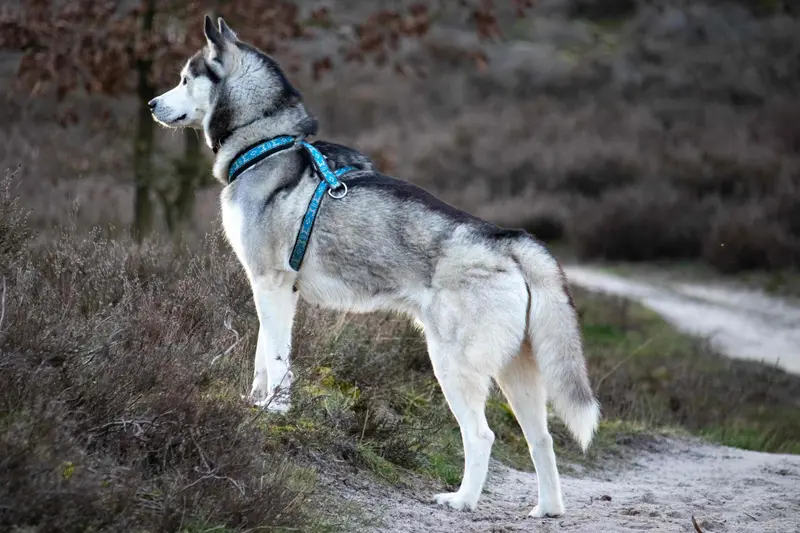
Siberian Husky Health Issues: Diseases & Care at a Glance
The Siberian Husky is generally considered a robust, resilient dog breed. Its historical roots as an enduring sled dog in the arctic northeast of Siberia continue to shape its physical constitution to this day. Nevertheless, this breed has specific health dispositions and genetically linked conditions that owners and prospective buyers should know about. Proactive care, proper nutrition, and regular preventive check-ups lay the foundation for a long and active canine life.
General Health and Siberian Husky Life Expectancy
The average Siberian Husky life expectancy typically ranges between 12 and 15 years. Compared to similarly sized breeds, these medium-to-large Northern dogs often reach a quite advanced age. The Husky's physique is built for maximum energy efficiency and endurance. It possesses a sophisticated cardiovascular system and a metabolism that utilizes nutrients extremely efficiently.
However, their high performance capacity occasionally leads to the assumption that Siberian Huskies are completely immune to illness. As with all purebreds, there are hereditary risks. Anyone who recognizes signs early and takes preventive measures can secure their dog's quality of life well into old age.
Typical Siberian Husky Health Issues: Understanding Genetic Risks
When examining siberian husky health issues, eye diseases and metabolic disorders take center stage. While joint conditions like hip dysplasia are statistically less common in this breed than in other dogs of comparable size, the eyes and skin require special attention.
1. Eye Conditions (Ocular Disorders)
Eye conditions represent the most common group of genetically linked health limitations in the Siberian Husky. The best-known forms include:
- Cataracts: Juvenile or hereditary cataracts usually appear at an early age (between roughly 6 and 18 months). They involve a clouding of the lens that, if left untreated, can lead to blindness. Early diagnosis by a veterinary ophthalmologist often allows for surgical lens removal.
- Progressive Retinal Atrophy (PRA): This is a slowly progressing degeneration of the retinal cells. In the Husky, X-linked PRA (XLPRA)—which primarily affects males—is particularly well-known. Initial signs are usually night vision loss before daytime vision also deteriorates. PRA is incurable, but it can be genetically tested in parent dogs.
- Corneal Dystrophy: This condition manifests as cloudiness or fat deposits in the cornea. It typically appears in middle age, is painless in most cases, and rarely leads to total vision loss.
2. Zinc-Responsive Dermatosis (Metabolic Skin Disease)
A breed-specific peculiarity is zinc-responsive dermatosis. With this metabolic disorder, the Husky's small intestine wall is genetically unable to absorb sufficient zinc from food. High-fiber or high-calcium diets can further inhibit zinc absorption.
Symptoms typically appear as scaly, crusty skin lesions, hair loss, and redness—especially around the eyes, muzzle, ears, and paw pads. Diagnosis is made through clinical examinations with a Siberian Husky veterinarian. Once identified, the condition can usually be well-controlled through lifelong targeted zinc supplementation.
3. Musculoskeletal System: Hip Dysplasia (HD)
Although the breed shows a relatively low HD prevalence compared to other working and utility dogs, hip dysplasia remains a topic of consideration. In this condition, the femoral head does not fit optimally into the hip socket, leading to painful osteoarthritis in the long run. VDH-regulated breed clubs therefore strictly mandate hip X-rays prior to breeding.
4. Hypothyroidism (Underactive Thyroid)
With hypothyroidism, the thyroid gland produces too few hormones, slowing down the entire metabolism. Affected dogs often seem sluggish, gain weight despite normal feeding, tend to be sensitive to cold, and show a dull coat or hair loss. Diagnosis is straightforward via a blood test, and administering synthetic thyroid hormones usually brings quick relief.
Prevention and Examinations at the Siberian Husky Veterinarian
A structured preventive plan helps detect health risks early. Experienced veterinarians recommend the following interval examinations for the Siberian Husky:
- Annual Health Check: General physical examination, listening to the heart and lungs, checking teeth, ears, and claws.
- Eye Examination (DOK): Breeding dogs and vulnerable animals should be regularly examined by a specialist certified by the Dortmund Circle (DOK) or a comparable veterinary ophthalmology association.
- Blood Panel & Thyroid Levels: From middle age (approx. 5 to 6 years), an annual blood panel is useful to monitor kidney, liver, and thyroid values.
- Hip X-Rays: For sport dogs or before planned breeding, an official hip X-ray is taken at around 12 to 18 months of age.
- Vaccinations & Parasite Prevention: Protection against core diseases (distemper, parvovirus, leptospirosis, rabies) as well as regular tick and worm management, since Huskies spend a lot of time outdoors in nature.
Further information on medical standards and preventive options is provided by official bodies such as the Federal Chamber of Veterinarians (Bundestierärztekammer).
Breed-Specific Nutrition for Optimal Siberian Husky Health
A Husky's energy requirement depends heavily on its activity level. A sport dog in sled training requires an entirely different nutrient composition than a family dog with moderate exercise.
packagesHuskies utilize proteins and fats from food exceptionally well. High-quality food with a high meat content, moderate fat levels, and easily digestible carbohydrates forms the best basis. Because the breed was bred into an extremely efficient feed converter, urban family Huskies quickly tend toward overweight if they lack exercise. Excess weight, in turn, puts unnecessary strain on the joints and cardiovascular system.
When feeding, care should be taken to avoid foods with extremely high calcium or phytate content if there is a predisposition to zinc-responsive dermatosis, as these substances further hinder zinc absorption.
Grooming: Coat, Teeth, Ears, and Claws
Grooming a Siberian Husky requires a continuous baseline level of attention. The double coat consists of dense undercoat and water-repellent guard hair.
Coat Care
In everyday life, the coat is surprisingly self-cleaning. Dirt dries and falls out when brushed. However, during shedding season (typically twice a year), the Husky loses enormous amounts of undercoat. Daily brushing with an undercoat rake or slicker brush helps during this phase.
Important note: A Husky's coat must never be shaved. The double layer insulates against both cold and heat as well as sunlight. Shaving destroys the coat structure and increases the risk of sunburn and heatstroke.
Dental, Ear, and Claw Care
Tartar leads to gingivitis and can eventually damage organs like the heart and kidneys. Regular teeth brushing or providing suitable chew items supports dental health. While the Husky doesn't have floppy ears, its erect ears should still be checked regularly for redness or parasites. Since Huskies often run on soft forest soil, their claws do not always wear down sufficiently and may need to be trimmed.
How to Recognize a Healthy Siberian Husky Puppy
Anyone interested in a puppy lays the foundation for future health right when choosing the breeder. A healthy puppy displays clear, bright eyes without discharge, clean ears, and a glossy coat. It appears curious, moves fluidly, and shows no signs of lameness.
Reputable breeders who breed according to the guidelines of the German Kennel Club (VDH) or the Siberian Husky Club Germany automatically present the health results of the parent animals. These include eye tests (DOK certificates) as well as hip X-ray findings.
Frequently Asked Questions (FAQ)
What is the Siberian Husky life expectancy?
The average life expectancy is around 12 to 15 years. With good care, species-appropriate activity, and a balanced diet, many animals reach this age without severe health limitations.
Which Husky health issues occur most frequently?
Known hereditary conditions include hereditary eye diseases such as cataracts, progressive retinal atrophy (PRA), and corneal dystrophy. Zinc-responsive dermatosis—an absorption disorder for the trace element zinc—is also typical of the breed.
Is the Siberian Husky prone to hip dysplasia?
Compared to other dog breeds of similar size, hip dysplasia (HD) occurs less frequently in the Siberian Husky. Nevertheless, responsible breeders perform X-ray examinations prior to breeding to minimize the risk for offspring.
How often should a Siberian Husky visit the vet?
An annual routine check-up at the vet is sufficient for adult, healthy dogs. Senior dogs starting around 8 years of age benefit from semi-annual checks including blood tests to detect age-related illnesses early.
Healthy Breeding and Support in Your Selection
Preventing genetic diseases begins with the controlled pairing of health-checked parent animals. Transparent proof of ophthalmological findings and joint examinations is the most reliable protection against hereditary ailments.
If you would like to find out more about the character, housing requirements, and breed traits, the Siberian Husky breed profile on HonestDog offers comprehensive insights. Once you've decided on a puppy, the platform helps you find controlled and quality-checked Siberian Husky breeders who place great value on the health and well-being of their animals.