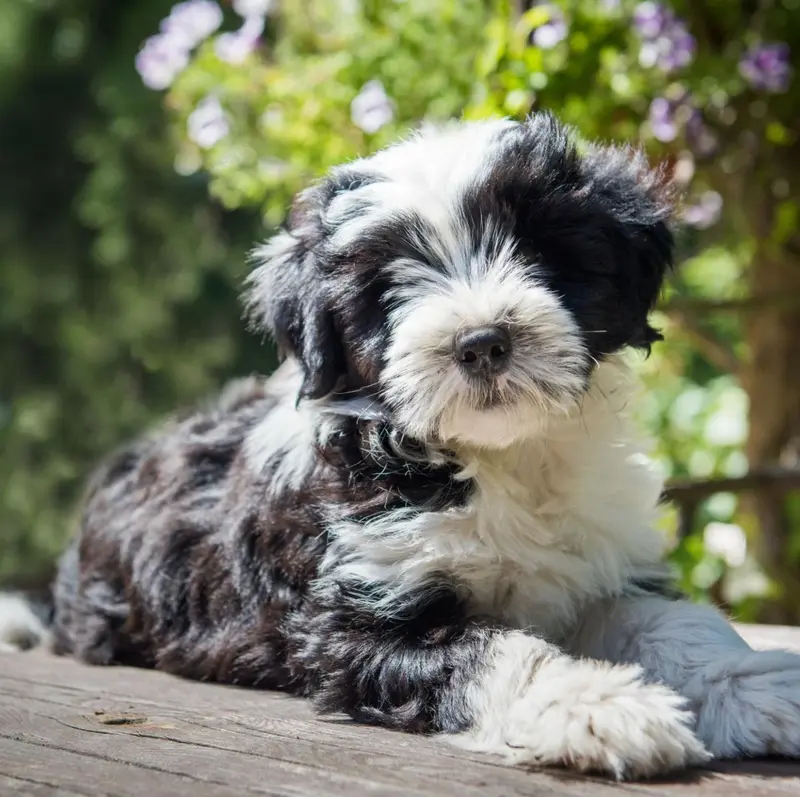
Understanding the tibetan terrier temperament starts with clearing up a common misconception: their name is quite misleading. If you picture a typical earth dog with a high prey drive and an endless urge to dig, you'll be surprised. This breed actually belongs to the companion dog group. Originally kept in the high-altitude monasteries and by nomadic people in Tibet, these dogs were never bred for hunting. Instead, they served as watchful guardians, good luck charms, and devoted companions. This unique heritage shapes the breed's personality to this day.
Standing between 36 and 41 centimeters at the shoulder and weighing between 9 and 14 kilograms, the Tibetan Terrier is a compact yet remarkably sturdy dog. Beneath that lush, dense coat lies an adaptable four-legged friend with a life expectancy of 12 to 16 years. Bringing one into your home is a long-term commitment. To help you decide whether this charming, shaggy dog fits your daily routine, let's take a closer look at their core traits.
Core Personality: Typical Tibetan Terrier Traits
The personality of a Tibetan Terrier is best described as a blend of deep family loyalty and a subtle, cat-like independence. Unlike breeds driven entirely by an innate desire to please their humans at all costs, the Tibetan brings a healthy dose of self-confidence to the table. They think independently and evaluate situations before reacting.
With their family, these dogs are affectionate and devoted. It is quite common for a Tibetan Terrier to pick one primary person in the home to whom they are especially attached. Even so, they love being fully involved in everyday family life. They enjoy lounging near you without necessarily demanding constant, non-stop attention.
Sensitivity is another defining trait. These dogs have fine-tuned antennas for the emotional atmosphere around them. If there's tension in the house, they often quietly retreat. By the same token, they respond to harsh training methods with stubborn resistance. Heavy-handed handling will quickly erode their trust.
Who Is This Breed Best Suited For?
Choosing the right dog breed depends heavily on your lifestyle. The Tibetan Terrier offers a balanced mix of qualities that appeal to a wide variety of households.
Families and Children
Tibetan Terriers truly shine in family settings. Experts rate their family-friendliness very highly. They generally get along wonderfully with children, provided the kids know how to respect a dog's boundaries. Because of their sensitive nature, they don't appreciate overly rough handling. As long as they have a quiet retreat when they need a break, they make patient and playful childhood companions.
Singles and Seniors
This breed is also an excellent match for solo owners and active seniors. Because they form such strong bonds with their primary human, they make fantastic companions for singles. Their moderate energy level means they enjoy daily walks without needing marathon training sessions. For seniors, keep in mind that these dogs are physically robust with a solid amount of stamina that needs regular outlets.
Are Tibetan Terriers Good for Beginners?
Opinions vary here. Their trainability is generally considered moderate. That isn't due to a lack of intelligence—quite the opposite. They learn remarkably fast, but they will question the logic behind repetitive commands. Beginners who embrace their independent streak, stay consistent, and don't underestimate the grooming requirements can do very well with a Tibetan Terrier. However, if you expect immediate, unquestioning obedience, you will likely find them frustrating.
Everyday Life with a Tibetan Terrier
Their temperament is especially evident in how they share your living space. Many owners notice their dog loves perched, elevated spots—like the back cushion of a sofa. From there, they quietly survey the entire room. This behavior is a direct nod to their history guarding the flat roofs of Tibetan monasteries.
Living Situation: City Apartment or Country Home?
These dogs are remarkably adaptable. They are just as content in a city apartment as they are on a rural homestead. The total square footage matters far less than the quality of your time together and their daily mental stimulation. They adapt well to city life because, with proper socialization, they handle urban sights and sounds calmly.
One key point for apartment living: Tibetan Terriers are naturally alert. They will announce when someone approaches the door or steps onto your property. However, their guarding instinct is measured. They let you know someone is there, but they are not nuisance barkers. Aggression is uncharacteristic; after a brief inspection, visitors are usually met with friendly curiosity or polite neutrality.
Compatibility with Other Pets
Tibetan Terriers generally get along very well with other dogs, especially when socialized early during puppyhood. Living alongside cats is typically smooth sailing too, particularly if they are introduced to feline housemates from an early age. Compared to true terriers, their prey drive is very low to practically nonexistent, making walks through wooded areas far more relaxed.
Exercise and Mental Stimulation Needs
The Tibetan Terrier's energy level sits comfortably in the moderate range. They are active and up for adventures, but not hyperactive. A quick trip around the block won't be enough, though. They need proper, stimulating walks to stay physically fulfilled.
Even more important than raw physical exercise is mental engagement. Without brain games, a clever Tibetan Terrier will find their own—often mischievous—ways to stay entertained. Great activities for this breed include:
- Scent games and nose work: Hiding treats around the house or practicing search games outdoors provides deep mental satisfaction.
- Trick training: Being physically agile, many Tibetans love learning new tricks, provided the training stays varied and fun.
- Dog sports: Agility or Rally Obedience can be a fantastic match. They might not run the course at Border Collie speed, but they work with precision and enthusiasm. You can find more details on suitable dog sports through organizations like the Verband für das Deutsche Hundewesen (VDH).
- Hiking: Thanks to their Himalayan origins, these dogs are sure-footed and have great stamina over uneven terrain.
Grooming and Daily Care Challenges
To give an honest picture of living with a Tibetan Terrier, we need to talk about their grooming demands. The biggest commitment with this breed isn't training—it's coat care.
Their double coat consists of a fine, profuse outer coat and a dense, soft undercoat. While they shed relatively little hair around the house, their coat mats very easily right against the skin. Thorough grooming—brushing section by section down to the roots—is required several times a week. During seasonal coat transitions, daily brushing is often necessary. The Bundestierärztekammer notes that neglecting long coats can quickly cause painful skin infections and harbor parasites. Many owners choose a practical sporting clip, which significantly reduces the daily upkeep.
Another potential challenge is their independent mindset. A Tibetan Terrier likes to understand why they are being asked to do something. If you lack the humor and patience to gently persuade your dog rather than command them, daily life can become a battle of wills.
Training: Practical Approaches for Sensitive Thinkers
Training a Tibetan Terrier requires a gentle, thoughtful approach. Experienced handlers know that pressure only creates resistance with this breed. Raising your voice or using harsh physical corrections will simply cause them to shut down and refuse to cooperate.
Positive reinforcement is the foundation of success. Motivation through praise, high-value treats, or a favorite toy works far better than strict discipline. Consistency is equally vital. Because these dogs are sharp thinkers, they spot loopholes instantly and will happily use them to their benefit.
Keep sessions short, upbeat, and varied to maintain their focus. Repetitive drills bore them quickly. They might perform a "sit" three times in a row, but by the fourth, they may just look at you quizzically because nothing in the situation has changed.
For more specific details on breed standards and temperament preservation, specialized breed clubs like the Internationaler Klub für Tibetische Hunderassen e.V. (KTR) offer valuable resources.
Frequently Asked Questions (FAQ)
Do Tibetan Terriers bark a lot?
No, Tibetan Terriers are not known to be excessive barkers. While they are naturally alert and will give a warning bark when they hear unfamiliar sounds or visitors, they settle quickly once you acknowledge the situation. Provided their physical and mental needs are met, they are very quiet indoor companions.
Can a Tibetan Terrier be left alone?
Because they bond so closely with their family, Tibetan Terriers prefer to go everywhere with you. However, they can learn to stay home alone for moderate stretches of three to four hours. The key is to build up alone time gradually and positively starting in puppyhood. If left isolated for extended periods, they can develop separation anxiety.
How demanding is their grooming routine?
Coat maintenance is quite intensive. Expect to spend at least two to three thorough grooming sessions per week, each taking up to an hour. You must brush all the way down to the skin to prevent the thick undercoat from matting. After wet-weather walks, their long coat also tends to bring a fair amount of dirt indoors.
Do Tibetan Terriers have a strong prey drive?
The "Terrier" in their name is a historical misnomer; they were never bred for hunting or chasing game. Consequently, their prey drive is very low to nonexistent. Woodland walks are typically relaxed, and with solid recall training, most can enjoy off-leash freedom safely.
Ready for the Next Step?
The Tibetan Terrier is a characterful, sensitive, and deeply loyal companion capable of enriching your life immeasurably. If you're willing to dedicate time to coat care and appreciate a canine partner who thinks for themselves rather than obeying blindly, this breed could be your perfect match. When looking at puppies—typically priced between €1,200 and €2,500—be sure to choose a responsible breeder who prioritizes comprehensive health screenings for both parent dogs.
Want to explore more about this charming breed? Read our detailed Tibetan Terrier breed profile. If you're ready to welcome a new family member, we're here to connect you with ethical, verified breeders. Explore vetted listings to find Tibetan Terrier puppies. At HonestDog, we champion transparency and animal welfare so you and your future dog get the best possible start together.