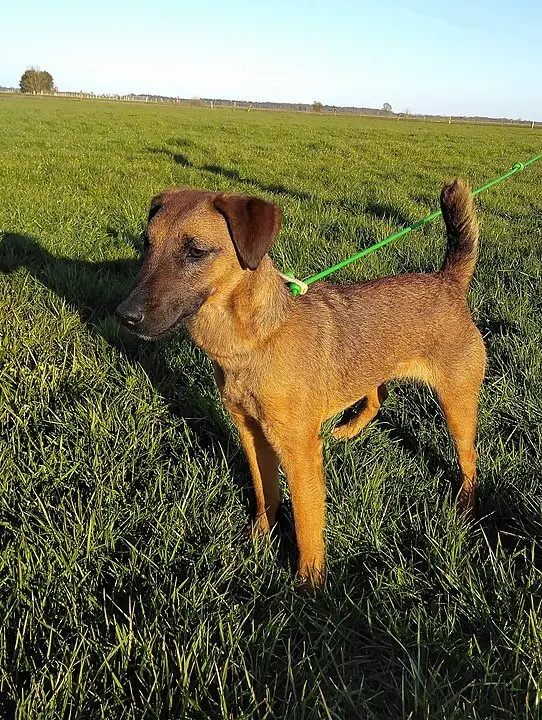
Understanding the Westfalenterrier temperament begins with looking at this relatively young member of the large terrier family. Originally bred in Germany during the 1970s from working bloodlines of the Jagdterrier, Fox Terrier, and Lakeland Terrier, the goal was to create a dog that retained the hunting drive and stamina of its ancestors while being more biddable and socially adaptable. The result is a robust, compact dog prized not only by hunters but increasingly by active families as a loyal companion.
Before welcoming this spirited companion home, it's essential to understand the Westfalenterrier temperament and personality traits. By nature, a terrier brings qualities that require clear guidance and a deep understanding of canine behavior. If you want a passive dog that simply fades into the background, this breed isn't for you. But if you're searching for a genuine partner in every adventure, you'll find a devoted friend for life.
For a detailed overview of all physical traits and breed history, check out the Westfalenterrier breed profile.
Core Personality: Typical Westfalenterrier Character
To capture the essence of the Westfalenterrier temperament, look to its working roots. Bred for the field, it possesses an innate drive to tackle tasks and stay busy. At the same time, it forms an exceptionally deep bond with its people.
Indoors, the Westfalenterrier often reveals a remarkably gentle side. It seeks close physical contact, loves relaxing on the sofa, and bonds tightly with its family. This isn't a dog meant to live isolated in a kennel; it wants to be right in the middle of family life. However, that calm posture shifts instantly when an outside trigger appears. A doorbell, a rustle in the garden, or an unfamiliar noise is all it takes to wake its watchful instincts. It won't hesitate to announce visitors clearly, though it rarely shows unprovoked aggression.
Another core element of the breed is its independence. During earthdog work or driven hunts, a terrier must make split-second decisions without handler input. You can't simply train this genetic trait away. In daily life, this means your dog is happy to cooperate, but only if it understands the purpose and respects you as a calm, confident leader. Blind, robotic obedience is completely foreign to them.
Who Is the Westfalenterrier Best Suited For?
Choosing any dog should always be based on a realistic assessment of your lifestyle. The Westfalenterrier has distinct needs that must be met to ensure a peaceful, harmonious home.
Families with Children
Generally, the breed is very family-friendly. Standing around 32 to 40 centimeters tall at the withers and weighing roughly 8 to 10 kilograms, it is sturdy enough for energetic play without being heavy enough to easily knock toddlers over. The Westfalenterrier temperament is naturally cheerful and playful, making it a tireless companion for older kids.
Clear household rules remain essential. Children should learn that the dog needs quiet resting places and must never be disturbed while sleeping or eating. Because terriers react quickly to fast movement, young children running around wildly can trigger prey or herding impulses. Constant adult supervision is crucial, just as with any breed.
Singles and Active Couples
For active people who spend plenty of time outdoors, the Westfalenterrier is an outstanding companion. Whether hiking, jogging, or doing canine sports, it is athletic, durable, and eager. Its strong people-orientation makes it a dedicated shadow that happily follows you everywhere.
Seniors
Due to its high energy level, the Westfalenterrier suits older owners only if they are very active and can provide long daily walks alongside mental enrichment. A quiet life spent mostly on the couch won't satisfy this dog and will inevitably lead to unwanted behaviors.
First-Time Dog Owners
Despite its handy size and affectionate nature, the Westfalenterrier isn't a classic starter dog. Its sharp intelligence quickly detects inconsistencies in handling. If you lack experience with terriers, partnering with a qualified positive-reinforcement trainer from day one is highly recommended. Training demands patience, a sense of humor, and consistent guidance without harshness.
Living with a Westfalenterrier: What to Expect Daily
Life with a terrier is rarely dull. Opening your home to this breed means welcoming a vigilant, agile, and charismatic housemate.
Living Space: House with a Yard vs. City Apartment
A house with a securely fenced yard is ideal for this alert breed. It gives them space to sniff and observe their territory. Keep in mind that terriers are passionate diggers—excavating holes comes naturally to them. Fences must be sturdy and set deep into the ground, as a fleeing squirrel on the other side is plenty of motivation to dig underneath.
Apartment living in the city is possible if high physical and mental exercise needs are met elsewhere. You must factor in their natural watchfulness, however. A dog that barks at every sound in the hallway can quickly cause friction with neighbors. Early training that teaches your dog that you—not them—are in charge of home security is key.
Compatibility with Other Pets
Getting along with other dogs depends heavily on early socialization. Confident and self-assured, the Westfalenterrier may try to push boundaries if boundaries aren't clearly set. Regular, positive exposure to well-socialized dogs of various breeds is vital during puppyhood.
Exercise caution around small pets and cats. Hunting drive is woven deeply into the Westfalenterrier character. A household cat raised alongside the puppy is usually accepted as part of the family pack, but outdoor cats or neighborhood rabbits will almost certainly be treated as prey.
Exercise and Mental Enrichment
A bored terrier gets creative—and that creativity rarely matches your home decor goals. Chewed furniture, endless barking, or controlling behaviors are classic signs of understimulation.
Physical Exercise
Three short strolls around the block won't satisfy this energetic breed. The Westfalenterrier needs substantial daily outdoor adventures. Once fully grown and cleared by your vet, it makes a great partner for jogging or running alongside a bicycle. Remember to balance endurance exercise with rest so you don't inadvertently build an overstimulated marathon runner that demands endless activity.
Mental Stimulation
Physical running alone won't tire out a working breed; brain games are just as critical. Scent work is an ideal outlet for the Westfalenterrier. Mantrailing, target-odor search, or simple nosework games in the living room challenge their senses and provide healthy, calming fatigue.
This agile, quick-witted dog also shines in agility or trick training. Thanks to their sharp minds, they learn new behaviors in record time. Working together this way deepens your mutual trust and strengthens your bond.
Challenges in the Westfalenterrier Temperament
Every breed comes with specific traits that can test your patience. Understanding them in advance prevents frustration down the road.
A Strong Hunting Drive
Even when raised in a non-hunting household, the Westfalenterrier remains a hunter at heart. Walking near woods or open fields demands your full attention. Reliable recall training and a solid emergency stop cue are essential. In game-rich areas or during local breeding seasons, keep your dog safely on a long line. Expecting to completely eliminate this drive underestimates the breed's genetics. The goal is managing the instinct and redirecting it into appropriate outlets.
For more details on breed preservation and working standards, consult the VDH (Verband für das Deutsche Hundewesen), which oversees many reputable breeders, as well as the Verein für Westfalenterrier e.V., dedicated specifically to the breed.
Classic Terrier Independence
What people often call "stubbornness" is simply the dog's ability to assess situations independently. If you ask your terrier to sit in cold, wet grass in the pouring rain, it might pause to consider whether the reward is worth the trouble. Training requires genuine motivation. Harsh pressure often triggers resistance or total shutdown. When you show your terrier that working with you is the most rewarding game in the world, you'll earn a driven, enthusiastic partner.
Alertness and Vocal Tendencies
The Westfalenterrier naturally alerts you when something feels out of place. While useful, it becomes tedious if the dog doesn't know when to clock off. They need to learn that alerting once is fine, but handling the situation is your job. Consistent place training and teaching an "off switch" indoors help balance their alert instincts.
Training Tips for Your Westfalenterrier
The breed's trainability is often rated as moderate. This isn't due to low intelligence—quite the opposite. They learn quickly, including habits you didn't intend to teach. Training needs a structured approach from day one.
- Positive Reinforcement: Use high-value food, play, and sincere praise. When your dog sees that cooperation brings great rewards, it works eagerly.
- Short, Engaging Sessions: Repetitive drills bore terriers fast. Keep sessions to a few dynamic minutes spread throughout the day.
- Teach an Off Switch: One of the most critical skills for this lively breed is frustration tolerance and learning how to settle. A puppy that learns to relax indoors matures into a far calmer adult.
- Clarity Over Harshness: A boundary must stay consistent. Permitting an action today and forbidding it tomorrow confuses this clever dog and undermines your credibility.
For overall healthcare advice and guidance on keeping active working breeds in top condition, the Bundestierärztekammer provides helpful veterinary resources.
Frequently Asked Questions (FAQ)
How much grooming does a Westfalenterrier need?
Its dense, wiry coat with undercoat is weather-resistant but requires regular upkeep. It sheds relatively little, but generally needs hand-stripping (never clipping) two to three times a year. Stripping removes dead hair and preserves the coat's protective texture. Aside from that, regular brushing removes dirt after outdoor walks.
Can a Westfalenterrier stay home alone?
Like any breed, learning to be alone requires gradual, step-by-step training. Because of their strong bond with their owners, this can take time. If introduced gently during puppyhood and the dog receives proper mental and physical exercise beforehand, an adult Westfalenterrier can comfortably stay home alone for a few hours.
Is the breed prone to excessive barking?
Its background as an alert watchdog brings an instinct to sound the alarm for unfamiliar noises or visitors. Whether that turns into chronic barking depends heavily on training and daily enrichment. An understimulated dog often turns guarding into a full-time hobby.
How intense is their hunting drive?
The hunting instinct is deeply rooted in the Westfalenterrier temperament and is usually very pronounced. They react swiftly to visual triggers like running wildlife and have exceptional scenting skills. Off-leash freedom in forested areas is usually only safe after rigorous recall training, and even then, handlers must stay fully engaged.
Ready for a Westfalenterrier?
The Westfalenterrier is a dog of true character—brave, athletic, clever, and deeply devoted to its family. It's not a passive lapdog, but if you're ready to invest time in positive training, enjoy the outdoors, and appreciate authentic terrier charm, you'll gain a steadfast companion for their typical 13 to 15-year lifespan.
Bringing a dog into your life should always be a well-considered decision. Responsible breeding forms the foundation for a long, healthy life and an even temperament. If you're confident this energetic breed matches your lifestyle, explore your options with HonestDog, where we prioritize transparency and animal welfare. Use the link below to discover dedicated breeders and safely find Westfalenterrier puppies.