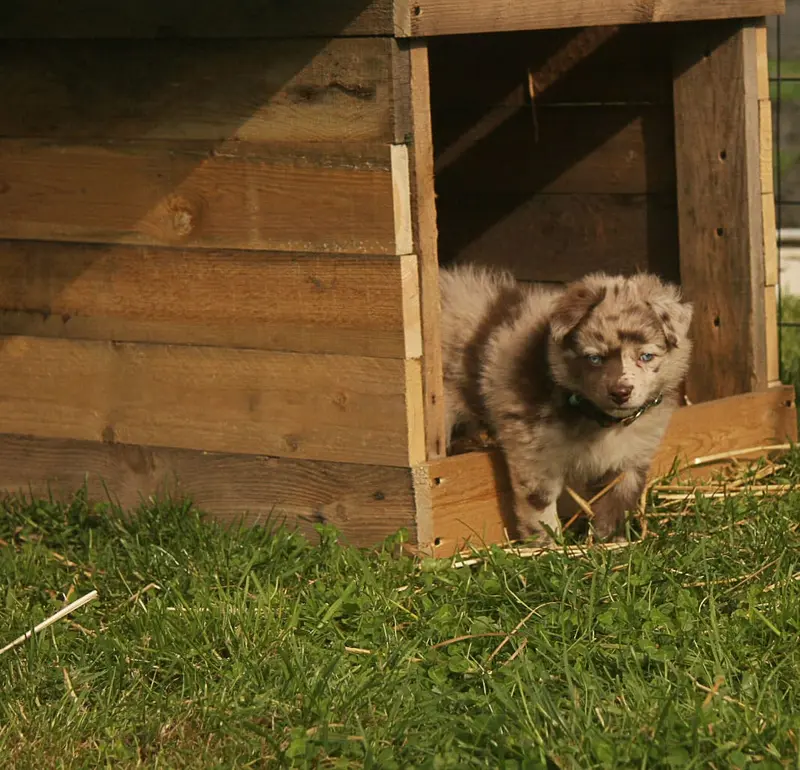
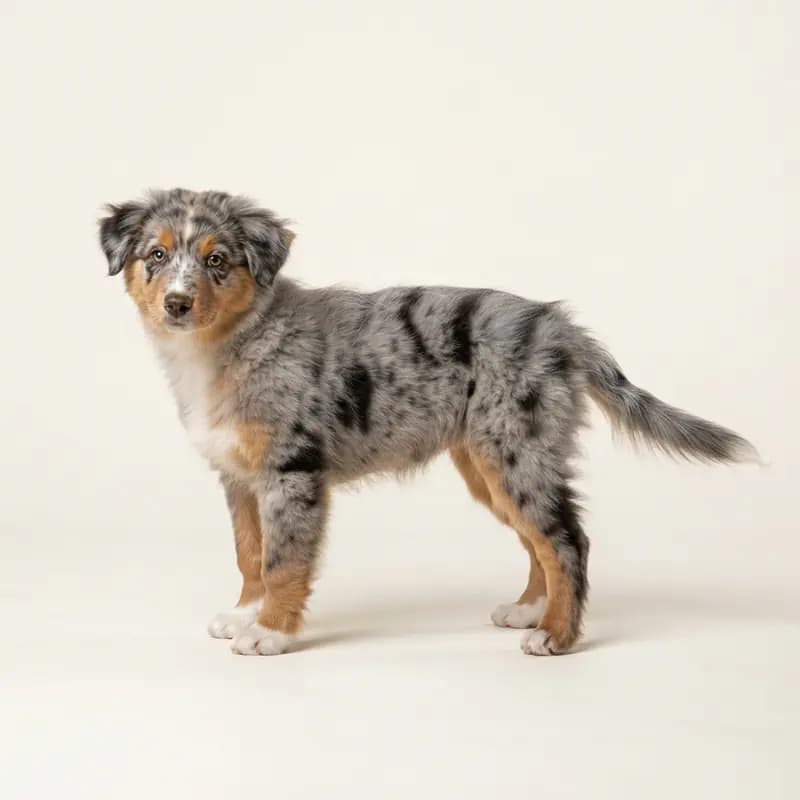
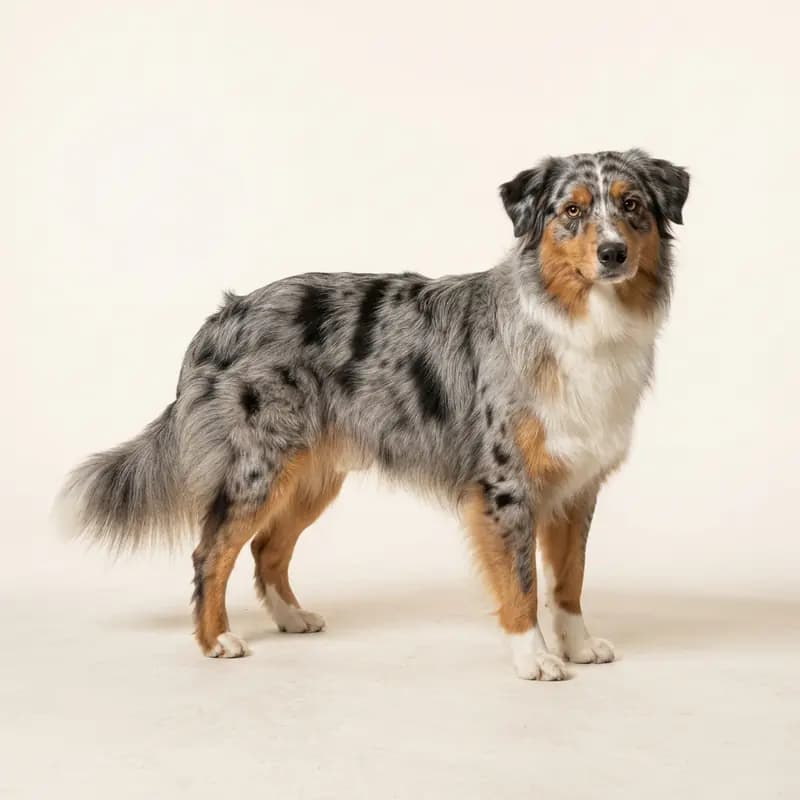
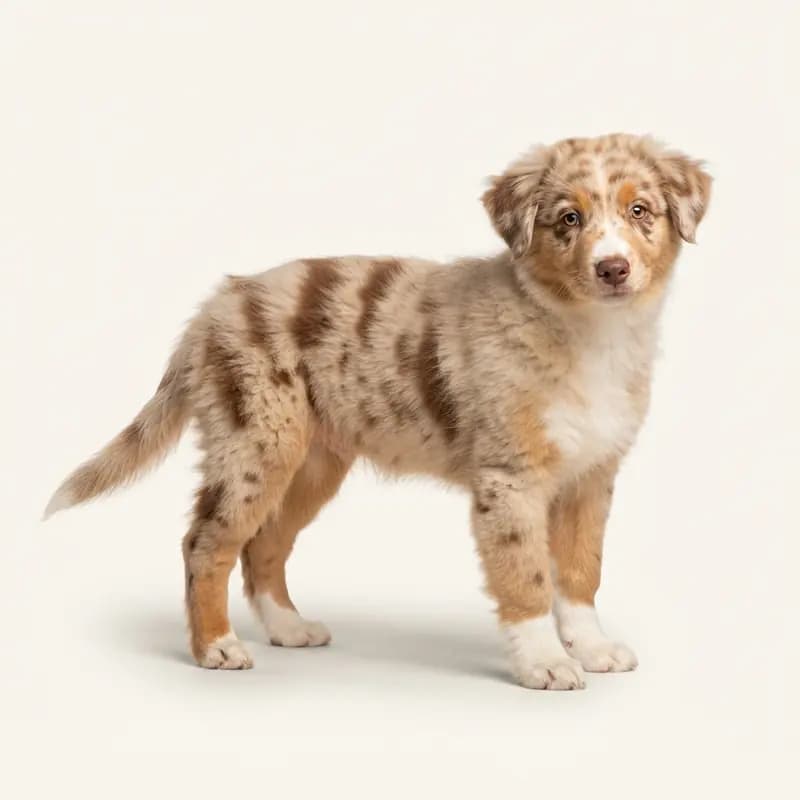
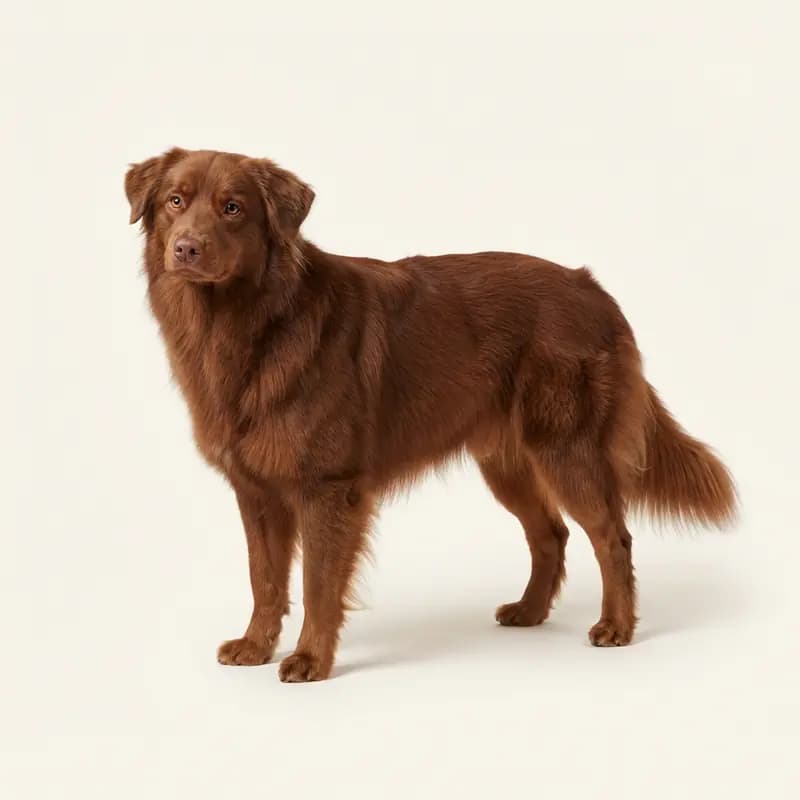
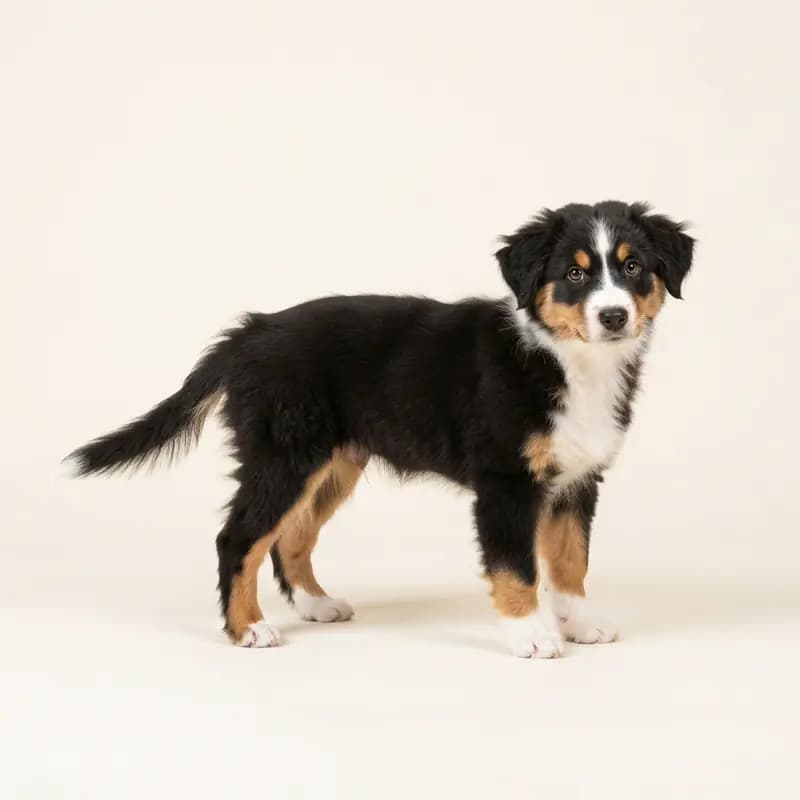
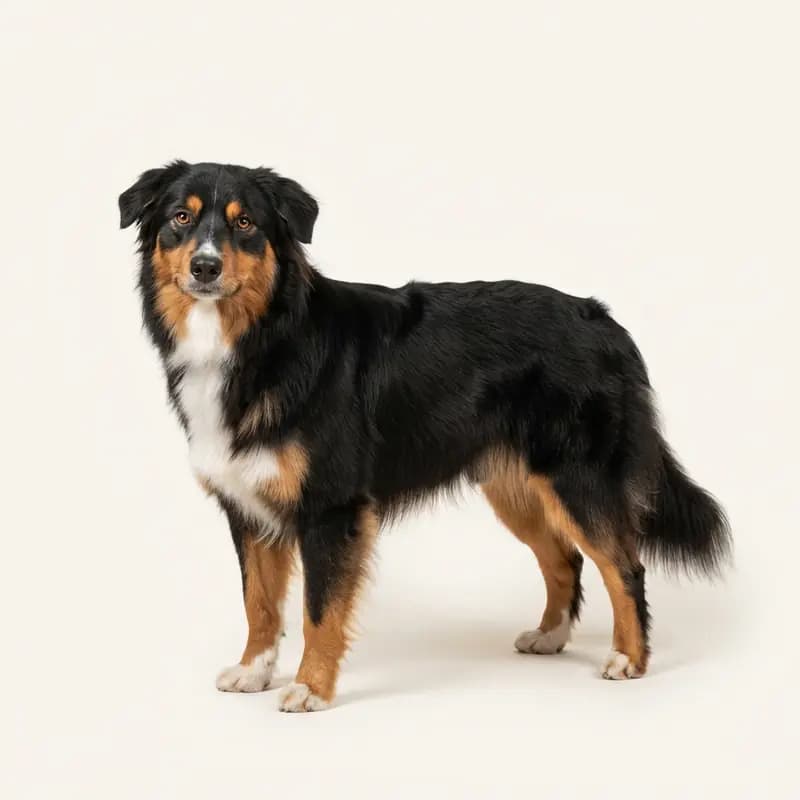
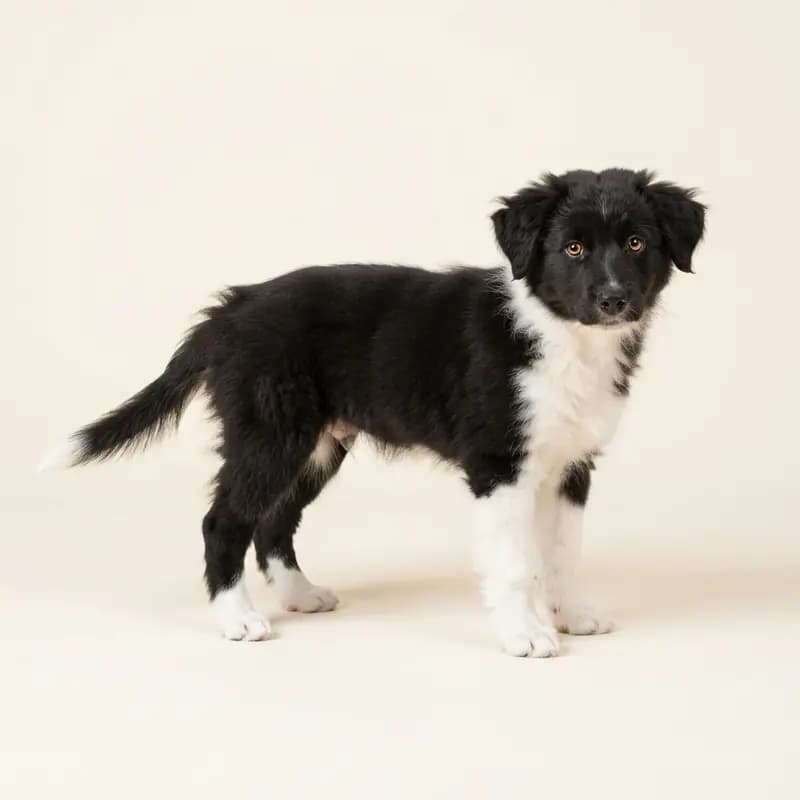
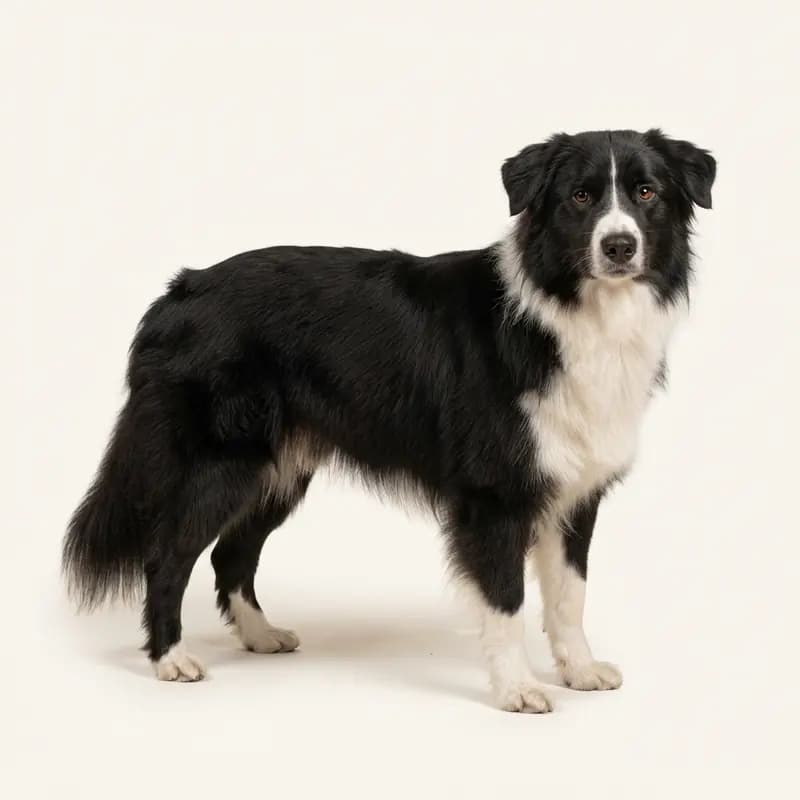
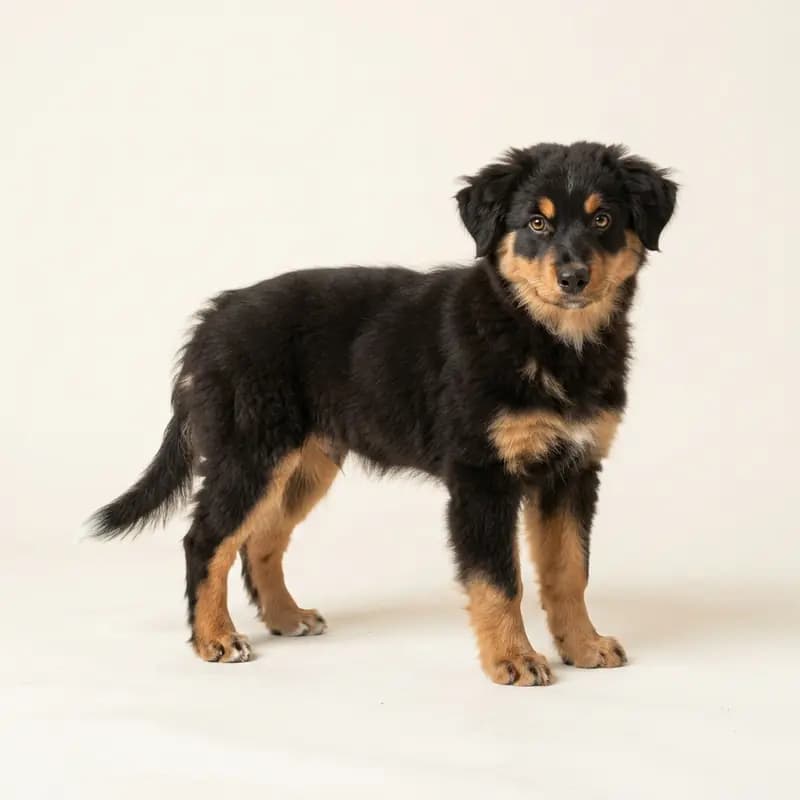
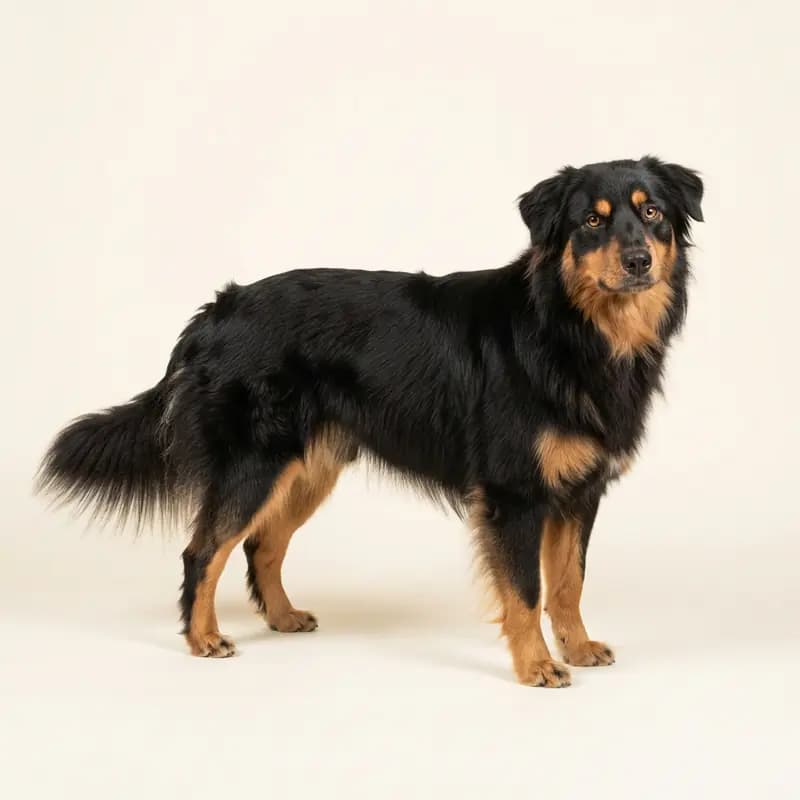
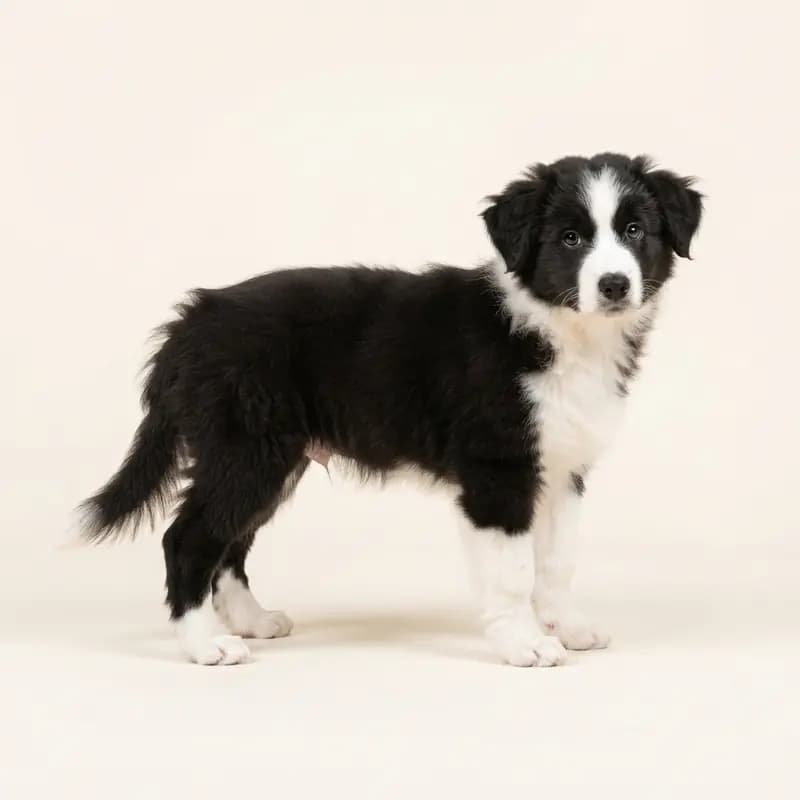
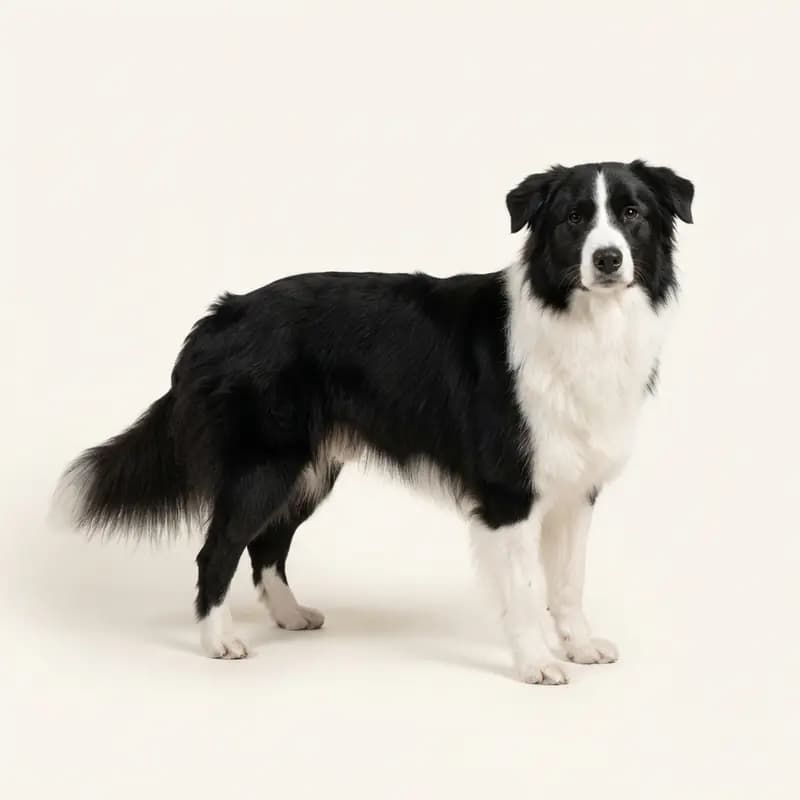
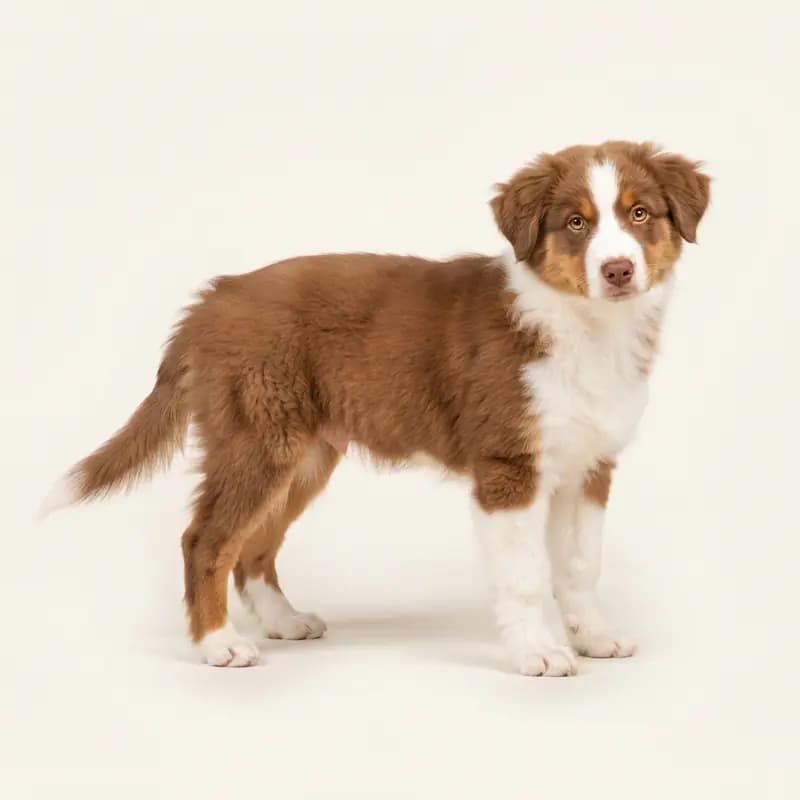
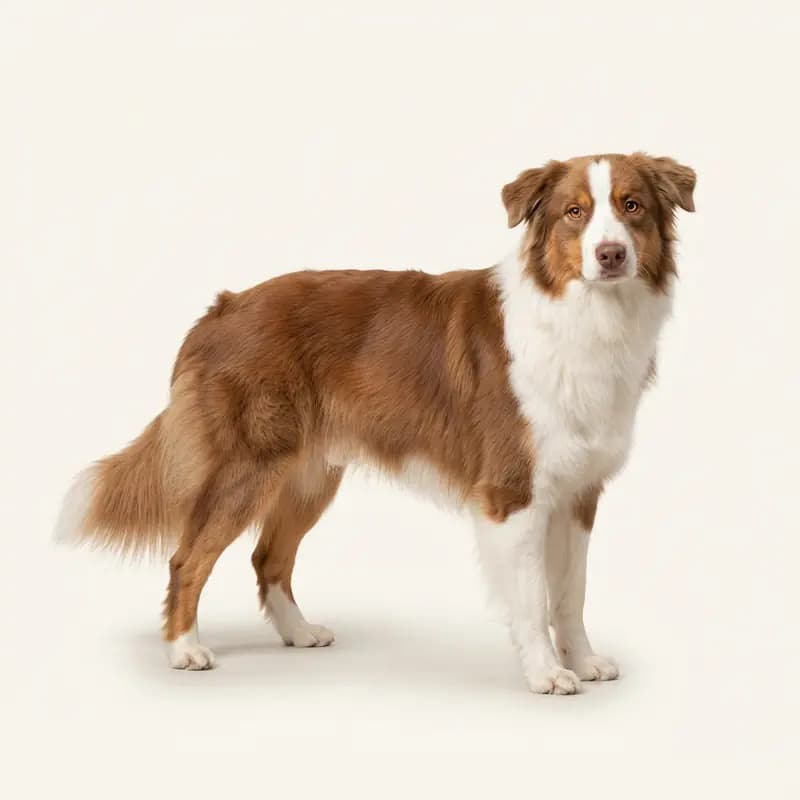
If you want to share your life with such an intelligent, energetic, and loyal companion, you are facing a wonderful but also demanding task. Australian Shepherd training is the key to unlocking the full potential of this fascinating breed. The Aussie, as it is affectionately called, impresses with its enormous willingness to work and its quick comprehension. However, it is precisely these traits that require an owner who knows how to guide this clever mind in the right direction.
As an experienced dog trainer, I often see how easily people are enchanted by the Aussie's bright eyes and colorful coat. But beneath this beautiful exterior lies a true working dog with an energy level of 5 out of 5. In this comprehensive guide, I will show you how to set the right course from day one. Whether you are bringing a puppy home or want to work on the finer details with an adult dog – here you will find field-tested tips for your everyday life.
Before we dive deeper into the training, I recommend you take a look at the detailed Australian Shepherd breed profile to understand all the basic breed data and characteristics of this great dog.
Australian Shepherd Training: The Foundation for a Harmonious Life Together
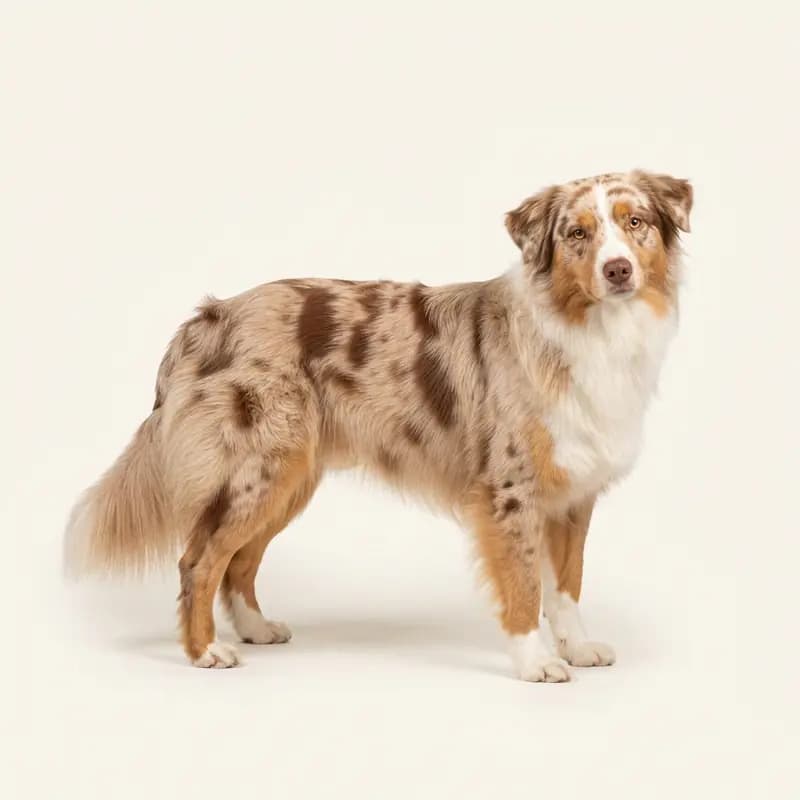
To successfully master Australian Shepherd training, you must understand what this dog was originally bred for. The Aussie originates from the USA and belongs to the Herding Group. Its job was to drive and hold cattle herds together over vast areas. Unlike the sensitive Border Collie, which often works only with its gaze ("eye"), the Australian Shepherd also had to assert itself physically against stubborn cattle. Therefore, it is often a bit more robust, physical, and less sensitive in its approach.
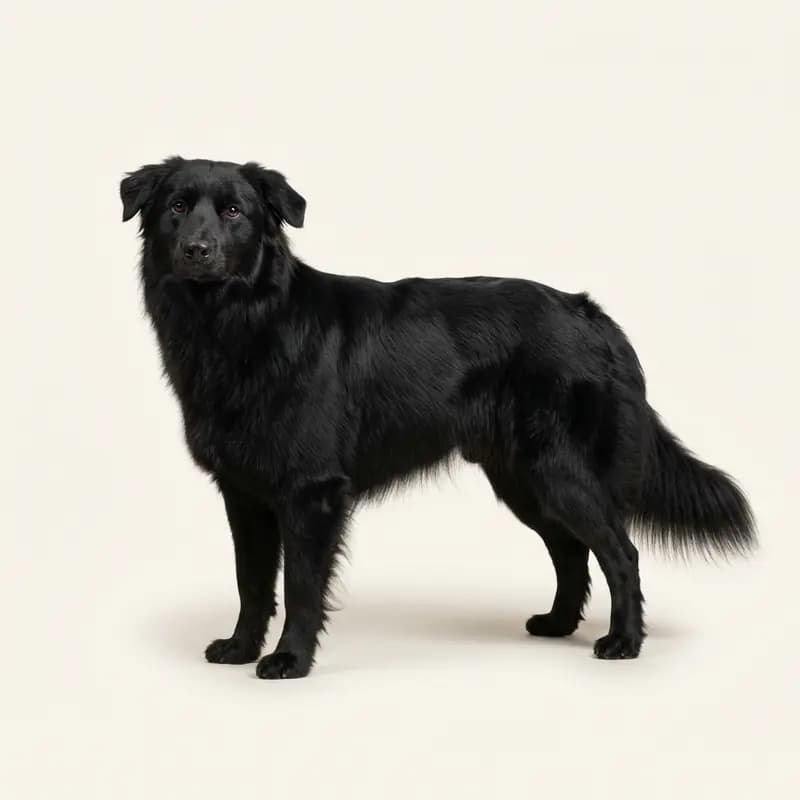
With a shoulder height of up to 58 cm (23 inches) for males and a weight of up to 32 kg (70 lbs), it also brings a decent amount of power. Its trainability is extremely high at 4 out of 5 points. This means: it learns incredibly fast. The catch? It learns the wrong things just as quickly as the right ones. If you are inconsistent, an Aussie will immediately recognize this gap and set its own rules. It is a dog that does not just accept leadership but actively demands it. According to the VDH, the breed is characterized by a strong "will to please" – the readiness to want to please the human. You must use this will purposefully.
Australian Shepherd Puppy Training: The First 16 Weeks
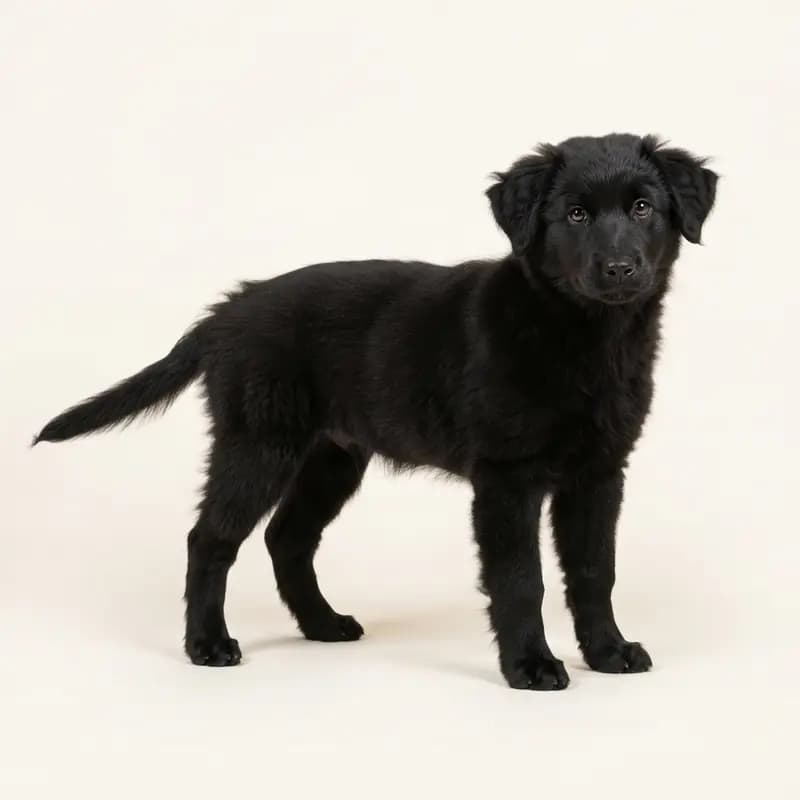
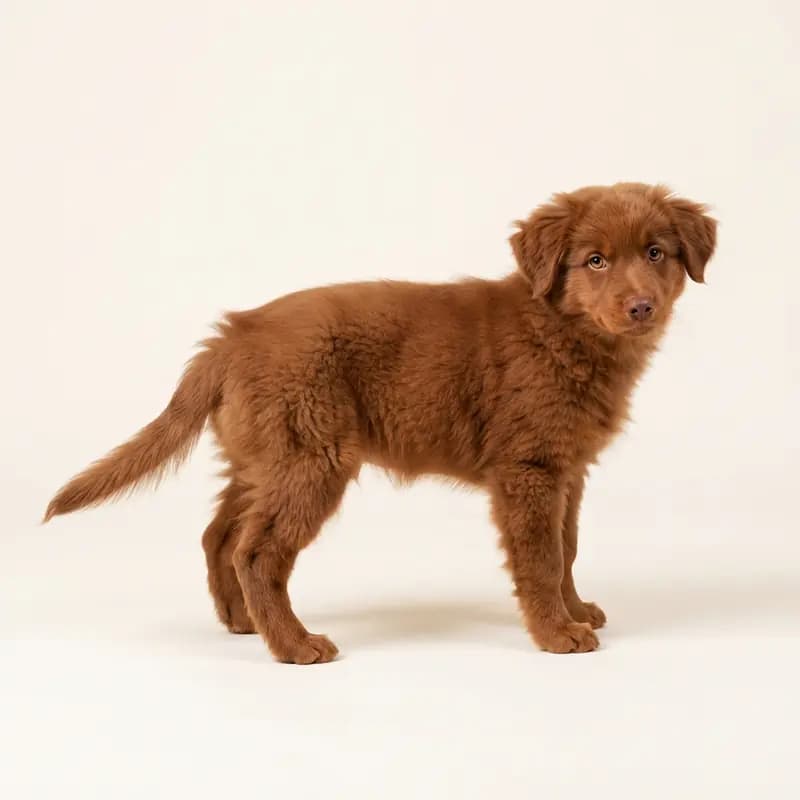
Australian Shepherd puppy training lays the foundation for your dog's entire future life. In the first 16 weeks of life, your puppy is in the so-called imprinting and socialization phase. What it experiences positively now will not rattle it later. But be careful: with an Aussie, the most important learning goal during this time is not playing back commands non-stop, but learning how to rest!
Potty Training: Consistency from Day One
Housebreaking is usually the first big topic. Aussies are smart and quickly grasp what you want from them. Here is how you proceed:
- Take your puppy outside immediately after every nap, play session, and meal.
- Praise it enthusiastically when it relieves itself outside. Use a specific cue word like "go potty".
- If an accident happens inside, do not comment on it. Wipe it up without a word. Scolding only confuses the puppy and damages the bond.
- Watch the body language: sniffing the floor and restless circling are sure signs that it's high time.
Bite Inhibition: Setting Boundaries for the Little Crocodile
Due to their herding heritage, Australian Shepherd puppies have a strong tendency to nip at heels, pant legs, or hands. This behavior once served to get cattle moving. In your living room, however, it is undesirable. Bite inhibition is not innate to the dog; it must be learned.
If your puppy bites too hard during play, let out a clear, high-pitched "Ouch!" and stop the game immediately. Ignore it for about a minute. This way, it quickly learns: using teeth too hard means the fun is over. Instead, always offer an allowed alternative, such as a chew rope or a specific toy.
Socialization: Discovering the World
Good socialization is crucial, especially because the breed's urban suitability is only at an average of 2 out of 5 points. The many stimuli of a city can quickly overwhelm the watchful Aussie. Veterinary associations recommend gently habituating puppies to their environment without overstimulating them.
- Show it different surfaces (grass, asphalt, metal grates).
- Familiarize it with everyday noises (vacuum cleaner, traffic, doorbell).
- Let it meet different people and other dogs at its own pace. Never force it into situations where it shows fear.
Essential Australian Shepherd Commands for Everyday Life
When it comes to Australian Shepherd commands, you will quickly notice how much this breed enjoys learning. An Aussie loves working with you. For safe and relaxed interaction, there are some basic commands that must be absolutely reliable.
Sit and Down: The Basics
Aussies usually learn these commands within a few repetitions. However, make sure you don't forget the release signal. A "sit" lasts until you release the dog with a command like "break" or "okay." Since Aussies are often very proactive, they tend to release commands independently if they think the exercise is finished. Stay consistent here.
The Stay: Pure Impulse Control
For a dog with a high drive for movement, it is extremely difficult to stay still while things are moving around it. The "stay" command trains exactly this impulse control. Start in a distraction-free environment. Have your dog sit, say "stay," take just one step back, and immediately return to reward it. Increase the distance and duration only by millimeters over the weeks. Your Aussie thus learns to endure frustration – an essential skill for its later life.
The Recall: Life Insurance
The recall is the most important command of all. Since the Australian Shepherd shows a certain guarding instinct and sometimes hunting behavior (often in the form of herding drive), it must be recallable. Build the recall using a long line and always reward the return with the absolute jackpot. This can be an extremely tasty treat (e.g., cheese or liver sausage) or a short tug game with its favorite toy. The recall must always be the best decision the dog can make.
Breed-Specific Challenges in Australian Shepherd Training
No guide on Australian Shepherd training would be complete without naming the typical hurdles. If you know these, you can work preventatively instead of having to fix things laboriously later.
Misdirected Herding Instinct
Herding is essentially modified hunting behavior. If an Aussie has no cattle to herd, it will look for substitutes. These can be children, joggers, cyclists, or other dogs. It begins to circle them, cut them off, or nip at their calves. Stop this behavior from day one! It is absolutely not cute when the puppy rounds up the children playing in the garden. Strict management is required here. Place your dog on its bed and teach it that fast movements of people are none of its business.
Guarding Instinct and Barking
Aussies were also bred to guard the farm and flock. They have a fine antenna for changes in their environment and like to report them loudly. A certain amount of guarding instinct is normal, but you must teach your dog that you carry the responsibility. If it alerts you to a visitor at the door, thank it calmly (e.g., "Thank you, I've got it") and send it to its place. Do not let it independently rush to the door and decide who may enter and who may not.
Reactivity and Over-arousal
With an energy level of 5/5, some representatives of this breed tend to rev up quickly. When stressed, they often show a low stimulus threshold. Extensive "ball throwing" is therefore absolutely counterproductive for the Aussie. It only pushes the dog up, releases adrenaline and cortisol, and turns it into a junkie. Instead, focus on calm, concentrated work.
Advanced Training: Enrichment, Tricks, and Dog Sports
An Australian Shepherd wants to be challenged not only physically but, above all, mentally. Daily walks are not enough for this dog. An under-challenged Aussie will inevitably look for substitute activities – and you most certainly won't like them (destroying furniture, excessive barking, shadow chasing).
Nosework and Searching Games
Nosework is one of the best ways to exhaust your Aussie. It exerts them mentally and promotes concentration and calm at the same time. You can hide treats in the house, start mantrailing, or teach your dog to search for specific objects (like your keys).
Dog Sports for the Aussie
Once your dog is fully grown and checked by a vet (approx. from 15 to 18 months), the doors open for dog sports. The Australian Shepherd shines in many disciplines. The CASD promotes various sports that are ideal for this breed:
- Agility: A fast obstacle course that promotes agility and close cooperation between you and your dog. But be careful that your dog does not get too over-excited.
- Obedience: The "high school" of discipline. This is about precision, fast execution of commands, and perfect teamwork. Ideal for the clever Aussie mind.
- Treibball: A great alternative to herding real animals. The dog learns to drive large gym balls into a goal on command. This satisfies the herding instinct in a controlled way.
Trick Dogging
Practicing tricks is an excellent way to strengthen the bond in the living room. Through clicker training, your Aussie can learn to close doors, throw trash in the bin, or sort toys by color. This mental gymnastics tires the dog more than a two-hour walk on a leash.
Common Mistakes in Australian Shepherd Training
Even the best owners make mistakes. With a dog as willing to work as the Australian Shepherd, however, these carry more weight. Avoid the following pitfalls:
- Too much scheduling: Many beginners think they have to tire out their Aussie for hours. The opposite is the case. You merely breed a high-performance athlete who demands more and more and never comes to rest. Less is often more.
- Lack of clarity: Aussies analyze you constantly. If "no" means a little bit of "yes" today, your dog will question your authority. Be fair but absolutely consistent.
- Ignoring the herding instinct: Hoping that staring and nipping will go away by itself is a misconception. Herding drive is self-rewarding. Every success solidifies the behavior.
- Physical punishment: Aussies are robust but strongly fixed on their owner. Harshness or physical punishment destroys trust sustainably. Instead, work via positive reinforcement and clear boundaries.
Frequently Asked Questions
Is an Australian Shepherd suitable for beginners?
Basically, an Aussie can be kept by ambitious beginners. However, this requires a high willingness to learn a lot about dog behavior, to be consistent, and ideally to work closely with a professional dog trainer from the start. If you are just looking for a relaxed dog to "tag along," you should choose another breed.
How much exercise does an Australian Shepherd need daily?
A healthy, adult Aussie needs about 1.5 to 2 hours of exercise a day. More important than the pure distance, however, is the quality of the walk. Integrate small training units, searching games, and exercises for impulse control into the walks. This exhausts the dog much better than blunt jogging.
How do I stop my Aussie from barking?
Since the Aussie is vigilant, it will make itself heard from time to time. Barking cannot be completely trained away (and that should not be the goal). It is important that you take the responsibility for guarding away from the dog. Show it that you have situations under control. Send it to its place when visitors arrive and reward calm behavior consistently.
Can Australian Shepherds be left alone well?
Yes, if it is built up in small steps and correctly. Start training in puppyhood for a few seconds and increase the duration extremely slowly. Since Aussies are very strongly attached to their humans, they otherwise tend to have separation anxiety. A well-exercised dog that has positively associated being alone can easily stay alone for 4 to 5 hours in adulthood.
Conclusion: Your Path to the Perfect Aussie Team
Australian Shepherd training is not a project for a few weeks, but a lifelong, wonderful partnership. If you are ready to invest time, patience, and love in your dog, live consistently, and teach it to just switch off sometimes, you will be rewarded with the most loyal, intelligent, and fascinating companion imaginable. Learn to read your dog, satisfy its needs for mental work, and be the safe haven it can look to for guidance.
Want to learn even more about species-appropriate dog training, health tips, and nutrition? Discover a wealth of well-founded guides and articles on HonestDog.de that help you offer your four-legged friend the best possible life. Visit us regularly, exchange ideas in our community, and become an unbeatable team together with your Aussie!