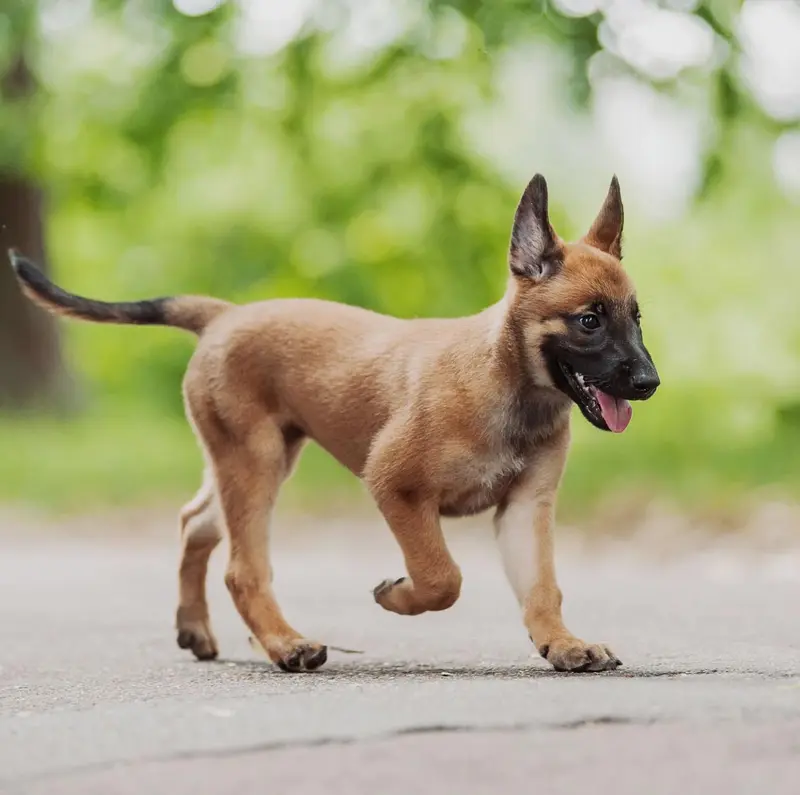
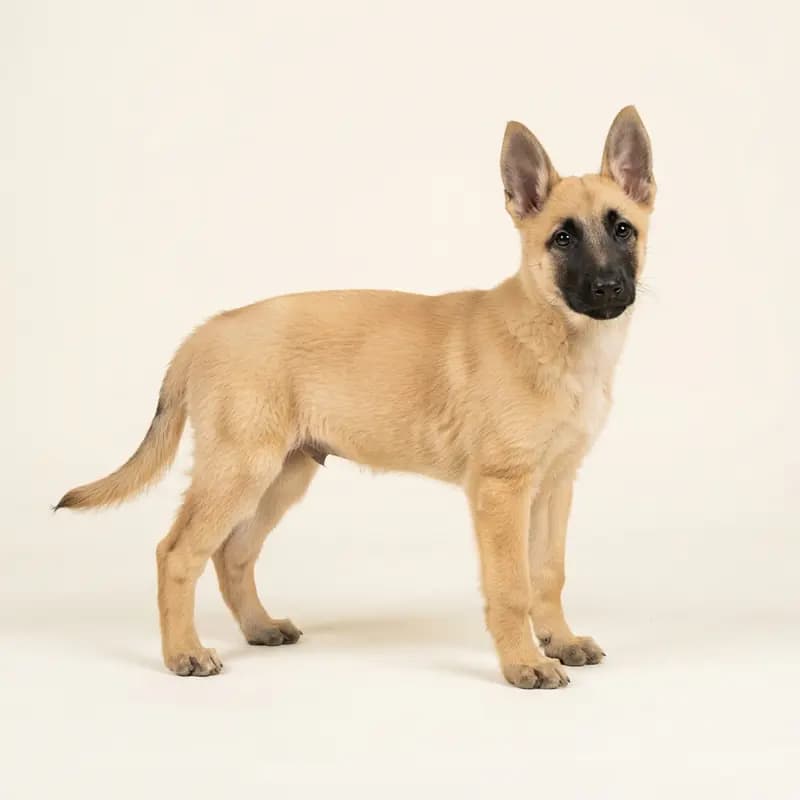
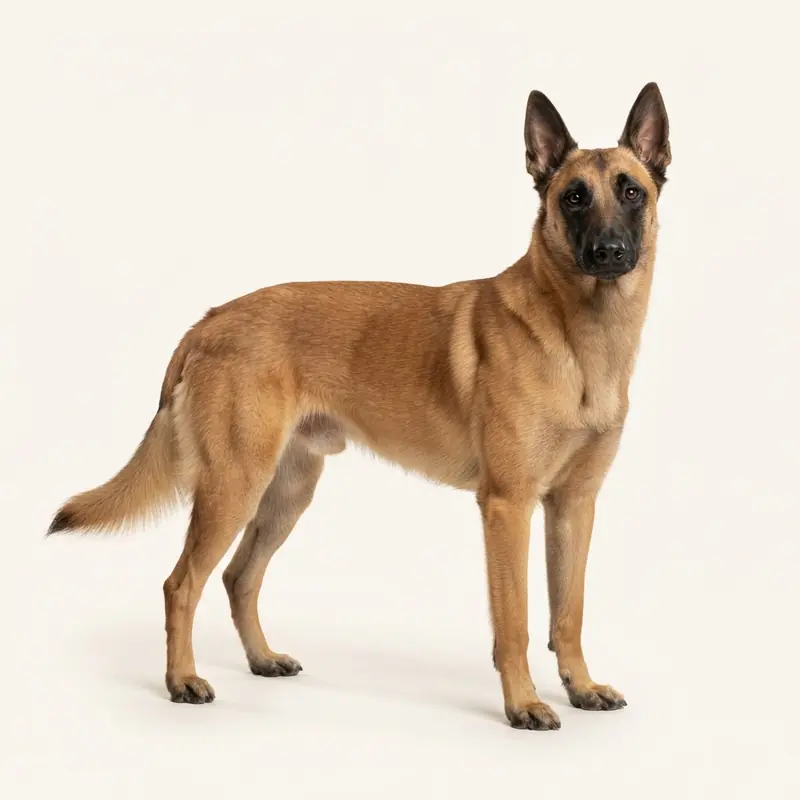
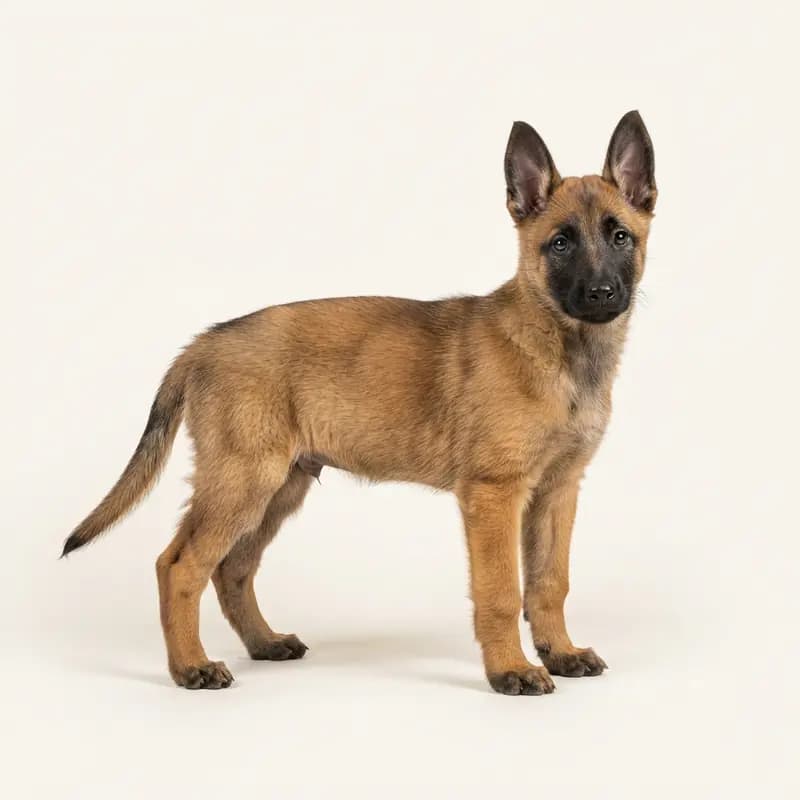
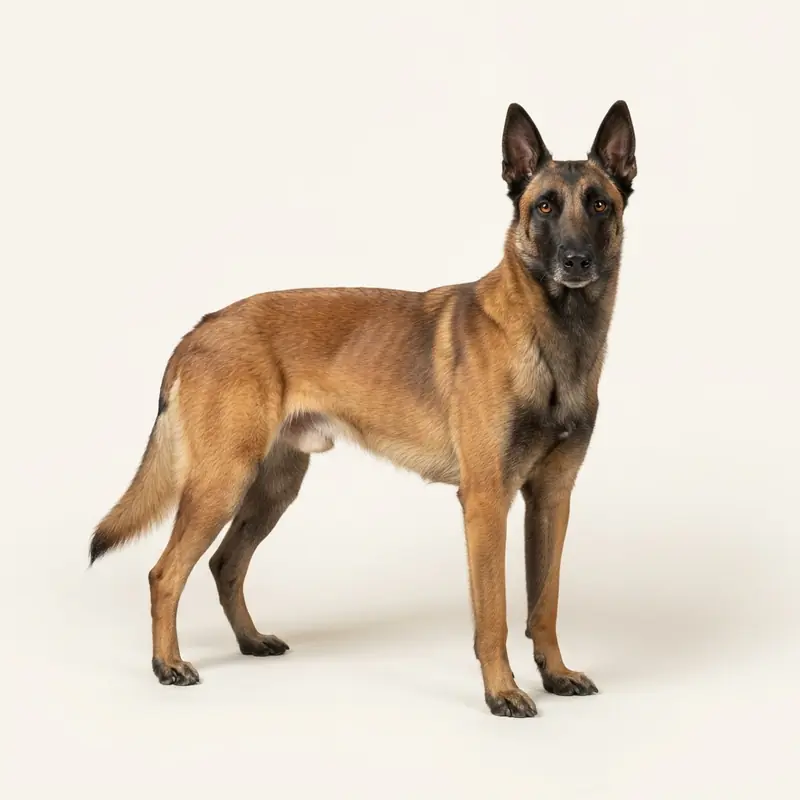
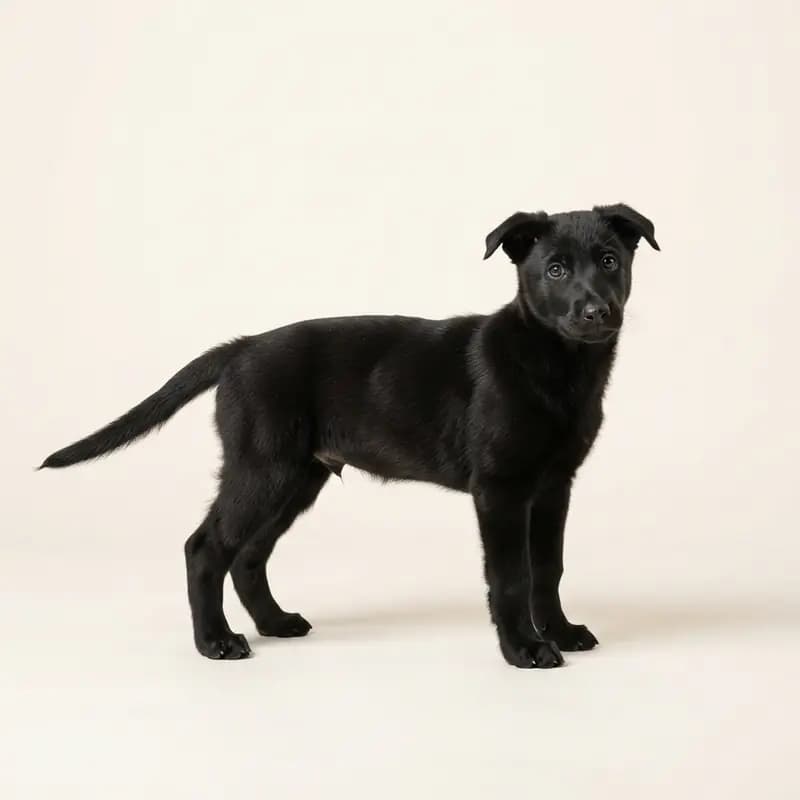
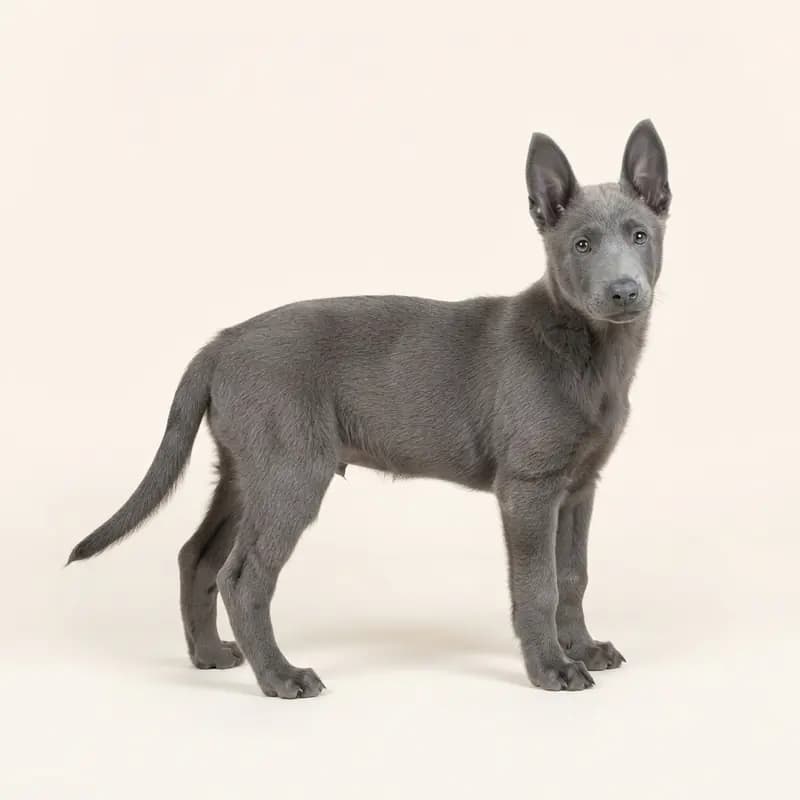
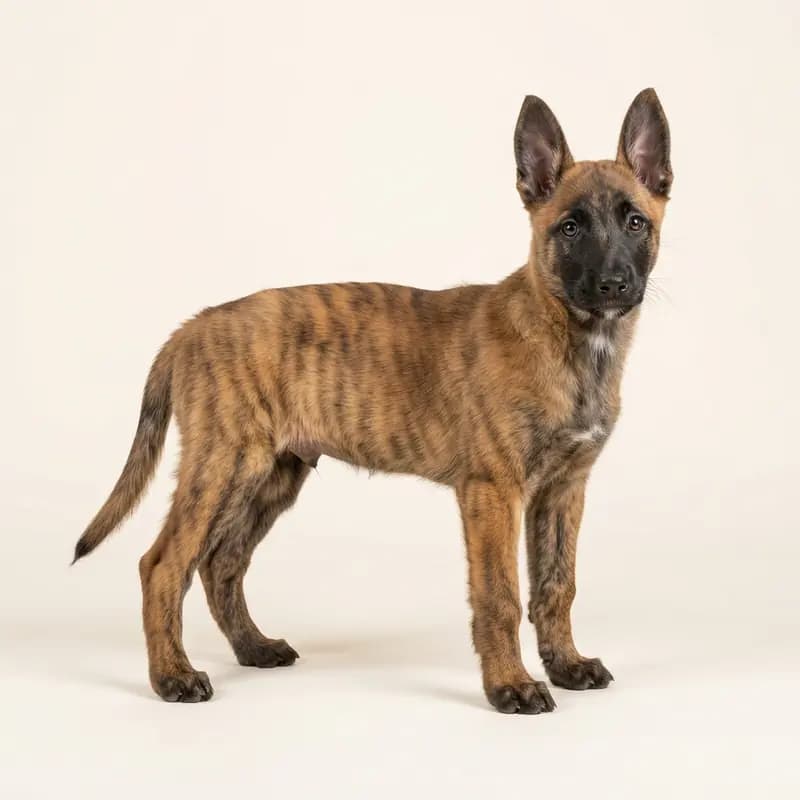
Successful Belgian Malinois training requires high consistency, structure, and calm, as these dogs are exceptionally intelligent, lightning-fast, and driven. A Malinois picks up unwanted behaviors just as rapidly as desirable ones, making clear rules from day one essential to channel their tremendous drive and energy into productive avenues.
| Factor | Assessment for the Malinois |
|---|---|
| Trainability | Extremely high (quick comprehension, immense "will to please") |
| Motivation | Strong prey and working drive, intense eagerness to perform |
| Common Challenges | Low frustration tolerance, overarousal, puppy bite inhibition |
| Suitable for Beginners | No (requires experience reading body language and handling high drive) |
The Malinois as a Student: What Sets This Breed Apart
To train a dog successfully, you need to understand their natural instincts. The Malinois, one of four varieties of the Belgian Shepherd, was originally developed as an enduring, resilient working dog for shepherds and farmers. Today, you will find them serving in police forces, military units, and high-level dog sports worldwide. These working roles run deep in their genetic makeup.
A quick look at the official FCI breed standard for Belgian Shepherds describes the breed as watchful, alert, and bursting with vitality. For your training sessions, this means you have a partner who processes and reacts to environmental triggers in milliseconds. Their reaction speed is far quicker than that of most other breeds. That agility makes them stellar candidates for complex work, but it also means they can easily overreact under inconsistent handling.
Experienced handlers know that the hardest part of working with this breed isn't building drive—it's teaching them to brake. A Malinois comes out of the box with an energy level of 5 out of 5. They crave work, love pleasing their handler, and need problems to solve. If you want to dive deeper into the breed's background, care requirements, and general traits, check out the Malinois breed profile.
Raising a Malinois Puppy: The Crucial Early Weeks
When you start raising a Malinois puppy, the real work begins the moment they step through your door. The sensitive developmental periods demand a thoughtful approach rooted in calm handling, reliable bonding, and gradual exposure to domestic life.
Teaching Calm as Your Top Priority
A Malinois puppy rarely comes equipped with an internal "off switch." Left unchecked, they will play, dash around, and mouth until they collapse from pure exhaustion. Your most valuable lesson during these opening weeks isn't a string of party tricks—it's learning how to settle. Setting up a dedicated rest area, such as a cozy crate or a safe puppy pen, teaches your young dog to filter out distractions and rest.
Navigating Bite Inhibition
Malinois puppies explore the world almost entirely through their teeth. Driven by hardwired prey instincts, they zero in on rapid motion—twitching hands, fluttering trouser hems, or running children. You must handle bite inhibition with absolute consistency. If your puppy bites down too hard during play, stop the interaction immediately and calmly. Shouting or yanking your hands away only mimics prey behavior and spikes arousal. Instead, redirect their teeth onto an appropriate chew toy.
Socialization: Quality Over Quantity
Socializing a Malinois doesn't mean greeting every passing stranger or joining chaotic dog-park scrums. Your real goal is environmental neutrality. Your pup needs to learn that buses, cyclists, joggers, and livestock are ordinary background details worth ignoring. Learning to observe stimuli without reacting impulsively forms the bedrock of an emotionally stable, clear-headed adult dog.
Age-Based Training Roadmap
| Age | Training Focus |
|---|---|
| 8–16 Weeks | House training, bite inhibition, early frustration tolerance (waiting for meals), relationship building, learning to settle, neutral exposure to new sights and sounds. |
| 4–6 Months | Proofing basic obedience under light distraction, impulse control (holding back from rolling balls), building a solid recall. |
| Adolescence (around 7+ Months) | Holding clear boundaries, managing teenage boundary testing. Don't add complexity; insist on reliability with familiar foundations. |
| Adulthood (around 2–3 Years) | Full physical and mental engagement (dog sports), polishing advanced cues in high-stimulus environments. |
Foundational Obedience: Focus and Precision
Teaching basic cues like sit, down, and stay comes easily to a Malinois because they are exceptionally motivated by both food and toys. The real test is building duration, distance, and unwavering focus around heavy distractions.
The "Stay" and Impulse Control
For a dog wired to react to the slightest twitch, holding a frozen position requires tremendous mental discipline. Build your "stay" in split-second increments. A fraction of a second is plenty for day one. Always release the dog yourself with a dedicated release cue. Solid impulse control is your best defense against unwanted chasing, herding, or lunging down the road.
Building a Rock-Solid Recall
Because the Malinois possesses such intense drive, a bombproof recall is non-negotiable. Start training in low-distraction spaces like your hallway or a quiet garden. Reward with what your dog values most. For some, that might be high-value food, but for most Malinois, a spirited game of tug with a bite rag or tug toy beats everything. Your dog needs to know that sprinting back to you is the most rewarding thing on earth.
Breed-Specific Challenges: Why Handlers Find Them Demanding
Online forums and training clubs often debate whether training a Malinois is hard. The short answer: it's not hard in the sense of the dog failing to grasp a concept. It is demanding because the breed offers zero margin for error. A Malinois reads your posture, your breathing, and your lapses in focus instantly—and they will take advantage of every inconsistency.
One major hurdle is their intense combination of herding drives and protective instincts. If a Malinois doesn't trust that you have situations completely handled, they will step in and resolve things themselves. This often surfaces as reactivity on the leash, chasing joggers, or stationing themselves aggressively at the front door. They aren't being malicious; they are simply acting on an innate urge to control movement and guard their territory and people.
Reactivity is another key challenge. A Malinois can go from zero to a hundred in a fraction of a second. Stress hormones like cortisol and adrenaline flood their system rapidly and drain away slowly. A dog trapped in chronic overarousal struggles to learn and makes impulsive choices. That's why building a predictable daily rhythm with dedicated downtime is critical.
Advanced Training: Meaningful Mental Work
A Malinois confined to brief leash walks around the neighborhood will quickly invent their own, often destructive, outlets. They need real cognitive and physical work. Don't fall into the trap of endless physical exercise alone—conditioning their stamina without working their brain simply creates a fitter, more tireless dog.
Dog Sports as the Perfect Outlet
Most Malinois thrive when working in organized canine sports. Organizations like the Verband für das Deutsche Hundewesen (VDH) provide great overviews of working dog disciplines. Excellent avenues include:
- IGP (Working Dog Sport): A demanding blend of tracking, obedience, and protection. The dog learns to maintain absolute responsiveness and obedience in states of peak arousal.
- Mantrailing and Tracking: Intensive scent work demands quiet, prolonged focus, helping ground the dog's mind without spiking high adrenaline.
- Competitive Obedience: Pure precision, handler focus, and enthusiasm executed at the highest possible standard.
- Search and Rescue: A complex, meaningful working outlet that directs their relentless drive toward vital real-world service.
Tailor high-impact activities to your dog's physical maturity. Hold off on heavy jumps, quick turns, and joint-stressing drills until your dog's growth plates have fully closed and their hips and elbows have been screened by a vet (usually between 15 and 18 months).
The 3 Most Common Mistakes in Malinois Training
Even motivated handlers stumble into predictable traps with this breed. Steering clear of these pitfalls makes all the difference in your daily life together.
1. Turning Your Dog Into a Ball Addict
The most common mistake is attempting to tire out a Malinois with mindless fetch sessions. Chasing a flying ball triggers massive adrenaline spikes. The dog doesn't end up tired; they end up addicted to the rush and constantly demand more. A better strategy: hide the ball and let your dog search for it. Nose work burns real mental energy while keeping arousal manageable.
2. Applying Unfair Harshness
A Malinois might look bulletproof on a working field, but in their relationship with their handler, they are deeply sensitive. Harsh corrections, shouting, or intimidation fracture that bond fast. The dog will either shut down defensively or react by pushing back and asserting themselves. True control comes from crystal-clear body language and rock-solid reliability, never intimidation.
3. Rushing the Process
Young Malinois soak up cues so quickly that owners often teach an entire obedience catalog within the first few months. This inevitably leads to mental burnout and fragile behaviors. Polishing a single cue across novel environments (your kitchen, the backyard, a busy sidewalk, a public park) is vastly superior to drilling ten cues that fall apart outside the living room.
Frequently Asked Questions (FAQ)
When should I start training my Belgian Malinois?
Training begins the very day your puppy arrives. During the first few weeks, skip rigid obedience drills and focus on household structure, house training, bite inhibition, and settling down. Getting them comfortable with everyday sights, sounds, and domestic routines is your top objective.
Can you keep a Malinois happy without formal dog sports?
Yes, but it requires significant daily commitment. Scent games, structured retrieval, complex trick training, and long, varied hikes can meet their needs. What matters most is that your dog has a daily mental puzzle they solve alongside you.
Do Malinois make good family pets?
A Malinois can be exceptionally affectionate and devoted to their family, but they are not low-maintenance pets. If their intense drives, energy, and protective instincts go unmanaged, they can become overwhelming and difficult to manage safely. They are ill-suited for households looking for a casual companion to tag along on quiet weekends. Met with proper leadership and regular work, however, their loyalty is second to none.
At what age does a Malinois fully mature?
Physically, a Malinois finishes growing around 15 to 18 months. Mentally, they take longer. Most dogs don't reach full emotional maturity and stability until they are roughly three years old. Adolescence can be especially challenging, calling for plenty of patience and consistency.
Building a Balanced Partnership
Training a Malinois is an intensive journey that calls for patience, clarity, and genuine empathy. These dogs offer you unmatched focus and dedication, but they demand calm, structured, and fair leadership in return. If you're ready to show up every single day, treat training setbacks as data, and give your dog a clear job, you will build an unbreakable bond.
Balance intense drive work with restorative downtime to help your young pup grow into a rock-solid companion. Step into this adventure well-prepared, lean on experienced trainers, and use trusted platforms like HonestDog to set yourself and your dog up for lasting success.