














The Foundation for a Harmonious Team: Border Collie Training
Congratulations if you have decided to share your life with one of the most intelligent dogs in the world. A Border Collie brings incredible joy, loyalty, and a strong work ethic to your daily life. However, these very traits require a great deal of sensitivity. When it comes to Border Collie training, many owners face a fascinating but demanding task. These dogs learn at lightning speed—unfortunately, not just what we want to teach them, but also bad habits if we aren't consistent.
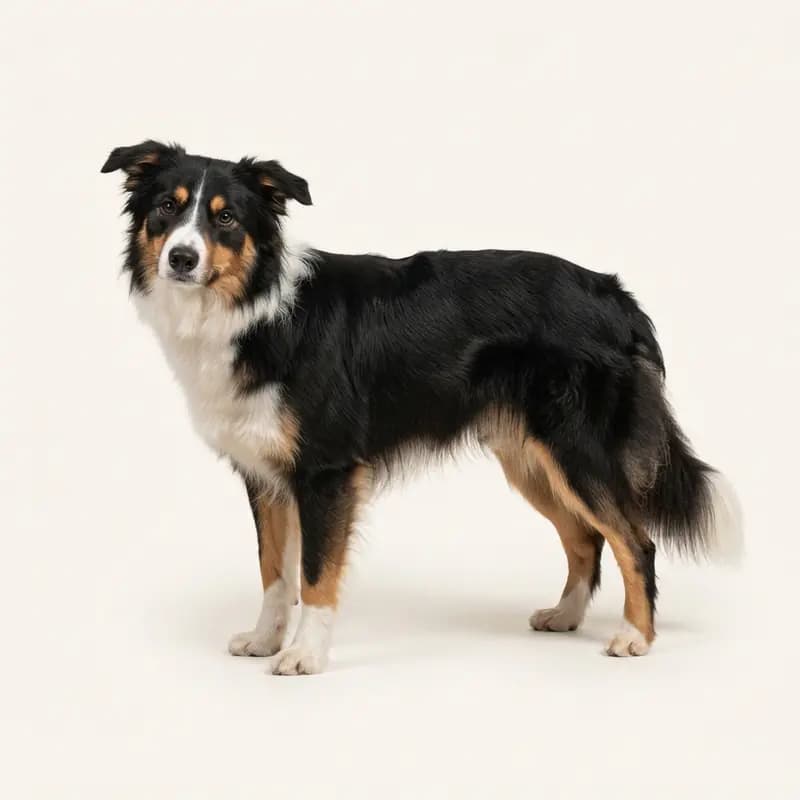
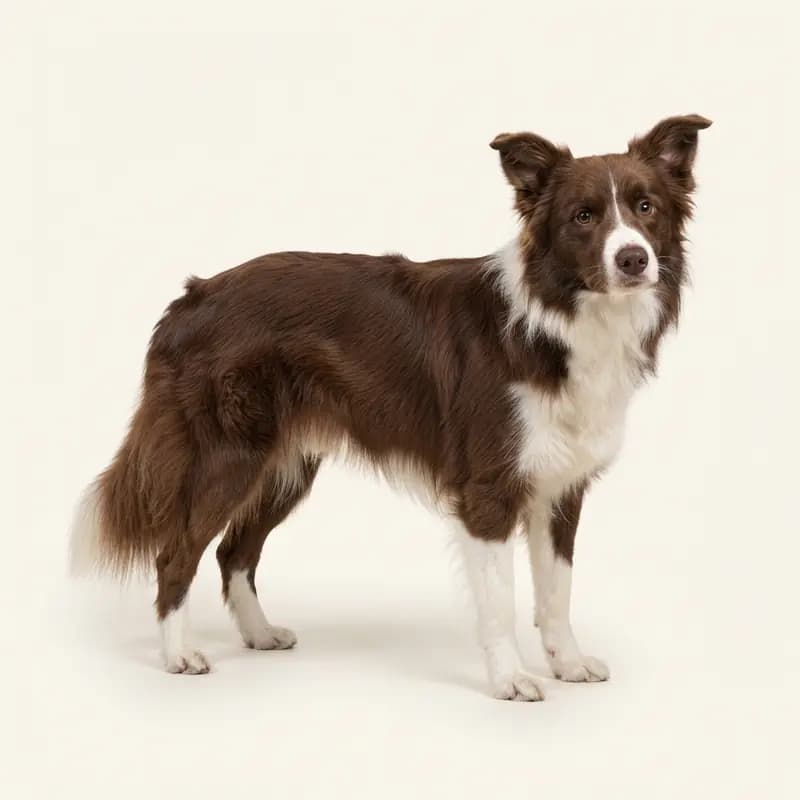
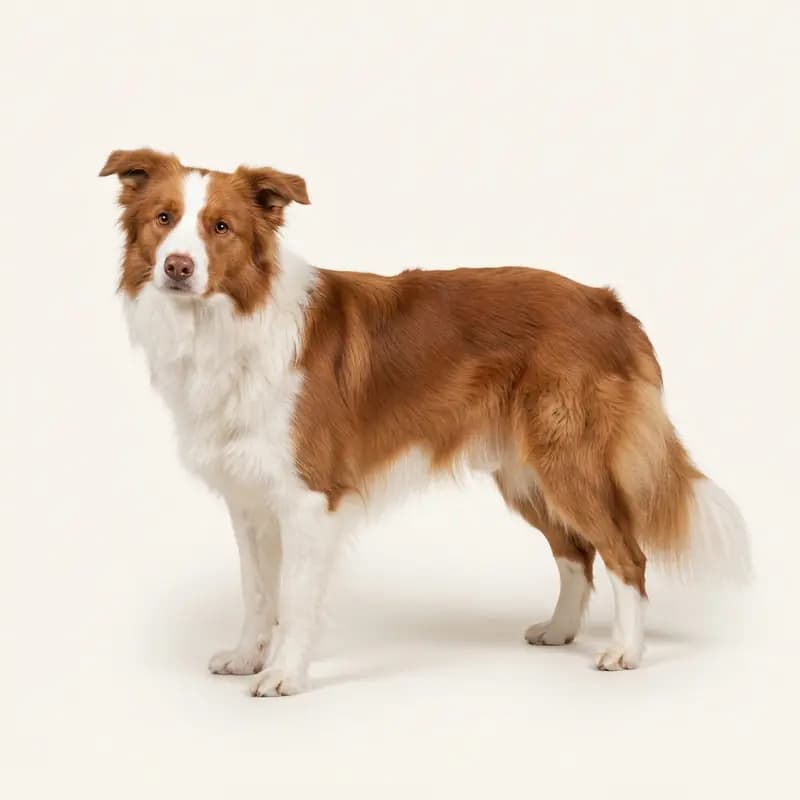
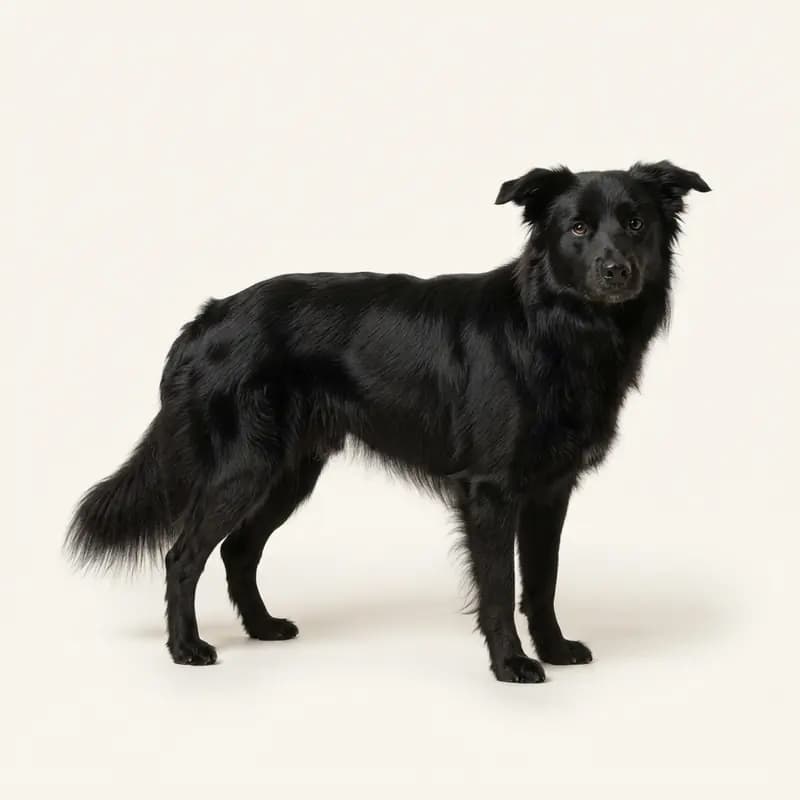
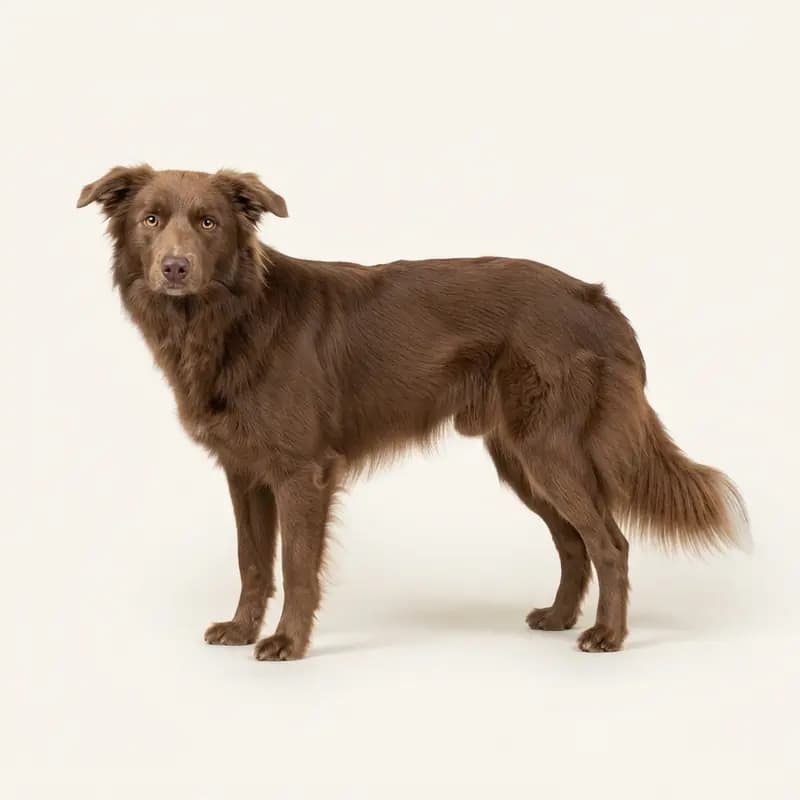
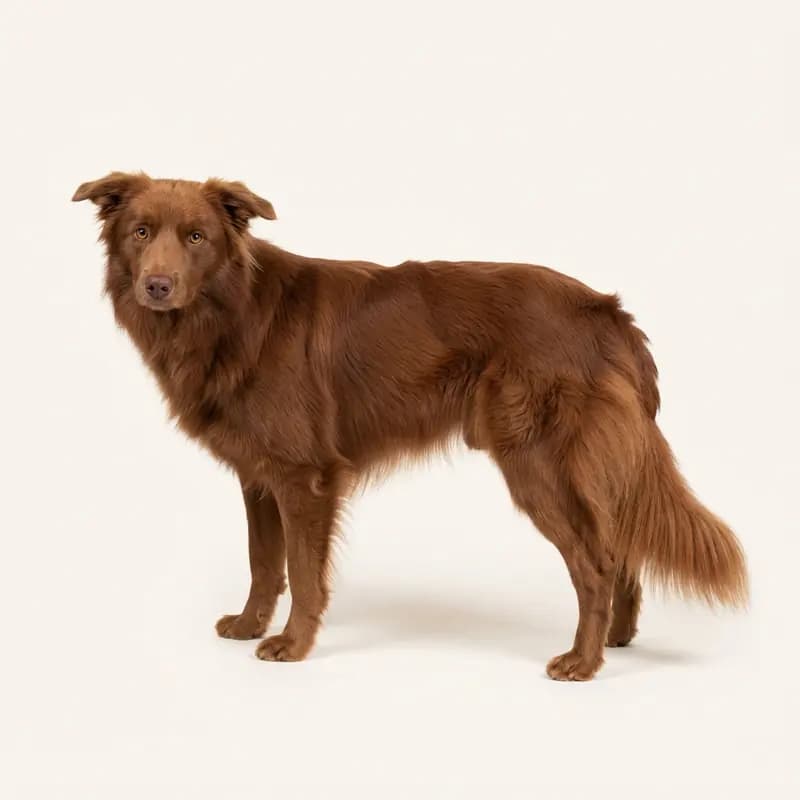
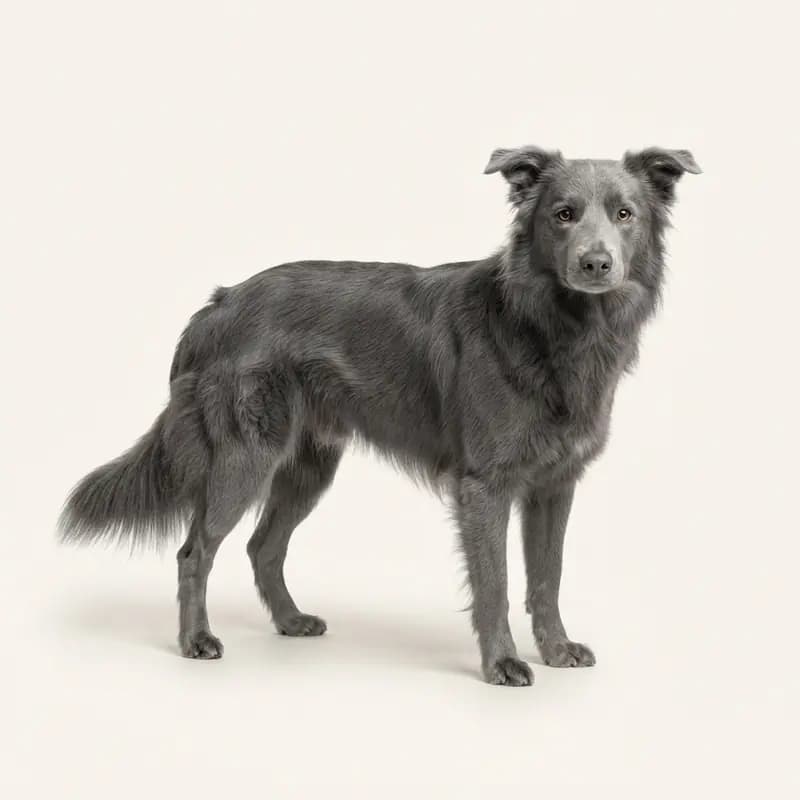
With a shoulder height of about 53 centimeters and a weight of 14 to 20 kilograms, this British native is a medium-sized dog bred for tireless work with sheep. To understand them better, it's worth looking at the Border Collie breed profile. Their energy level is extremely high, which is why a well-thought-out daily structure is essential. In this guide, you will learn how to build a deep bond with your dog from puppyhood to advanced training and how to overcome breed-specific hurdles.
The Border Collie as a Student: A Genius on Four Paws
Before we dive into practice, we must understand how the mind of this fascinating breed works. Border Collies have been selected over generations for extreme cooperativeness, the so-called "will to please," and a quick grasp of concepts.
Directing High Intelligence Correctly
The trainability of the Border Collie is outstanding. They often understand connections after just a few repetitions. For you as a trainer, this means you must be mentally flexible and quick. If you repeat an exercise too many times in exactly the same way, your dog will quickly get bored and start looking for their own ways to make the task more interesting. Effective Border Collie training is therefore characterized by short, snappy, and varied sessions.
Why Calmness is the Most Important Learning Goal
The biggest misunderstanding with this breed is the belief that you have to exhaust them physically for hours. The opposite is true: a Border Collie often naturally lacks an "off switch." If you let them fetch balls for hours every day, you are raising a high-performance athlete who demands more and more and lives in a constant state of alert. The very first and most important goal in their education is learning relaxation. Lying on a mat without reacting to every stimulus is often more exhausting for these dogs than a five-mile run.
Border Collie Puppy Training: The Crucial First Weeks
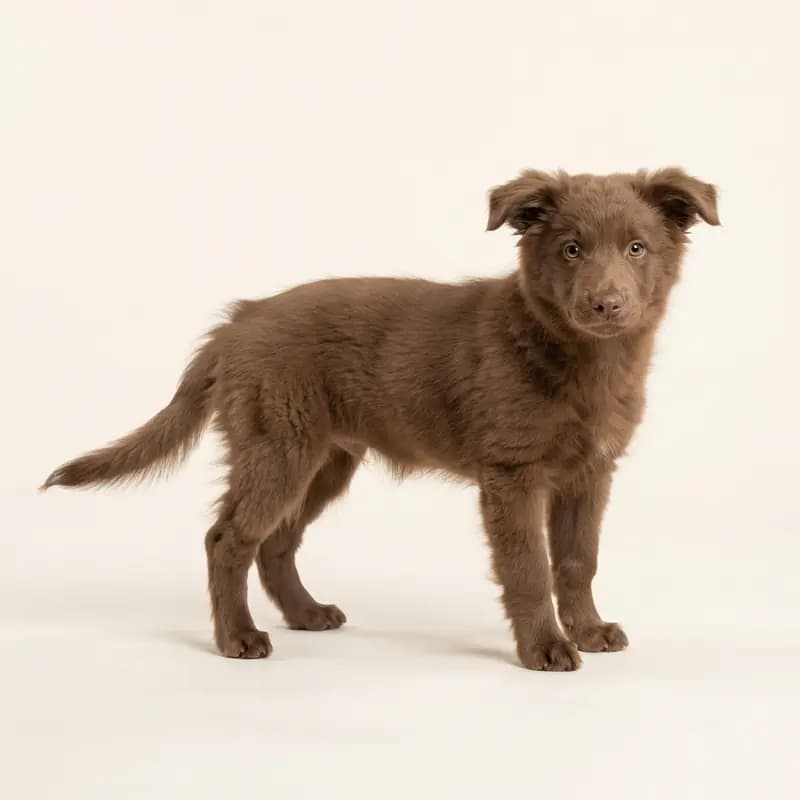
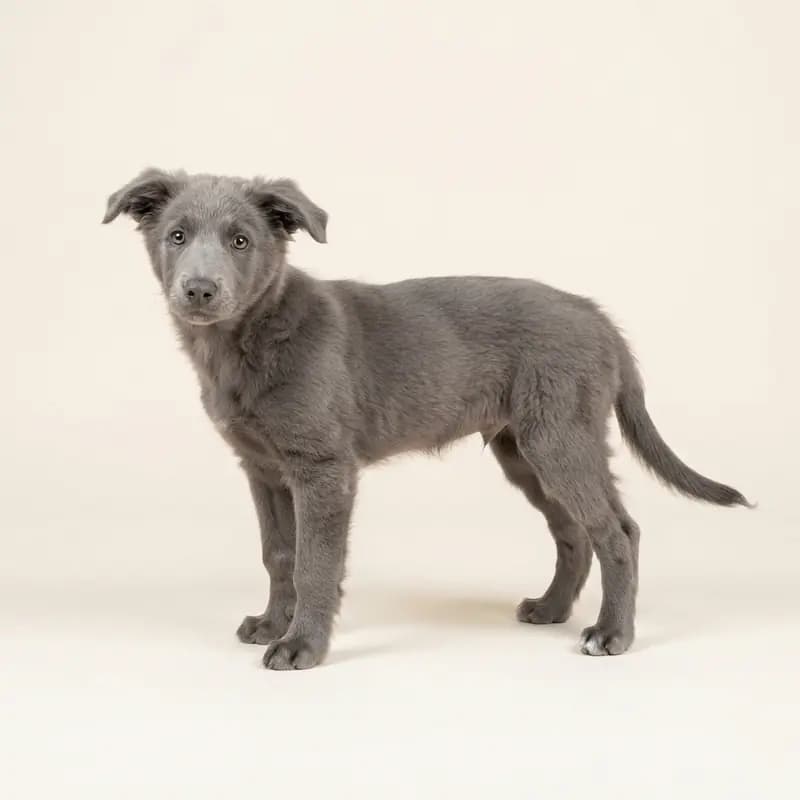
The first 16 weeks of a dog's life form the foundation for their entire future. Border Collie puppy training should be loving, structured, and, above all, calm.
Optimizing the Socialization Phase
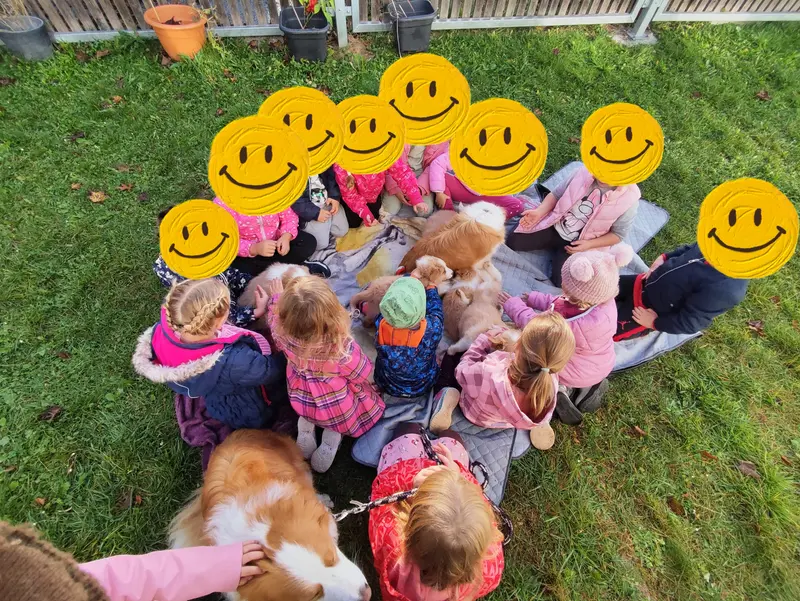
Since Border Collies react highly sensitively to movement and their natural suitability for city life is rather low, you must carefully accustom your puppy to environmental stimuli. Show them the world in small doses. Sit with them on a bench in a pedestrian zone or at the edge of a park and reward them when they stay relaxed as cars, cyclists, or playing children pass by. The goal is not for them to play with every dog or be petted by every person, but to learn: the world is colorful and loud, but I can stay calm by my human's side.
Housebreaking and Bite Inhibition
As with any other breed, housebreaking and bite inhibition are at the top of the curriculum.
- Housebreaking: Take your puppy outside after every sleep, play, and meal. Praise them extensively when they do their business. Border Collies pick this up extremely quickly.
- Bite Inhibition: Puppy teeth are sharp, and herding dog puppies especially tend to nip at pant legs or heels—a first sign of their herding instinct. Interrupt the behavior immediately with a calm but firm stop signal and ignore the puppy for a brief moment if they get too rough. Instead, offer an alternative they are allowed to chew on.
Establishing Rest Periods
A puppy needs up to 20 hours of sleep a day. However, your little Border Collie will not show you this voluntarily. Use a dog crate or a kennel as a positively introduced retreat. If the puppy gets overexcited, help them calm down by sitting quietly with them and stopping all action.
Essential Border Collie Commands
Daily life with a working dog requires clear communication. Certain Border Collie commands are essential for granting the dog freedom while maintaining control in tricky situations.
The Bulletproof Recall
Since Border Collies are very sensitive to stimuli, the recall must be like a reflex. Build it up positively: use a special word or a dog whistle and initially reward every return with a "jackpot reward" (e.g., liver paste or a tug toy). Don't just call the dog when play is over or danger is near, but also in between, only to release them again immediately. This way, they learn that the recall is not a punishment.
"Sit," "Down," and "Stay" Under Distraction
Border Collies usually learn these basic commands in their sleep. The real challenge is maintaining the command under high distraction. The "Stay" command is an enormous feat of impulse control for the energetic Brit. Train this in tiny steps. Initially, move away only one step and return immediately. Increase the duration and distraction (e.g., a flying ball) only when the foundation is absolutely secure.
A Reliable Stop Signal
A clear "No" or "Leave it" can be life-saving. If your dog's herding instinct is triggered by a passing car, you must be able to stop this behavior immediately. Build the stop signal first in low-distraction situations and condition it so that the dog immediately turns to you upon hearing the signal.
Breed-Specific Challenges in Border Collie Training
Genetics cannot be trained away. A Border Collie was selected over centuries for herding sheep. Extensive information on the nature and breed-specific characteristics of herding dogs can also be found at the Verband für das Deutsche Hundewesen (VDH).
Controlling Herding Instinct vs. Hunting Behavior
Herding is essentially a modified form of hunting behavior, where only the killing of the prey has been bred out. Fixating (the typical Border Collie stare), stalking, and circling are in the dog's blood. If you don't have sheep, your dog will look for substitute outlets. This could be playing children, joggers, bicycles, or in the worst case, cars. It is your job during training never to allow this behavior to happen uncontrolled. Redirection and impulse control are the keywords here.
Avoiding Overstimulation and Obsessive Behavior
Border Collies tend towards compulsive behavior if they are not occupied correctly. Fixating on shadows, staring for hours at reflections on the wall, or being absolutely obsessed with a tennis ball are warning signs. To prevent this, it is important to avoid repetitive movement games like mindless ball throwing. Use toys for interactive tug games or hide them so the dog has to use their nose.
Advanced Training: Challenging the Clever Mind
Once the basics of Border Collie training are in place, it's time to focus on breed-appropriate mental stimulation. Physical exercise (like cycling or jogging) only trains the dog's stamina. What they really need is mental fatigue.
Dog Sports and Mental Stimulation
The breed is a star in dog sports. But caution is advised. Sports like Agility or Flyball are great fun for Border Collies but can drive adrenaline levels dangerously high. If you practice such sports, pay strict attention to controlled breaks. Often, calmer, highly concentrated activities are better suited. The Arbeitsgemeinschaft Border Collie Deutschland e.V. (ABCD) recommends herding training, among other things, as well as alternative sports that challenge the mind.
Scent Work, Treibball, and Tricks
- Mantrailing and Scent Work: Scent work is incredibly exhausting for dogs. It requires maximum concentration and makes the dog satisfied and tired in a calm way.
- Treibball: Here, the dog is allowed to drive large exercise balls into a goal on command. It simulates herding work in a distanced and controlled manner.
- Trickdogging: Border Collies love learning new tricks. Whether it's closing doors, tidying up toys by name, or backing up—learning complex movement sequences strengthens the bond and mentally stimulates the dog.
Common Mistakes to Avoid in Border Collie Training
Even experienced dog owners sometimes fall into typical traps when training a Border Collie. Here are the most common mistakes to avoid:
- The Action Paradox: Fearing the dog might not be occupied enough, the activity program is increased daily. The result is a chronically overtired, stressed dog that can no longer find peace.
- Inconsistency in Daily Life: The highly intelligent Brit immediately recognizes when rules apply today but exceptionally not tomorrow. They will ruthlessly use these gray areas to their advantage.
- Physical Harshness: Border Collies are sensitive dogs. Harsh punishments, shouting, or physical reprimands permanently destroy trust. A stern tone of voice is usually completely sufficient for this breed.
- Dismissing the Herding Instinct: When a young dog starts to bunch up the family on a walk or circle ducks, it often looks cute. However, if this is not stopped from the beginning, massive behavioral problems will quickly develop.
Frequently Asked Questions
How much exercise does a Border Collie really need?
An adult, healthy Border Collie needs about two to three hours of exercise a day. However, it's not the pure distance that counts, but the quality of the walk. Integrate search games, small obedience exercises, and above all, enough time for extensive sniffing. Purely physical exhaustion on a bicycle is not enough and will only make the dog more athletic in the long run, not calmer.
Is a Border Collie suitable for beginners?
Generally, the Border Collie is recommended for more advanced dog owners. Their quick reactions, strong herding drive, and the need to find a perfect balance between activity and rest can easily overwhelm beginners. However, if you are extremely motivated as a beginner, inform yourself thoroughly beforehand, and work with a competent dog trainer from day one, it can still become a wonderful partnership.
When should I start training my puppy?
Training starts the day the puppy moves in with you. This doesn't mean you should immediately spend hours drilling formal commands like "Sit" and "Down." The first training consists of learning their name, housebreaking, learning house rules, and gentle socialization to environmental stimuli. Short sessions of two to three minutes, several times a day, are perfectly sufficient to start.
My Border Collie is herding children or cars – what should I do?
This is a major red flag! Herding behavior towards inappropriate objects is self-rewarding and extremely dangerous. Immediately put the dog on a leash in such situations to prevent success. Work intensively on their impulse control and a reliable stop signal. Don't hesitate to consult a specialized behavior trainer for strong behaviors to work on structured redirection of this instinct.
Conclusion: Achieving Your Dream Dog with Patience and Consistency
Border Collie training is not a task to be done on the side. It requires commitment, knowledge of learning theory basics, and a deep understanding of the working genetics of this wonderful breed. If you learn to direct your dog's enormous intellect into the right channels, respect their need for rest, and offer fair, consistent leadership, you will be rewarded with a partner who would literally go through fire for you. It is a daily balancing act between mental stimulation and relaxed serenity.
We hope this guide has given you the necessary tools to form a harmonious team with your intelligent four-legged friend. Are you looking for more in-depth knowledge, grooming tips, nutrition advice, or want to exchange ideas with other dog enthusiasts? Then discover many more exciting articles and helpful guides on HonestDog.de. Become part of our community and let's ensure the best life for your dog together!