





Maltipoo Training: The Path to the Perfect Companion
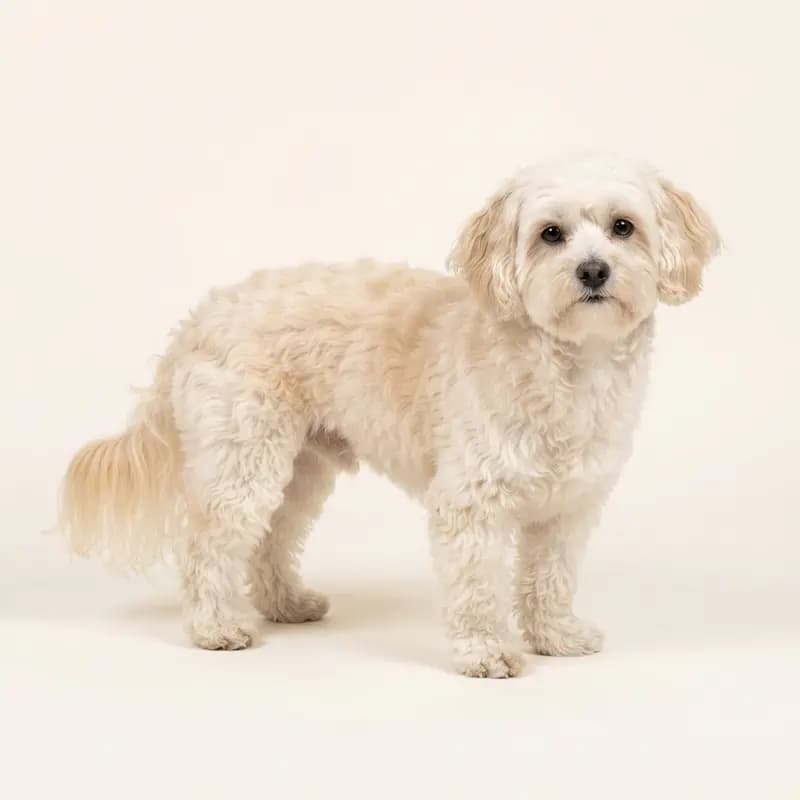
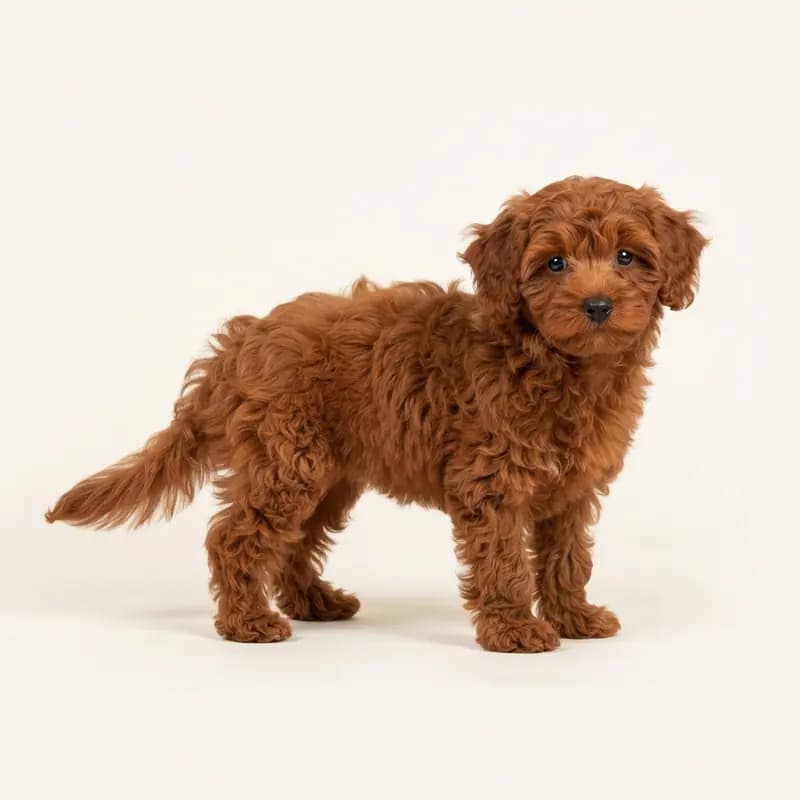
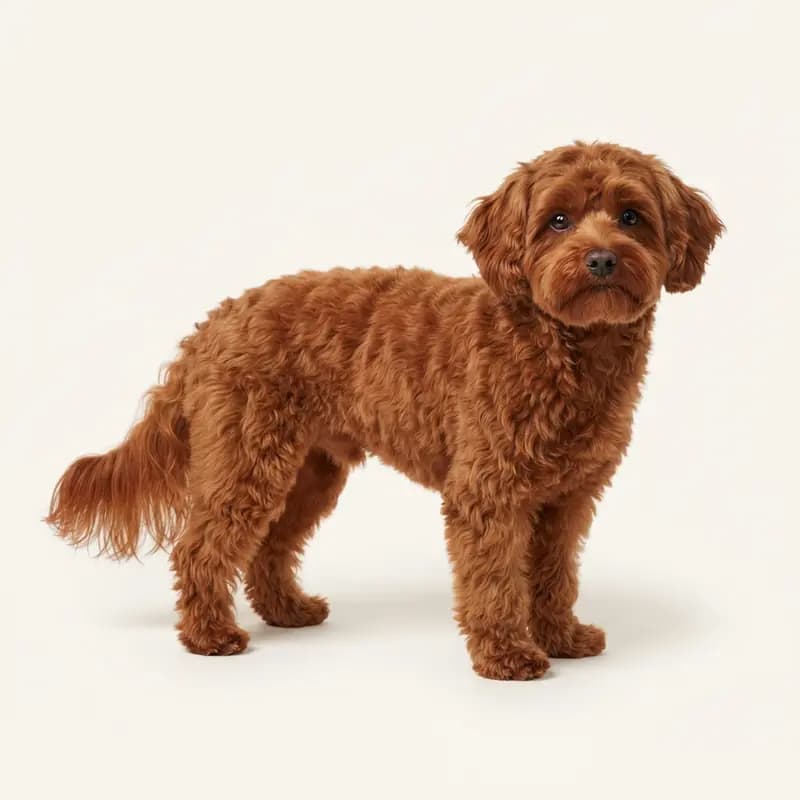
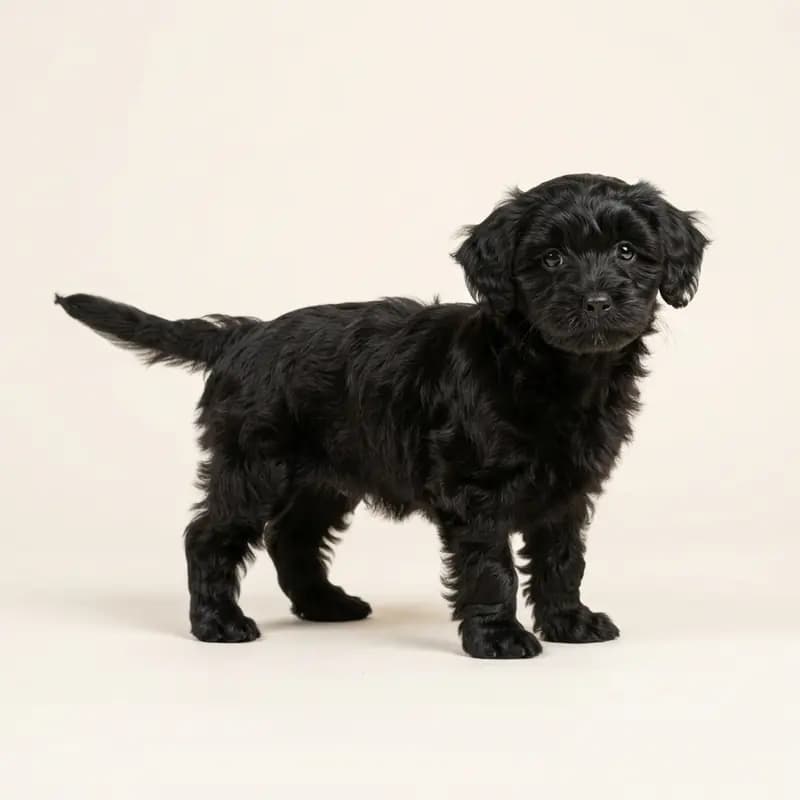
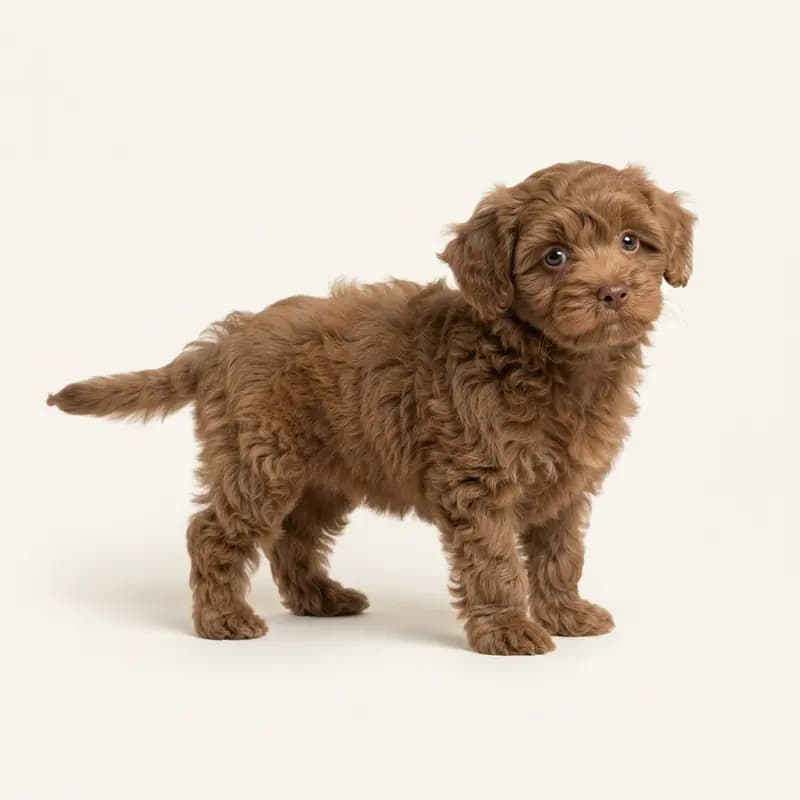
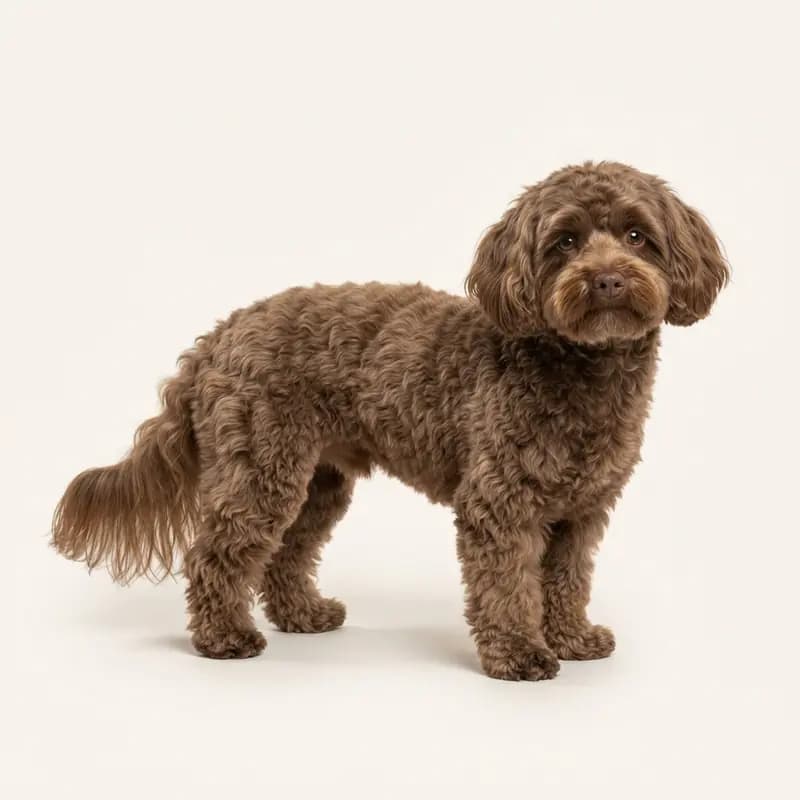
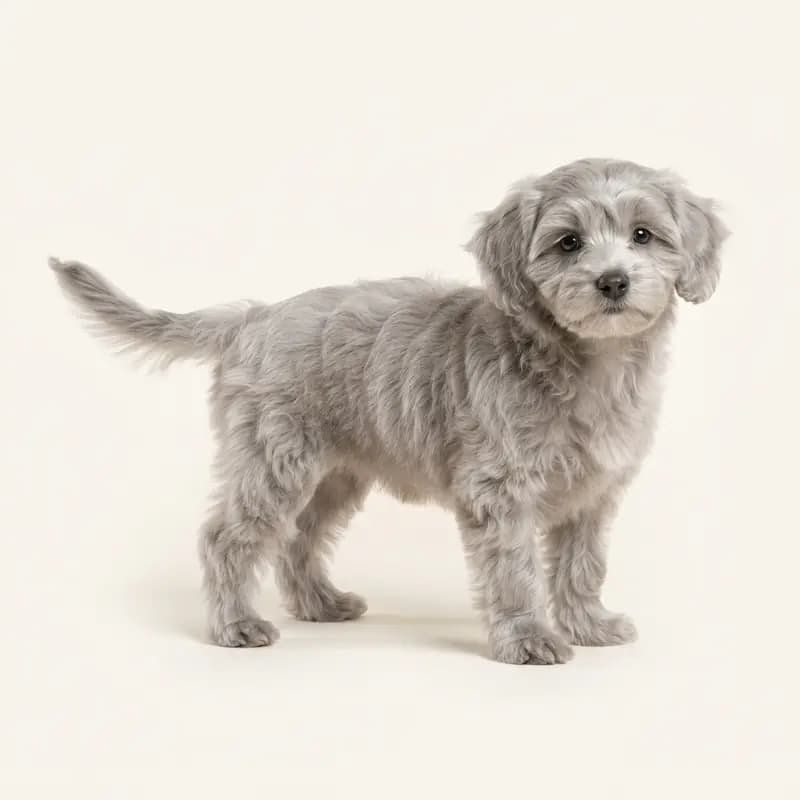
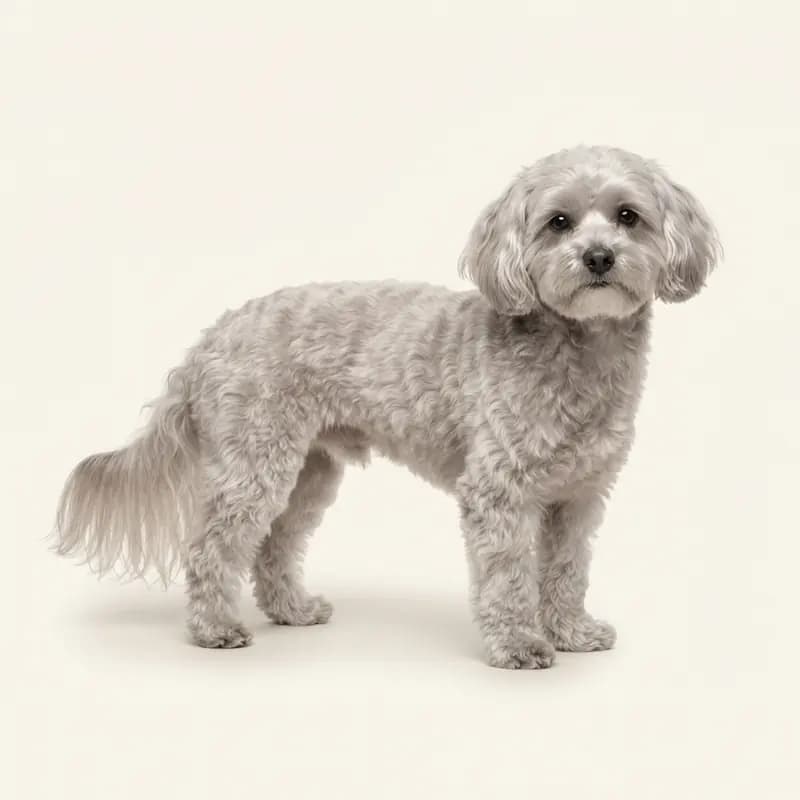
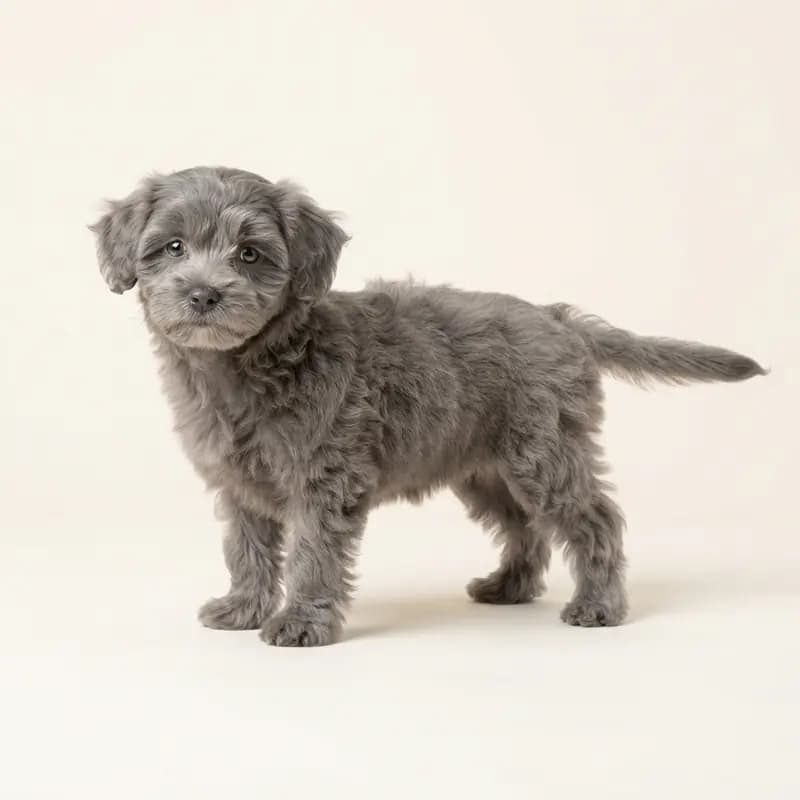
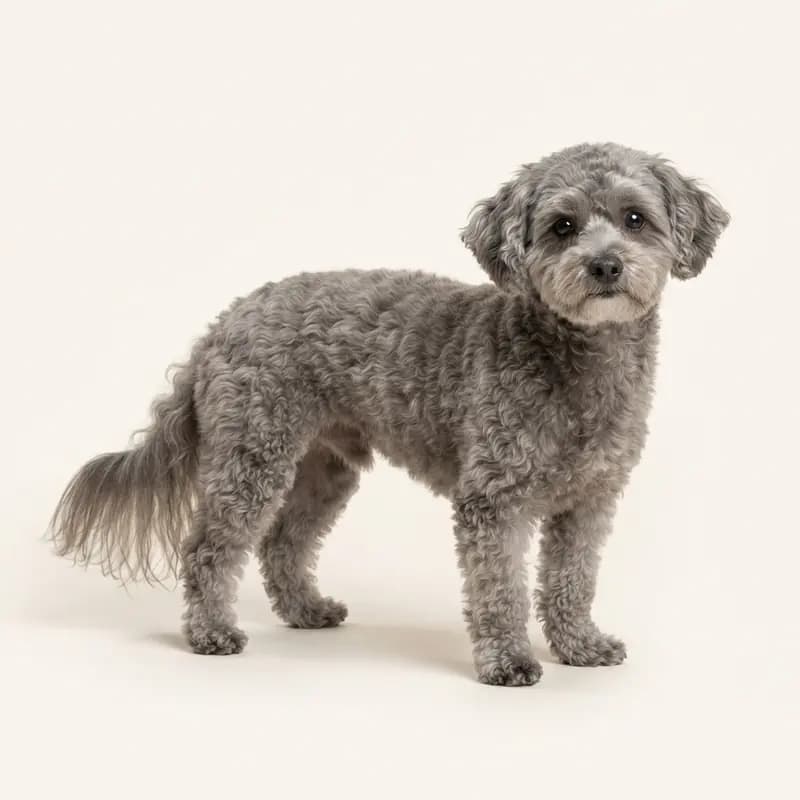
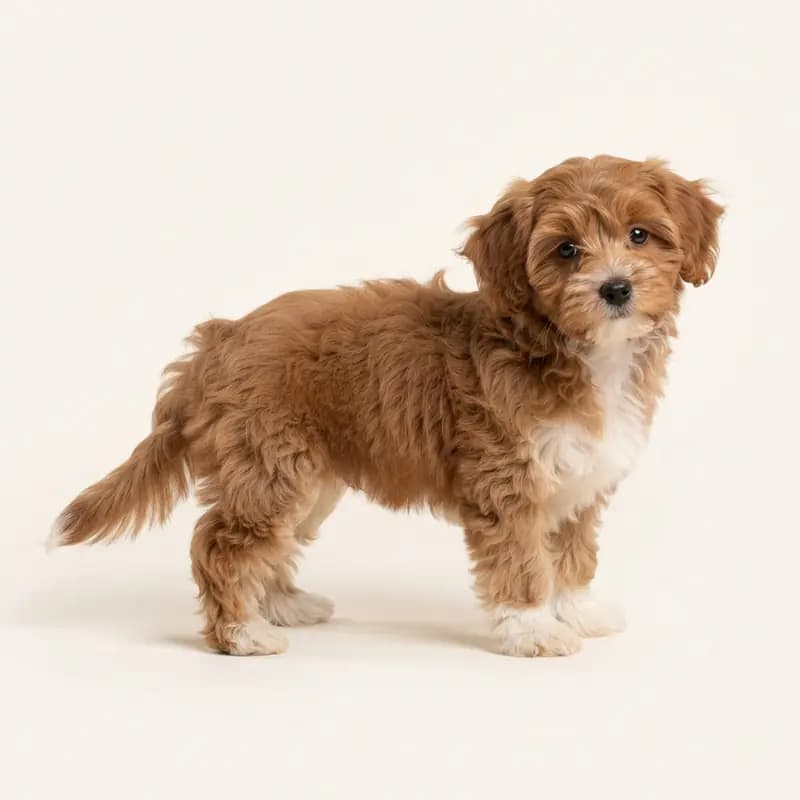
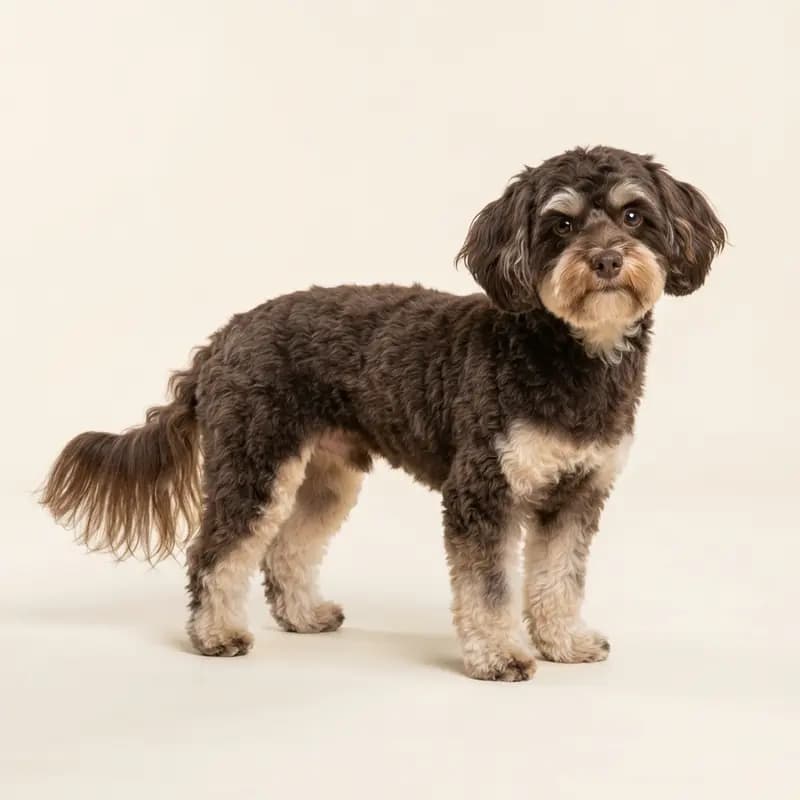
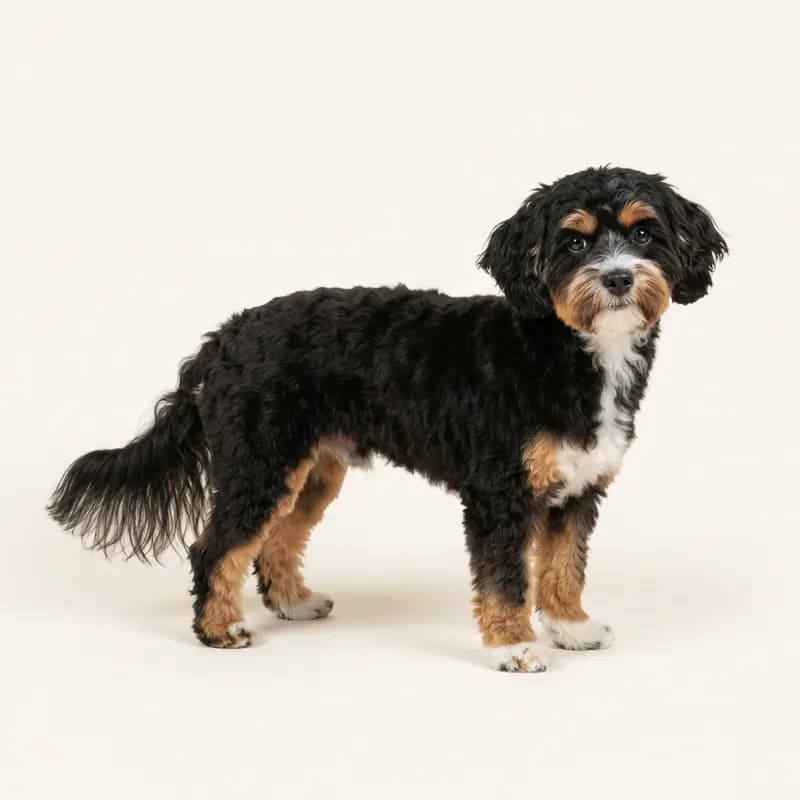
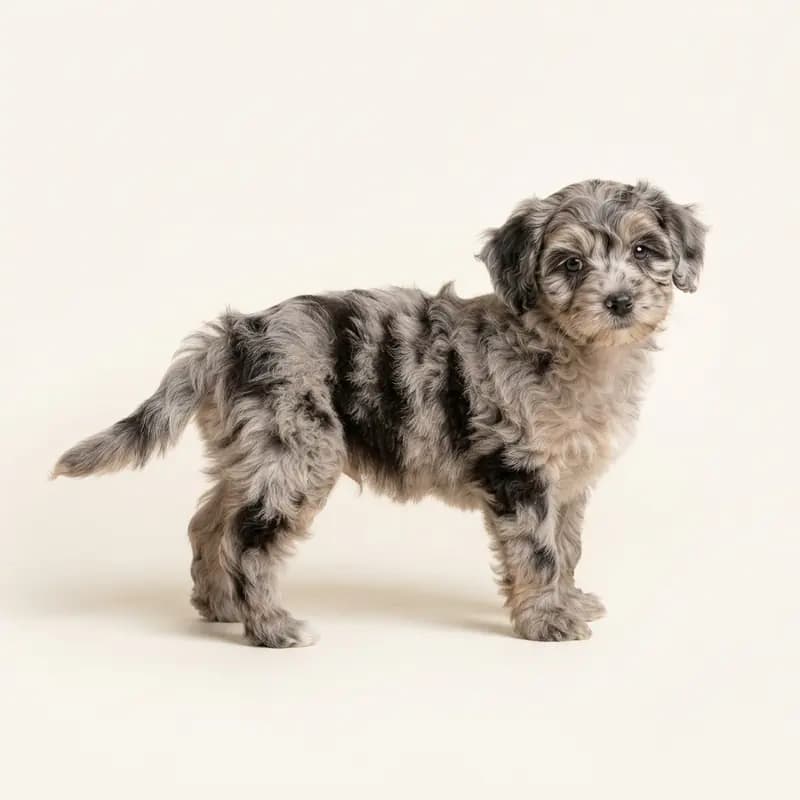
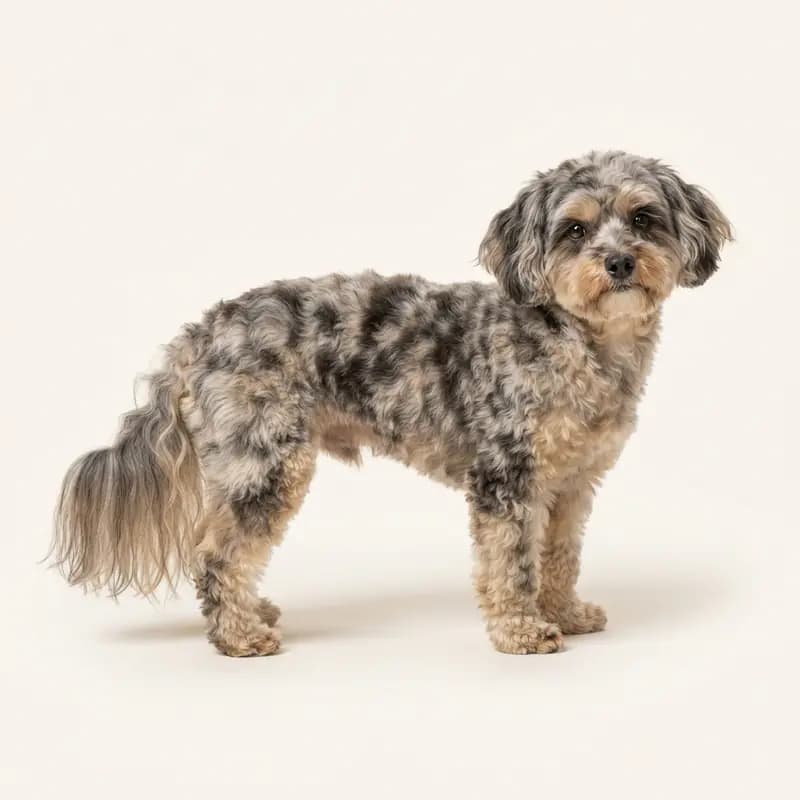
Congratulations if you have just brought a small, curly four-legged friend into your home, or are planning to do so soon! The Maltipoo, an adorable cross between a Maltese and a Miniature or Toy Poodle, is taking the hearts of dog lovers by storm. But don't let the teddy-bear appearance fool you: loving and consistent Maltipoo training is essential for turning that cute ball of fluff into a relaxed and well-adjusted companion for everyday life.
As an experienced dog trainer, I often encounter owners who believe that small dogs do not need to be trained to the same extent as large breeds. This is a misconception that often leads to stress for both parties. In this comprehensive guide, I will show you how to unlock the full potential of your clever companion, avoid typical beginner mistakes, and build a bond that lasts a lifetime.
Why Maltipoo Training is So Rewarding
When we look at the genetics of this hybrid dog, it quickly becomes clear why Maltipoo training is usually a true joy. It combines two breeds that are strongly people-oriented. The Poodle brings above-average intelligence and an extremely quick grasp of concepts. The Maltese contributes its charm, gentleness, and a great desire to please its human (the so-called "will to please").
For you, this means your dog learns incredibly fast. However, this applies to both desired and undesired behaviors. If you laugh just once because your puppy is tugging at your trouser leg, they have immediately learned: "Aha, my human enjoys this, I'll do it more often!" That is exactly why it is so important to establish clear but loving rules from day one. To better understand your dog's fascinating characteristics and origins, I recommend taking a look at our detailed Maltipoo breed profile.
Maltipoo Puppy Training: Essential Basics for the Start
The first few weeks in a new home set the course for the rest of their life. Maltipoo puppy training requires patience, calmness, and a clear plan. Proceed gently and do not overwhelm the little guy. Their attention span is still very short.
Moving In and the Critical Socialization Phase
Until about the 16th week of life, your puppy is in the so-called formative and socialization phase. During this time, their brain links new stimuli particularly quickly and lastingly. Since the Maltipoo has a city suitability rating of 5/5, you should use this time to get them used to urban noises, cars, bicycles, other dogs, children, and various surfaces.
- Moderation is everything: Show your puppy the world, but in small doses. Sitting at a train station for five minutes and watching trains is plenty. Afterward, the experience must be processed through sleep.
- Positive Association: Every new situation (like the first visit to a café) should be linked to something positive, like a treat or gentle petting.
- Provide Protection: If you notice your Maltipoo shivering or hiding behind you, remove them from the situation. You are their rock in the surf.
Comprehensive scientific information on the importance of early socialization and health prophylaxis for puppies can also be found at the Bundestierärztekammer, which provides valuable brochures for new dog owners.
Potty Training Your Maltipoo: A Game of Patience
Small dogs have small bladders. This is a biological fact you must consider during potty training. Your Maltipoo puppy will need to go outside very often at the beginning.
The basic rule is: immediately after every nap, after every meal, and after every intense play session, go straight outside to the door or the grass. Place your puppy there and wait patiently. When they do their business, praise them enthusiastically with a soft, high-pitched voice and perhaps give them a small treat. If an accident happens in the house: wipe it up without comment. Scolding after the fact is not understood by the dog and only destroys your relationship of trust.
Training Bite Inhibition Gently but Firmly
Puppies explore the world with their sharp milk teeth. This is completely normal but can be painful. Bite inhibition is not innate; the dog must learn it through play with their siblings and now with you.
If your Maltipoo bites your hand too hard during play, let out a short, high-pitched "Ouch!", stop the game immediately, and turn away for 10 to 20 seconds. This way, the smart little fellow quickly learns: rough behavior ends the fun. Once they have calmed down, you can resume the game.
Maltipoo Commands: The Basics of Training
Once your puppy has settled in, you can begin with basic commands. Maltipoo commands should never be given in a harsh, commanding tone. These dogs are sensitive; they respond best to a friendly, motivating voice and positive reinforcement through food or toys.
The Reliable Recall: The Most Important Command of All
Nothing is more important than your dog reliably coming to you when called. This protects them from danger and gives them more freedom in the long run.
- Start in an environment free of distractions (e.g., in the living room).
- Happily call their name followed by a "Here!" or "Come!".
- Squat down and spread your arms.
- As soon as they reach you, reward them with an absolute "jackpot" (e.g., a small piece of cheese or liver sausage) that they never get otherwise.
- Practice this later on a long training lead outside before venturing into off-leash walks.
Sit, Down, and Stay
These three classics structure your daily life and help the Maltipoo find calm in exciting situations. To achieve the "Sit" command, simply lead a treat slowly over the dog's nose towards the back of its head. The head goes up, and the rear automatically goes down. As soon as their bottom touches the ground, say "Sit" and give them the treat.
The "Stay" command builds on this. Have the dog sit, say "Stay," and take just one single step backward. Immediately return and reward them. Increase the distance and duration step by step, millimeter by millimeter. Patience is the key to success here.
Leash Training: Relaxed Through Everyday Life
A Maltipoo weighing between 2 and 6 kg won't necessarily pull you off your feet if they lunge into the leash. However, for the dog's sensitive throat and your own nerves, it is important that they walk on a loose lead. Simply stop dead in your tracks as soon as the leash becomes tense. Only when your dog turns back to you and the leash slackens should you continue walking. Consistency pays off significantly after a few weeks.
Breed-Specific Challenges for the Maltipoo
Although these dogs make fantastic family pets (child-friendliness 4/5, family-friendliness 5/5), their genetics and nature bring specific challenges that you must address in Maltipoo training.
Separation Anxiety: Teaching Them to Stay Alone Correctly
Maltipoos bond extremely closely with their owners. They prefer to be with you everywhere and at all times. This makes them wonderful companions but often leads to massive problems with being alone if this is not trained from an early age. Separation anxiety manifests as barking, howling, destructive behavior, or accidents in the house.
The buildup must be gradual:
- Start by leaving the room without comment and closing the door behind you. Return after two seconds. Don't make a fuss about it.
- Your coming and going must become the most normal thing in the world. Don't say long goodbyes and don't greet them over-excitedly when you return.
- Slowly increase the duration to minutes. Don't leave the house until leaving the room works without issues.
- Leave a worn sweater of yours or a safe chew toy to help soothe them.
Controlling Barking and Alertness
Both Maltese and Poodles can be quite alert and like to use their voices. If your Maltipoo barks at every noise in the hallway, do not shout at them (they will think you are barking along). Instead, briefly acknowledge that you have seen the "danger" ("Thank you, I'll take care of it") and send them to their place. Praise them as soon as they are quiet.
Medical Training and Grooming as Education
A Maltipoo hardly sheds (hair loss 1/5) but has curly fur without an undercoat that mats very quickly. The grooming effort is rated 3/5. This means your dog must be brushed daily and visit the groomer regularly. Staying still while being combed, having paws wiped, and teeth brushed is an elementary part of their training. Practice so-called "Medical Training" while they are still a puppy. Show them the brush, stroke their back gently, and reward them if they remain relaxed.
Advanced Maltipoo Training: Exercise for the Smart Mind
Physically, a Maltipoo does not need hours of marathon runs next to a bicycle. Their energy level is in the solid middle range (3/5). However, what this breed absolutely needs is mental stimulation. If a Maltipoo gets bored, they will find their own (usually undesirable) hobbies.
Trick Dogging
Poodles are former circus dogs, and this love for tricks is also present in the Maltipoo. They learn tricks like "give paw," "roll over," "beg," or "high five" incredibly quickly. Ten minutes of trick training tires your dog out mentally just as much as an hour-long walk. It also significantly strengthens your bond.
Scent Games and Nose Work
Every dog loves to use its nose. Hide part of their food ration in a snuffle mat or scatter treats in the garden. You can also teach them to find and bring specific objects (like your keys or a special toy) on command. For visiting a good dog school to learn such activities under professional guidance, the Verband für das Deutsche Hundewesen (VDH) offers good overviews and quality standards.
Avoiding Typical Mistakes in Maltipoo Training
Even with the best intentions, many owners of small dogs fall into classic traps. From my experience as a trainer, these are the most common mistakes:
- The "Handbag Dog" Syndrome: Maltipoos are small and cute, but they are full dogs. They want to sniff, run, dig in the dirt, and communicate with other dogs. Do not constantly carry your dog around in your arms. This makes them insecure and often aggressive toward other dogs because they are denied natural communication.
- Inconsistency Due to Cuteness: When your Maltipoo looks at you with those round button eyes, it's hard to say "No." But dogs need rules to feel safe. A dog that knows no boundaries is under constant stress because they believe they have to take the lead in the house. Loving consistency is the greatest favor you can do for your dog.
- Lack of Social Contact: Let your Maltipoo play with dogs of all sizes, provided they are respectful. Social compatibility with other dogs is very high in Maltipoos (4/5) but must be solidified through good experiences in youth.
Frequently Asked Questions (FAQ)
When should I start training my Maltipoo?
Training begins the moment the puppy moves in with you. This doesn't mean you should immediately apply harsh drills. But learning their name, potty training, house rules, and gently setting boundaries starts from day one.
Is a Maltipoo difficult to train?
No, quite the opposite. Due to the high intelligence of the Poodle and the pronounced people-orientation of the Maltese, the Maltipoo is considered easy to train and is also very suitable for dedicated beginners. However, consistency and working with positive reinforcement are always requirements.
How long should a Maltipoo puppy walk?
For puppies, the rule of thumb is: about 5 minutes of walking at a time per month of age, several times a day. A three-month-old Maltipoo should therefore not walk for longer than 15 minutes at a time to avoid overloading their joints. Playing and romping in the garden are excluded from this rule.
Why does my Maltipoo cry when left alone?
Maltipoos are extreme companion dogs and are prone to separation anxiety. If your dog cries, they are suffering from massive stress and fear of loss. It is extremely important to practice being alone in tiny steps (seconds to minutes) from an early age so that the dog learns that you always come back.
Conclusion: A Dream Dog Through Love and Consistency
Maltipoo training is a wonderful journey that brings you and your dog closely together. If you respect the sensitive but highly intelligent nature of your four-legged friend, rely on positive reinforcement, and offer them clear, safe boundaries, they will develop into a fantastic companion for everyday life. Always remember: a well-trained dog enjoys the most freedom.
Are you looking for more expert advice about your favorite pet, or are you looking for a reputable breeder for your future companion? Visit us at HonestDog.de! At HonestDog, we stand for transparency and animal welfare, offering you a trustworthy platform for everything you need for a happy life with your dog. Stop by now and become part of our large, dog-loving community!