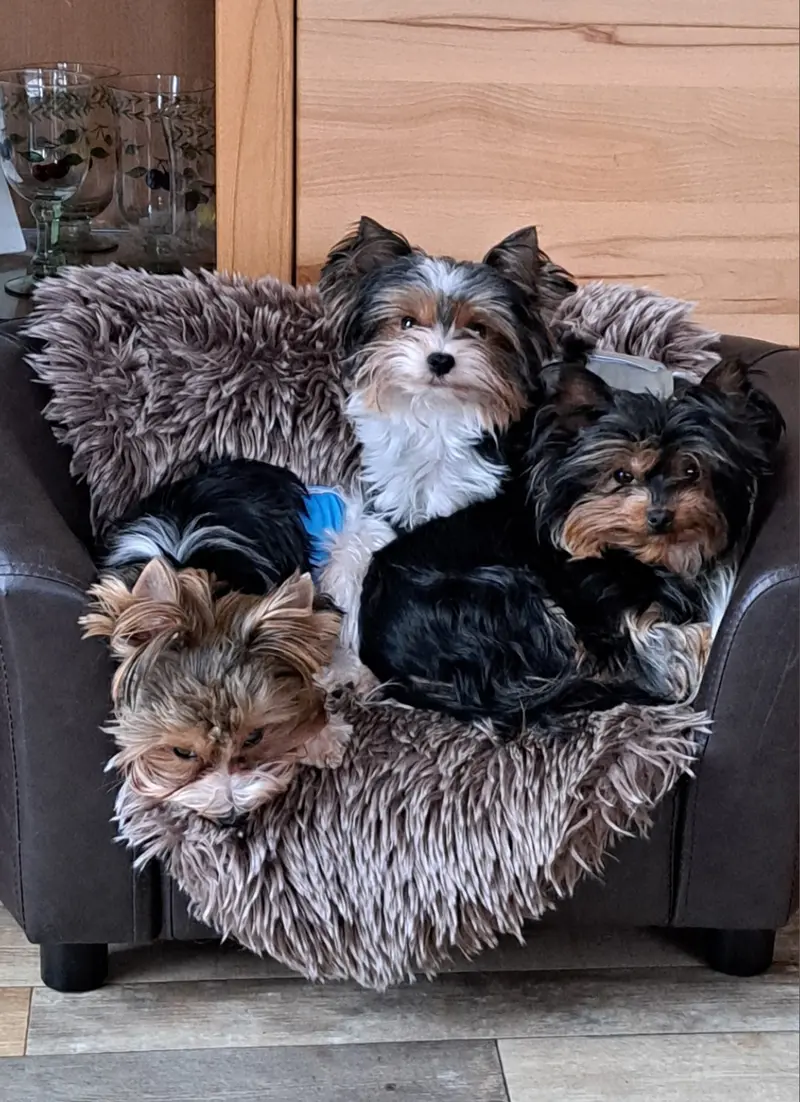
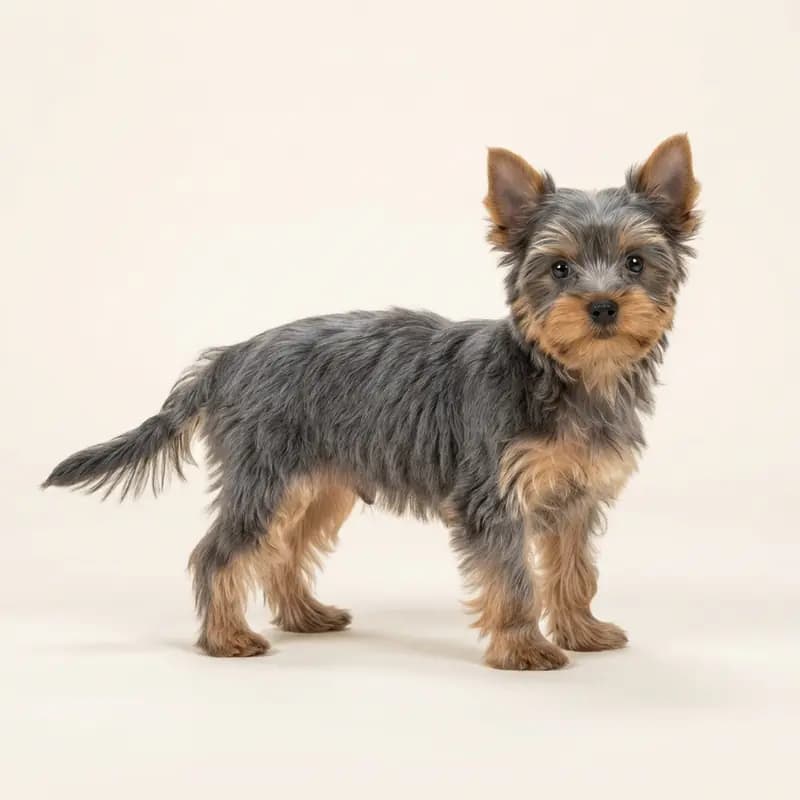
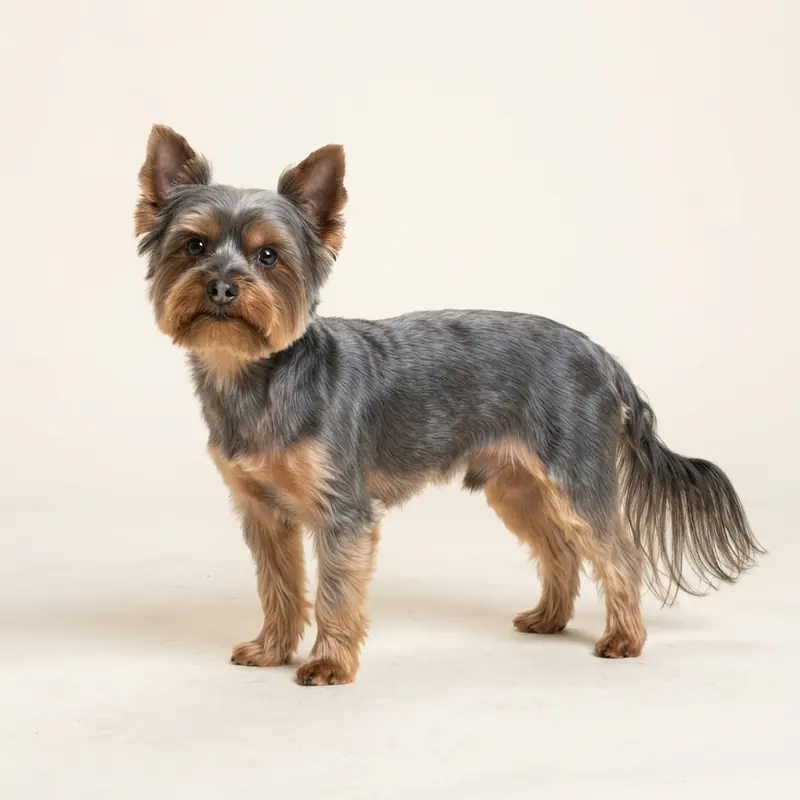
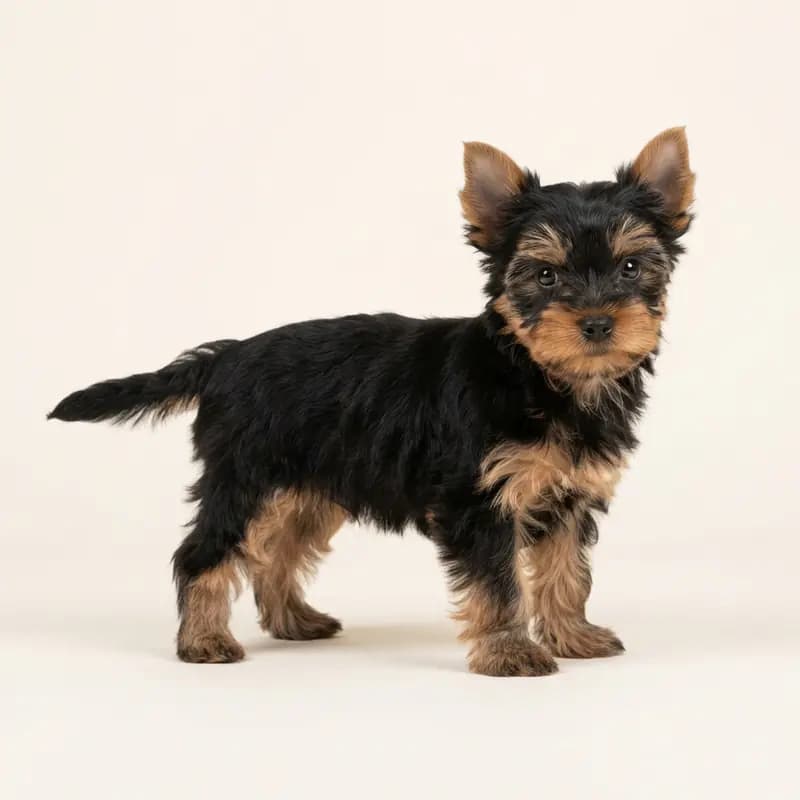
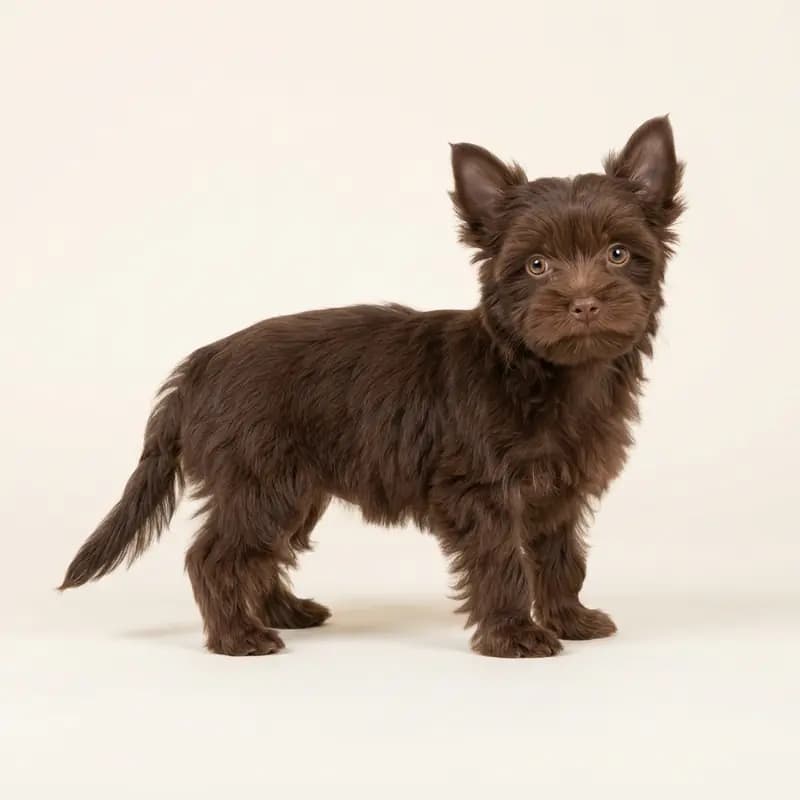
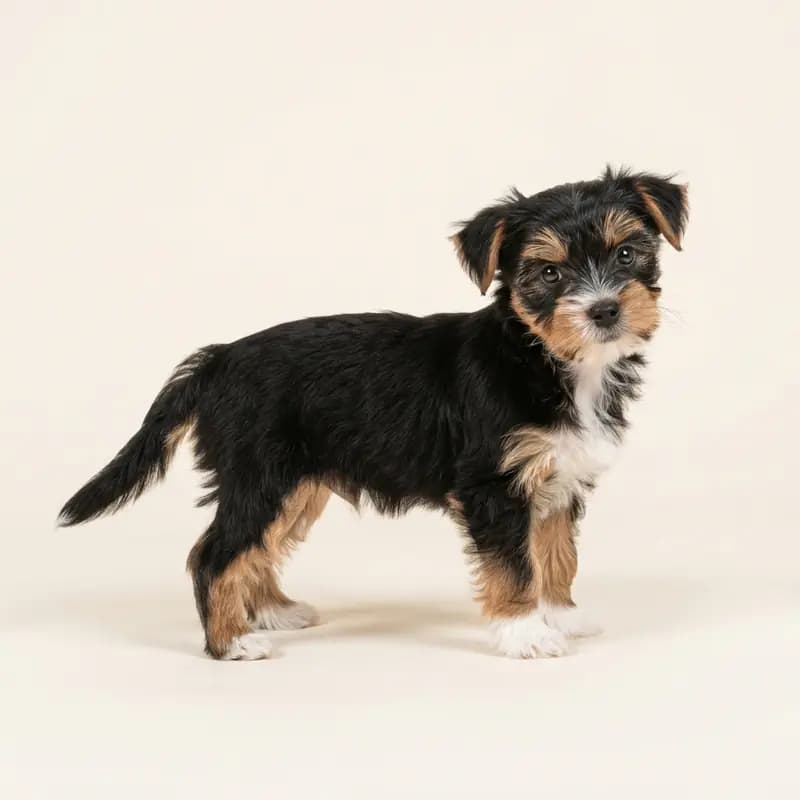
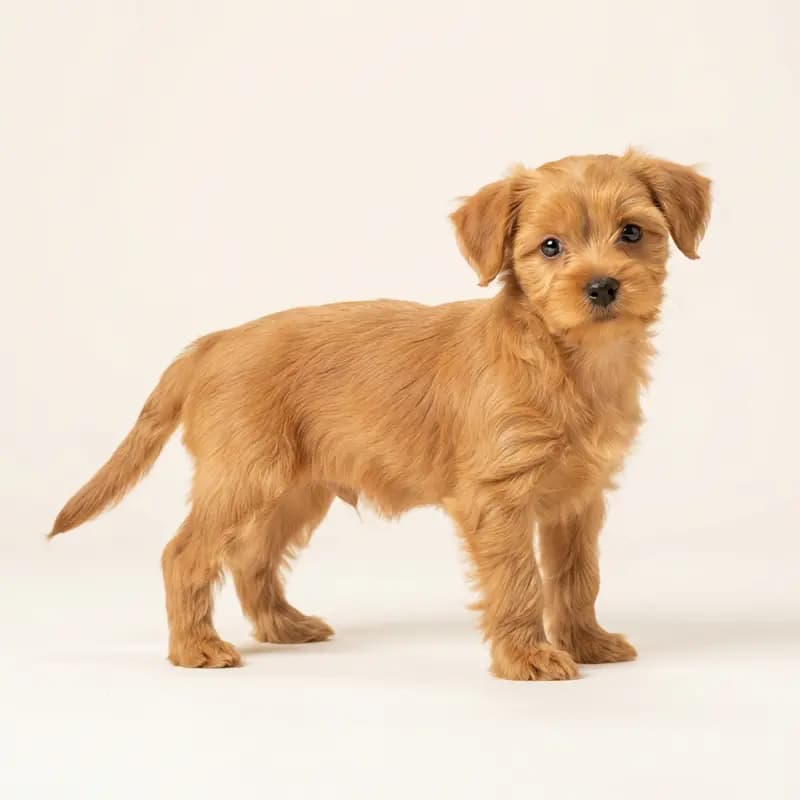
Congratulations on your new companion! Anyone who has lost their heart to this breed knows: there is a big personality in this tiny body. Due to their small size of up to just three kilograms and their silky coat, these dogs are often underestimated. But make no mistake – the Yorkie is a true terrier with a big personality, courage, and a healthy dose of self-confidence. Consistent and loving Yorkshire Terrier training is therefore the absolute key to turning a cute ball of fluff into a relaxed, confident companion for everyday life.
In this comprehensive guide, I will show you from a dog trainer's perspective how to best understand your little whirlwind, which training methods really work, and how to avoid typical beginner mistakes. Whether you are currently planning to get a puppy or already have an adult Yorkie at home – here you will find all the tools for a harmonious life together.
The Basics of Yorkshire Terrier Training: Small Dog, Big Ego
To train your dog correctly, you first have to understand where they come from. The Yorkshire Terrier originally hails from the working-class neighborhoods of Northern England. There, they were not bred as lapdogs, but as fearless rat and mouse catchers in the narrow shafts of textile mills. This heritage still shapes them today: they are lively, extremely attentive, lightning-smart, and sometimes quite stubborn.
If you look at the detailed Yorkshire Terrier breed profile, you will notice that their trainability is rated 3 out of 5 stars. What does this mean for you in everyday life?
- They learn quickly: Yorkies are highly intelligent. They often grasp new concepts in record time.
- They like to question things: As a true terrier, they don't just follow commands blindly but consider whether it's worth it for them at that moment. Motivation is the magic word here.
- They need leadership: If you don't set clear rules, this tiny dog will ruthlessly take over the house. They often think they are a giant in a dwarf costume.
For detailed information on breed standards and the typical nature of terriers, I always recommend taking a look at the official pages of the Klub für Terrier e.V. (KfT).
Yorkshire Terrier Puppy Training: The Critical First 16 Weeks
Yorkshire Terrier puppy training begins exactly on the day the little furball moves in with you. The weeks up to the fourth month of life form the so-called socialization phase. What the dog learns (or doesn't learn) now will shape them for their entire life of 13 to 16 years.
1. House Training: Patience with Small Bladders
A Yorkshire Terrier puppy has a tiny bladder. In the beginning, you must take them outside after every nap, every play session, and every meal. A rough rhythm for the first few weeks is a potty break every two hours. Praise them enthusiastically with a calm voice and a tiny treat as soon as they have done their business outside. Scolding for small accidents in the house is absolutely taboo – simply wiping it away without comment is perfectly sufficient.
2. Socialization: Discovering the World
Since Yorkies can tend to bark or lunge forward when insecure, careful socialization is essential. Show them the world, but don't overwhelm them. They should learn to:
- Pass other dogs (of all sizes) calmly. However, make sure they are not physically injured by large, boisterous dogs.
- Get to know everyday noises like vacuum cleaners, cars, and buses.
- Perceive children as something positive. Since the Yorkie only scores 2 out of 5 for child-friendliness, it is important that children especially learn not to treat the dog like a toy. They have a low tolerance for rough handling.
3. Medical Training and Grooming
With a grooming requirement of 5 out of 5 points, your Yorkie will spend a lot of time on the grooming table. Their silky coat without an undercoat tangles quickly. Get them used to the brush, touching their paws, and checking their ears and teeth from day one. Make it a relaxed ritual with plenty of praise so that future visits to the groomer or vet are stress-free.
4. Training Bite Inhibition
Puppies explore the world with their mouths. If your Yorkie bites too hard while playing, give a short, high-pitched yelp, stop the game for about 30 seconds, and ignore them. This way, the intelligent little guy quickly learns that rough behavior means the end of the fun.
The Most Important Yorkshire Terrier Commands for Everyday Life
A well-trained dog enjoys more freedom. Yorkshire Terrier training should be based on positive reinforcement. Harshness or loud shouting only destroys trust – the Yorkie is sensitive and will completely shut down under pressure. Here are the most important Yorkshire Terrier commands and how to build them according to the breed's nature.
The Reliable Recall ("Come" or "Here")
Because of their pronounced hunting instinct, the recall is the absolute most important thing your Yorkie needs to learn. Start in a low-distraction environment (in the living room). Call their name followed by a joyful "Come!". If they come to you, give them a super reward (e.g., a tiny piece of cheese or liver paste from a tube). Increase distractions very slowly and always use a long training lead for safety when outdoors initially.
Sit and Down
These basic commands provide impulse control. Yorkies often learn this in a few minutes if you lure them with a treat over their nose ("Sit") or from the nose down between the paws ("Down"). The trick with a Yorkie is not the learning itself, but the consistency. Demand these commands consistently in everyday life, for example, before they get their food or before the front door opens.
The "Stay" Command
For a dog with an energy level of 3/5 who is also extremely clingy, staying in one place is often difficult. Build the "Stay" in tiny steps. Have them "Sit," say "Stay," take only half a step back, immediately return, and reward them. You should only increase the duration and distance gradually.
The Release Signal ("No" or "Drop it")
Yorkies love to pick things up in their mouths that they find on the street. A reliable "Drop it" (spit out what is in your mouth) and a clear "No" (stop what you are about to do) are life-savers. Train the "trade": they give you something they found and get a much better treat from your hand in return.
Breed-Specific Challenges in Yorkshire Terrier Training
Every breed brings its own little quirks. If you know these from the start, you can counteract them specifically during training.
The Barking Problem (Yapping)
Terriers were also bred to sound the alarm. The Yorkie reliably reports every mail carrier and every falling leaf. The goal of training is not to stop them from barking entirely (that would go against their nature), but to control it. If the doorbell rings and they bark: thank them calmly ("Thank you, I've seen it"), take over the situation, and send them to their place. Don't yell at them – otherwise, they will think you are just barking along with them!
Preventing Separation Anxiety
As described in the breed profile, the Yorkie's loyalty is wonderful but can lead to separation anxiety. They love their humans so much that they suffer when they leave. Staying alone must be practiced meticulously. Start by not letting them follow you constantly in everyday life. Occasionally close the bathroom door behind you. Step out of the apartment for seconds and come back in before they start whining. Increase these times extremely slowly. A relaxed dog sees their owners off without stress.
The Hunting Instinct
If a squirrel or a rustling leaf crosses their path, the terrier brain often switches into tunnel-vision mode. Here, only impulse control with the owner helps. A well-established "Watch me" command helps redirect their attention back to you in critical moments. Alternatively, you can redirect and satisfy their hunting drive through targeted scent games.
The Verband für das Deutsche Hundewesen (VDH) often offers great tips and further literature on breed-appropriate activities for terriers.
Advanced Training and Mental Stimulation
Physical exercise is important, but you make a smart Yorkie happy primarily through mental work. An under-stimulated terrier will quickly look for its own (usually undesirable) tasks, such as dismantling furniture or excessive barking at the garden fence.
- Trick Training: Due to their agility and intelligence, Yorkies are great at learning tricks. "Give paw," "Roll over," "Beg," or weaving through your legs exercises their mind and strengthens your bond.
- Nose Work: Hide their favorite toy or small treats in the house or garden and let them search. Concentrated scent work makes dogs extremely tired in a good way.
- Agility for Small Breeds: Once your Yorkie is fully grown (and vet-checked), mini-agility is a fantastic sport for you. It satisfies their urge to move and requires close cooperation with you.
Common Mistakes to Avoid
As a trainer, I see the same misunderstandings over and over again with small breeds. The Tierärztliche Vereinigung für Tierschutz rightly points out that toy dogs are full-fledged dogs with corresponding needs and not fashion accessories. Therefore, strictly avoid these mistakes:
Mistake 1: Constantly picking the dog up.
Of course, you want to protect your small dog from major dangers. But if you immediately snatch them up at every dog encounter, they learn two things: 1. Other dogs are terribly dangerous. 2. From up here in your arms, I am the king and can bark wildly at everyone. Protect them by standing between them and the danger, but let them explore the world on their own four paws.
Mistake 2: Inconsistency due to the "cuteness factor."
If a 30-kilogram dog jumps on you, you stop it immediately. When the small, fluffy Yorkie does it, many owners are delighted. For the dog, this is extremely confusing. Do rules apply, or do they not? Treat them exactly as you would treat a German Shepherd in terms of training.
Mistake 3: The wrong training equipment.
A Yorkshire Terrier has a sensitive neck area (risk of tracheal collapse). Therefore, especially during the training phase when they are not yet walking perfectly on a loose leash, always lead them on a well-fitting, lightweight harness and never just on a collar.
Frequently Asked Questions (FAQ)
When should I start training my Yorkshire Terrier?
Training starts from the very first day they move in, usually at the age of 8 to 12 weeks. This doesn't mean strict commands yet, but rather the gentle introduction of house rules, house training, learning their name, and slowly building trust.
Are Yorkshire Terriers hard to train?
They are not inherently difficult to train, but they require patience and consistency. Because of their intelligence, they learn commands very quickly, but they learn just as quickly how to wrap their owners around their little paws. With loving clarity and positive reinforcement, they are excellent and obedient students.
How do I housebreak my Yorkie?
Consistency and management are key here. Take them outside immediately after sleeping, playing, and eating. Reward them extensively there. In small breeds, house training sometimes takes a few weeks longer than in large breeds for physical reasons, as sphincter control must first fully mature.
Can a Yorkshire Terrier stay home alone?
Yes, but it must be trained carefully and in small steps. Since Yorkies are very people-oriented, they are prone to separation anxiety. Build up alone time in tiny intervals (seconds, then minutes) without making a big fuss when leaving or returning.
Conclusion: With Consistency and Love to the Perfect Companion
Yorkshire Terrier training is a wonderful journey. If you are willing to take this tiny dog seriously as a full-fledged partner on four paws, view their terrier-typical quirks with humor, and set clear but loving boundaries, you will be rewarded with an incredibly loyal, fearless, and charming companion. Always remember: a tired and mentally stimulated Yorkie is a happy and well-behaved Yorkie!
Would you like to exchange ideas with other Yorkie owners, are you looking for experienced trainers, or the perfect breeder for your dream dog? Then discover the community on HonestDog.de now. We offer you transparent, honest information and connect you with reputable breeders and experts who will support you every step of your dog journey. Become part of our community and make life with your dog a little better every day!