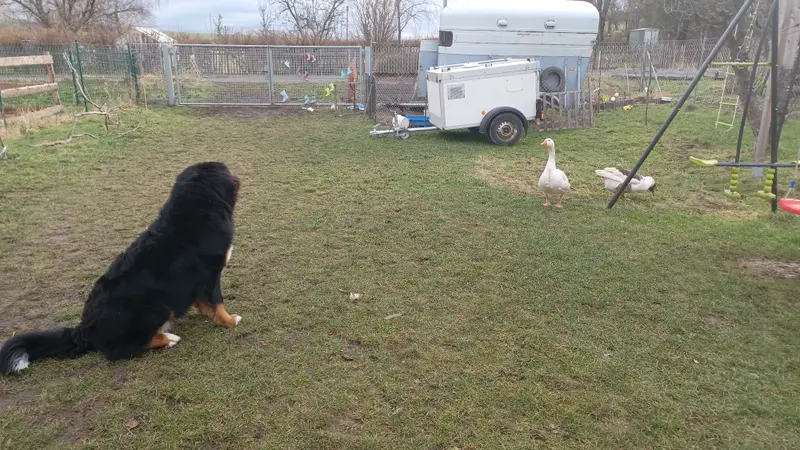
Are you thinking about adding a new member to your family, and is your heart set on the gentle giants of Switzerland? Choosing to adopt a Bernese Mountain Dog is a wonderful, life-changing decision. These impressive animals, with their striking tri-colored coats and loyal gaze, are much more than just a beautiful sight. They are devoted family members, calm soul-soothers, and patient companions.
As an experienced animal welfare advocate and dog expert, I want to guide you on this exciting journey. Often, when people think about getting a dog, they immediately think of a puppy from a breeder. However, animal shelters and rescue organizations are full of great dogs that deserve a second chance. In this comprehensive guide, you will learn everything you need to know if you want to give a rescue Bernese a new home. We will look at the honest challenges, breed-specific traits, and the immense joy such a dog can bring to your life.
Adopting a Bernese Mountain Dog: Why this decision enriches your life
The Bernese Mountain Dog originally comes from Switzerland and belongs to the Working Group. There, they were traditionally used as draft, guard, and herding dogs on farms. Today, we primarily know them for what they do best: being a devoted family dog. When you decide to adopt a Bernese Mountain Dog, you aren't just bringing a pet into your house, but a true friend for life.
With a shoulder height of 25 to 28 inches for males and a stately weight of 85 to 110 pounds, they definitely belong to the large dog breeds. But don't let this imposing appearance fool you. Their temperament is rightly described as good-natured, calm, and steady. They are literal "gentle giants." If you want to learn more about specific breed characteristics and history, I recommend taking a look at our detailed Bernese Mountain Dog breed profile.
Why do Bernese Mountain Dogs end up in shelters?
If these dogs are such fantastic companions, you might wonder: why would I even find a Bernese Mountain Dog in a shelter? The reasons for this are rarely the dog's fault, but almost always due to the previous owners' life circumstances or completely wrong expectations before getting the dog.
Underestimated size and pure power
A Bernese puppy is a fluffy, clumsy bundle of joy that you can't say no to. But this bundle grows incredibly fast. An adult male can weigh up to 110 pounds. If such a dog hasn't learned to walk loosely on a leash during adolescence, walks can become a physically exhausting nightmare for many owners. Often, Bernese dogs end up in rescue at the age of one or two because the owners are simply physically overwhelmed.
Intense grooming requirements
The breed is known for its long, silky coat with an extremely dense undercoat. The grooming requirement is 4 out of 5 points, and the shedding, rated at 3 out of 5, should not be underestimated. Especially during the seasonal coat changes in spring and autumn, the Bernese loses hair in clumps. This means: daily brushing, frequent vacuuming, and a certain tolerance for dog hair on your clothes are absolute requirements. Many people drastically underestimate this work and give up the dog out of frustration.
Changes in owner circumstances
Because the Bernese Mountain Dog is extremely people-oriented, they suffer greatly from separation or being left alone for long periods. Divorce, a sudden job change with full-time office work, or serious illness of the owner are frequent, albeit tragic, reasons why these wonderful dogs lose their homes.
Health and financial strain
This is perhaps the saddest truth about this breed: the average life expectancy of a Bernese Mountain Dog is only 6 to 8 years. Unfortunately, they are prone to certain genetic conditions such as hip and elbow dysplasia (HD/ED) as well as various types of cancer. Veterinary costs for a 110-pound dog are enormous, as medications and anesthesia are billed strictly by body weight. If dogs become ill in middle age, some owners surrender them to shelters out of pure financial necessity.
What to expect with a Bernese Mountain Dog from a shelter
Taking in a dog from animal rescue is a surprise package — in the most positive sense. If you contact a specific Bernese Mountain Dog rescue or a local shelter, you will usually be advised by experienced caretakers who already know the dog's personality.
Behavior and grief
Bernese Mountain Dogs bond extremely closely with "their" people. Losing their family is a deep trauma for them. In the shelter, they often initially appear depressed, withdrawn, or eat poorly. It can take some time before an adopted Bernese shows its true, happy face. This requires endless patience and a lot of empathy.
The potential history
Some dogs come back as "returns" from families and already know their basic manners perfectly. Others come from poor conditions, perhaps having only guarded a yard for years, and don't know what life inside a house is like at all. Even though the breed is considered very child-friendly (5 out of 5 points) and family-compatible (5 out of 5 points), you should carefully inquire about your adoptee's history. Every interaction between a new dog and children must be supervised without exception, especially in the beginning.
The cost factor: Adoption vs. buying from a breeder
Let's talk honestly about money. A puppy from a reputable breeder — ideally one affiliated with the VDH (Verband für das Deutsche Hundewesen) — usually costs between 1,800 and 3,000 euros today. Breeders in specialized clubs invest a lot of money in health screenings of parent animals to increase the breed's life expectancy.
The adoption fee in a shelter, on the other hand, is usually only between 300 and 500 euros. But beware: adopting a dog for financial reasons is a grave mistake. A rescue Bernese might be cheaper to acquire, but they may bring along health issues that the previous owner failed to treat. You should always have a solid financial cushion for vet visits, high-quality food, and potentially physical therapy for their joints.
The first few weeks: How to settle in your gentle giant
The day of pickup has arrived! The big bear is moving in. To ensure the transition goes smoothly, I have summarized the most important tips from my experience in animal rescue for you:
The 3-3-3 Rule
Always remember the 3-3-3 rule for rescue dogs:
- 3 Days of being overwhelmed: Your dog is stressed. The environment, the smells, the people — everything is new. Don't expect anything from them during these days. Let them sleep, offer food, and keep walks limited to short potty breaks.
- 3 Weeks of settling in: Your Bernese begins to understand the routine of your daily life. They may start testing boundaries, and their true temperament slowly emerges.
- 3 Months of feeling at home: Now the dog starts to truly feel at home. The bond is growing, and the trust is there.
Peace and a safe retreat
Bernese Mountain Dogs are watchful. They like to lie strategically in the hallway to keep an eye on everything. However, assign your new roommate a quiet, cozy sleeping spot where they won't be constantly disturbed by the hustle and bustle of daily life. An orthopedic dog bed is a very wise investment for this weight class to protect their joints.
Training and exercise
The trainability of the Bernese Mountain Dog is rated at 3 out of 5 points. This means they are intelligent and enjoy learning, but they are not "command followers" like a German Shepherd. They might question the purpose of an exercise. Since their energy level is quite considerable at 4 out of 5 points, they need mental and physical stimulation. However, avoid strenuous training in the first few weeks. The focus should be entirely on relationship building. Long, leisurely sniffing walks in the forest are exactly what a Bernese heart needs right now.
Bernese Mountain Dog Rescue from international organizations
When searching for dogs online, you will often come across the term Bernese Mountain Dog rescue in connection with international animal welfare. Rescue organizations frequently save dogs from countries like Romania, Hungary, or Bulgaria that strongly resemble the Bernese Mountain Dog. There are a few specifics to consider here:
- Mixed breeds: Often, international dogs are not purebred Bernese, but mixes or livestock guardian dog mixes that happen to have the typical tricolor coat. These dogs may show much more territorial behavior than a classic Bernese Mountain Dog.
- Puppy mills: Unfortunately, Bernese are often bred in Eastern Europe under cruel conditions in so-called "puppy mills." When the females become too old for breeding, they end up in rescue. These dogs are often extremely fearful, don't know life in a house, and must be introduced to everyday life lovingly and with extreme patience.
- Travel diseases: For dogs from Southern or Eastern Europe, a mandatory test for so-called Mediterranean diseases (such as Leishmaniasis, Babesiosis, Ehrlichiosis) must be performed.
When adoption is the best choice — and when it’s not
A Bernese Mountain Dog from a shelter is an absolute dream if your life circumstances fit. Let's do an honest reality check.
Adoption is perfect for you if...
- ... you live on the ground floor or have an elevator. A 110-pound dog should absolutely not climb stairs multiple times a day (risk to joints). The breed's suitability for city life is a low 2 out of 5. A house with a fenced garden in the countryside or on the outskirts of town is the absolute ideal.
- ... you have time. Bernese want to be with their people. They are not suitable for people who work 8 hours a day away from home and have to leave the dog alone.
- ... dog hair in your cereal and drool on your jeans don't bother you.
- ... you have the strength and stability to physically hold a large dog if necessary.
Adoption is not suitable for you if...
- ... you are looking for a jogging companion for marathons. The Bernese is too heavy and leisurely for that.
- ... you insist on a perfectly clean apartment at all times.
- ... you live on the fourth floor without an elevator.
Frequently Asked Questions (FAQ)
How long do Bernese Mountain Dogs live on average?
Unfortunately, the Bernese Mountain Dog is among the breeds with a very low life expectancy. On average, these wonderful dogs live only 6 to 8 years. This makes it all the more important to give rescue dogs, who may already be 4 or 5 years old, a beautiful retirement.
Can a Bernese Mountain Dog be kept in the city?
Suitability for city life is rated rather low at 2 out of 5 points. It's not impossible, but it requires a lot of management. Noise, narrow sidewalks, and a lack of green spaces mean stress for this nature-loving dog. Additionally, the apartment must be on the ground floor or accessible via a large elevator. A more rural environment does much more justice to the breed.
Are Bernese Mountain Dogs from rescue often sick?
This cannot be answered generally. Some dogs end up in shelters perfectly healthy because the owners were overwhelmed. Others were surrendered because joint surgeries were pending. However, reputable shelters and rescue organizations have the dogs checked by a vet and are transparent about any pre-existing conditions.
Do adopted Bernese Mountain Dogs get along well with other dogs?
Generally, yes. Their compatibility with other dogs is very high at 4 out of 5 points. They are usually peaceful by nature. However, it always depends on socialization during puppyhood. If a rescue dog grew up isolated, contact with other dogs may need to be rebuilt slowly and positively.
Is grooming really that demanding?
Definitely. The long, silky coat and dense undercoat require regular, ideally daily, brushing to avoid matting. Knots form quickly, especially behind the ears and on the back of the legs. Additionally, they bring plenty of dirt into the house after every walk in damp weather.
Your path to a new family member with HonestDog
After all these honest words, are you absolutely sure that a Bernese Mountain Dog from animal rescue is the right companion for you? Great! You are ready for the adventure of welcoming a "gentle giant" into your heart and home.
The animal rescue jungle on the internet can sometimes be confusing. To make your search for reputable placements as safe and transparent as possible, we at HonestDog have created a platform you can trust. We vet shelters and rescue organizations so that you can focus entirely on finding your new best friend.
Don't wait any longer for your four-legged happiness. Take the first step and check now if there is a loyal soul waiting for your sofa. Here you can find your Bernese Mountain Dog in a shelter and lay the foundation for a wonderful future together.