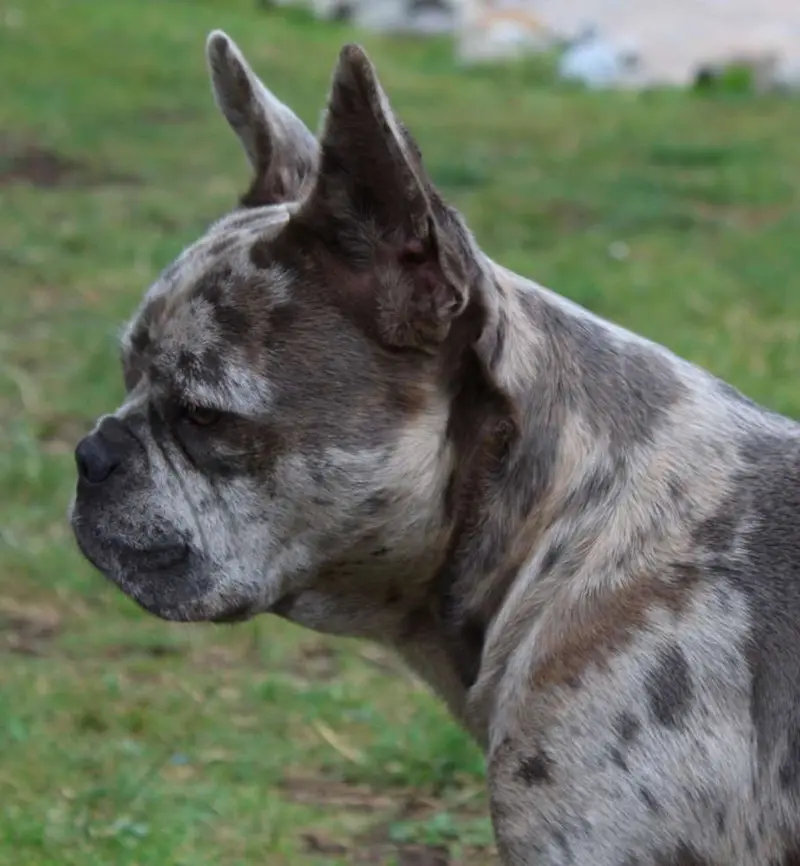
Adopting a French Bulldog: Experiences, Tips & Everything You Need to Know
Choosing to give a dog a second home is one of the most rewarding and life-changing moments for any animal lover. If you are considering adopting a French Bulldog, you are embarking on a wonderful but responsible journey. These small, charming dogs with their iconic bat ears have seen an unprecedented boom in popularity in recent years. Unfortunately, this popularity has a dark side, which is why more "Frenchies" than ever before are currently looking for new, loving homes.
As a prospective owner, you are likely wondering what exactly to expect. Is a rescue dog always prone to behavioral issues? What health aspects do you need to consider for this specific breed? In this comprehensive guide, I will share my experiences in animal welfare with you and provide practical tips on how to make the adoption a success, what the first few weeks at home are like, and how to choose the right rescue organization.
Why do so many French Bulldogs end up in shelters or rescues?
It is heartbreaking, but a look at local animal shelters and the websites of specialized rescue groups tells a clear story: French Bulldog rescue organizations have their hands full. Why is it that a dog that often costs a small fortune as a puppy from a breeder is suddenly surrendered? The reasons are complex and almost always human-related.
Underestimated vet costs and health issues
The French Bulldog is a brachycephalic (flat-faced) breed. Due to selective breeding for an extremely flat face, many of these dogs suffer from Brachycephalic Obstructive Airway Syndrome (BOAS). This means they struggle to breathe, snore loudly (which is often mistakenly called "cute"), and have massive problems in the heat. When a dog suddenly suffers from respiratory distress and needs expensive soft palate surgery, many owners are financially overwhelmed. Since the adjustment of the veterinary fee schedule (GOT in Germany), these surgical costs have risen even further. If you want to learn more about these regulations, you can find detailed information on the official page of the Federal Chamber of Veterinary Surgeons. When funds are lacking, the shelter is often the last resort.
Misaligned expectations regarding care and temperament
Although the Frenchie has a short, smooth coat without an undercoat and general grooming requirements are relatively low (1 out of 5 stars), the breed requires other types of care. The characteristic skin folds on the face must be cleaned regularly to prevent infections. Furthermore, French Bulldogs are extremely people-oriented. They bond strongly with their owners and hate being alone. Separation anxiety is a common reason for surrender, especially when owners return to the office full-time after a remote-work phase and the dog destroys the furniture out of frustration.
The illegal puppy trade
Many dogs placed through a French Bulldog rescue come from the illegal puppy trade. Because the demand for the breed is so high, unethical breeders at home and abroad see it as an easy way to make money. Mother dogs suffer in dark sheds, and puppies are separated far too early, neither vaccinated nor socialized. If such transports are confiscated at the border, the traumatized and often sick puppies end up in animal welfare.
What to expect: History and behavior of a rescue dog
When you visit a French Bulldog in a shelter, you rarely meet a "blank slate." Every dog brings its own "backpack" of experiences. However, this doesn't have to be a bad thing! On the contrary: many adult rescue Frenchies are already house-trained, know basic commands, and have already moved past the exhausting puppy and puberty phases.
Typical behaviors you should prepare for:
- Extreme attachment: Rescue dogs that have experienced loss often bond even more intensely with their new humans. They may follow you every step of the way.
- Insecurity with new stimuli: Dogs from poor backgrounds (e.g., puppy mill dogs) often don't know vacuum cleaners, stairs, or street traffic. This requires patient leadership from you.
- Resource guarding: Some dogs may have had to fight for food or a place to sleep in the past. This requires loving but consistent training (trainability of the breed: 2/5, so you'll need some patience and treats).
The French Bulldog is naturally adaptable, smart, and playful. With a family-friendliness rating of 5/5 and child-friendliness of 4/5, the chances are excellent that a rescue dog will develop into an absolute dream companion with the right guidance.
Adoption costs vs. breeder puppy: An honest comparison
Many people consider adoption because they are wary of the high initial costs of a breeder. But is that the right approach? Let's look honestly at the numbers.
Buying from a breeder
A healthy French Bulldog from a reputable breeder, controlled under the umbrella of the VDH (Verband für das Deutsche Hundewesen), usually costs between 2,000 and 3,500 Euro. This price includes comprehensive health screenings of the parents (for hemivertebrae, patellar luxation, and respiratory diseases). The breeder invests significant time and money in socialization.
Adoption from a rescue
If you choose to adopt a French Bulldog, you usually pay a so-called "protection fee." In German shelters and rescue organizations, this is typically between 350 and 500 Euro.
Why a protection fee instead of a purchase price?
The fee is not for profit. It covers a portion of the costs incurred for veterinary exams, vaccinations, microchipping, deworming, neutering (if applicable), and boarding. It also serves to prevent impulse buys and ensures that the new owner is financially capable of caring for the animal.
IMPORTANT: While you save money on the initial acquisition, you should definitely set the difference aside as an emergency fund for the vet. Rescue dogs come with no health guarantee. Especially with Frenchies, allergies (food, environment) or joint problems can occur, which cause regular costs.
Special considerations for French Bulldogs from foreign rescues
When searching for a dog, you will often come across organizations that rehome dogs from abroad (e.g., from Spain, Hungary, or Romania). A French Bulldog rescue from abroad can be very fulfilling but brings specific challenges.
Mediterranean diseases
If the dog comes from Southern or Eastern Europe, it must be tested for so-called Mediterranean diseases (Leishmaniasis, Ehrlichiosis, Babesiosis, heartworm). A reputable organization will inform you fully about these blood tests and provide you with the laboratory results.
The danger of "fake" rescues
Unfortunately, there are black sheep among rescue organizations. Some act as a front for puppy mills from Eastern Europe. Ensure the organization is registered, holds the necessary legal permits (such as §11 of the Animal Welfare Act in Germany), and operates transparently. If someone offers to hand over the dog "in a highway parking lot," walk away immediately!
When adoption is the best choice – and when it isn't
Before making your final decision, you should be honest with yourself. Does a rescue French Bulldog really fit into your life?
Adoption is ideal for you if:
- You have plenty of time or work from home, as the breed hates being alone.
- You live in the city (city suitability 5/5) and are not looking for a dog that needs marathon runs (energy level 3/5). Short, leisurely walks are sufficient.
- You have empathy, patience, and ideally a sense of humor to give a dog with a history time to adjust.
- You are financially secure enough to handle potential veterinary costs.
Adoption (of this breed) is NOT right for you if:
- You are extremely active in sports and are looking for a companion for jogging or cycling in midsummer. The Frenchie's anatomy is simply not built for that.
- You work 8–9 hours a day away from home and would have to leave the dog alone.
- Snoring noises, shedding (rating 3/5), or occasional flatulence (a typical Frenchie topic) bother you.
If you are still unsure about the general characteristics of the breed and want to learn more about its origins, size (males: 27–35 cm, weight: 9–14 kg), and life expectancy (10–12 years), be sure to check out our detailed French Bulldog breed profile.
The first few weeks: Practical tips for settling in
Congratulations, the big day is here and you were able to adopt your French Bulldog! The first few weeks in the new home are crucial for the rest of your lives together. Animal welfare experts often speak of the 3-3-3 rule: 3 days to process the shock of the move, 3 weeks to learn the routines, and 3 months to feel completely at home and secure.
1. Create a safe retreat
Set up a cozy bed for the dog in a quiet, draft-free place (without an undercoat, they get cold easily). This spot is off-limits for children and guests. When the dog retreats there, they should be left in peace.
2. Do not overwhelm the dog
Many new owners make the mistake of wanting to introduce the new dog to the whole family immediately, taking them to restaurants, or heading to the busy dog park. This often leads to massive overwhelm and stress. Take the first 14 days very slowly. Walk the same short route every time. This helps the dog gain confidence.
3. Build a bond through hand-feeding
Especially with shelter dogs, building trust is the most important thing. It helps immensely to feed part of the daily ration by hand or use it as a reward for simple things like eye contact. The French Bulldog is very food-motivated, making this an excellent way to bond.
4. Gradually train the dog to be alone
Since separation anxiety is a major topic for the breed, you must practice staying alone in tiny steps from day one. Initially, just leave the room and close the door for a few seconds. Build this up gently over weeks before you actually leave the house for the first time.
Frequently Asked Questions (FAQ)
Are rescue French Bulldogs always sick?
No, not always. However, the likelihood of health issues (e.g., allergies or respiratory problems) is higher due to their history (often uncontrolled breeding). Reputable shelters and rescues examine the dogs thoroughly before rehoming and will transparently disclose all known diagnoses.
Do adopted Frenchies get along with children or other pets?
Generally, the breed is characterized by high family-friendliness (5/5) and good compatibility with other dogs (4/5). With a rescue dog, however, this depends heavily on their previous experiences. The shelter will test in advance whether the dog is suitable for a household with children or cats.
How long does it take for a shelter dog to be house-trained?
Many adult shelter dogs are already house-trained. For dogs from poor backgrounds (e.g., puppy mill dogs that only lived in crates), you may need to rebuild training from scratch just like with a puppy. With patience, a fixed rhythm, and positive reinforcement, these smart Frenchies usually learn this within a few weeks.
Can I get a shelter dog if I work full-time?
This depends on your individual circumstances. If the dog would have to stay home alone for 8 hours straight, a reputable rescue organization will not place a dog with you – and certainly not a people-dependent French Bulldog. However, if you can work from home or take the dog to the office (which Frenchies are often well-suited for due to their calm nature), the chances of adoption are very good.
Find your new best friend on HonestDog
Choosing to adopt a French Bulldog shows a big heart. You are giving a living being that may not have had much luck in life a safe and loving future. In return, you will be rewarded with a clown, a soul-soother, and a loyal shadow who will enrich your life every single day.
At HonestDog, we know how overwhelming searching for the right rescue dog can be. That is why we have made it our mission to bring together reputable shelters and responsible rescue organizations on one trustworthy platform. If you are ready to share your heart and your sofa, don't wait any longer.
Take the first step on your journey and browse our verified listings. Finding a French Bulldog in a shelter has never been so safe and transparent. Your new family member might be waiting for you right now!