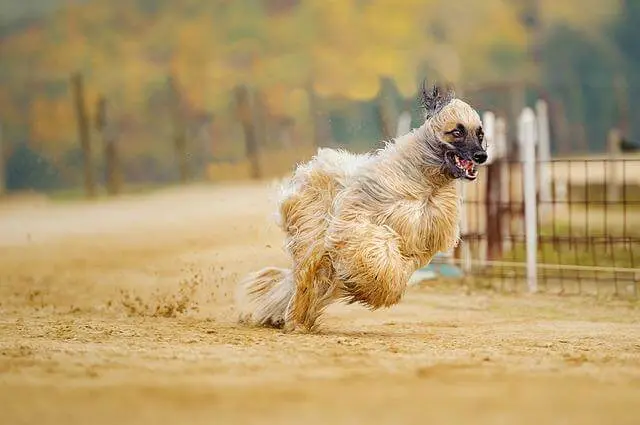
When researching the Afghan Hound price and what it takes to own one, you'll discover a majestic member of FCI Group 10 (Sighthounds) originating from the rugged mountains of Afghanistan, where it was bred as an agile hunter for challenging terrain. Today, the breed captivates dog lovers with its unmistakable appearance: a long, silky coat without undercoat, a proud carriage, and a refined, athletic build. Males reach a shoulder height of 68 to 74 cm with a weight of 25 to 30 kg, while females are slightly more delicate at 63 to 69 cm.
If you're planning to buy an Afghan Hound, it pays to look beyond that elegant exterior. In terms of personality, the Afghan is often described as independent, dignified, and almost feline. They form deep bonds with their humans, but express affection subtly rather than with eager-to-please submissiveness. This is not your typical high-"will-to-please" dog. For detailed background information on the breed's history and character traits, check out our comprehensive Afghan Hound breed profile.
Afghan Hound Price: Initial Costs and Ongoing Expenses
Welcoming this aristocratic hound into your life requires careful financial planning. Both the initial purchase price and the recurring upkeep costs run higher than for many other breeds due to their size and intensive grooming needs.
How Much Does an Afghan Hound Puppy Cost?
If you want to buy an Afghan Hound puppy from a registered, reputable breeder, the typical Afghan Hound price ranges between €1,200 and €2,500 (or $1,500 to $3,000+ depending on the region). This purchase price reflects the extensive commitment required for responsible breeding:
- Comprehensive veterinary screenings and genetic health testing of both parents
- Breeding approval assessments, club registration fees, and stud fees
- Regular veterinary care, multiple rounds of deworming, microchipping, and core vaccinations for the puppies
- High-quality puppy nutrition and careful early socialization in a home environment
- Official pedigree documentation issued by the recognized kennel club
Initial Setup & Basic Equipment
Before bringing your puppy home, budget around €400 to €800 for breed-specific equipment:
- Specialized sighthound collar / harness: Sighthounds have slender heads and long, graceful necks. Standard collars slip off easily. Wide sighthound martingale collars or escape-proof safety harnesses are essential.
- Grooming kit: High-end pin brushes without ball tips, slicker brushes, detangling combs, specialized dog shampoo, conditioner, detangling sprays, and a powerful dog velocity dryer (blower).
- Feeding accessories: A feeding "snood" (ear protector) to prevent their long, silky ear fringing from dipping into the food bowl, along with elevated feeding bowls.
- Orthopedic bed: Because sighthounds have very little insulating body fat, they need soft, deeply padded sleeping spots to prevent pressure sores and calluses.
Monthly & Ongoing Living Costs
With an average lifespan of 12 to 14 years, you should budget roughly €150 to €250 per month for regular upkeep:
- Nutrition: High-grade food tailored to an athletic, large-breed dog (approx. €70 to €110 per month).
- Grooming supplies: Shampoos, conditioners, and leave-in coat sprays (approx. €20 to €40 per month).
- Vet care & routine prevention: Vaccinations, parasite prevention, and annual health checkups (approx. €50 to €80 allocated monthly).
- Insurance & taxes: Pet liability insurance, municipal dog tax, and comprehensive surgery or pet health insurance (approx. €30 to €70 per month).
How to Identify Reputable Breeders: Criteria and Red Flags
Choosing the right breeding kennel lays the foundation for a long, healthy life. A reputable Afghan Hound breeder operates under the strict guidelines of national kennel clubs affiliated with the FCI (such as the VDH in Germany) and specialized sighthound associations like the DWZRV.
Hallmarks of a Responsible Breeder
- Transparency: The breeder invites you to their home. You can meet the mother and view the entire litter in a clean, nurturing home setting.
- Health proof: Official test results for both parents (eye examinations by certified DOK specialists, HD hip dysplasia X-rays) are presented upfront without hesitation.
- Vetting prospective owners: A conscientious breeder asks detailed questions about your living situation, your experience with sighthounds, and your time for grooming. They won't place puppies in unsuitable homes.
- Complete paperwork: When taking your puppy home (at 8 to 12 weeks minimum), you will receive an EU pet passport / vaccination record, a clear contract of sale, and official kennel club pedigree papers.
Red Flags to Watch Out For
- Puppies are sold without recognized pedigree papers, in parking lots, or out of car trunks.
- The mother dog is not present during your visit or shows extreme fear or aggression.
- The seller insists on quick cash payment without a proper written contract.
- Health screening questions are dismissed or test certificates cannot be verified in writing.
- Puppies are advertised as "low maintenance" or "having no prey drive" — claims that contradict the breed's nature.
Health Guide: Common Hereditary Conditions & Screenings
While the Afghan Hound is generally a robust, athletic breed, certain genetic predispositions exist that responsible breeding programs actively work to minimize:
1. Inherited Eye Conditions
Breeding regulations from recognized sighthound clubs mandate regular testing for eye diseases such as hereditary cataracts and Progressive Retinal Atrophy (PRA). Breeding stock must be certified clear by specialized veterinary ophthalmologists (such as DOK panel members). Corneal dystrophy may also occur on occasion.
2. Musculoskeletal Health
Large, fast-running dogs need sound joints. Responsible breeders screen all breeding stock for hip dysplasia (HD) via radiographic evaluation.
3. Afghan Hound Myelopathy
This is an inherited, degenerative spinal cord disorder that typically leads to limb paralysis in young dogs. Thanks to targeted selective breeding, it has become very rare today.
4. Sensitivity to Anesthesia and Medications
Because sighthounds possess very low body fat percentages and unique hepatic drug metabolisms, they process certain anesthetics (especially barbiturates) much more slowly than other breeds. Experienced veterinarians tailor anesthetic protocols and dosages specifically for sighthounds.
Is an Afghan Hound the Right Breed for You?
Before committing to this magnificent breed, honestly assess how their daily needs fit into your lifestyle:
Grooming: A Serious Time Commitment
That flowing, floor-length coat mats very quickly if neglected. You will need to dedicate several hours each week to brushing, line combing, bathing, and blow-drying. After outdoor walks, burrs, twigs, and debris must be gently picked out by hand right away. If you don't enjoy intensive coat care, this breed will quickly become overwhelming.
Prey Drive and Off-Leash Safety
As dedicated sighthounds, Afghan Hounds react in a split second to visual movement, whether it's a darting rabbit, a deer, or a neighborhood cat. Consequently, off-leash exercise in open, unfenced areas is rarely safe. To satisfy their natural desire to run at full sprint, they need regular access to safely fenced paddocks or participation in lure coursing and track racing.
Living Environment and Daily Life
Indoors, a well-exercised Afghan is typically quiet, calm, and content to lounge for hours. They can adapt well to spacious apartment living provided their daily exercise needs are met. Climbing stairs frequently should be avoided during puppyhood. Due to their sensitive nature and need for peaceful downtime, they are best suited to households with older, considerate children rather than boisterous toddlers.
Alternative Option: Adopting an Afghan Hound Through Rescue
You don't necessarily have to buy a puppy from a breeder. Adult Afghan Hounds and sighthound mixes frequently look for second chances through dedicated sighthound rescue organizations. Many of these rescue dogs already have basic training, and foster homes can provide clear insight into their temperament, quirks, and exact coat maintenance needs before adoption. In such cases, an adoption fee applies instead of a high breeder price.
Frequently Asked Questions (FAQ)
How much exercise does an Afghan Hound need every day?
An adult Afghan Hound requires at least 1.5 to 2 hours of exercise daily. Beyond brisk walks, regular opportunities to sprint at full speed in a securely fenced enclosure are vital to fulfill their instinctual need to run.
Do Afghan Hounds shed a lot?
No. Because Afghan Hounds have continuous-growing hair rather than a shedding double coat, they drop relatively little loose hair around the home compared to double-coated breeds. However, loose dead hair stays trapped in the coat and must be thoroughly brushed out to prevent severe matting.
Can you shave an Afghan Hound's coat?
Breed experts strongly advise against shaving an Afghan Hound's coat. Shaving ruins the natural coat texture, often causes the new growth to emerge thicker and even more prone to matting, and strips away the dog's natural protection against weather and UV rays.
What is the best way to train an Afghan Hound?
Training an Afghan Hound requires patience, positive reinforcement, consistent boundaries, and genuine mutual respect. Harassment, harsh corrections, or repetitive drill-style sessions will only cause this sensitive breed to shut down or become stubborn.
Find Verified Breeders on HonestDog
If you're ready for the commitment that comes with this exceptional breed, HonestDog connects you with verified breeders held to strict health, ethical, and welfare standards. Explore our platform to discover healthy Afghan Hound puppies for sale or browse reputable Afghan Hound breeders in Germany.