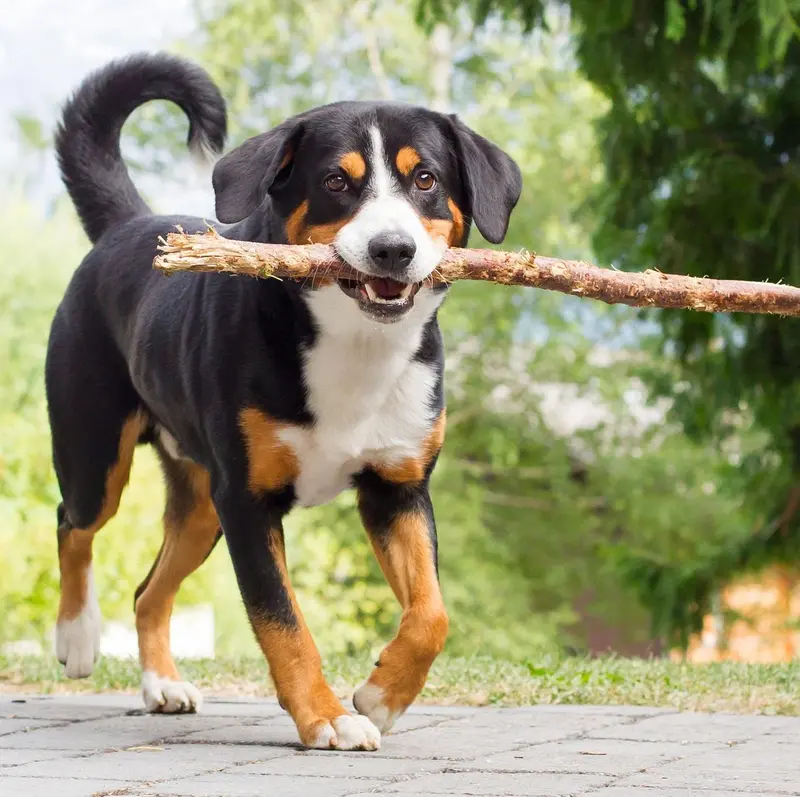
Why Choosing the Right Appenzeller Sennenhund Breeders Matters
The Appenzeller Mountain Dog is a traditional farm and cattle herding dog hailing from Switzerland. Originally employed in the Swiss Alps to drive livestock, guard the homestead, and pull light carts, this breed boasts a 5-out-of-5 energy level and high trainability coupled with an enormous willingness to work. These traits make them exceptional companions for active people, but they also bring challenges if breeding isn't handled responsibly. Choosing the right breeder lays the foundation for a long, healthy, and stable-tempered dog's life.
Genetic Peculiarities and Health Risks
For working breeds like the Appenzeller Mountain Dog, working ability was traditionally the primary focus. In modern breeding, however, strong emphasis must be placed on genetic diversity and the avoidance of hereditary diseases. Uncontrolled breeding without a solid understanding of genetics can lead to serious health issues in this breed. Typical risks include joint disorders and specific urinary tract malformations. A responsible breeder invests a great deal of time and money into evaluating pedigrees and selecting suitable pairings to keep the inbreeding coefficient low and maximize puppy health.
Furthermore, temperament plays a crucial role. The Appenzeller Mountain Dog is naturally alert, courageous, and possesses a pronounced herding instinct. A poor genetic predisposition paired with a lack of socialization in the first weeks of life can lead to excessive sharpness, skittishness, or nervous behavior. Reputable breeders strictly select their breeding stock for sound temperaments so that the puppies can later act as balanced, reliable family dogs. Dogs from uncontrolled breeding often show a low threshold of arousal, which quickly leads to conflicts in modern everyday life.
Characteristics of an Ethical Appenzeller Sennenhund Breeder
You can recognize a good breeder not by an appealing website or pretty photos, but by transparent breeding guidelines and the way the dogs are kept in everyday life. There are clear criteria that distinguish a reputable Appenzeller Mountain Dog breeding program and that you can verify during an on-site visit.
Club Affiliation: VDH and SSV
In Germany, the Schweizer Sennenhund-Verein für Deutschland e.V. (SSV) is the responsible breed club under the umbrella of the Verband für das Deutsche Hundewesen (VDH). Breeders affiliated with these associations are subject to strict breeding regulations. Before a dog is approved for breeding, it must pass a breeding suitability test (known as the Körung). Independent judges evaluate not only the external appearance (exterior) but also check the dog's behavior in various, sometimes stressful everyday situations. Only sound, fearless, and health-clear animals receive the coveted breeding approval. The breeding facilities themselves are regularly inspected by breed wardens to ensure compliance with animal welfare regulations.
Transparent Rearing Conditions
A reputable breeder raises their puppies indoors, ideally with direct integration into family life. Exclusive kennel housing in the first weeks of life is an absolute disqualifying factor. The first eight weeks are the most important imprinting phase in a dog's life. Puppies that get to know everyday sounds such as vacuum cleaners, clattering dishes, children shouting, or the television during this time develop into more stress-resistant adult dogs.
In addition, a good breeder provides diverse stimuli outdoors, such as different ground surfaces, wobble boards, small tunnels, or fluttering ribbons in the garden. The dam is always present and takes on the important task of early-stage education, for example by teaching the puppies bite inhibition and modeling species-appropriate social behavior.
Essential Health Tests for Appenzeller Mountain Dogs
The health of the parent dogs is the most important criterion when choosing a puppy. For the Appenzeller Mountain Dog, there are specific examinations that must be carried out prior to breeding in order to minimize risks for the offspring.
Hip Dysplasia (HD) and Elbow Dysplasia (ED)
Like many medium-to-large breeds, the Appenzeller Mountain Dog is susceptible to joint malformations. Hip dysplasia (HD) or elbow dysplasia (ED) can lead to painful osteoarthritis and severe mobility restrictions. Reputable breeders have their dogs x-rayed under sedation at the appropriate age. The scans are evaluated by independent, association-approved experts. Hip joints are graded from A (free) to E (severe HD). In reputable breeding, generally only dogs with grades A or B—and in strictly controlled exceptional cases, C—may be paired.
Osteochondritis Dissecans (OCD)
OCD is a cartilage formation disorder that frequently occurs in the shoulder joint and leads to lameness. Here too, radiographic examination of the breeding stock is mandatory. Breeding dogs in the SSV must generally be OCD-free to minimize the risk for the offspring. An affected dog often suffers from pain throughout its life and requires expensive surgeries.
Ectopic Ureter (EU)
A particularly important topic in Swiss Mountain Dogs, especially the Appenzeller and Entlebucher, is the ectopic ureter (EU). This is an anatomical malformation of the ureters, which empty into a location other than the urinary bladder. This can lead to constant incontinence and severe kidney infections. Responsible breeders have their dogs ultrasound-tested for EU and only breed animals whose results promise healthy offspring. Ask specifically about this test, as it is often unknown to laypeople.
Eye Examinations (DOK)
Hereditary eye diseases such as progressive retinal atrophy (PRA) or cataracts can lead to complete blindness in the worst-case scenario. Breeding stock must be regularly examined for these hereditary eye conditions by a specialized veterinarian from the Dortmunder Kreis (DOK). Because some of these diseases only appear at a later age, a single examination at puppyhood is not sufficient. Eye evaluations must be current prior to breeding.
6 Specific Questions to Ask the Appenzeller Sennenhund Breeder
A visit to the breeder serves to get to know each other. A good breeder will ask you many questions about your living circumstances to ensure their charges go to good homes. Likewise, you should ask targeted questions to check the legitimacy of the kennel.
- How do you mentally and physically exercise your dogs? The Appenzeller Mountain Dog has a high energy level. The breeder's answer gives you insight into how well they understand and fulfill the breed's typical needs (for example, through dog sports, tracking, or agility).
- Can you show me the health test results of the parent dogs? A transparent breeder will present the official evaluations for HD, ED, OCD, EU, and eye exams without you having to ask, or upon request.
- How do you prepare the puppies for their later life? Ask about specific socialization measures. Are the puppies getting accustomed to car rides, strangers, children, or other animals?
- What personality traits do the parent dogs display? Since the Appenzeller can have a strong guard drive, it's important to know whether the parents tend to be reserved, extremely watchful, or open and friendly.
- What does the puppies' diet look like? A high-quality, balanced diet in the first weeks of life is essential for healthy growth, especially for joint development.
- How do you support puppy buyers after handover? A reputable breeder feels responsible for their offspring for life and is available at any time to answer questions regarding training, nutrition, or health.
Red Flags: How to Spot Unscrupulous Breeders and Puppy Mills
Unfortunately, even with the Appenzeller Mountain Dog, there are individuals who breed dogs out of pure profit-seeking. Such puppy mills show no regard for health or temperament. There are clear warning signs that should prompt you to walk away from a purchase, no matter how sorry you feel for the puppies.
Missing papers from a recognized breeding association are the biggest warning sign. Statements like "papers are only needed for exhibitions, without papers the dog is cheaper" are factually incorrect and serve solely to deceive. Pedigrees are primarily ancestry and health records. Without them, you have no guarantee that the parent dogs were tested for hereditary diseases, that inbreeding was avoided, or that the animals are even purebred.
Another red flag is if you are not allowed to see the dam or if she is locked away during your visit. The excuse that she is "out for a walk" or "too stressed" is a classic trick. The dam should make a well-kept impression, show teats indicating a nursing period, and have a relaxed relationship with the breeder. If puppies are offered to you out of a car trunk, in a parking lot, in a barn without family integration, or as "home delivery," it is almost certainly illegal puppy trafficking.
You should also be skeptical if a breeder constantly offers puppies of various breeds or practically forces the animals upon you. A reputable breeder often has waiting lists and carefully selects the future owners of their puppies. They will grant you time to think it over, welcome repeat visits, and never pressure you into a quick purchase.
Price Overview: What an Appenzeller Mountain Dog From a Reputable Breeder Costs
Acquiring a well-socialized and health-tested dog has its price. For an Appenzeller Mountain Dog from VDH/SSV-controlled breeding, the price range is typically between €1,000 and €2,500. This amount may seem high at first glance, but it quickly puts into perspective when you consider the costs of ethical breeding.
The breeder bears significant upfront costs long before the first puppy is born. These include purchasing and species-appropriate housing for the breeding bitch, fees for exhibitions and breeding suitability tests, and expensive veterinary examinations (X-rays, ultrasounds, eye exams). Additionally, there is the stud fee for a suitable, healthy male dog living often hundreds of kilometers away, as well as veterinary accompaniment during gestation and birth.
After birth, costs accrue for high-quality puppy food, multiple dewormings, basic immunization (vaccinations), microchipping, final veterinary checks, and the creation of pedigrees. Not to be forgotten is the enormous expenditure of time: responsible puppy rearing is a full-time job requiring around-the-clock care over eight to ten weeks.
A supposed "bargain" for a few hundred euros from uncontrolled breeding almost always leads to immense veterinary costs. Treating severe HD or an EU surgery quickly exceeds the purchase price of a healthy purebred dog many times over—not to mention the emotional suffering for dog and owner.
Frequently Asked Questions
Is the Appenzeller Mountain Dog a good family dog?
Yes, the Appenzeller Mountain Dog is considered very family- and child-friendly (child friendliness: 5/5). They generally form a close bond with their people and prove loyal. However, this is not a dog that lies on the sofa all day. They need an active family that exercises them physically and mentally. Without sufficient occupation, they may seek out substitute behaviors, such as excessive barking or herding family members, which can be disruptive in everyday life.
How high-maintenance is the Appenzeller Mountain Dog's coat?
Grooming effort is comparatively low (2/5). The dense, smooth coat with undercoat is self-cleaning and weather-resistant. Occasional brushing is usually sufficient to remove loose hair and maintain its natural shine. However, during shedding season in spring and autumn, the dog loses hair more heavily (hair loss: 3/5), which is why more frequent brushing is recommended during these times to remove the undercoat.
Does an Appenzeller Mountain Dog fit in a city apartment?
The urban adaptability of this breed sits in the middle range (3/5). The Appenzeller Mountain Dog is very fond of exercise and has an innate, strong guard drive that often manifests as loud barking. Keeping one in a sound-transmitting city apartment without a garden is therefore demanding and requires an extremely high level of outdoor exercise. A house with a securely fenced property in a more rural setting matches its needs as a former farm dog much better.
Does the Appenzeller Mountain Dog get along with other dogs?
Compatibility with other dogs is good (4/5), provided the dog was sufficiently socialized during puppyhood and adolescence. Because they are self-confident dogs, they may tend to want to resolve situations themselves if lacking proper guidance from the owner. Early habituation to conspecifics in a good dog school is therefore highly recommended.
What is the life expectancy of an Appenzeller Mountain Dog?
With good care, species-appropriate exercise, high-quality nutrition, and a solid genetic foundation from a reputable breeder, the Appenzeller Mountain Dog typically reaches an age of 12 to 14 years. Regular veterinary check-ups and maintaining an ideal weight contribute significantly to a long and healthy dog's life.
Find Verified Appenzeller Sennenhund Breeders on HonestDog
The search for the right companion requires plenty of patience and diligence. If, after careful consideration, you have decided that this active, intelligent, and loyal breed fits your life, we will help you find the right contact person. At HonestDog, we place the highest value on transparency, health, and animal welfare. We carefully vet listings to offer you a secure and trustworthy platform for your search.
Inform yourself comprehensively about current litters and find Appenzeller Mountain Dog breeders in Germany who breed with heart, mind, and club affiliation. If you are ready to provide a puppy with a loving, active home and give them the necessary exercise, you can check right here where Appenzeller Mountain Dog puppies are currently waiting for their new families. Take the time to get to know the breeder at ease, ask your questions, and ensure all prerequisites for a long, happy life together are met.