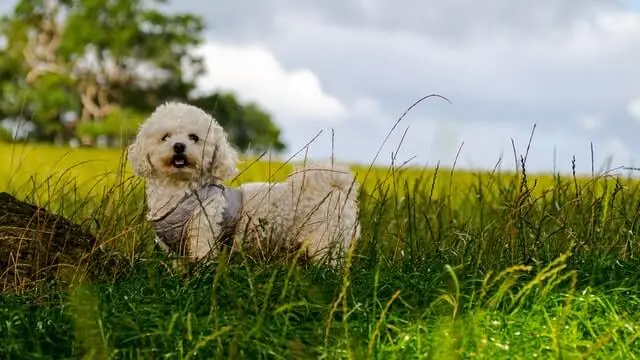
The Bichon Frisé—officially known as the Bichon à poil frisé—is exceptionally popular among small dog breeds. Its snow-white, densely curled coat and compact stature give it the appearance of a living stuffed animal. Yet beneath this charming facade lies a robust, intelligent, and adaptable companion dog with Spanish-French roots. If you're thinking about getting a Bichon Frisé, you should thoroughly research the breed's characteristics, health requirements, and financial commitments beforehand. For detailed information on its origin and character, take a look at our comprehensive Bichon Frisé breed profile.
This buyer's guide covers all aspects of getting a dog: from realistic prices for purebred puppies to the characteristics of responsible breeding facilities, plus everyday tips on grooming and training. This will help you make an informed and sustainable decision for your new family member.
Bichon Frisé Price: What Does It Cost to Buy One?
Deciding on a purebred dog involves an initial investment when purchasing as well as recurring monthly expenses. Forward-looking financial planning protects you against unpleasant surprises.
Initial Costs for a Puppy
If you want to buy purebred bichon frisé puppies for sale, you can currently expect a purchase price between $1,000 and $2,500 (approx. 1,000 to 2,500 euros). This price varies depending on the kennel club, the parents' pedigree, and your region. Higher prices are usually due to the extensive preventative health screenings that reputable breeders perform before mating, as well as the elaborate rearing and initial veterinary care of the puppies.
If offers are significantly below $1,000, caution is advised. Very cheap puppies often come from uncontrolled backyard breeding without any health certifications for the parent dogs.
Factors Influencing the Price
A puppy's price is made up of various cost components incurred by the breeder:
- Parent Health Screenings: Testing for genetic disorders, joint examinations (patellar luxation), and eye exams performed by specialists.
- Kennel Club Membership: Controlled breeding under the umbrella of organizations such as the Verband für das Deutsche Hundewesen (VDH) or international umbrella organizations.
- Initial Veterinary Care: Vaccinations, multiple dewormings, microchipping, and issuance of the EU pet passport.
- Rearing and Socialization: High-quality puppy food, time invested in early neurological stimulation and socialization during the first eight to ten weeks of life, and official litter inspections.
Ongoing Costs Over a Dog's Life
In addition to the purchase price itself, you'll have monthly operating costs to budget for over an average lifespan of 12 to 15 years:
- Nutrition: Approx. $40 to $70 monthly for high-quality wet or dry food with a high meat content.
- Dog Tax and Liability Insurance: Approx. $10 to $20 monthly, depending on your location and insurance plan.
- Vet Costs and Preventative Care: Regular vaccinations, deworming, and parasite protection amount to about $150 to $300 per year. For unexpected surgeries or illnesses, taking out pet insurance or surgical coverage is recommended (approx. $20 to $50 monthly). Fees are based on official veterinary fee schedules.
- Grooming and Grooming Salon: Because the Bichon Frisé's coat grows continuously and doesn't shed on its own, a professional trim is required every six to eight weeks (approx. $50 to $90 per visit depending on your region).
- Initial Equipment: A one-time expense of about $200 to $350 for a bed, travel crate, harness, leash, grooming brushes, specialized shampoo, and toys.
Finding a Reputable Bichon Frisé Breeder
The key to a healthy and well-socialized dog lies in choosing the right breeding facility. Anyone looking to buy bichon frisé puppies should carefully inspect the breeder's environment and practices.
Characteristics of Responsible Breeding
A reputable breeder is distinguished by transparency, expertise, and a genuine interest in the well-being of their animals. The following criteria serve as a guide:
- Insight into Living Conditions: The puppies grow up in the house or with close family integration. The environment is clean, bright, and offers plenty of stimuli for exploration.
- Mother Dog On-Site: The mother is present, shows relaxed behavior toward both the puppies and visitors, and appears healthy.
- Transparent Documentation: The breeder readily provides the pedigree (family tree), health certificates of the parent dogs, and the puppy's vaccination record.
- Targeted Questions for Buyers: A responsible breeder will ask about your living situation, dog experience, and daily routine. They only let puppies go if the conditions are a good fit.
- Consultation and Aftercare: The breeder remains available for questions even after handover and will take the dog back in an emergency.
You can find verified addresses and breeding facilities near you via the directory for Bichon Frisé breeders.
Red Flags with Unscrupulous Sellers
To avoid supporting illegal puppy trafficking and unethical breeding practices, buyers should steer clear of the following warning signs:
- Handing over puppies in neutral locations such as parking lots, train stations, or out of a car trunk.
- The mother dog is not shown upon request or appears apathetic and fearful.
- Puppies are offered for sale before reaching eight weeks of age.
- Official paperwork, vaccination records, or the pet passport are missing.
- The seller offers multiple breeds simultaneously in large numbers or pushes for a quick cash payment without a contract.
Health Check: What to Look For in a Bichon Frisé
The Bichon Frisé is generally considered an agile and long-lived breed. However, as with many small dogs, there are specific health predispositions that must be minimized through targeted breeding screenings.
Breed-Specific Health Topics
- Patellar Luxation (Knee Joint Instability): This occurs when the kneecap slips out of its groove, causing temporary limping or gait abnormalities. Breeding stock must be officially screened for patellar luxation before use.
- Eye Diseases: Known issues include cataracts and Progressive Retinal Atrophy (PRA), which can lead to blindness. Regular eye exams by veterinary specialists are standard for breeding dogs.
- Tartar and Gingivitis: Due to their small jaws, toy breeds are more prone to dental plaque. Regular dental care starting in puppyhood is mandatory.
- Skin Allergies and Food Intolerances: The sensitive skin of the Bichon Frisé can react to inappropriate grooming products or low-quality food with itching and redness.
What Proof the Breeder Should Provide
A professional breeder will provide written proof of their puppies' health. This includes:
- Veterinary certificate confirming the parents are free from patellar luxation (Grade 0 or 1 depending on breeding regulations).
- Current ophthalmological evaluation (eye exam) of the parent dogs.
- Proof of complete vaccination status (distemper, parvovirus, leptospirosis, hepatitis) and deworming for the puppy.
- Proof of identification via microchip transponder.
Is the Bichon Frisé Right for Me?
The Bichon Frisé is an adaptable companion, but it places clear demands on grooming and time commitment.
Character and Temperament in Daily Life
The Bichon Frisé is known for its friendly, outgoing, and playful nature. With a shoulder height of 10 to 11.5 inches (25 to 29 cm) and a weight of 6.5 to 13 lbs (3 to 6 kg), it belongs to small dog breeds yet possesses a moderate energy level. It appreciates daily walks, scent games, and small agility exercises just as much as extended resting periods with its humans.
Its barking remains manageable with consistent training, making it very well-suited for city living. Because the breed is very people-oriented, it reacts sensitively to prolonged isolation. Being left alone must be practiced in very short steps from an early age.
Living Situation, Family, and Suitability for Beginners
Due to its compact size, the Bichon Frisé can easily be kept in an apartment. It generally gets along well with children and other pets, provided interactions are handled respectfully. Thanks to its high trainability and friendliness, it is also well-suited for motivated first-time dog owners willing to invest time in coat grooming and dog school classes.
Grooming Effort: An Underestimated Factor
The dense, curly double coat sheds very little hair but mats quickly without daily brushing. In addition to coat maintenance, cleaning the eye area is part of the routine, as white dogs are prone to tear staining. Anyone who chooses a Bichon Frisé must schedule several hours a week for grooming.
Alternatives to Buying from a Breeder: Animal Welfare and Adoption
Alongside buying a puppy from a breeder, checking out animal shelters and rescue organizations is well worth considering. Purebred Bichons or Bichon mixes also look for new homes for various reasons—such as changing life circumstances of previous owners.
Breed rescue initiatives and local shelters provide prospective owners with in-depth advice on the character of surrender dogs. Older dogs are often already housebroken, know basic commands, and are used to being left alone. Adopting from a shelter involves an adoption fee, usually ranging from $250 to $450, which partially covers past veterinary and care expenses.
Frequently Asked Questions (FAQ)
Is the Bichon Frisé suitable for allergy sufferers?
Due to its coat structure, the Bichon Frisé sheds very little hair and does not undergo seasonal coat changes. As a result, fewer loose hairs are distributed around the home. However, because dog allergies are primarily triggered by proteins in saliva, dander, and urine, there is no guarantee of allergen-free status. Before purchasing, direct contact with the breed and a medical allergy test are recommended.
How much time does daily coat grooming take?
You should schedule about 10 to 15 minutes daily for thorough brushing and combing to prevent matting. Additionally, you'll need to regularly clean the eyes and ears and visit a professional grooming salon every one to two months.
How long can a Bichon Frisé stay home alone?
Bichon Frisés are very sociable dogs with a strong attachment to their owners. After thorough and gradual training, adult dogs can stay home alone for about two to four hours. This breed is unsuitable for full-time workers without a pet sitter or dog-sharing arrangement.
What is the life expectancy of a Bichon Frisé?
With species-appropriate nutrition, regular exercise, and solid veterinary preventative care, Bichon Frisés reach an age of 12 to 15 years, and often up to 16 years.
Finding Your Perfect Dog Responsibly
The Bichon Frisé wins people over with its charming character, adaptability, and playfulness. To ensure your new companion settles in successfully, an honest assessment of your time and grooming commitment alongside careful selection of the breeder is crucial. Pay attention to paperwork, health clearances, and loving upbringing to lay the foundation for a long, healthy canine life.
HonestDog is here to support you in your search for the right four-legged friend. The platform offers vetted breeding facilities, transparent information, and direct contact options. Find matching bichon frisé puppies for sale now and safely take the next step toward your new family member.