Borzoi puppies for sale: What you should know before buying
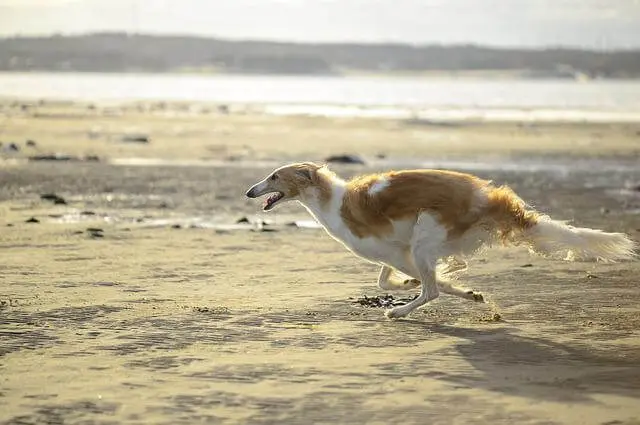
The Borzoi, known in its country of origin, Russia, as the "Russkaya Psovaya Borzaya," is a sighthound of remarkable size and elegant appearance. Originally bred by Russian tsars and landowners for hunting wolves, foxes, and hares, this breed possesses instincts that require mindful guidance in today's everyday life. The hunting capabilities of these animals were so highly valued in Russia that the writer Leo Tolstoy honored them in his work "War and Peace." Anyone currently considering Borzoi puppies for sale should delve deeply into the specific needs of this breed, which was officially recognized by the Fédération Cynologique Internationale (FCI) in 1956.
Inside the home, these dogs usually show their calm side. They are affectionate, loyal, and appreciate a comfortable, soft place to lie down near their humans. Their royal dignity is reflected in a certain independence—blind obedience is far from their nature. However, as soon as they are outdoors and perceive a movement stimulus, the hunter in them awakens. This duality of gentle roommate and explosive hunter defines the essence of the breed.
How much does a Borzoi cost? Price and ongoing expenses
Acquiring a large sighthound involves significant financial obligations that go far beyond the initial purchase price. Realistic budget planning is essential.
The purchase price for a puppy
If you want to buy a purebred Borzoi puppy, the realistic price from reputable breeders typically ranges between 1,200 and 2,500 euros. This amount reflects the high effort that responsible breeding requires. This includes medical care for the dam, stud fees, high-quality puppy food, vaccinations, microchips, as well as fees for the pedigree and inspections by the breed warden.
Offers that are significantly below this price range often stem from uncontrolled backyard breeding. Essential health screenings and species-appropriate socialization are usually skipped here, which can later lead to high veterinary costs and serious behavioral problems.
Ongoing costs and veterinary care
An adult male reaches a shoulder height of 75 to 85 centimeters and a weight of 34 to 48 kilograms. The monthly food requirement is correspondingly high. It is advisable to plan a budget of about 80 to 120 euros per month for high-quality food that meets the energy needs of a large, athletic dog.
In addition, there are costs for dog liability insurance, dog tax, and special equipment. Due to their anatomy, sighthounds require wide, softly padded collars to protect their sensitive larynx, as well as escape-proof harnesses. Since they have little body fat and a thin undercoat, a well-fitting winter coat is also essential for the wet and cold season.
Veterinary costs scale with weight for large dogs. Medications, anesthetics, and parasite protection must be administered in higher dosages. High-coverage dog health insurance or at least surgery-only insurance is therefore highly recommended. Such policies typically cost between 30 and 70 euros per month for large breeds, but protect the owner from financial strain in emergencies.
Finding a reputable Borzoi breeder
Choosing the right kennel is the most important step to getting a healthy dog with a sound temperament. In Germany, the Deutscher Windhundzucht- und Rennverband e.V. (DWZRV), which is affiliated with the VDH, is the primary address for the breed.
What to look for in a breeder
A responsible breeder will not pressure you to sign quickly. They will ask you many questions to find out if you can meet the requirements of the breed. During a visit, you should be able to see the dam in a relaxed state. The puppies should grow up in the house, have contact with humans, and be accustomed to everyday stimuli.
Breeders in the DWZRV are subject to strict breeding regulations. Dogs must pass a selection process (Körung) where conformation and temperament are assessed before they are approved for breeding. Ask to see the health test results of the parents and look for transparent communication. Reputable breeders often remain a point of contact for their puppy buyers throughout the dog's life. If you are searching, you can look for information online and compare Borzoi breeders in Germany.
Red flags when buying a puppy
You should steer clear of sellers who offer puppies from a car trunk, in parking lots, or without papers from recognized registries. Breeders who constantly have multiple litters of different breeds at the same time rarely act in the interest of the animals. If proof of breed-specific health tests for the parents is missing, the risk of hereditary diseases is high.
Health and breed-specific diseases
The Borzoi is generally considered a robust dog with a life expectancy of 10 to 14 years. Nevertheless, there are breed-specific health aspects that must be considered during breeding selection.
Important health tests for the Borzoi
Diseases that can occur in this breed include Degenerative Myelopathy (DM). This is a progressive neurological disease that damages the nerve tissue of the spinal cord. A DNA test (SOD1) is now available, which breeders can use to determine if a dog is a carrier of the genetic defect. Through targeted mating, it is possible to prevent puppies from developing DM.
Another important topic is heart health. Heart diseases such as Dilated Cardiomyopathy (DCM) can occur in very large breeds. Within the DWZRV, there are efforts and studies to establish breed-specific reference values for cardiological examinations in Borzois and to systematically monitor the heart health of breeding animals.
Furthermore, due to their anatomy—with a deep chest and a strongly tucked abdomen—there is an increased risk of bloat (GDV). This is an acute, life-threatening emergency where the stomach twists around its own axis. To prevent this, veterinarians advise dividing the daily ration into several small meals and strictly observing rest periods after eating. Roughhousing or rolling around immediately after feeding should be strictly avoided.
Is a Borzoi right for you and your lifestyle?
Before making a decision, you must honestly assess your own living circumstances. A detailed Borzoi breed profile helps to match the characteristics of the dog with your daily life.
Living situation and exercise
The Borzoi is not an ideal dog for a small apartment without an elevator. Climbing stairs should be avoided, especially in the first year of life, to protect the joints of the fast-growing dog. A house with a securely fenced garden (at least 1.50 to 1.80 meters high) is the optimal environment. Sighthounds can clear considerable heights from a standstill, so the fence must be seamless.
The breed does not need hours of jogging, but rather the opportunity for short, explosive sprints. Since their strong prey drive often makes off-leash running in unsecured areas impossible, owners must find alternative options. Fenced dog parks or participation in sighthound sports like lure coursing or track racing offer species-appropriate activity. Urban suitability is relatively low: navigating through busy streets with a large, reactive sighthound requires constant attention and physical stability.
Family life and other dogs
When dealing with their own family, these dogs are usually affectionate and loyal. They are often reserved toward strangers but rarely aggressive. They can live well with children, provided the children respect the dog's need for peace. Due to their enormous size and strength, small children should never be left unsupervised with the dog, as they could easily be knocked over during play.
They are generally very compatible with other dogs, especially other sighthounds. Caution is advised with very small dogs or cats: outdoors, these can trigger a prey drive with quick movements. Early and consistent socialization is essential here to ensure harmonious living.
Trainability requires patience. The Borzoi was bred to make independent decisions while hunting. It will question commands and only follow them if it sees a purpose. Harshness or loud pressure only lead to stubborn refusal in these sensitive dogs. Positive reinforcement, clear rules, and consistency are the keys to training.
Alternatives to puppies: Borzois from rescue
It doesn't always have to be a puppy from a breeder. Occasionally, adult sighthounds are also looking for a new home. Often, they are given up not because of behavioral problems, but because previous owners underestimated the prey drive, space requirements, or physical strength of the dog.
Specialized organizations (like Windhundhilfe) take in these animals. The advantage of an adult dog is that its character is already established. Caretakers can provide precise information on how strong the prey drive is, whether the dog is cat-compatible, and how it behaves in everyday life. Adoption gives dogs a second chance and can be a very rewarding experience for first-time sighthound owners, as the exhausting puppy phase is already over.
Frequently asked questions (FAQ)
How much exercise does a Borzoi need?
Despite their sprinting ability, they are not dogs that want to run alongside a bicycle for hours. They need daily, extended walks and ideally the opportunity to run freely for short periods in a secured area several times a week. Mental stimulation and extended rest periods on a soft sofa are just as important as physical exercise.
Can you let a Borzoi run off-leash?
This depends heavily on the individual prey drive and the environment. As they are visual hunters, a hare popping up in the distance is often enough to make the dog uncontrollable. In game-rich areas or near roads, off-leash running is usually too dangerous. An absolutely reliable recall must be trained intensively, but offers no 100% guarantee in the presence of strong game stimulus.
Is the Borzoi suitable for beginners?
Only conditionally. If you study the breed intensively, seek advice from experienced breeders or trainers, and accept the quirks of sighthounds, you can be happy with a Borzoi as a beginner. However, if you expect a dog that obeys unconditionally, loves fetch games, and learns many tricks, this is not the right breed for you.
How much grooming does it require?
The long, silky coat with its dense undercoat requires regular care. To prevent matting, the dog should be thoroughly brushed several times a week. The grooming effort is higher during the shedding season in spring and autumn, and hair loss in the apartment is clearly noticeable. After walks in the woods, burs and twigs often need to be removed from the long hair.
Finding the right Borzoi
The decision to get a Borzoi should never be made spontaneously or purely based on its elegant appearance. It requires time, financial resources, and the willingness to adapt your life to the needs of a passionate visual hunter. If you are sure this breed is right for you, the next step is finding a responsible breeder.
To make this journey easier, HonestDog offers a transparent overview of verified breeders. You can browse, compare profiles, and ensure that your future family member comes from the best conditions. On the platform, you can find reputable Borzoi puppies for sale and make direct contact with dedicated breeders to lay the foundation for a long life together.