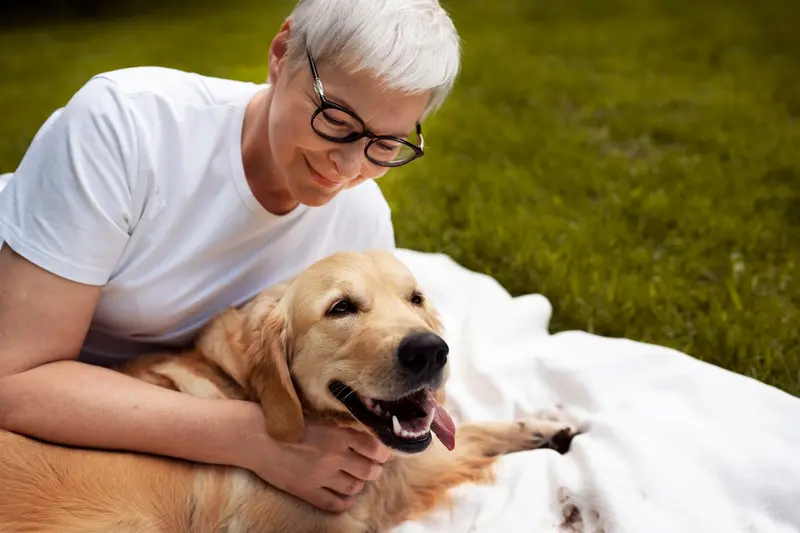
Dogs for Seniors: Which Dog Type Is Right for You?
The decision to get a dog in old age can be a wonderful enrichment to life. Dogs not only provide companionship and joy, but also encourage more exercise and promote a structured daily routine. However, not every dog type is equally suitable. In this guide from HonestDog, you'll learn what's important when choosing a dog for seniors, which dog breeds are particularly suitable, and how to consciously take on the responsibility of a new family member.
Why a Dog Can Be a Good Decision in Older Age
A dog can enrich life in many ways, especially in old age. Dogs not only provide companionship and help combat loneliness, but they are also loyal companions in all situations. Even a daily walk provides more exercise and can have a positive impact on health. Furthermore, a dog brings structure to everyday life. Regular feeding times, walks, and grooming are important rituals that create a stable daily routine. A dog also provides emotional support: dogs are known to reduce stress and increase well-being.
What to consider when choosing a dog
Before you get a dog, there are some crucial criteria to consider to find the right companion. These criteria will help you make an informed decision:
Size of the dog
Small to medium-sized dogs are often a better choice for seniors, as larger dogs require more space and are stronger. They often pull harder on the leash, which can be challenging on walks.
Energy level
Dogs with low energy levels are particularly suitable for seniors. These dogs require less exercise and are often calmer, making everyday life easier.
Care Requirements
A dog with low-maintenance fur is ideal for seniors. Dogs with high-maintenance fur require regular brushing and grooming, which can become tiring over time.
Age of the Dog
An older dog is often already well-behaved and calmer than a puppy. Therefore, an older dog may be a better choice for seniors, as it requires less attention and training.
Taking Responsibility for a Dog
A dog brings a lot of joy, but also responsibility. In addition to regular vet visits and vaccinations, proper nutrition and sufficient exercise are also important. It is essential to ensure that you are able to take on this responsibility. It should also be clarified who will care for the dog in the event of illness or hospitalization.
Support from family and friends
If you're unsure whether you can handle the responsibility alone, it's advisable to talk to family or friends. Perhaps there's someone who can help with walking the dog or step in in an emergency.
Experience reports from everyday life
Case 1: A young family from Cologne and their Labrador
A family from Cologne decided to get a Labrador without knowing the needs of this active breed. It quickly became apparent that the dog needed more exercise than the family could provide. After initial difficulties, they found a solution: regular visits to a dog daycare center, which relieved the stress on both the dog and the family.
Case 2: A working couple from Hamburg and their first dog
A couple from Hamburg wanted to adopt their first dog and chose an older mixed breed from an animal shelter. With the support of a dog trainer, they were able to quickly integrate the dog into their daily routine. The dog was already well-trained and fit their lifestyle perfectly.
Case 3: A single woman and her small terrier
A single woman chose a small terrier to accompany her in her daily life. However, she underestimated the breed's need for exercise. With the help of a neighbor who regularly took the dog for walks, she found an ideal solution to meet the dog's needs.
Practical Steps to Getting a Dog for the First Time
5 Steps to Getting a Dog for the First Time
- Research: Learn about different dog breeds and their needs.
- Self-Reflection: Consider which dog fits your lifestyle.
- Visit to a Shelter/Breeder: Meet different dogs before making a decision.
- Preparing the Home: Ensure your home is dog-proof.
- Taking Responsibility: Schedule regular vet visits and daily grooming.
📋 Checklist: Am I Ready for a Dog? (to print/save)
- Do I have enough time for walks and grooming?
- Can I afford the financial costs?
- Do I have support in case of emergency?
- Am I ready for the lifelong commitment?
- Does the dog fit my lifestyle?
Conclusion: A Dog as a Loyal Companion in Old Age
A dog can enrich life in many ways in old age. With the right preparation and choosing a suitable dog that fits your lifestyle, nothing stands in the way of a harmonious coexistence. Always remember that the decision to get a dog should be well-considered. If you are unsure, seek advice from experts or friends. In any case, it is important to consciously assume the responsibility and look forward to many happy years with your new companion.