Why choosing the right breeder is so critical
The Doberman is a loyal, fearless, and alert dog that was originally bred in Germany. Breeding this dog requires a high level of responsibility and expertise. Over the past few decades, the breed has faced health setbacks due to impulsive breeding and a narrowing gene pool. Therefore, reputable doberman breeders consistently focus on longevity, robust health, and a stable temperament.
The genetic disposition of the Doberman demands strict selection of the parent animals. Hereditary diseases are present in the population and can lead to early death in cases of negligent breeding. Anyone choosing a Doberman must therefore carefully verify where the dog comes from. Deciding on a responsible breeder is the most important step to minimize the risk of breed-typical diseases and to welcome a mentally stable dog into your family. The breed is characterized by a very high energy level and high trainability, meaning these dogs need to be challenged both physically and mentally. A good breeder ensures that puppies have the best genetic prerequisites for a long, active life.
Genetic sensitivity and health risks
Doberman breeding faces major health challenges. Due to inbreeding depression in the past, the average life expectancy of the breed has decreased in some lines. A responsible breeder actively works against this by utilizing fresh gene pools, carefully studying pedigrees over many generations, and consulting comprehensive health databases. The goal is to maintain the typical life expectancy of 10 to 12 years or even increase it through targeted pairing of long-lived lines. Avoiding torture-breeding characteristics and promoting genetic diversity are the cornerstones of modern, ethical dog breeding.
How to recognize reputable doberman breeders
Finding the right breeder requires patience and knowledge. A reliable mark of quality is membership in recognized organizations. Breeders affiliated with the Verband für das Deutsche Hundewesen (VDH) or the Dobermann-Verein e.V. are subject to strict breeding regulations. These rules mandate a minimum age for breeding approval, maximum litter numbers for dams to protect their health, and mandatory, veterinary-documented health examinations.
Transparency and sound expertise
A reputable breeder acts transparently in all matters. They provide insight into rearing conditions, show the mother dog in her usual environment, and present all examination results of the parent animals without being asked. The expertise of a good breeder is not limited to genetics but also includes behavior and breed-specific needs. They will question potential puppy buyers carefully to ensure the dog goes to a suitable home. Since the Doberman has a great need for activity, a responsible breeder will strictly verify whether future owners have the necessary time and experience.
Rearing conditions and early socialization
The first weeks of life significantly shape the dog's later behavior. Reputable doberman breeders raise their puppies in the house, closely integrated into everyday family life. The puppies learn early on about household noises such as vacuum cleaners or kitchen appliances, different surfaces, and people of various ages. This early, gentle socialization is essential to channel the Doberman's naturally alert temperament and build high environmental confidence. Isolated rearing in kennels, sheds, or pure stable facilities without family connection is a clear exclusion criterion when choosing a breeder.
Essential: Important health tests in Doberman breeding
The verifiable health of the parent animals is the foundation of every reputable breeding program. Before Doberman puppies see the light of day, the parents must undergo a series of strict examinations. The most important breed-specific tests include:
- Dilated Cardiomyopathy (DCM): This severe heart disease is the biggest health problem of the breed. Since DCM often progresses symptom-free for years (occult phase), simple listening with a stethoscope is by no means sufficient. Reputable breeders have their breeding animals examined regularly by a specialized cardiologist via echocardiography and a 24-hour ECG (Holter). These tests should ideally be repeated annually, as the disease can still occur at an advanced age.
- Von Willebrand Disease (vWD): This is an hereditary blood clotting disorder that can lead to life-threatening bleeding during injuries or surgeries. Through a targeted DNA test, it can be clearly determined whether a dog is genetically clear, a carrier, or affected. A good breeder pairs the animals so that no affected puppies can be born.
- Hip Dysplasia (HD): As with many large and heavy dog breeds (males reach a weight of 40 to 45 kg), hip X-rays are mandatory before breeding approval to prevent painful joint problems and osteoarthritis in old age.
- Eye examinations: Tests for hereditary eye diseases such as PHTVL/PHPV are also part of the standard repertoire of health precautions in Doberman breeding.
The right questions to ask a Doberman breeder
A conversation with the breeder serves to get to know each other and check for reliability. If you are interested in the breed, you should ask targeted questions to gauge the breeder's competence. The following questions help you gain a sound impression:
- How often and at what age were the parents tested for DCM? A single test at a young age is not meaningful for this breed. Cardiological examinations should be repeated regularly to prove the current health status.
- Where and how do the puppies grow up during the first eight weeks? The answer should indicate detailed rearing in the house with close family contact and a thoughtful socialization plan.
- What character traits do the parents show in everyday life? The breeder should be able to provide a realistic, objective assessment. A Doberman is loyal and fearless but requires consistent, calm leadership.
- How do you support buyers after the puppies are handed over? Responsible breeders remain available for a dog's lifetime to answer questions regarding training, nutrition, and health, and will take a dog back into their care in an absolute emergency.
- May I visit the mother dog and the puppies multiple times? An open house for future puppy owners is a strong indication of transparent and clean rearing.
Red Flags: Warning signs when looking for a puppy
Besides dedicated breeders, there are unfortunately also backyard breeders who want to make a quick profit from the breed's popularity. There are certain warning signs where prospective owners should distance themselves immediately to avoid financially supporting animal suffering.
The topic of cropping and animal welfare laws
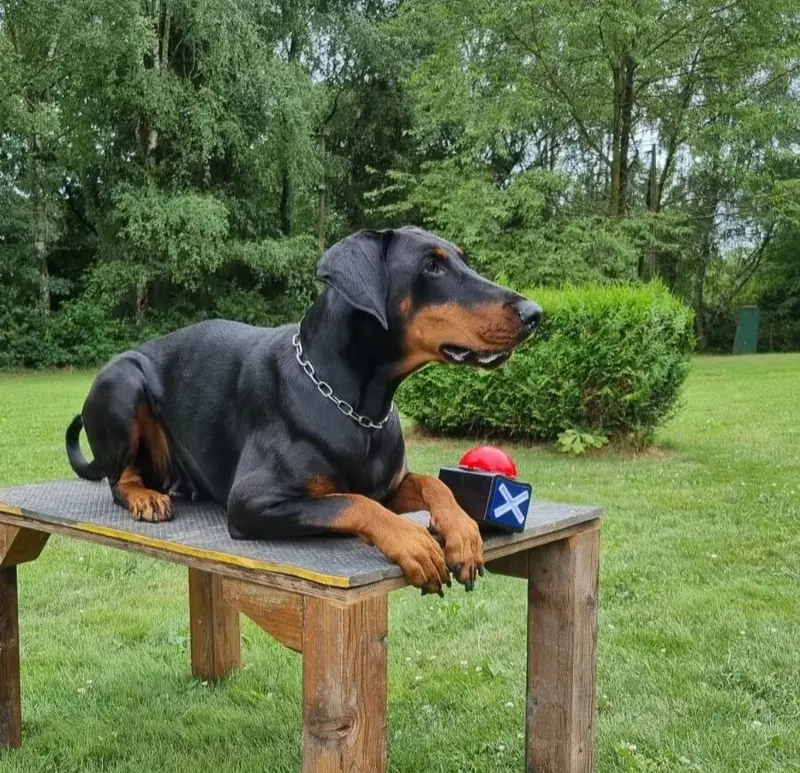
A central and often discussed topic regarding the Doberman is the cropping of ears and tails. In Germany, amputating body parts for purely aesthetic reasons is strictly prohibited under § 6 of the Animal Welfare Act. Cropping ears has been illegal since 1987, and tails since 1998. Nevertheless, you occasionally see cropped dogs. Unscrupulous dealers often offer so-called "cropping tourism," where procedures are performed abroad under questionable conditions, or they import already cropped puppies. The Deutscher Tierschutzbund explicitly points out that these procedures cause long-lasting pain to the animals and severely restrict their ability to communicate with other dogs. A breeder who offers cropped puppies, advocates for the procedure, or helps arrange such procedures abroad is acting against animal welfare and is by no means reputable.
Missing papers and dumping prices
Another clear warning sign is puppies offered without a recognized pedigree or at suspiciously low prices on classifieds portals. The breeding papers of a recognized association are not just important for shows; they are the only reliable proof of lineage and the strictly controlled health evaluations of the ancestors. Backyard breeders save on high-quality food, veterinary care, expensive cardiological examinations, and species-appropriate housing. Those who save on the purchase price here often pay a multiple later in veterinary costs for the treatment of hereditary diseases or infections.
What does a Doberman from a reputable breeder cost?
The price for a Doberman puppy from a reputable, controlled breeding program in Germany typically ranges between 1,500 and 3,000 euros. This amount reflects the immense costs the breeder incurs in advance and during rearing. These include stud fees for a suitable, healthy male, extensive cardiological and genetic tests for both parents, high-quality food for the pregnant dam and puppies, vaccinations, multiple dewormings, microchipping, as well as fees for litter inspections and the issuance of official papers.
Furthermore, a responsible breeder invests countless hours in the care, maintenance, and socialization of the litter. The purchase price is therefore a direct investment in the health and temperamental foundation of the dog. In addition to the initial costs, future owners should realistically calculate ongoing expenses. These include spending on high-quality food, municipal dog taxes, liability insurance, potentially health or surgery insurance, and costs for dog school and accessories. Since the Doberman is one of the very large dog breeds, food costs are correspondingly higher compared to smaller breeds.
Frequently Asked Questions (FAQ)
How do I find a reputable Doberman breeder in Germany?
The safest place to start is with breeders who belong to a recognized association like the VDH or the Dobermann-Verein e.V. These breeders must meet strict requirements regarding health, housing, and breeding approval. A clear and verified selection of breeding kennels can be found in our directory for Doberman breeders in Germany.
Is the Doberman a suitable dog for beginners?
Due to its high intelligence, enormous energy level, and distinct guarding instinct, the Doberman requires consistent, calm, and confident leadership. Experienced trainers advise novice dog owners to look very intensely into the needs of the breed before purchasing and to work with a competent dog school from the very beginning. More details on the specific characteristics can be found in the Doberman breed profile.
Why is the DCM test so extremely important for the parent animals?
Dilated Cardiomyopathy (DCM) is a severe, often fatal heart disease that occurs more frequently than average in Dobermans. Since it progresses for a long time without outwardly visible symptoms, only regular cardiological examinations (heart ultrasound and 24-hour ECG) of the breeding animals can minimize the risk of the disease being passed on to the offspring. A breeder who skips these tests is acting with gross negligence.
Is it still allowed to crop a Doberman in Germany?
No. Cropping ears and tails for purely aesthetic reasons is strictly prohibited in Germany under the Animal Welfare Act. The import of cropped dogs is also subject to legal restrictions, and showing such dogs is generally prohibited. Reputable breeders distance themselves from this painful practice and breed the Doberman in its natural appearance with floppy ears and a long tail.
How much exercise and activity does a Doberman need?
The Doberman is a working dog with a very high energy level. Mere walks on a leash are not enough to keep them appropriately active. They require daily physical exercise such as jogging, cycling, or dog sports (e.g., tracking, obedience, or agility) as well as mental challenges to be balanced and content.
Find your Doberman breeder in Germany
Deciding on a Doberman is the beginning of a long-term, loyal partnership. It is all the more important to ensure health, temperament stability, and responsible rearing from the start. Choosing the right breeder lays the irreplaceable foundation for a long and healthy dog life by your side.
On HonestDog, you will find a carefully curated selection of breeding kennels that meet high standards in dog breeding. All listed providers are checked for identity, association membership, and compliance with important health criteria. Use the transparent overview to contact dedicated breeders in your region, ask questions, and get comprehensive advice. Discover verified breeders now and find the perfect, healthy companion for your life.