Why Choosing the Right Pomeranian Breeder Matters
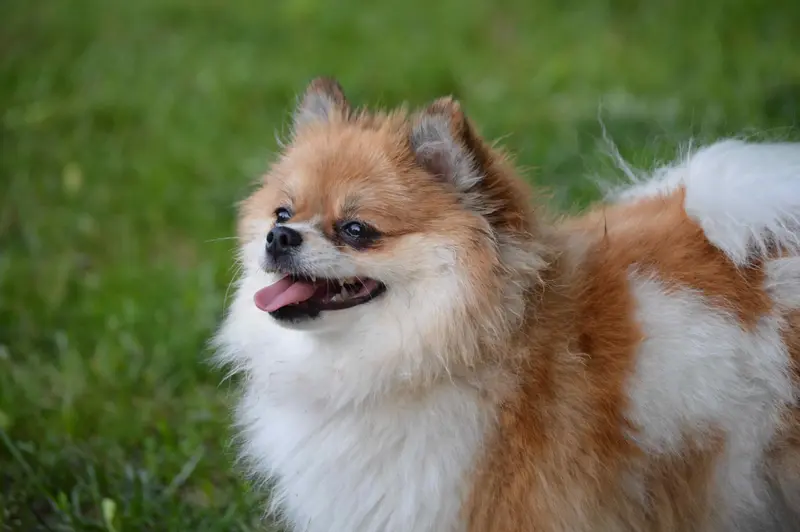
The Pomeranian, often internationally known as the Zwergspitz, enjoys immense popularity. Its compact size of 18 to 22 centimeters and dense, standing-out coat make many people eager to welcome one of these companion dogs into their lives. Yet it's precisely these physical traits that carry risks when pushed to extremes. Choosing the right breeder largely determines whether a dog leads a healthy life or struggles with genetic health issues right from the start.
A central problem in unregulated Pomeranian breeding is the trend toward so-called "teacup" dogs. In these cases, the smallest and often weakest animals are intentionally bred to achieve a body weight far below the breed-typical 1 to 3 kilograms. Such extreme dwarfism is considered torture-breeding. It leads to massive health limitations such as unstable bones, open fontanelles, dental malocclusions, and a drastically shortened lifespan. A responsible Pomeranian breeder in Germany strictly distances themselves from these practices and adheres to prescribed breed standards that prioritize a healthy anatomy.
Furthermore, the breed is characterized by an inquisitive, bold, and lively temperament. Despite their small size, Pomeranians often forget just how tiny they actually are. They require expert rearing to channel this self-confidence in constructive directions and prevent it from turning into nervousness or uncontrolled barking.
Traits of a Reputable Pomeranian Breeder
The search for a healthy puppy starts by inspecting the breeding facility. Reputable pomeranian breeders place great value on transparency, health, and well-socialized rearing.
- Club Membership: Trustworthy breeders are typically members of official kennel clubs such as the VDH (Verband für das Deutsche Hundewesen) or specifically the Verein für Deutsche Spitze e.V. These clubs enforce strict breeding regulations, inspect housing conditions through breed wardens, and set minimum ages as well as mandatory resting periods between litters for the dams.
- Family Rearing: The puppies grow up inside the house, not in isolated kennels or sheds. They learn about everyday household noises, different floor surfaces, and human contact at an early stage. This early socialization is essential for environmental stability, which is naturally very high in this breed.
- Focus on the Dam: The mother dog is present, appears relaxed, and shares a close bond with the breeder. She is open to visitors or displays breed-typical watchfulness, but is by no means panicked or apathetic.
- Comprehensive Guidance: A good breeder asks prospective owners critical questions. They want to ensure the dog goes to a suitable environment and will inform you about the grooming demands of the double coat as well as the breed's tendency toward separation anxiety.
Important Health Tests for Pomeranians
Small dog breeds have specific health vulnerabilities. Careful breeding selection minimizes the risk of hereditary diseases. If you'd like more detailed information about the breed, check out the Pomeranian breed profile. The following veterinary health screenings of the parent dogs are indispensable in responsible breeding:
- Patellar Luxation (PL): The displacement of the kneecap is a frequent orthopedic problem in small dogs. Breeding stock must be examined for PL by a certified veterinarian before their first mating. Only dogs with a clear result should be used for breeding.
- Eye Examinations: Progressive Retinal Atrophy (PRA) leads to the gradual death of the retina and ultimately to blindness. A DNA test (PRA-prcd) determines the genetic status of the parent dogs to prevent affected puppies from being born.
- Alopecia X (Black Skin Disease): This hormonally driven, partly genetically predisposed hair loss affects Nordic breeds and Spitz types disproportionately often. Although primarily a cosmetic issue, responsible breeders exclude affected bloodlines from breeding.
- Tracheal Collapse: A weakening of the windpipe manifested by chronic coughing. While there is no simple DNA test for this, reputable breeders exclusively use animals free from respiratory issues.
5 Specific Questions to Ask a Pomeranian Breeder
Talking to the breeder isn't just about getting acquainted; it's also about checking their expertise. These questions will help you gauge their reliability:
- What health clearances can you provide for the parent dogs? Ask to see official evaluations for patellar luxation and DNA tests. Verbal assurances are not enough.
- How many litters has this dam already had? Animal welfare-aligned breeding regulations limit the number of litters per mother dog and mandate recovery periods between pregnancies.
- How do you prepare the puppies for everyday life? A good breeder can describe in detail how they accustom the puppies to stimuli like vacuum cleaners, car rides, or strangers.
- What happens if I have to rehome the dog due to unforeseen circumstances? Reputable breeders generally take their dogs back for life or actively help rehome them so the animal doesn't end up in a shelter.
- How do you support buyers after handover? Support shouldn't end at the point of sale. Experienced breeders remain available for questions regarding nutrition, coat care, or training.
Red Flags: How to Spot Backyard Breeders and Puppy Mills
The Pomeranian is a lucrative dog for puppy mills and backyard breeders, who often produce puppies under inhumane conditions domestically and abroad. Watch out for these warning signs of untrustworthy sources:
- Buzzwords and Extremes: Terms like "teacup," "micro pom," or "mini spitz" are purely marketing gimmicks. Anyone advertising unnaturally tiny sizes is accepting severe health damage in the animals.
- Missing Mother Dog: If you're told the mother is out for a walk, at the vet, or resting, exercise extreme caution. These puppies often stem from illegal trafficking operations.
- Handover in Neutral Locations: A serious breeder insists that prospective owners visit the breeding kennel. Handing over puppies in parking lots, train stations, or simply "delivering" them to your home are typical practices of the illegal puppy trade.
- Missing Papers and Health Records: If the puppy lacks an EU pet passport, isn't microchipped, or the parents have no verifiable health certificates, you should strongly advise against purchasing.
- Pity Purchases: Even if local conditions look poor, buying a puppy doesn't save it long-term; it merely funds the puppy mill system, which immediately produces new puppies. In such cases, contact the local veterinary office instead.
Price Overview: What a Pomeranian from a Reputable Breeder Costs
If you want to purchase Pomeranian puppies from controlled breeding, you should expect a price range typically between 1,500 and 3,000 euros. In individual cases, such as special show bloodlines, prices may run slightly higher.
This amount might seem high at first glance, but it is made up of real expenses. These include stud fees for a suitable, healthy male, comprehensive health screenings of the parents, high-quality nutrition for the pregnant dam and puppies, and veterinary costs for ultrasounds, vaccinations, deworming, and microchipping. Additionally, the breeder invests round-the-clock time in rearing and socialization. Offers well under 1,000 euros come almost exclusively from commercial volume breeders who cut corners on health, diet, and housing. The initial savings on the purchase price are usually vastly outweighed later by immense vet bills resulting from hereditary diseases or infections.
In addition to the purchase price, you'll have ongoing costs for species-appropriate nutrition, dog tax, pet liability insurance, and ideally health or surgical insurance, which is particularly wise for small breeds with orthopedic risks.
Frequently Asked Questions
Is the Pomeranian a torture breed?
The Pomeranian itself is not a torture breed as long as it is bred according to the official breed standard, which specifies a height of 18 to 22 centimeters and a weight of 1 to 3 kilograms. However, veterinary medical experts, such as the Bundestierärztekammer (Federal Chamber of Veterinarians), view extremely dwarfed specimens marketed as "teacup Pomeranians" as critical torture-breeding. These animals frequently suffer from severe anatomical defects.
How long can a Pomeranian stay home alone?
Pomeranians are extremely loyal and form close bonds with their primary caregivers. They make outstanding companion dogs but tend to develop separation anxiety if left isolated for extended periods. An adult, well-trained Pomeranian can stay home alone for a few hours, but an entire workday without company runs counter to the breed's strongly human-oriented nature.
How high-maintenance is the Pomeranian coat?
The coat consists of dense undercoat and long, straight topcoat. It requires regular maintenance—typically brushing several times a week—to prevent matting and ensure proper skin respiration. Completely shaving the coat should be avoided because this can permanently damage hair structure and lead to conditions like post-clipping alopecia.
Is the Pomeranian a yappy dog?
The breed brings a watchful nature and natural curiosity. They tend to announce unfamiliar sounds or visitors through barking. With consistent, calm training from puppyhood onward, this behavior can be easily channeled so the dog gives a quick alert but settles down rapidly.
Find Vetted Pomeranian Breeders
Deciding on a dog is a commitment for the next 12 to 16 years. Carefully selecting your breeding kennel lays the foundation for a long, healthy, and carefree life together. To make this process transparent and secure, HonestDog offers a platform where breeders are vetted against rigorous criteria. This gives you access to responsible breeding operations that put health, temperament, and animal welfare first. Find your ideal companion today and check out current litters near you on HonestDog.